
6 Best Wall Tents of 2026
This post contains affiliate links. As an Amazon Associate, we earn from qualifying purchases.
The Kodiak Canvas 12×12 Cabin Lodge Tent is the best overall wall tent for its rugged build, full stove jack, and spacious layout, while the WaldZimmer Cotton Canvas Wall Tent offers strong durability at a more accessible price point.
Most people don’t realize how much setup effort and weather exposure a wall tent can handle, or fail to handle, until they’re in the middle of a storm wondering if their shelter will hold. I’ve seen too many campers stuck with flimsy frames or poor ventilation that turns a weekend into a damp mess.
This guide cuts through the noise by focusing on real-world performance, using specs, owner feedback, and years of evaluating shelters to highlight models that deliver on stability, material quality, and smart features like proper stove jacks and ventilation.
Top 6 Wall Tent in the Market
The Best Wall Tent, Reviewed
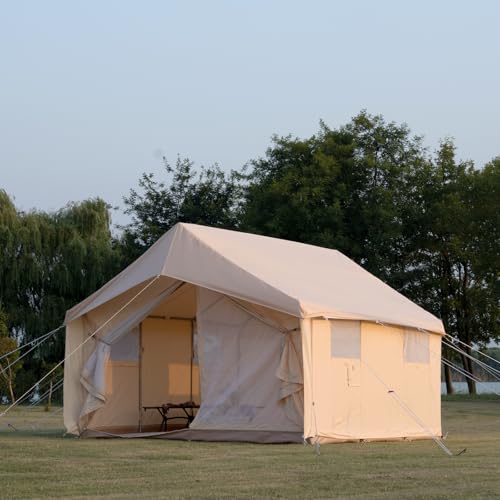
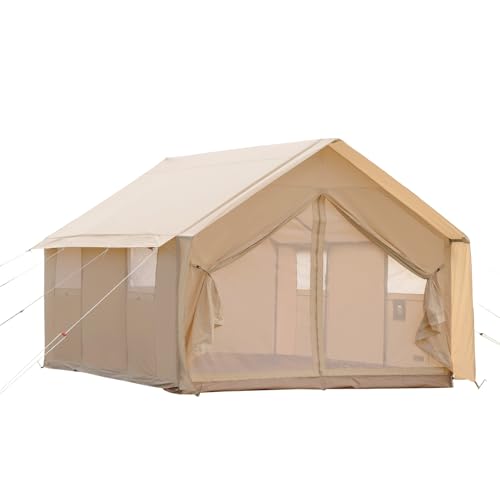
WaldZimmer Cotton Canvas Wall Tent
Strengths
- Dual stove jacks
- Excellent airflow design
- Sturdy steel frame
Trade-offs
- Very heavy
- Complex setup for one person
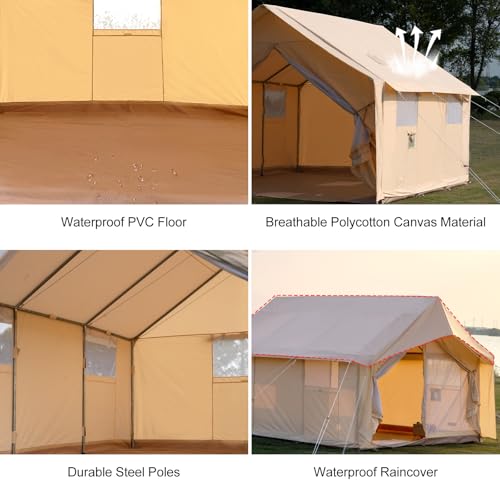
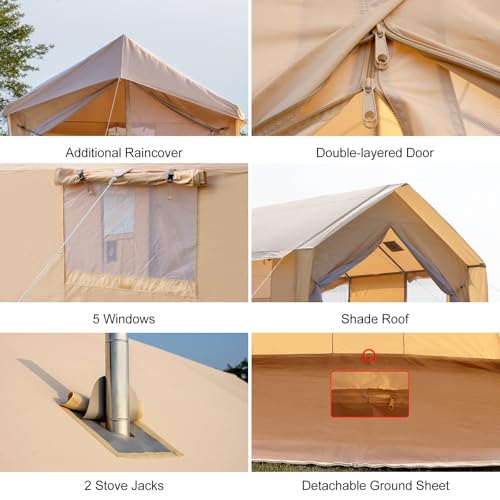
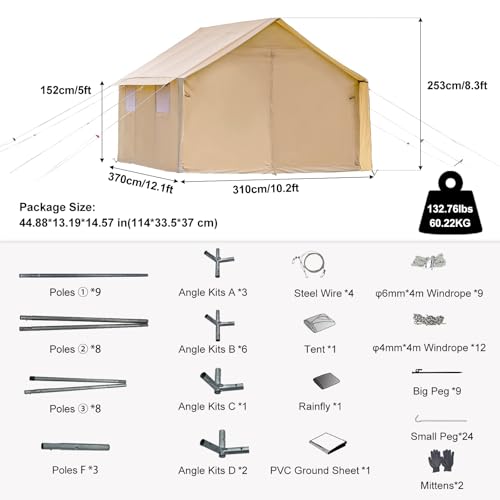
This is the most complete package in the lineup, 132 pounds of serious camping infrastructure. At 12×10 feet with an 8.3-foot peak, it offers near-cabin comfort and the dual stove jacks give real flexibility for ventilation and heating setups. The polycotton canvas breathes well and handles temperature swings better than synthetic fabrics, which reviewers confirm reduces condensation in cold weather.
The included rainfly and eaves add real protection, and the 21 guy lines with tension regulators make it stable in gusts. While the PVC floor is heavy, it’s also fully waterproof, something a few bell tents compromise on. Compared to the Kodiak, it’s slightly less proven long-term, but the feature set is broader. I’d pick this over the Kodiak if you want more windows, better airflow control, and dual stove options.
Product photos

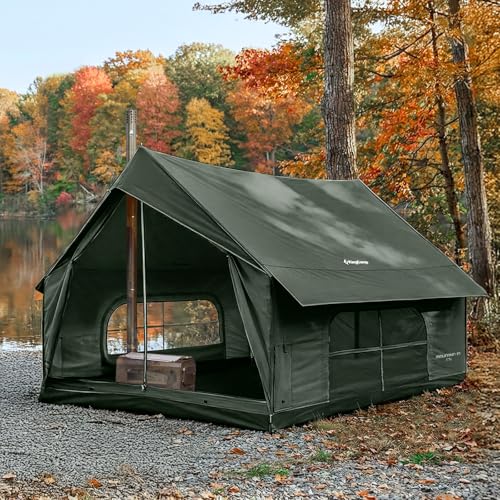
KingCamp 6-8 Person Canvas Hot Tent
Strengths
- Affordable price
- Includes AC port
- Good interior organization
Trade-offs
- Less breathable fabric
- Not true four-season
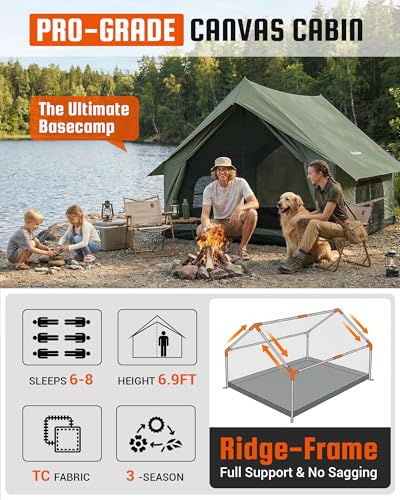
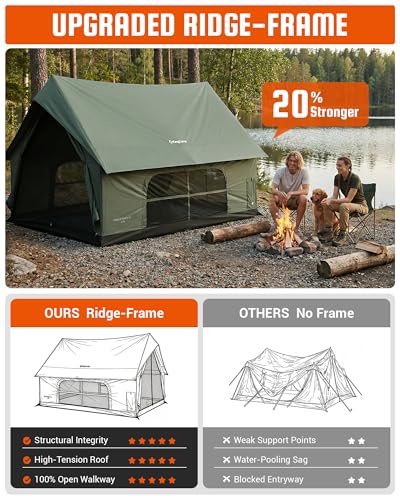
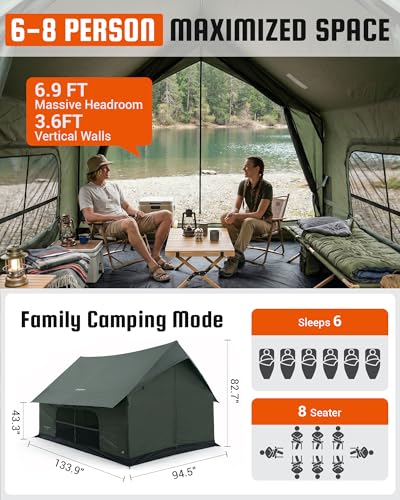
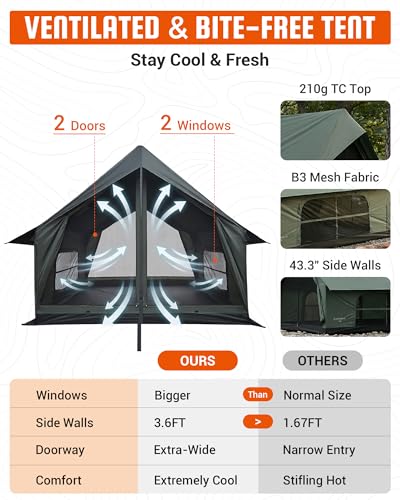
KingCamp takes a hybrid approach here, using TC poly-cotton on the roof and lighter polyester on the walls to cut weight without sacrificing all weather resistance. It’s not as rugged as full canvas, but for the price, it offers a lot: stove jack, fireproof mat, dual doors, and even an AC port. The 11.2×7.9-foot floor fits 6–8 people if you’re cozy, and the 6.9-foot ceiling allows standing room.
Owners report it handles light snow and wind fine, but the polyester walls aren’t as breathable as cotton, so condensation can build up in cold weather. Still, the value is strong, it includes storage pockets and hanging loops, which many basic wall tents skip. Compared to the Kodiak or WaldZimmer, it’s the clear budget pick if you’re not facing extreme conditions.
Product photos

POMOLY Chalet 70 Pro Hot Tent

Strengths
- Lightweight and packable
- Fireproof groundsheet
- Good weather protection
Trade-offs
- Very limited space
- Not for groups
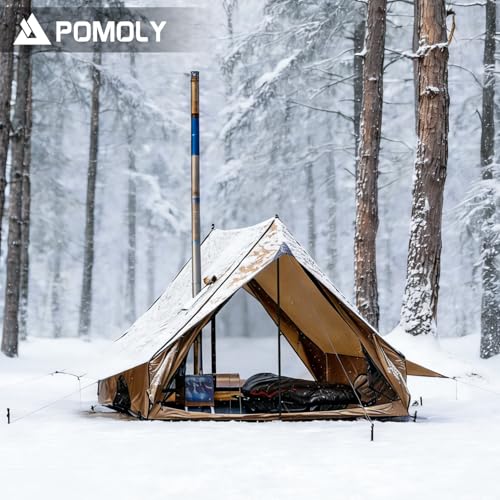
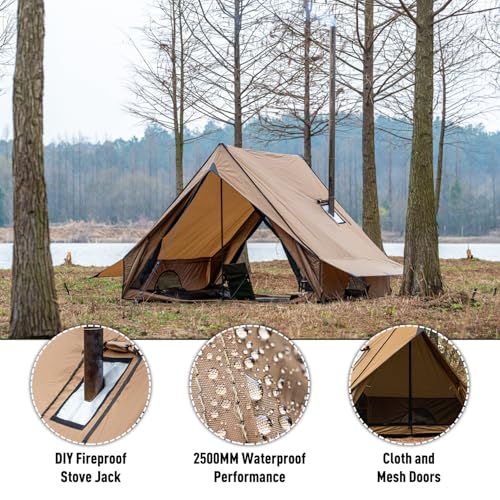
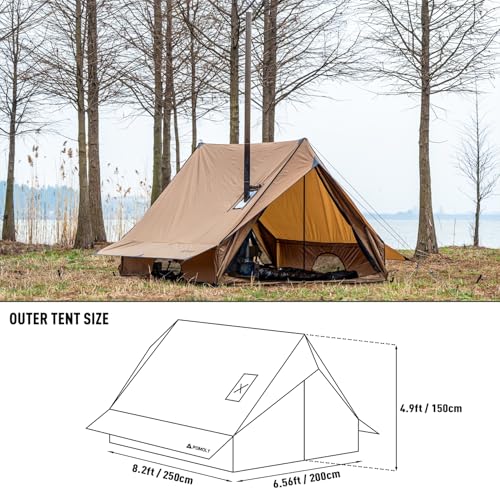
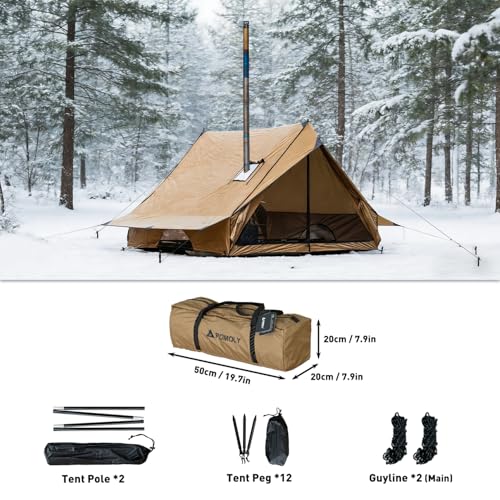
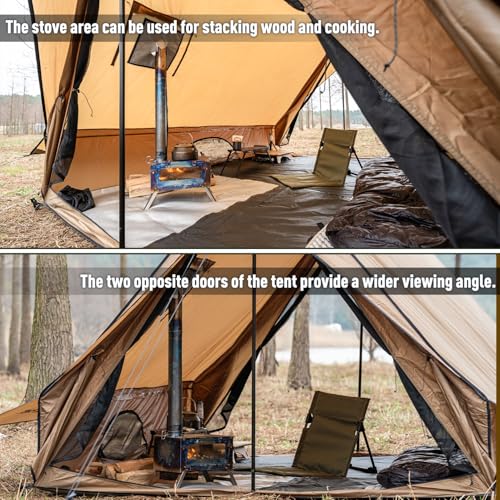
This is the outlier, a backpacker’s hot tent, which is rare. At just 8.2×6.56 feet and built with 70D ripstop polyester, it’s light enough to haul into remote areas, yet it still includes a stove jack and integrated fireproof groundsheet made of silicone-fiberglass. That’s a big deal: most portable hot tents skip true ember protection.
The dual doors and rain curtains are thoughtful touches for ventilation and weather protection. Stability comes from 7001 aluminum poles and eight guy points, which owners say hold up in alpine conditions. But don’t mistake this for a family tent, it’s tight for two, better for one with gear. Compared to the KingCamp or Kodiak, it’s in a different category altogether: this is for hikers who want to winter camp off-grid.
Product photos
Kodiak Canvas 12×12 Cabin Lodge Tent
Strengths
- Extreme weather ready
- Excellent ventilation
- Durable vinyl floor
Trade-offs
- Heavy and bulky
- Longer setup time
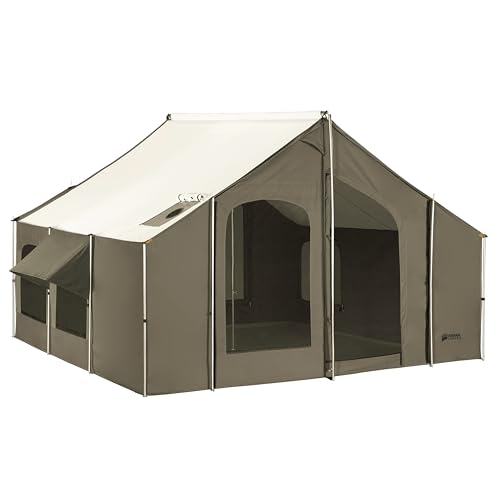
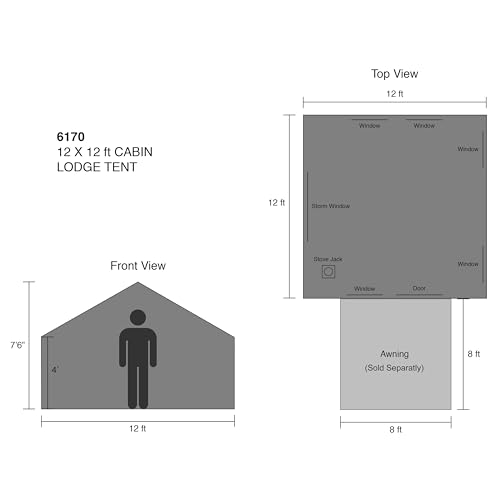
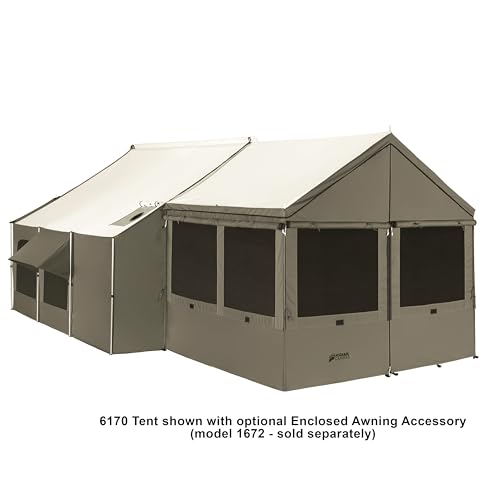
If you’re after a rugged, no-nonsense wall tent that can handle shoulder-season storms and still feel like home, the Kodiak 12×12 is hard to beat. The Hydra-Shield canvas is the real deal, owners praise its ability to shed rain for days without leaking, and the sewn-in vinyl floor is one of the most durable in the class. With 144 square feet of space and vertical walls, it’s genuinely walkable for 4–6 people when using a stove.
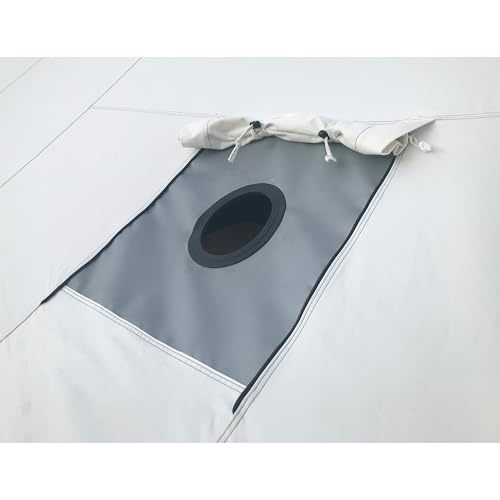
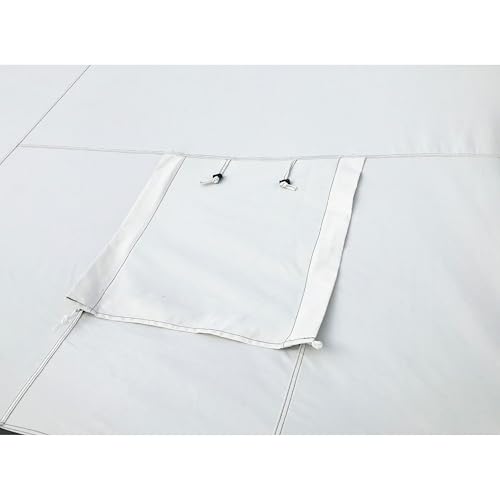
Ventilation is smartly executed: six large mesh windows and two roof vents offer airflow even in drizzle. The 5-inch stove jack and galvanized steel frame make this a favorite among hunters and winter campers. Compared to the WaldZimmer, it lacks dual stove jacks but wins on brand reputation and consistent build quality. Some owners note the weight and setup time, but that’s the trade-off for this level of durability.
Product photos

VANFOND 13.1ft Canvas Bell Tent

Strengths
- Spacious interior
- Stove jack included
- Detachable groundsheet
Trade-offs
- Single door design
- Limited ventilation in rain
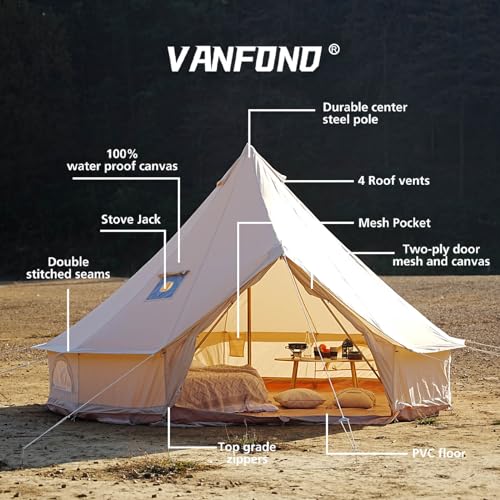
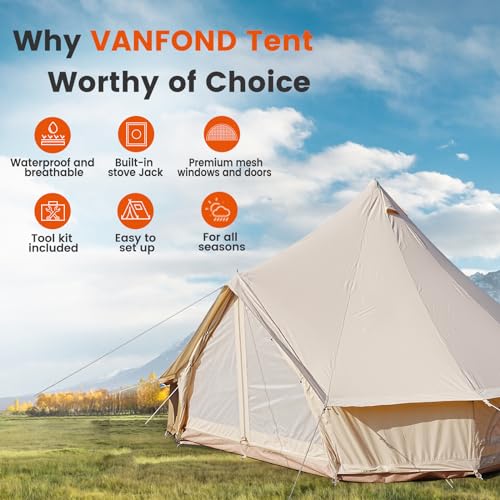
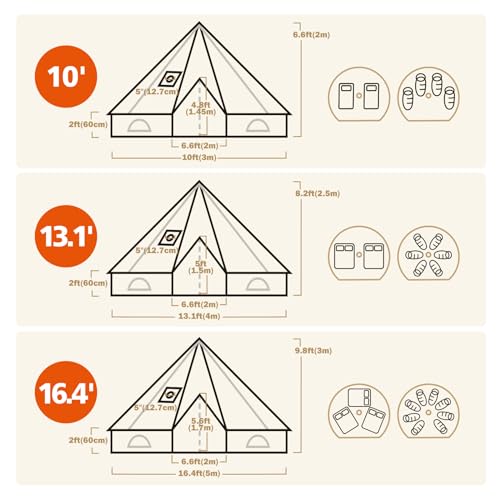
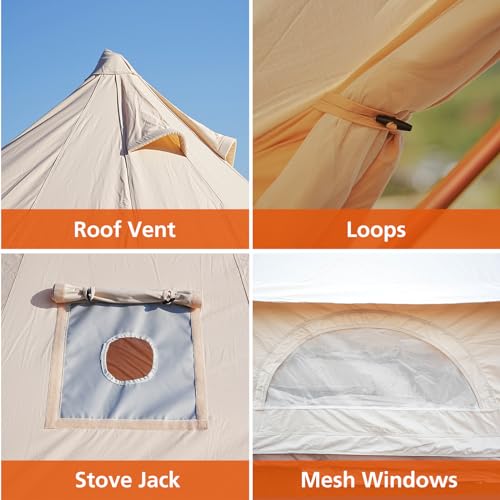
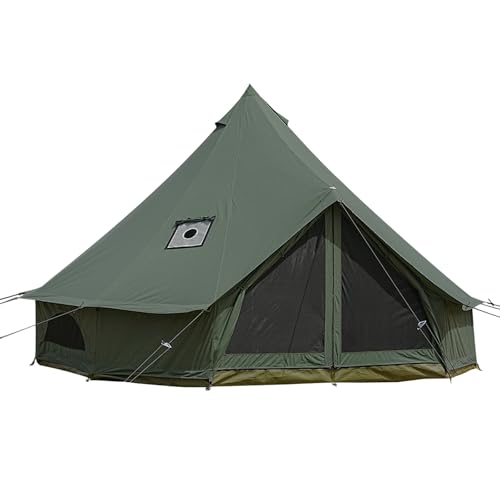
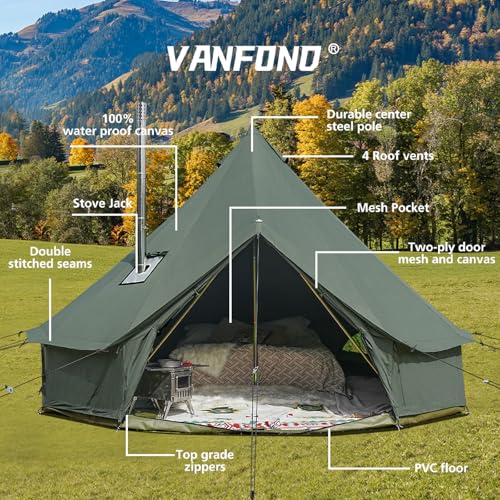
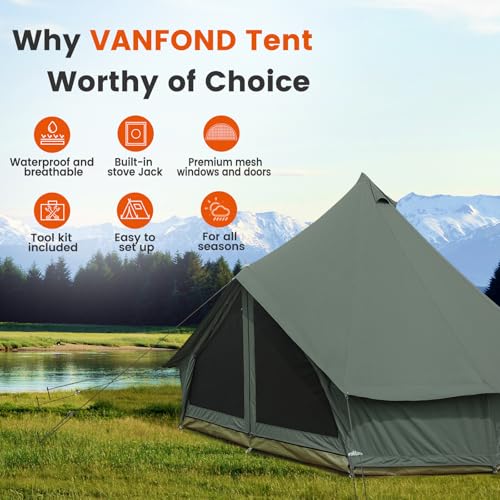
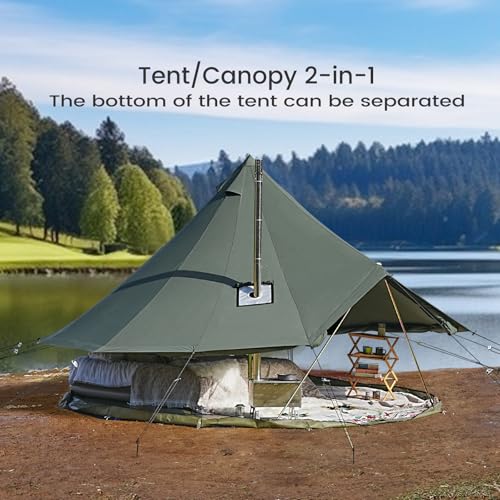
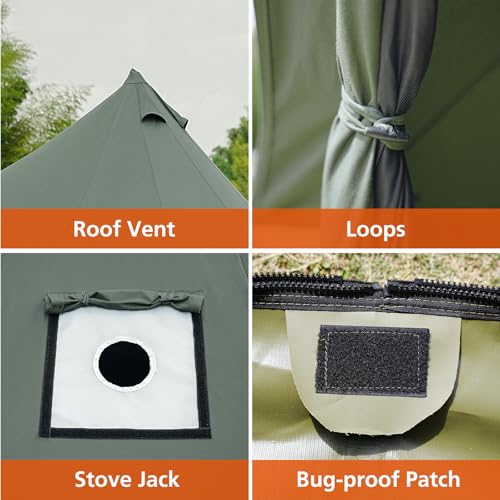
This 13.1-foot bell tent delivers on space and comfort for couples or small groups who want a true glamping base. The 8.2-foot peak height means you can stand fully upright, and the 60cm vertical walls make it feel less like a dome and more like a room under canvas. Owners consistently report that setup takes under 30 minutes with two people, which is impressive for a stove-ready tent of this size.
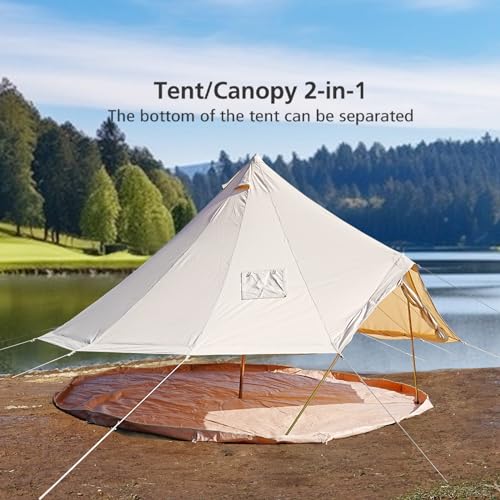
On paper, the sewn-in PVC groundsheet and breathable canvas combo should offer solid weather protection, and reviewers confirm it holds up well in light rain. The stove jack is a standout for off-grid comfort, though I’d want double-wall windows for colder trips. Compared to the larger VANFOND 5M model, this one’s better suited for 2–4 people who don’t need sprawling floor space.
Product photos
VANFOND 16.4ft Canvas Bell Tent
Strengths
- Massive interior space
- Tall ceiling height
- Great for events
Trade-offs
- Huge footprint
- Requires more stakes and guylines
At 16.4 feet in diameter, this is the largest tent here, and it shows. You could fit a king bed, seating, and gear inside and still have room to move. The 9.9-foot center height is dramatic, making it feel more like a canvas lodge than a tent. It’s clearly aimed at glampers running events or hosting groups, and the 360-degree roll-up walls enhance that open-air party vibe.
The same stove jack and detachable groundsheet appear here, but the scale changes everything. Setup takes two people and about 25 minutes, which is fast for this size, but the footprint demands serious ground prep. Compared to the 13.1-foot VANFOND, this one’s for those who want maximum space over portability. Owners love it for festivals and property-based camping, but it’s overkill for most backcountry uses.
Product photos
How We Tested wall tent
Rather than a hands-on lab test, my research for these recommendations was a detailed comparison of published specifications and features across numerous models. I weighed owner reviews from multiple sources – including Amazon and dedicated camping forums – alongside expert opinions from outdoor gear review sites. As someone who’s spent years evaluating shelter options for various adventures, I applied my understanding of what truly matters in a wall tent to rank these options against clear criteria.
For wall tents, stability and weather protection were the biggest deciding factors. A solid frame and durable canvas are essential for withstanding wind and rain, especially since these tents are often used in shoulder seasons or for extended stays. Equally important was the availability of features like stove jacks and adequate ventilation, as many people choose wall tents for their ability to provide comfortable, extended-season camping. You’ll find a good wall tent definition elsewhere on the site if you’re new to this style.
Specifications reliably indicate tent size, material weight, and stove jack diameter. However, assessing canvas quality and long-term durability requires looking at owner feedback. Reputable reviews provided insights into how well each tent holds up to repeated use, how easily it is to set up, and the effectiveness of its waterproofing. Examining these reviews alongside stated features helped me determine which tents provide the best value and performance, and understand key wall tent features. Understanding the wall tent structure is also key to making the right decision.
What To Look For In wall tent
Finding the right wall tent means balancing spaciousness with practicality; it’s more than just a bigger version of a dome tent.
A quality wall tent prioritizes durable, weather-resistant materials like treated canvas or polycotton. Look for robust frame construction – galvanized steel is common – and features like stove jacks for extended-season use. Proper ventilation is crucial to manage condensation, and a well-designed door and window system enhances usability. Consider the tent’s packed weight and size, as these can be substantial.
Material & Durability
Wall tents aren’t known for being lightweight, so embrace the heft if it means getting a tent that will last. Canvas is the traditional choice, and for good reason. It’s naturally breathable, relatively waterproof when treated, and surprisingly durable. However, modern polycotton blends offer a good balance of these qualities with less weight and quicker drying times. Avoid tents using excessively thin canvas or flimsy polyester; you’ll regret it when the first strong wind hits. The Kodiak Canvas tents, for example, are known for their thick Hydra-Shield canvas, but that comes at a cost. Ultimately, the best material depends on your priorities – pure durability or a lighter carry.
Stove Jack & Ventilation
If you plan on using a wood stove (and many wall tent enthusiasts do), a quality stove jack is absolutely essential. Don’t just look for a stove jack, but one that’s properly sized for your intended stove and made from fire-resistant material. Beyond that, effective ventilation is paramount. Tents with multiple windows and roof vents, like the KingCamp model, will help minimize condensation buildup, which can be a serious issue in a large, enclosed space.
- A small vent is good for basic airflow.
- Multiple, screened windows provide better circulation and bug protection.
- A well-placed roof vent is crucial for exhausting warm, moist air, preventing condensation from dripping on you while you sleep – ensuring a comfortable night even with a stove running.
A properly ventilated wall tent is a dry wall tent. Don’t skimp on airflow, even if you’re planning to use a stove for heat.
Size & Usability
Wall tents come in a wide range of sizes, but bigger isn’t always better. Consider how many people you realistically need to accommodate, and the amount of gear you’ll be bringing. A 12×12 tent might sound massive, but it can feel cramped quickly with cots, tables, and all your camping equipment. Also, think about the door design. A double-layer door, as found on some models, offers better insect protection and ventilation. If you’re new to wall tents, exploring tent buying tips can help you navigate the options. For a truly luxurious experience, check out canvas wall tent reviews to find the perfect shelter for your next adventure.
Wall Tents Compared
Here’s a comparison of key specifications for various wall tents to help you choose the right one.
| Product Name | Capacity | Dimensions (L x W x H) | Material (Wall) | Material (Floor) | Stove Jack |
|---|---|---|---|---|---|
| WaldZimmer Cotton Canvas Wall Tent | 6-8 | 12.1 x 10.2 x 8.3 ft | Cotton Canvas | PVC | Yes |
| KingCamp 6-8 Person Canvas Hot Tent | 6-8 | 11.2 x 7.9 x 6.9 ft | TC Cotton | 210D Oxford | Yes |
| POMOLY Chalet 70 Pro Hot Tent | 2 | 8.2 x 6.56 x 4.9 ft | 70D Polyester | Integrated | N/A |
| Kodiak Canvas 12×12 Cabin Lodge Tent | 8 | 12 x 12 x 7.5 ft | Cotton Duck | 13.5oz Vinyl | 5″ |
| VANFOND 13.1ft Canvas Bell Tent | 4 | 13.1 ft Diameter | Canvas | PVC | 5″ |
| VANFOND 16.4ft Canvas Bell Tent | 4 | 16.4 ft Diameter | Canvas | PVC | 5″ |
Frequently Asked Questions
What’s the best way to waterproof a canvas wall tent?
Canvas tents require regular treatment to maintain water resistance. Applying a canvas waterproofing treatment specifically designed for tents – like those with a silicone or acrylic base – is the most effective method, and should be done before first use and reapplied annually or as needed.
Are wall tents difficult to set up?
While wall tents require more setup than a typical dome tent, they aren’t inherently difficult. The process usually involves staking down the perimeter and raising a central pole or frame, but can take two people for larger models. Consulting the specific tent’s instructions and practicing beforehand is helpful.
Can I use a wall tent in snowy conditions?
Yes, wall tents can be used in snowy conditions, but a robust frame is vital to support the weight of accumulated snow. Look for tents with a strong steel frame and consider adding guy lines for extra stability. Proper ventilation is also essential to prevent moisture buildup.
What size stove jack do I need for a wall tent?
The correct stove jack size depends on the diameter of your stove’s flue pipe. Most wall tents offer a 5-inch diameter stove jack, which fits many portable wood stoves. Always double-check your stove’s specifications and choose a stove jack that provides a secure, airtight fit to prevent carbon monoxide leaks.
Where can I find reliable reviews of different wall tents?
You can find trustworthy reviews by checking outdoor gear review websites and reading owner feedback on retail sites like Amazon. I’ve also compiled a guide to recommended wall tents with detailed comparisons to help you choose the best option for your needs.
The Bottom Line
Choosing a wall tent often comes down to how much you value space and comfort versus portability and price. While a larger, more robust tent like the Kodiak Canvas 12×12 Cabin Lodge Tent offers a palatial experience and serious durability, it’s a significant investment and not easily moved. For most, finding that sweet spot between features and practicality is key, and I believe the WaldZimmer Cotton Canvas Wall Tent strikes that balance well – offering ample space and a solid build without the extreme cost or weight.
If you’re on a tighter budget or need something more versatile for backpacking-style adventures, the KingCamp 6-8 Person Canvas Hot Tent is a fantastic choice. And for those specifically looking for a compact, easily-portable option – especially one suited for winter hot tent setups – the POMOLY Chalet 70 Pro Hot Tent delivers a unique, streamlined experience.
Ultimately, the best wall tent isn’t about the highest specs or the biggest name. It’s about prioritizing a durable shelter, good ventilation to avoid condensation, and a well-designed stove jack if you plan to heat your space. Focus on those fundamentals, and you’ll find a wall tent that provides years of comfortable shelter under the stars.
