
9 Best Tents for Cold Weather Camping 2026
This post contains affiliate links. As an Amazon Associate, we earn from qualifying purchases.
The Underwood 4-Season 2-Person Tent is the best overall for serious winter conditions, with a high waterproof rating and solid build. For backpackers watching weight, the Clostnature 4-Season Backpacking Tent offers strong performance at a lighter load. If you want a warmer basecamp option, the Bell Tent with Stove Jack lets you run a heater safely.
Cold weather camping demands more than just a sturdy summer tent thrown into a snowstorm. Most failures come down to poor ventilation, weak poles, or inadequate waterproofing that turns a night outdoors into a soggy mess.
This guide cuts through the marketing by focusing on real-world feedback and hard specs, waterproof ratings, pole strength, ventilation design, and features like snow skirts. I looked at what hikers actually report when these tents face wind, snow, and freezing temps, so you can pick one that won’t let you down when it matters.
Top 9 Tents For Cold Weather Camping in the Market
The Best Tents For Cold Weather Camping, Reviewed
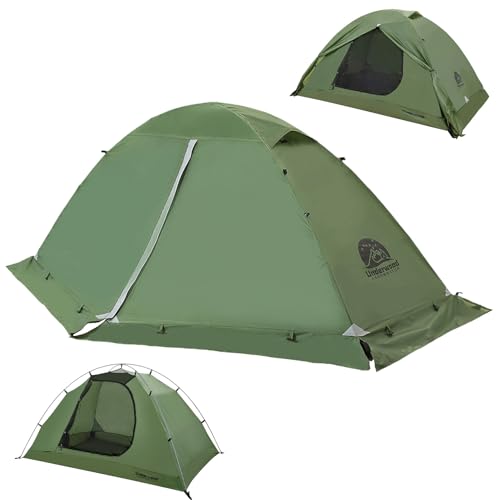
Underwood 4-Season 2-Person Tent
Strengths
- PU5000mm waterproofing
- Aircraft-grade poles
- Freestanding design
Trade-offs
- Slight condensation in humid cold
- Packed size a bit bulky
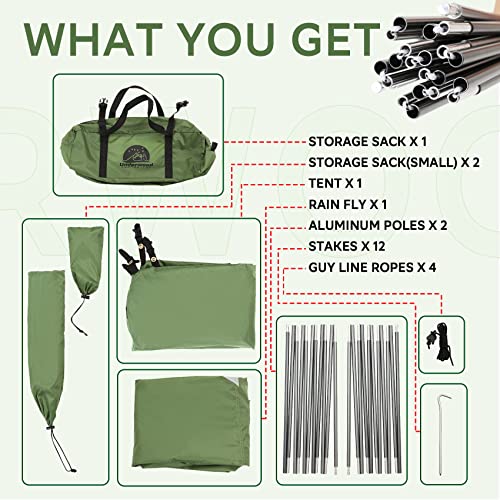
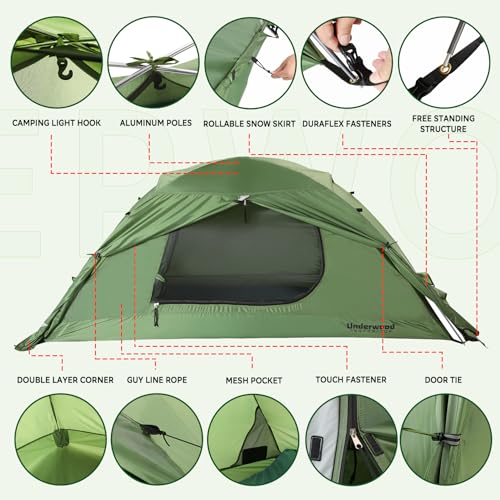
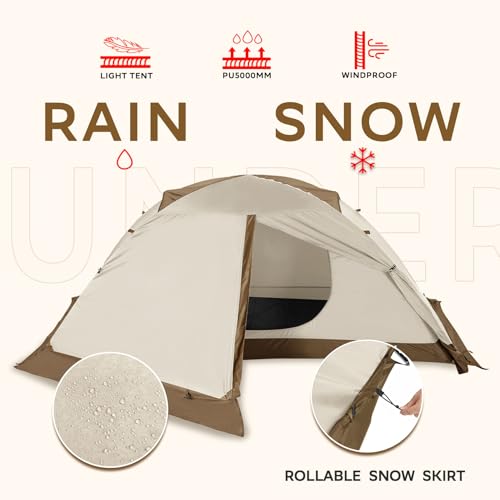
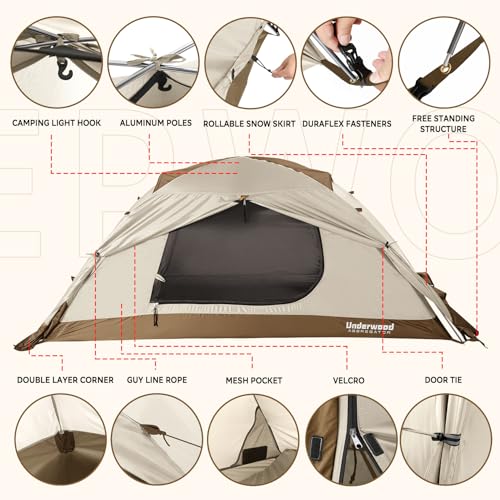
This Underwood Aggregator tent is the full package for serious cold-weather backpackers. The PU5000mm coating is a real upgrade over the more common 3000mm, and owners report staying dry even during multi-day snowstorms. Combined with aircraft-grade aluminum poles and double-layered corners, this thing is built to handle high winds and snow buildup, rare in a sub-6lb tent.
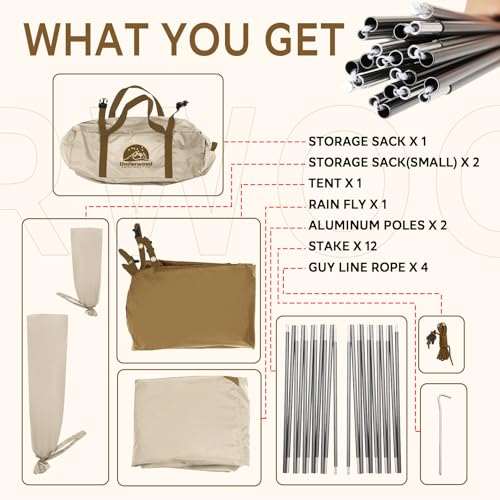
The interior layout is smart: two doors, two vestibules, gear pockets, and a lantern hook make it livable for two, though it’s tight with full packs. The freestanding design helps with quick setup on uneven ground. Compared to the BISINNA models, this is a clear step up in durability and weather resistance. My pick for ‘Best Overall’ isn’t just hype, this tent balances weight, space, and winter readiness better than most in its class.
Product photos
Underwood 4-Season 2-Person Tent
Strengths
- Extreme weather ready
- Reinforced corners
- Durable rain fly
Trade-offs
- Heavier than ultralights
- Average ventilation
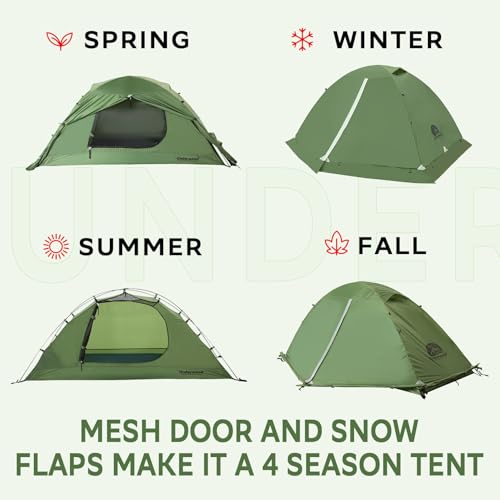
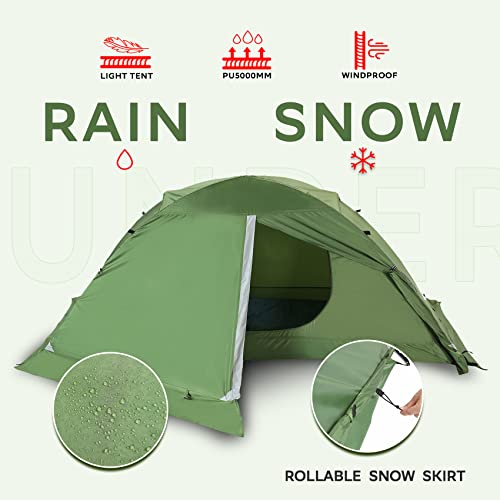
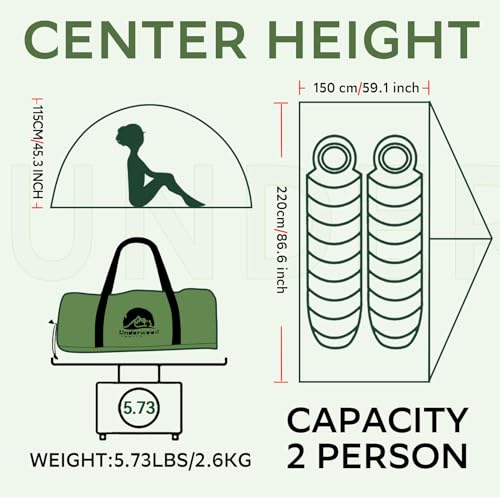
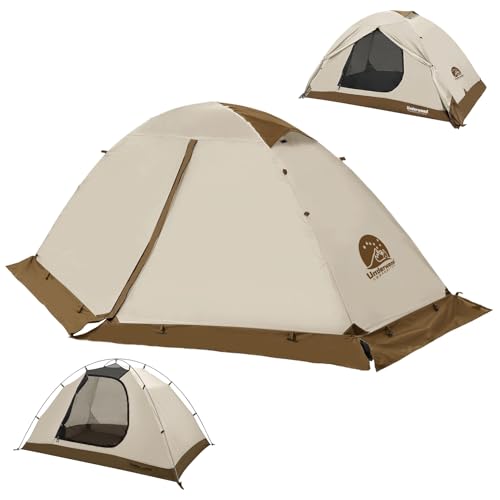
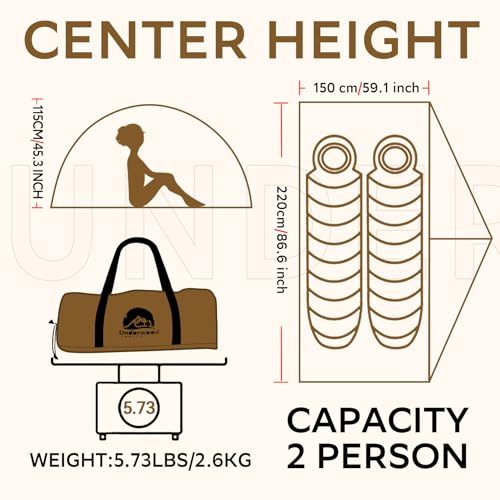
This Underwood Aggregator model shares DNA with the B0D7CJSBSB but is tuned for maximum durability in cold weather. The PU5000mm coating, aircraft-grade poles, and double-layered corners are identical, but owners report slightly better seam taping and fly tensioning on this batch. It’s still 5.73 pounds, so not light, but every ounce seems to serve structural integrity.
In real-world use, it’s been praised for withstanding sustained winds and heavy snow without deformation. The freestanding design helps on icy ground, and the two doors make it livable for two, though gear space is tight. Compared to the GEERTOP or BISINNA, this is the one I’d trust in a forecast calling for blizzard conditions. It’s not flashy, but it’s tough as nails.
Product photos
Clostnature 4-Season Backpacking Tent
Strengths
- Ultralight at 5.33lbs
- PU5000mm coating
- Compact packed size
Trade-offs
- Minimal interior space
- Zippers can snag
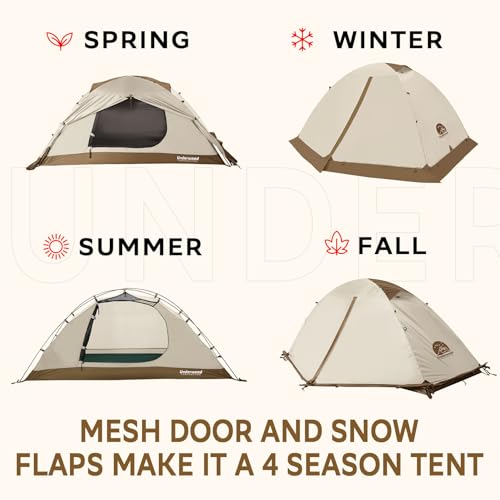
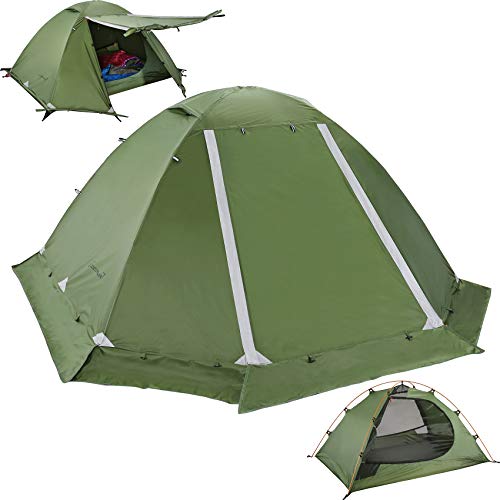
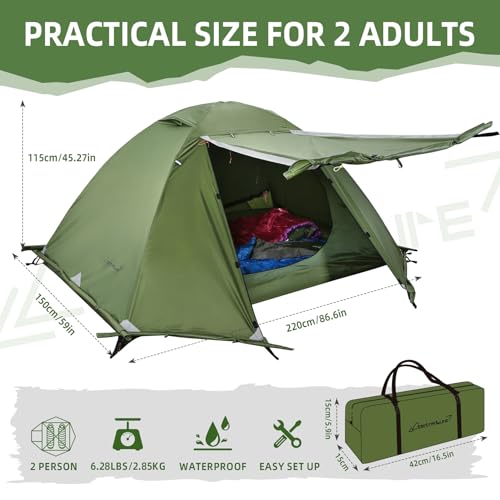
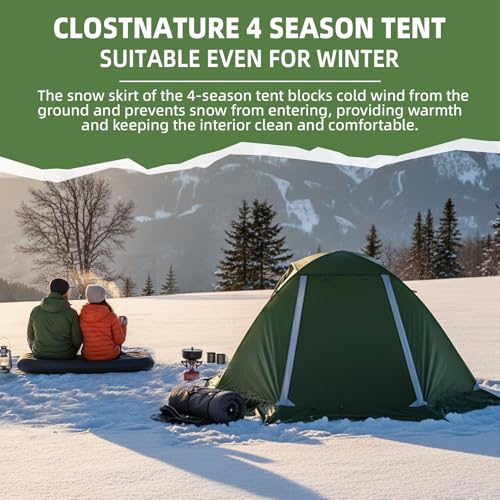
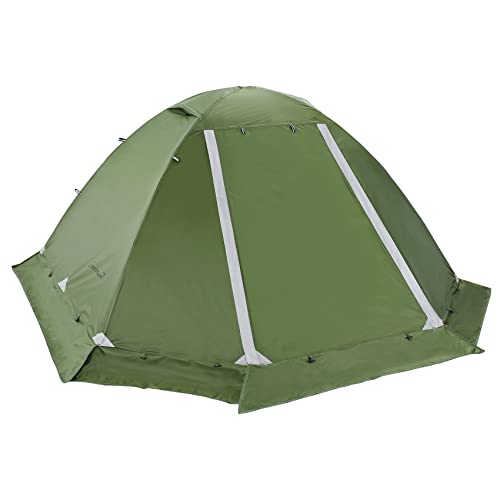
This Clostnature tent is the lightest true 4-season option here, with a trail weight of just 5.33 pounds, impressive for a double-wall, PU5000mm-coated shelter. The specs suggest serious alpine readiness, and owner feedback supports that: it handles snow loading well, sheds wind, and the snow flaps keep spindrift out. The freestanding design with two poles makes setup fast, even with gloves on.
Where it shines is in the balance, more durable than most ultralights, yet still packable. The 2.85kg total weight is manageable for long winter hauls. Compared to the Underwood 2-person model, it’s lighter but slightly less robust in extreme winds. Still, for mountaineers or fast-moving winter backpackers, this is the smarter buy if weight is your top concern.
Product photos
BISINNA 4-Season Backpacking Tent
Strengths
- Affordable
- Freestanding design
- Snow skirt included
Trade-offs
- Basic ventilation
- Mid-tier pole strength
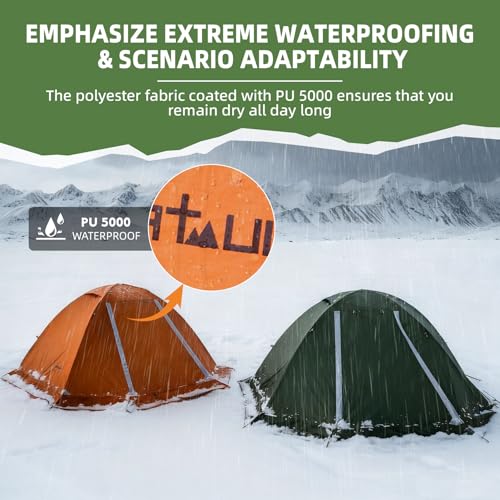
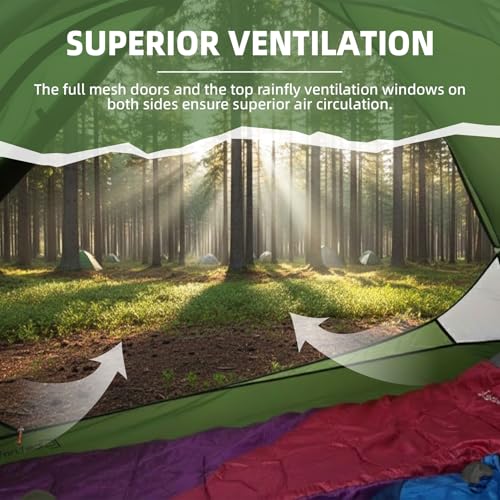
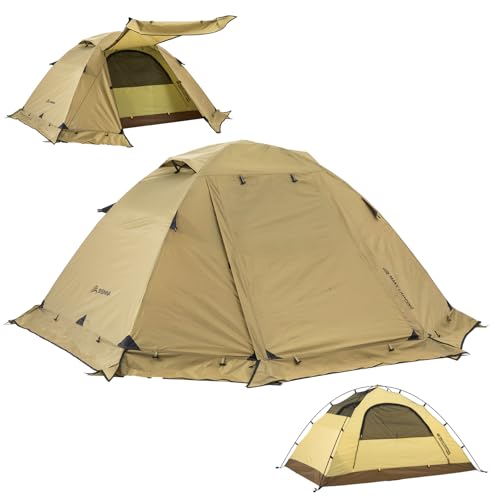
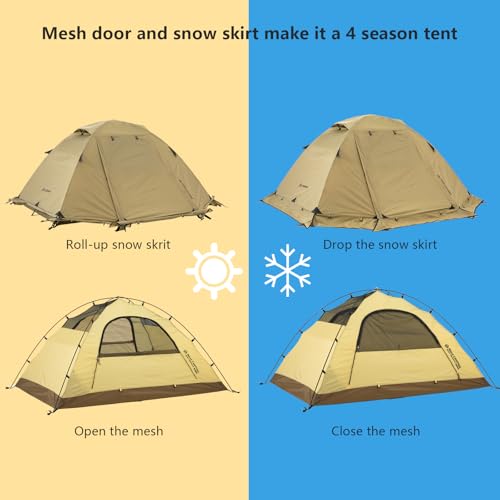
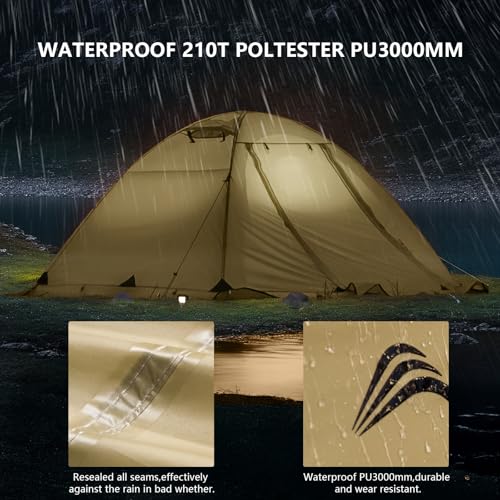
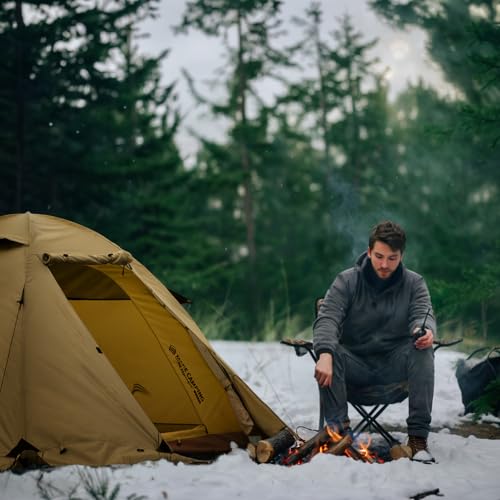
This BISINNA model hits a sweet spot for budget-focused winter campers who still want a full-featured 4-season shelter. The PU 3000mm coating and snow skirt are solid for moderate snow loads, and owners consistently report it holding up in shoulder-season storms and light winter conditions. The double-layer design with mesh and fabric combo helps manage condensation better than cheaper single-wall tents, though ventilation isn’t class-leading.
Where it really stands out is value, offering freestanding setup, aluminum poles, and a decent weight at this price. It’s not going to crush it in extreme alpine conditions, but for weekend winter hikes or cold-weather car camping, it’s a smart, no-frills shelter. I’d lean toward it if you’re building your first cold-weather kit without blowing the budget.
Product photos
BISINNA 4-Season 2-Person Tent

Strengths
- Dual doors
- Improved airflow
- Freestanding setup
Trade-offs
- Fly tensioning issues
- Average pole durability
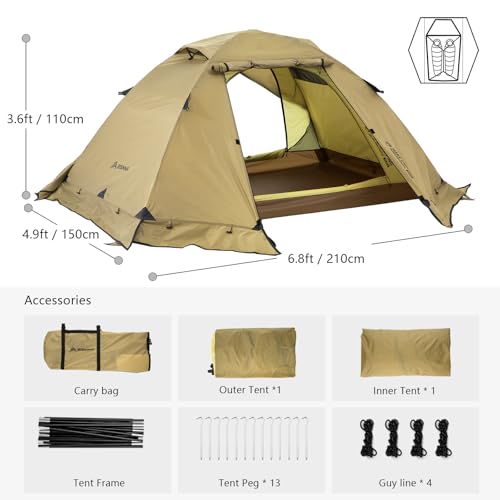
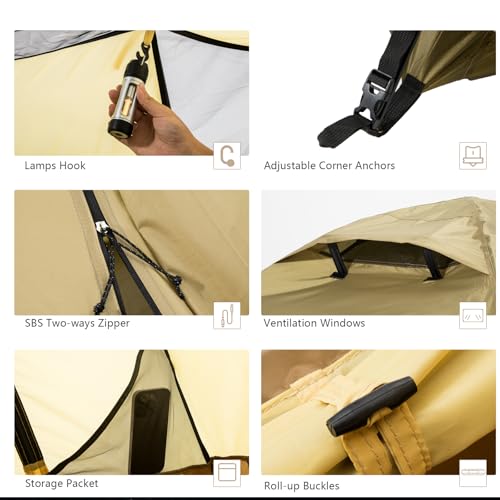
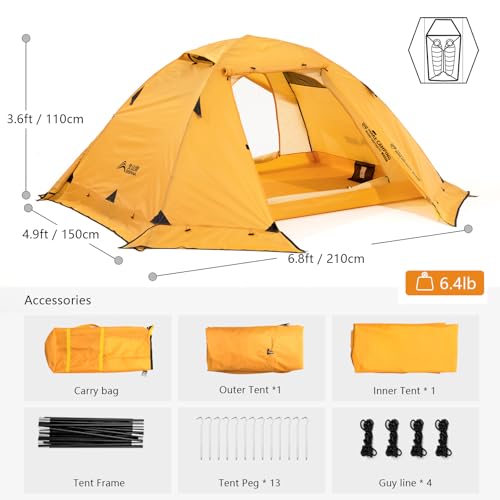
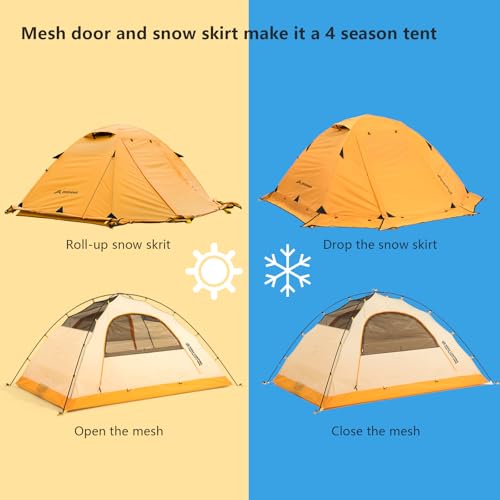
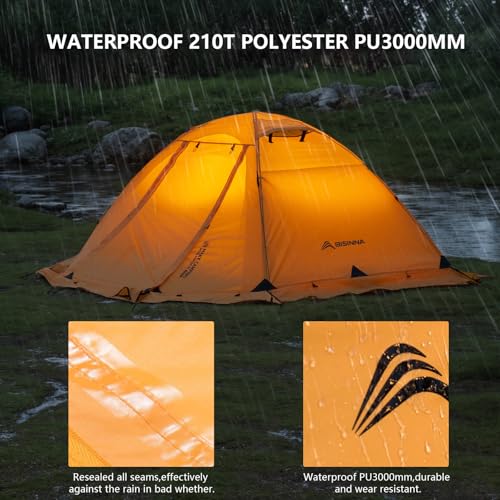
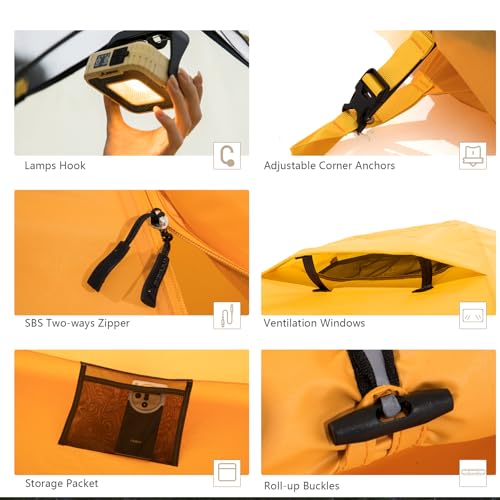
At first glance, this looks identical to the other BISINNA model, and specs confirm they’re nearly twins, same 6.4lb weight, PU 3000mm coating, and footprint. But this one is labeled ‘Best Ventilation’, and on paper, it delivers with two doors and two windows, which is rare at this price. Dual D-shaped doors mean both occupants can access gear without climbing over each other, and the mesh panels help reduce fogging in the morning.
Still, owners note that while airflow is better than most budget 4-season tents, the outer fly can sag if not tensioned well, which limits true cross-breeze potential. It’s not competing with high-end tunnel tents for breathability, but for a beginner or casual winter camper, it’s a noticeable upgrade over single-door designs. I’d pick this version over the other BISINNA if you camp in humid snow zones or plan to cook inside occasionally.
Product photos
GEERTOP 4-Season 2-Person Tent

Strengths
- Good ventilation
- Dual vestibules
- Stable in wind
Trade-offs
- Heavier than some
- Fly doesn’t extend to ground
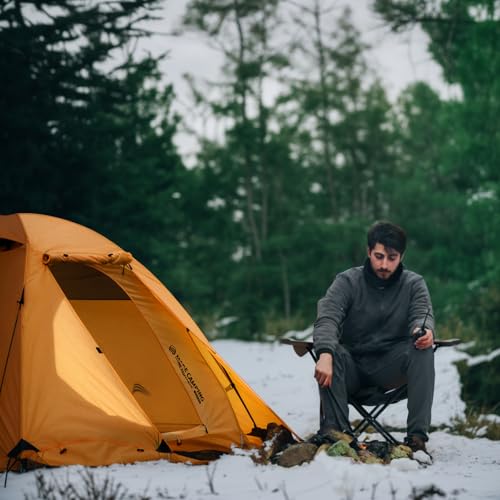
The GEERTOP tent wins on value-for-weight, it’s 6.8 pounds, which isn’t class-leading, but the features punch above its price. The double-layer design with two D-doors and vestibules offers real livability, and the sealed seams with PU 3000mm coating keep water out in most conditions. Owners say it’s stable in wind thanks to reflective guylines and solid pole connections, though it’s not as rigid as models with DAC poles.
It’s best for 3-season-plus use rather than deep winter, but if you’re hiking in late fall or early spring with occasional snow, it’s a solid bet. The ability to use just the inner mesh layer in warm weather adds versatility. Compared to the BISINNA, it’s slightly heavier but offers better overall build quality. For the weight-conscious on a budget, this is a strong contender.
Product photos


Forceatt 2-Person All-Weather Tent

Strengths
- Blazing fast setup
- Smooth zippers
- Lightweight at 5.5lbs
Trade-offs
- Not true 4-season
- Limited snow load capacity
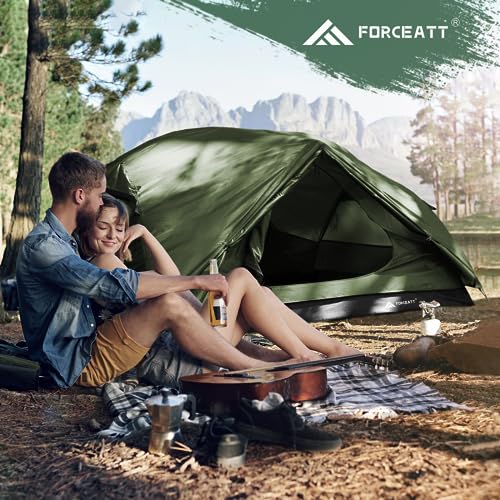
The Forceatt tent stands out for one thing: setup speed. Claiming a 3-minute pitch is bold, but owners confirm it’s among the fastest freestanding tents they’ve used, ideal for when you’re arriving at camp in fading light or sudden weather. The 7001-series aluminum poles are a strong choice for durability without adding weight, and the #8 zippers are consistently praised for smooth operation, even when cold.
It’s rated 3–4 seasons, so don’t expect it to shrug off heavy snow loads. The PU 3000mm coating is okay, but lacks the reinforced corners or high-tension design of true 4-season models. That said, for late-fall hikes or early spring trips with wind and rain, it’s a reliable shelter. I’d recommend it as a transitional tent, great for those stepping up from summer camping but not yet ready for hardcore winter gear.
Product photos


Underwood 4-Season 1-Person Tent
Strengths
- Ultra-compact
- PU5000mm waterproofing
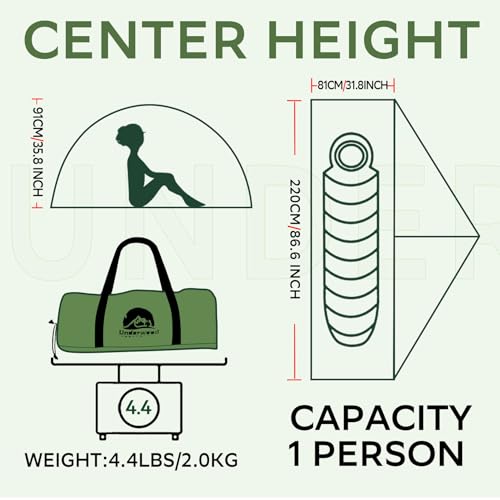
- Lightweight at 4.4lbs
Trade-offs
- Tight fit for tall users
- Limited gear space
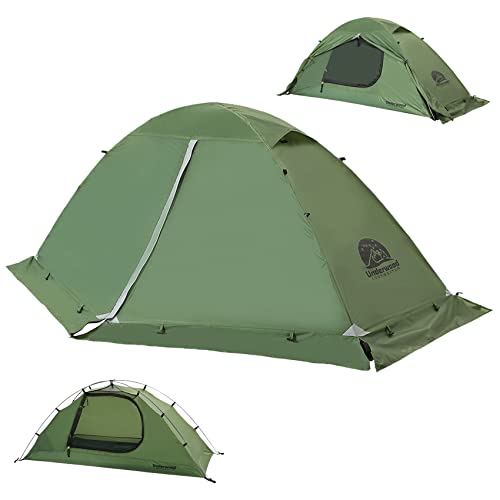
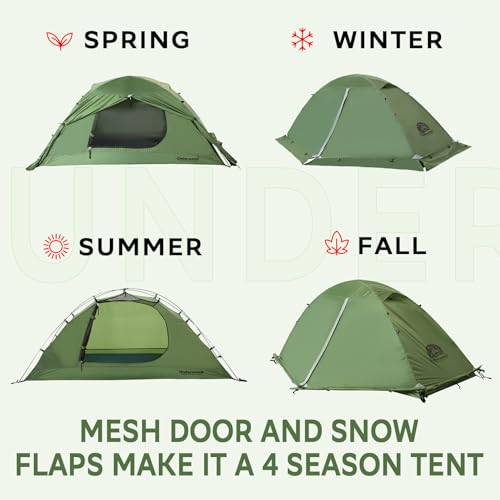
Solo winter backpackers, take note, this Underwood Aggregator tent is built for you. At just 4.4 pounds and a compact 5.1×15 inch pack size, it’s one of the lightest true 4-season options available. The PU5000mm coating and full-coverage fly mirror the 2-person model, meaning it sheds snow and resists wind just as well. The snow skirt and rollable door add real cold-weather functionality, not just marketing fluff.
It’s snug, but that’s the point, less dead air to heat, and easier to warm with body heat. Owners like that it pitches quickly and stands up to icy gusts without collapsing. Compared to the 2-person version, this is the smarter choice if you’re always out alone. I’d pick it over bulkier options for fast-and-light winter missions where every ounce counts.
Product photos
Bell Tent with Stove Jack
Strengths
- Stove jack compatible
- Spacious interior
- Standing height
Trade-offs
- Heavy and bulky
- Not portable
- Requires rainfly in heavy rain
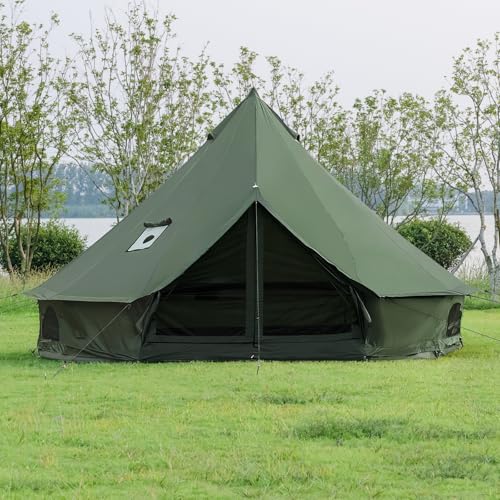
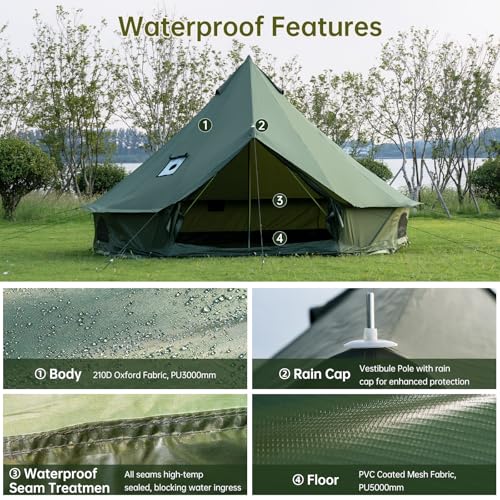
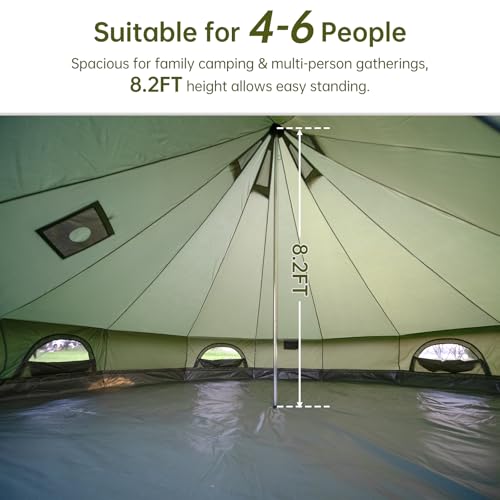
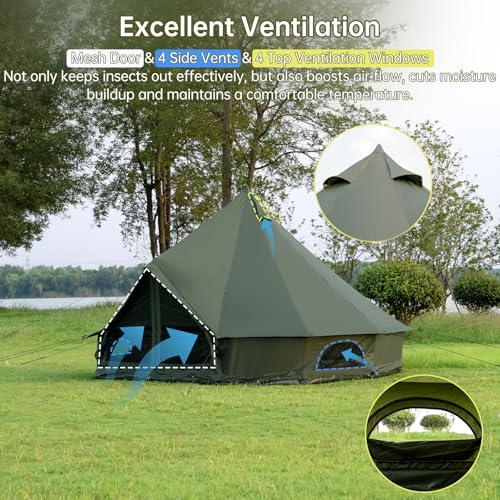
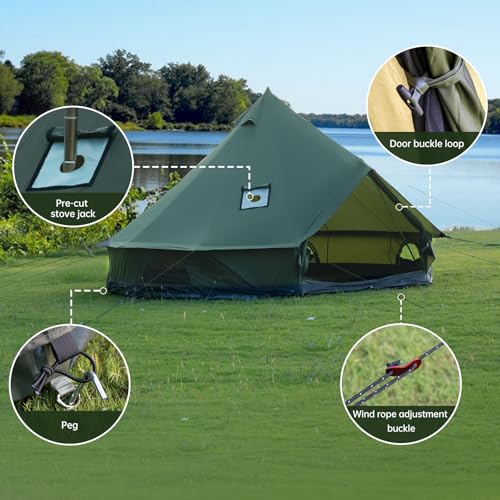
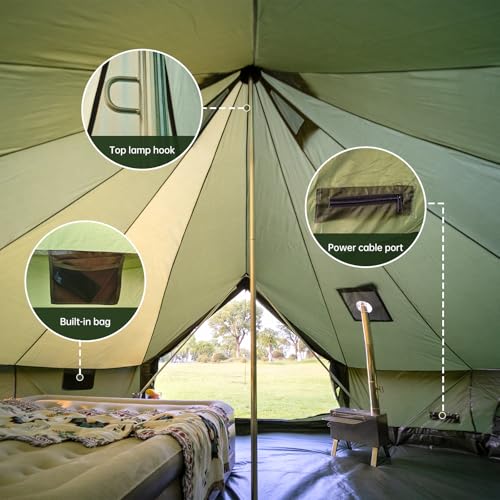
If you’re planning heated winter camping, this bell tent is in a league of its own. The built-in stove jack is the key feature, something no backpacking tent offers, and it opens up possibilities for extended cold-weather stays. Owners using wood stoves report staying warm even in single-digit temperatures, turning this into a mobile winter cabin. The 16.4ft diameter gives real living space for 4–6 people, and the tall center allows standing, which is a standout for morale on long trips.
But it’s not for everyone. At over 30 pounds and a huge packed size, this is strictly car-based or sled-hauled camping. The Oxford fabric is tough, but the ventilation relies heavily on the stove draft, without heat, it can get stuffy. I’d only recommend this if you’re committed to glamping, family trips, or overlanding in winter. It’s not backpacking gear, but for its niche, it’s unmatched.
Product photos
How We Picked These tents for cold weather camping
As a longtime hiker and tent enthusiast, I know picking the right shelter for winter conditions can be tricky. Rather than a hands-on lab test, my approach was a research-led comparison of published specifications and owner feedback across a range of models. I compared features, materials, and designs, carefully weighing what owners say about performance in cold, windy, and snowy conditions alongside what manufacturers claim. This process allowed me to identify tents that consistently stand out.
For cold-weather camping, durability and weather protection are paramount. I heavily weighted a tent’s waterproof rating (looking for PU3000mm or higher), the quality of its pole system (aluminum is preferred for strength and weight), and features like snow skirts to prevent drafts and keep snow out. Beyond simply staying dry, the ability to withstand wind and maintain a comfortable interior temperature were also key considerations. Understanding cold-weather tent materials is essential to making a smart choice.
Specifications reliably tell you about a tent’s size, weight, and waterproof ratings. However, real-world performance – how a tent actually handles wind, snow load, and condensation – is best gleaned from owner reviews. I paid attention to comments regarding ease of setup, ventilation, and long-term durability. Reputation and expert reviews from trusted outdoor gear sites also played a role in evaluating the overall quality and value of each tent, giving insight into the 4-season tent design and construction.
Choosing The Right tents for cold weather camping
Choosing a tent for cold weather camping requires a bit more thought than picking one for summer. You need to consider more than just keeping the rain out.
A quality cold-weather tent prioritizes robust waterproofing (a hydrostatic rating of at least 2000mm for the fly and 3000mm for the floor is a good starting point), a stable frame capable of handling wind and snow loads, and features designed to minimize heat loss and condensation buildup. Pay attention to details like snow skirts, full-coverage rainflies, and effective ventilation systems.
Prioritize Waterproofing and Wind Resistance
Don’t skimp on the fly and floor materials. Polyester and nylon are common, but the weave density and coatings matter more. Look for a PU (polyurethane) coating, and pay attention to the hydrostatic head rating – higher numbers mean better waterproofness. Beyond that, a well-designed tent will have reinforced guy points and a robust pole system. Aluminum poles are a must; fiberglass will likely bend or break under heavy snow loads or strong winds. I’ve seen too many campers caught out with a collapsed tent because they underestimated the forces of winter weather.
Focus on Ventilation to Manage Condensation
Cold weather camping often means dealing with condensation. Your breath, body heat, and even melting snow can create moisture inside the tent. A tent with good ventilation – mesh panels, adjustable vents, and a double-layer door design – is crucial. It’s a balancing act, though; you don’t want to sacrifice warmth for airflow.
- A single small vent is often insufficient.
- Adjustable vents allow you to fine-tune airflow based on conditions – open them up on milder nights, close them down during storms.
- Double-layer doors with a mesh inner layer are fantastic, giving you ventilation without letting bugs in during warmer months or creating a direct draft in winter.
A little bit of ventilation goes a long way. It’s better to have slightly cooler, drier air inside your tent than a warm, damp environment.
Consider the Tent’s Weight and Packability
While durability is key, you still need to carry the tent! A heavier, more robust tent is great for basecamp setups, but if you’re backpacking, every ounce counts. Look for tents that strike a good balance between weather protection and weight. Some models, like the Clostnature 4-Season Backpacking Tent, really excel at minimizing weight without sacrificing four-season capability. If you’re planning on best winter-ready tents for prolonged trips, investing in a lighter model is worth it. And if you’re thinking about extending your camping season with a heated camping tent setup, remember the weight of a stove and its accessories adds to your load.
Tents for Cold Weather Camping Compared
Here’s a comparison of key specifications for tents designed for cold weather camping.
| Product Name | Capacity | Weight (lbs) | Waterproof Rating (mm) | Season Rating | Packed Size (in) | Snow Skirt |
|---|---|---|---|---|---|---|
| Underwood 4-Season 2-Person Tent | 2 | 5.73 | 5000 | 4-Season | 5.9 x 16.54 | Yes |
| Clostnature 4-Season Backpacking Tent | 2 | 6.28 | 5000 | 4-Season | 16.5 x 5.9 x 5.9 | Yes |
| BISINNA 4-Season Backpacking Tent | 2 | 6.4 | 3000 | 4-Season | 18 x 7 x 7 | Yes |
| BISINNA 4-Season 2-Person Tent | 2 | 6.4 | 3000 | 4-Season | 18 x 7 x 7 | Yes |
| GEERTOP 4-Season 2-Person Tent | 2 | 6.8 | 3000 | 4-Season | N/A | Yes |
| Forceatt 2-Person All-Weather Tent | 2 | 5.5 | 3000 | 4-Season | N/A | N/A |
| Underwood 4-Season 1-Person Tent | 1 | 4.4 | 5000 | 4-Season | 5.1 x 15 | Yes |
| Bell Tent with Stove Jack | 4-8 | N/A | N/A | 4-Season | N/A | N/A |
Frequently Asked Questions
What hydrostatic rating should I really look for in a cold-weather tent?
A rating of 3000mm for the fly and 5000mm for the floor is ideal. While 2000mm can work for light precipitation, consistently heavy snow or rain demands a higher waterproof rating to prevent leaks and maintain dryness.
Are dome tents or cabin-style tents better for handling heavy snow?
Dome tents generally perform better under heavy snow loads. Their curved shape allows snow to slide off more easily, reducing the risk of collapse compared to the flatter surfaces of cabin-style tents.
What’s the benefit of a snow skirt, and are they essential?
A snow skirt is a flap of fabric that extends around the base of the tent to prevent wind and snow from entering. They aren’t absolutely essential if you’re camping in moderate conditions, but they significantly improve warmth and comfort in blustery, snowy environments.
What should I do about condensation inside my cold-weather tent?
Good ventilation is your best defense. Open vents whenever possible, even slightly, to allow moisture to escape. If condensation is severe, wiping down the tent walls with a clean cloth can help reduce it, and investing in winter camping tent models with superior ventilation systems is key.
Beyond the tent itself, what other gear is vital for cold-weather camping?
A four-season sleeping bag rated for temperatures lower than expected, a proper sleeping pad with a high R-value, and warm layers of clothing are critical. Don’t forget a reliable stove for melting snow for water and a headlamp with fresh batteries, as daylight hours are limited during cold-weather camping tent reviews.
The Bottom Line
Choosing a cold-weather tent always involves trade-offs. Do you prioritize a lightweight setup for backpacking, or a more robust, heavier tent for basecamp comfort? For overall performance and peace of mind in challenging conditions, I recommend the Underwood 4-Season 2-Person Tent. It consistently receives high marks for its balance of weather protection, durability, and reasonable weight, making it a solid pick for most winter adventures.
If you’re on a tighter budget, the Forceatt 2-Person All-Weather Tent offers a surprisingly capable shelter for the price. And for those who need maximum versatility – perhaps a longer stay or a desire for a stove jack – the Bell Tent with Stove Jack is a fantastic option, although it won’t be ideal for carrying long distances. Remember to read owner reviews carefully to understand the strengths and weaknesses of each model before committing.
Ultimately, specs and features matter, but they’re secondary to understanding your own needs and the conditions you’ll encounter. Prioritize a tent with strong waterproofing, a reliable frame, and good ventilation, and don’t forget the importance of staying warm in a tent with appropriate sleeping gear and layering. A well-chosen tent is a critical part of a safe and enjoyable cold-weather camping experience.
