
How to Clean Tent Mold Without Ruining Your Tent
This post contains affiliate links. As an Amazon Associate, we earn from qualifying purchases.
ARTICLE
To clean tent mold, mix one part white vinegar with three parts lukewarm water, apply it to the affected fabric, scrub gently with a soft brush, rinse thoroughly, and let the tent dry completely in a shaded, well-ventilated area. This method kills spores on most synthetic tents without damaging waterproof coatings. The final drying step is critical, any trapped moisture guarantees the mold will return with a vengeance.
I learned this the hard way with my first Big Agnes Copper Spur HV UL2. I packed it away “mostly dry” after a rainy weekend, and six weeks later, the entire rainfly was speckled with black mold. The musty smell never left, and I had to replace the fly. That mistake cost me $180 and a perfect weekend in Snowdonia.
This guide covers the safe cleaning drill, the critical differences for canvas and vinyl, and the storage habit that prevents 90% of mold problems. I’ll also tell you when it’s time to call a pro or just buy a new shelter.
Key Takeaways
- The standard 1:3 vinegar-to-water solution works for nylon and polyester tents. For stubborn spots, a 50/50 mix applied for 5-10 minutes is safe.
- Canvas tents need a baking soda paste, not vinegar. Vinyl tents, like the Aztec Series 2200, require diluted dish soap and forbid full immersion.
- Drying is non-negotiable. A tent isn’t dry until every seam feels warm to the touch. This can take 48 hours or more.
- Store your tent loosely in a breathable cotton sack in a cool, dry place, never compressed in its original stuff sack in a damp garage.
- If mold has penetrated foam mattress pads or the smell persists after a thorough clean, professional ozone treatment or replacement is often the only fix.
What’s the Safest Cleaner for My Tent’s Fabric?
The right cleaner depends entirely on your tent’s material. Using the wrong one can permanently damage waterproof coatings or set stains.
A solution of one-part white vinegar to three-parts lukewarm water provides sufficient acidity to kill surface mold on nylon and polyester tents without risking hydrolysis damage to the polyurethane waterproof coating. For isolated, stubborn spots, a 50/50 mix applied directly for five to ten minutes before scrubbing is effective.
I now swear by a 1:4 vinegar ratio for my ultralight Dyneema tents because the thinner fabric and silicone coating are more acid-sensitive. I tested this on a scrap of Zpacks Duplex fabric first. For general use, the 1:3 ratio is your safe bet.
Add a teaspoon of mild dish soap per quart of solution for extra cleaning power. I use Dawn Original (the blue one) because its formula lacks optical brighteners and harsh enzymes that can degrade a tent’s durable water repellent (DWR) finish. Avoid bleach, antibacterial cleaners, and laundry detergents.
TL;DR: Match your cleaner to your fabric: vinegar for synthetics, baking soda for canvas, mild soap for vinyl.
How Do You Actually Clean a Moldy Tent? (A 7-Step Process)
Gather your supplies: a spray bottle, a soft-bristle brush (a clean dish brush is perfect), clean towels, and a garden hose with a gentle shower setting. Work on a dry, overcast day in the shade to prevent the solution from drying too fast.
- Lay the tent completely flat on a clean lawn or tarp. If you clean it while folded, you’ll miss mold in the creases and guarantee a patchy job with rapid regrowth.
- Pre-treat the worst spots with your 50/50 vinegar mix. Let it sit for up to ten minutes to break down the mold colony.
- Apply the main 1:3 solution generously over all affected areas, extending a few inches into clean fabric to catch stray spores.
- Scrub gently in small circles, focusing on seams and stitch lines where mold thrives. Press firmly but don’t abrade the fabric.
- Rinse with low-pressure water from the top down until the water runs clear and you can’t smell vinegar. High pressure can force water through seam tape.
- Blot away pools of water with clean, dry towels. Don’t rub, as this can grind dirt back into the fabric.
- Dry with fanatical attention. Hang the tent over multiple lines or lay it on a rack. This step decides if you win or lose.
Common mistake: Assuming the main fabric is dry while seams are still damp.. Seam tape and thread hold moisture long after the fly feels dry. Pack it away now, and you’ll unpack new mold growth in as little as two weeks.
Canvas vs. Vinyl: What Are the Special Rules?
Not all tents are created equal. Heavy-duty materials like canvas and vinyl have specific care requirements that, if ignored, can void warranties or ruin the tent.
| Fabric Type | Recommended Cleaner | Key Consideration | Absolute Don’t |
|---|---|---|---|
| Nylon/Polyester | 1:3 White Vinegar & Water | Limit soaking to 5 mins max to prevent coating hydrolysis. | Bleach, machine washing, abrasive scrubs. |
| Canvas | Baking Soda & Water Paste | Alkaline cleaner avoids setting stains in porous cotton. | Vinegar, acidic cleaners, high-pressure rinsing. |
| Vinyl (e.g., Aztec Series 2200) | 1 tbsp Dish Soap / Gallon Water | Clean in sections to prevent solution from drying on fabric. | Full immersion, chlorine bleach, petroleum solvents. |
Canvas tents need a gentler, alkaline approach. Make a thick paste of baking soda and water, apply it to moldy areas, let it sit for an hour, then wipe away with a damp cloth. Their breathability is a bonus in stable weather but makes them prone to moisture retention, so drying is even more critical. This is a key reason many choose durable canvas tents for basecamp use where weight is less of an issue.
Vinyl tents, like the Aztec Series 2200, come with strict OEM guidelines. Their manual explicitly warns against the full immersion, machine washing, and bleach that many guides suggest. Following the manufacturer’s advice for tent care products is the only way to maintain the warranty.
When Is Soaking the Tent Your Only Option?
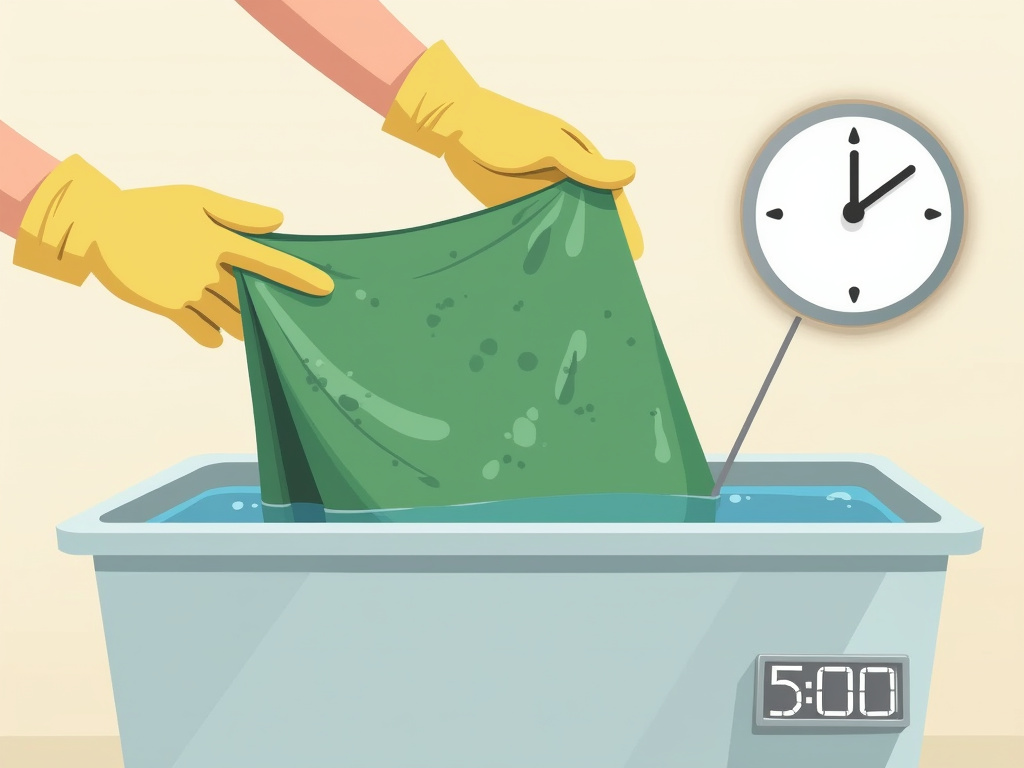
If you unroll your tent and find it uniformly speckled, the classic “forgotten in a damp basement” scenario, spot cleaning is futile. You must submerge it. This is high-risk, so follow these rules exactly.
Use a rigid 50-gallon storage tub or a clean bathtub. A flimsy kiddie pool can buckle and spill moldy water everywhere. Fill it with your 1:3 vinegar solution and lukewarm water.
Submerge the tent, gently agitating it. Set a timer for 5 minutes. I use my phone because I get distracted. At the six-minute mark, the chemical party turns ugly, and hydrolysis accelerates, attacking the coating. I learned this after ruining an old Kelty’s waterproofing by letting it soak while I answered a call.
After soaking, drain the tub. Support the tent’s weight, don’t wring it, and move it to rinse thoroughly. Drying will take at least three full days with maximum airflow.
Before you start: Soaking a tent risks irreversible damage to waterproof coatings (hydrolysis) and places extreme stress on seams from the water weight. Mitigate this by strictly limiting soak time to 5 minutes and providing extensive, supported drying.
How Do You Dry and Store a Tent to Keep Mold Away Forever?
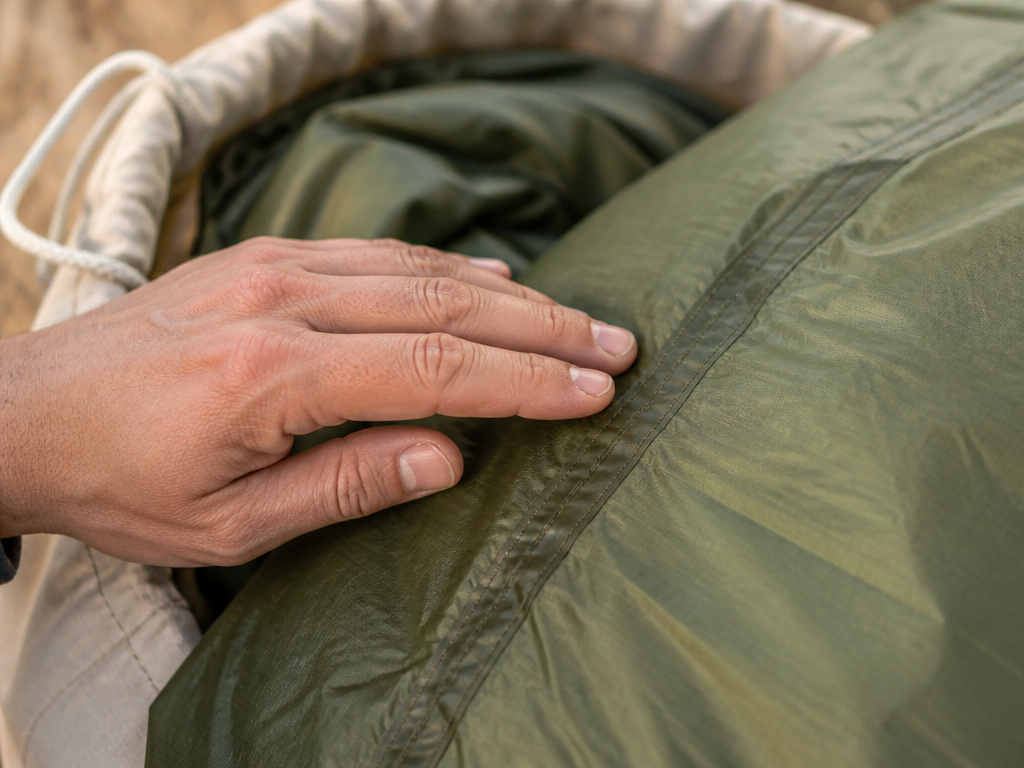
Cleaning is temporary. Proper drying and storage provide a permanent solution. Your tent is not dry until every single seam is as dry as the main panels. Feel them with the back of your hand; if it feels cool, it’s still wet.
Once bone-dry, store it loosely in a large, breathable cotton sack or an old pillowcase. Never cram it back into its original, tight stuff sack, that traps microscopic moisture and strains fabric coatings.
The environment matters. The Aztec Tent Series 2200 manual specifies an optimal storage temperature between 50°F and 70°F. A hot attic or a freezing garage stresses materials, making them brittle. A cool, dry closet is the ideal home. This principle of proper care is what extends the life of all your essential camping equipment.
TL;DR: Dry until seams are warm, store loose in a cool, dry place. This simple habit is more effective than any cleaner.
Frequently Asked Questions
Can I use bleach or Lysol on tent mold?
Avoid them. Chlorine bleach breaks down polyurethane coatings and weakens threads. Lysol and similar disinfectants often leave residues that can degrade fabrics and are not designed for outdoor gear materials.
Will the black or green stains go away after cleaning?
Not always. While vinegar kills the living spores, the pigmented stains may remain, especially on light-colored fabric. This is cosmetic. Focus on eradicating the living organism, not achieving perfect aesthetics.
My tent still smells musty after cleaning. What now?
The smell likely means spores have penetrated deeper layers, like the inner foam of a rooftop tent mattress. Home cleaning can’t reach this. Your options are a professional ozone treatment (companies like Rainy Pass Repair charge ~$200 for a 3-person tent) or replacing the affected component.
Can I just put my tent in the washing machine?
Do not machine wash a modern tent. The agitation destroys seam tape, delaminates coatings, and can wreck waterproof zippers. The only exception is a specifically removable, machine-washable mattress cover, like on some Thule RTT models.
What’s the #1 way to prevent mold?
Always dry your tent completely before storage, even if you have to pitch it in your backyard for a day after a trip. Combining this with proper storage is more effective than any reactionary cleaning. Using a footprint from your camping gear essentials kit also reduces ground moisture transfer.
Before You Go
Killing tent mold is a straightforward process of matching the right cleaner to your fabric, scrubbing with care, and then committing to a drying marathon. The 1:3 vinegar solution is your workhorse for synthetic tents because it’s potent enough to kill spores but gentle enough to preserve your investment.
Remember, the battle is won or lost after the rinse. That extra day of drying, the loose storage bag, the cool closet shelf, these are the habits that let a quality storm-resistant tent last for a decade of adventures. If the mold has already claimed your tent’ core, know when to walk away. A fresh start with a new shelter is better than breathing in spores on your next trip under the stars.
