
11 Best Tent Camping Equipments 2026
This post contains affiliate links. As an Amazon Associate, we earn from qualifying purchases.
The CORE 12 Person Instant Cabin Tent stands out as the best overall choice for families needing space and quick setup, while the Happy Travel 6 Person Camping Tent is a solid budget-friendly pick with strong weather protection. For small groups or couples, the CORE 4 Person Cabin Tent offers the best balance of comfort and features.
If you’ve ever wrestled with a tent in the dark while the rain picks up, you know bad gear can ruin a trip fast. After years of researching what holds up, and what doesn’t, I’ve focused on real-world performance, not just specs on a box.
This guide breaks down the top tent camping equipment based on owner feedback, build quality, and practical features like waterproofing, setup time, and smart design. I looked at what actually matters when you’re counting on your shelter.
Top 11 Tent Camping Equipments in the Market
The Best Tent Camping Equipments, Reviewed
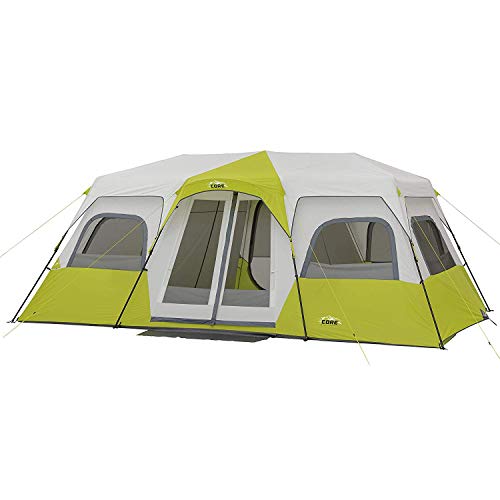
CORE 12 Person Instant Cabin Tent
Strengths
- 2-minute pop-up setup
- Three-room capability
- Excellent weather protection
- Tall interior height
Trade-offs
- Very heavy
- Large packed size
- Expensive
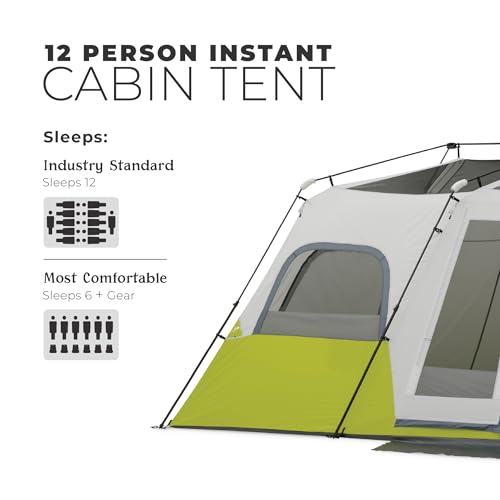
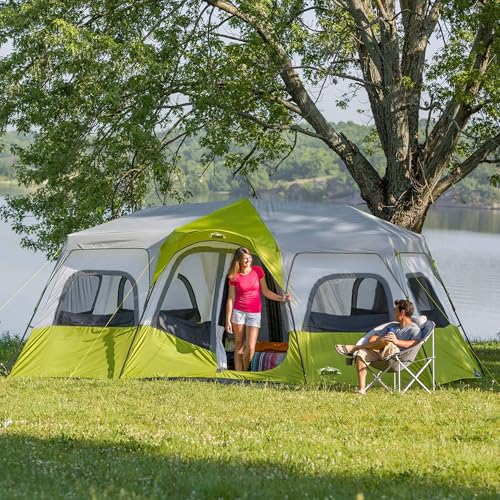
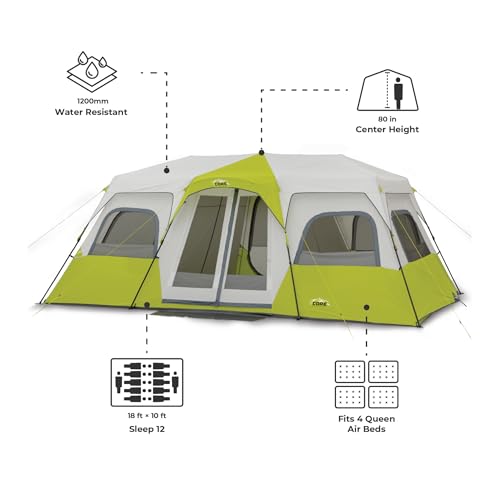
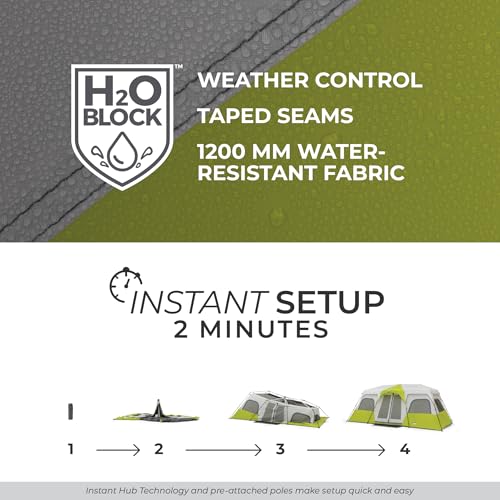
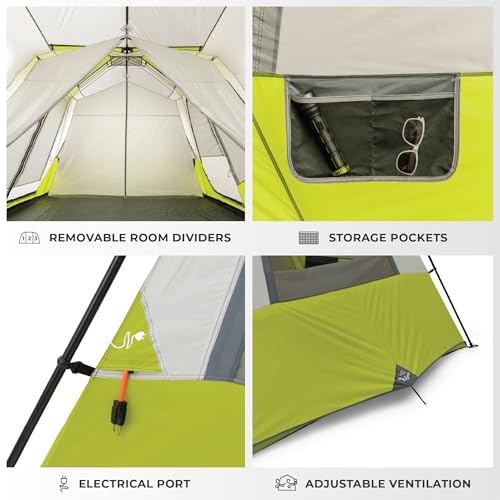
This is the gold standard for large family car camping. The instant pop-up design really does take under 2 minutes with two people, and the 18×10-foot footprint fits four queen air beds with room to move. At 80 inches tall, most adults can stand fully upright, and the two room dividers let you create private zones, huge for family trips.
It’s built to last: H20 Block Technology with 1200mm waterproofing, sealed seams, and a full rainfly means it handles storms well. Ventilation is excellent with lower intake vents and a mesh ceiling. Storage pockets and included stakes add convenience. While it’s heavy at 48 lbs, that’s expected at this size. Compared to the 9-person CORE model, it’s pricier but worth it for bigger groups.
Product photos
CORE 9 Person Instant Cabin Tent
Strengths
- Fast pop-up setup
- Good weather protection
- Spacious for 4-6 people
- Affordable
Trade-offs
- No room divider
- Heavy for size
- Limited headroom at edges
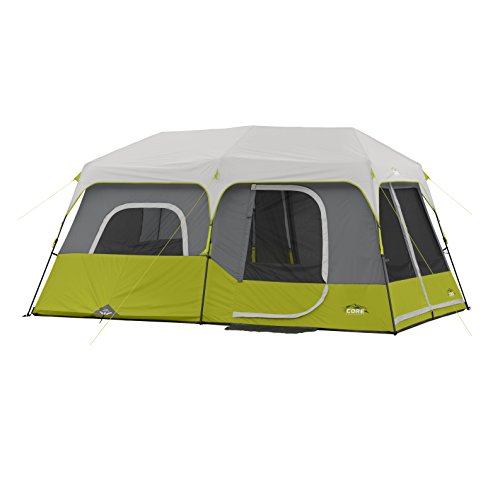
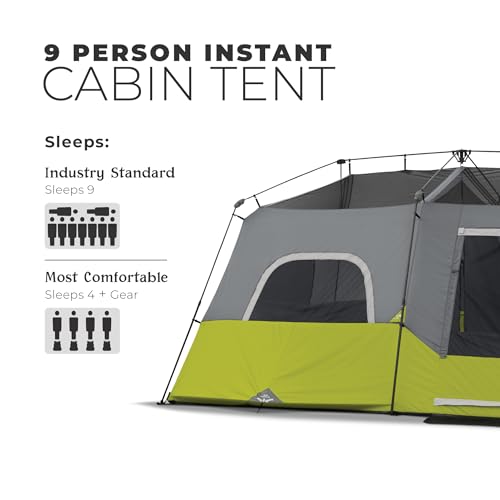
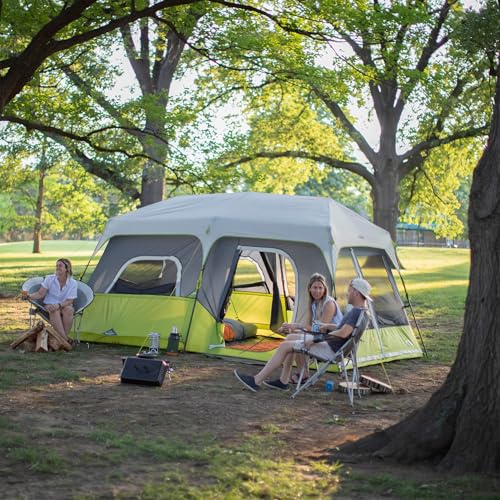
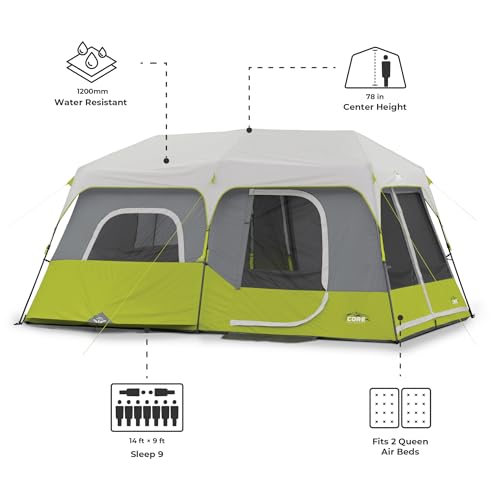
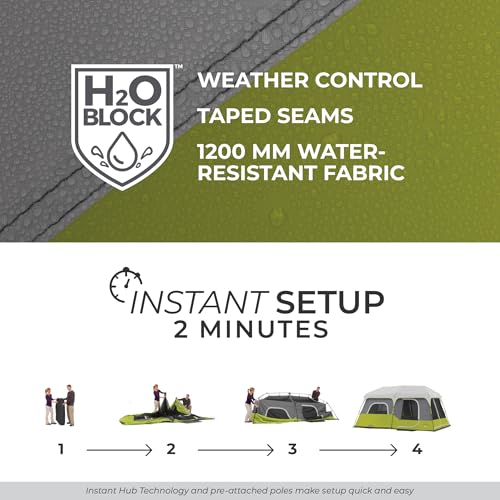
This tent strikes a smart balance: it’s roomy enough for a family of four with gear, sets up in under 2 minutes, and costs less than most 9-person models. At 14×9 feet and 78 inches tall, it’s not quite as tall as the 12-person version, but most adults can still stand comfortably. The H20 Block weather protection and mesh ceiling ventilation mirror the larger CORE tents, so you’re not sacrificing performance.
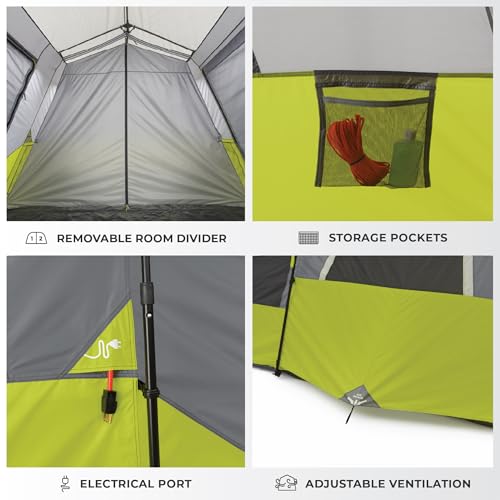
Owners consistently report it’s easy to pitch, stays dry in rain, and has enough space for two queen air beds. Storage pockets keep small items off the floor, though there’s no room divider. For budget-focused buyers, this is the smarter buy over the 12-person if you don’t need the extra space. It’s not as spacious as the CAMPROS 8-person, but it’s faster to set up and more weather-resilient.
Product photos
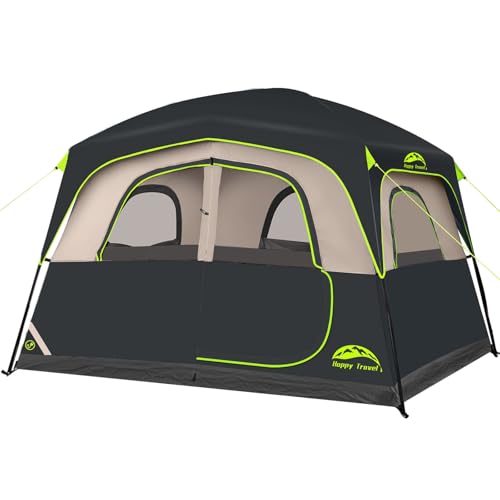
Happy Travel 6 Person Camping Tent
Strengths
- Tall interior height
- 2000mm waterproof rating
- Fast setup
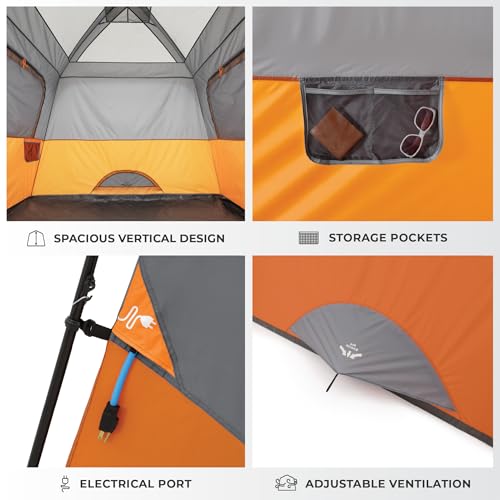
- Electrical port
Trade-offs
- Rainfly blocks views
- Poles not color-coded
- Slight condensation in humidity
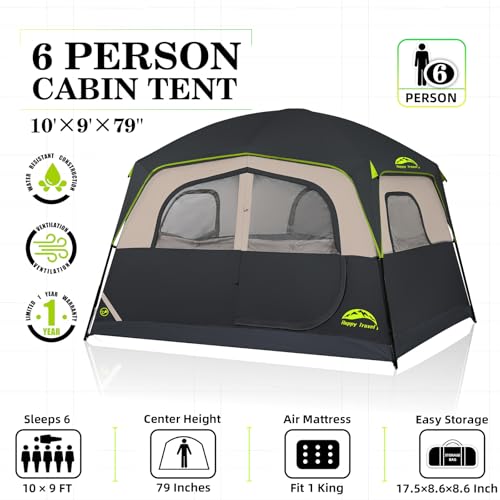
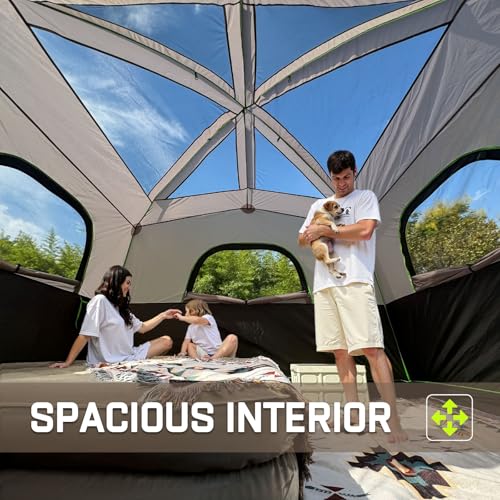
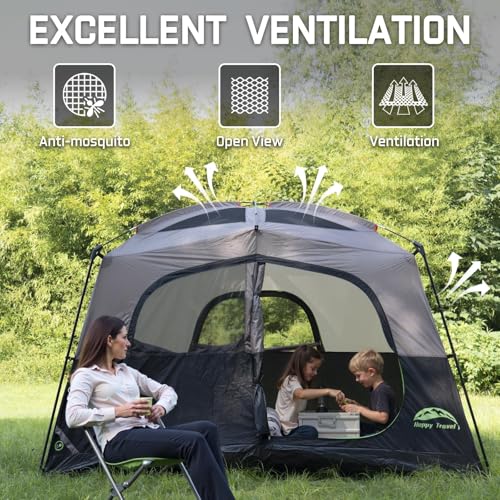
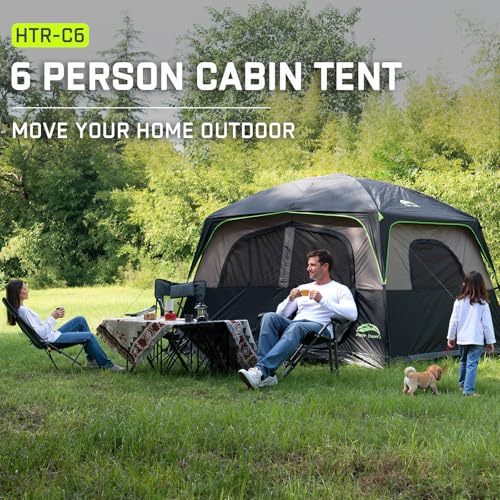
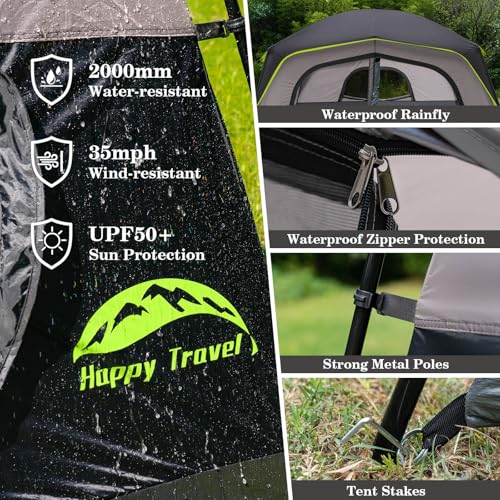
This tent delivers serious value for family campers. At 10×9 feet and 79 inches tall, it’s spacious enough for a king air mattress and gear, and the straight-wall design maximizes usable floor space. The 2000mm waterproof rating exceeds most in this range, and the B3 mesh keeps bugs out while allowing great airflow. Owners love the five large windows and stargazing potential when the rainfly’s off.
Setup is beginner-friendly, two people can have it up in about 3 minutes, and it packs down to a compact 17.5-inch bag. The electrical access port is a thoughtful touch for powering fans or coolers. While it’s not as rugged as the CAMPROS 8-person, it’s lighter and easier to pitch. For families wanting space, comfort, and ease, this is a standout.
Product photos
CAMPROS CP 8 Person Family Tent

Strengths
- Spacious straight walls
- Room divider included
- Excellent ventilation
- Durable weather protection
Trade-offs
- Heavy and bulky
- No gear loft
- Rainfly limits airflow
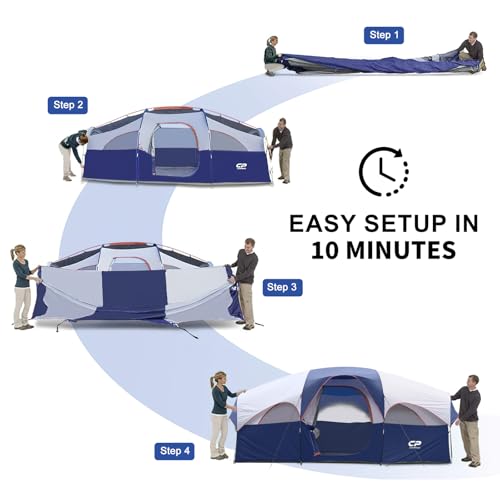
If space is your priority, this 8-person tent delivers. The straight walls and 72-inch center height make it feel more like a room than a tent, and the dual-layer mesh ceiling offers excellent ventilation and stargazing views. The divided curtain is a smart feature, creates privacy without permanent walls, and some owners even use it as a projector screen for movie nights.
Setup is fast thanks to color-coded poles, and the high-tech coated fabric with sealed seams holds up well in rain. Ventilation is strong, with mesh windows and roof reducing condensation. But it’s bulky, nearly 50 pounds, and not meant for anything but car camping. Compared to the CORE 12-person, it’s smaller but more affordable and still roomy. For large groups or families, it’s a solid choice.
Product photos


Coleman Sundome 2-6 Person Tent

Strengths
- Fast 10-minute setup
- Strong wind resistance
- E-Port for power
- Good weather protection
Trade-offs
- Low interior height
- Condensation issues
- Heavy for size
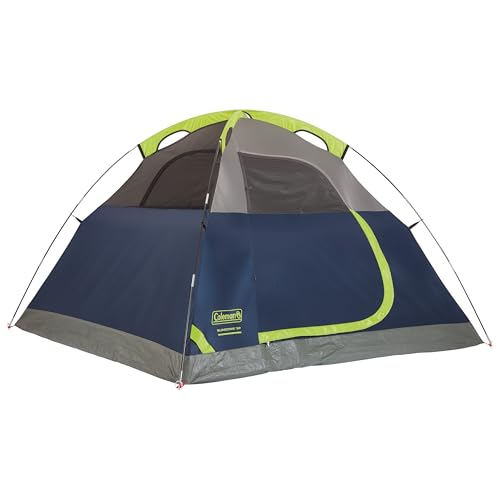
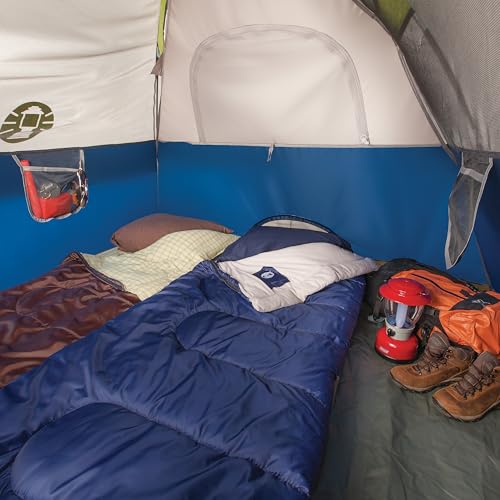
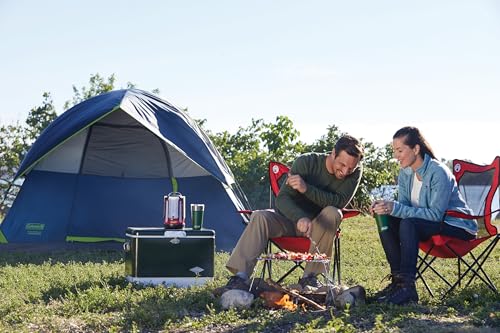
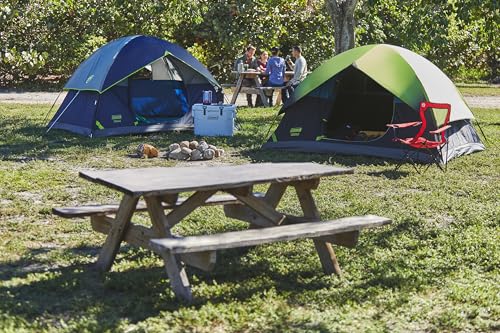
The Coleman Sundome has been a staple for a reason: it’s tough, simple, and sets up fast. Even in gusty conditions, owners report it holds firm thanks to a sturdy frame rated for 35+ mph winds, impressive for a dome tent. The included rainfly and E-Port for power cords make it practical for festivals or car camping where you might want a fan or string lights plugged in.
But it’s not without limits. At 4 ft 11 in center height, you’ll be crouching the whole time, and the 9×7 footprint fits one queen bed but feels tight with gear. Ventilation is decent with large windows and a ground vent, though condensation can build up in humid weather. Compared to the CORE 4-person, it’s less spacious but more weather-resistant and easier to pitch solo. For beginners or festival-goers, it’s a solid starting point.
Product photos
Wakeman Outdoors 2 Person Pop Up Tent
Strengths
- Ultra lightweight
- Easy pop-up setup
- Removable rainfly
- Compact carry bag
Trade-offs
- Fiberglass poles
- Not for heavy weather
- Thin floor material
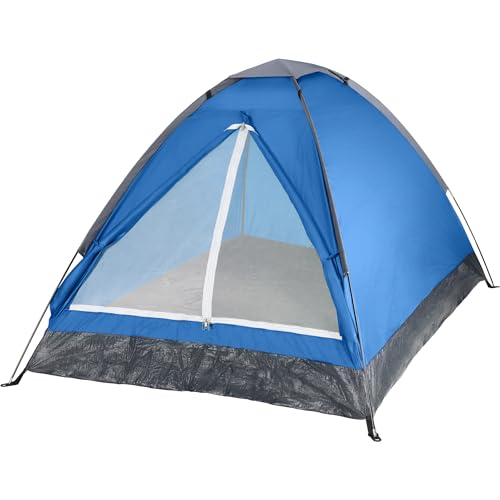
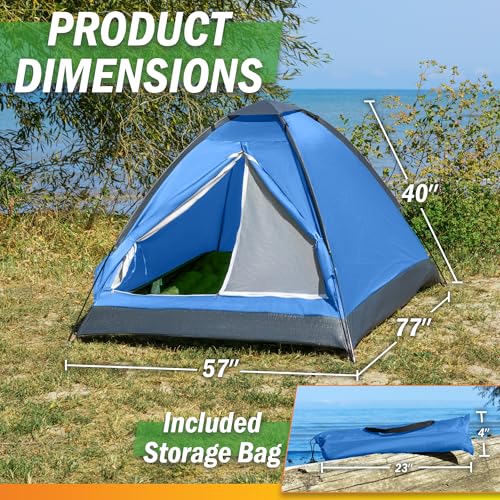
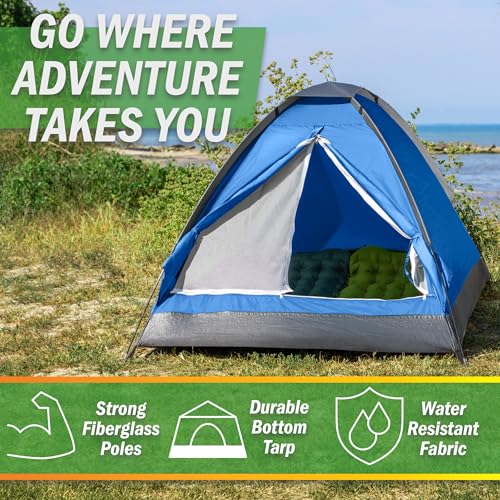
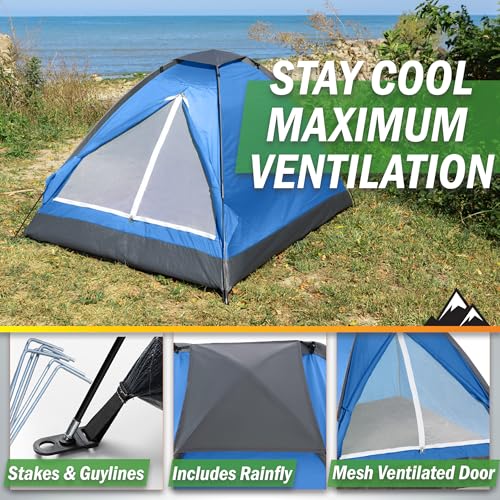
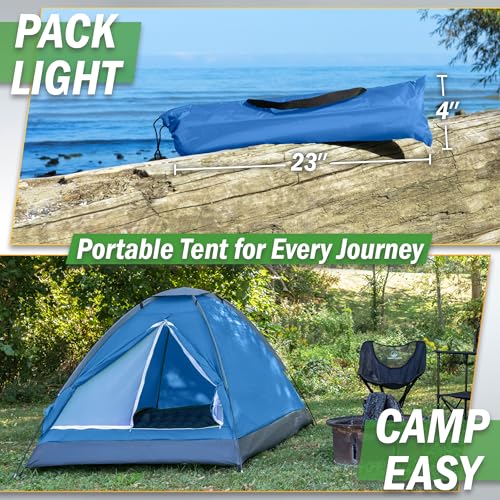
At just 2.75 pounds, this is one of the lightest 2-person tents you’ll find, and it pops up fast. That makes it a strong contender for backpackers or festival-goers who want something they can throw in a pack and forget until setup. The removable rainfly adds flexibility: use it in storms, ditch it for stargazing. The dual-layer door with mesh keeps bugs out while letting airflow in, a small but meaningful detail.
But lightweight comes with trade-offs. The 3mm fiberglass poles aren’t as durable in high winds, and the 190T polyester isn’t as breathable as higher-end fabrics. Owners note it’s best for fair weather or short trips. Still, for the price and portability, it outperforms many pop-up rivals. Compared to the CORE instant tents, it’s not as rugged, but it’s far lighter and more packable.
Product photos

CORE 4 Person Cabin Tent
Strengths
- Spacious interior
- Solid weather protection
- Gear loft included
- Good airflow design
Trade-offs
- Heavy for backpacking
- Not freestanding
- Bulky packed size
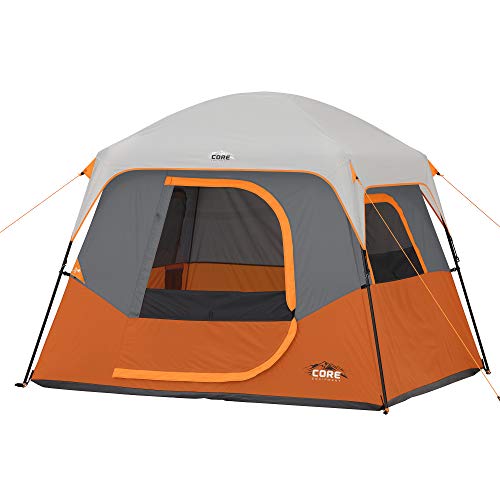
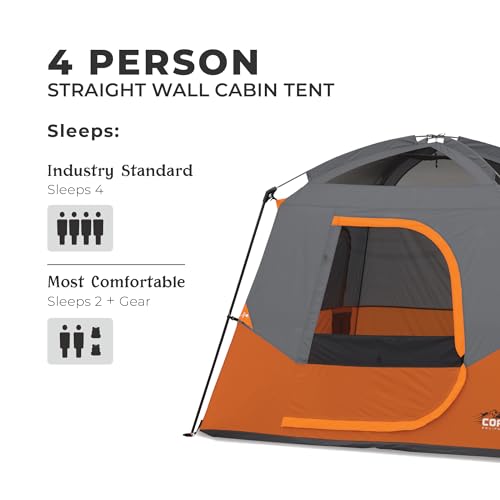
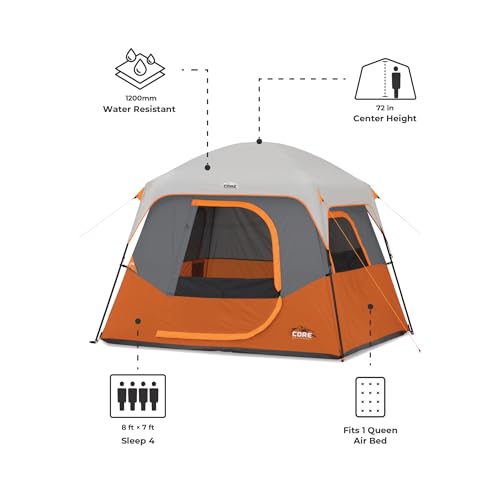
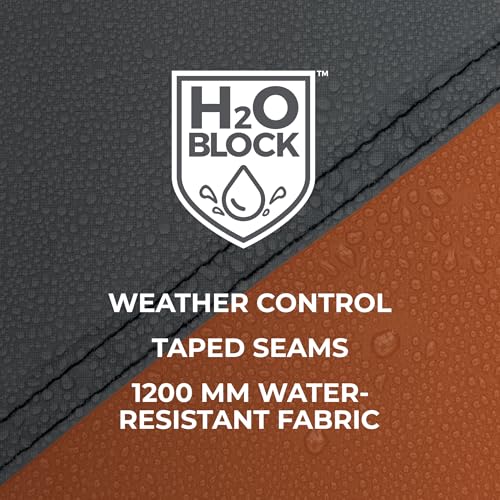
If you’re car camping with a partner or a small crew, this CORE tent hits the sweet spot between space and simplicity. The nearly straight walls give it a roomier feel than most 4-person models, and at 72 inches tall, most adults can stand without ducking. Owners praise the H20 Block Technology, 1200mm waterproof coating with fully taped seams means it holds up well in surprise downpours, a big win in this price range.
Ventilation is smartly designed: lower intake vents paired with a mesh ceiling reduce condensation, which is a common pain point in budget cabin tents. It also comes with a gear loft, something you don’t always get at this level. Compared to the Coleman Sundome, it’s roomier and more weather-ready, though heavier and less packable. I’d pick this over the Coleman for anything beyond backyard sleepovers.
Product photos

FLY2SKY Portable LED Tent Lamp

Strengths
- Compact and lightweight
- Water resistant
- Affordable
- Multi-use hook
Trade-offs
- Batteries not included
- Plastic feel
- Shorter battery life on high
These palm-sized lanterns are a steal for budget-conscious campers. At 150 lumens, they’re bright enough to fill a small tent or illuminate a cooking area, and the three modes, high, low, strobe, add real utility. What stands out is their durability: IPX8 water resistance means they can survive a dunk or heavy rain, and the carabiner hook makes them easy to hang from a tent ridge or backpack.
Each runs on three AAA batteries and lasts 10–15 hours on high, which reviewers say is reliable in practice. The trade-off is that batteries aren’t included, and over time, that adds cost. But for the price, you’re getting a rugged, multi-use light that works as an emergency beacon, nightlight, or even a kids’ camp companion. Compared to the Odoland fan lantern, it’s less fancy but far more affordable and dependable.
Product photos


Odoland LED Camping Lantern with Fan
Strengths
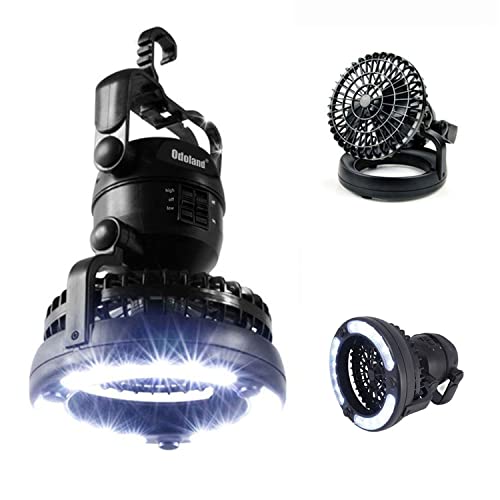
- Built-in fan
- Collapsible design
- Long light runtime
- Whisper-quiet motor
Trade-offs
- Bulky when expanded
- Fan drains batteries
- Light not very bright
This lantern solves two big tent problems at once: heat and darkness. The built-in brushless fan offers two speeds and moves air surprisingly well for its size, owners say it makes a real difference on sticky nights. Pair that with 18 LEDs that provide soft, even lighting, and you’ve got a device that enhances comfort in a way most lanterns don’t.
It runs on 2 D batteries (not included), with the fan lasting up to 15 hours on low and the light up to 37 hours. The collapsible design saves space, and the hook lets you hang it from a tent ceiling. But the fan drains batteries quickly on high, and the light output is modest, fine for ambiance, not for reading. Still, for hot, humid climates, this is a niche winner. Compared to basic lanterns like the FLY2SKY, it’s bulkier but far more functional.
Product photos


OGERY Rechargeable Camping String Lights
Strengths
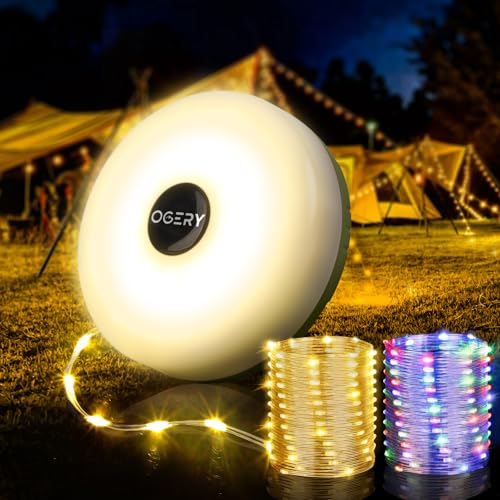
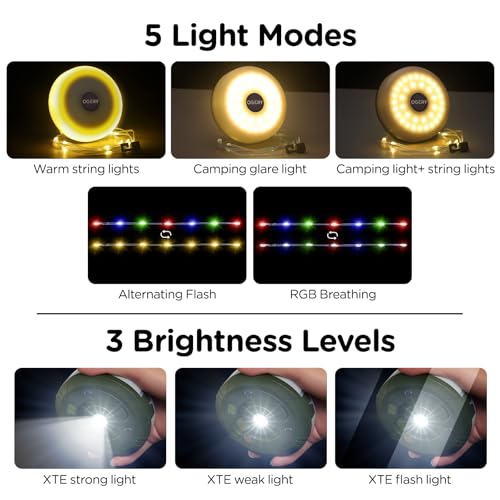
- 8 lighting modes
- Quick storage design
- Waterproof build
- USB rechargeable
Trade-offs
- Battery life varies widely
- Limited brightness for tasks
- Requires original cable
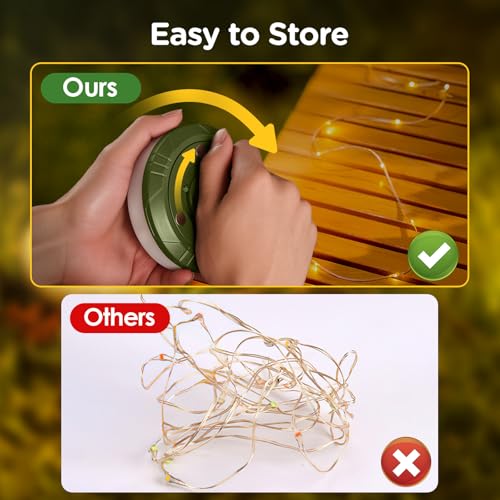
This 32.8-foot string light does more than just glow, it packs in versatility. With 8 lighting modes including warm white, RGB flashes, and an SOS signal, it’s not just for ambiance but can double as an emergency beacon or task light. The built-in 2000mAh battery gives between 5 to 12 hours depending on the mode, and owners consistently report that the quick-wrap storage system actually works, making it one of the few string lights that doesn’t turn into a tangled mess in your pack.
It’s lightweight at just 7.4 ounces and waterproof, so tossing it into a tent or hanging it from a branch in light rain isn’t a concern. The magnet and hanging hooks add flexibility, letting you stick it to a metal RV frame or drape it inside a shelter. While it won’t replace a high-lumen lantern for reading or cooking, its strength is mood and utility in one, a rare combo in this category.
Product photos



AVOFOREST 12-Pack Tent Stakes

Strengths
- Rust-resistant
- High visibility
- Deep penetration
- Lightweight
Trade-offs
- Not for frozen ground
- Tip can dull over time
- No carry case
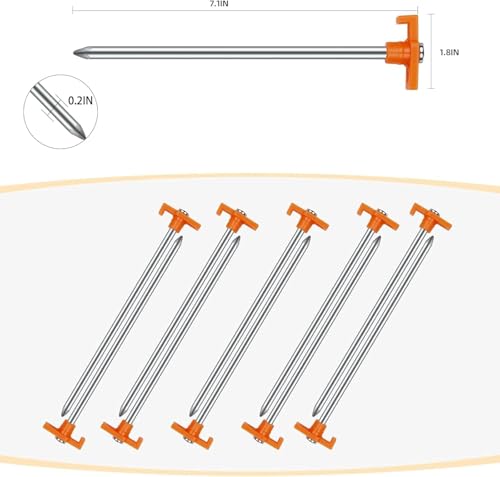
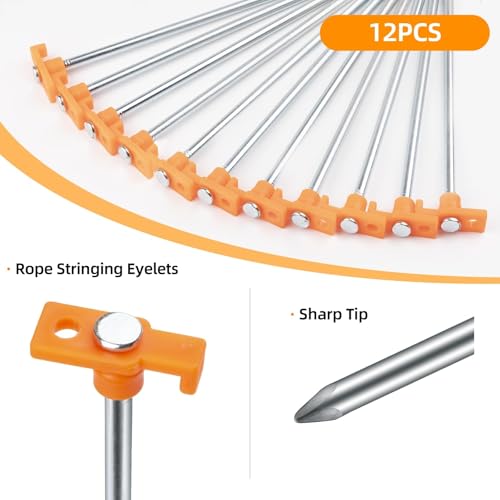
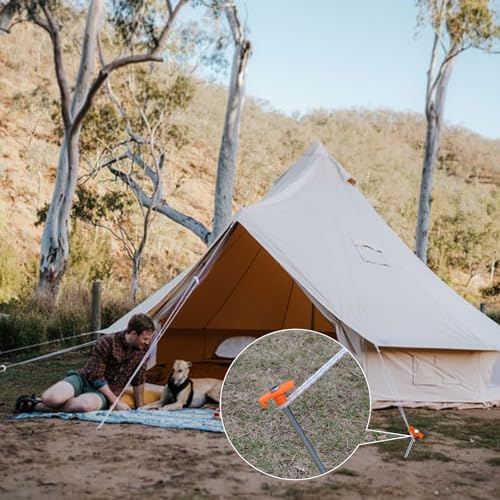
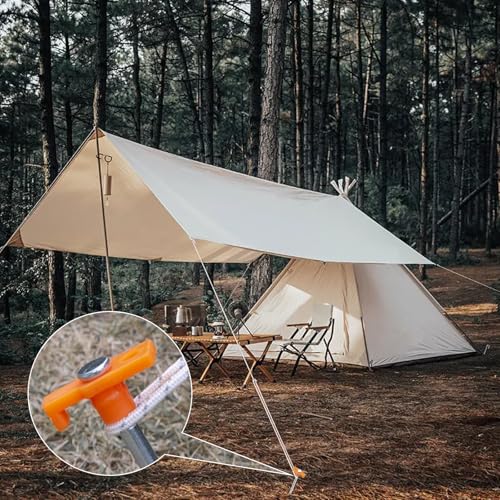
These 7.1-inch orange stakes are a small item with a big impact. Made from rust-resistant metal, they’re durable enough to handle rocky or compacted soil without bending, a common complaint with cheaper stakes. The bright orange color makes them easy to spot at night, a safety win, and their lighter weight (0.07 lbs each) means they won’t weigh down your pack.
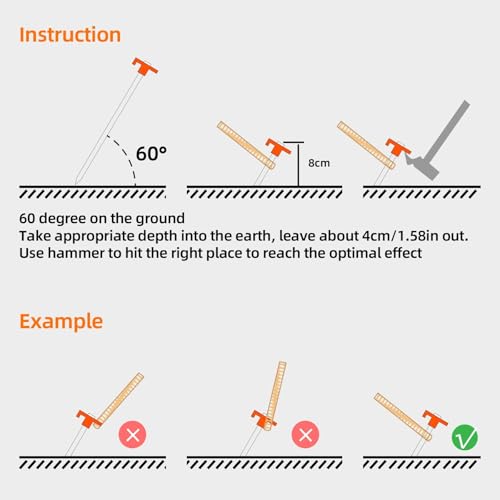
At 7.1 inches, they offer deep anchoring, which owners say keeps tents stable in wind. They work well in sand, grass, and dirt, and the pack of 12 is enough for large shelters or tarps. Compared to standard steel stakes, they’re lighter and more visible; compared to titanium, they’re less expensive but nearly as tough. For the price, they’re a no-brainer upgrade.
Product photos
How We Picked These tent camping equipments
Rather than a hands-on lab test, my research for these recommendations involved a detailed comparison of published specifications and features across numerous products. I then weighed owner reviews – paying close attention to recurring praise and complaints – alongside expert reviews from reputable outdoor publications. As someone who’s spent years figuring out what truly matters in a good camping experience, I applied my knowledge to rank these options based on what delivers the most value for different needs.
For tent camping equipment, setup speed, weather protection, and capacity were the most heavily weighted factors. Quick setup (often described as “instant” these days) is critical for maximizing enjoyment and minimizing frustration, especially with family. Reliable weather protection, specifically waterproof ratings and construction quality, directly impacts comfort and safety. Finally, accurately advertised capacity is essential, because nobody wants to be cramped on a camping trip.
Specifications reliably indicate things like dimensions, weight, and material composition. However, I heavily judged durability, real-world waterproofing performance, and ease of use based on owner feedback. Reputation and brand trust also played a role; established brands often have a track record of quality and customer service. I also considered the overall value proposition, and whether the features justified the price point – don’t forget to check out our guide to essential tent camping gear to round out your kit.
How To Pick The Right tent camping equipments
Choosing the right gear can make or break your camping trip, and tents are no exception. It’s about more than just staying dry; it’s about comfort, convenience, and confidence in the face of the elements.
A quality tent prioritizes durable, waterproof fabrics (look for 1200mm+ H20 ratings and taped seams), a robust pole system capable of withstanding wind, and a design that balances weight, space, and ease of setup. Consider the tent’s intended use – backpacking demands lightweight options, while family camping allows for prioritizing space and comfort. Assess ventilation features to minimize condensation, and don’t overlook the importance of a solid rainfly for complete weather protection.
Capacity & Space
Don’t fall into the trap of assuming a “6-person” tent comfortably fits six adults with gear. Manufacturers often inflate these numbers. I always recommend sizing up. Think about how you actually camp. Do you sprawl? Do you bring a lot of stuff? A 4-person tent is often a sweet spot for a couple seeking comfort, while a family of four might realistically need an 8-person model. Consider the tent’s floor dimensions – a rectangular floor plan maximizes usable space compared to a dome shape.
Weather Protection
Waterproofing is critical, but it’s not the whole story. While a high hydrostatic head rating (measured in mm) indicates water resistance, sealed seams and a full-coverage rainfly are equally important. Look for tents with H20 Block Technology or similar, and pay attention to whether the rainfly extends all the way to the ground. Wind resistance is also key, and a strong frame, aluminum poles are generally more durable than fiberglass, and included guylines will help keep your shelter stable. I’ve seen too many campers struggle with leaks and collapsed tents because they skimped on weatherproofing.
- A fully taped rainfly is a must-have, sealing potential entry points for water.
- Durable fabrics like polyester taffeta with PU coating offer a good balance of weight and water resistance.
- Proper guylines and stakes, like those from AVOFOREST 12-Pack Tent Stakes, are crucial for securing your tent against wind and rain – don’t assume the included stakes are sufficient.
A little preventative care goes a long way. Always apply a seam sealer to new tents, even those advertised as waterproof, and consider using a tent footprint necessity to protect the tent floor from abrasion and moisture.
Features & Usability
Beyond the basics, consider what extras will enhance your camping experience. Instant-pop-up tents, like the CORE models, excel in convenience, but they often sacrifice durability and weather resistance. Interior organization features, such as storage pockets and gear lofts, are incredibly helpful for keeping things tidy. If you plan on using electricity, look for a tent with an E-Port. Don’t underestimate the importance of ventilation; mesh panels and adjustable vents help prevent condensation and keep the tent comfortable. Thinking through your needs beyond just shelter will lead you to the right essential tent camping gear.
Tent Camping Equipments Compared
Here’s a comparison of key specifications for various tent camping equipment options.
| Product Name | Capacity | Setup Time | Waterproofing (mm) | Weight (lbs) | Special Features |
|---|---|---|---|---|---|
| CORE 12 Person Instant Cabin Tent | 12 | 2 min | 1200 | 48 | Room Dividers |
| CORE 9 Person Instant Cabin Tent | 9 | 2 min | 1200 | N/A | Room Dividers |
| Happy Travel 6 Person Camping Tent | 6 | 3 min | 2000 | 16.5 | Electrical Access Port |
| CAMPROS CP 8 Person Family Tent | 8 | 5 min | N/A | N/A | 2 Rooms |
| Coleman Sundome 2-6 Person Tent | 6 | 10 min | N/A | N/A | Weather Resistant |
| Wakeman Outdoors 2 Person Pop Up Tent | 2 | N/A | N/A | 2.75 | Lightweight |
| CORE 4 Person Cabin Tent | 4 | N/A | 1200 | N/A | Gear Loft |
| FLY2SKY Portable LED Tent Lamp | N/A | N/A | N/A | N/A | 3 Light Modes |
| Odoland LED Camping Lantern w/ Fan | N/A | N/A | N/A | N/A | Fan & Light |
| OGERY Rechargeable Camping String Lights | N/A | N/A | N/A | 7.4 oz | 8 Lighting Modes |
| AVOFOREST 12-Pack Tent Stakes | N/A | N/A | N/A | N/A | Rust-Resistant |
Frequently Asked Questions
What waterproof rating is actually good for a tent?
A rating of 1200mm or higher is generally considered waterproof for most camping situations. However, remember that the rating only refers to the fabric; fully taped seams and a quality rainfly are equally important for staying dry.
Are “instant” tents durable enough for frequent use?
Instant tents prioritize convenience over longevity. While good for occasional use, they often feature thinner fabrics and less robust pole systems compared to traditional tents, making them less suitable for regular or harsh weather camping.
Do I really need a tent footprint?
Yes, a tent footprint is a worthwhile investment. It protects the tent floor from abrasion and punctures, extending its lifespan, and adds an extra layer of waterproofing against ground moisture.
What’s the difference between polyester and nylon tent fabrics?
Polyester is generally more UV-resistant and less expensive, while nylon is lighter and often stronger. For most recreational camping, polyester is a solid choice, but backpackers might prefer the weight savings of nylon, especially when paired with comfortable tent sleeping pads.
How important are guylines and stakes?
They’re very important for stability, especially in windy conditions. The stakes that come with a tent are often flimsy; upgrading to heavier-duty stakes is highly recommended to prevent the tent from shifting or collapsing – even with a high-quality tent.
The Bottom Line
Choosing tent camping equipment often comes down to balancing ease of use with long-term durability. While instant tents offer incredible convenience, the CORE 12 Person Instant Cabin Tent stands out as the strongest overall pick – it provides a fantastic amount of space and quick setup without completely sacrificing build quality, according to owner feedback. It’s a great option for families or groups who value their time and want a comfortable basecamp.
For those on a tighter budget, the Coleman Sundome 2-6 Person Tent delivers a reliable shelter at an accessible price. If you prioritize versatility and features, the Happy Travel 6 Person Camping Tent is a strong contender, with its electrical access port and higher waterproof rating. Don’t forget to also review a thorough camping packing list to make sure you have everything you need!
Ultimately, the most important factors aren’t a specific waterproof rating or pole material, but rather a well-considered capacity, a commitment to properly sealing seams, and a tent that genuinely suits how you camp. Focus on a tent that allows you to enjoy your time outdoors, and remember that even the best gear is only part of the equation.
