
7 Best Camping Tent Heaters of 2026
This post contains affiliate links. As an Amazon Associate, we earn from qualifying purchases.
The Mr. Heater MH9BX Propane Heater stands out as the best overall camping tent heater, delivering reliable warmth with solid safety features. For budget-conscious campers, the Naturehike 3750 BTU Butane Heater offers a compact, efficient option, while the MOZODAWN 2-in-1 Propane Heater & Stove brings added versatility for those who want heat and cooking power in one.
Cold nights can wreck a good trip fast, and choosing the wrong heater leaves you either freezing or risking safety in a poorly ventilated tent. After comparing the field and weighing specs against real owner feedback, I focused on heat output, safety, and practicality for actual camping conditions.
This guide breaks down what matters most, like matching BTU to your tent size and prioritizing oxygen depletion sensors, so you can pick a heater that keeps you warm without compromising safety.
Top 7 Camping Tent Heaters in the Market
The Best Camping Tent Heaters, Reviewed
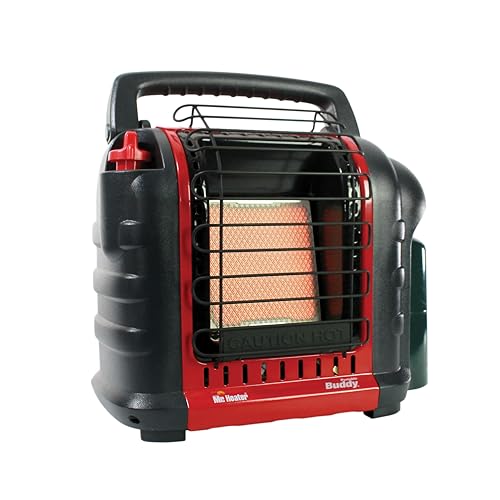
Mr. Heater MH9BX Propane Heater
Strengths
- Full safety suite
- Longest runtime
- Widely approved for use
Trade-offs
- Heavier than budget models
- Higher price point
- No cooking function
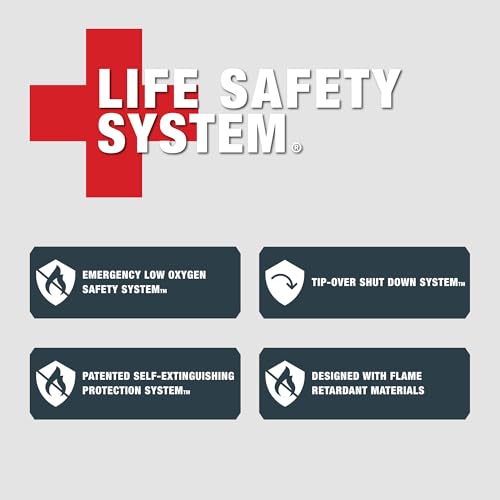
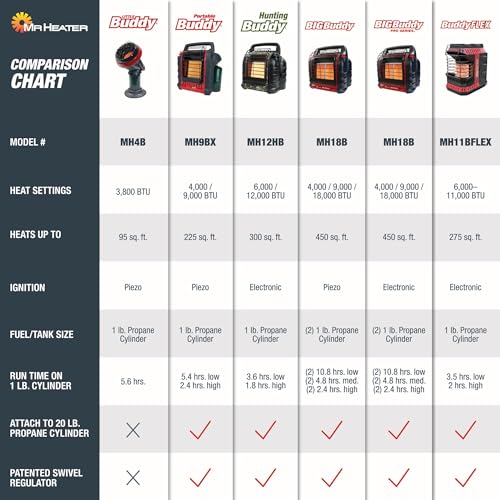
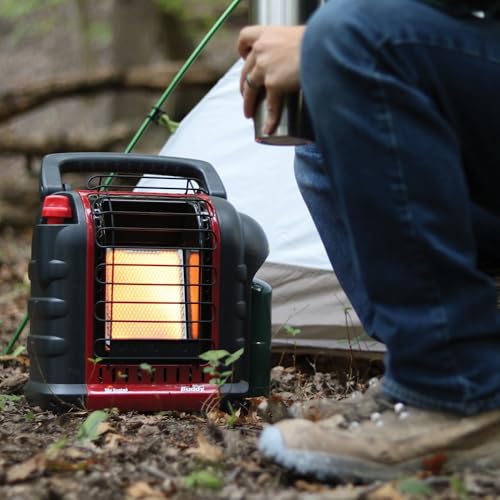
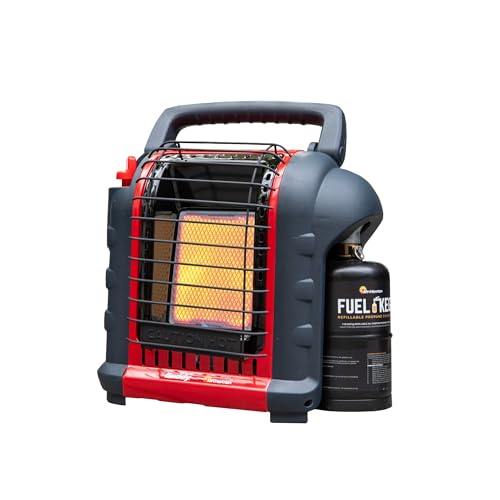
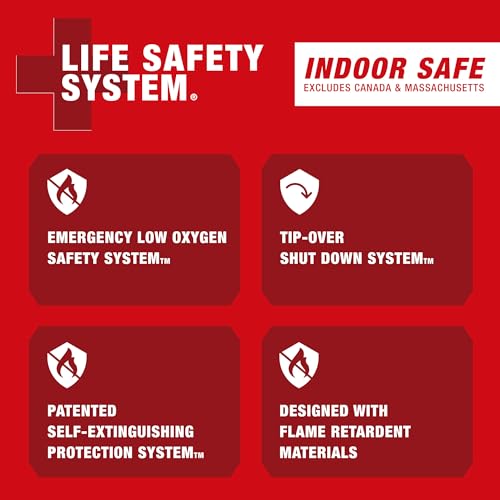
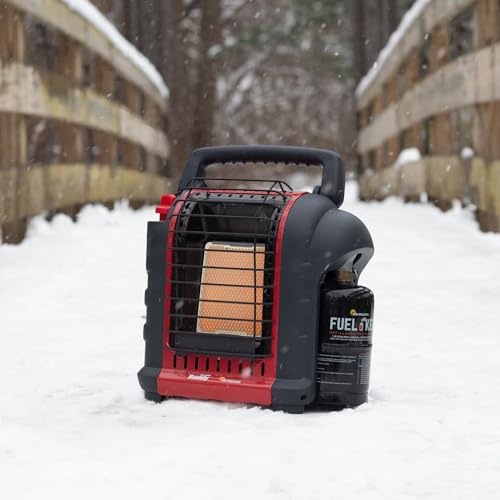
This is the gold standard for a reason: ODS, tip-over, and flame-out protection all in one rugged, field-tested unit. The 9,000 BTU output heats up to 225 sq ft, and the 5.6-hour runtime on low is among the best in class. The swivel regulator makes tank attachment easier, especially in tight spaces, and the fold-down handle adds to its packability.
Owners consistently rate this higher than similar models, especially in Canada and cold-weather states, where safety certifications matter. Compared to the B002G51BZU, it’s nearly identical but with broader compliance. If you want the most trusted, well-rounded option and don’t mind the weight, this is it.
Product photos
Mr. Heater 9,000 BTU Buddy
Strengths
- ODS safety certified
- Two heat settings
- Proven track record
Trade-offs
- Short runtime on high
- Narrow base
- No cooking function
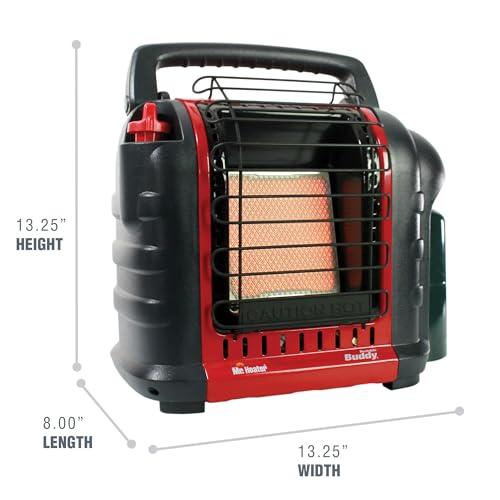
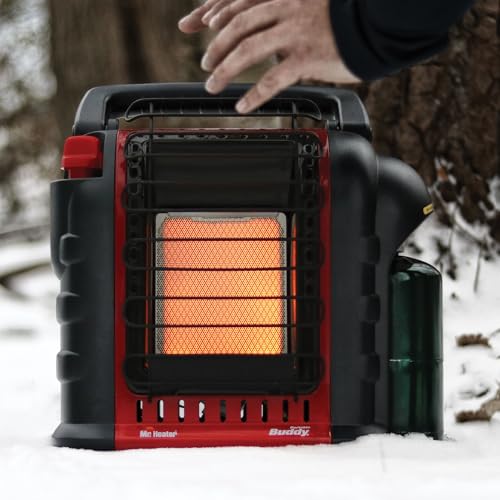
This is the model I see most often in owner photos, it’s become the benchmark for a reason. With 9,000 BTU and ODS safety, it heats up to 225 sq ft effectively and shuts down if oxygen drops, which reviewers consistently cite as a confidence booster. The two heat settings are practical: low for all-night use, high for fast warm-ups. It runs on a single 1 lb tank, and while runtime isn’t long, it’s predictable.
Some owners wish the base were wider, but stability isn’t a widespread issue. Compared to the 2-in-1 models, it’s less versatile but more focused, if all you need is heat, this does it cleanly. My pick for most mid-range buyers who want reliability without overcomplicating things.
Product photos

6200 BTU Propane Camping Heater
Strengths
- Affordable price
- Stable wide base
- Durable metal build
Trade-offs
- No ODS safety system
- Basic ignition
- Not for long indoor use
At this price point, 6,200 BTU is solid output, and the radiant burner design means heat feels immediate. The wide base improves stability on uneven ground, a small detail that makes a difference in real use. Owners note it’s no-frills but dependable, especially for tailgating or car camping where weight isn’t a concern. It doesn’t have ODS, but the tip-over protection and solid metal build inspire some confidence.
It’s not the quietest or the safest for enclosed spaces, but for the budget, it delivers. Compared to the Mr. Heater models, it’s a step down in safety tech, but also a step down in cost. If you’re just warming a garage or backyard shelter, it’s a smart buy.
Product photos
MOZODAWN 2-in-1 Propane Heater & Stove

Strengths
- Dual heater and stove
- High 13,000 BTU output
- Triple safety system
Trade-offs
- No propane tank included
- Bulkier than solo heaters
- Requires hose attachment
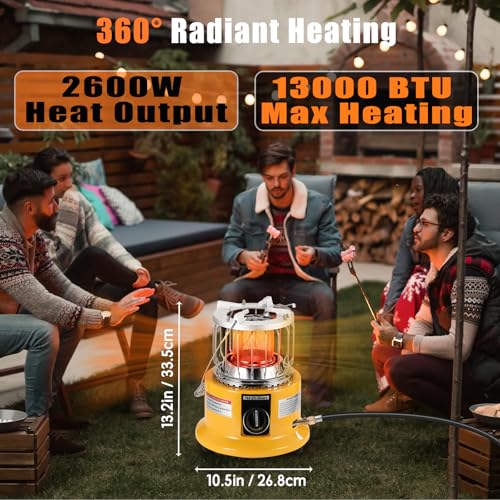
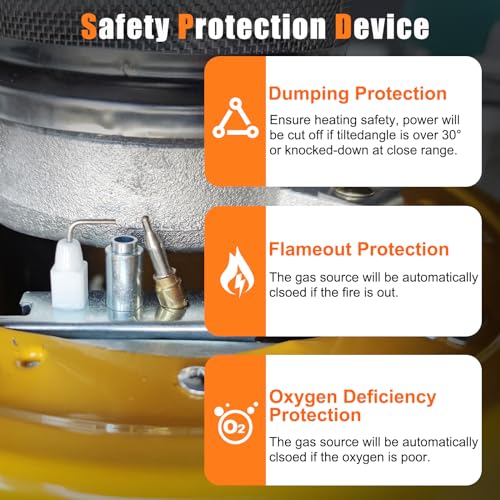
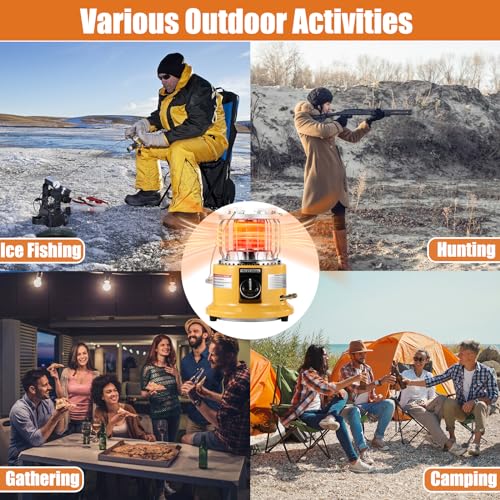
This 2-in-1 unit stands out because it’s genuinely functional as both a heater and a stove, not just a gimmick. With 13,000 BTU output, it’s one of the more powerful options on paper, and owners consistently report it heating small shelters quickly, though that kind of output demands caution in tight tent spaces. The triple safety system, including ODS and tip-over protection, brings real peace of mind, especially for overnight use in semi-enclosed areas like ice fishing tents or pop-ups.
Still, the lack of included propane tank and the need for a 5FT hose might catch some buyers off guard. Compared to simpler heaters, this one’s bulkier, but that trade-off makes sense if you’re cooking and heating in one go. For car campers or truck-based setups, this flexibility is hard to beat.
Product photos


Portable Propane Heater with Case
Strengths
- Ultra-portable design
- Secure brass connector
- Includes storage box
Trade-offs
- No ODS safety sensor
- Moderate heat output
- No indoor certification
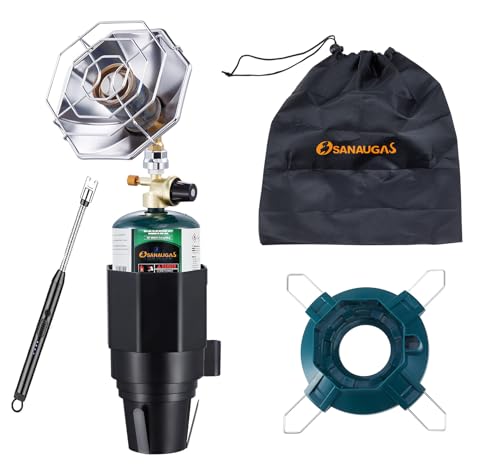
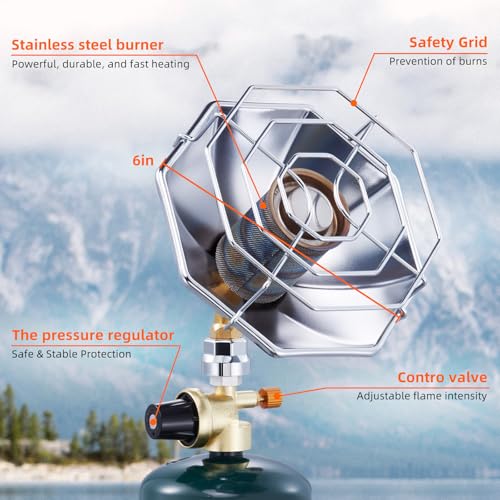
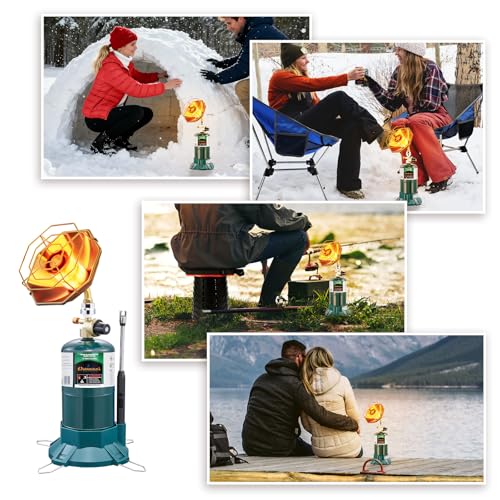
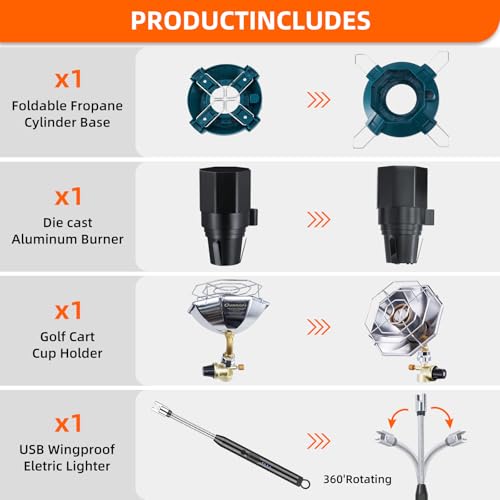
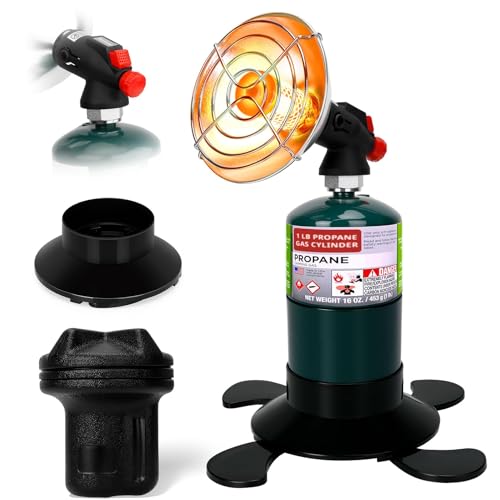
The included storage box is a small win, but it’s the overall portability that makes this one stand out. Lightweight, foldable base, and a compact profile mean it slips easily into a pack or gear bin. The brass connector is a quality touch, owners report fewer leaks than with cheaper plastic fittings. Heat output is moderate, not extreme, but enough for personal warmth in a 2-3 person tent.
It lacks ODS, which keeps it from being a top-tier safety pick, but for daytime use or well-ventilated shelters, it’s a strong contender. Compared to the Mr. Heater, it’s less refined but more packable. If you’re prioritizing ease of transport, this one deserves a look.
Product photos
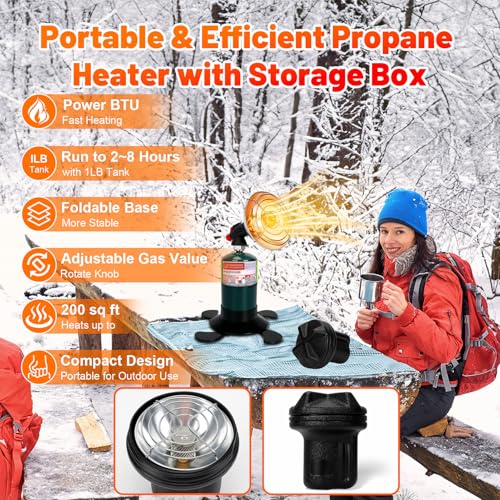
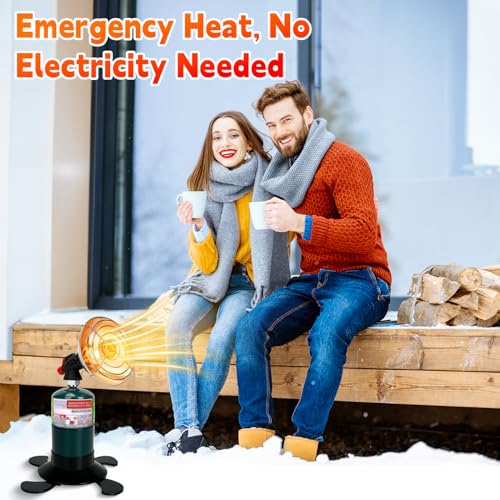
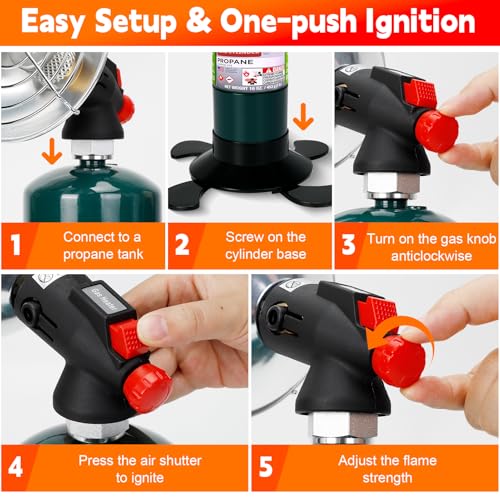
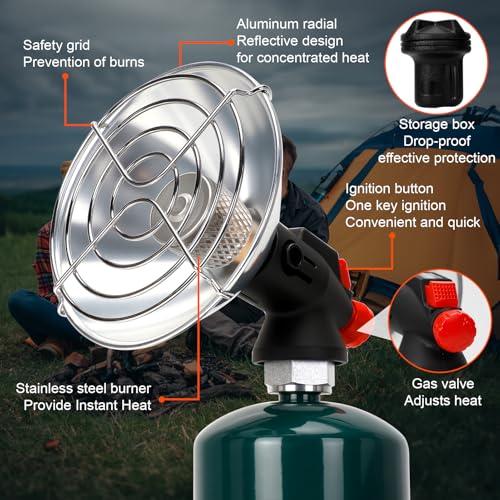
Foldable Tank Holder Propane Heater
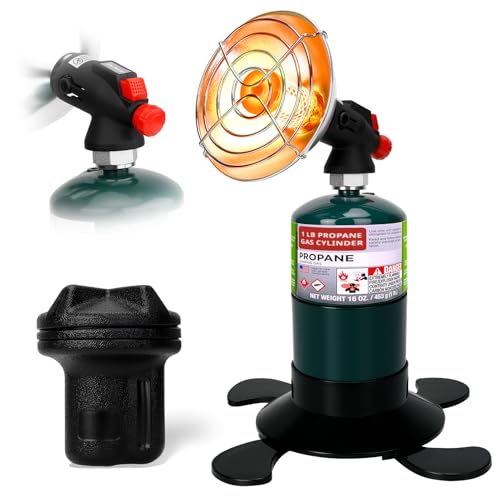
Strengths
- One-push ignition
- Foldable tank holder
- Includes carry case
Trade-offs
- No ODS safety sensor
- Basic materials
- Not certified for indoor use
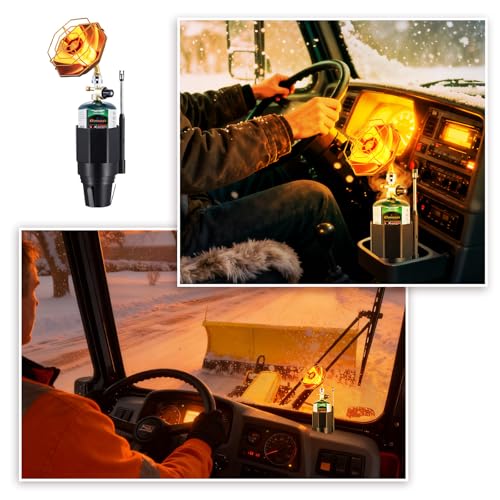
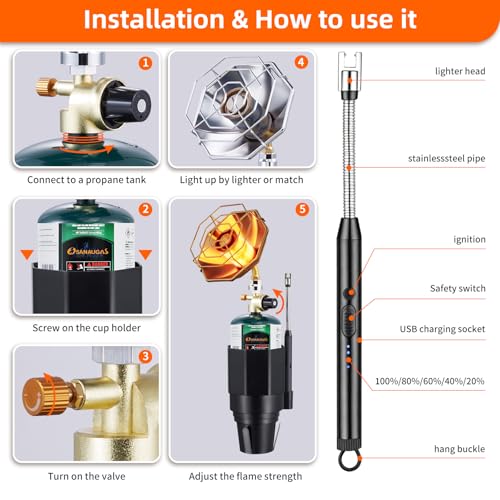
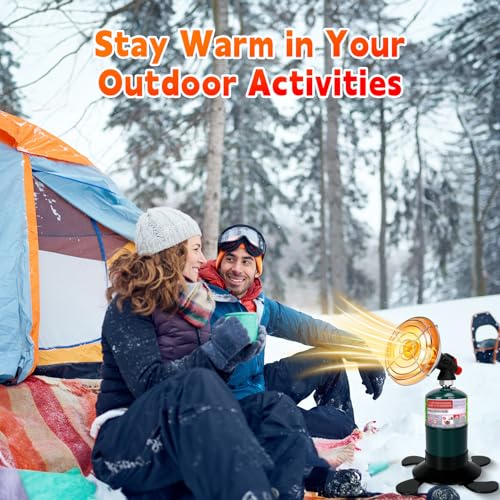
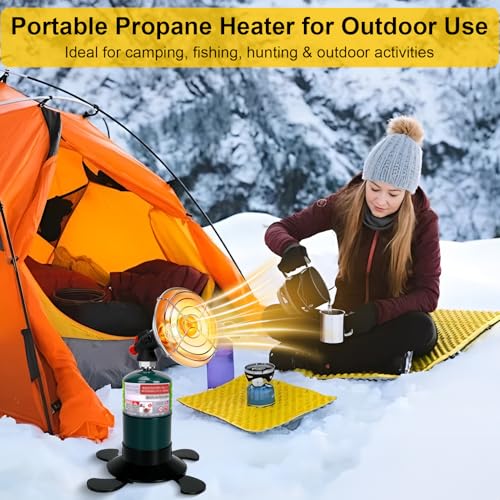
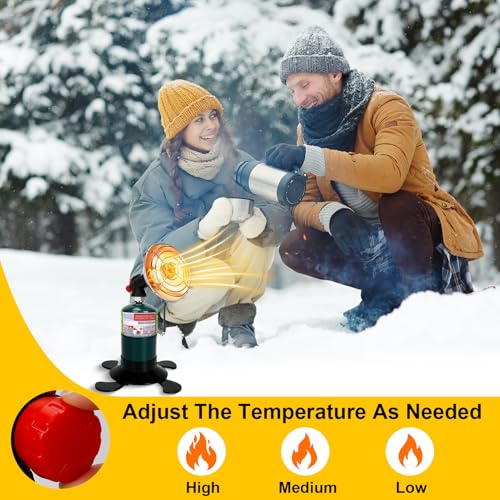
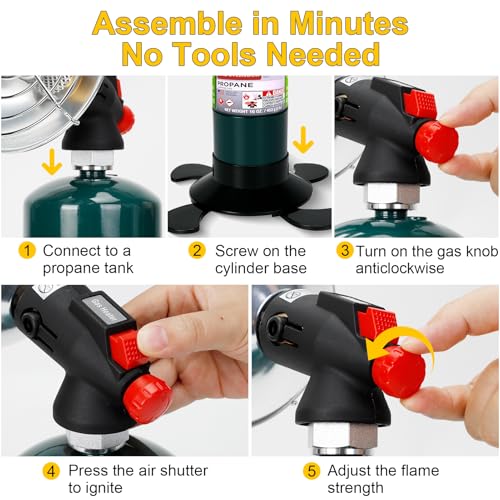
This model nails the basics: one-push ignition, foldable tank base, and a carry case, all things that make setup faster and less frustrating, especially with cold hands. The radiant heat is steady, not blazing, but enough for personal warmth in a mid-sized tent. Owners highlight how easy it is to light, even in mild wind, and the adjustable flame gives good control without flare-ups.
Compared to the Mr. Heater models, it lacks ODS safety certification, which is a real gap. That doesn’t mean it’s unsafe, but it does mean you’re relying more on vigilance than automatic shutoffs. For quick trips or daytime use, it’s solid. For overnight stays, I’d want more safety redundancy.
Product photos


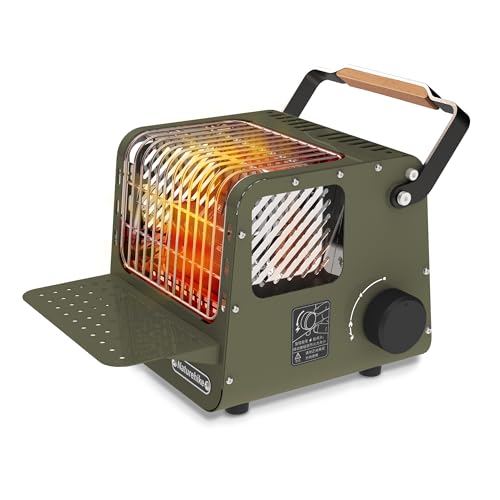
Naturehike 3750 BTU Butane Heater
Strengths
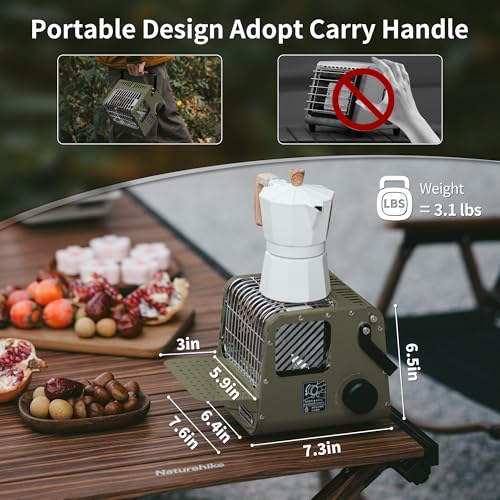
- Lightweight and compact
- Dual-use warming shelf
- Clean butane operation
Trade-offs
- Weak in sub-40°F temps
- Short runtime at max output
- Butane canisters less common
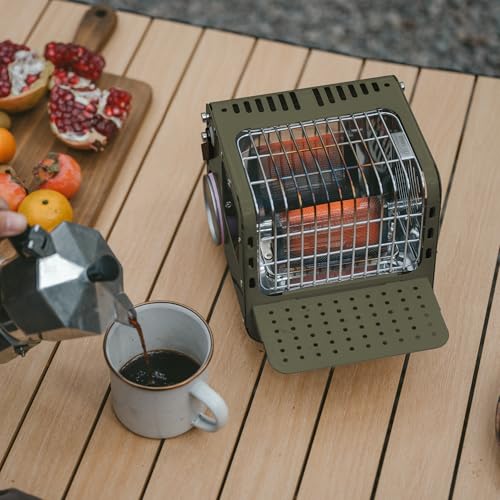
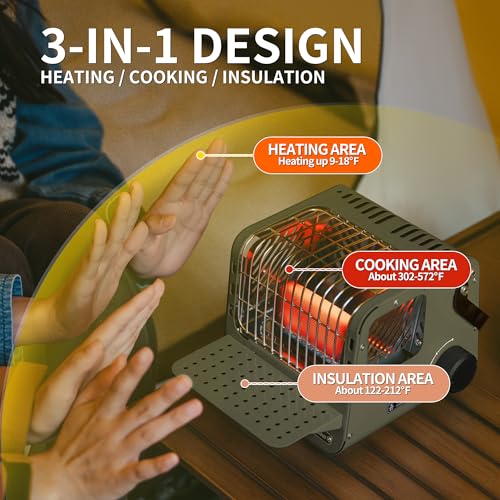
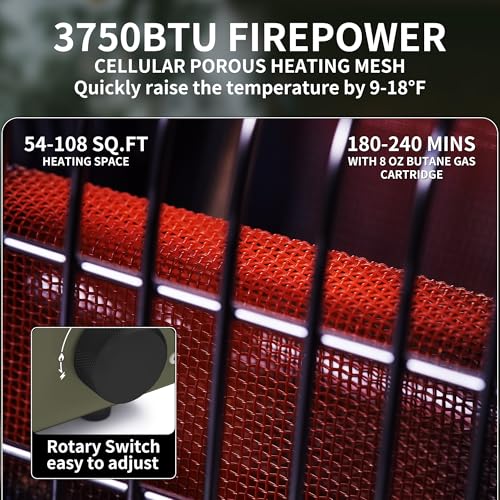
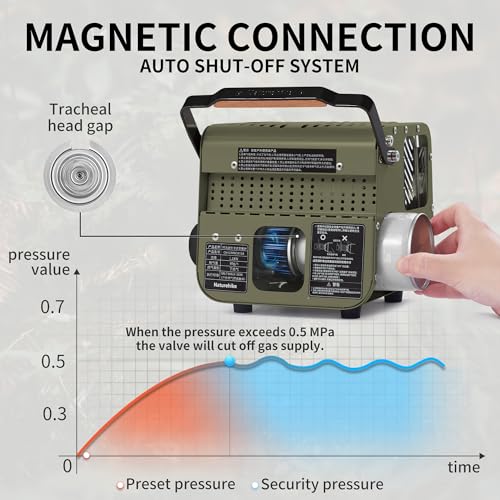
At 3,750 BTU, this isn’t going to heat a large tent, but for a solo or two-person shelter, it’s surprisingly effective. The butane fuel system means less odor and cleaner burns than some propane models, and owners praise how quietly it runs. The warming shelf is a thoughtful touch, great for drying gloves or warming a drink, not just ambient heat. It’s clearly designed with backpacker logic: lightweight, compact, and multi-functional.
But butane has its limits. In freezing temps, performance drops sharply, and many reviewers note difficulty igniting below 40°F. That makes this a fair-weather or shoulder-season pick. If you’re deep in winter territory, this isn’t the heater to rely on.
Product photos
How We Picked These camping tent heaters
Rather than a hands-on lab test, my research for these recommendations focused on a detailed comparison of published specifications and features across numerous models. I then weighed owner reviews from sites like Amazon and expert opinions from outdoor gear reviewers, looking for consistent feedback on performance and reliability. As someone who’s spent countless nights relying on a comfortable shelter, I applied my understanding of camping needs to rank these heaters against clear criteria.
For camping tent heaters, consistent heat output (BTU rating) and safety features were the biggest deciding factors. A heater’s BTU determines how effectively it can warm a space, and I prioritized models capable of adequately heating typical tent sizes. Equally important were safety mechanisms – auto shut-off features for tipping, low oxygen detection, and secure connections – because portable heater safety is paramount when dealing with propane or butane.
Specifications clearly indicate BTU output, fuel type, and run time. However, owner feedback proved crucial for assessing real-world performance and durability. I looked for recurring comments about ease of use, consistent ignition, and the effectiveness of safety features. Reputation matters, too – established brands with a history of quality outdoor gear generally ranked higher, and I considered information about warranty coverage when evaluating each heater. Understanding safe tent heating is vital for any camper.
How To Pick The Right camping tent heaters
Finding the right camping tent heater can make the difference between a miserable, shivering night and a cozy, enjoyable experience. I’ve seen too many trips ruined by underestimating the cold – it’s a mistake I want to help you avoid.
A quality camping tent heater prioritizes safety with features like tip-over shutoffs and oxygen depletion sensors. Look for models with adjustable BTU output to match the tent size and external temperatures, and consider fuel efficiency for extended use. Durable construction and ease of operation are also key factors for reliable performance in outdoor conditions.
BTU Output & Tent Size
The biggest mistake people make is buying a heater that’s either too powerful or too weak for their tent. A heater’s BTU (British Thermal Units) rating indicates how much heat it produces. A small, well-insulated tent doesn’t require a massive heater; in fact, too much heat can create condensation and be uncomfortable. Conversely, a larger tent or one with less insulation will need more BTU to make a noticeable difference. Generally, you want around 30-50 BTU per square foot of tent space. Don’t automatically assume “more is better.”
Safety Features Are Paramount
When it comes to heating a confined space like a tent, safety isn’t just important – it’s everything. I can’t stress enough the need to prioritize models with multiple safety features. Look for auto shut-off functions that activate if the heater tips over, if the pilot light goes out, or if oxygen levels drop too low. These are essential.
- A simple pilot light is the least you should expect.
- Tip-over protection is crucial, especially if you’re camping with kids or pets.
- Oxygen depletion sensors (ODS) are a lifesaver, as they detect dangerous levels of carbon monoxide and automatically shut off the heater. Proper ventilation also remains key when considering warming a tent in winter.
Never leave a propane heater unattended inside a tent, even for a moment. Carbon monoxide is odorless and deadly.
Fuel Type & Usability
Propane heaters are the most common type you’ll find, and for good reason. They’re relatively inexpensive to operate and offer a good amount of heat. However, you’ll need to factor in the cost and availability of propane canisters. Butane heaters, like the Naturehike model, offer a cleaner burn but typically have lower BTU outputs and are better suited for very small tents. Beyond the fuel type, consider how easy the heater is to operate. Some models require tools for setup, while others are designed for quick, tool-free operation. For a quick setup, consider exploring portable tent heaters and their ease of use. I always recommend practicing setting up and lighting the heater before you head out on your trip – don’t learn in the dark and cold! Finding safe tent heaters is a must.
Camping Tent Heaters Compared
Here’s a comparison of key specifications for various camping tent heaters to help you make an informed purchase.
| Product Name | BTU Output | Fuel Type | Space Heating (sq ft) | Safety Features | Run Time (High) |
|---|---|---|---|---|---|
| Mr. Heater MH9BX Propane Heater | 4,000-9,000 | Propane | 225 | Tip-over shutoff, O2 sensor | 5.6 Hrs |
| Mr. Heater 9,000 BTU Buddy | 4,000/9,000 | Propane | 225 | Low O2 safety system | 2.4 Hrs |
| 6200 BTU Propane Camping Heater | 6,200 | Propane | N/A | Stable base, secure connection | N/A |
| MOZODAWN 2-in-1 Propane Heater & Stove | 13,000 | Propane | N/A | Tip-over switch, ODS | N/A |
| Portable Propane Heater with Case | N/A | Propane | N/A | Protective grill, foldable base | N/A |
| Foldable Tank Holder Propane Heater | N/A | Propane | N/A | Protective grill, foldable base | N/A |
| Naturehike 3750 BTU Butane Heater | 3,750 | Butane | 54-108 | Overpressure shutoff | 180 mins |
Frequently Asked Questions
What size propane tank do I really need for a camping trip?
A standard 20-pound propane tank will typically last between 6-12 hours with a standard camping heater, but this varies greatly based on the heater’s BTU output and how consistently you run it. For longer trips, or if you plan to use the heater extensively, consider bringing a larger tank or a second one.
Can I use a carbon monoxide detector with my tent heater?
Yes, you absolutely should. While most heaters have oxygen depletion sensors, a separate carbon monoxide detector provides an extra layer of safety and is highly recommended. Ensure it’s battery-operated and test it before each trip; it’s a small price to pay for peace of mind when reviewing the top tent heater models.
What’s the difference between BTU and heating area?
BTU (British Thermal Units) measures the heater’s heat output, while heating area refers to the square footage the heater can effectively warm. A higher BTU doesn’t always mean a larger heating area; insulation and tent size play significant roles.
Are butane heaters a viable alternative to propane?
Butane heaters can be a good option for very small tents or shelters where a lower BTU output is sufficient. They produce a cleaner burn, but generally have shorter run times and are less powerful than propane models, so consider these camping-safe heaters carefully.
What should I do if my heater won’t ignite?
First, check the fuel connection to ensure it’s secure. Next, verify the heater isn’t out of fuel and that the pilot light is functioning. If you’ve tried those steps and it still won’t ignite, consult the owner’s manual for troubleshooting or consider exploring other tent heating devices to avoid issues in the field.
The Bottom Line
Choosing a camping tent heater always comes down to balancing warmth with worry – how much comfort do you want against how much attention you’ll have to pay to safety? For most campers, I recommend the Mr. Heater MH9BX Propane Heater. It offers a great blend of BTU output, reliable safety features like a tip-over shutoff and oxygen sensor, and a reasonable run time that will get you through a cold night.
If you’re on a tighter budget, the 6200 BTU Propane Camping Heater is a solid pick. And for those who prioritize versatility and need a heater for a smaller tent, the Naturehike 3750 BTU Butane Heater is a good option, though you’ll need to be mindful of its lower heat output and fuel availability. Before you decide, make sure you’ve researched the safe use of a buddy heater Mr Heater Buddy safety if you’re considering that model.
Ultimately, don’t get too caught up in chasing the highest BTU number or the latest features. The most important things are choosing a heater with robust safety features, understanding how to operate it correctly, and always prioritizing proper ventilation. A well-chosen, responsibly used heater can transform a chilly camping trip into a cozy memory.
