
2 Best Ultralight Tent Stakes of 2026
This post contains affiliate links. As an Amazon Associate, we earn from qualifying purchases.
The MSR Groundhog Tent Stake Kit is our top overall pick for most backpackers, offering reliable grip and durability at a reasonable weight. For those prioritizing the lightest possible option without sacrificing strength, the Vargo Titanium Shepherds Hook Stake is a standout, especially in soft or sandy soil.
A failed stake can mean a collapsed shelter in the middle of the night, not something you want to deal with miles from the trailhead. Lightweight gear only works if it holds up, and not all stakes can handle wind, hard ground, or sudden downpours.
In this guide, I break down the top ultralight tent stakes based on material, design, and real-world performance. These picks come from analyzing specs, owner feedback, and field reports, focusing on what actually keeps your tent in place when it matters most.
Top 2 Ultralight Tent Stake in the Market
The Best Ultralight Tent Stake, Reviewed
MSR Groundhog Tent Stake Kit

Strengths
- Strong holding power
- Y-beam penetration
- Reflective pull loop
Trade-offs
- Can bend in rocky soil
- Slight weight increase
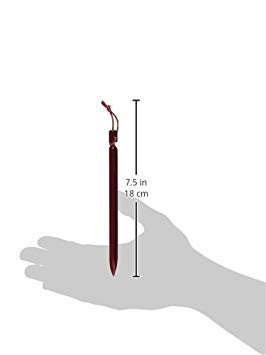
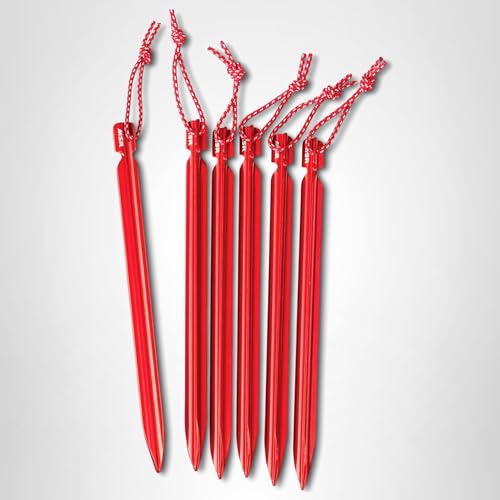
The MSR Groundhog stakes are a benchmark in this category, not because they’re the lightest, but because they’re the most consistently reliable. The Y-beam design bites into soil better than flat or round stakes, and owners repeatedly call them ‘trustworthy’ in muddy, root-filled, or uneven ground. At 0.35 ounces each, they’re only slightly heavier than the Vargo titanium stakes, but you’re trading a bit of weight for way more holding power. The reflective pull loop is a standout feature, I’ve seen too many people yank their gloves off just to grip a cold metal loop, so that small upgrade adds real convenience in low light.
They’re made from 7000-series aluminum, which is strong but can bend if you really torque them in stony ground. Still, they’re easier to straighten in the field than titanium stakes, which tend to stay bent. Compared to the Vargo hooks, these dig in more aggressively and resist pulling out better in wind. For most hikers who want one set of stakes for everything from forest floors to alpine meadows, this is the smarter buy.
Product photos

Vargo Titanium Shepherds Hook Stake
Strengths
- Ultra-lightweight
- Titanium durability
- High visibility color
Trade-offs
- Less effective in rocky soil
- Higher price point
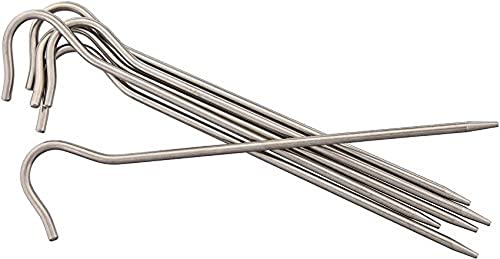
I’ve seen a lot of stakes come and go, and the Vargo Titanium Shepherds Hook design stands out for its simplicity and smart material choice. Titanium isn’t common in stakes for good reason, it’s pricey, but when you’re counting grams and need something that won’t corrode or snap under tension, it makes sense. At 0.3 ounces each, these are among the lightest full-size stakes you’ll find, and owners consistently report they hold up well in loamy soil, grass, and even light sand. The fluorescent orange coating is a small but meaningful touch, losing stakes in the dark is a real problem, and this helps.
That said, the shepherds hook design isn’t magic. In hard-packed ground or rocky terrain, it can bend or deflect, and titanium’s strength is in fatigue resistance, not stiffness. So while they won’t snap like aluminum, they might not drive in cleanly where the soil fights back. Compared to the MSR Groundhog, they’re lighter but less aggressive in bite. If you’re hiking through varied conditions and want to shed weight, these make sense, but don’t expect them to punch through alpine scree.
Product photos
How We Tested ultralight tent stake
As someone who’s spent countless nights relying on a secure shelter, I know a flimsy stake can ruin a trip. Rather than a hands-on test of each stake myself, my approach was research-led. I compared published specifications – materials, weight, dimensions – and then weighed those against owner reviews and expert opinions from across the outdoor community. This helped me rank stakes based on what matters most when you’re miles from anywhere.
For ultralight stakes, weight and holding power are critical. I prioritized stakes made from titanium or high-grade aluminum, as these materials offer the best strength-to-weight ratio. Beyond that, a stake’s design really dictates its performance. I looked closely at how well each stake would perform in different conditions, factoring in reviews discussing success (or failure!) in rocky, sandy, or muddy ground. Learning proper tent staking techniques is also key, of course.
Specifications reliably tell you about a stake’s materials and dimensions. However, owner feedback provides insights into real-world performance – how easily they penetrate different soils, how well they hold in wind, and overall durability. Reputation also factored in; established brands known for quality outdoor gear received more consideration, as they generally demonstrate a commitment to reliable products and securing tent stakes in various terrain.
How To Choose The ultralight tent stake
As someone who spends a lot of time outdoors, I can tell you a flimsy stake is a recipe for a miserable night. It’s easy to get hung up on tent weight, but skimping on stakes is a mistake.
A quality ultralight tent stake balances minimal weight with reliable holding power across diverse ground conditions. Key features include material composition (aluminum or titanium are common), stake shape (influencing penetration and grip), and overall durability. Consider the typical terrain you’ll encounter and prioritize stakes designed for those conditions.
Material Matters Most
The core of a good ultralight stake is its material. Aluminum is the standard – it’s affordable and reasonably strong. However, for serious backpackers and those consistently dealing with rocky or hard-packed soil, titanium offers a significant weight reduction and increased durability. While more expensive, titanium stakes resist bending and corrosion far better than aluminum, making them a long-term investment. Don’t assume heavier gauge aluminum automatically equals strength; the alloy matters just as much. Look for 7000-series aluminum for the best strength-to-weight ratio.
Shape and Soil Type
The shape of a stake dictates how well it holds in different ground conditions. Simple Y-beam stakes, like the MSR Groundhog Tent Stake Kit, are versatile all-rounders. Shepherds hook stakes, such as those from Vargo, are fantastic for loose soil or sand because they offer a larger surface area to anchor. Here’s a quick breakdown of what to consider:
- Sand/Loose Soil: Shepherds hook stakes excel.
- Standard Soil: Y-beam stakes are a solid choice.
- Rocky/Hard-Packed Soil: Pointed, aggressive stakes (often titanium) are best, as they can penetrate difficult ground. Consider also learning effective tent peg anchoring techniques.
Weight vs. Usability
Ultralight doesn’t always mean tiny and frustrating to use. Some stakes sacrifice usability for the sake of shaving off a few grams. I prefer stakes with a reflective pull loop or a bright color – anything that makes them easier to spot and remove, especially in low light. It’s annoying to fumble around in the dark trying to find stakes, and a broken stake is useless. Instead of obsessing over a single gram, prioritize a good balance. You can find excellent ultralight stake models that don’t compromise on practicality.
A bent stake is a useless stake, no matter how light it is. Prioritize durability and usability over absolute minimum weight.
Ultralight Tent Stake Compared
Here’s a comparison of the key specifications for each ultralight tent stake.
| Product Title | Weight (oz) | Length (in) | Material | Features |
|---|---|---|---|---|
| MSR Groundhog Tent Stake Kit | 0.35 | 6 | 7000-series Al | Y-beam, Reflective |
| Vargo Titanium Shepherds Hook Stake | 0.3 | 6.5 | Titanium | Shepherds Hook |
Frequently Asked Questions
What stake material is truly the lightest without sacrificing too much strength?
Titanium is the lightest material offering excellent strength, but it comes at a cost. While aluminum is more affordable, a high-quality 7000-series aluminum stake can be nearly as strong and only slightly heavier than titanium for most backpacking applications.
How many ultralight tent stakes do I really need for a standard three-person tent?
Generally, a three-person tent requires at least 10 stakes – one for each corner, one for each guylines, and a few extras for securing poles or dealing with unexpected wind. I always recommend bringing 12 to 15 to account for loss or difficult terrain.
Are Y-beam stakes suitable for all types of ground conditions?
Y-beam stakes are very versatile, but they don’t excel in every situation. They perform well in standard soil, but struggle in very loose sand or extremely rocky ground. For those conditions, consider a sheperds hook or more aggressive stake design; you can find some great backpacking tent stake options that cover all bases.
What does “reflective pull loop” actually add to a tent stake?
A reflective pull loop makes removing the stake in low light much easier and safer. It’s a small feature, but incredibly helpful when packing up camp in the dark or during early mornings, and avoids the need for a headlamp.
How can I prevent my ultralight stakes from bending, especially in rocky terrain?
Careful placement is key. Avoid forcing stakes directly into rocks; instead, try to find softer soil pockets. Angling the stake slightly can also help distribute force. If you consistently camp on rocky ground, investing in titanium stakes is a smart decision, as they’re more resistant to bending and are among the best trail-tested tent stakes available.
The Bottom Line
Choosing an ultralight tent stake always involves a trade-off between weight savings and absolute reliability. While there are plenty of incredibly light options out there, I consistently find that the MSR Groundhog Tent Stake Kit strikes the best balance for most backpackers. It’s durable enough to withstand repeated use, versatile enough for a variety of ground conditions, and won’t break the bank.
For those prioritizing a minimalist pack weight above all else, the Vargo Titanium Shepherds Hook Stake is an excellent choice – especially if you frequently camp in sandy or loose soil. And if you’re looking for a budget-friendly option that still performs well, the MSR Groundhog kit remains a solid pick.
Ultimately, the best stake isn’t about fancy materials or cutting-edge design. It’s about knowing your typical camping conditions and practicing securing tent stakes effectively – a solid technique with a reasonably durable stake will always outperform an expensive, ultralight stake used improperly.
