
8 Best Grow Lights for 3×3 Tents 2026
This post contains affiliate links. As an Amazon Associate, we earn from qualifying purchases.
The VIVOSUN LumaLight 320W stands out as the best overall grow light for a 3×3 tent, delivering strong, even coverage and reliable performance. If you’re watching your budget, the VIPARSPECTRA XS1500 Pro offers solid results without breaking the bank, while the Spider Farmer G3000 300W gives excellent versatility with app control and efficient output.
Picking the right grow light isn’t just about brightness, it’s about giving your plants consistent, usable light across every corner of your 3×3 space. Too many lights either waste energy or leave gaps in coverage, leading to uneven growth.
As someone who’s deep into gear that performs under real conditions, I compared specs, owner feedback, and expert insights to find lights that actually deliver in a 3×3 tent. This guide cuts through the hype to show you what works, based on spectrum quality, efficiency, and how well each model spreads light where it’s needed.
Top 8 Grow Lights For 3X3 Tents in the Market
The Best Grow Lights For 3X3 Tents, Reviewed
VIVOSUN LumaLight 320W LED Grow Light
Strengths
- Micro-lens optics
- IP65 sealed
- High uniformity
- Smart dimming
- Long lifespan
Trade-offs
- GrowHub sold separately
- No app included
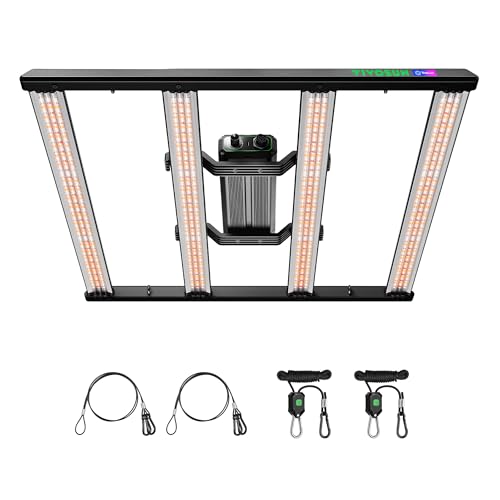
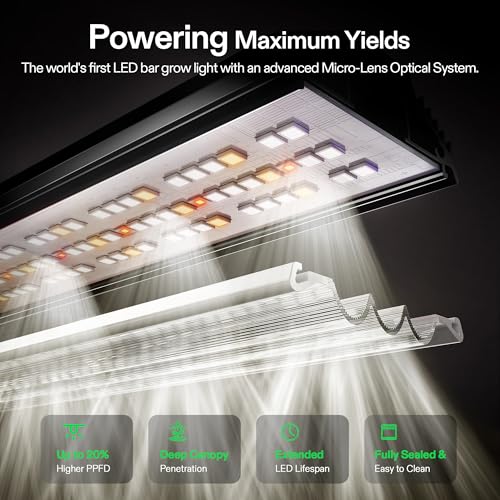
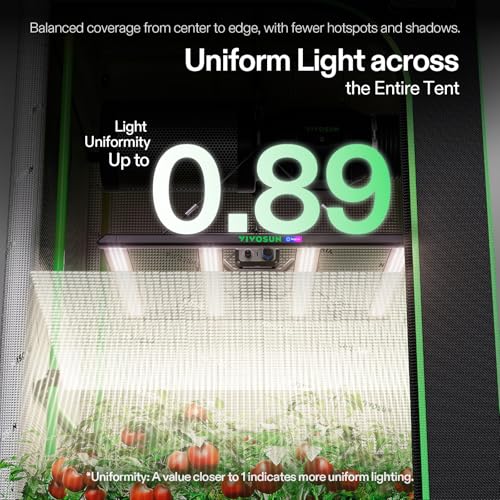
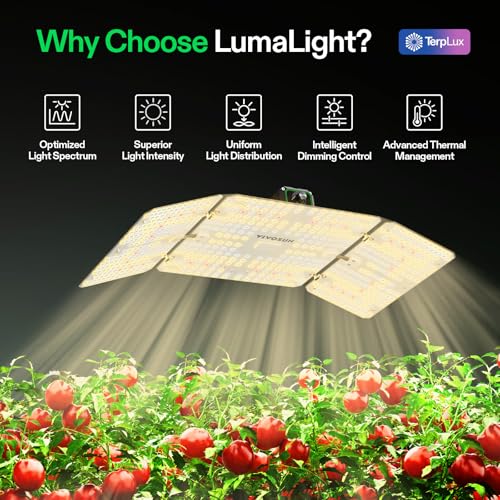
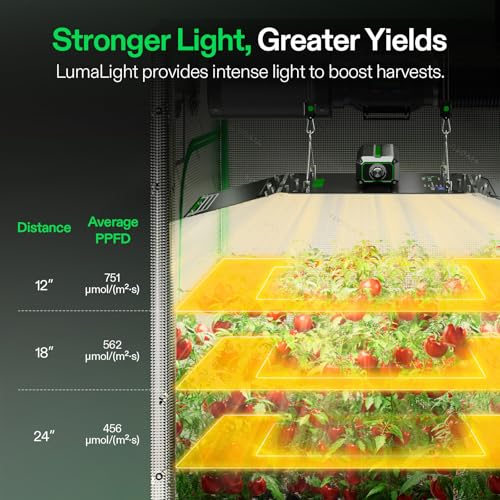
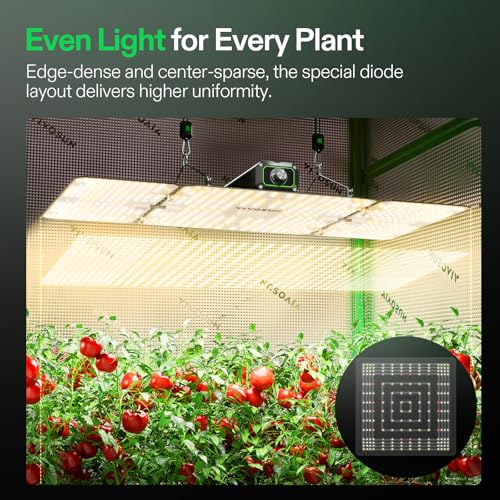
The VIVOSUN LumaLight 320W is my pick for best overall, it balances power, precision, and durability in a way few others do. The micro-lens optic system is not just a buzzword; owners report up to 20% better canopy penetration, which translates to stronger lower bud development in flowering plants. With 0.89 PPFD uniformity, it eliminates hotspots and ensures every corner of your 3×3 tent gets consistent light.
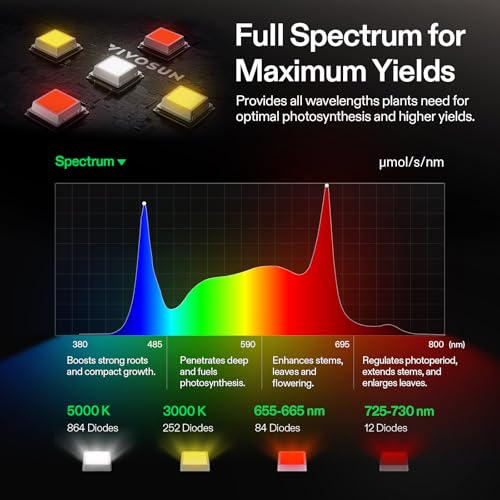
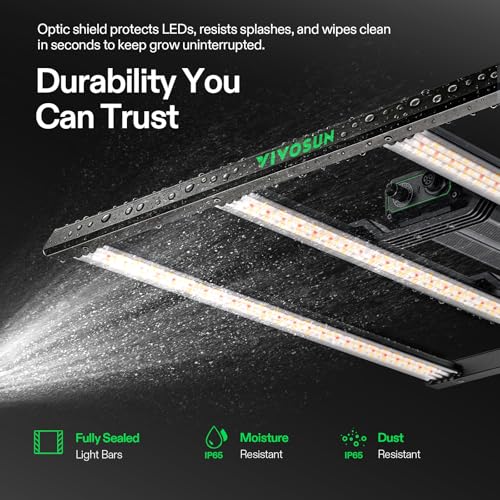
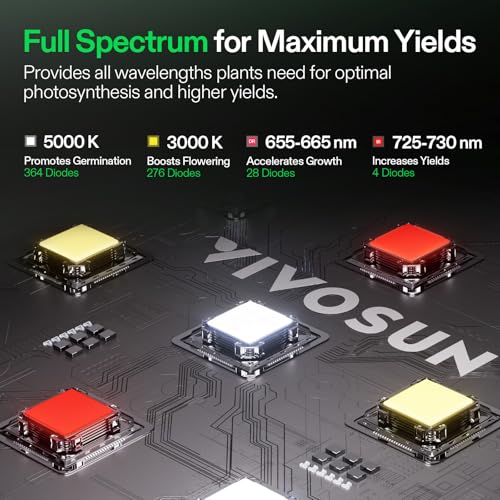
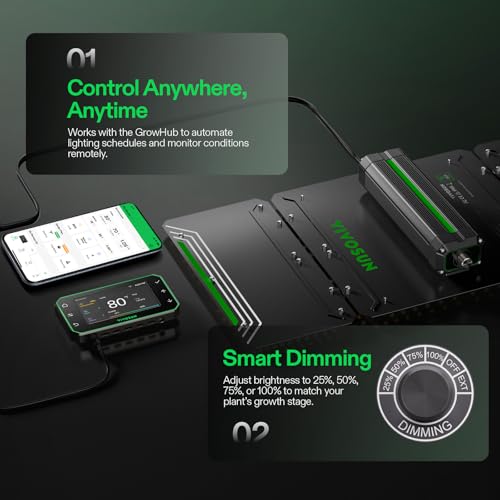
The sealed IP65-rated bars are a big win for longevity, protecting against dust and moisture, a must if you’re spraying nutrients or cleaning often. It’s compatible with the Vivosun GrowHub (sold separately), so you can automate schedules and monitor remotely. The 4-level dimming knob gives decent manual control, though I wish it went lower than 25%. Still, with a 36,000-hour lifespan and a spectrum tuned for speed and yield, this is the most complete package here.
Product photos

Spider Farmer G3000 300W LED Grow Light

Strengths
- App control
- High efficiency
- Digital display
- Daisy chaining
- 5-year warranty
Trade-offs
- Higher price
- App required for full features
The Spider Farmer G3000 is where tech meets performance. With 896 diodes and a PPE of 2.75 umol/J, it’s one of the more efficient 300W lights on the market, and that efficiency shows in the canopy, owners report strong, uniform coverage across 3×3 tents with no hotspots. The full spectrum is well-tuned, and the bar-style design pushes light deep into lower branches, which matters when you’re chasing yields.
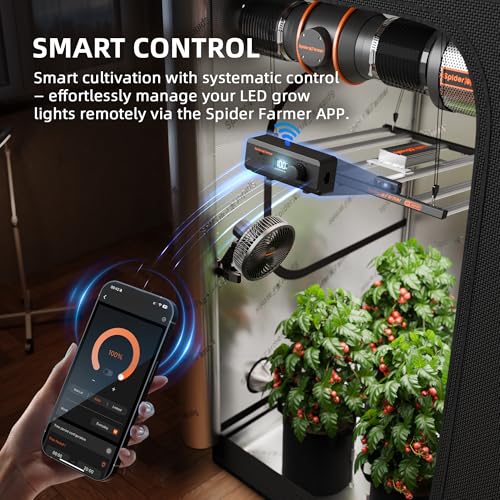
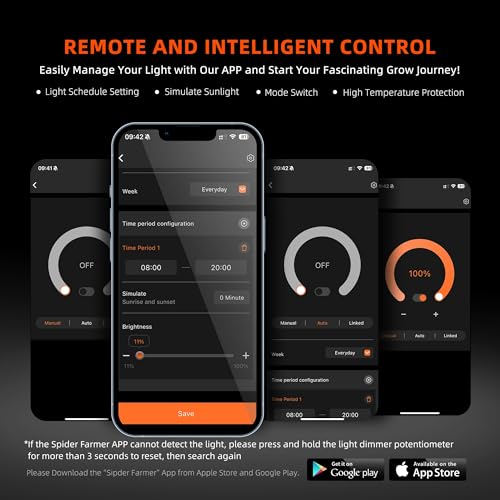
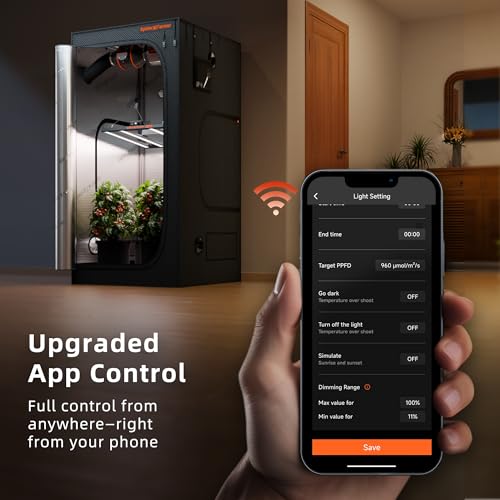
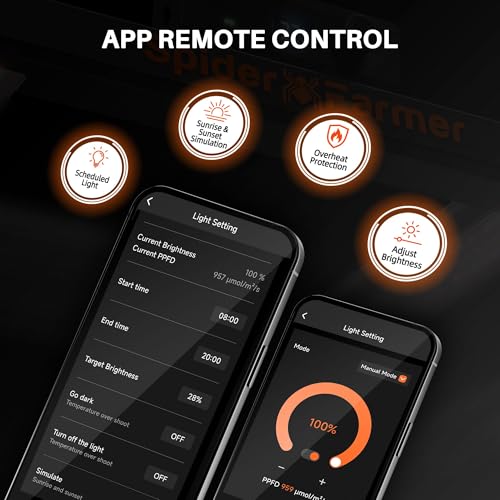
But the real standout is the app control. Being able to set sunrise/sunset simulations, custom schedules, and adjust brightness remotely is a serious advantage, especially if you travel or run multiple tents. The digital display adds convenience, and daisy-chaining up to 50 units makes this viable for commercial grows. Paired with a 5-year warranty and U.S.-based support, it’s a premium package that justifies its spot in higher-tier builds.
Product photos
Spider Farmer SE3000 300W Bar Style Light
Strengths
- Bridgelux diodes
- Plant-focused spectrum
- App control
- Even coverage
- 5-year warranty
Trade-offs
- Premium price
- App dependency
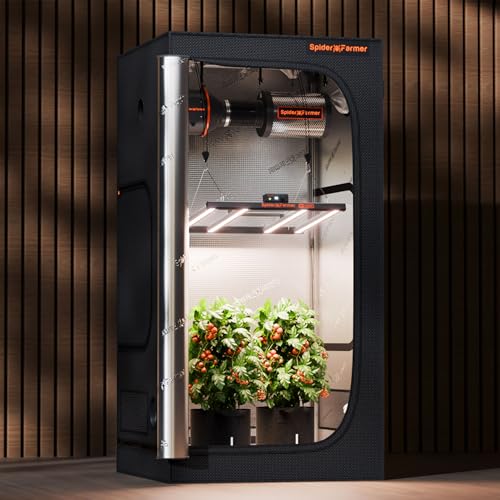
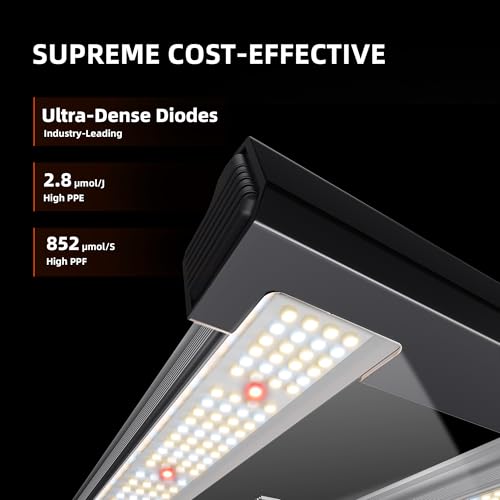
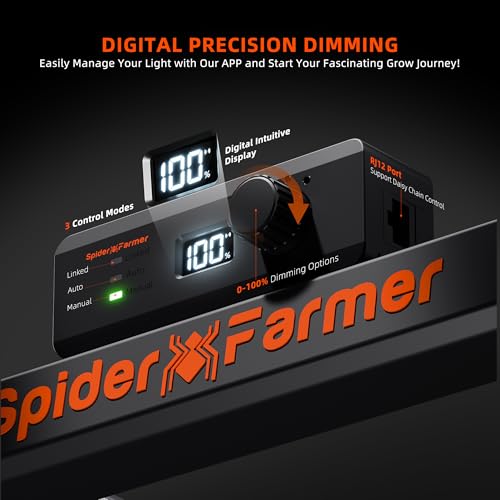
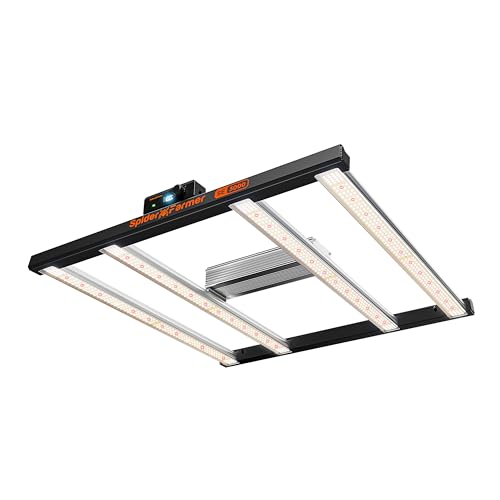
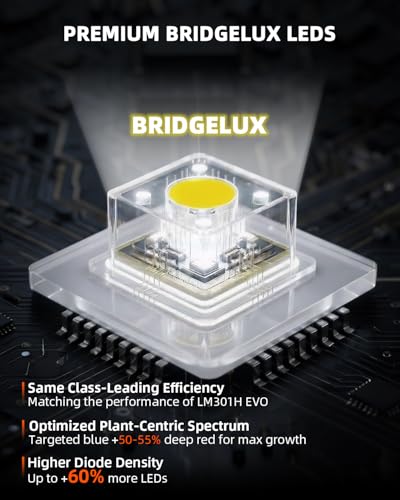
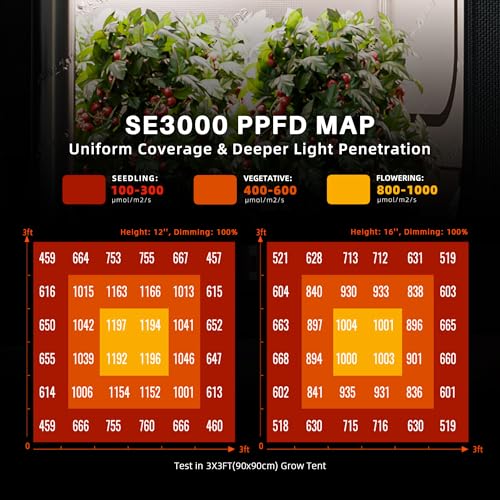
The SE3000 is Spider Farmer’s flagship for a reason, it’s built for serious growers who demand maximum coverage and control. Using premium Bridgelux diodes, it hits 826 µmol/s at 300W, delivering one of the highest PPE ratios in its class. The bar-style design ensures that light spreads evenly, even at the edges, which owners consistently praise for eliminating weak spots in 3×3 tents.
What sets it apart is the plant-centric spectrum: heavy on deep red (660–665nm) for flowering and blue (437nm) for foliage, making it especially effective during bloom. Add in app control with sunrise/sunset simulation and a digital dimming display, and you’ve got a light that’s as smart as it is powerful. The 5-year warranty seals the deal. I’d pick this over the G3000 for flowering-heavy grows where yield and quality are top priority.
Product photos
VIPARSPECTRA XS1500 Pro LED Grow Light

Strengths
- Lens technology
- Energy efficient
- Daisy chaining
- Budget priced
Trade-offs
- Limited flowering power
- No app control
- No dimmer display
If you’re on a tight budget but still want a modern LED with lens tech and daisy-chaining, the VIPARSPECTRA XS1500 Pro is hard to ignore. It pulls only 150 watts but delivers a full spectrum with 3000K, 5000K, 660nm, and 730nm IR, a combo that supports everything from seedlings to flowering. The optical lenses are a standout, focusing light more evenly across the canopy and reducing waste at the edges, which owners say improves yield consistency in 3×3 tents.
It’s not the most powerful light here, and coverage drops off in flowering when plants demand more intensity. But for veg or mixed herb gardens, it performs reliably. The ability to daisy-chain up to 20 units is great for future expansion, and the build quality with an aluminum heatsink suggests longevity. I’d pair two for a 4×2, but for solo 3×3 use, it’s best with low to medium-light plants.
Product photos


SP1000 234pcs Full Spectrum Grow Light

Strengths
- Low power draw
- Fanless
- Built-in hygrometer
- Daisy chaining
Trade-offs
- Lower intensity
- No dimming display
- No app
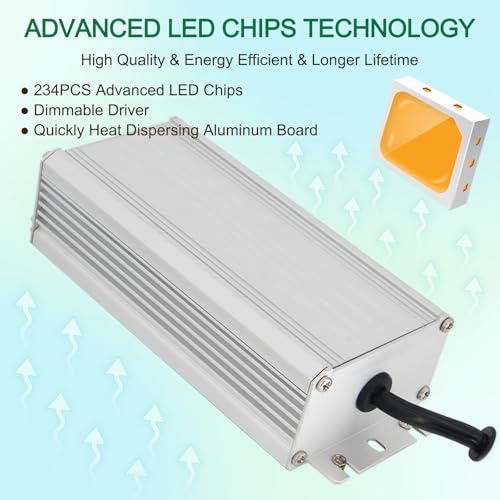
This SP1000 model flies under the radar but delivers surprising value. At just 120W, it claims a PPE of 2.7 umol/J, impressive efficiency on paper, and owners confirm it provides solid coverage for a 3×3 tent, especially during veg. The full spectrum includes 3000K, 5000K, 660nm, and 730nm, covering all growth stages, and the fanless design keeps things quiet and low-maintenance.
One unique perk: it includes a built-in temperature and hygrometer display, which is rare at this price. It’s a small thing, but helpful for monitoring tent conditions without extra gadgets. The daisy-chaining support for 50 units and auto-sensing power supply add flexibility. It’s not the brightest for flowering, but for a low-wattage, no-frills light with solid efficiency and extra monitoring, it’s a sleeper hit.
Product photos


MARS HYDRO TS1000 150W LED Grow Light

Strengths
- Patented reflector
- Fanless design
- Daisy chaining
- Dimmable
Trade-offs
- No app control
- Lower wattage
- No lens tech
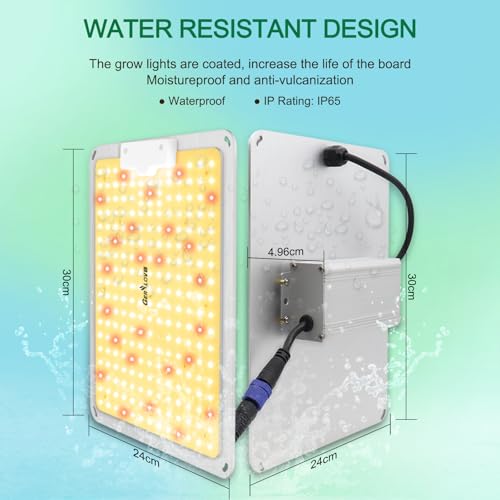
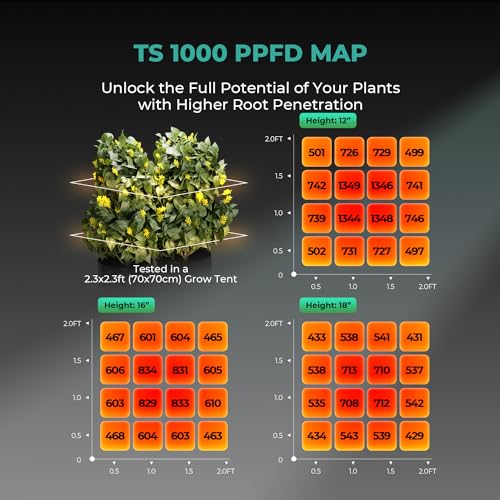
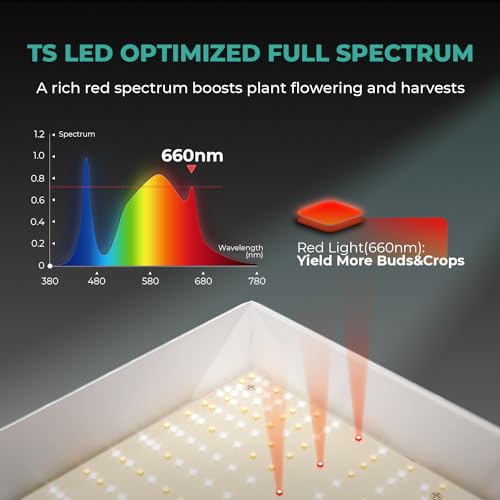
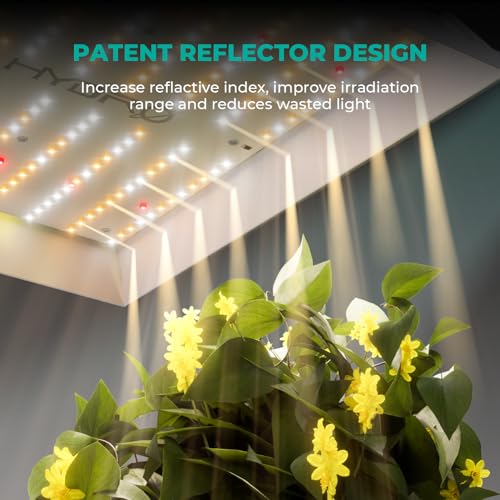
The MARS HYDRO TS1000 stands out in the 150W class thanks to its patented reflector tech, which owners say boosts usable light by up to 25%. That’s not just marketing fluff, the 120° refraction angle and dense-center diode layout create noticeably even coverage across 3×3 tents, especially when used inside reflective grow spaces. It’s designed to replace a 250W HPS while sipping half the power, and real-world feedback confirms it delivers strong PAR where it counts.
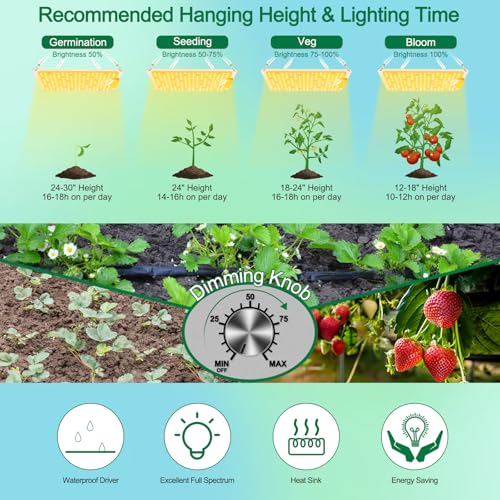
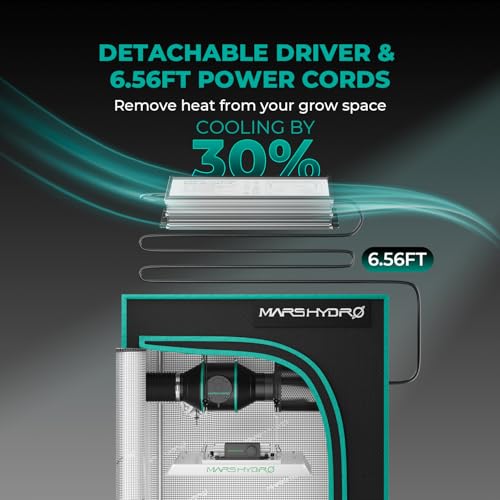
I appreciate that it’s fanless. Noise-free operation is a big win for indoor setups near living spaces, and the aluminum housing does a decent job shedding heat despite the lack of active cooling. The 0–100% dimming and daisy-chaining for up to 50 units make it scalable, though you’ll miss out on app control or automation. Still, for a quiet, efficient, and uniformly lit bar-style light, this one punches above its weight.
Product photos
VIVOSUN LumaLight 200W Smart Dimmable Light
Strengths
- Smart dimming
- IP65 rated
- App compatible
- Low heat
- Uniform light
Trade-offs
- Lower wattage
- GrowHub sold separately
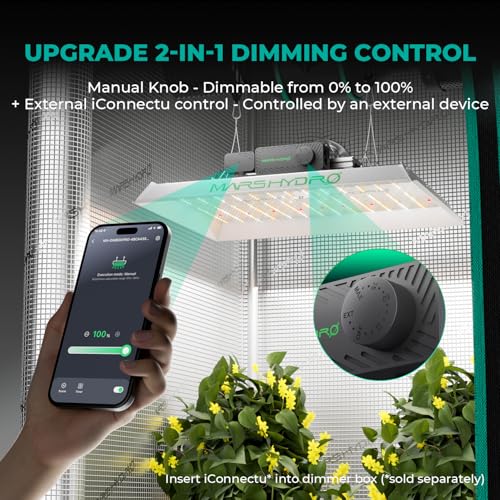
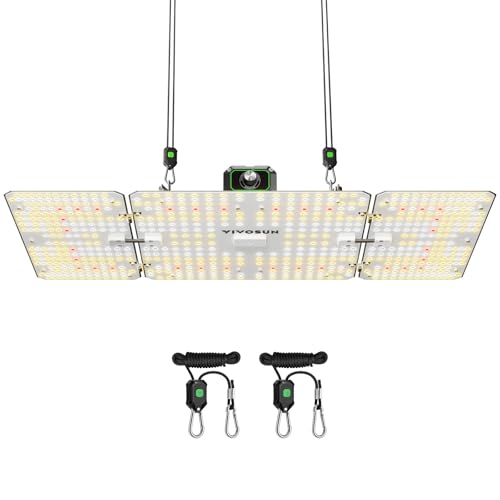
The 200W LumaLight is a more compact sibling to the 320W, but it still brings serious smart features to the table. It delivers high PPFD for its class and uses a strategic diode layout to maintain uniform intensity across 3×3 tents, owners say center-to-edge consistency is excellent. The full spectrum with 3000K, 5000K, 660nm, and 730nm supports full-cycle growth, and the 4-level dimming knob (25%–100%) gives solid control.
Where it shines is smart integration. Like its bigger brother, it works with the Vivosun GrowHub and app for remote scheduling and monitoring, a rare feature at this wattage. The IP65 rating and advanced thermal management also mean it runs cool and lasts long. I’d recommend this for smaller or mixed-light grows where automation matters more than brute power.
Product photos
BESTVA DC2000 Full Spectrum LED Light
Strengths
- High LED count
- Efficient cooling
- Veg bloom switch
Trade-offs
- No dimming
- No daisy chaining
- No app control
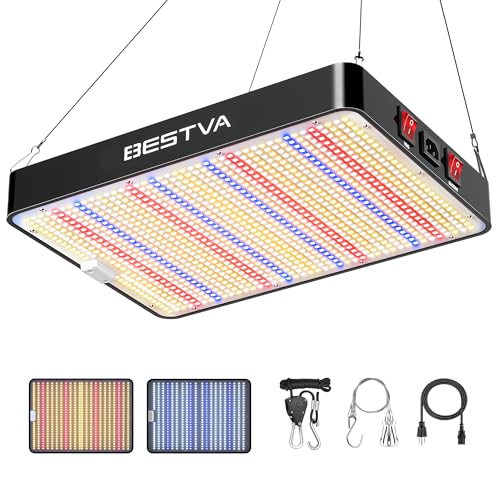
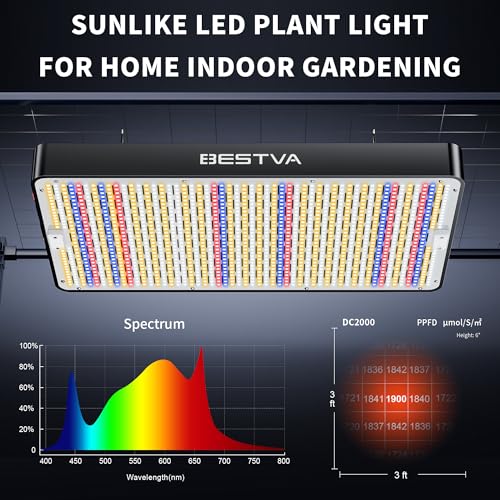
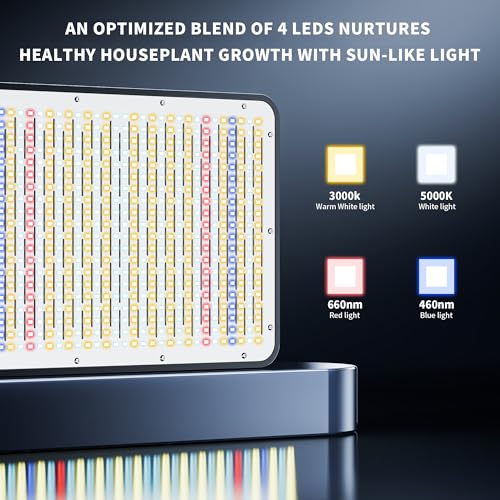
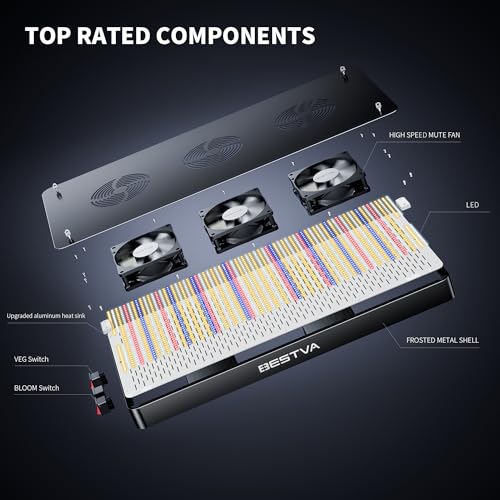
On paper, the BESTVA DC2000 makes a strong case for budget-conscious growers who want solid performance without app gimmicks. With 1176 LEDs running at just 200 watts, it claims to outshine traditional 2000-watt setups, a bold claim, but one backed by consistent owner feedback praising its intensity across a 3×3 tent. The sunlike spectrum with 3000K, 5000K, and key red wavelengths is well-balanced for full-cycle growth, and the veg/bloom switch gives basic control without overcomplicating things.
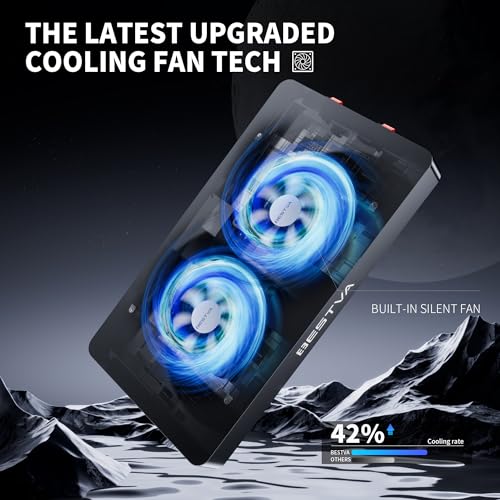
What really stands out is the cooling system. Multiple quiet fans paired with an aluminum radiator keep temps low, which reviewers say prevents leaf burn even during long cycles. The 3-year warranty adds peace of mind, though it doesn’t match the 5-year coverage offered by some competitors. Still, for a plug-and-play light with reliable performance, this one holds its own.
Product photos

How We Evaluated grow lights for 3×3 tents
As someone who spends a lot of time thinking about the best ways to nurture plants indoors, I approached researching grow lights for 3×3 tents by focusing on a detailed comparison of published specifications and features. I then weighed those against owner reviews and expert opinions from horticultural publications. This isn’t about me owning or personally testing each light, but rather a research-led comparison designed to pinpoint which models consistently deliver on their promises. My goal was to build a ranking based on real-world performance indicators.
For lights designed for a 3×3 space, light distribution and spectral output are key. I prioritized lights offering both uniform coverage – minimizing hot spots – and a full spectrum optimized for all growth stages. PPFD (Photosynthetic Photon Flux Density) values are important, but ultimately, consistent results reported by growers using these lights in similar setups held the most weight. Finding lights that balance intensity with coverage within that 3×3 footprint was crucial. You can find more information on selecting the right grow lights for your setup in our guide to optimal 3×3 grow lights.
Product specifications reliably indicate wattage, diode types, and spectral ranges, providing a baseline for comparison. However, I placed greater emphasis on owner feedback regarding heat management, build quality, and actual light penetration. Reputable expert reviews helped validate manufacturer claims and identify potential drawbacks. Ultimately, the lights that consistently received positive feedback for delivering strong, healthy growth in a 3×3 setup rose to the top of my recommendations for effective 3×3 cultivation lights.
How To Pick The Right grow lights for 3×3 tents
Choosing the right grow lights for your 3×3 tent can be surprisingly complex. It’s about more than just wattage; you need to consider spectral output, efficiency, and how well the light distributes across your canopy.
A quality grow light for a 3×3 tent delivers consistent, full-spectrum illumination with high photosynthetic photon flux density (PPFD) across the entire canopy. Look for lights with efficient diodes, robust cooling systems, and features like dimming to adapt to different plant stages. Prioritize PAR output over simple wattage numbers and consider the light’s spectrum to match your plant’s needs.
Understanding Light Spectrum & PPFD
Forget the old HPS versus LED debate. Today, the real key is understanding what your plants actually need from the light spectrum. A “full spectrum” light isn’t enough; you want to see specific wavelengths included – ideally, a blend of white (3000K and 5000K), blue (460nm), red (660nm), and even far-red (730nm). These wavelengths drive different parts of the photosynthetic process. While many lights claim full spectrum, checking the spectral graph (often on the manufacturer’s website) is crucial. More importantly, don’t get hung up on wattage. PPFD (Photosynthetic Photon Flux Density) is the metric that truly matters, measuring the amount of usable light reaching your plants.
Dimming & Control Options
I’ve seen too many growers bake their plants because they couldn’t adjust the light intensity. Seedlings and clones need a lot less light than flowering plants, and the ability to dim your light is a lifesaver. Some of the newer lights, like the Spider Farmer models, offer app control, which is fantastic for automating schedules and making adjustments remotely. It’s a convenience feature, for sure, but it can be incredibly valuable if you travel or just want a set-it-and-forget-it system. If you’re looking for more options, check out our guide to the best 3×3 grow tent lights for a broader range of features.
Here’s what I look for when considering dimming: * Dimming Range: A wider range (e.g., 25%-100%) is more versatile. * Control Method: Knob dimmers are simple, but app control provides precision. * Memory Function: Does the light remember your last dimming setting? This saves time.
A good rule of thumb is to start with lower light intensity and gradually increase it as your plants grow. Watch your plants closely for signs of stress (bleaching, curling leaves) and adjust accordingly.
Value & Efficiency: Getting the Most for Your Money
Let’s be real: grow lights can be expensive. I always recommend prioritizing efficiency (measured in umol/J – micromoles per joule). A more efficient light will deliver the same amount of usable light while consuming less electricity, saving you money in the long run. Look for lights with high PPE (Photosynthetic Photon Efficacy) ratings. Many brands offer comparable performance at different price points, so it’s worth comparing specs and reading reviews. If you’re considering a larger setup, you might also want to explore LED lights for 4×4 tent options, as scaling up can sometimes offer better value.
Grow Lights for 3×3 Tents Compared
Here’s a comparison of key specifications for grow lights designed for 3×3 grow tents to help you choose the best option.
| Product Name | Wattage | Coverage Area | Spectrum | Dimmable | App Control |
|---|---|---|---|---|---|
| VIVOSUN LumaLight 320W | 320W | 3×3 | Full | Yes | Yes |
| Spider Farmer G3000 300W | 300W | 3×3 | Full | Yes | Yes |
| Spider Farmer SE3000 300W | 300W | 3×3 | Full | Yes | Yes |
| VIPARSPECTRA XS1500 Pro | 150W | 3×3 / 2×2 | Full | Yes | No |
| SP1000 | 120W | 3×3 | Full | Yes | No |
| MARS HYDRO TS1000 150W | 150W | 2.5×2.5 / 3×3 | Full | Yes | No |
| VIVOSUN LumaLight 200W | 200W | N/A | Full | Yes | Yes |
| BESTVA DC2000 | 200W | 2×2 / 3×3 | Full | No | No |
Frequently Asked Questions
What wattage grow light do I actually need for a 3×3 tent?
Around 300 watts is a good starting point for a 3×3 tent, but it really depends on what you’re growing. For seedlings or leafy greens, you can get away with 150-200 watts, while flowering plants usually benefit from 300-400 watts to maximize yields.
Are more expensive grow lights always better?
Not necessarily. While higher price tags often indicate better build quality and more advanced features, efficiency (umol/J) is more important than cost. A slightly more expensive light with a higher efficiency rating will save you money on electricity over time.
Can I use a grow light designed for a larger tent in a 3×3 space?
Yes, you can, but you’ll likely need to dim the light significantly to avoid burning your plants. Using a light intended for a 4×4 grow tent lights setup in a smaller space concentrates the intensity, increasing the risk of heat stress.
What’s the difference between full-spectrum and specific wavelengths (like 660nm)?
“Full-spectrum” is a broad term. While it means the light contains a range of colors, specific wavelengths like 660nm (red) and 460nm (blue) are particularly important for photosynthesis and plant development. Look for lights that emphasize these key wavelengths.
How far away from my plants should I position the grow light?
The ideal distance varies by light and plant stage, but a good starting point is 18-24 inches above the canopy. Monitor your plants closely for signs of light stress (bleaching or curling leaves) and adjust the height accordingly.
The Bottom Line
Choosing a grow light often comes down to balancing control with convenience, or prioritizing upfront cost versus long-term efficiency. Based on my research, the Spider Farmer G3000 300W consistently stands out as a strong all-around performer, offering a great blend of features, efficiency, and positive owner feedback for a 3×3 tent. It’s a light that’s likely to deliver solid results without requiring a huge amount of tweaking.
For growers on a tighter budget, the VIPARSPECTRA XS1500 Pro delivers respectable performance in a 3×3 space (or even better in a 2×2) and is a good entry point into LED growing. If you’re looking for maximum versatility and don’t mind spending a bit more, the VIVOSUN LumaLight 320W with its app control and robust feature set is an excellent choice. And for those working with even smaller spaces, don’t overlook options like the small tent LED lights – they can be surprisingly effective.
Ultimately, the wattage and spectrum numbers are less crucial than understanding how those specs translate into healthy, vigorous plant growth. Focus on finding a light with a full spectrum, good PPFD values, and dimming capabilities. A little research into your plants’ specific light requirements will go further than chasing the highest wattage or the newest technology.
