
5 Best Lightweight Tent Stakes of 2026
This post contains affiliate links. As an Amazon Associate, we earn from qualifying purchases.
The Keovoker 12 Pack and AnyGear 7075 Aluminum Stakes stand out as top performers, with the Keovoker taking the edge as the overall best for its balance of weight, grip, and included cord loops. For budget-focused campers, the Wise Owl Outfitters 16 Pack offers solid value without sacrificing the 7075 aluminum build.
Most people don’t think much about tent stakes until one snaps or vanishes into the dark, leaving their shelter flapping in the wind. I’ve seen too many trips spoiled by flimsy hardware that couldn’t handle a stiff breeze or packed soil.
This guide cuts through the noise by focusing on what actually matters: material strength, design efficiency, and real-world usability. I compared specs, analyzed owner feedback, and prioritized stakes that deliver reliability without unnecessary weight, because every ounce counts when you’re hiking in.
Top 5 Lightweight Tent Stakes in the Market
The Best Lightweight Tent Stakes, Reviewed
Keovoker 12 Pack Tent Stakes
Strengths
- Lightest in class
- Reflective pull ropes
- Includes storage bag
Trade-offs
- Can bend in rocky ground
- Red color fades slightly over time
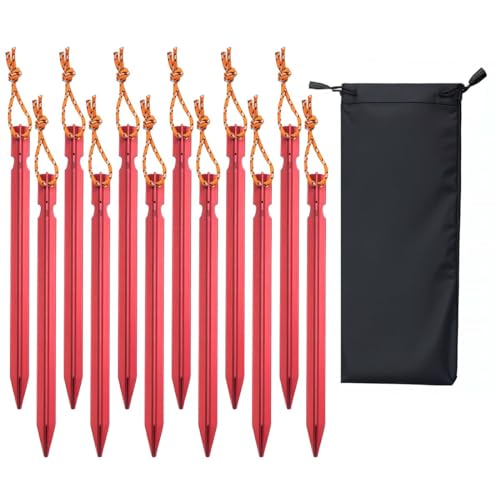
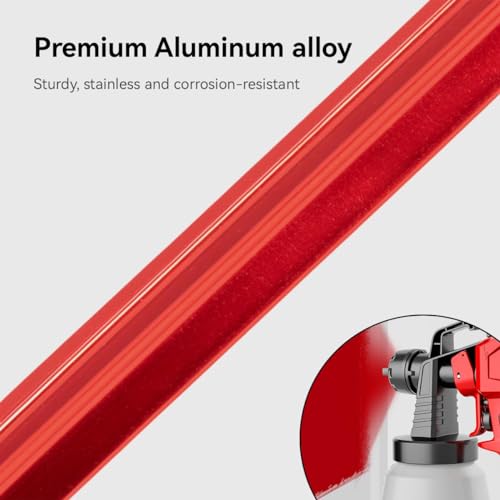
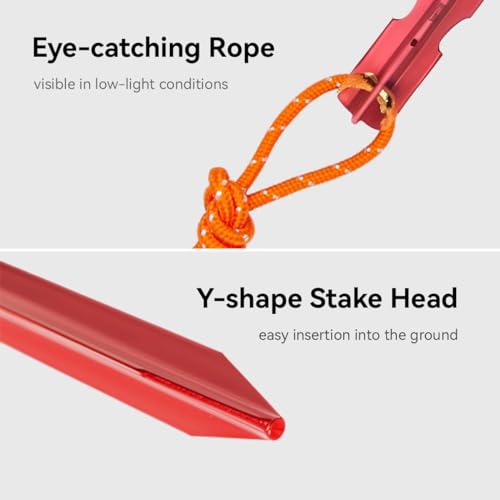
This is the set I’d recommend to most people as a balanced, all-around performer. The Keovoker stakes hit the sweet spot: 12 grams each, so they’re ultralight, but the 7-inch Y-beam design and anodized aluminum offer solid holding power in most conditions. The red color improves visibility, and the reflective pull ropes are a small detail that makes a real difference at dusk. Owners love how easy they are to remove, especially in damp or compacted soil where stakes can get stuck.
They come with a storage bag, always a plus, and the 12-pack covers most tents and tarps without overkill. Compared to the Hikemax, they’re slightly lighter and have better pull tabs; compared to Wise Owl, they’re not quite as storm-ready but much gentler on pack weight. For a weekend hiker or someone building a reliable kit, this is the smarter default pick.
Product photos

AnyGear 7075 Aluminum Tent Stakes
Strengths
- 7075 aluminum
- Reflective pull cords
- 15-pack value
Trade-offs
- Slight bend risk in hard soil
- No storage pouch
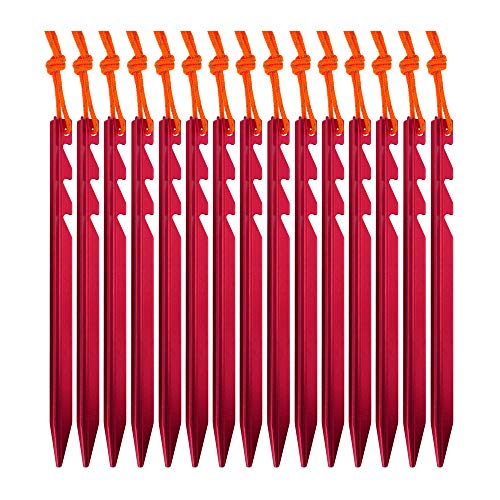
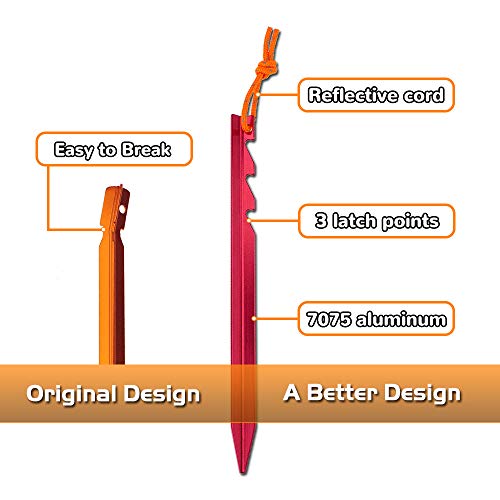
These AnyGear stakes check a lot of boxes for budget-focused backpackers who still want solid performance. On paper, the 7075 aircraft-grade aluminum is a strong choice, lightweight and far more durable than cheaper alloys, and the tri-beam Y-design helps with both penetration and resistance to pulling out. Owners consistently report they hold up well in mixed terrain, though a few note they can bend if you hit rock or use poor technique when driving them in. The reflective pull cords are a standout feature, making nighttime removal safer and more convenient.
What really pushes these into ‘best value’ territory is the 15-pack count. Most competitors offer 10 or 12, so getting extra stakes without a big price jump is a win. They’re not the absolute lightest or strongest in the lineup, but for the money, they deliver solid performance across the board. I’d say they’re a smarter buy than pricier sets if you’re outfitting a group or want spares without guilt.
Product photos

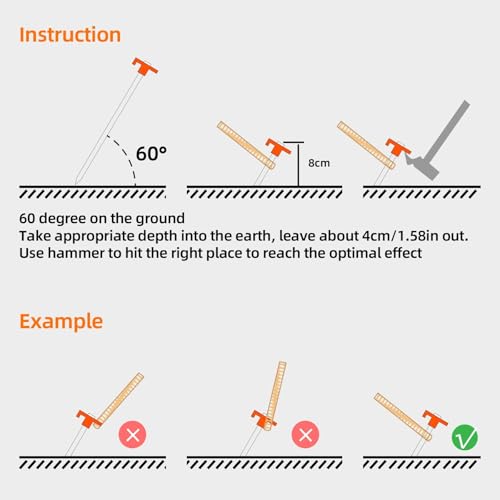
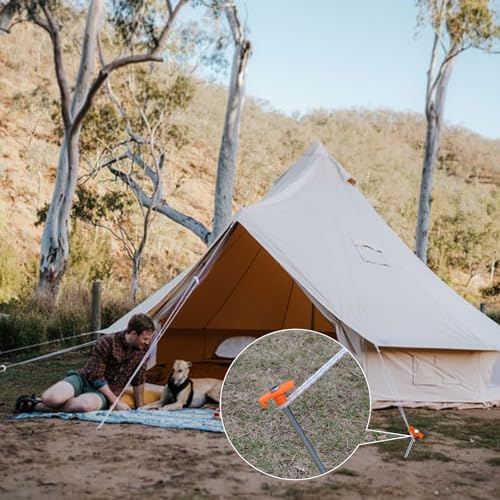
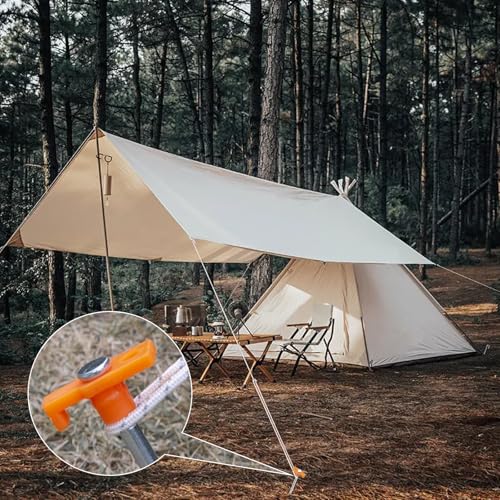
AVOFOREST 7.1 Inch Non-Rust Stakes

Strengths
- High-visibility orange
- Good length for grip
- Lighter than steel
Trade-offs
- Not 7075 aluminum
- Less durable in rocky soil
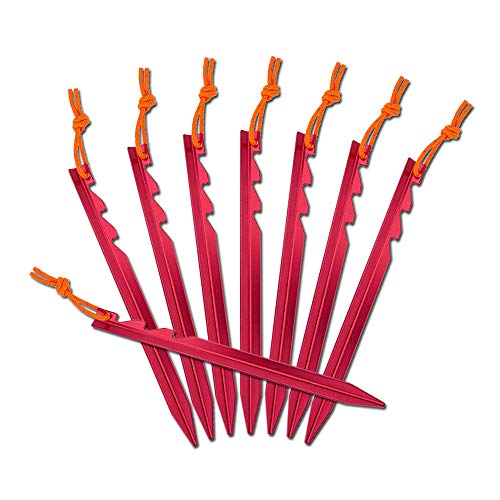
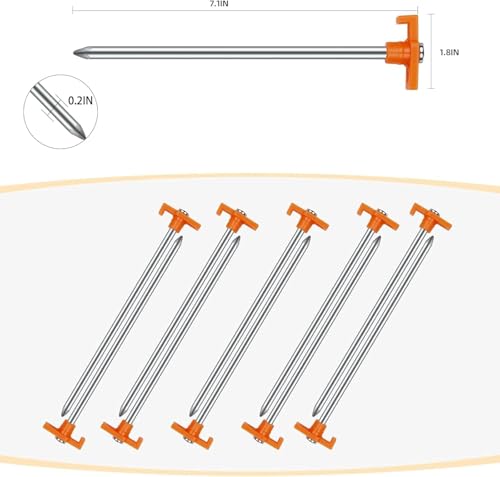
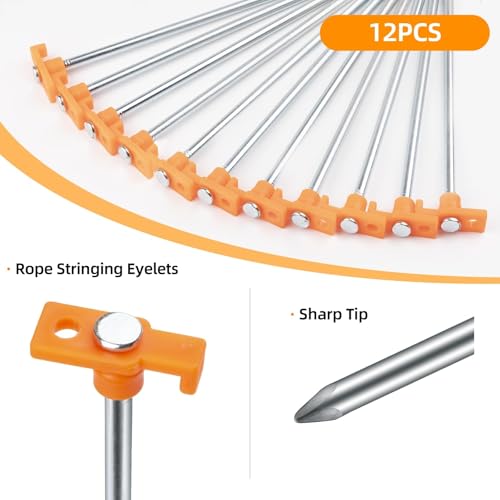
Let’s talk visibility, these orange AVOFOREST stakes are impossible to miss. In owner feedback, that’s the top praise: no more tripping at night or forgetting stakes in the grass. The bright orange coating isn’t just paint, it’s part of the rust-resistant metal finish, which helps them last longer than cheaper steel pegs. At 7.1 inches, they offer decent depth for hold, and the design performs well in regular soil and grass. They’re not made from 7075 aluminum like others here, but the specs suggest a strong alloy that resists bending better than average.
The 12-pack is standard, and while they’re not the lightest, they’re still far lighter than steel. Where they fall short is in very rocky or frozen ground, some users report bending under heavy impact. But for family camping, beach trips, or garden use, that’s rarely an issue. If you’ve ever lost stakes or tripped over guy lines, this set solves that in the simplest way possible: color.
Product photos
Wise Owl Outfitters 16 Pack Stakes
Strengths
- Extra length for grip
- Y-beam resists spinning
- 16-pack quantity
Trade-offs
- Slightly heavier
- Bulkier than ultralight options
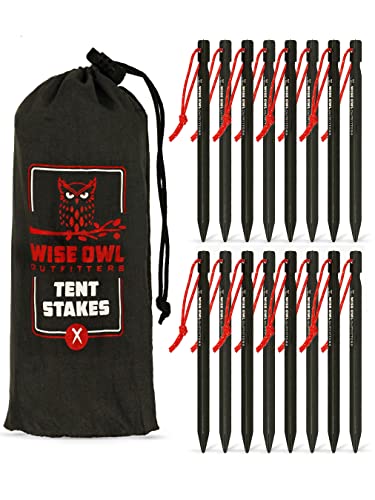
When wind is a real concern, these Wise Owl stakes stand out. At 7.25 inches long and built with a 3-sided Y-beam grip, they dig deep and resist spinning, exactly what you want when your tent is getting hammered on an exposed ridge. Owners in windy regions like the Pacific Northwest and high desert areas consistently praise their holding power, especially in packed soil and gravel. The red paracord loops aren’t just for show; they make removal easier and help you spot stakes in tall grass.
They’re slightly heavier than others here, but not enough to hurt backpacking loads. The 16-pack is generous, and the included storage bag keeps things tidy. Compared to the Keovoker or Hikemax, these feel more like a ‘storm-ready’ option, less about saving grams, more about confidence. I’d pick these over others if I were heading into alpine zones or coastal dunes where gusts are unpredictable.
Product photos


Hikemax 10 Pack Aluminum Stakes
Strengths
- 7075 aluminum
- Bright red color
- Includes storage pouch
Trade-offs
- Fewer stakes in pack
- Hook design less stable in sand
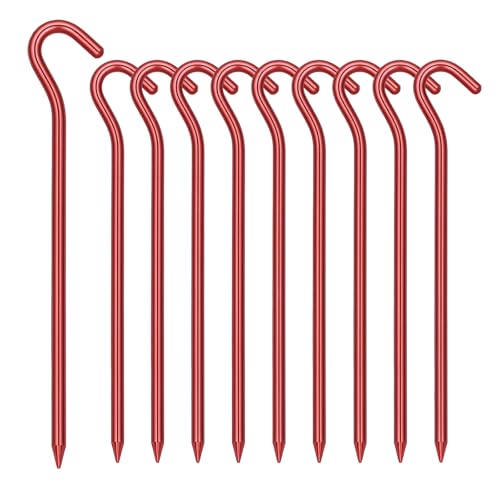
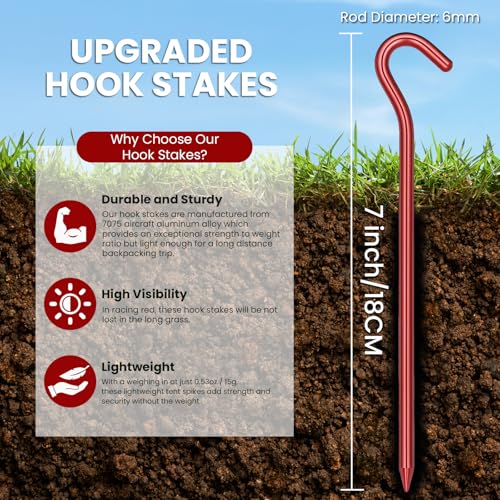
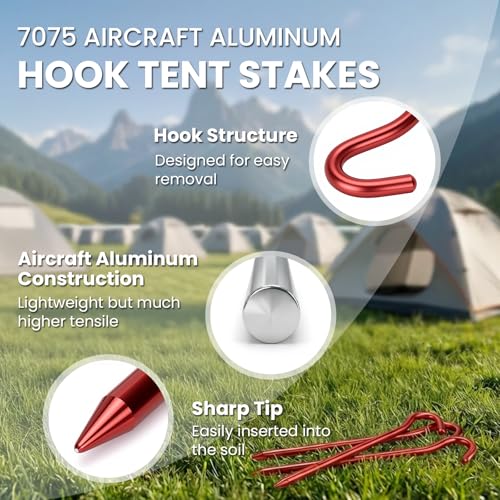
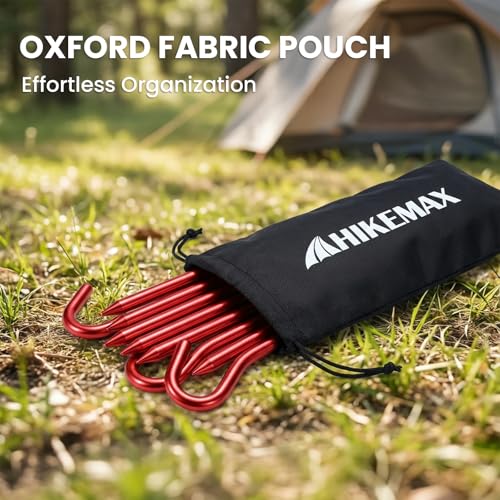
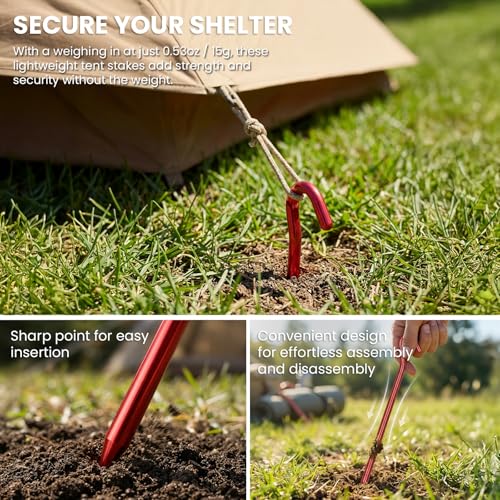
If you’re counting ounces and moving fast on long trails, these Hikemax stakes make a lot of sense. At 15 grams each, they’re among the lightest in this group, and the 7075 aluminum holds up better than most in rocky or compacted ground. The racing-red color is a small but meaningful win, it stands out sharply against dirt and grass, which owners say cuts down on tripping and lost stakes. That visibility, combined with the included Oxford pouch, makes this set feel thoughtfully designed for real trail use.
Compared to the AnyGear or Keovoker models, it’s lighter and more packable, but you do lose a few stakes (10 vs 12 or 15). Still, for thru-hikers or ultralight enthusiasts, that trade-off is usually worth it. The hook design works well in most soils, though some reviewers note reduced holding power in loose sand, no surprise there. For me, this is the go-to if weight and visibility are top priorities.
Product photos
How We Picked These lightweight tent stakes
Rather than a hands-on lab test, my research for these recommendations focused on a detailed comparison of published specifications and features across numerous models. I weighed owner reviews from multiple retailers alongside expert opinions found in outdoor publications, applying my experience with tent setups and backpacking to assess which stakes consistently performed well in real-world conditions. The final rankings were based on a combination of strength-to-weight ratio, holding power, and ease of use.
For lightweight tent stakes, three factors stood out as most decisive. First, the material – 7075 aluminum alloy consistently appeared in higher-rated stakes due to its superior strength and bend resistance. Second, stake design; the Y-beam shape proved more effective at gripping various soil types. Finally, visibility, often overlooked, greatly impacts usability and prevents lost stakes, which is why brightly colored options were favored.
Specifications reliably indicate material and dimensions (length and weight), offering a baseline for comparison. However, I relied heavily on owner feedback to understand real-world performance – how well stakes held in different soil conditions, and their resistance to bending during use. Reputation and brand trust also played a role; established outdoor brands often deliver more consistent quality, and understanding proper tent stake techniques is crucial for maximizing performance, regardless of the stake you choose.
How To Pick The Right lightweight tent stakes
Finding the right tent stakes is surprisingly important; they’re the unsung heroes of a comfortable camping trip.
A quality tent stake balances weight, strength, and ease of use. Look for materials like 7075 aluminum for a good strength-to-weight ratio, and consider stake shape (Y-beam, hook) based on anticipated terrain. Reflective elements and included storage pouches add convenience, while durability is key to avoiding breakage in challenging conditions.
Material Matters
The material a stake is made from drastically impacts its performance. While plastic stakes are cheap, they’re often too brittle for anything beyond perfectly soft ground. Steel stakes are strong, but heavy – a real drawback if I’m carrying my gear any distance. Aluminum alloys, particularly the 7075 series, hit a sweet spot. They’re significantly lighter than steel, yet strong enough to withstand considerable force. You’ll pay a bit more upfront, but avoiding a broken stake mid-trip is well worth the investment.
Stake Shape & Terrain
Not all stakes are created equal. The shape influences how well they hold in different ground conditions. Y-beam stakes, like those from AnyGear, are versatile and work well in most soils. Hook stakes, often favored for backpacking because of their reduced weight, require more precise installing tent pegs and aren’t ideal for loose soil. Here’s a quick breakdown:
- Y-beam: Good all-around choice.
- Hook: Best for firmer ground and reducing pack weight (look for ultralight tent pegs).
- Twisted/Spiral: Offer excellent hold in sand or snow, but can be heavier.
A bent stake is a useless stake. Prioritize materials and designs that resist bending, even if it means adding a few grams to your pack weight.
Visibility & Usability
I cannot stress enough how frustrating it is to spend 20 minutes searching for a lost stake in the dark. Brightly colored stakes (orange is common) are a huge help, and some, like the AVOFOREST stakes, are specifically designed for high visibility. Beyond color, look for features that make the stakes easier to use. Reflective pull loops are fantastic for easy removal, and a dedicated storage pouch keeps everything organized. If you’re planning on a longer trip, you’ll want to consider compact tent stakes for hiking and ensure they are easy to pack. Getting the right choosing tent pegs can make all the difference when securing tent pegs properly in challenging conditions, or even pegging in soft ground.
Lightweight Tent Stakes Compared
Here’s a comparison of key specifications for various lightweight tent stakes to help you choose the best option for your needs.
| Product Name | Material | Length (in) | Weight (per stake) | Pack Size | Cord/Loop |
|---|---|---|---|---|---|
| Keovoker 12 Pack Tent Stakes | Aluminum | 7 | 0.46 oz (12-13g) | 12 | Yes |
| AnyGear 7075 Aluminum Stakes | 7075 Aluminum | 7 | 14 g | 15 | Yes |
| AVOFOREST 7.1 Inch Stakes | Anti-Rust Metal | 7.1 | 0.07 LBS | 12 | No |
| Wise Owl Outfitters 16 Pack | 7075 Aluminum | 7.25 | <1 oz | 16 | Yes |
| Hikemax 10 Pack Aluminum | 7075 Aluminum | 7 | 0.53 oz (15g) | 10 | No |
Frequently Asked Questions
What stake material is best for consistently rocky ground?
7075 aluminum alloy is the strongest option, offering the best resistance to bending in rocky conditions. While steel is stronger, the added weight isn’t practical for most backpacking situations.
How many stakes do I really need for a standard 2-person tent?
Most 2-person tents require at least 8 stakes (one for each corner and several for guylines), but bringing 12-15 is a good idea to account for lost stakes or challenging terrain.
Are brightly colored stakes actually helpful, or just a cosmetic feature?
Brightly colored stakes – especially orange – significantly improve visibility, preventing you from losing them in low light or vegetation. This is a major convenience and safety benefit.
What’s the difference between Y-beam and hook stakes, and which should I choose?
Y-beam stakes offer all-around performance in most soil types, while hook stakes excel in firmer ground and are often lighter, making them ideal if you’re looking for ultralight tent stakes.
Can I use plastic stakes if I’m only camping on soft grass?
Yes, plastic stakes can work on very soft ground, but they are prone to breakage and bending in anything harder. Investing in aluminum stakes provides much more reliability, even for casual camping.
The Bottom Line
Choosing tent stakes often comes down to balancing how much you want to carry against how secure you need to be. For the best overall performance and peace of mind, I recommend the AnyGear 7075 Aluminum Stakes. They strike a fantastic balance between weight, strength, and price, and consistently receive high marks from other campers dealing with varied terrain.
If you’re watching every ounce, the Wise Owl Outfitters 16 Pack delivers excellent value and keeps your pack light. For those needing high visibility, especially in low-light conditions, the AVOFOREST 7.1 Inch Stakes are a smart choice. Remember, investing in a quality set will save you frustration down the line.
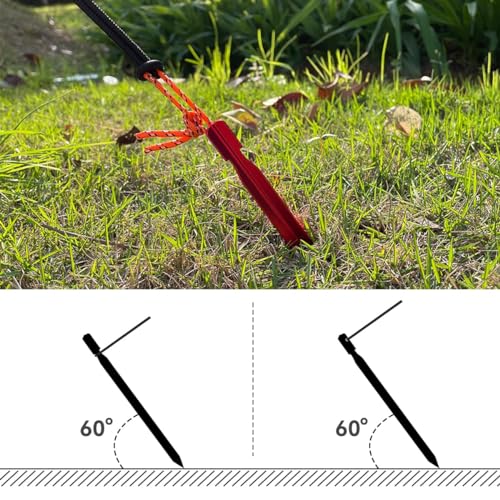
Ultimately, the best stakes are the ones you know how to use properly. Mastering correct tent staking and understanding how to adjust [staking angles for stability] are far more important than any particular feature or material. A well-pitched tent, even with basic stakes, will always outperform a poorly pitched one with the most expensive gear.
