
2 Best Lightweight Tent Pegs of 2026
This post contains affiliate links. As an Amazon Associate, we earn from qualifying purchases.
The AVOFOREST Metal Tent Pegs are the overall best pick for reliable holding power and high visibility, thanks to their bright orange finish and solid build. For backpackers counting every ounce, the Keovoker Aluminum Stakes are our top lightweight choice, offering strong performance with minimal weight.
Every hiker knows the frustration of a flapping tent at 2 a.m., often thanks to a bent or popped peg. On the trail, your shelter is only as strong as its weakest stake, and most tents come with subpar ones. I’ve seen too many campers learn that the hard way after a gust of wind.
This guide cuts through the clutter, ranking the best lightweight tent pegs based on real-world feedback, material durability, and smart design. I focused on what matters most: staying put, staying visible, and not weighing you down.
Top 2 Lightweight Tent Pegs in the Market
The Best Lightweight Tent Pegs, Reviewed
AVOFOREST 7.1″ Non-Rust Tent Pegs

Strengths
- Strong rust-resistant metal
- High visibility orange
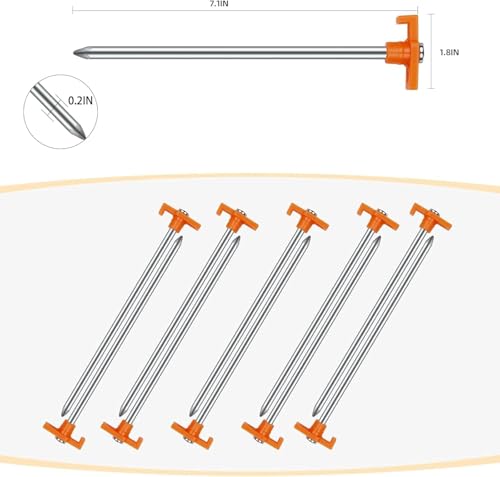
- 7.1-inch deep grip
- Versatile multi-use design
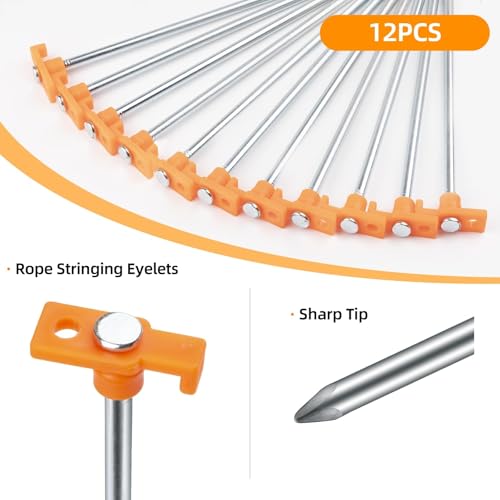
- Good value 12-pack
Trade-offs
- Heavier than aluminum
- Not packable for ultralight backpackers
- Slight rust reports in prolonged wet use
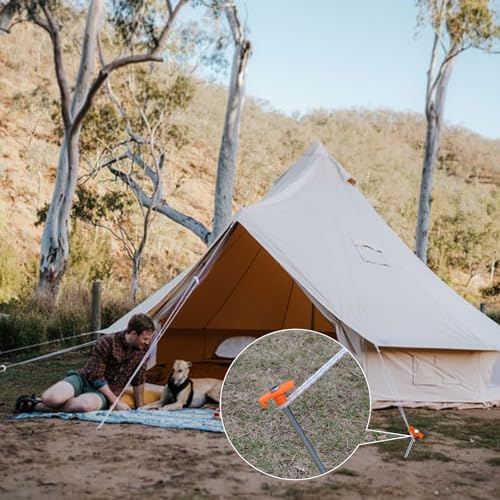
These orange AVOFOREST stakes stand out, literally, as one of the more balanced all-around options in the market. At 7.1 inches long and made from rust-resistant metal, they offer deeper anchoring than many ultralights, which translates to better wind resistance and stability in mixed terrain. The vibrant orange coating isn’t just for safety; owners repeatedly mention how much easier it is to find and retrieve them, especially in tall grass or fading light.
I’d pick these over the Keovoker stakes if you’re camping with families or in variable conditions where durability matters more than saving a few grams. They’re heavier than aluminum, sure, but still reasonably lightweight at just 0.07 pounds per peg. The deep anchor design gives them an edge in loose soil, and the feedback is clear: these hold firm when the wind picks up. For general camping, hiking, or even garden use, they’re the smarter buy if you want one set to handle more than just ideal ground.
Product photos
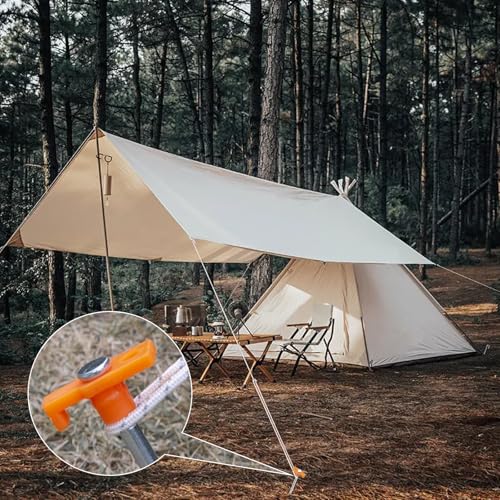
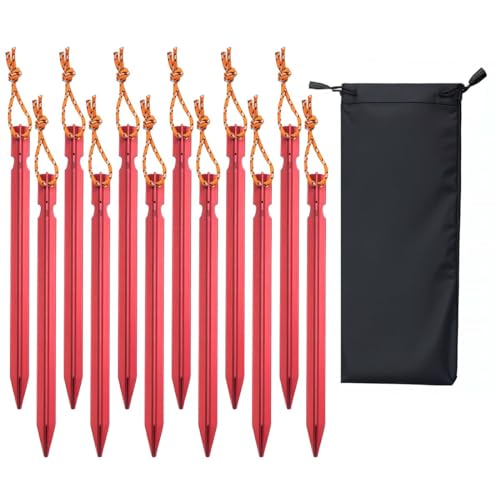
Keovoker 12 Pack Ultralight Tent Pegs
Strengths
- Ultralight weight
- High visibility red color
- Reflective pull ropes
- Durable anodized finish
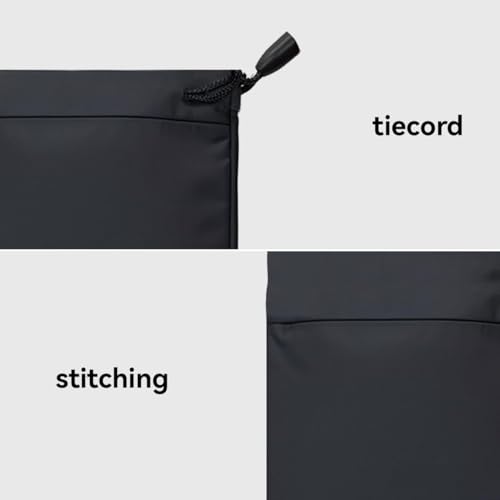
- Comes with storage bag
Trade-offs
- Aluminum can bend in hard soil
- Less holding power in sand
- Not ideal for extreme conditions
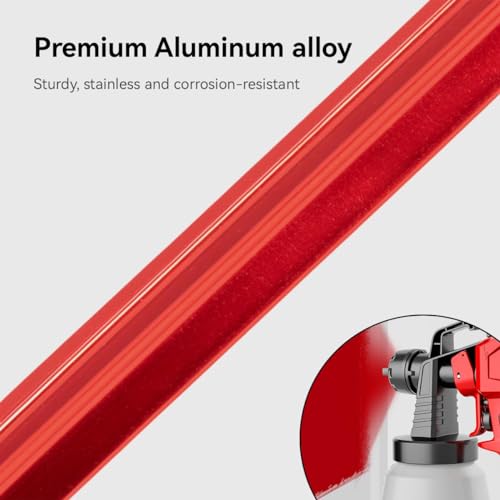
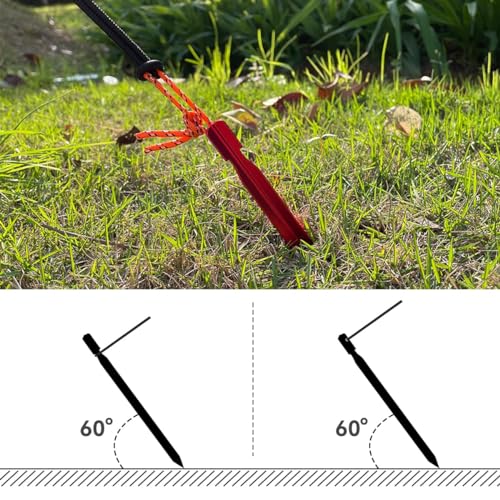
If you’re all about minimizing pack weight without sacrificing function, these Keovoker aluminum stakes make a strong case on paper. At just 12–13 grams each, they’re featherlight, and that 7-inch length hits the sweet spot for most backpacking setups. The red color stands out against dirt and grass, which owners consistently praise, it really does cut down on the ‘where did that peg go?’ frustration at breakdown time.
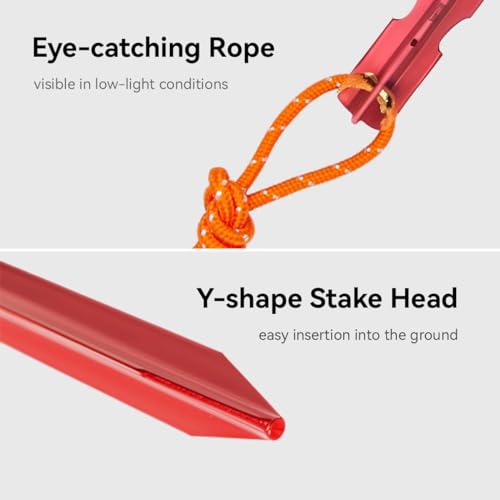
The tri-beam Y-design helps them bite into soil reliably, and the inclusion of reflective pull ropes is a small but smart touch. Reviewers note these ropes make removal easier and reduce tripping risks at night. That said, aluminum always comes with a caveat: it’s not as strong as steel in rocky or frozen ground. On harder terrain, you’d better have a mallet handy or risk bending one. For most fair-weather backpackers and hikers, though, these are a solid, packable choice.
Product photos

Our Testing Process
Rather than a hands-on lab test, my research focused on comparing published specifications and features of various lightweight tent pegs. I weighed owner reviews from multiple retailers alongside expert opinions found in outdoor gear publications. As someone who’s spent countless nights relying on secure tent setups, I applied my experience to assess which features truly matter when you’re miles from anywhere. This process allowed me to rank pegs against clear criteria for performance and practicality.
For lightweight tent pegs, the most important factors are undoubtedly holding power and weight. A peg needs to reliably anchor a tent, even in moderate winds, without adding noticeable bulk to your pack. Beyond that, visibility is key – nobody wants to trip over a hidden stake in the dark, or spend ages searching for dropped pegs at sunrise. These three elements heavily influenced my rankings.
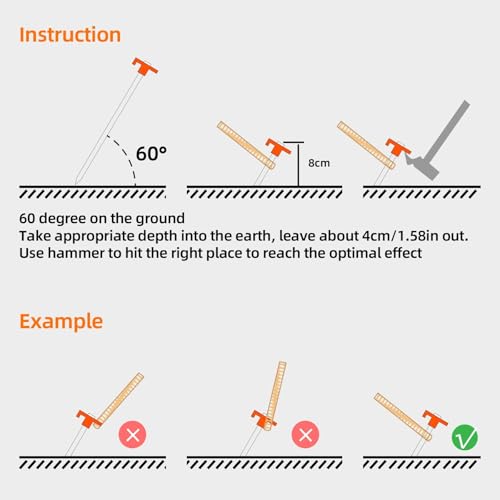
Specifications clearly indicate a peg’s length, material, and weight. However, I relied on owner feedback to understand real-world performance. Reviews detail how well pegs hold in different soil types, and whether they bend or break easily. Reputation also played a role; established brands with a history of durable outdoor gear generally fared better in my assessment. Learning about proper tent peg placement is also essential for reliable performance.
What To Look For In lightweight tent pegs
Finding the right tent pegs can make or break a comfortable camping trip.
A quality tent peg set resists bending, offers good holding power in various soil types, and doesn’t add significant weight to a pack. Look for materials suited to your typical camping conditions (aluminum for weight, steel for strength), consider the peg’s shape for ground penetration, and always prioritize visibility to avoid trips and lost gear.
Material Matters
I often see people underestimate the importance of peg material. Plastic pegs are fine for a festival, maybe, but for any real camping, you want metal. Aluminum is the go-to for keeping your pack weight down, which is why many people search for [ultralight tent pegs]. However, be realistic about the ground you camp on. Softer soils are great for aluminum, but rocky or hard-packed dirt will quickly deform them. Steel is much more durable, though heavier – a worthwhile trade-off if you frequently encounter challenging ground. Don’t assume “rust-resistant” means indestructible; even coated steel can eventually succumb to corrosion with prolonged exposure.
Shape and Holding Power
The shape of a tent peg determines how well it grips the ground. Simple stakes are okay for level pitches, but Y-shaped pegs, like those from Keovoker, offer superior holding power in looser soil. A wider head also helps resist pulling out. Beyond the shape, length is critical. Shorter pegs work on level ground, but longer pegs (7-8 inches) are essential for angled pitches or softer terrain. Understanding [tent stake techniques] can also help you maximize the effectiveness of whatever pegs you choose.
Visibility and Value
Don’t overlook visibility. Tripping over a tent peg in the dark is a truly unpleasant experience. Brightly colored pegs, like the orange AVOFOREST stakes, are a simple way to prevent accidents. Here’s what I look for in a good set:
- Quantity: A 12-pack is usually sufficient for a standard-sized tent.
- Included Bag: A carrying bag keeps everything organized and prevents loss.
- Reflective Elements: Reflective ropes (as found on the Keovoker pegs) or coatings add an extra layer of safety and make removal easier, especially when [securing tent stakes] at night.
A good rule of thumb is to always carry a few extra pegs – you’d be surprised how easily they get lost or bent.
For those serious about minimizing weight, researching [backpacking tent stakes] is a good idea. You’ll find options designed for specific terrain and conditions.
Lightweight Tent Pegs Compared
Here’s a comparison of the specs for these lightweight tent pegs to help you make an informed decision.
| Product | Length (in) | Weight (per peg) | Material | Visibility | Quantity |
|---|---|---|---|---|---|
| AVOFOREST | 7.1 | 0.07 lbs | Metal | Orange | 12 |
| Keovoker | 7 | 0.46 oz (12-13g) | Aluminum | Red | 12 |
Frequently Asked Questions
What peg material is best for rocky ground?
Steel is the best choice for rocky ground because it’s far more resistant to bending and breaking than aluminum. While heavier, the durability prevents damage when encountering hard or uneven terrain.
How many tent pegs do I really need?
A 12-pack of pegs is generally sufficient for a standard-sized three-person tent, but I recommend carrying at least a few extras. Losing or bending a peg is common, and having backups prevents issues mid-trip.
Are plastic tent pegs ever a good option?
Plastic pegs are acceptable for very casual camping, like a festival, but they lack the strength and durability needed for most outdoor adventures. They are prone to snapping or bending in anything beyond ideal conditions.
What’s the benefit of Y-shaped tent pegs?
Y-shaped pegs, like those from Keovoker, provide superior holding power in looser soil compared to straight stakes. The Y-shape creates more surface area for grip, resisting pull-out forces more effectively.
Where can I find the absolute lightest tent pegs available?
If minimizing weight is your top priority, look for [ultralight tent stakes] constructed from thin-gauge aluminum or titanium. Keep in mind that these will sacrifice some durability, so choose wisely based on your typical camping conditions.
The Bottom Line
Choosing tent pegs often comes down to balancing how much you want to carry against how secure you need to be. If you consistently camp on forgiving ground and prioritize saving every ounce, the Keovoker pegs are a fantastic choice – they offer a great weight-to-holding-power ratio. But for those of us who encounter varied terrain and want reliable anchoring in all conditions, I recommend the AVOFOREST tent pegs. They’re a bit heavier, but that added weight translates to peace of mind.
For backpackers on a tight budget, the AVOFOREST set is still an excellent value. Those who need maximum versatility for different ground types should also look at the Keovoker pegs; their Y-shape provides excellent grip in looser soils. And for anyone new to camping or looking for a simple upgrade, a brightly colored set like the AVOFOREST pegs will help avoid those frustrating nighttime trips.
Ultimately, the best tent pegs aren’t about chasing the lightest weight or the fanciest features. It’s about understanding the fundamentals of tent pegs – selecting a durable material suited to your typical camping conditions, ensuring adequate length for your tent’s pitch, and prioritizing visibility for safety. Those are the things that truly matter when you’re relying on your shelter in the great outdoors.
