
Are Crib Tents Safe? The Federal Recall That Killed Them
This post contains affiliate links. As an Amazon Associate, we earn from qualifying purchases.
Crib tents are not safe. The Consumer Product Safety Commission (CPSC) has documented fatal entrapment and strangulation risks, leading to recalls and an official warning against their use. The American Academy of Pediatrics (AAP) states nothing but a fitted sheet should be in a crib, categorically excluding these mesh domes.
The universal mistake is believing a crib tent solves a climbing problem. It trades one visible hazard for a hidden, mechanical one. A child popping a plastic clip or pushing through a mesh panel creates a gap that can trap a neck or invert the entire structure.
This guide walks through the federal data, the engineering failure modes, and what to do instead when your toddler starts climbing.
Key Takeaways
- The CPSC linked crib tents to at least one child’s death and multiple near-fatal incidents, prompting a 2012 recall of specific models like the Tots in Mind Cozy Crib Tent.
- The primary hazards are inversion, where the dome collapses into the crib, and detachment, which creates entanglement points with cords or loose mesh.
- Modern “sleep pods” like the SlumberPod are designed differently, they sit over a playard, not attached to a crib, but experts still caution against use with infants under four months due to overheating and entrapment concerns.
- The only safe answer from pediatric and regulatory bodies is to stop using a crib tent immediately and transition to a safer sleep environment, like a toddler bed or a crib converted to its lowest setting.
- If you must use a playard tent, inspect it daily for tears, never modify it with ropes or extra ties, and follow the manufacturer’s age and weight limits precisely.
What Are the Documented Dangers?
The CPSC doesn’t issue warnings lightly. Their 2010 blog post, “Crib or Play Yard Tents: A Safety Risk,” states the agency received at least 27 incident reports between 1997 and 2012. One was fatal.
Common mistake: Tying a tent down with rope after clips fail, the CPSC documented a case where a two-year-old in Maine popped off manufacturer clips, the parent tied the tent with nylon rope, and the child later became entangled in that rope and died.
The mechanics are chillingly specific. A 2010 engineering analysis presented at the ASME International Mechanical Engineering Congress & Exposition detailed a case where a crib tent inverted and collapsed. The dome fell into the crib, lodging a 23-month-old child’s head against the top rail and causing a severe brain injury. The peer-reviewed engineering conference paper notes the forces involved were enough to cause cranial compression.
TL;DR: Federal data and engineering analysis show crib tents fail by inverting or detaching, creating lethal entrapment points. Tying them down makes it worse.
Why Do Crib Tents Fail Mechanically?
They fight a losing battle against toddler strength and crib geometry. The domed canopy is typically held by plastic clips over the crib’s top rail. A determined child can kick, push, or lean against the mesh with enough force to pop a clip.
Once one clip fails, the structure loses integrity. The dome can sag inward, or the entire tent can shift, creating a gap between the mesh and the crib slats. That gap is the exact size a toddler’s head or neck can slide into, but not necessarily slip back out of.
| Failure Mode | How It Happens | Timeline to Injury |
|---|---|---|
| Inversion | Child pushes against the dome from inside, or a failed clip allows the frame to buckle inward. | Immediate. The collapse can pin the child in seconds. |
| Detachment | Plastic clips fatigue and break, or are popped off by persistent force. Creates a loose mesh pocket. | Minutes to hours. Entrapment leads to positional asphyxia. |
| Modification | Parents add rope, cord, or extra ties to secure a failing tent, introducing a new strangulation hazard. | Unpredictable. A loop can form around a neck during sleep or play. |
The materials age, too. Sunlight degrades plastic clips. Repeated zipping wears on the mesh. A Consumer Reports crib tent evaluation points out that even “heavy-duty” models from the mid-2000s, like the recalled Tots in Mind line, used the same basic attachment principles.
TL;DR: Plastic clips and mesh can’t withstand the persistent force of a climbing toddler. Failure creates immediate entrapment risks.
What About Modern “Sleep Pods”?
Products like the SlumberPod aren’t crib tents. They’re standalone canopies that drape over a playard or mini-crib, not clipping onto the rails. The manufacturer states it’s for children four months and up and requires a safe sleep environment underneath.
I tried a SlumberPod for travel when my niece was ten months old. The blackout fabric is effective, but the interior got noticeably warmer within twenty minutes, even with the ventilation window open. We stopped using it after that trip.
The distinction matters, but the core risk, adding a non-breathable barrier around a sleeping infant, remains. The AAP’s safe sleep guideline is absolute: the sleep surface itself should be bare. Adding any canopy, even a freestanding one, introduces a variable. Overheating is a known SIDS risk factor, and a trapped child inside a sealed pod can’t be seen as easily.
If you use one, the rules are non-negotiable:
– Never use with a child under four months.
– Never place it over a crib with a top rail.
– Ensure the playard inside meets current safety standards (look for ASTM F406 compliance).
– Check the interior temperature with your hand every hour.
– Never add a mattress or padding inside the playard that didn’t come with it.
The Safer Alternatives (When Your Toddler Climbs)
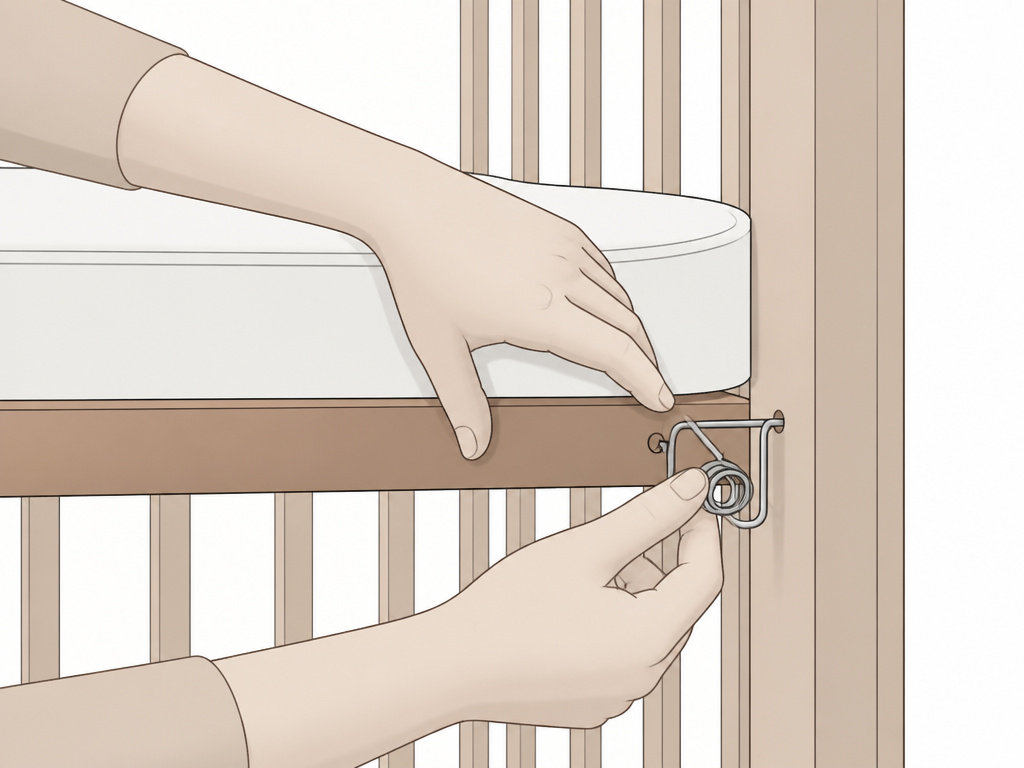
Your child climbing is a sign they’ve outgrown the crib. A containment device is the wrong answer. The right answer is to change their environment.
Before you start: A toddler bed or a converted crib places your child in an open sleep space. You must childproof the entire room. Anchor all furniture to the wall. Cover electrical outlets. Use a gate at the door.
Here is the sequence that works, moving from most to least restrictive:
1. Lower the crib mattress. Take it to the absolute lowest setting. This adds crucial inches of climb height.
2. Remove all climb aids. Take out bumper pads, large stuffed animals, and any toy they could stand on.
3. Consider a mesh crib liner. If you’re worried about limbs slipping through slats, use a tightly fitted, breathable mesh liner designed specifically for cribs. It must be secured on all sides with no slack.
4. Convert the crib. Most convert to a toddler bed with a manufacturer’s kit. This removes the high rail.
5. Move to a floor bed. A toddler mattress directly on the floor in a fully childproofed room eliminates fall risk entirely.
This transition is part of creating a safe, long-term sleep space, not a temporary workaround. Investing in a good toddler bed or crib conversion kit is far safer than any tent. For larger families, a spacious camping tent offers more room, but the principle is the same: a safe sleep space is simple and bare.
How to Dispose of an Old Crib Tent
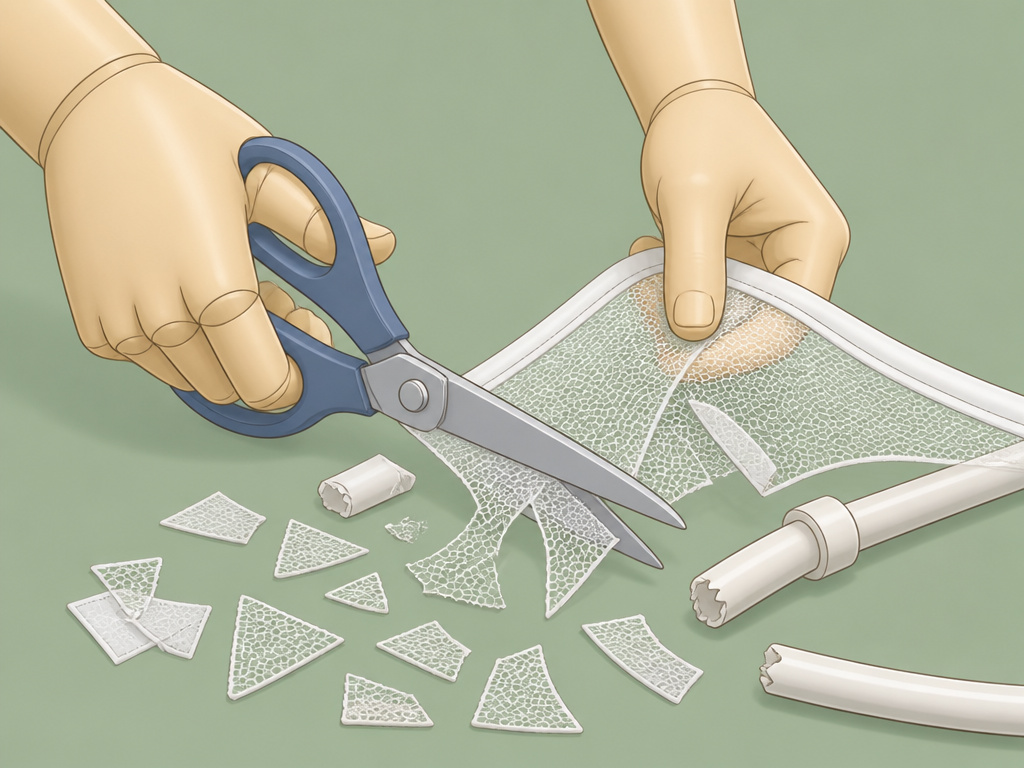
If you have one, take it out of circulation today. Don’t donate it, sell it, or pass it along.
- Check for a recall. Search the CPSC website using the brand name (e.g., “Tots in Mind Cozy Crib Tent”). If it was recalled, follow the disposal instructions.
- Destroy it. Cut the mesh into pieces and break the plastic frame. This prevents anyone from retrieving it from your trash and reusing it.
- Document it. Take a photo of the destroyed product. If you purchased it from a major retailer, you might be eligible for a refund even years later.
Keeping it “just in case” is how these incidents happen. The federal crib tent hazard alert exists because well-meaning parents reused dangerous products.
What to Look for in Any Child Sleep Product
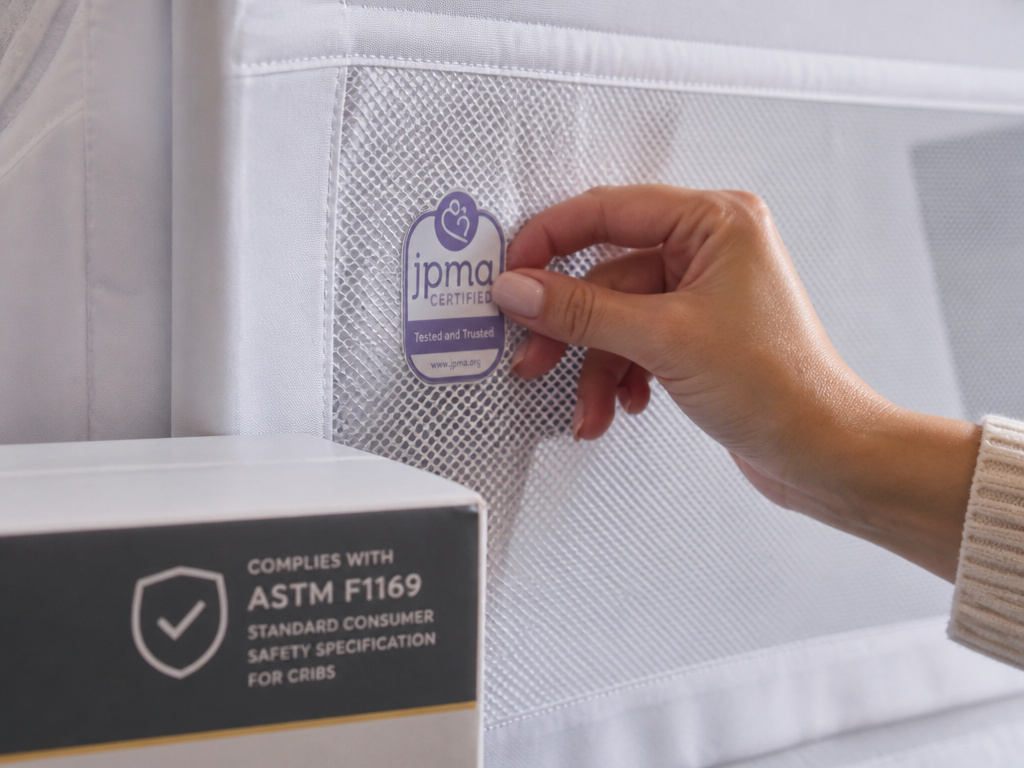
The standards are public. Look for a JPMA (Juvenile Products Manufacturers Association) certification seal and compliance with ASTM F406 (for playards) or ASTM F1169 (for cribs). These are minimum safety baselines.
A product claiming it’s “safety tested” means nothing without a cited standard. JPMA certification requires annual third-party testing to the relevant ASTM standard. If that seal isn’t on the box, the testing claim is marketing, not a guarantee.
Your checklist for any sleep product:
– JPMA Certification Seal: This is the gold standard for juvenile product safety.
– ASTM Standard Label: The specific standard (e.g., ASTM F406) should be listed.
– No Loose Strings or Cords: Anything longer than 6 inches is a strangulation hazard.
– Firm, Flat Mattress: Soft, inclined, or padded sleep surfaces are banned for infants.
– Breathable Sides: Any mesh must be tight and have holes smaller than a baby’s pinky.
These rules apply to everything from a bassinet to a durable canvas tent you might use for family camping. The principles of a safe sleep environment, clear, firm, and breathable, don’t change just because you’re outdoors. Your essential camping gear should prioritize safety as much as your nursery furniture does.
Frequently Asked Questions
Are there any crib tents that are CPSC-approved?
No. The CPSC has never approved a crib tent. They have issued warnings and recalls against them. Any product marketed as “CPSC-approved” for this use is mislabeled.
My parents used a crib tent on me and I was fine. Why the worry now?
We have better data. The CPSC’s incident database and forensic engineering analyses from the late 2000s showed a pattern of failure that wasn’t apparent from anecdote. Survival bias is real, the children who were injured or died can’t share their stories.
What about mesh canopies to keep out bugs?
loose-hanging mosquito net over a crib is also a strangulation risk. If insects are a problem, use window screens and a well-fitted mesh cover specifically designed for a crib or playard, secured on all sides with no dangling fabric.
Can I use a playard tent if it’s not attached to a crib?
Manufacturers like SlumberPod set a minimum age of four months and require the playard underneath to be bare. Even then, experts warn about overheating and reduced airflow. The safest choice is to skip it, especially for infants.
The Bottom Line
The data from the CPSC and the AAP is unambiguous. Crib tents are dangerous. They fail in predictable, mechanical ways that have led to catastrophic injuries and death.
The urge to contain a climbing toddler is understandable. The solution is not to cage them in a hazardous mesh dome but to transition them to a safer sleep setup. Lower the mattress, convert the crib, childproof the room. It’s more work upfront than zipping a tent closed.
But peace of mind shouldn’t come with a recall notice attached. Your child’s safety is worth the upgrade to a simple, open bed. Focus on creating a secure room environment instead of trying to reinforce the crib they’ve already outgrown. That’s the only path that doesn’t end with you reading a government safety risk documentation about a product still in your home.
