
The Truth About Paul’s Tent Making With Goat Hair & Leather
This post contains affiliate links. As an Amazon Associate, we earn from qualifying purchases.
Paul was a tentmaker. The Greek term in Acts 18:3 is σκηνοποιός (skenopoios), which translates directly to “tent-maker.” He practiced this trade to support himself financially during his missionary journeys, famously working alongside Aquila and Priscilla in Corinth. His work likely involved the rough goat-hair cloth called cilicium from his home region and general leatherworking.
Most discussions stop at that translation. They treat “tentmaker” as a simple job title and miss the gritty, mobile, and socially complex reality of the work. Paul wasn’t running a boutique camping gear shop.
This was a hands-on, dirty trade that dictated where he lived, how he traveled, and who listened to his message. Let’s break down the tools, materials, social standing, and strategic reasons behind one of history’s most famous side hustles.
Key Takeaways
- The Greek word σκηνοποιός (skenopoios) in Acts 18:3 literally means “tent-maker,” but early church writers like Chrysostom also used the term σκυτοτόμος (skytotomos), meaning “leather-cutter,” suggesting his work involved more than just cloth.
- Paul likely worked with cilicium, a durable, waterproof cloth woven from goat hair that was the signature export of his home region, Cilicia.
- As a traveling artisan, Paul carried only a few essential tools, operating as a mobile “fix-it” person to avoid conflicts with local trade guilds, except when joining an established workshop like Aquila and Priscilla’s.
- First-century artisans like Paul worked from sunrise to sunset, occupied noisy, dangerous workshops near markets, and lived at a subsistence level, placing him squarely in the lower social strata.
- Paul’s tentmaking was a deliberate missionary strategy, providing financial self-sufficiency, granting credibility through shared labor, and creating natural opportunities for conversation and evangelism.
What Did Paul’s “Tentmaking” Actually Involve?
The word itself is straightforward. Σκηνοποιός (skenopoios) is a compound of skēnē (tent) and poieō (to make). The Hastings’ Dictionary of New Testament entry confirms this is the term used in the earliest manuscripts of Acts 18:3.
But what did making a tent entail in the first-century Roman world? It wasn’t buying a pole kit and a tarp.
The primary material was cilicium. This was a coarse, strong cloth woven from goat hair, named for the region of Cilicia where Paul was from. Tarsus was a major production center. This cloth was prized for tents, sails, and cloaks because it was naturally water-resistant, the fibers would swell and tighten when wet. Paul wasn’t sewing modern nylon. He was cutting and stitching a thick, hairy fabric that smelled of animals and required heavy needles and strong thread.
Common mistake: Assuming Paul only sewed pre-woven cloth. Historical context suggests tentmakers often handled the entire process, from spinning the goat hair into yarn to weaving the cloth and finally sewing the shelter. It was a full-spectrum craft.
Some scholars, like Ronald F. Hock, argue the term encompassed leatherworking as well. Early church fathers like Chrysostom and Origen used the word skytotomos (leather-cutter) when describing Paul’s trade. A tentmaker would also work with leather for reinforcements, ties, and groundcloths. This paints a picture of a versatile artisan, not a specialist.
His toolkit was small and portable: a heavy needle, an awl for punching holes in leather, a knife for cutting, and perhaps a simple loom shuttle. He could carry it all. This portability was key for a missionary who moved every few months.
TL;DR: Paul’s tentmaking involved the full process of working with cilicium (goat-hair cloth) and likely leather, using a minimal, portable set of tools suited to his traveling life.
The Social Reality of a First-Century Artisan
Understanding Paul’s trade means dropping any romanticized view of a craftsman’s shop. His workshop was not a clean, quiet space.
Artisans worked in crowded, noisy stalls near the city marketplace. The air was thick with dust from textiles, the smell of animal hides, and the constant clamor of commerce. It was dangerous work with sharp tools, and the pay was barely enough for daily food and lodging. In his paper “He Identified with the Lowly and Became a Slave to All: Paul’s Tentmaking as a Strategy for Mission,” scholar Ronald F. Hock notes that such artisans worked “from before sunrise until sunset, save, of course, on the Sabbath.”
This placed Paul firmly in the lower social classes. In a culture that prized intellectual leisure, manual labor was often looked down upon by the elite. Paul’s choice to work with his hands was a conscious identification with the common people he hoped to reach. It gave his message of a humble Messiah immediate credibility. He wasn’t a philosopher funded by patrons; he was a worker who understood blisters and sore muscles.
When he writes in 1 Corinthians 9 about his right to financial support but his choice to forgo it, the subtext is powerful. He refused to be a burden or give anyone a reason to accuse him of preaching for profit. His calloused hands were part of his testimony.
A Mobile Workshop vs. A Fixed Shop
Paul’s approach to his trade shifted based on his circumstances. There were two distinct modes.
Most of the time, he operated as a mobile artisan. He carried his few tools and sought out small repair jobs or commissioned pieces. This “fix-it” model let him set up quickly in a new city without needing a formal workshop or challenging established local guilds, which could be hostile to outsiders. He could work in a courtyard, a rented room, or even a public space.
The exception was Corinth. In Acts 18:3, we’re told he “stayed with [Aquila and Priscilla], and they worked together, for they were tentmakers by trade.” The Greek implies a shared profession, not just a shared faith. Here, Paul joined an established shop. Aquila and Priscilla likely had a permanent workspace, clientele, and a steady supply of materials. For a period, Paul traded the uncertainty of solo travel for the stability of a partnership.
| Workshop Type | Tool & Material Access | Social Integration | Best For |
|---|---|---|---|
| Mobile Artisan | Limited to portable tools; relies on local purchase of materials. | Low profile; avoids guild conflicts but has less stable income. | Initial entry into a new city; short-term stays. |
| Fixed Shop (Partnership) | Full workshop tools; steady supply chain through established contacts. | Higher visibility; integrated into local trade networks. | Longer-term ministry in a major commercial center like Corinth. |
This flexibility was a strategic advantage. It let him adapt his ministry model to the city. In some places, he was a stranger doing odd jobs. In others, he was a respected craftsman in a well-known shop.
Why Tentmaking Was a Brilliant Missionary Strategy
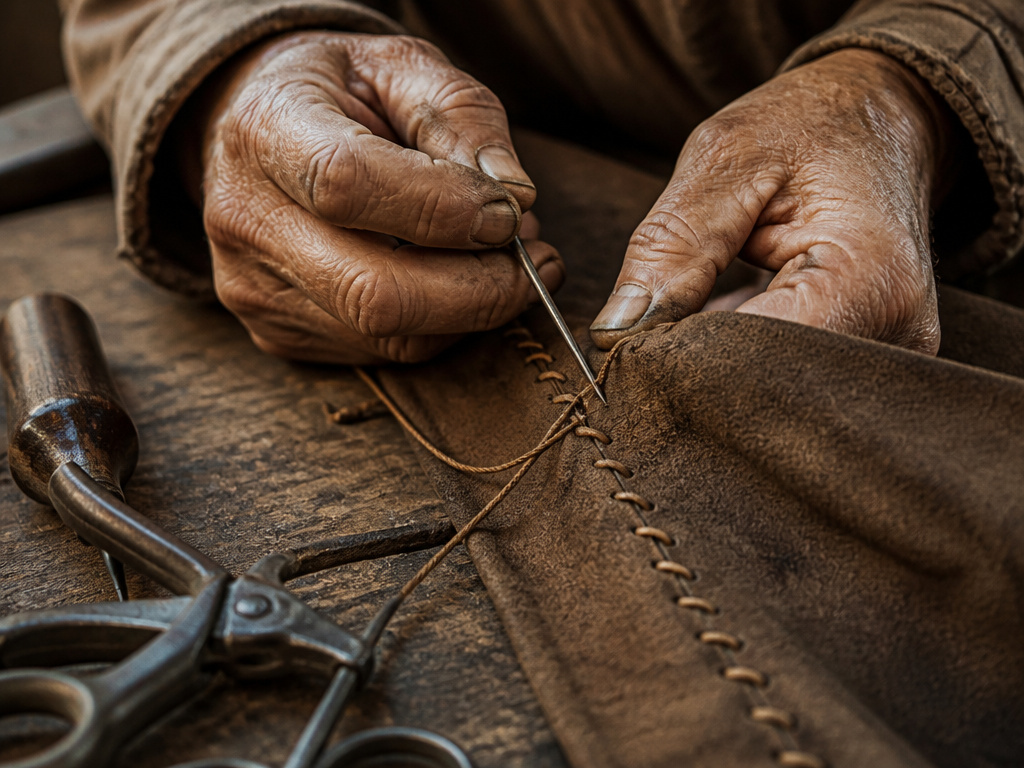
Paul’s trade wasn’t just a way to pay the bills. It was a calculated part of his missionary method. Think of it as his original platform for outreach.
First, it provided complete financial independence. He never had to ask the fledgling, often-persecuted churches for money. This removed a major barrier to his message’s acceptance. No one could accuse him of being a religious charlatan seeking donations.
Second, it gave him instant access and credibility. His workshop became his pulpit. Customers, suppliers, and fellow artisans formed his initial audience. Conversations started over a piece of leather or a discussion about the quality of cilicium. He met people where they were, in the gritty reality of daily work. This model is why many modern mission organizations promote “tentmaking” missionaries who support themselves with a professional skill.
I’ve met missionaries in remote areas who fund their work by fixing solar panels or teaching English. The principle is the same as Paul’s: your trade gets you in the door, builds trust, and proves your message isn’t for sale.
Finally, it modeled a theology of work. In a culture that separated the sacred from the secular, Paul showed that all labor could be done “as unto the Lord.” His stitching and preaching were part of the same calling. This integrated life was a powerful witness.
What Paul Didn’t Do (Common Misconceptions)
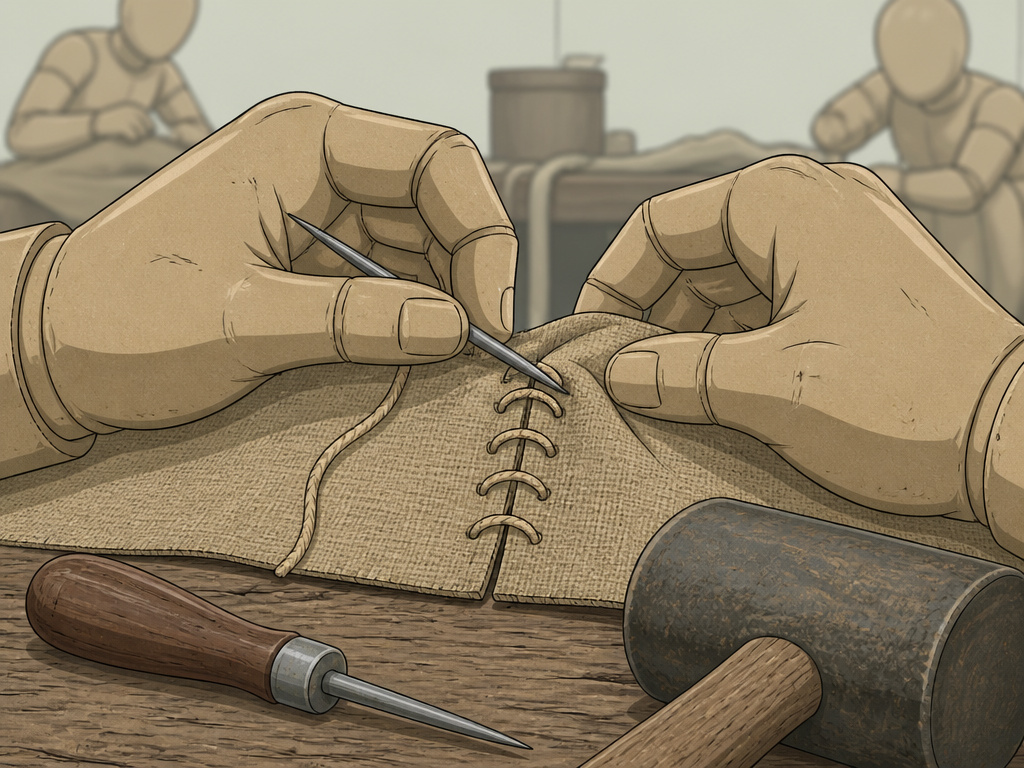
It’s easier to see what his work was by clearing up what it wasn’t.
He did not run a large, stationary business. He wasn’t a merchant importing fancy fabrics or a wealthy manufacturer. The image of Paul as a successful entrepreneur is a modern projection. His income was at the subsistence level.
He did not make decorative camping gear for leisure. The first-century equivalent of a quality tents under $200 for a family vacation didn’t exist. His tents were functional shelters for soldiers, travelers, and sailors, durable tools, not recreational products.
He did not work alone out of pious isolation. Even as a mobile worker, he sought out communities like the synagogue or, later, the homes of believers. In Corinth, he immediately partnered with fellow tentmakers. His work was relational.
TL;DR: Paul’s workshop was small and mobile, his products were utilitarian, and his work was deeply connected to community, not a solo endeavor.
The Tools and Materials of the Trade
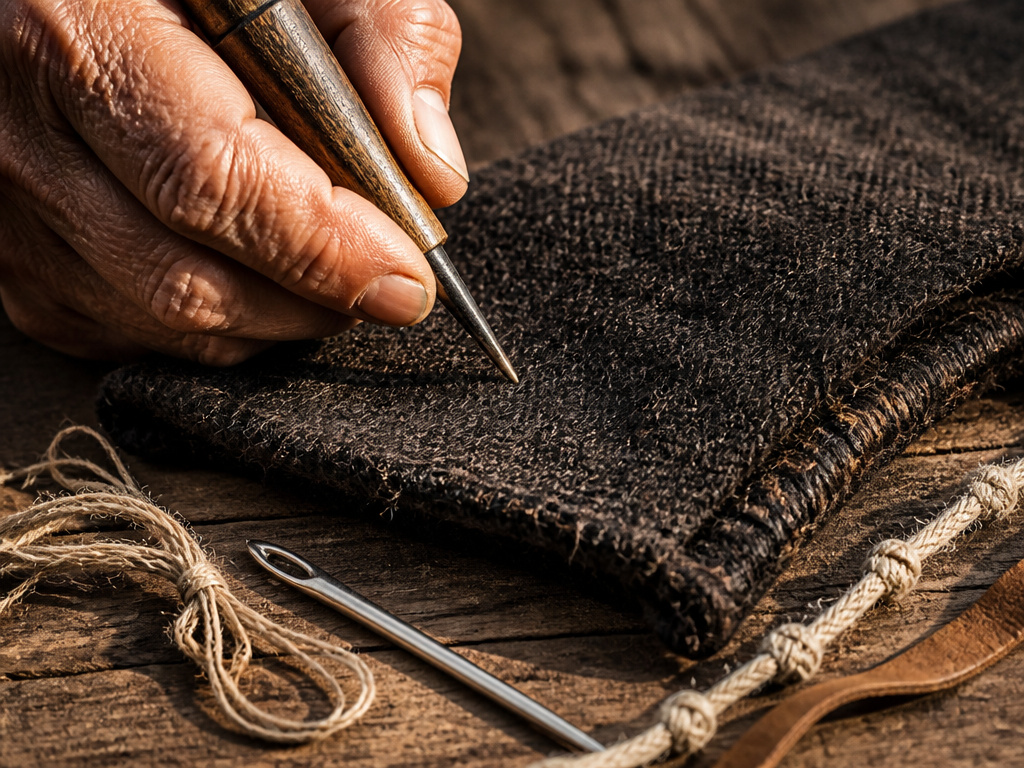
Let’s get specific about what was in his kit. This wasn’t a hardware store aisle.
- Knife/Awl: A sharp, heavy blade for cutting thick cilicium and punching holes in leather. This was his most vital tool.
- Needles & Thread: Large, sturdy needles and thick thread, likely made from sinew or flax, for sewing the tough fabric.
- Measuring Cord: A simple knotted rope for taking measurements, as seen in Ezekiel 40:3.
- Cilicium: The raw material. He may have purchased woven panels or, if space allowed, worked with a small loom to weave strips himself.
- Leather: Goat or sheepskin for reinforcements, door flaps, and ground coverings.
If he had access to a fixed shop like Aquila’s, the list expanded to include a proper loom, a heavier cutting table, and storage for bulk materials. But the core tools fit in a bag. This minimalism is why even the most basic essential camping gear list today still prioritizes a good knife, some fundamentals don’t change.
The goat-hair cloth he used, cilicium, had a distinct, pungent smell when wet. Anyone who has packed a damp, traditional canvas tent knows the odor. That sensory detail, the smell of his workspace, would have been a constant part of Paul’s daily life and how people remembered him.
Frequently Asked Questions
Did Paul make literal tents?
Yes, almost certainly. The Greek word skenopoios and the historical context of cilicium production in his hometown point directly to the manufacture of physical tents. However, the job likely included related leatherwork and repairs, not just assembly.
Why is Paul called a tentmaker and not a leatherworker?
The Greek term is specific to tents. While early church writers used “leather-cutter” to describe his work, the Biblical text chooses the more specific “tent-maker,” probably because that was his primary output or the most recognizable aspect of his craft.
How did Paul learn this trade?
It was common in Jewish tradition for boys to learn a trade, regardless of their academic studies. As a native of Tarsus, a center for cilicium, Paul would have had easy access to the materials and training. It was the family business or a chosen apprenticeship.
Did Paul’s tentmaking make him poor?
He was not destitute, but he was not wealthy. As an artisan, he earned a daily wage that covered basic necessities, food, lodging, tools, and materials. His writings mention times of need, and his choice to work manually placed him in a lower social class than orators or philosophers.
Is “tentmaking” still a model for missionaries today?
Absolutely. The term “tentmaking missionary” is used globally for those who use a professional skill to gain entry, build relationships, and support themselves in a community. It remains a powerful model for sustainable, culturally integrated ministry.
Before You Go
Paul’s identity as a tentmaker is far more than a trivia answer. It shaped his daily rhythm, his social connections, and the very method of his mission. He didn’t preach instead of working; he preached through his work. The rough cilicium cloth and the smell of leather were not distractions from his calling, they were the tools of it.
This changes how we read his letters. When he talks about labor, suffering, or perseverance, he’s writing from a shop floor, not a scholar’s desk. His theology was forged with a needle and thread in hand. For anyone trying to integrate faith with a day job, Paul’s example isn’t just historical. It’s a blueprint.
