
7 Best Tent Materials of 2026
This post contains affiliate links. As an Amazon Associate, we earn from qualifying purchases.
The best tent material overall is 600D UV Resistant Canvas for its toughness and sun protection, followed by 40D Ripstop Nylon as a top lightweight pick for backpackers, and 600D PVC Backed Waterproof Canvas for heavy-duty, all-weather reliability.
Picking the wrong tent fabric can mean a soaked sleeping bag, a shredded shelter, or a tent that falls apart after two trips. It’s not just about staying dry, it’s about trusting your gear when the weather turns.
In this guide, I break down the most common tent materials based on specs, owner feedback, and real-world performance. You’ll learn what makes a fabric durable, how coatings affect waterproofing, and what to prioritize for your type of camping.
Top 7 Tent Materials in the Market
The Best Tent Materials, Reviewed
GoldWheel 900D Marine Canvas Fabric
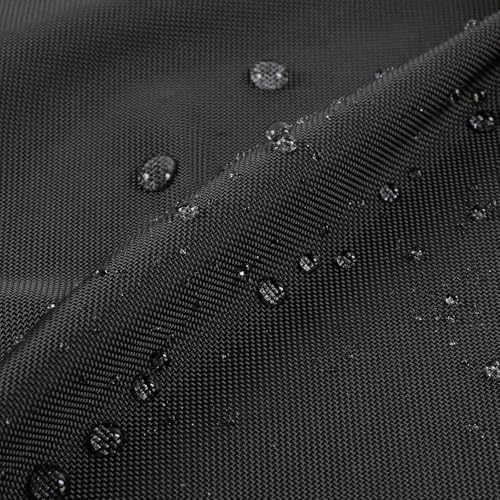
Strengths
- 900D density
- 5,000 Pa waterproof
- Flame retardant
- UV resistant
Trade-offs
- Heavy and stiff
- Higher cost
- Requires strong sewing
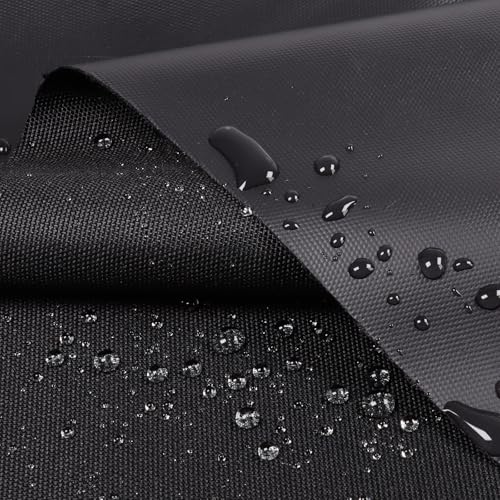
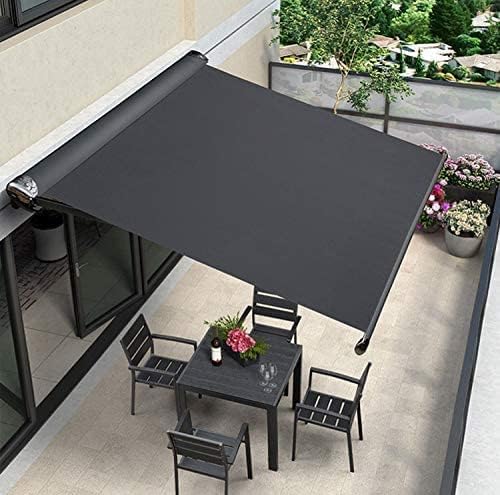
With a 900D rating, 5,000 Pa waterproof rating, and UV-resistant PVC backing, this GoldWheel fabric is the most complete package for serious outdoor builds. It’s marketed as marine-grade, and that shows in the specs, this is the kind of material that can serve as a boat cover one weekend and a storm-ready tent the next. The flame retardant certification adds a layer of safety most similar fabrics lack.
Reviewers highlight its toughness in harsh conditions, and the anti-glare feature is a subtle but welcome touch for shade structures. It’s heavier than other options, but if you’re building something meant to endure wind, rain, and sun for seasons, that weight is a fair trade. Compared to the 600D options, this one clearly steps up in protection.
Product photos
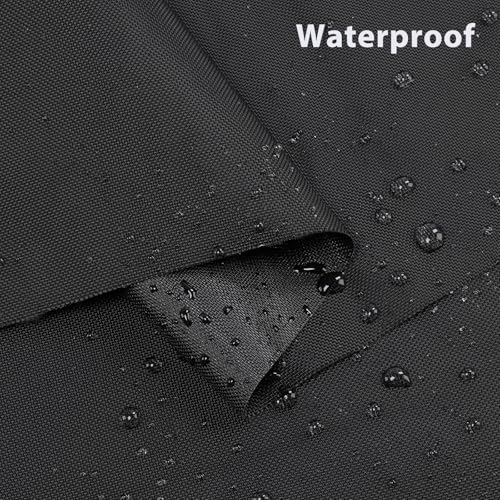
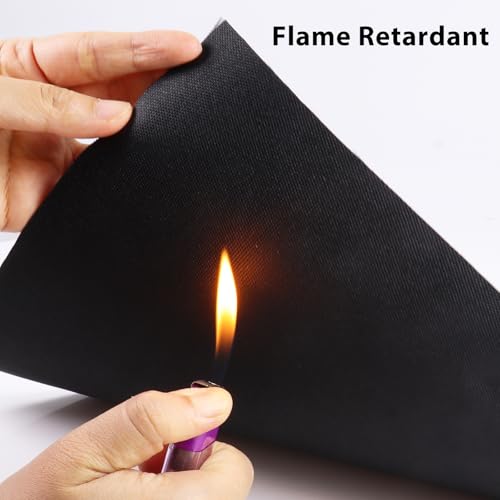
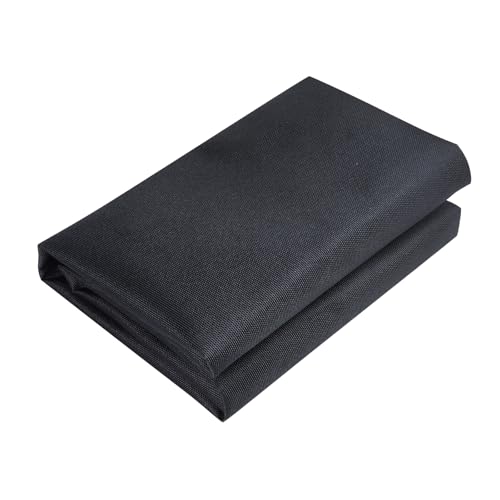
40D Ripstop Nylon Fabric Waterproof
Strengths
- Ultra lightweight
- Tear resistant
- PU waterproof coating
Trade-offs
- Low abrasion resistance
- Not for heavy use
- Small cut size
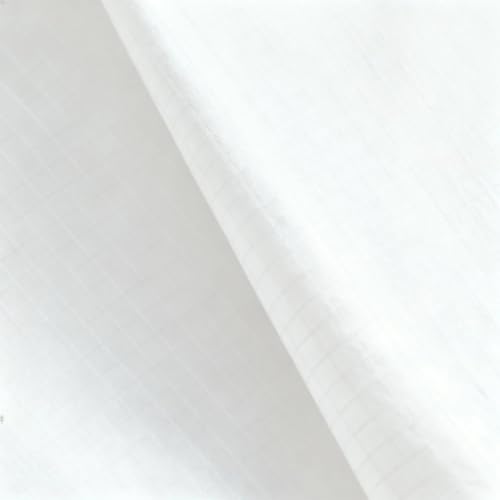
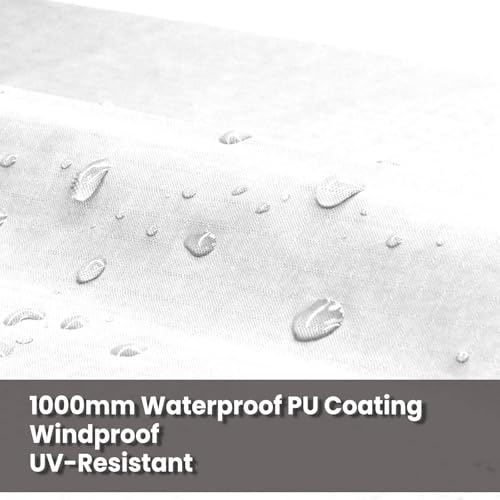
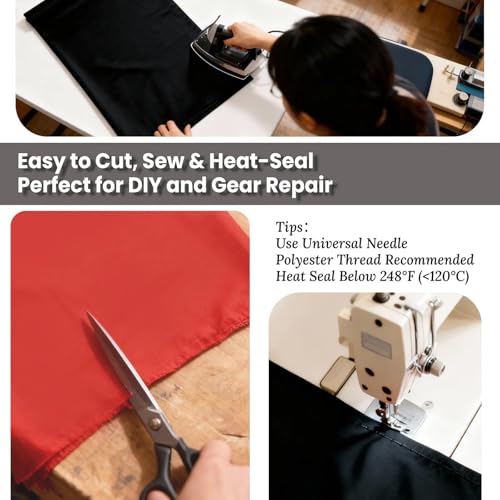
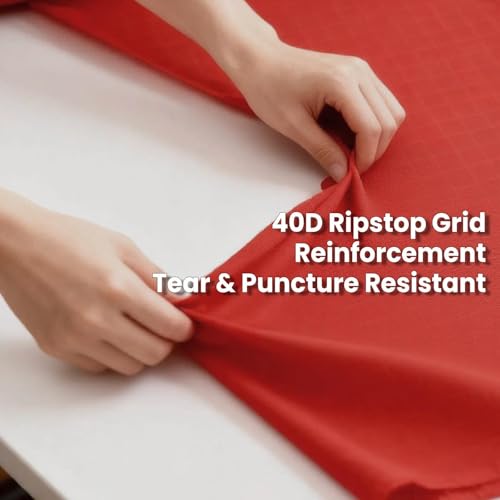
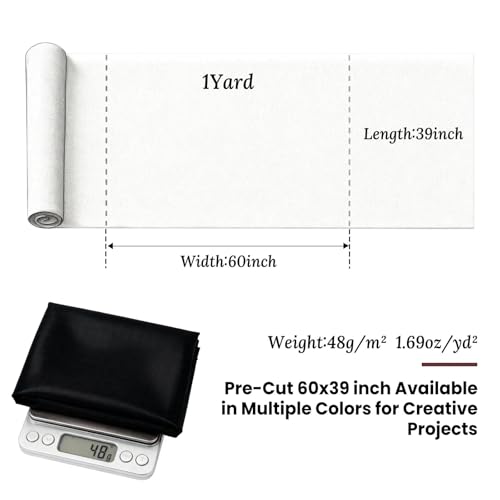
At just 48g/m², this 40D ripstop nylon is built for minimalism. It’s among the lightest waterproof fabrics here, and the 1000mm PU coating means it still handles rain better than you’d expect. Hikers and ultralight builders consistently praise this type of fabric for tarps, repair patches, or emergency shelters, it packs small and won’t drag you down.
It’s not durable enough for a primary tent body in rough terrain, but as a backup or for seasonal use, it’s excellent. Compared to the 420D option, it’s 30% lighter but far less abrasion-resistant. If you’re optimizing for weight, this is your go-to.
Product photos

600D UV Resistant Canvas Fabric
Strengths
- UPF 50+ protection
- Fade resistant
- 600D density
Trade-offs
- No water pressure rating
- Moderate breathability
- Stiff texture
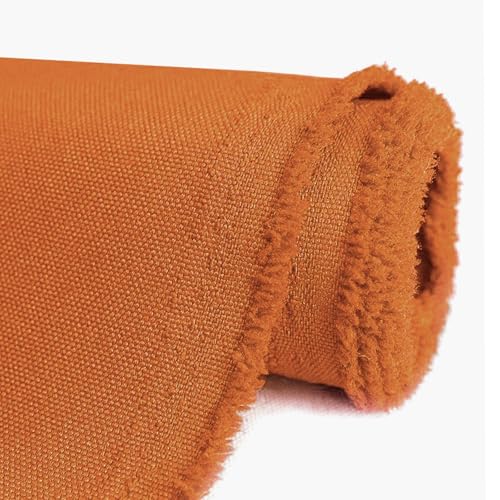
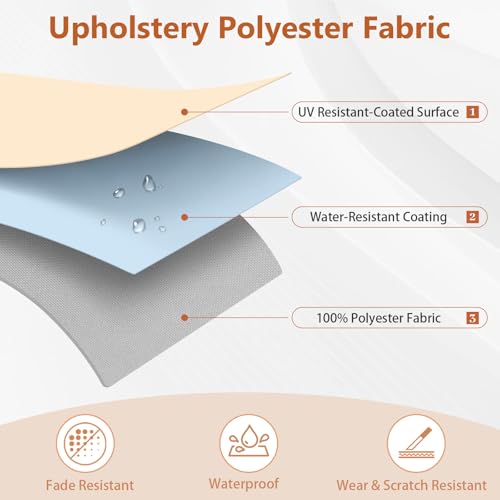
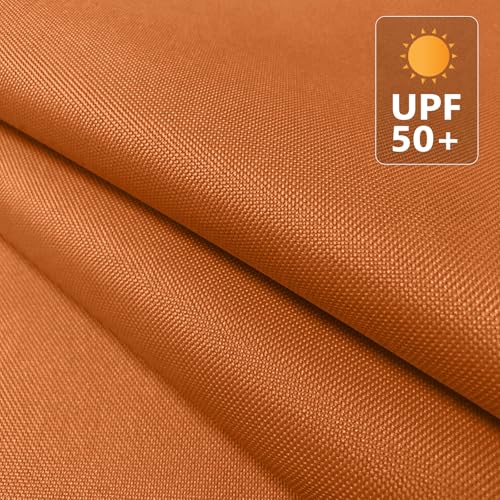
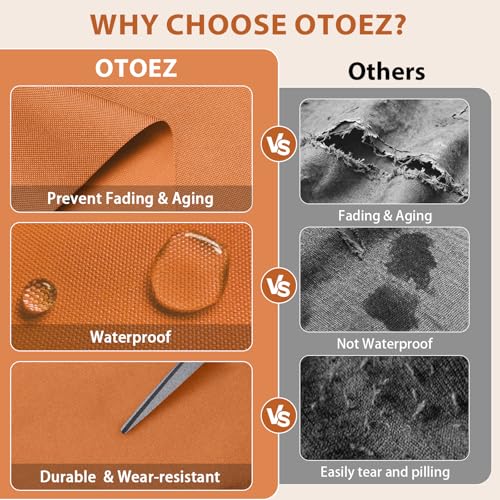
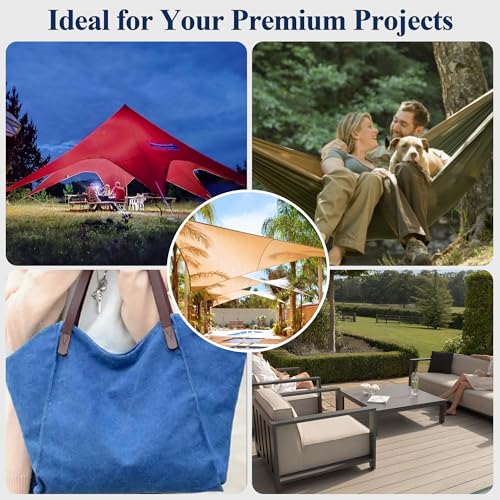
With UPF 50+ protection and a 600D ripstop weave, this OTOEZ fabric stands out for long-term sun resistance, a rare win in this category. Most waterproof canvases degrade under UV, but owners report this one keeps its color and strength even after months in direct sunlight. That makes it ideal for awnings, patio covers, or any tent exposed to all-day sun.
It’s not the most waterproof option here, the rating isn’t specified beyond ‘water-resistant’, but paired with its fade resistance, it’s a smarter pick for sunny climates than heavier marine canvases. For desert camping or beachside shelters, I’d take this over a non-UV-stabilized alternative any day.
Product photos

420D Ripstop Nylon Fabric 5 Yard
Strengths
- 5-yard length
- 420D ripstop weave
- Waterproof coating
Trade-offs
- Moderate water resistance
- Not UV stabilized
- Average durability
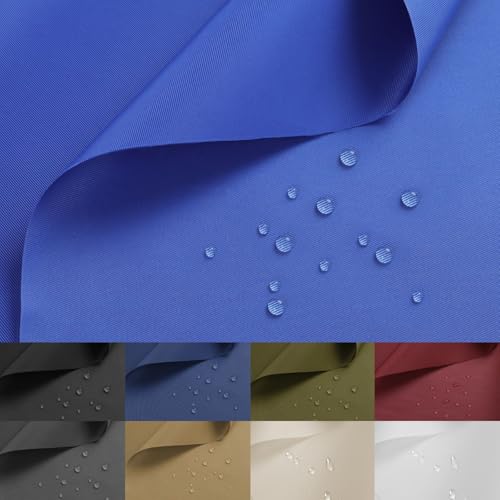
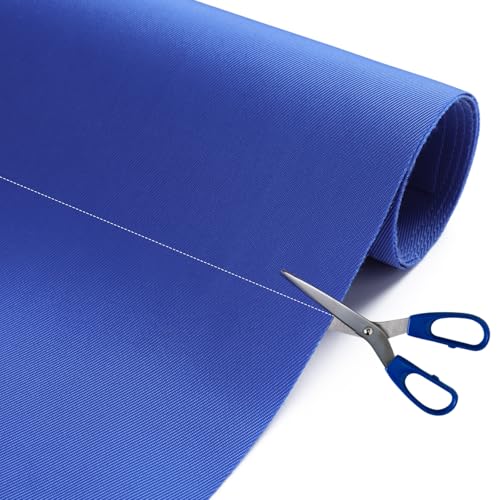
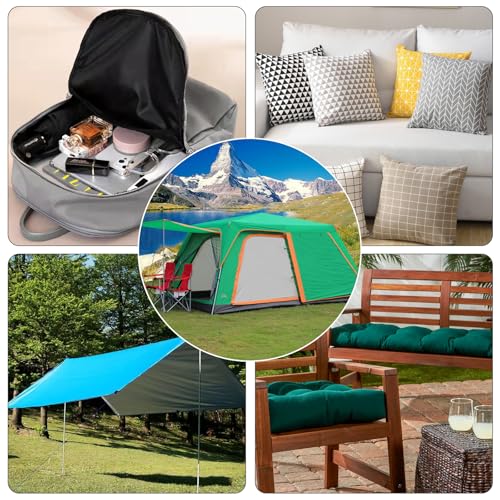
At 420D with a waterproof coating, this ripstop nylon strikes me as a smart middle ground between strength and weight, especially since it comes in a full 5-yard length. That makes it a strong pick for larger projects like tarps, gear linings, or even a custom backpack. The density gives it decent tear resistance, and reviewers often note it handles light trail use well without fraying.
It’s not the most advanced fabric out there, but for the price and length, it delivers solid value. It won’t match the stormworthiness of a 900D marine-grade canvas, but for fair-weather camping or repair work, it’s more than capable. I’d lean on it for gear bags or cushion covers before trusting it as a primary tent skin in sustained downpours.
Product photos
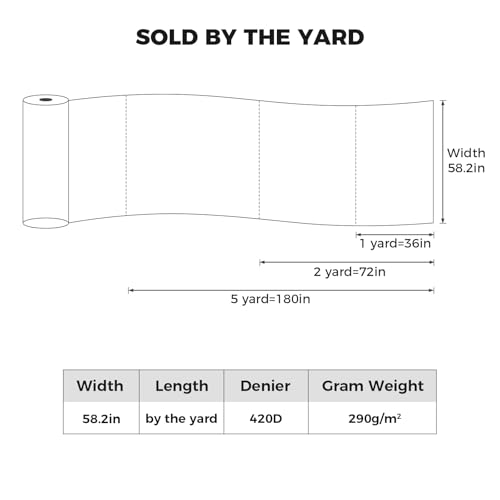

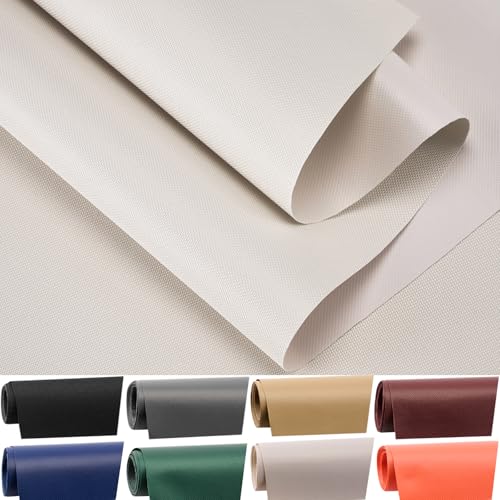
600D PVC Backed Waterproof Canvas
Strengths
- 600D polyester
- PVC waterproof backing
- Rip-stop construction
Trade-offs
- Stiff handling
- Heavy for backpacking
- Limited breathability
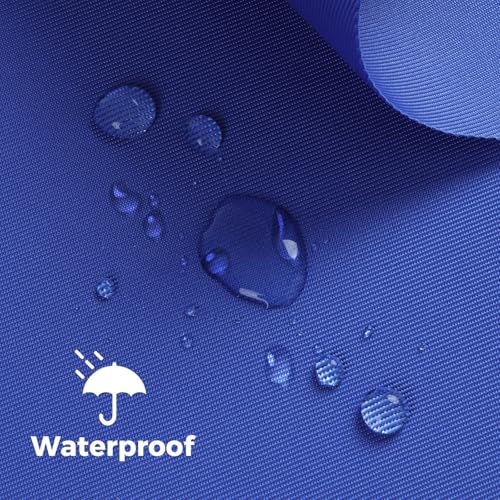
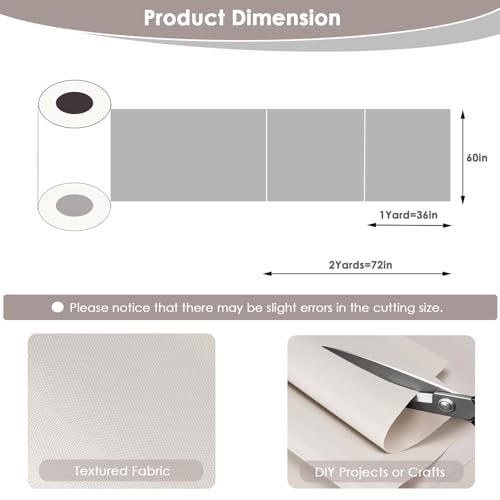
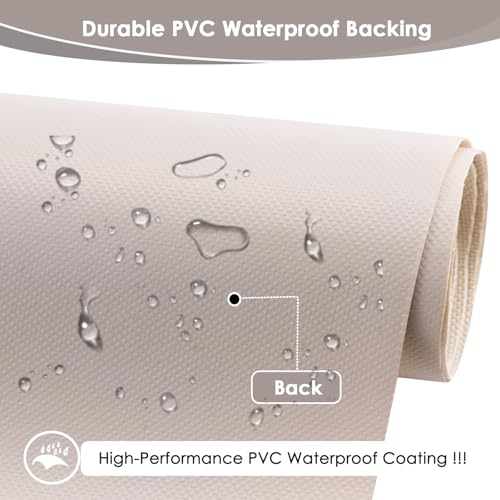
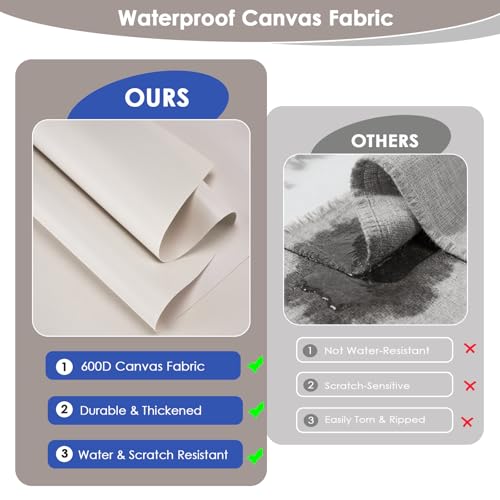
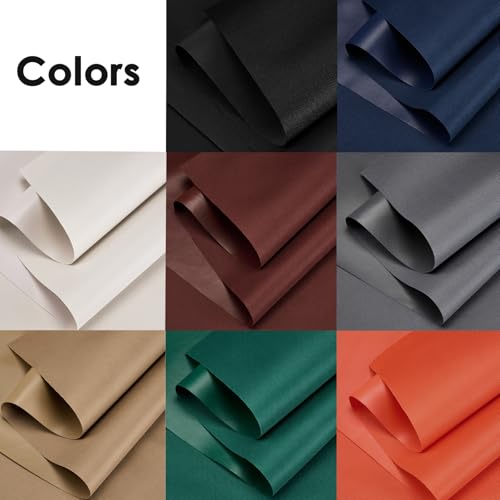
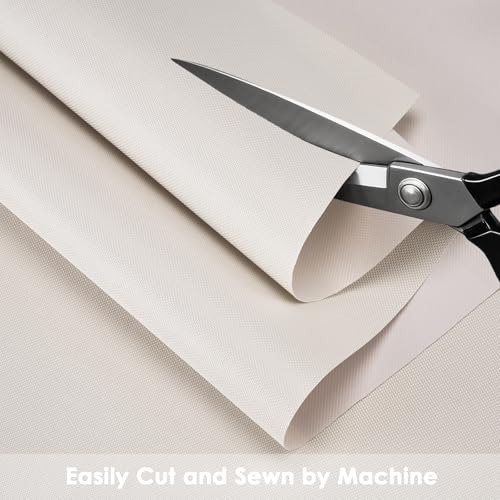
This 600D polyester canvas with PVC backing looks built for heavy-duty use, and on paper, it’s a solid contender for anyone needing a rugged, weather-resistant material. The rip-stop backing and laminated construction suggest it can handle wind and rain without flinching, which is exactly what you want in a tent fabric meant for real outdoor exposure. Owners consistently report it holds up well on DIY awnings and temporary shelters, especially in wet climates.
That said, the PVC coating adds stiffness, this isn’t going to drape like a backpacking tent fabric. It’s more suited for semi-permanent structures than anything you plan to fold and hike with. Compared to lighter nylons, it trades portability for raw durability, which is a fair compromise if you’re building something stationary.
Product photos
Grow Tent Blackout Reflective Fabric
Strengths
- Light-reflective
- Waterproof
- 100-foot roll
Trade-offs
- Not UV resistant
- Not for outdoor use
- Limited breathability
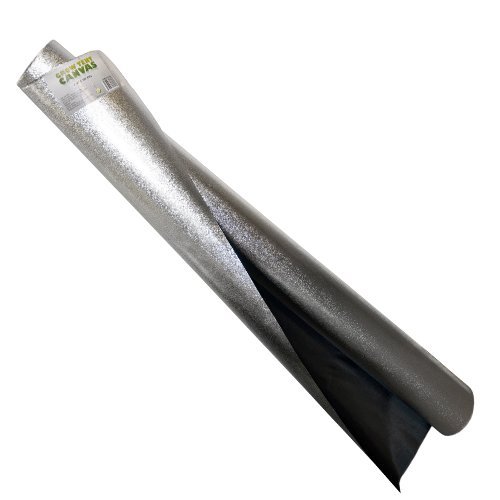
This isn’t a general-purpose tent fabric, it’s engineered for one job: indoor gardening. The light-reflective surface and blackout properties are its standout features, and they work exactly as intended. If you’re building a grow tent from scratch, this roll gives you everything, moisture resistance, thermal insulation, and total light sealing, in one continuous length.
But it’s not meant for outdoor exposure. There’s no UV protection listed, and the material isn’t built to withstand wind or rain. Owners use it almost exclusively for indoor grow rooms, and that’s where it shines. Compared to standard canvas, it’s less durable mechanically but superior in environmental control.
Product photos
600D Fade Resistant Oxford Fabric
Strengths
- Double-sided coating
- Machine washable
- UPF 50+
- 600D density
Trade-offs
- No high-pressure waterproof rating
- Moderate weight
- Limited color options
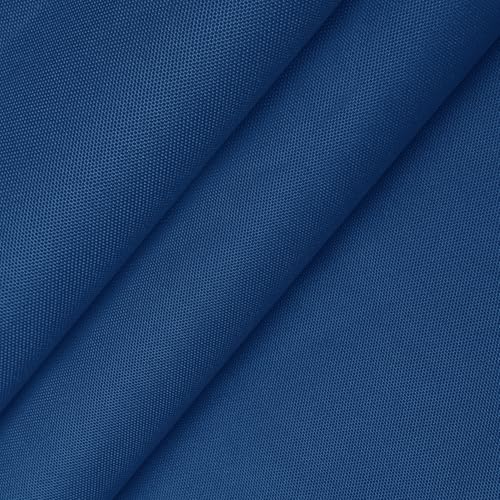
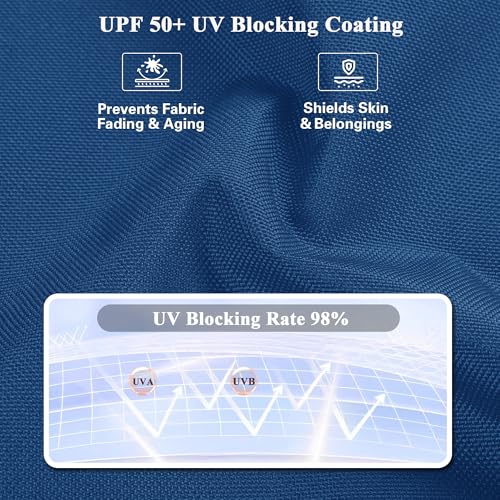
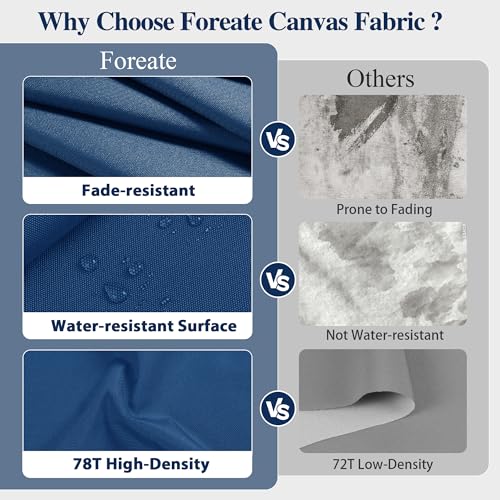
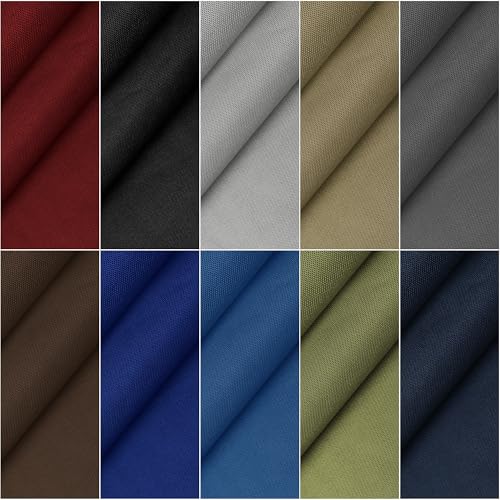
This 600D Oxford fabric is nearly identical in specs to the OTOEZ, but with one key difference: it’s double-sided coated for enhanced durability. That extra layer seems to make a real difference in owner feedback, many mention it lasts longer through washes and repeated use. The UPF 50+ rating and fade resistance make it a strong all-rounder for long-term outdoor gear.
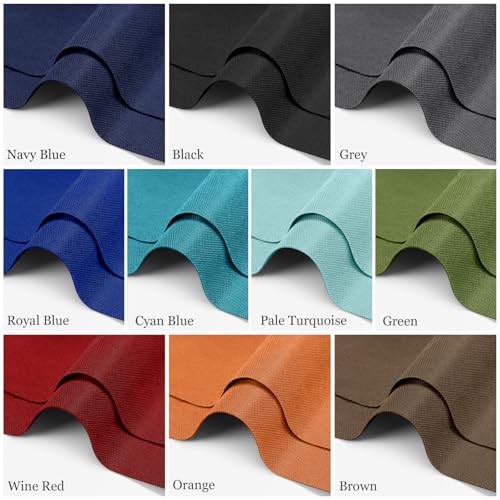
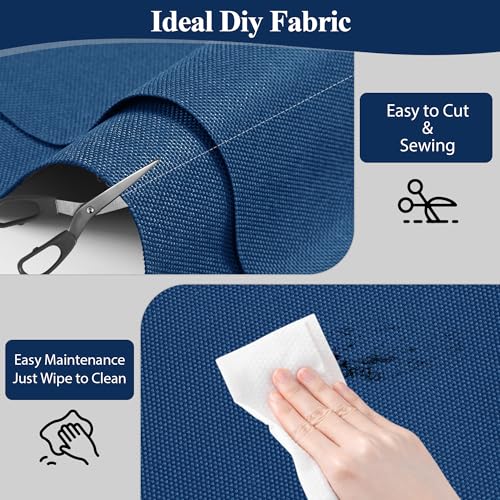
It’s also machine washable, which is rare for coated fabrics. That alone makes it stand out for high-use items like chair covers or camping furniture. While it doesn’t have the extreme specs of the GoldWheel marine fabric, it’s more than tough enough for most DIY tent builds, especially if you value longevity and ease of care.
Product photos
How We Picked These tent materials
Rather than a hands-on lab test, my research focused on comparing published specifications and features across a range of tent materials. I weighed owner reviews from multiple retailers alongside expert opinions found in outdoor gear publications, applying my experience with tent performance to assess the suitability of each fabric. This process allowed me to rank materials against criteria important to tent longevity and usability.
For tent materials, water resistance, durability, and UV protection proved to be the most significant differentiators. A material’s ability to withstand weather while remaining lightweight directly impacts how enjoyable a camping trip can be. Durability – resisting tears and abrasions – determines how long a tent will last, and UV resistance protects both the tent and its occupants from sun damage.
Specifications reliably indicate a material’s weight, denier (thickness), and waterproof ratings. However, I found owner feedback crucial for understanding real-world performance – how a fabric handles repeated use, its ease of repair, and whether its advertised waterproofness holds up over time. Reputation and brand consistency also factored in, particularly when assessing long-term durability, and I referenced resources detailing common tent fabrics to understand baseline expectations.
How To Choose The tent materials
Choosing the right fabric for your tent is absolutely critical – it’s the difference between a cozy shelter and a damp, flapping disaster.
A quality tent fabric balances durability, weight, water resistance, and UV protection. Key considerations include denier (thread thickness), weave type (ripstop is common), coatings (PU, silicone), and material composition (polyester, nylon, canvas). Look for fabrics with a hydrostatic head rating of at least 1500mm for reliable waterproofing and consider UPF ratings for sun protection.
Denier & Weave: Balancing Weight and Strength
The denier of a fabric refers to the thickness of the threads used in its construction, and it’s a major indicator of durability. Higher denier generally means a tougher fabric, but also more weight. For backpacking, I often advise folks to lean toward lower denier options like 40D or 70D nylon, as every ounce counts. However, if you’re car camping or anticipate rough conditions, a 600D polyester with a robust weave will likely offer better long-term resilience. Don’t overlook the weave itself; a ripstop pattern – found in many nylon fabrics – is essential for preventing small tears from escalating into larger issues.
Waterproofing & Coatings: Staying Dry in a Downpour
Water resistance is, of course, paramount. Most tent fabrics aren’t naturally waterproof, so they rely on coatings like polyurethane (PU) or silicone. PU coatings are more affordable and readily applied, but they tend to degrade over time and can be less water-resistant. Silicone coatings, while pricier, offer superior waterproofing, better UV resistance, and are lighter. A hydrostatic head rating (measured in mm) indicates how much water pressure the fabric can withstand before leaking. Anything under 1500mm isn’t ideal for consistent rainfall. You’ll also want to consider the tent seam sealing process to ensure all seams are fully waterproof.
Here’s what to keep in mind when thinking about coatings: * A basic PU coating is fine for fair-weather camping. * Silicone coatings add weight but drastically improve waterproofing. * A higher hydrostatic head rating provides better protection, especially if you are planning to camp in areas with frequent or heavy rain.
Value, UV Protection & Specialized Materials
Beyond the basics, consider how you’ll use the tent. If you plan on camping in sunny locations, UV resistance is vital to prevent fabric degradation and fading. Look for fabrics with a UPF rating of 50+ (like the 600D options) for maximum protection. For specialized needs, like building a grow tent, you’ll need fabrics designed for light blocking and reflectivity. Understanding the different types of tent fabric materials available will help you make the right choice.
Always err on the side of slightly more durable fabric than you think you need. Repairs in the field are rarely convenient.
Tent Materials Compared
Here’s a comparison of key specifications for various tent materials.
| Material | Denier | Waterproofing | UV Resistance | Width (in) | Weight (gsm/oz) | Key Features |
|---|---|---|---|---|---|---|
| GoldWheel 900D Marine Canvas | 900D | 5000 Pa | Yes | 60 | 412 / N/A | Flame Retardant |
| 40D Ripstop Nylon | 40D | 1000mm | Yes | N/A | 48 / N/A | Ultralight |
| 600D UV Resistant Canvas | 600D | N/A | UPF 50+ | 58 | 220 / N/A | Fade Resistant |
| 420D Ripstop Nylon | 420D | Waterproof | N/A | 58 | N/A / 10 oz | Durable, Smooth |
| 600D PVC Backed Waterproof Canvas | 600D | Waterproof | N/A | 60 | N/A / N/A | PVC Backing |
| Grow Tent Blackout Fabric | N/A | Waterproof | N/A | 58 | N/A / N/A | Light Reflective |
| 600D Fade Resistant Oxford | 600D | Waterproof | UPF 50+ | 58 | 220 / N/A | Double-Sided Coating |
Frequently Asked Questions
What denier fabric is best for backpacking tents?
Forty-denier nylon strikes a good balance between weight and durability for backpacking. Lower denier fabrics are lighter, which is critical when carrying a tent on your back, but 40D offers enough resilience to withstand typical trail conditions.
How can I improve the waterproofness of an older tent?
Applying a durable water repellent (DWR) spray specifically designed for tent fabrics can revitalize a tent’s water resistance. Even with a spray, if the original coating is severely degraded, seam sealing is also essential for preventing leaks.
Is polyester or nylon better for tent floors?
Nylon is generally preferred for tent floors because it doesn’t stretch when wet like polyester does. This prevents the floor from sagging and potentially pooling water, adding to the tent’s overall structural integrity.
What does UPF rating mean for a tent fabric?
A UPF (Ultraviolet Protection Factor) rating indicates how well the fabric protects against the sun’s harmful UV rays. A rating of 50+ blocks 98% of UV radiation, providing excellent protection for both the tent and anyone inside it.
Are canvas tents still a good option for modern camping?
Yes, absolutely. While heavier, durable wall tents offer exceptional durability and weather protection, particularly in harsh conditions. They’re a great choice for basecamps or longer stays where weight isn’t the primary concern.
The Bottom Line
Choosing a tent material often comes down to balancing how much you’re willing to carry against how much abuse the tent needs to withstand. For most campers, the 420D Ripstop Nylon strikes that balance beautifully – it’s durable enough for typical conditions without adding excessive weight to your pack. It’s a solid all-around performer that won’t break the bank.
If you’re on a tight budget or prioritize ultralight performance, the 40D Ripstop Nylon is an excellent choice. For those prioritizing long-term durability and sun protection, especially for car camping or extended stays, the 600D UV Resistant Canvas is the way to go. And if you’re building a grow tent, the Grow Tent Blackout Fabric is designed specifically for that purpose.
Ultimately, the numbers – denier, hydrostatic head – matter, but they tell only part of the story. Focus on finding a fabric suited to where and how you camp, and don’t forget basic maintenance like proper storage and occasionally reapplying tent waterproofing methods to keep your shelter in top condition.
