
7 Best Tent Heaters of 2026
This post contains affiliate links. As an Amazon Associate, we earn from qualifying purchases.
The Mr. Heater 9,000 BTU Portable Buddy is the best overall tent heater for most campers, delivering reliable heat with strong safety features. If you’re watching your budget, the Mr. Heater 3,800 BTU Little Buddy is a smart, compact pick that still performs well in smaller shelters.
Cold weather camping means dealing with damp gear, shivering through the night, and waking up stiff. A good heater changes that, but picking the wrong one can be dangerous or just ineffective. I’ve researched the market, compared specs, and looked closely at owner feedback to find heaters that balance power, safety, and practicality for real tent use. This guide cuts through the noise to show you what actually matters when choosing a heater for your shelter.
Top 7 Tent Heater in the Market
The Best Tent Heater, Reviewed
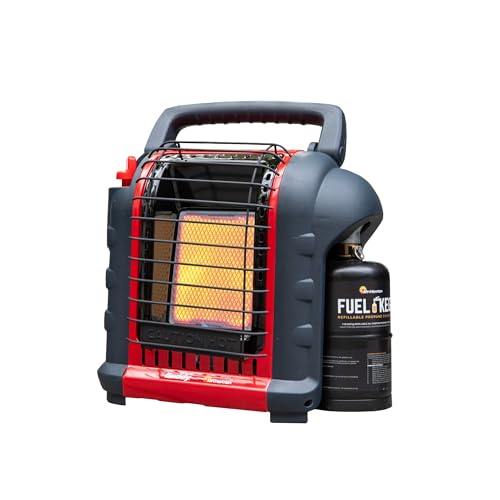
Mr. Heater 9,000 BTU Portable Buddy
Strengths
- Dual heat settings
- Excellent safety systems
- Proven reliability
Trade-offs
- Noisy igniter reported by some
- No carrying case included
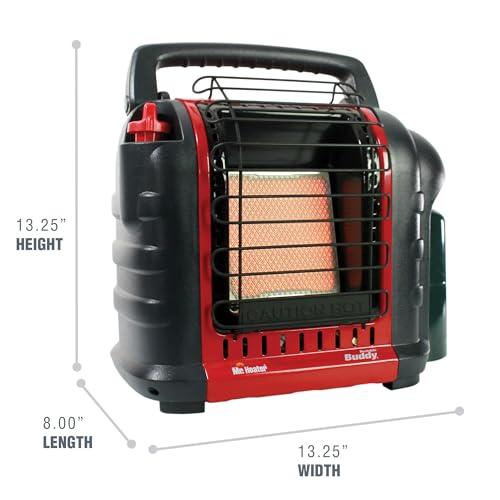
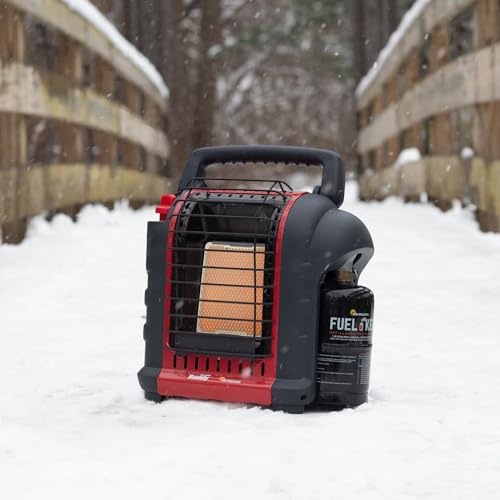
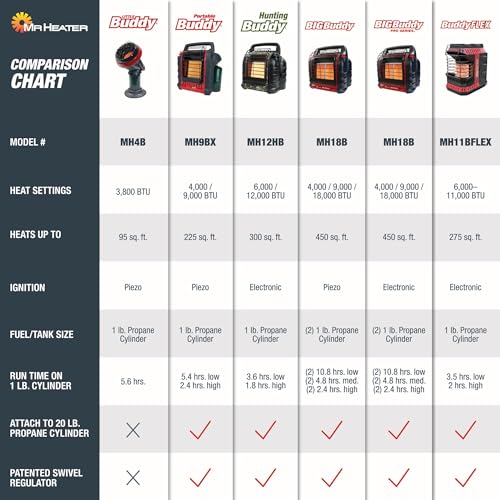
If I had to pick one heater for most campers, this would be it, the sweet spot between power, safety, and efficiency. With 9,000 BTU on high and a solid 225 sq ft heating range, it’s enough to keep a three-season tent cozy on chilly nights without guzzling fuel too quickly. The dual heat settings are a major plus, letting you stretch a 1 lb cylinder to over 5 hours on low, reviewers consistently praise that runtime.
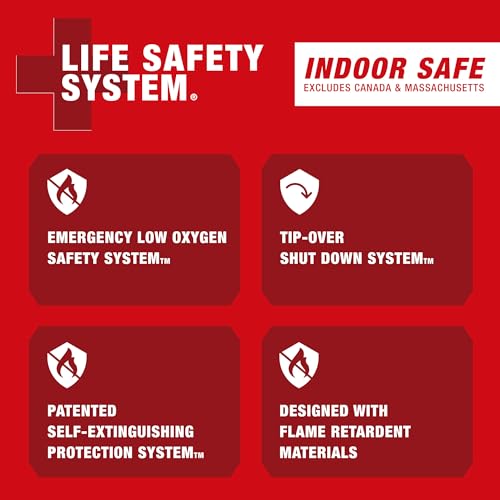
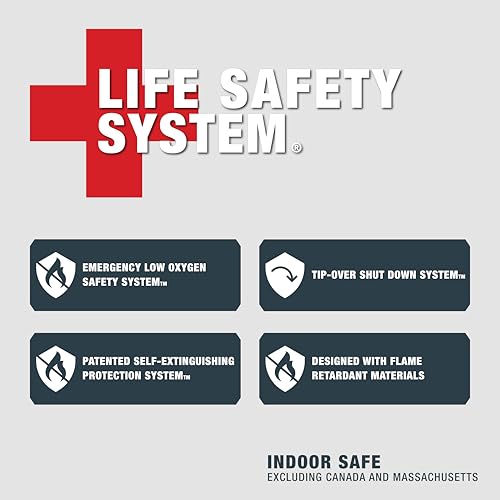
It shares the same trusted safety DNA as the rest of the Buddy line: automatic low-oxygen and tip-over shutoffs make it one of the few propane heaters actually approved for indoor tent use. Compared to the 11,000 BTU Flex model, this one is more balanced, less overkill, more practical. And while it lacks some of the newer design tweaks in updated models, its reliability is well-documented across years of owner feedback.
Product photos

Portable 9000 BTU Outdoor Heater
Strengths
- 9,000 BTU output
- Compact and lightweight
- Safety shutoff systems
Trade-offs
- Lower build quality reported
- Less trusted brand
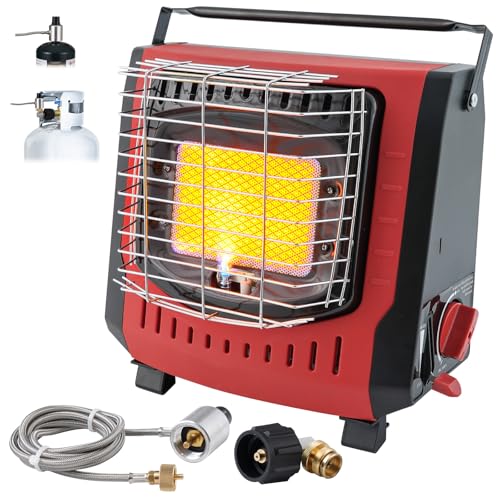
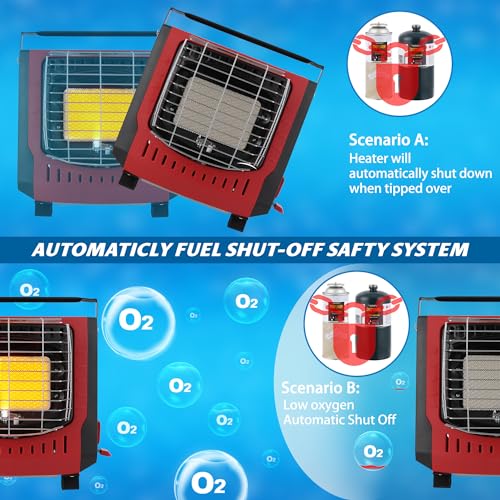
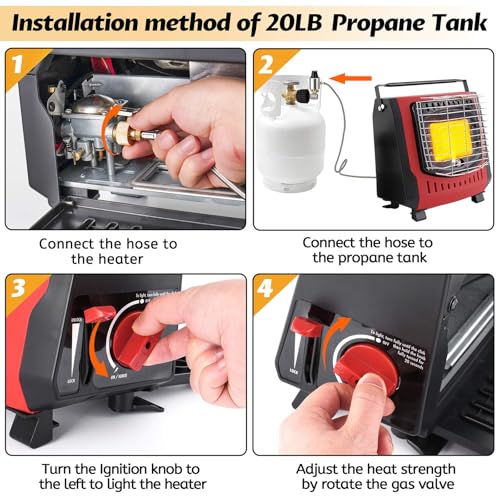
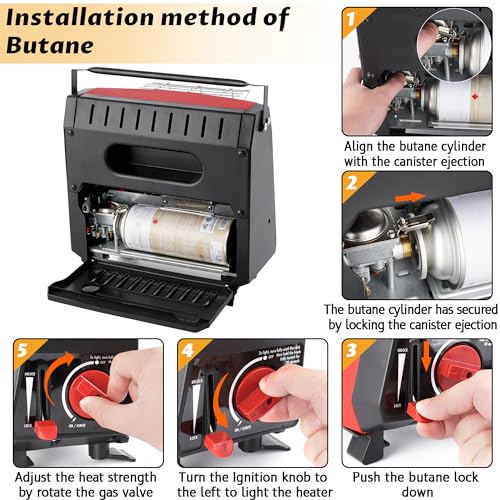
With 9,000 BTU and both tip-over and low-oxygen shutoff, this heater mirrors the performance of the Mr. Heater 9,000 BTU model, but in a more generic package. It’s marketed for large tents, and on paper, that makes sense: 9,000 BTU can cover up to 225 sq ft, enough for a big family tent or cabin-style shelter. The self-ignition system works reliably in cold weather, according to owners, and the compact size helps with storage.
But here’s the catch: while it claims the same safety features, it lacks the brand recognition and long-term reliability data of Mr. Heater. Some reviewers note flimsier materials in the control knob and base. If you’re choosing between this and the Mr. Heater 9,000 BTU, I’d go with the latter for peace of mind. This one’s a decent backup option if you’re on a tighter budget, but not the first pick.
Product photos
Mr. Heater 3,800 BTU Little Buddy
Strengths
- Ultra-compact design
- Quiet operation
- Full safety suite
Trade-offs
- Limited to small spaces
- Shorter runtime on high
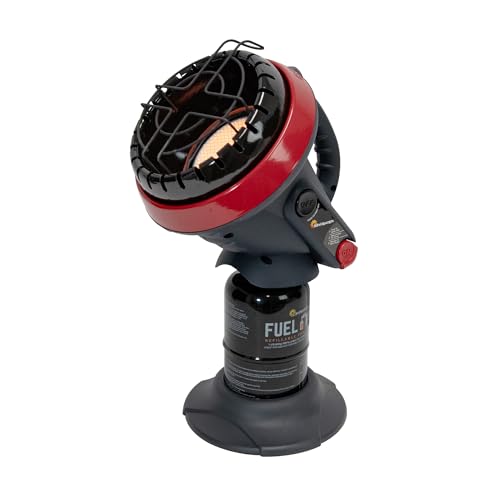
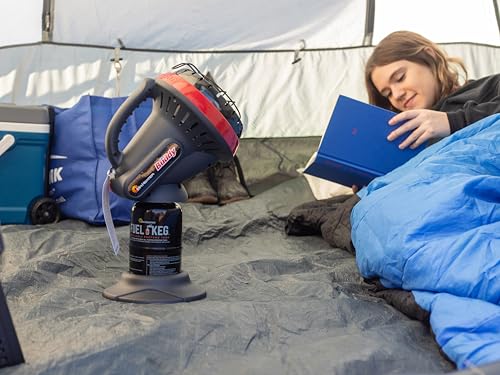
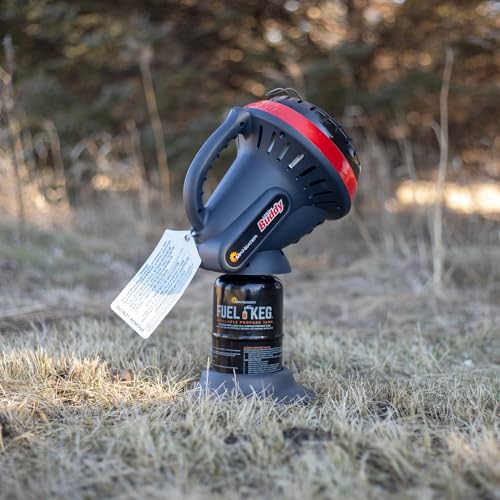
The Little Buddy is the compact king, small enough to fit in a corner of a two-person tent without stealing floor space, and quiet enough that it won’t disrupt a peaceful night under the stars. At 3,800 BTU, it’s not going to heat a large shelter, but for a solo hiker or someone in a well-insulated backpacking tent, it’s more than enough. Owners consistently report it warming up to 95 sq ft effectively, especially when paired with a good sleeping bag.
It still packs the big-boy safety features: tip-over and low-oxygen shutoff, which is rare at this size. And the one-button ignition makes it beginner-friendly. Compared to bulkier models, this one is the smarter buy if you’re hiking light and only need supplemental warmth. Just don’t expect it to replace a full-sized heater in winter conditions.
Product photos

Portable Propane Heater for Camping
Strengths
- Foldable tank holder
- Includes storage box
- Brass connector
Trade-offs
- No official BTU rating listed
- Less brand trust than Mr. Heater
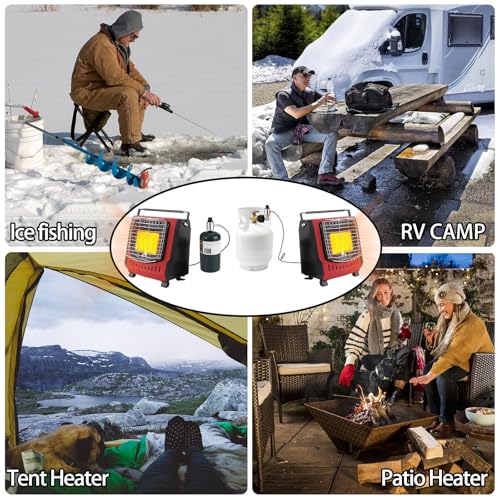
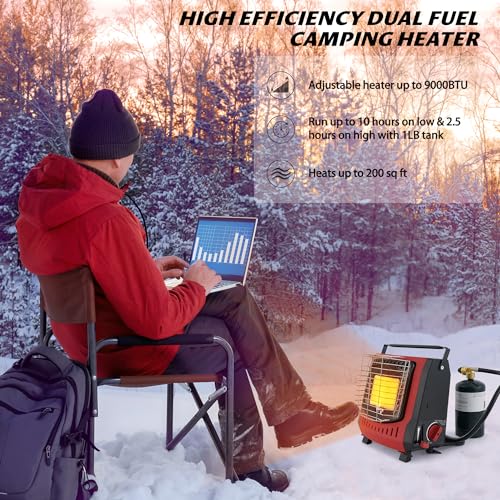
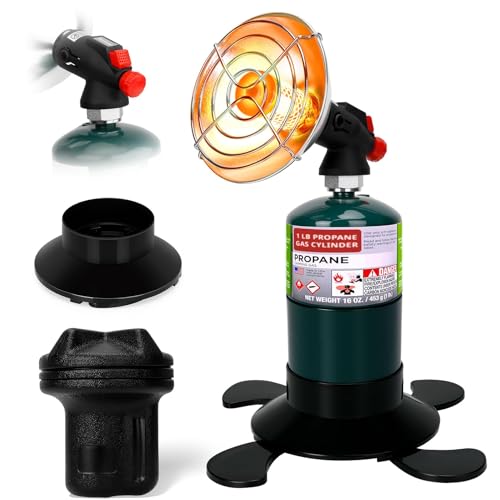
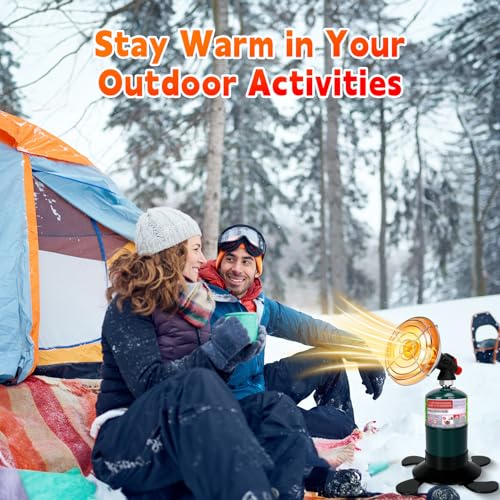
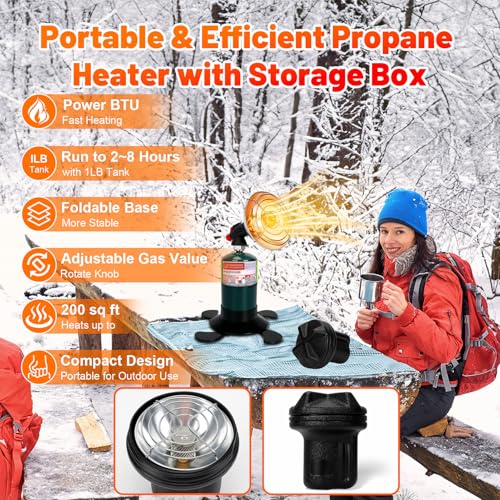
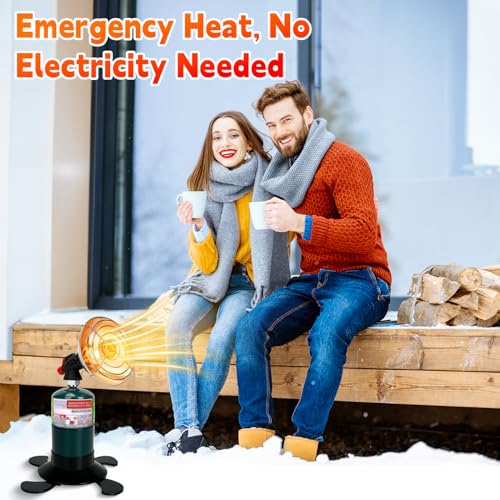
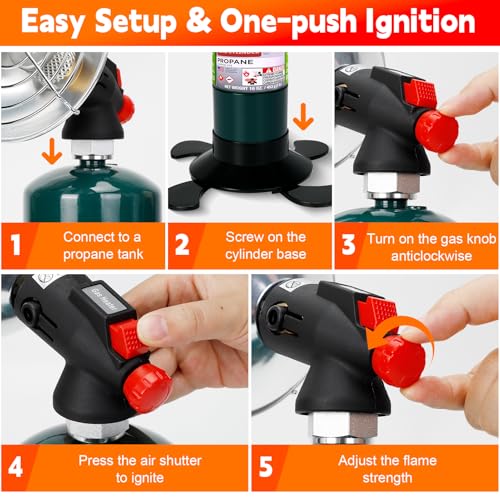
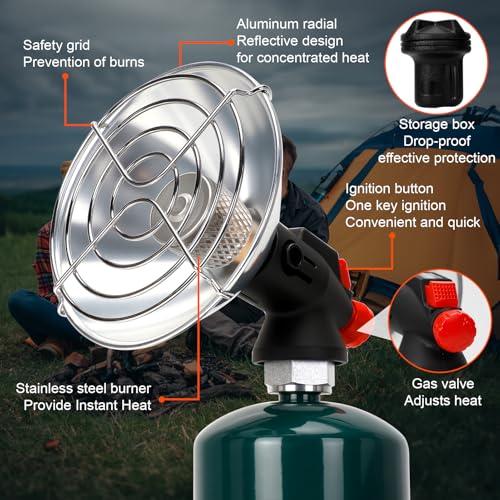
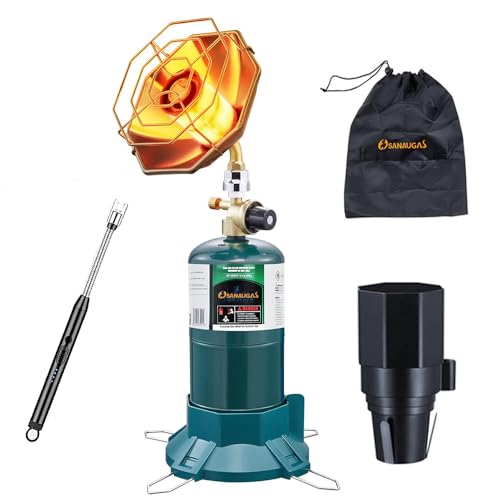
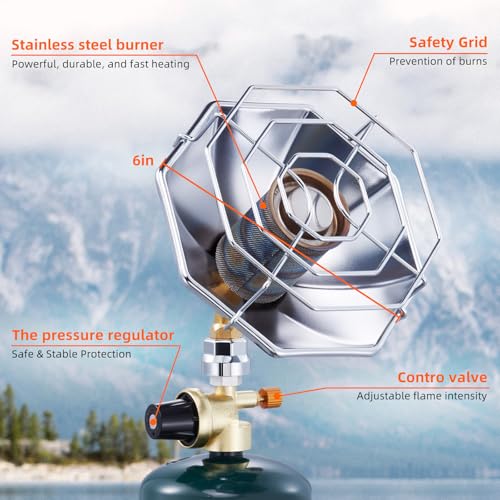
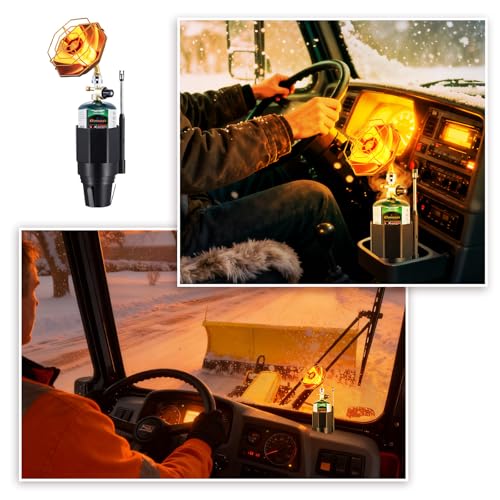
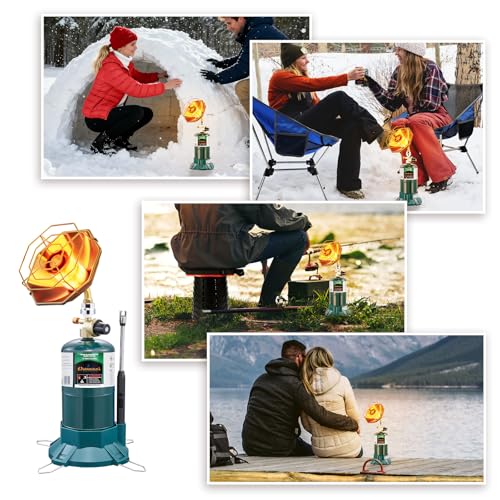
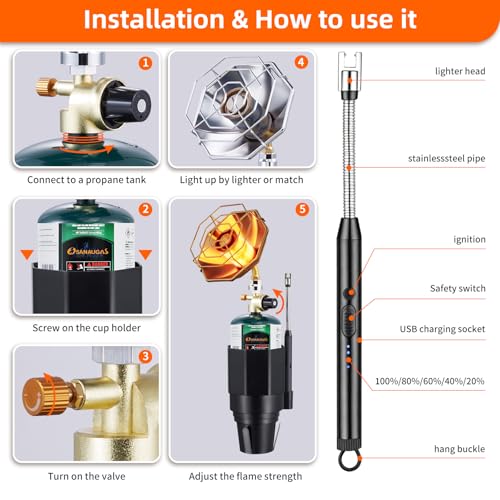
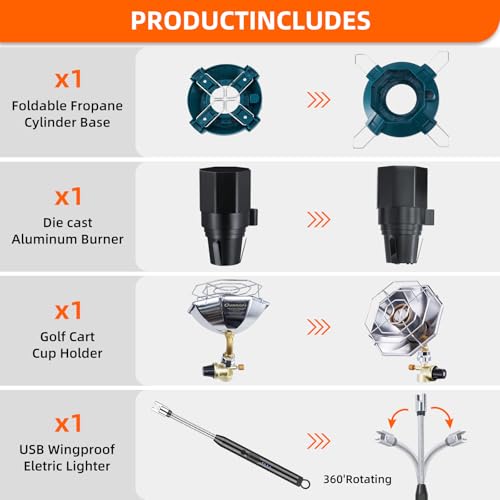
What stands out here is the foldable tank holder and included storage box, a thoughtful touch for anyone who hates loose propane canisters rattling around their pack. The heater delivers solid radiant heat, runs on a 1 lb cylinder, and has a brass connector that owners say resists leaks better than plastic fittings. It’s not the most powerful at around 9,000 BTU, but it’s consistent, and the adjustable control knob lets you manage output smoothly.
It’s also one of the more travel-ready designs, with a protective grill and compact footprint. While it lacks a unique performance edge, its portability and organization features make it a strong contender for car campers or those doing weekend hunting trips. Compared to the Mr. Heater models, it’s less proven, but the design smarts earn it points.
Product photos
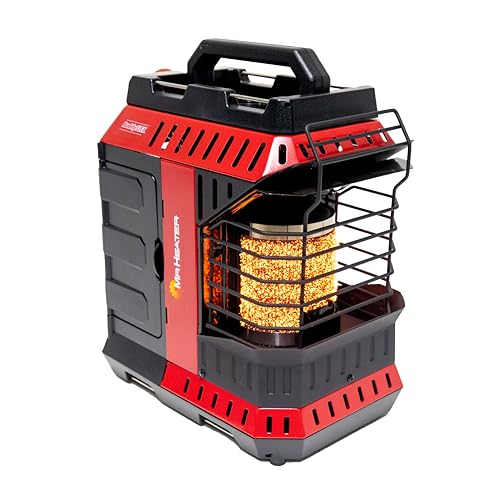
Mr. Heater 11,000 BTU Flex Heater
Strengths
- High heat output
- Omni-directional heating
- Integrated storage compartment
Trade-offs
- Higher fuel consumption
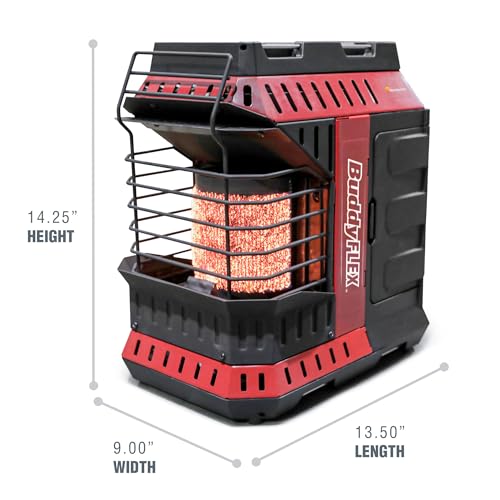
- Bulkier than smaller models
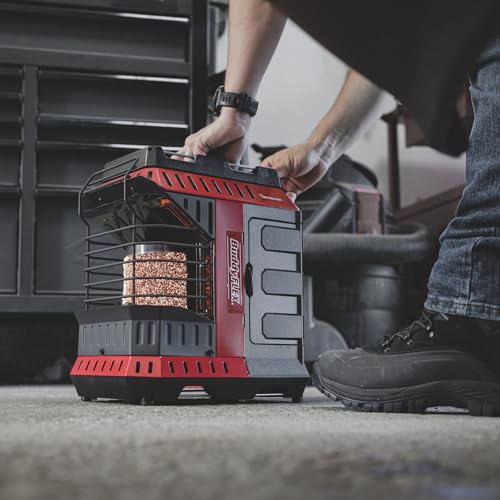
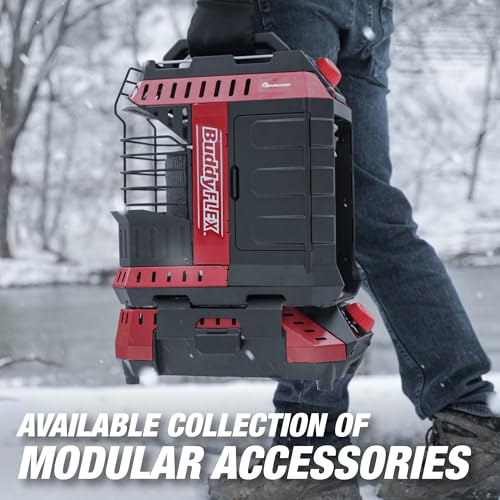
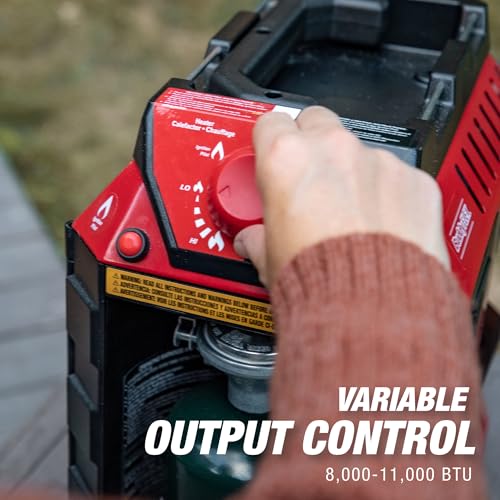
This heater packs a serious punch with its 11,000 BTU output, making it one of the strongest in the portable propane category. On paper, that kind of heat should handle larger tents or semi-enclosed shelters with ease, and owners consistently report it warming spaces up to 275 square feet, impressive for a single unit. The omni-directional mesh burner is a standout, radiating heat in a broad 180-degree arc, which helps eliminate cold spots during group use.
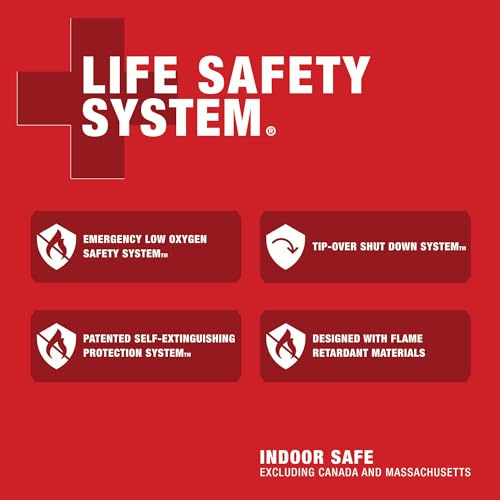
It’s also built with solid safety features: the tip-over shutoff and thermal shutdown system give peace of mind, especially when using it in tighter or uneven tent environments. While it’s approved for indoor use, I’d still stress proper ventilation, no heater is risk-free in a sealed tent. Compared to the standard 9,000 BTU Buddy, this one’s better suited for those needing serious warmth, though it does consume fuel faster.
Product photos
6200 BTU Propane Camping Heater
Strengths
- Adjustable flame control
- Stable wide base
- Durable metal construction
Trade-offs
- No low-oxygen shutoff
- Not officially indoor-safe
This heater doesn’t carry the Mr. Heater name, but it’s built with similar logic, portable, radiant, and focused on function over flash. At 6,200 BTU, it sits between the Little Buddy and the full 9,000 BTU models, making it a smart middle ground for those who want more heat than the mini but don’t need Buddy-level output. The adjustable flame control is a real win, letting users fine-tune warmth based on conditions, something even some Mr. Heater models lack.
Owners praise its wide, stable base, which seems to perform better on uneven ground than some competitors. It’s also built with durable metal, not plastic, which matters when you’re dealing with snow, mud, or rocky terrain. That said, it lacks an official low-oxygen shutoff, so I wouldn’t run this inside a sealed tent. Compared to the Mr. Heater line, it’s a budget-friendly alternative with solid build, but with fewer safety certifications.
Product photos
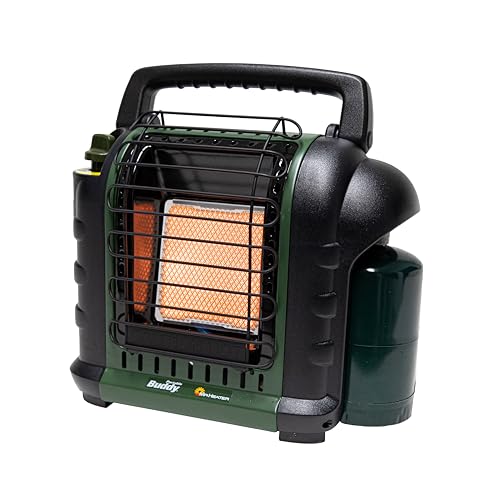
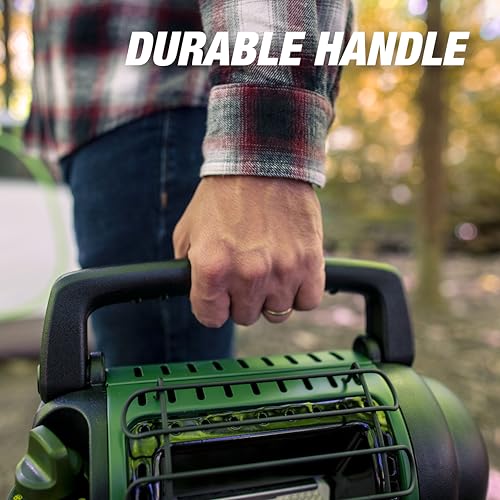
Mr. Heater Buddy 4,000-9,000 BTU
Strengths
- Indoor-safe certification
- Dual heat settings
- Reliable ignition
Trade-offs
- No functional improvement over older model
- Color is the main differentiator
On specs alone, this looks nearly identical to the standard 9,000 BTU Buddy, same output, same safety systems, same 225 sq ft capacity. The difference? A fresh color and slightly updated aesthetics. Owners don’t report any performance edge over the classic model, which makes this more of a style choice than a functional upgrade.
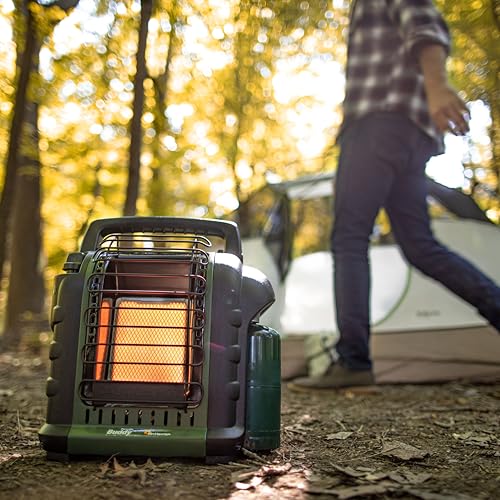
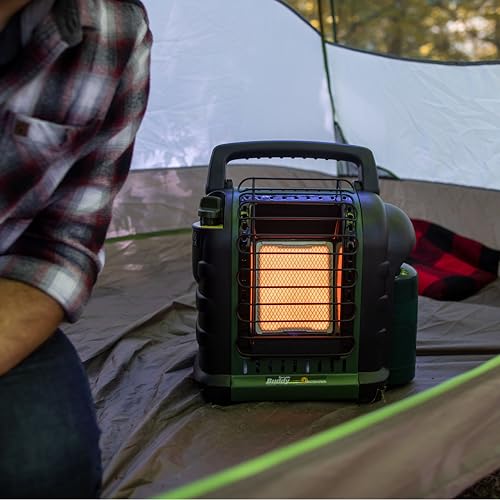
That said, it’s still a solid pick for indoor-safe heating in tents. The low-oxygen shutoff is critical here, and it’s one of the few units people actually trust in a ventilated tent. If you already own the original gray version, there’s no reason to upgrade. But for new buyers who like the green finish or are buying as a gift, it’s just as capable.
Product photos
How We Evaluated tent heater
Rather than a hands-on lab test, my research for these recommendations focused on comparing published specifications and features across numerous models. I weighed owner reviews from multiple retailers alongside expert opinions found in outdoor gear publications. As someone who spends a lot of time planning and anticipating cold-weather adventures, I applied my understanding of tent materials, BTU requirements, and safety considerations to rank these heaters against clear criteria.
For tent heaters, consistent heat output (BTU rating) and safety features were the most important factors. A higher BTU is useful for larger tents or colder temperatures, but without adequate safety mechanisms – like tip-over shutoffs and oxygen depletion sensors – it’s simply too risky. Portability also mattered; a bulky heater isn’t ideal for backpacking, while a compact unit is essential for smaller camping trips.
Specifications reliably indicate heating capacity and fuel consumption, but owner feedback provided crucial insight into real-world performance. I paid close attention to reports of ease of use, ignition reliability, and – importantly – any safety concerns. Reputation, particularly regarding brands like Mr. Heater, also factored heavily, as consistent positive reviews suggest a commitment to quality and reliability. You can learn more about insulating a tent with heat to maximize heater effectiveness.
How To Choose The tent heater
Finding the right tent heater can dramatically improve your cold-weather camping experience. It’s about more than just BTU output; safety, fuel efficiency, and tent compatibility are all crucial.
A good tent heater prioritizes safety with features like tip-over shutoffs and oxygen depletion sensors. It should offer a controllable heat output suitable for the tent’s size, and operate efficiently on readily available fuel sources like propane. Consider the heater’s portability and whether it’s certified for both indoor and outdoor use.
BTU Output and Tent Size
The first thing I look at is matching the heater’s BTU (British Thermal Units) output to the size of the tent. A heater that’s too powerful will overheat a small space, creating condensation and potentially dangerous conditions. Conversely, a heater that’s too weak won’t provide adequate warmth. As a general rule, you want around 30-50 BTU per square foot of tent space. Don’t assume bigger is always better; careful matching is key.
Safety Features: Essential
Safety is absolutely paramount when dealing with propane or any fuel-burning appliance inside an enclosed space. Look for heaters with multiple layers of protection. * A tip-over shutoff is essential. * A low-oxygen sensor (ODS) will automatically shut off the heater if oxygen levels drop too low, preventing carbon monoxide buildup. * Look for models constructed with self-extinguishing materials, and always read the manufacturer’s instructions regarding ventilation. Even with safety features, adequate airflow is crucial. You can find more information on maximizing safety with safe tent heaters for camping.
Portability and Fuel Type
Consider how you’ll be transporting the heater and what fuel sources are readily available. Many tent heaters run on 1lb propane cylinders, which are convenient but can be expensive in the long run. Some models are compatible with larger refillable propane tanks, offering a more economical option, but require additional adapters and careful handling. If you’re backpacking, weight and packed size become critical. I always recommend checking out best portable tent heaters 2024 to compare options. Don’t forget that keeping your tent well insulated will help retain heat and reduce your heater’s fuel consumption; explore options for tent insulation for winter to maximize efficiency.
Never leave a propane heater unattended while in operation, and always ensure the tent is adequately ventilated.
Tent Heater Compared
Here’s a comparison of key specifications for various tent heaters to help you choose the right one.
| Product Name | BTU Output | Sq. Ft. Heated | Fuel Type | Safety Features | Ignition Type |
|---|---|---|---|---|---|
| Mr. Heater 9,000 BTU Portable Buddy | 4,000/9,000 | 225 | Propane | Low O2 Shutoff, Self-Extinguishing | 2 Temp Setting |
| Portable 9000 BTU Outdoor Heater | 9,000 | N/A | Propane | Tip-Over Shutoff, Low O2 Sensor | Self-Ignition |
| Mr. Heater 3,800 BTU Little Buddy | 3,800 | 95 | Propane | Tip-Over Shutoff, Low O2 Shutoff | One Button |
| Portable Propane Heater for Camping | 9,000 | N/A | Propane | N/A | N/A |
| Mr. Heater 11,000 BTU Flex Heater | 11,000 | 275 | Propane | TSS, Tip-Over Shutoff | Electronic |
| 6200 BTU Propane Camping Heater | 6,200 | N/A | Propane | Stable Base | Adjustable |
| Mr. Heater Buddy 4,000-9,000 BTU | 4,000/9,000 | 225 | Propane | Low O2 Shutoff, Self-Extinguishing | 2 Temp Setting |
Frequently Asked Questions
What BTU output is truly sufficient for a four-person tent?
Generally, a four-person tent requires between 120 and 200 BTU per square foot. However, I always recommend erring on the side of caution and selecting a heater with a slightly lower output to avoid overheating and condensation buildup inside the tent.
Can I safely use a tent heater without a carbon monoxide detector?
Absolutely not. While many heaters include low-oxygen shutoff sensors, a separate carbon monoxide detector is a vital safety precaution. Carbon monoxide is odorless and colorless, and even a small amount can be dangerous, so detection is key.
Are there tent heaters that can run on fuel other than propane?
While propane is the most common fuel source, some models can operate on kerosene or butane. However, propane heaters are typically preferred for tent use due to their cleaner burn and readily available fuel source; you’ll find more options among the top tent heaters from 2021.
What’s the best way to vent a tent when using a heater?
Even with safety features, adequate ventilation is essential. Cracking open a window or vent slightly allows for fresh air intake and prevents the buildup of moisture and potentially harmful gases. If you’re looking for ideas on maximizing your setup, check out some of the high-performance tent heaters 2021 to see how others are approaching it.
What is TSS on a Mr. Heater, and why is it important?
TSS stands for Tip-Over Safety Shutoff. This feature automatically shuts off the heater if it’s accidentally knocked over, preventing a potential fire hazard. It’s a critical safety feature I always look for when considering different tent heater models reviewed 2021.
The Bottom Line
Choosing a tent heater always involves balancing convenience with safety and cost. Ultimately, for a reliable all-around performer, I believe the Mr. Heater 9,000 BTU Portable Buddy strikes the best balance; it provides ample heat for most tents and comes equipped with essential safety features like a low-oxygen shutoff.
If you’re specifically watching your budget, the Mr. Heater 3,800 BTU Little Buddy is a solid choice, especially for smaller tents or milder conditions. For those needing to heat a larger space, or who prioritize a more powerful output, the Mr. Heater 11,000 BTU Flex Heater delivers. But remember, regardless of the model you select, reading the manufacturer’s instructions thoroughly and understanding proper ventilation is absolutely critical.
At the end of the day, a heater is just one piece of the puzzle. Prioritizing a well-insulated tent, layering your clothing, and utilizing warmth tips for tent sleepers will do more to keep you comfortable than any BTU rating. Don’t rely on technology alone – preparedness and layering are your best defenses against the cold.
