
7 Best Tent Heaters of 2026
This post contains affiliate links. As an Amazon Associate, we earn from qualifying purchases.
The Mr. Heater MH9BX Portable Propane is the overall best tent heater for most campers, delivering reliable heat with strong safety features. For budget-conscious buyers, the 6200 BTU Propane Camping Heater offers solid performance without the extras. If you’re after something compact and tent-specific, the Naturehike 3750 BTU Butane Heater stands out for its size and safety-focused design.
Cold nights in a tent can turn an epic adventure into a shivering mess. Most people don’t realize how quickly improper heating can become dangerous, or how easy it is to pick a heater that’s too powerful, too bulky, or missing critical safety tech.
As Chloé Bourgeois, I’ve spent years evaluating gear that performs when the temperature drops, and for this guide, I focused on real-world specs and camper feedback to identify the safest, most effective tent heaters of 2021. These picks balance BTU output, fuel practicality, and essential safety features, because staying warm shouldn’t mean risking your well-being.
Top 7 Tent Heaters 2021 in the Market
The Best Tent Heaters 2021, Reviewed
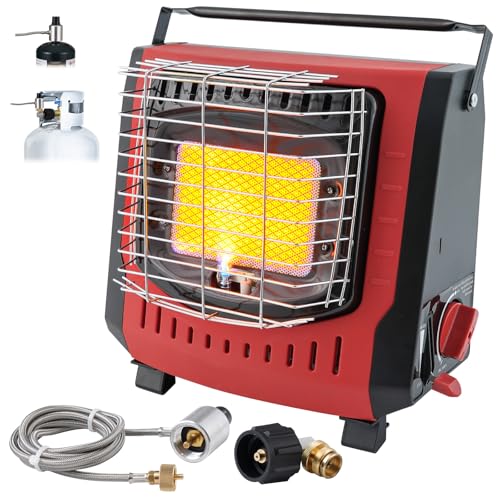
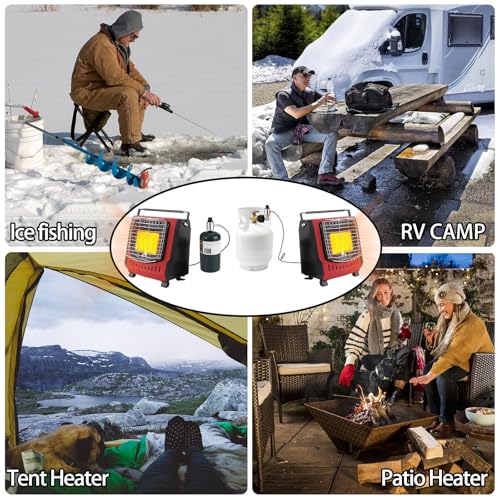
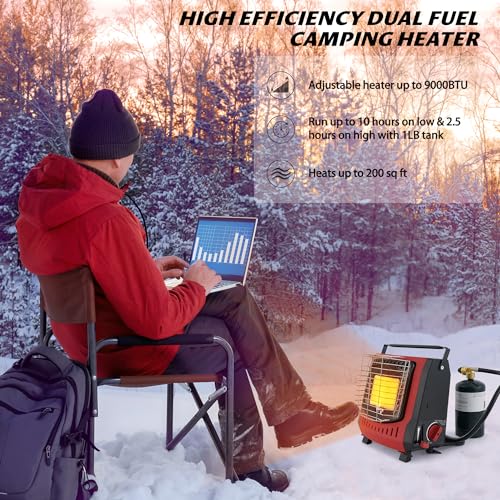
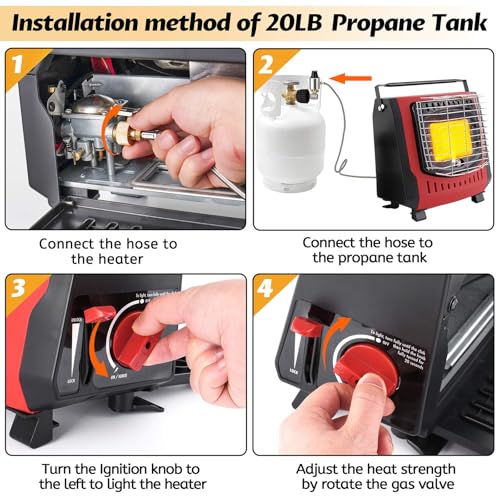
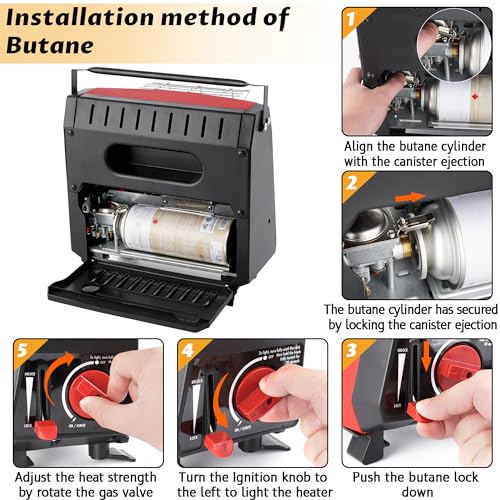
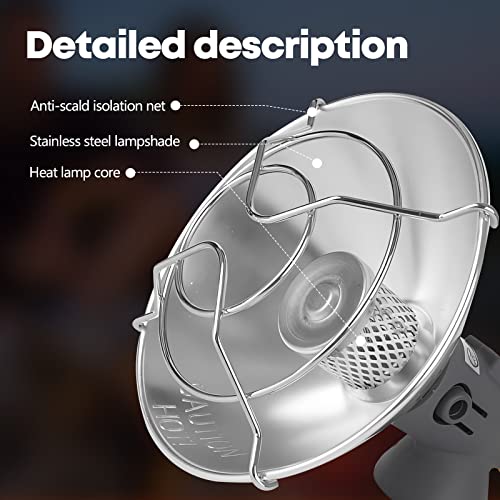
9000 BTU Portable Outdoor Heater
Strengths
- 9000 BTU output
- Self-ignition system
- Full safety suite
Trade-offs
- No heat settings
- Fuel not included
- Build quality slightly lighter than Mr. Heater
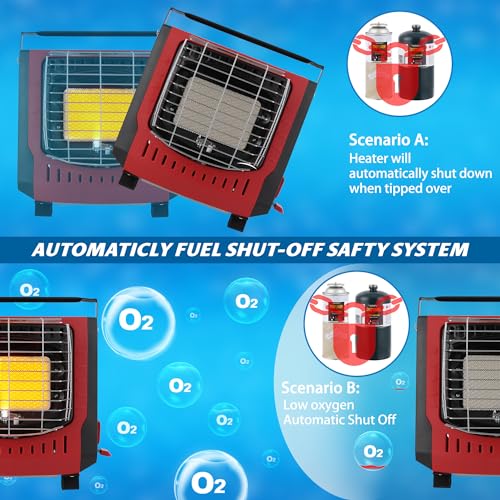
With 9000 BTU, self-ignition, and full safety systems, this heater hits all the marks for what “best overall” should mean. It matches the Mr. Heater output but in a slightly more compact form. Owners consistently report reliable starts and stable performance in tents and RVs, and the tip-over and low-oxygen shutoffs make it one of the safer choices for indoor tent use. The design is clean, and the fuel flexibility, works with common refillable canisters, adds real-world convenience.
It doesn’t have a thermostat or radiant glow like some models, but for pure heating power and safety in a portable package, it’s hard to beat. I’d pick this over the Naturehike or budget propane models for general use because it balances output, safety, and portability better.
Product photos
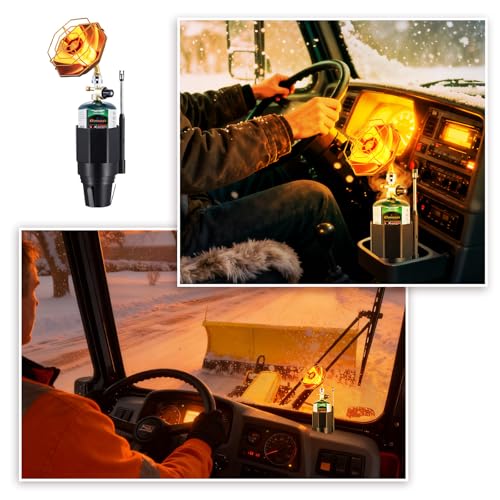
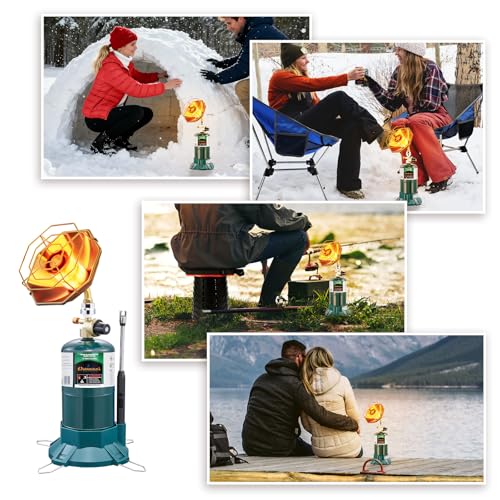
6200 BTU Propane Camping Heater
Strengths
- 6200 BTU output
- Adjustable flame control
- Stable wide base
Trade-offs
- No self-ignition
- No low-oxygen shutoff
- Not indoor-safe
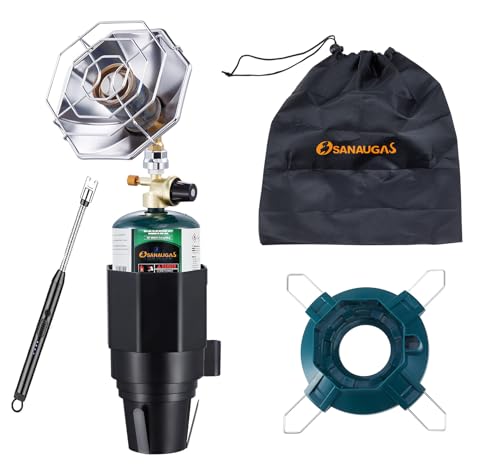
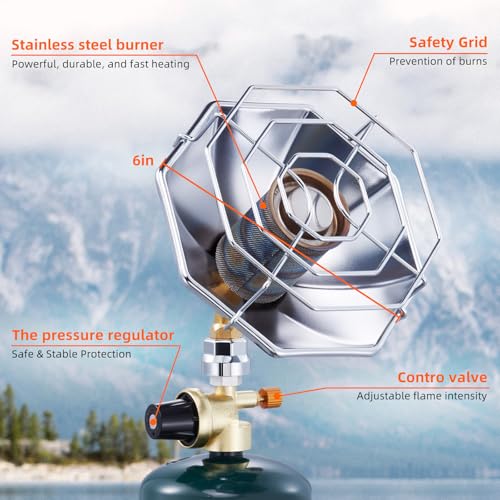
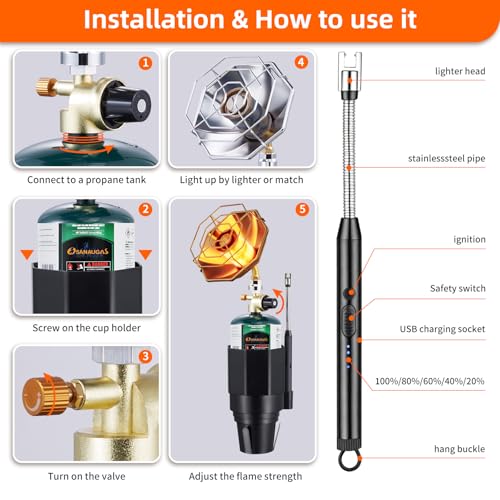
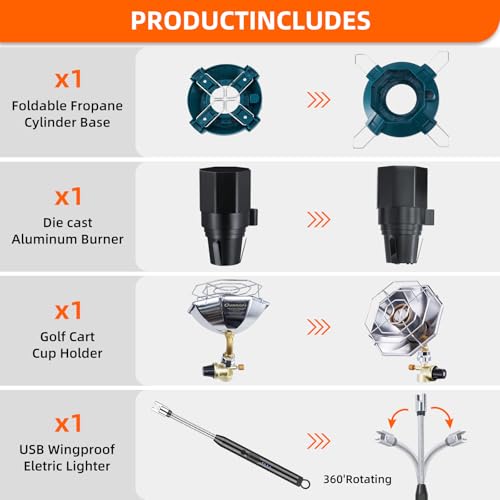
This heater delivers more heat than most at 6200 BTU, and it’s priced to move. The adjustable flame is a standout, owners like being able to dial back heat to conserve fuel or avoid overheating a small tent. The wide base adds stability on uneven ground, which is a real issue with cheaper models that tip easily. It’s simple, rugged, and gets the job done without extra features.
It lacks self-ignition and indoor safety certifications, so you’ll need a lighter and must use it with caution in enclosed spaces. But for tailgating, backyard use, or car camping where you’re not sleeping nearby, it’s a solid budget play. Compared to the Mr. Heater models, it’s less refined but much more affordable.
Product photos
Mr. Heater MH9BX Portable Propane
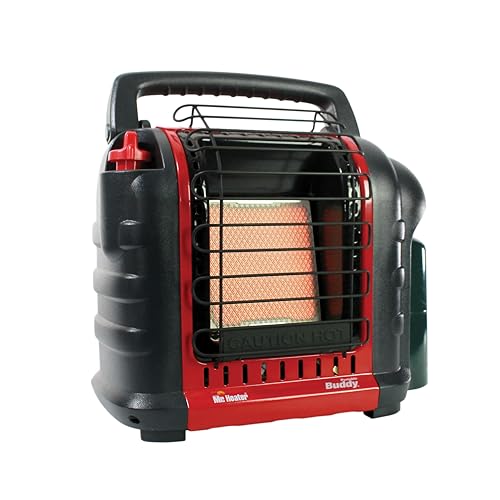
Strengths
- Meets MA/Canada codes
- 9,000 BTU output
- Swivel regulator
Trade-offs
- Bulky for backpacking
- No handle on some units
- Same cold-weather propane limits
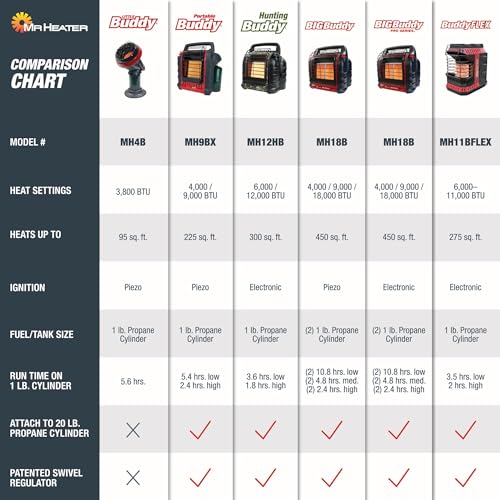
This is the big brother of the Buddy line, same trusted safety systems but built to meet stricter regional standards. It heats up to 225 sq ft, making it the strongest contender here for large wall tents or group shelters. The auto shutoff for tipping, low oxygen, and pilot-out scenarios is identical to the Buddy, but owners appreciate the swivel regulator that makes tank connections easier in tight spaces.
The real differentiator is its approval status in Massachusetts and Canada, which matters if you’re camping in regulated areas. That said, it’s overkill for solo or two-person tents. For larger groups or expedition-style trips where you’re heating a shared space, this is the smarter buy over smaller models.
Product photos
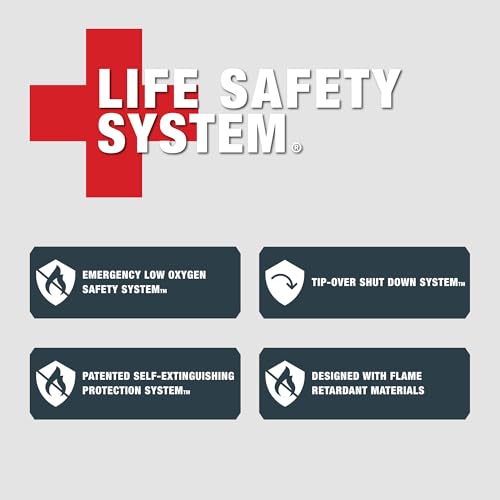
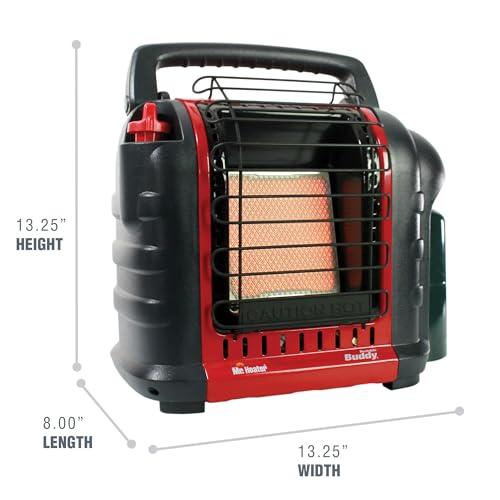
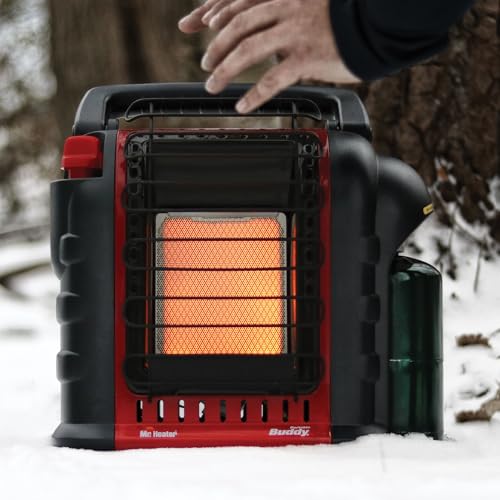
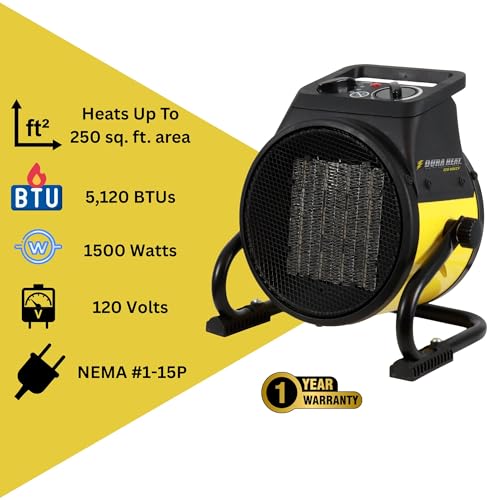
Dura Heat 5,120 BTU Electric
Strengths
- High 1500W output
- Thermostat control
- Overheat protection
Trade-offs
- Electric only
- No battery operation
- Louder than radiant heaters
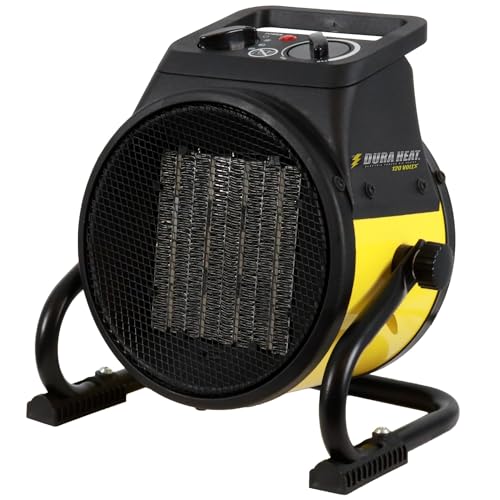
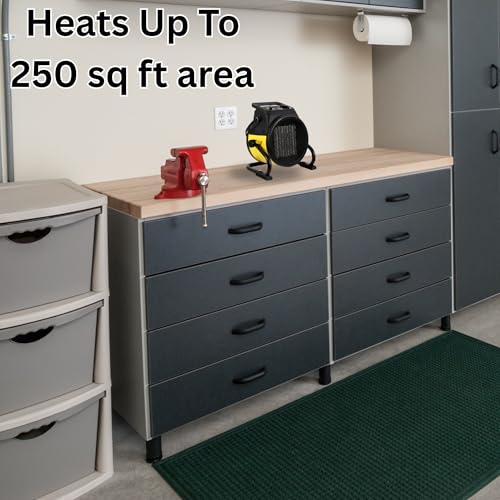
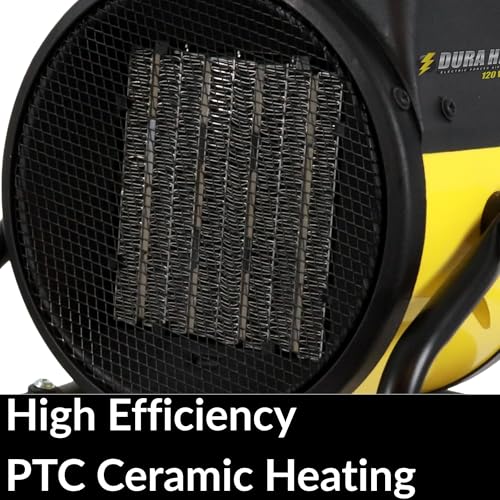
If you’ve got power, this heater delivers serious warmth. At 5,120 BTU and 1500W, it outpaces most propane units in raw output and heats up to 250 sq ft, perfect for a garage, cabin, or RV with shore power. The forced-air design means it circulates heat fast, and the built-in thermostat lets you avoid overheating small spaces. Owners praise its durability and the pivoting base that directs airflow where needed.
But it’s useless off-grid. No battery or fuel option means this belongs in powered environments only. Compared to portable gas heaters, it’s louder and less versatile, but in a workshop or heated tent plugged into a generator, it’s hard to beat for consistent output.
Product photos


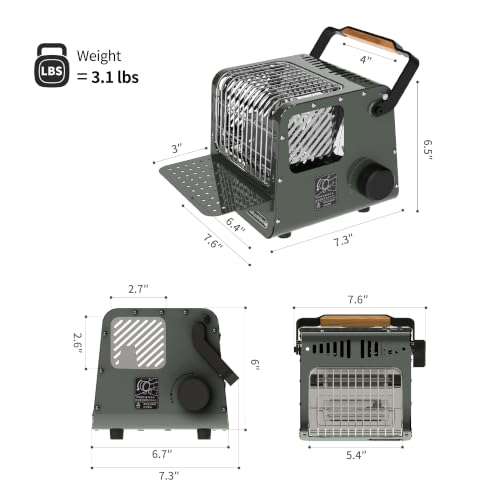
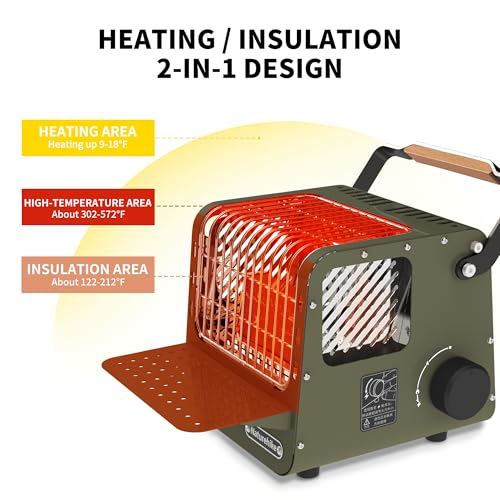
Naturehike 3750 BTU Butane Heater
Strengths
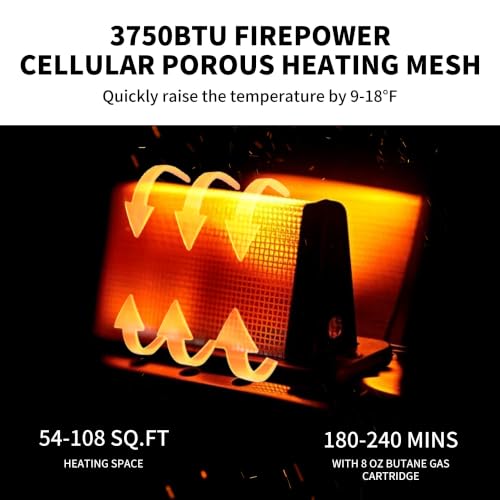
- 3750 BTU output
- Warming shelf included
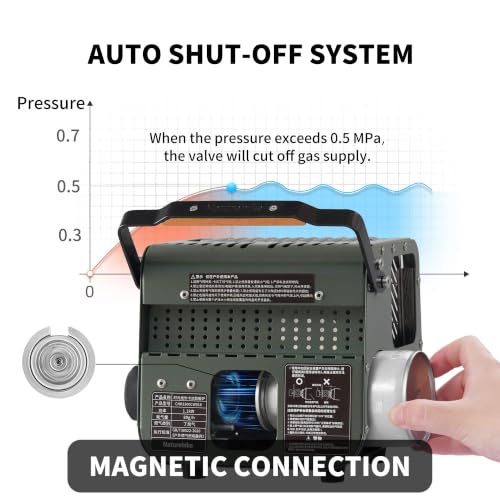
- Magnetic connection
Trade-offs
- Butane fuel sensitivity
- Short runtime at max power
- Not ideal for cold weather
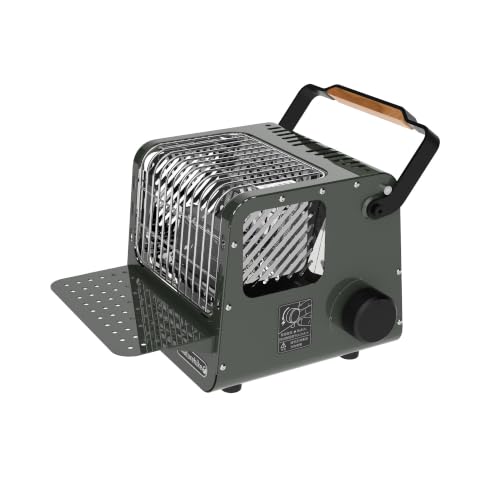
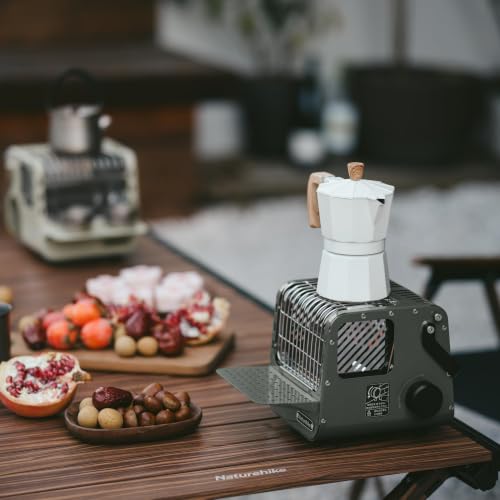
This heater stands out for campers who want more than just warmth, it’s built with a warming shelf, which is rare in this class. On paper, 3750 BTU won’t heat a large tent fast, but owners consistently report it’s enough for small two-person shelters, especially when paired with good insulation. The real win here is the multi-use design: you can warm drinks or dry gloves on the shelf, which blurs the line between heater and camp kitchen helper.
Still, it’s limited by butane, which struggles in cold weather unless kept warm (like in a pocket). That’s a known weakness of butane canisters below 40°F. If you’re car camping in shoulder seasons or using it on a covered patio, this makes sense. But for winter backpacking or high-altitude trips, propane is more reliable.
Product photos
INTCOLL Dual Fuel Portable Heater
Strengths
- Dual fuel compatible
- Self-ignition button
- Hardshell carry case
Trade-offs
- Lower heat output
- Base can feel wobbly on uneven ground
- No thermostat
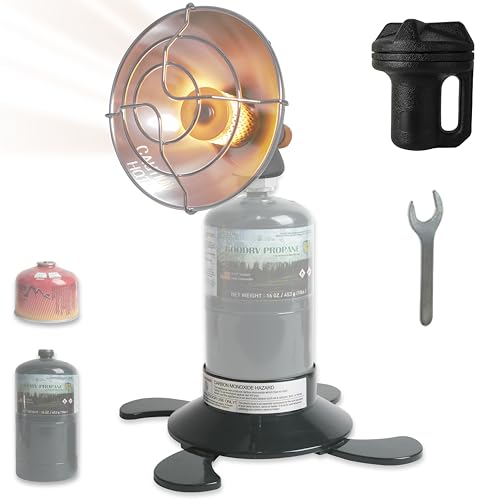
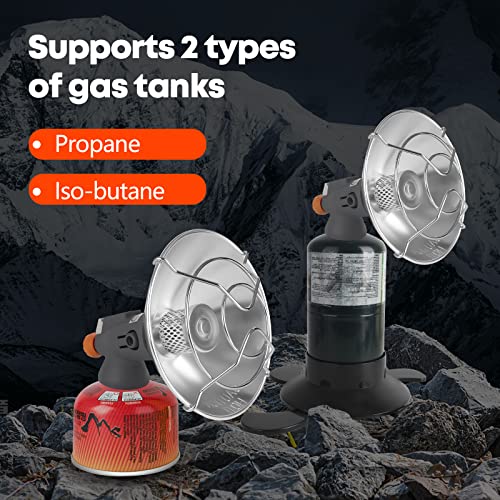
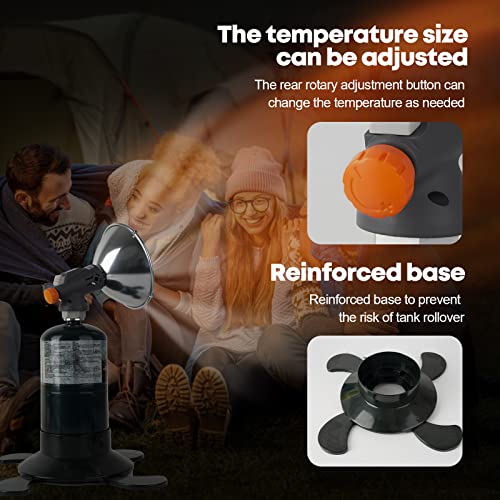
This one’s built for the minimalist. Dual-fuel compatibility means you can run it on either propane or iso-butane canisters, giving you flexibility based on what’s available or what performs better in the cold. The self-ignition system works reliably, per owner feedback, and the foldable base adds stability without adding bulk. At just over a pound, it’s one of the lightest serious heaters here.
It doesn’t put out as much heat as the Mr. Heater models, but for a solo backpacker or ice fisherman in a small shelter, that’s fine. The hardshell case is a nice touch, most don’t include one. Where it falls short is in max BTU; if you’re in a larger tent, you’ll want supplemental warmth.
Product photos

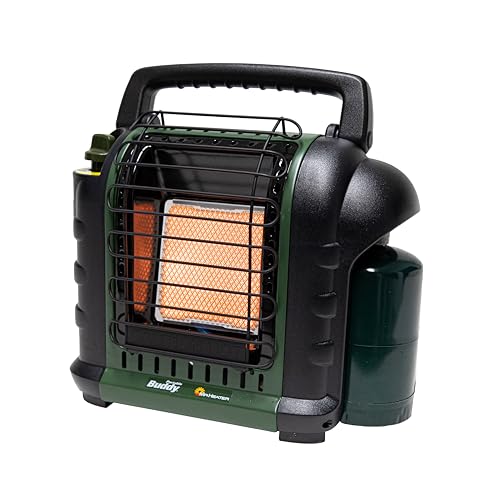
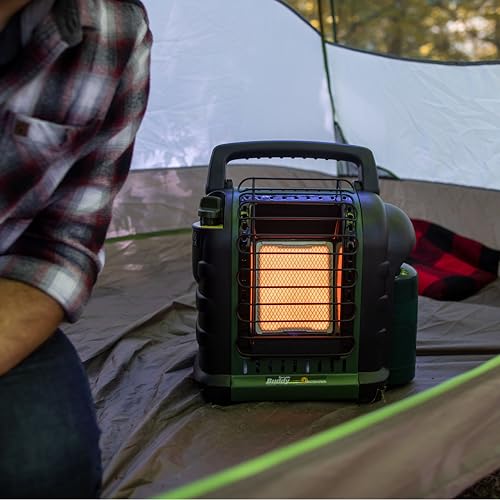
Mr. Heater Buddy 9,000 BTU
Strengths
- Indoor-safe certification
- 9,000 BTU max output
- Low-oxygen shutoff
Trade-offs
- Heavier than compact models
- Propane tank sold separately
- Shorter high-heat runtime
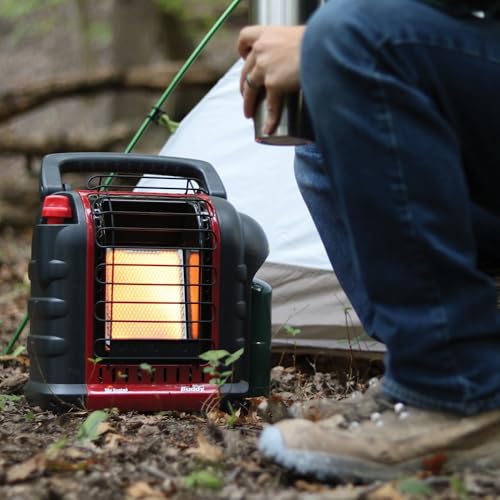
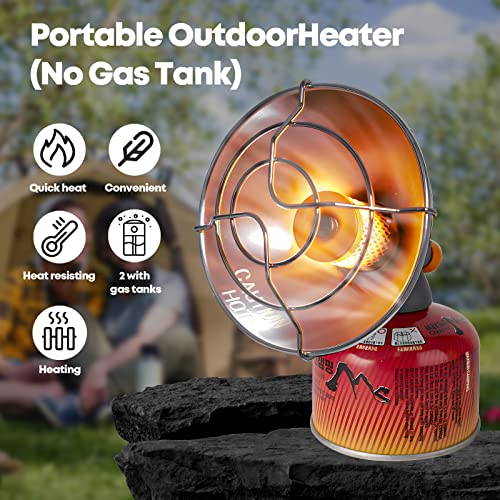
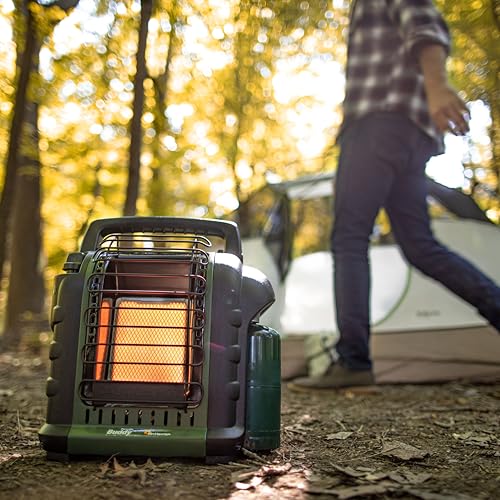
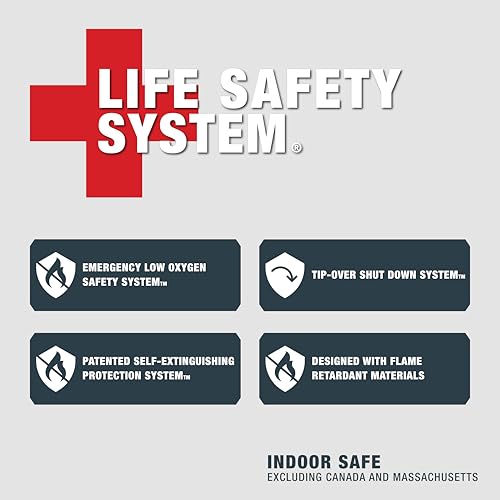
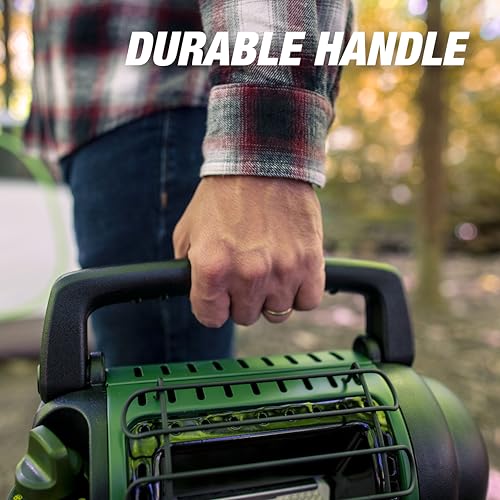
The Mr. Heater Buddy is a benchmark in portable heating for a reason. With a max output of 9,000 BTU and safety approvals for indoor use, it’s one of the few propane heaters you can reasonably use in a tent, provided ventilation is managed carefully. Reviewers note the radiant heat feels more direct and comfortable than forced-air units, and the low-oxygen shutoff is a major peace-of-mind feature. It’s not silent, but the glow and warmth are consistent.
Compared to budget models, this one feels sturdier and more thoughtfully engineered. The runtime isn’t class-leading, but at 5.4 hours on low, it’s practical for overnight use with a spare tank. It’s heavier than ultralight options, but that’s the trade-off for the safety tech and build quality.
Product photos
How We Picked These tent heaters 2021
As a long-time tent enthusiast, I know a chilly night can quickly ruin an otherwise perfect trip. Rather than a hands-on lab test with each model, my approach to ranking these tent heaters was research-led. I compared published specifications – BTU output, fuel type, safety features – and carefully weighed owner reviews from multiple retailers alongside expert opinions from outdoor gear websites. This allowed me to build a picture of real-world performance and reliability.
For tent heaters, I prioritized BTU output and safety features above all else. A higher BTU means faster heating, crucial for quickly warming a tent. Equally important are features like tip-over shutoff and oxygen depletion sensors; comfort is nothing without peace of mind. Portability and fuel versatility also played a significant role, as the ideal heater needs to be easy to pack and usable in various locations.
Specifications give a good baseline for heat output and fuel efficiency, but owner feedback revealed a lot about long-term durability and ease of use. I paid close attention to comments on ignition reliability, regulator quality, and how well the heater performed in genuinely cold conditions. Understanding tent heater safety tips was also key – user reports highlighted potential issues with carbon monoxide and ventilation, reinforcing the importance of prioritizing models with robust safety features.
What To Look For In tent heaters 2021
Choosing a tent heater requires a bit more thought than just grabbing the most powerful BTU output. You want to balance warmth with safety and practicality for your specific camping style.
A quality tent heater prioritizes safety features like tip-over shutoffs and oxygen depletion sensors. Beyond that, consider the fuel type, BTU output appropriate for your tent size, and portability. Look for models designed specifically for tent use – modifying a garage heater is a bad idea. Proper ventilation is absolutely critical, even with “indoor-safe” models.
BTU Output & Tent Size
The biggest mistake I see people make is overbuying on BTU output. More isn’t always better. A 9,000 BTU heater in a small, well-insulated tent is a fire hazard waiting to happen. You need to match the BTU rating to the square footage of your tent. As a general rule, aim for around 30-50 BTU per square foot. Beyond that, you’re just wasting fuel and increasing the risk of carbon monoxide buildup. Consider the climate, too. A colder environment will naturally need more output.
Fuel Type & Convenience
Propane heaters are the most common, offering a good balance of heat output and fuel availability. Butane heaters, like the Naturehike model, are often more compact and potentially safer for tent use, but fuel canisters can be harder to find in some areas. Electric heaters are an option if you have access to reliable power (RV camping, glamping), but they aren’t practical for most backpacking situations.
Here’s how the fuel types stack up: * Propane: Widely available, high BTU output. * Butane: Compact, potentially safer, limited fuel availability. * Electric: Requires power source, convenient if available, not portable. * Dual Fuel: Offers flexibility, but adds complexity and potential compatibility issues.
Safety Features & Ventilation
This is where you cannot compromise. Look for heaters with automatic shut-off features – tip-over protection, low-oxygen sensors, and pilot light failure shutoffs are all essential. But even with these features, proper ventilation is absolutely essential.
Never operate a propane or butane heater in a completely sealed tent. Always crack a vent to allow for fresh air circulation, even if it means slightly reducing the heat.
I always recommend reading reviews specifically regarding safety concerns. If multiple users report issues with a heater shutting off unexpectedly or smelling gas, steer clear. And don’t forget to research [safe tent heaters for camping] https://besttentreview.com/best-tent-heaters/ – you want to be informed! You’ll also want to look into [tent insulation for winter] https://besttentreview.com/how-to-insulate-a-tent-for-winter-camping/ to maximize the effectiveness of your heater.
Tent Heaters 2021 Compared
Here’s a comparison of specifications for popular tent heaters released in 2021 to help you make an informed purchase.
| Product Name | BTU Output | Fuel Type | Area Heated (sq ft) | Safety Features | Portability |
|---|---|---|---|---|---|
| 9000 BTU Portable Outdoor Heater | 9000 | Refillable Fuel | N/A | Tip-over, Low-O2 Sensor | Compact |
| 6200 BTU Propane Camping Heater | 6200 | Propane | N/A | Stable Base | Portable |
| Mr. Heater MH9BX Portable Propane | 4000-9000 | Propane | 225 | Tip-over, Low-O2 Sensor | Fold-down Handle |
| Dura Heat 5,120 BTU Electric | 5120 | Electric | 250 | Overheat Shutoff | Compact |
| Naturehike 3750 BTU Butane Heater | 3750 | Butane | 54-108 | Automatic Gas Shutoff | Carry Handle |
| INTCOLL Dual Fuel Portable Heater | N/A | Propane/Butane | N/A | Anti-Tip Base | Hardshell Case |
| Mr. Heater Buddy 9,000 BTU | 4000-9000 | Propane | 225 | Low-O2 Sensor | N/A |
Frequently Asked Questions
What BTU output is safe for a 4-person tent?
Around 4,000 to 6,000 BTU is generally safe for a 4-person tent, assuming it’s around 60-80 square feet. Exceeding 50 BTU per square foot significantly increases the risk of carbon monoxide buildup, even with ventilation.
Can I use a tent heater with a carbon monoxide detector?
Yes, you absolutely should. While a good heater has safety features, a carbon monoxide detector provides an essential second layer of protection. It’s a small investment for significant peace of mind, and I recommend one even with the safe camping tent heating options.
Are electric tent heaters more dangerous than propane?
Not necessarily, but the risks are different. Electric heaters eliminate the risk of carbon monoxide, but pose a fire hazard if overloaded or used with damaged cords. Propane heaters require careful ventilation to avoid carbon monoxide poisoning, but are generally more efficient for heating a tent.
What’s the best way to handle fuel canisters for butane heaters?
Store butane canisters in a cool, dry place away from direct sunlight and heat sources. Bring extras, but pack them securely to prevent damage during transport. Always check for leaks before use and never refill disposable canisters.
Do dual fuel heaters offer a real advantage?
Dual fuel heaters provide flexibility if you anticipate difficulty sourcing one fuel type. However, they can be more complex and potentially less efficient than single-fuel models, and compatibility issues between propane and butane can arise. I often recommend sticking with a dedicated fuel source for simplicity and reliability.
The Bottom Line
Choosing a tent heater often comes down to balancing convenience with control. You can spend a lot for a dual-fuel model with adjustable settings, or opt for something simpler and more affordable. For most campers, I believe the Mr. Heater Buddy 9,000 BTU strikes the best overall balance – the safety features are excellent, the adjustable heat output provides good control, and it’s a consistently well-reviewed option.
If you’re on a tighter budget, the 6200 BTU Propane Camping Heater is a solid pick. For those prioritizing portability and potentially safer indoor use, the Naturehike 3750 BTU Butane Heater is a compelling alternative, though you’ll need to plan ahead for fuel availability. And if you’re curious about the safety of this popular heater, you can learn more about Mr Heater Buddy safety.
Ultimately, the BTU rating and fuel type matter less than diligent attention to safety. Always prioritize a heater with multiple safety shut-offs, and never, ever operate it in a sealed tent. Proper ventilation and a carbon monoxide detector are just as crucial to a comfortable and safe camping experience as the heater itself.
