
7 Best Tailgating Tents of 2026
This post contains affiliate links. As an Amazon Associate, we earn from qualifying purchases.
The CROWN SHADES 10×10 is the best overall tailgating tent for its fast setup, solid weather resistance, and reliable UV protection. If you need more space on a budget, the Best Choice 12×12 delivers big coverage at a low price. For added ventilation and bug protection, the TIMBER RIDGE 11.5×9.8 stands out.
When you’re prepping for game day, the last thing you want is a tent that takes forever to pitch or collapses in a light breeze. A good tailgating tent should go up fast, stand up to sun and wind, and give your crew room to relax.
After comparing the field based on specs, owner feedback, and real-world performance, these models rise to the top for durability, ease of use, and smart features that matter in parking lot conditions.
Top 7 Tailgating Tents in the Market
The Best Tailgating Tents, Reviewed
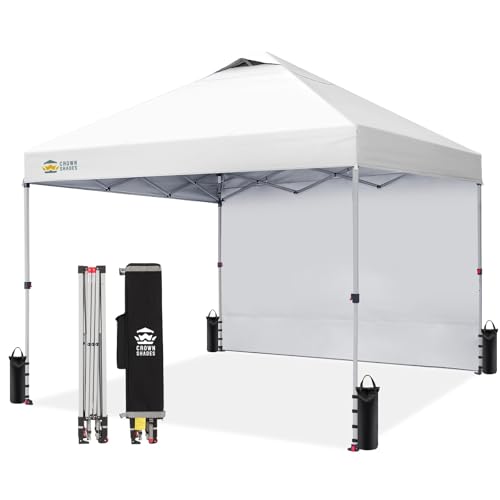
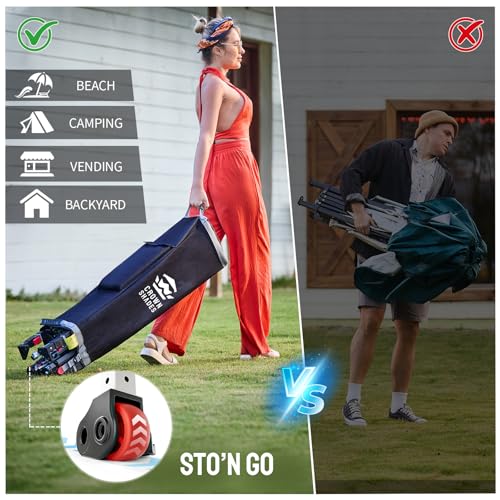
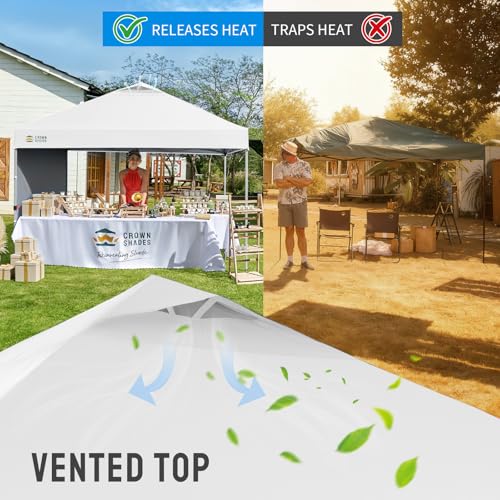
CROWN SHADES 10×10 with 1 Side Wall
Strengths
- Heavy-duty steel frame
- Smart STO-N-GO storage
- Includes one sidewall
Trade-offs
- Slightly heavier
- Two-person setup ideal
- Higher price point
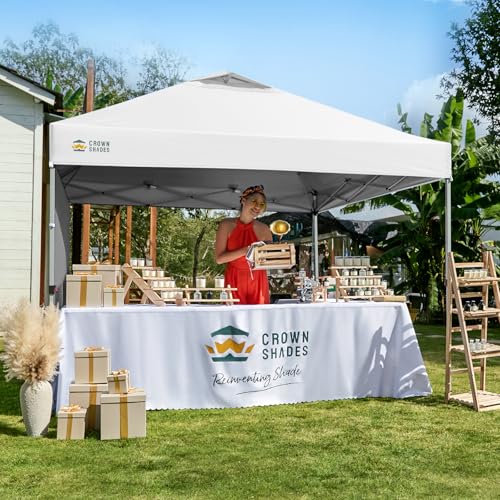
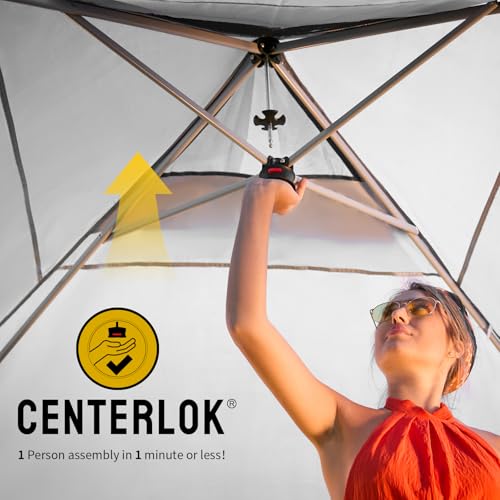
This is the tent I’d grab if I were heading to a full-day tailgate with friends, drinks, and gear to protect. The one-push Centerlok system feels like the next evolution in pop-up tech, owners say it’s smoother and more secure than standard spring-loaded buttons. And having a single sidewall included is a smart middle ground: you get wind or sun block on one side without suffocating the whole setup.
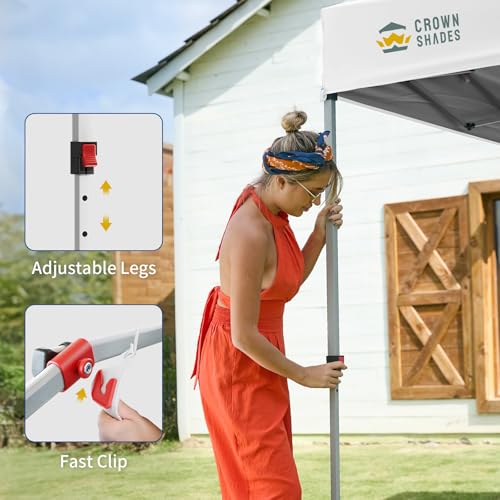
The steel frame is a standout. At 120 lbs of load capacity and with pinch-free height adjusters, it’s built to last longer than most in this category. The STO-N-GO system with built-in wheels and storage for stakes and sandbags is something I wish every canopy had, no more digging through a pile of loose parts. For serious tailgaters who want durability, smart design, and real upgrade potential with additional sidewalls, this is the benchmark.
Product photos
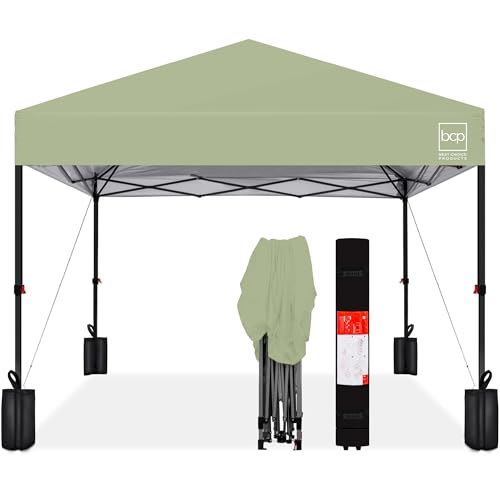
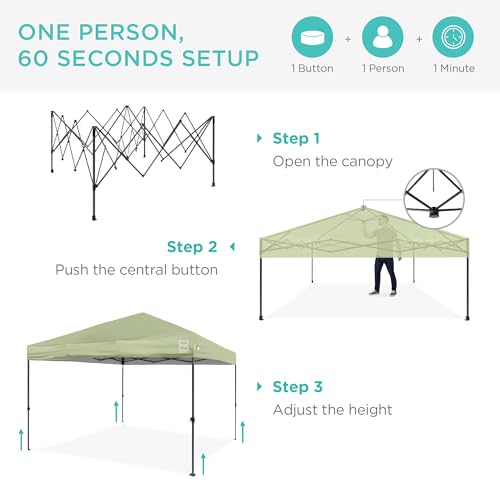
Best Choice 12×12 Pop Up Canopy
Strengths
- Maximum coverage
- One-person setup
- Rolling carry case
Trade-offs
- Harder to stabilize
- Bulky packed size
- Overkill for small groups
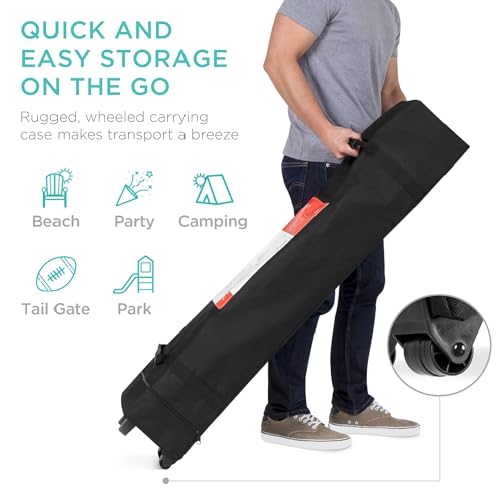
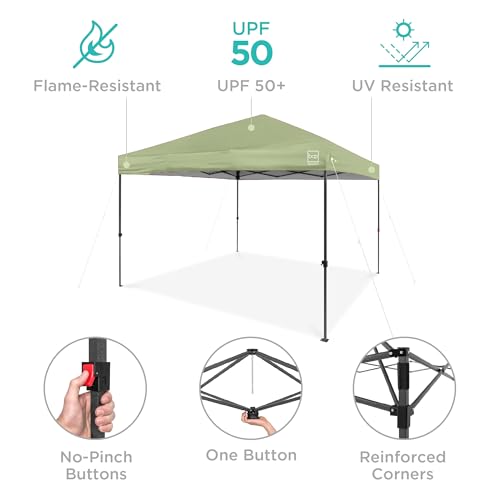
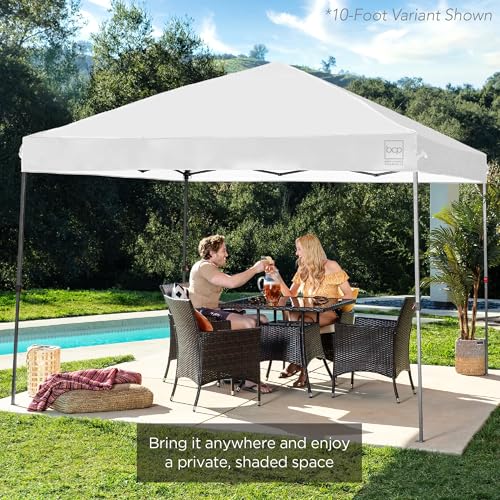
If space is your top priority, this 12×12 is the only real answer here. At 144 square feet, it doubles the coverage of smaller models, enough for multiple tables, grills, and a full fan crew. The setup is still one-person and under a minute, which is impressive at this size, and the rolling case handles the extra weight well.
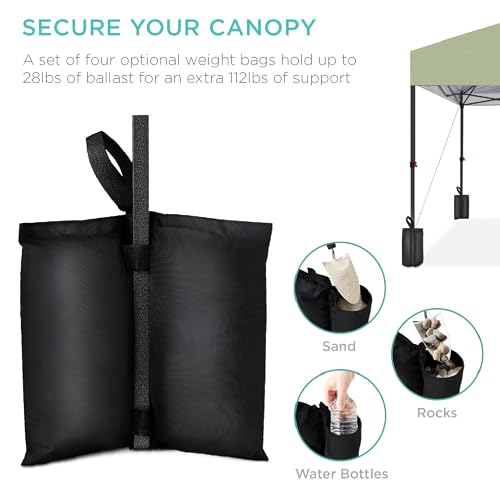
But bigger comes with trade-offs. It’s bulkier to store, needs more ballast (the included 112 lbs helps, but isn’t always enough), and catches more wind. Owners love it for spacious tailgates but admit it’s overkill for smaller groups. If you’re running a fan zone or have a large crew, this gives real room to breathe. Just don’t expect it to stay put on a gusty day without serious anchoring.
Product photos
TIMBER RIDGE 11.5×9.8 Pop Up Gazebo

Strengths
- Full bug protection
- Fast 60-second setup
- Good ventilation
Trade-offs
- Fiberglass frame less durable
- No sidewalls
- Not rainproof
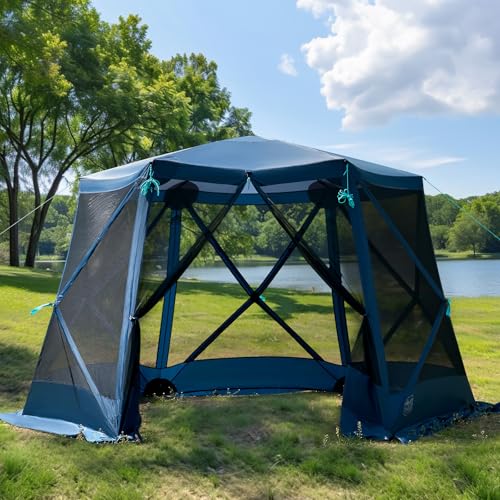
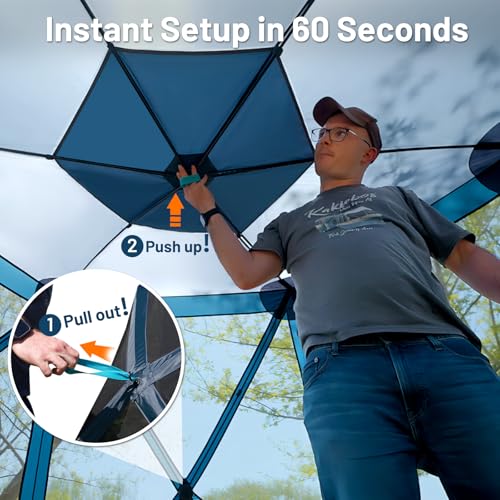
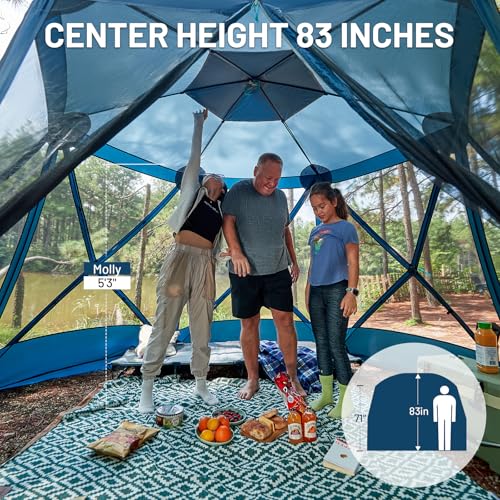
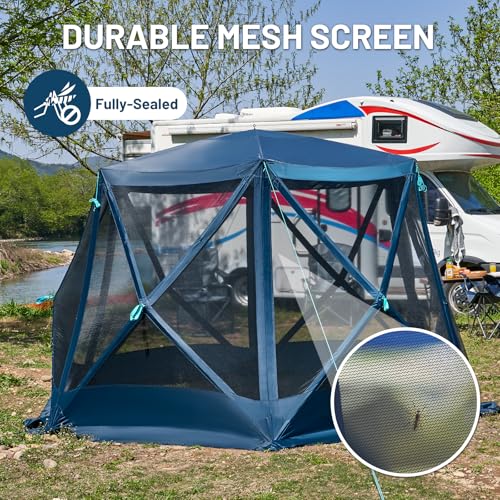
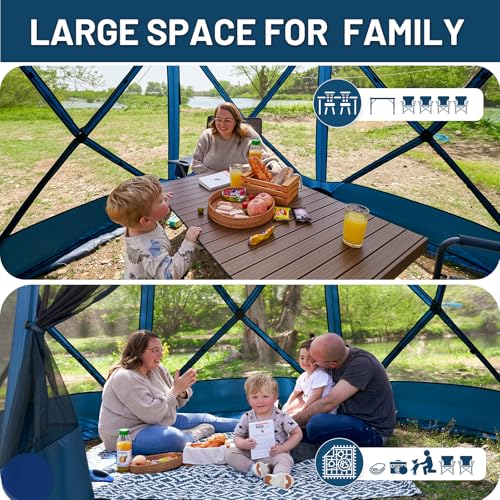
The standout here is the full mesh design, this isn’t just a canopy, it’s a screened-in zone you can pitch in 60 seconds. For tailgating in bug-heavy areas or summer evenings when mosquitoes swarm, that’s a massive win. The 11.5 x 9.8 ft footprint gives real room for chairs and a cooler, and reviewers emphasize how well the netting breathes while still blocking insects.
It’s not waterproof in the traditional sense, but the UV-resistant polyester top does its job in sun and light rain. The fiberglass poles add flexibility in wind, though they don’t handle heavy side loads as well as steel. If you’re camping nearby or tailgating in a grassy lot where bugs are an issue, this one fills a niche the others don’t.
Product photos
Best Choice 10×10 Pop Up Canopy

Strengths
- Low cost
- Simple setup
- Rolling carry bag
Trade-offs
- Less durable frame
- Lighter fabric
- Needs added weights
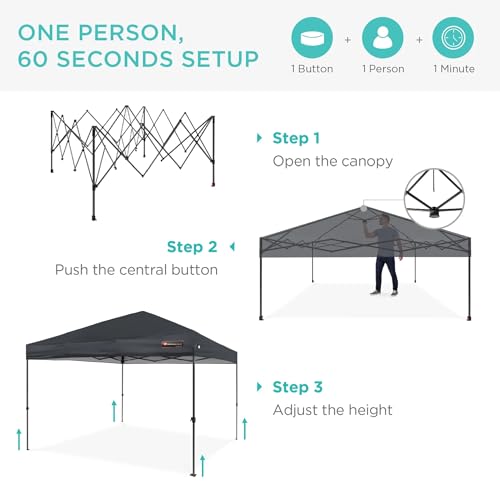
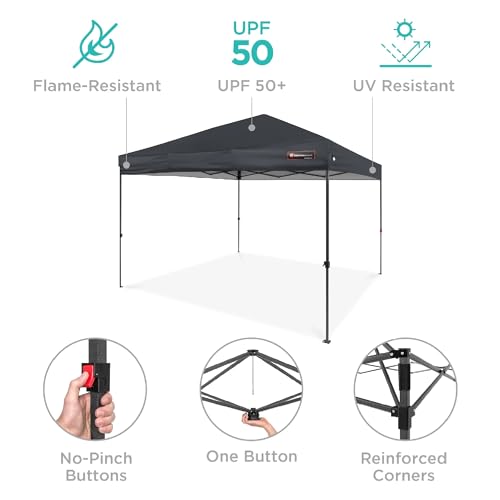
This is the budget king, and it shows in both pros and limitations. For the price, you get full 100 sq ft of shade, a rolling carry bag, and a one-minute setup that actually works. The central push-button mechanism is now industry standard, and here it’s refined enough that most owners don’t report jams or misfires.
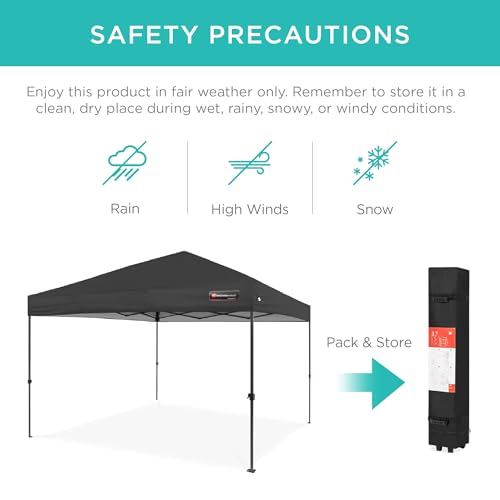
But it’s built to budget specs: thinner steel, lighter fabric, and a frame that can wobble in wind without the weight bags attached. It won’t last five seasons of hard use, but for casual fans who tailgate a few times a year, it’s more than enough. I’d recommend adding extra sandbags, the included ones help, but this tent needs ballast to stay upright in anything beyond a breeze.
Product photos

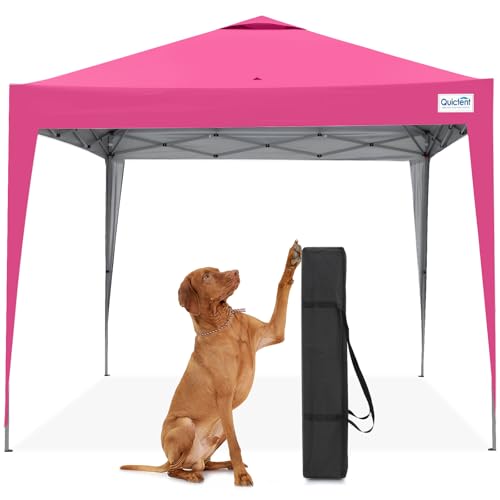
Quictent 10×10 Instant Setup Gazebo
Strengths
- Ultra-lightweight
- True one-person setup
- Excellent airflow
Trade-offs
- No sidewalls
- Limited coverage
- Less stable in strong wind
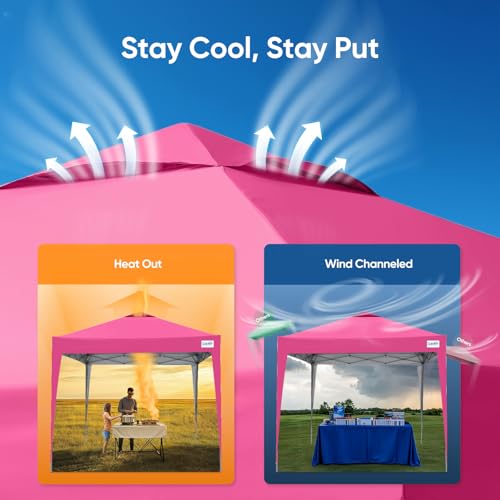
This is the kind of tent that makes you wonder why every pop-up isn’t this simple. On paper, the Quictent delivers exactly what lightweight tailgating demands, fast setup, true portability, and enough coverage for one or two people without hogging half the parking lot. The vented roof isn’t just a gimmick; owners consistently report it cuts down on that flapping noise in wind, which is rare at this price tier.
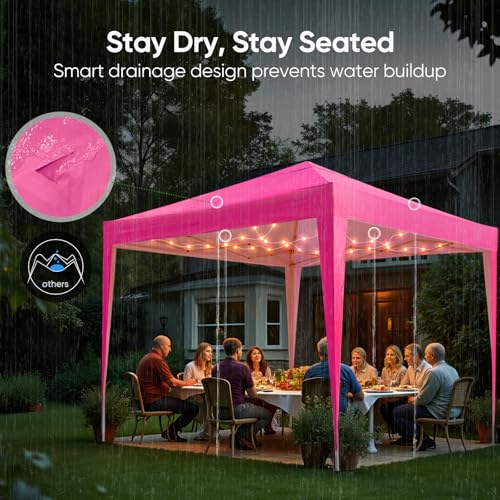
It’s not built for storms or long-term use, but that’s not the point. The lack of sidewalls keeps airflow high and weight low, and the waterproofing holds up in light rain thanks to those drainage holes. If you’re the type who shows up, sets up fast, and wants to enjoy the game without wrestling with poles, this is a solid go-to.
Product photos
Vinabilia 10×10 with Removable Sidewalls
Strengths
- Four removable sidewalls
- Sturdy steel frame
- Good ventilation with walls
Trade-offs
- Two-person setup
- Heavier than average
- Slightly slower deployment
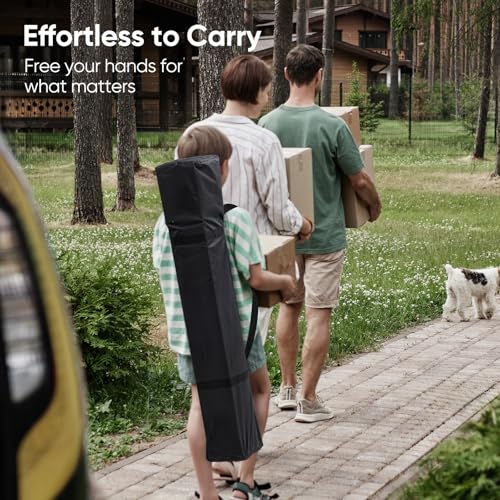
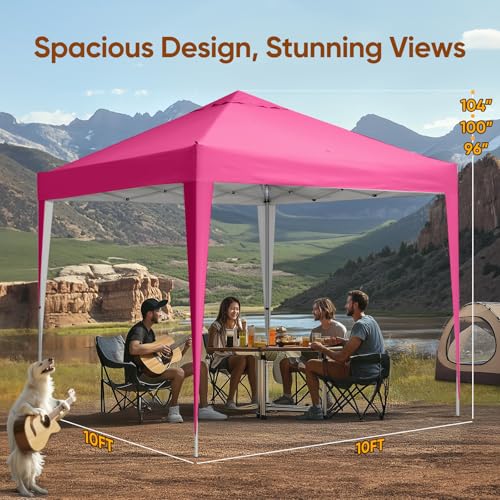
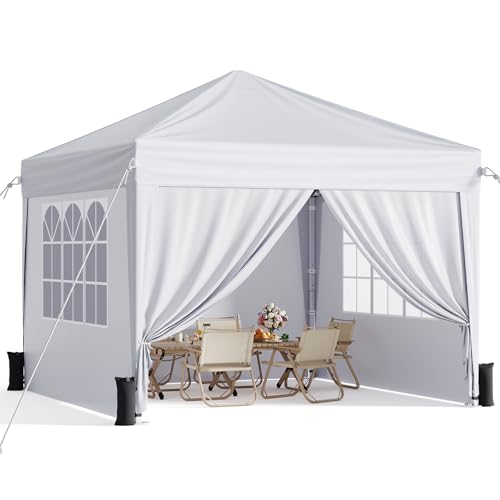
What makes the Vinabilia stand out is flexibility. Four removable sidewalls mean you can go from open-air to nearly enclosed in minutes, a big deal when the sun shifts or the wind kicks up. The 25mm steel frame is thicker than average, and owners note it feels sturdier than many rivals, especially when weighted down. At just under 31 lbs packed, it’s not the lightest, but the carry bag makes it manageable.
Setup is faster with two people, and while it’s not instant like a true pop-up, it’s still under five minutes. The sidewalls are mesh-windowed, so you don’t lose visibility or airflow when they’re up. For fans who want to adapt their space on the fly, say, turning a sunny side into shelter at halftime, this is the most customizable option here.
Product photos
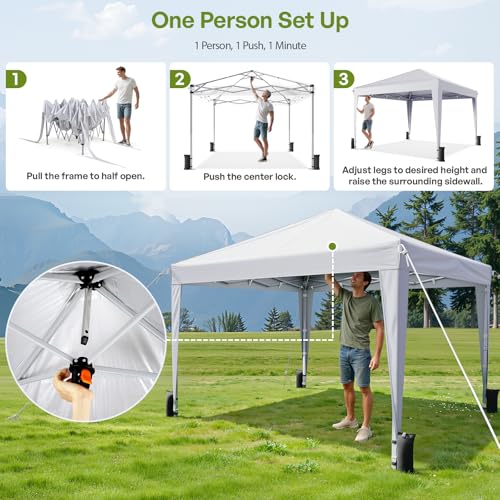
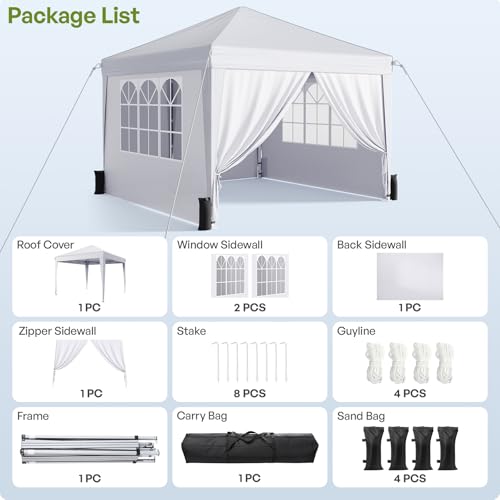
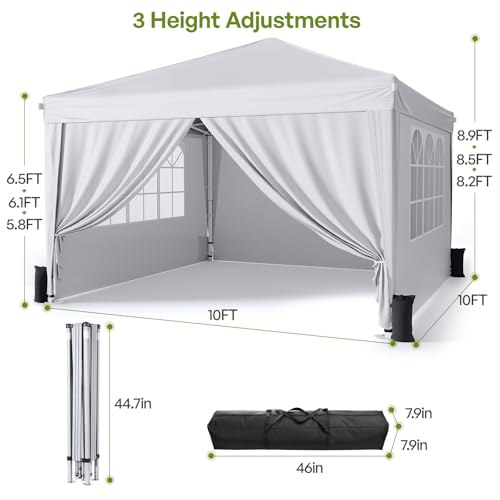
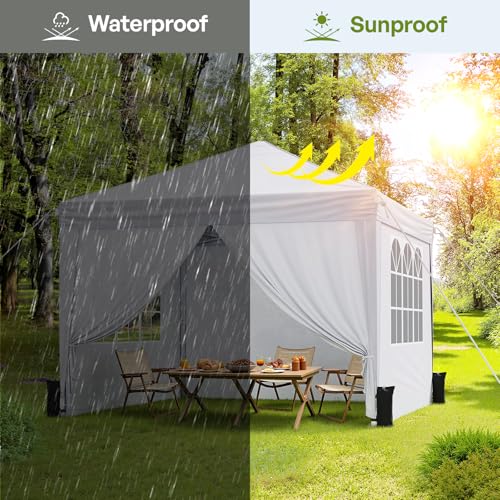
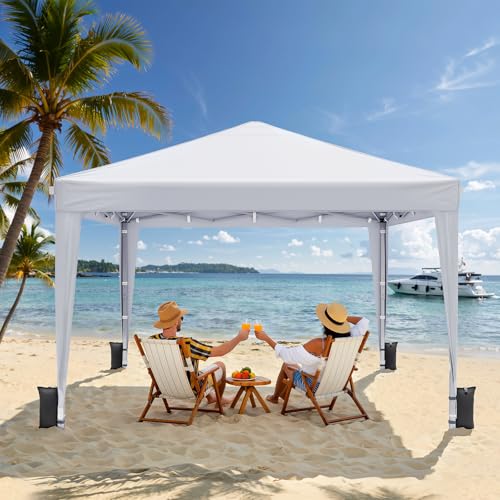
EAGLE PEAK 10×10 Slant Leg Canopy

Strengths
- True one-person setup
- Durable 150D fabric
- Excellent sun angle
Trade-offs
- Smaller shade area
- Slant legs reduce corner space
- No sidewall included
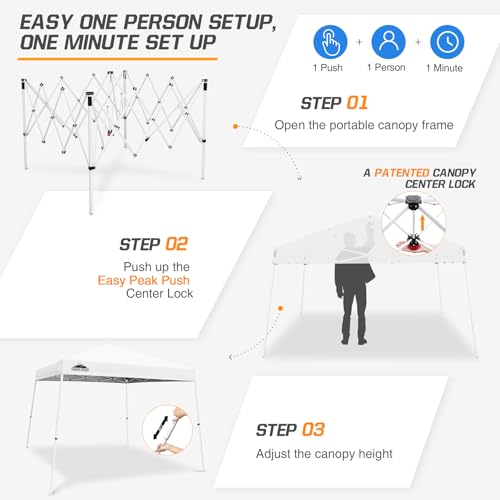
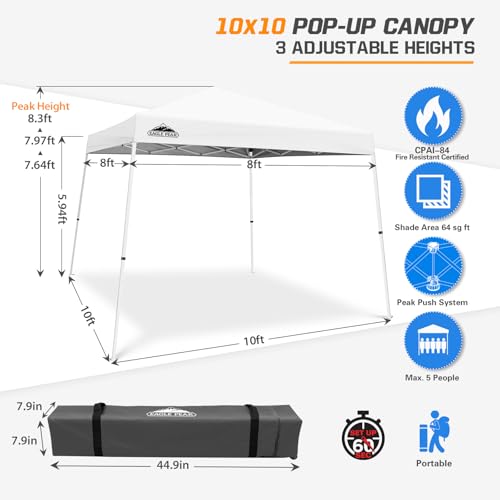
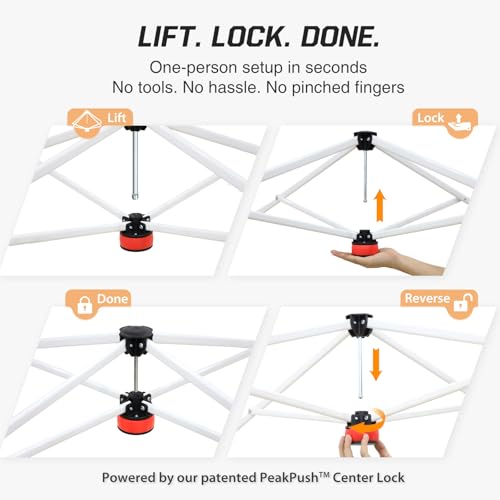
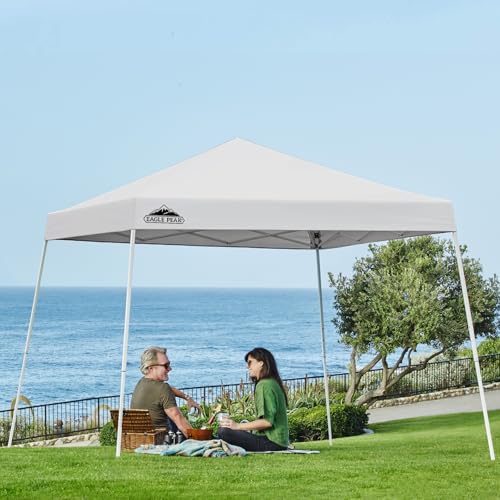
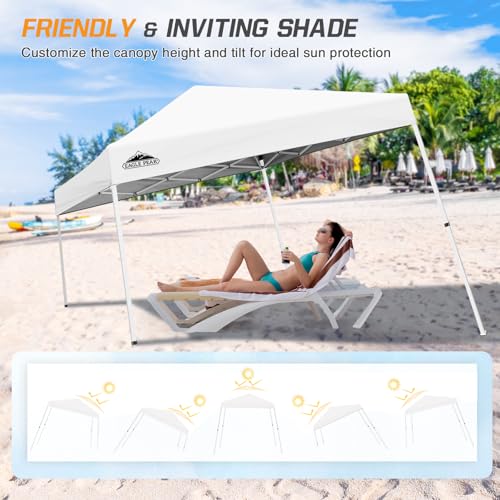
When a product claims “one-person setup,” most deliver a fiddly compromise. Not this one. The Peak Push system actually works, owners confirm you can deploy this canopy solo in seconds, and the slant-leg design improves stability while boosting afternoon shade coverage. It’s not quite 10×10 under the top, but that 8×8 shade footprint is more usable than it sounds, especially when angled into the sun.
The materials are legit: 150D oxford fabric with UPF 50+, CPAI-84 flame resistance, and a rust-resistant steel frame. That’s spec-grade protection you usually see in pricier models. The wheeled bag is rugged, and the one-year warranty covers frame and fabric, rare at this level. If you’re the only one showing up with shade and you don’t want help, this is the most reliable solo play.
Product photos
How We Chose These tailgating tents
My approach to evaluating tailgating tents focused on a research-led comparison of published specifications, owner reviews from multiple sources, and expert opinions within the outdoor gear space. Rather than a hands-on lab test, I weighed features against typical tailgating scenarios – quick setup, weather protection, and sufficient space for a group. I then ranked models based on how well they delivered on these expectations, considering price as a secondary factor.
For tailgating specifically, setup speed and ease were paramount, followed closely by the canopy’s ability to provide reliable shade and withstand moderate wind or brief rain. A spacious interior is also crucial for comfortably accommodating people and gear. These factors directly impact the enjoyment of a tailgate, and a tent failing in any of these areas diminishes the overall experience.
Specifications reliably indicate the materials used in the frame and canopy (steel gauge, fabric denier, UV protection ratings), while owner feedback and expert reviews offered insights into real-world durability, ease of setup as advertised, and the accuracy of sizing claims. I paid particular attention to comments regarding wind resistance and water repellency, as these are often areas where manufacturer descriptions differ from actual performance. Understanding pop-up tent advantages helped me contextualize the strengths and weaknesses of each model.
How To Choose The tailgating tents
Finding the right shelter for game day, a festival, or just a relaxing outdoor event takes more than just grabbing the cheapest option. We need to think about setup speed, durability, and how well it will actually protect us from the elements.
A quality tailgating tent balances ease of use with robust construction. Key considerations are frame material (steel is generally stronger than aluminum), canopy fabric denier (150D is a good baseline for durability), and features like sidewalls and venting for weather protection and comfort. Look for UV protection (UPF 50+) and water resistance, and don’t underestimate the importance of a solid carry bag and included accessories like stakes and guy lines.
Setup Speed & Simplicity
Let’s be real: nobody wants to spend an hour wrestling with poles and fabric when the pre-game is starting. The “pop-up” style tents are dominant for a reason, but even within that category, there’s a wide range. Look for models boasting “one-push” or “instant” setups, like the Best Choice 12×12, and read owner reviews to see if those claims hold up in practice. Some tents advertise one-person setup, but that might mean “one reasonably strong person who’s done it before.” A frustrating setup negates any other benefit.
Frame & Fabric Durability
A flimsy frame and thin canopy fabric are a recipe for disaster, especially if you plan to use your tent regularly or in less-than-ideal conditions. Steel frames are typically more robust than aluminum, but also heavier. The canopy fabric’s denier (D) rating matters; higher numbers indicate thicker, more durable material. 150D polyester is a solid starting point, and look for features like CPAI-84 flame resistance. Don’t assume higher price always equals better materials; check specifications carefully.
- A basic polyester canopy offers minimal weather protection.
- A 150D polyester canopy with a PU coating improves water resistance.
- A heavier, 300D polyester canopy with a PU and UV coating provides superior durability and sun protection, making it ideal for frequent use and harsher climates.
Portability & Accessories
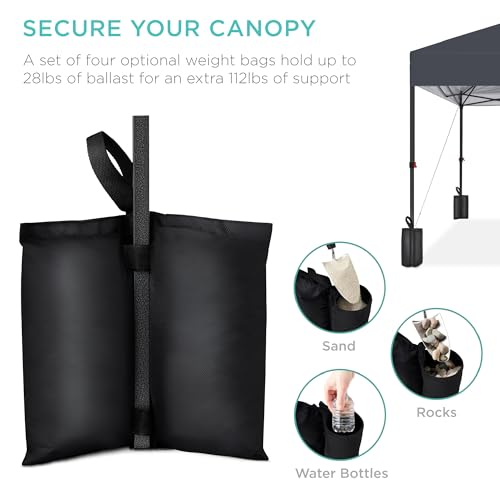
Even the most durable tent is useless if you can’t easily transport it. Consider the packed size and weight, especially if you’re short on vehicle space. A wheeled carry bag is a huge convenience. Beyond that, pay attention to included accessories. Stakes are often flimsy, so you might need to upgrade to canopy tent weights if you’re setting up on concrete or hard surfaces. Sidewalls offer valuable protection from wind and sun, and some tents even include sandbags for added stability. If you’re planning a camping trip alongside your tailgating, consider a look at SUV-attachable camping tents for even more flexibility.
A good rule of thumb is to always overestimate the weight of the tent when packed. It’s better to be prepared for a heavier load than to struggle getting it into your vehicle on game day.
Tailgating Tents Compared
Here’s a comparison of key specifications for popular tailgating tents to help you choose the right one for your needs.
| Product Name | Size | Setup Time | Waterproof | UV Protection | Special Features |
|---|---|---|---|---|---|
| CROWN SHADES 10×10 | 10×10 ft | Seconds | Yes | UPF 50+ | 1 Side Wall |
| Best Choice 12×12 | 12×12 ft | 1 Minute | N/A | N/A | Rolling Case |
| TIMBER RIDGE 11.5×9.8 | 11.5×9.8ft | 60 Seconds | Yes | Yes | Bug-Proof Mesh |
| Best Choice 10×10 | 10×10 ft | 1 Minute | Yes | N/A | Rolling Case |
| Quictent 10×10 | 10×10 ft | 2 Steps | Yes | N/A | Vented Top |
| Vinabilia 10×10 | 10×10 ft | <5 Minutes | Yes | Yes | Removable Sidewalls |
| EAGLE PEAK 10×10 | 10×10 ft | Seconds | Yes | UPF 50+ | Slant Leg, Easy Adjust |
Frequently Asked Questions
What size tailgating tent do I really need?
Generally, a 10×10 foot tent comfortably fits a table and a few chairs, while a 12×12 foot tent provides more space for larger groups and additional gear. Consider how many people you anticipate hosting and the amount of equipment you plan to bring when making your decision.
Are pop-up tents durable enough for repeated use?
Pop-up tents have improved significantly in recent years, though durability varies by model. Look for tents with a steel frame and a canopy fabric denier of at least 150D for better resistance to wind and wear, and don’t hesitate to upgrade the included stakes.
How important is UV protection in a tailgating tent?
UV protection is very important, as tailgates often involve extended periods of sun exposure. A canopy with a UPF 50+ rating will block approximately 98% of harmful ultraviolet rays, offering significant protection for you and your guests.
Can I use a tailgating tent in light rain, or do I need a fully waterproof option?
Most tailgating tents offer some level of water resistance, but few are completely waterproof. A polyurethane (PU) coating on the canopy fabric will improve water repellency, but for heavier rain, consider a tent with sealed seams and full sidewalls.
What are the benefits of sidewalls on a tailgating tent?
Sidewalls offer valuable protection from wind, sun, and light rain, creating a more enclosed and comfortable space. Removable sidewalls provide flexibility, allowing you to adjust the tent’s configuration based on the weather conditions and your preferences; if you plan on extended stays, consider investing in overlanding adventure tents for greater resilience.
The Bottom Line
Choosing a tailgating tent often comes down to balancing convenience with robustness. While a quick setup is tempting, especially when you’re eager to get the party started, don’t sacrifice build quality. For the best overall combination of features, ease of use, and durability, I recommend the CROWN SHADES 10×10. It offers a great balance for most tailgating scenarios.
If you’re on a tighter budget, the Best Choice 12×12 provides a lot of covered space for the price. For those who prioritize versatility and weather protection, the Vinabilia 10×10 with its removable sidewalls is a strong contender. And if you need a quick-assembly option with a wheeled case, the Best Choice 10×10 is a solid choice.
Ultimately, the best tailgating tent isn’t about the fanciest features or highest price tag. It’s about having a reliable shelter that protects you and your crew from the elements, and allows you to focus on enjoying the event. Prioritize a sturdy frame, durable canopy fabric, and a setup you can manage easily – those are the fundamentals that truly matter.
