
7 Best 2 Person Pop Up Tents of 2026
This post contains affiliate links. As an Amazon Associate, we earn from qualifying purchases.
The Mimajor 2-3 Person stands out as the best overall 2-person pop up tent, combining solid weather protection and roomy comfort. For a tighter budget, the Night Cat Upgraded delivers surprising value with its near-instant setup, while the Wakeman 2 Person is a strong pick if you prioritize ultralight portability and simple performance.
If you’ve ever wrestled with a tent in the dark while the rain picks up, you know why pop-up designs are tempting. But not every “instant” tent lives up to the hype, some sacrifice stability, space, or durability for speed. After comparing the field and digging into owner experiences, I focused on models that balance fast setup with real-world reliability.
This guide cuts through the marketing and highlights 2-person pop-up tents that deliver where it matters: in wind, rain, and tight spaces. I looked at specs, verified waterproofing claims, and prioritized feedback from campers who’ve used these tents on real trips, not just unboxings.
Top 7 2 Person Pop Up Tents in the Market
The Best 2 Person Pop Up Tents, Reviewed
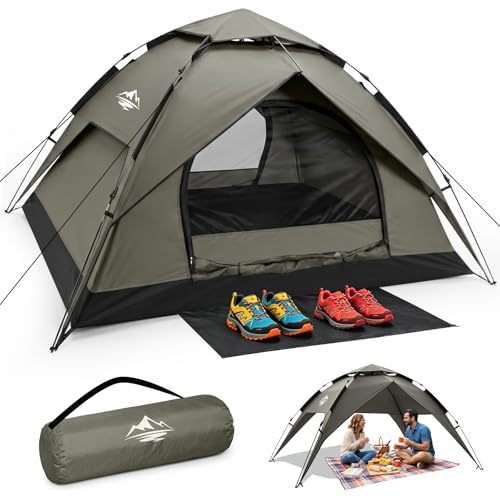
Mimajor 2-3 Person Instant Pop Up Tent
Strengths
- Detachable rainfly for dual use
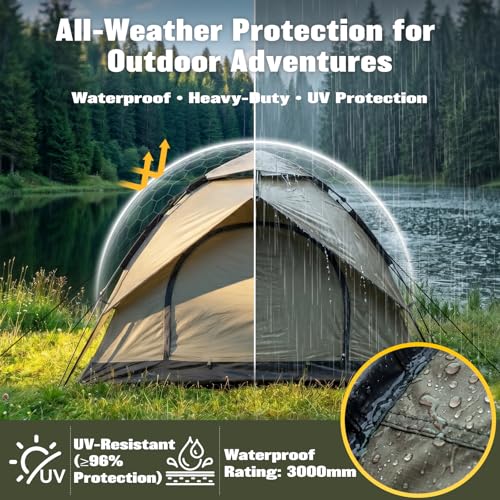
- Strong 3000mm waterproofing
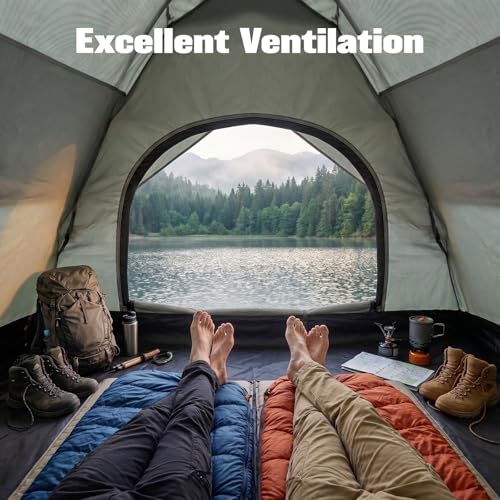
- Good ventilation and storage
Trade-offs
- 40-second setup not truly instant
- Slightly bulky for backpacking
- Assembly requires attention
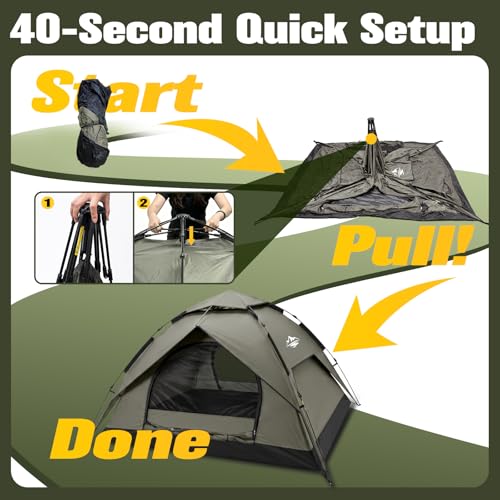
This one earns the ‘Best Overall’ label not because it’s perfect, but because it balances performance, versatility, and thoughtful design better than most in this category. The 40-second hydraulic-assisted setup isn’t instant-pop, but it’s consistent and secure, and the double-layer design – with detachable rainfly – gives you real flexibility. You can use just the fly as a sunshade or full shelter when weather turns, which adds serious utility.
The 3000mm waterproof rating and 210D polyester are above average, and owners report staying dry even after hours of rain. The frame feels sturdier than typical pop-ups, and the included stakes and guylines help in wind. At 3.5kg, it’s not ultralight, but it’s manageable for car camping. My only hesitation is the setup learning curve – you have to fully extend the legs first, or it won’t lock. But once you get it, it’s smooth. For the buyer who wants one tent to handle camping, hiking base camps, and beach days, this is the most adaptable option.
Product photos


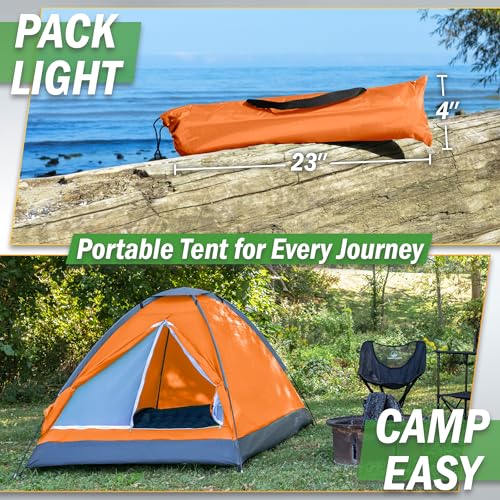
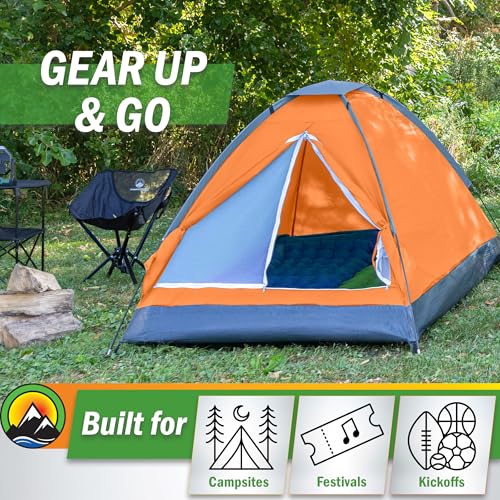
Wakeman 2 Person Lightweight Pop Up Tent
Strengths
- Extremely lightweight
- Budget-friendly
- Includes rainfly
Trade-offs
- Tight space for two
- Poor ventilation
- 3mm poles lack strength
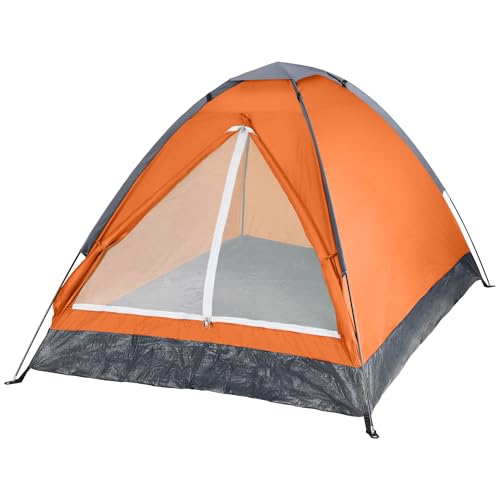
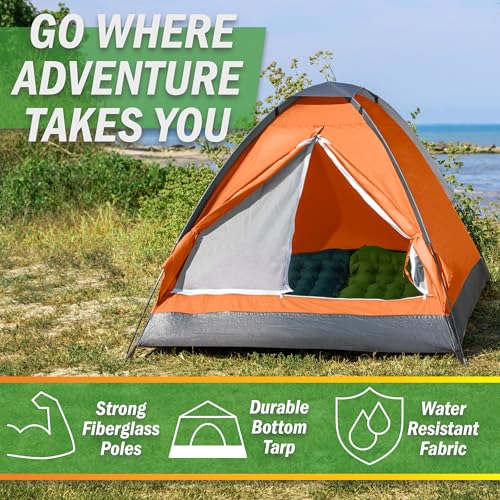
At just 2.75 lbs, this is the lightest tent here – a standout for anyone counting ounces, whether hiking short trails or packing for a music festival. The dome shape with fiberglass poles isn’t a true pop-up, but setup is still quick and simple, and the included rainfly adds a layer of weather flexibility most budget tents skip. For the price, that’s a real win.
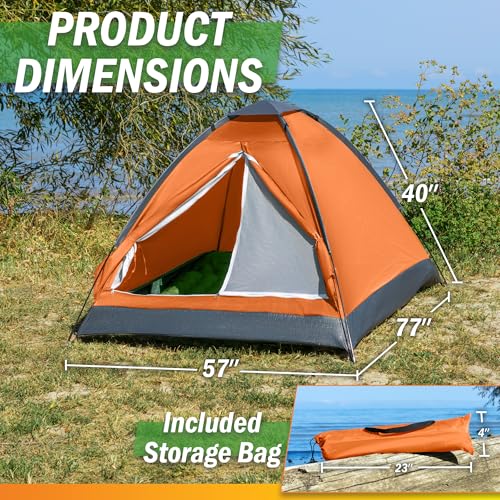
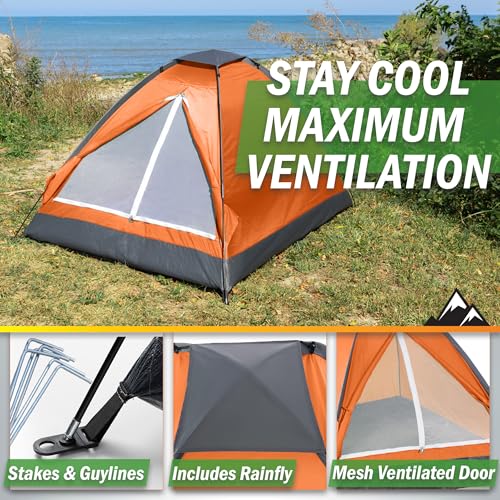
It’s not spacious – 77×57 inches barely fits two sleeping pads side by side – and the 3mm poles are flimsy in wind. Ventilation is minimal, just one small window, so condensation can build up. But for solo campers or couples on a tight budget who need something light and functional for fair weather, it gets the job done. Owners consistently call it ‘surprisingly sturdy for the cost,’ which tells me it overdelivers in durability within its class.
Product photos
Night Cat Upgraded Pop-Up Camping Tent
Strengths
- Ultra compact fold
- Lightweight at 3kg
- Spacious for two
Trade-offs
- No rainfly included
- Poles lack serious wind strength
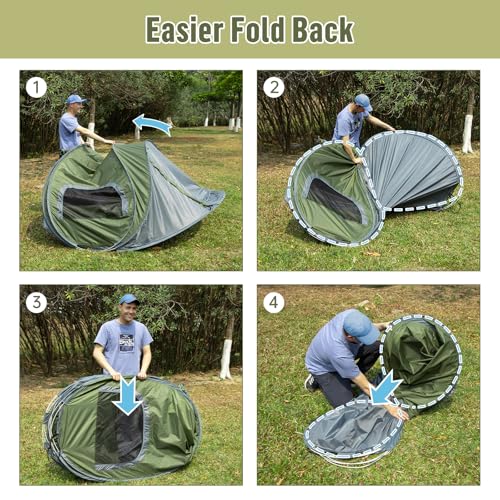
- Folding back requires practice
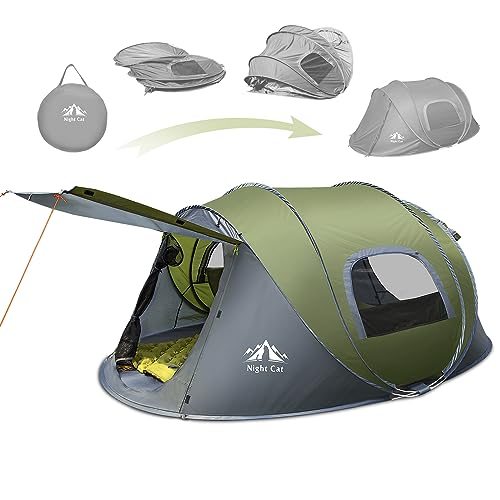
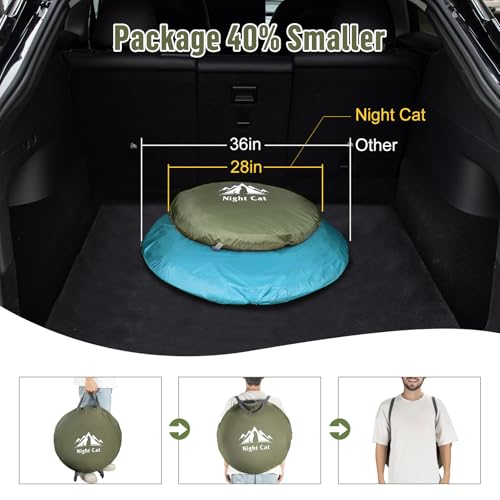
This tent stands out for how small it packs down – a real win for anyone tight on space or loading up a smaller vehicle. The claim of 40% smaller than traditional pop-ups seems to hold up based on the folded dimensions, and the hand strap with dual back straps makes carrying it from car to campsite actually manageable. For weekenders and fair-weather campers who value convenience, that compact design is a serious perk.
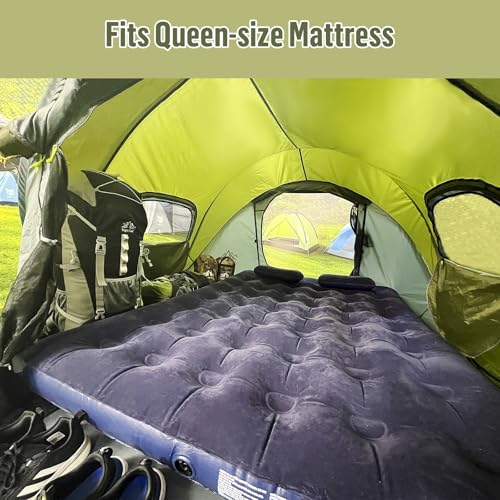
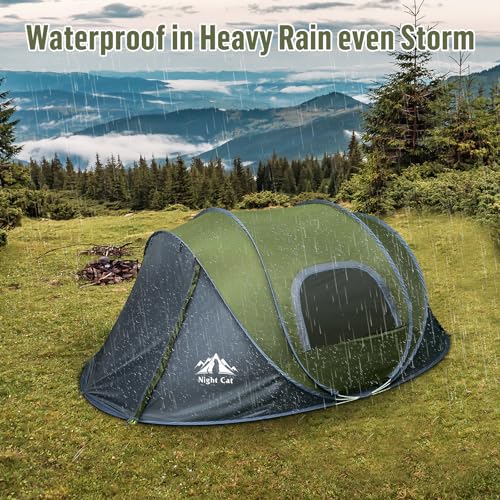
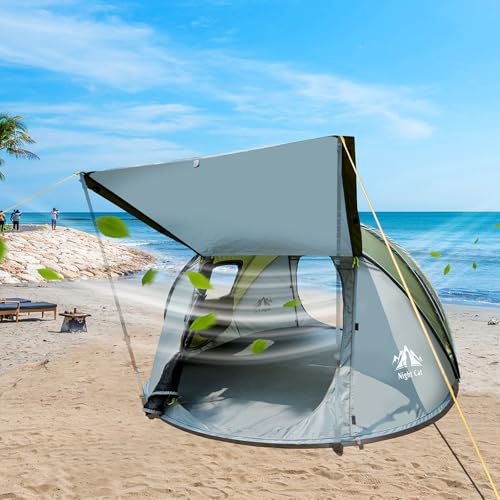
It’s rated for 2–4 people, but realistically, two adults with gear is the sweet spot. The 9.5×6.6 ft floor space is decent, and the dual doors with mesh windows help with airflow, though there’s no rainfly included, which limits its true all-weather capability. The PU2000mm waterproofing and taped seams are solid on paper, and owners report it holds up in light storms, but the 6mm poles feel average – not the strongest in high winds. If you’re after a quick-shelter for festivals or backyard use with some storm readiness, it’s capable, but not my first pick for exposed sites.
Product photos
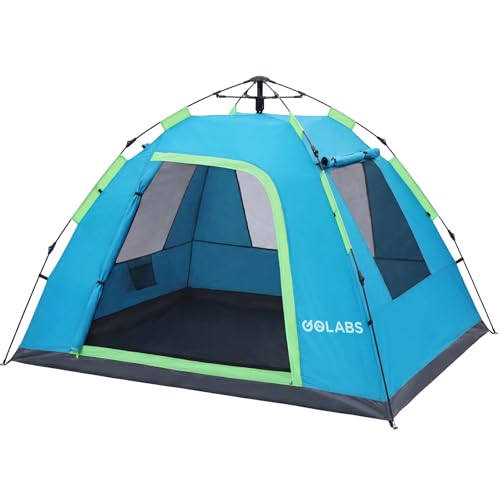
Golabs CT3 2 Person Instant Camping Tent
Strengths
- Superior mesh ventilation
- Good interior organization
- Sturdy fiberglass poles
Trade-offs
- Basic waterproofing
- Not for wet conditions
- Slightly heavier than some
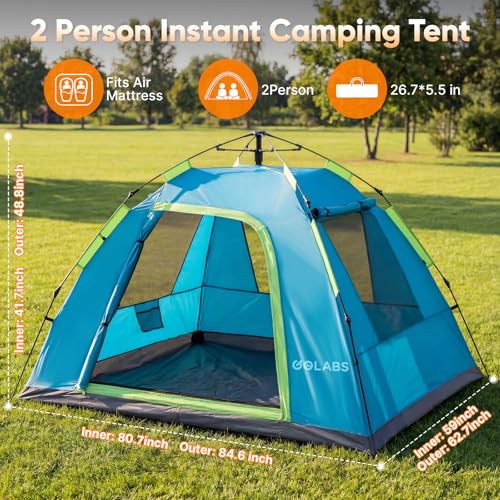
If breathability is your top concern – say you’re camping in humid southern summers or buggy lakeside spots – the Golabs CT3 is the clear winner here. Four side mesh panels plus mesh doors create cross-flow ventilation that owners rave about, keeping the interior noticeably cooler and less clammy than single-door pop-ups. You won’t wake up soaked in condensation, which is a real quality-of-life win.
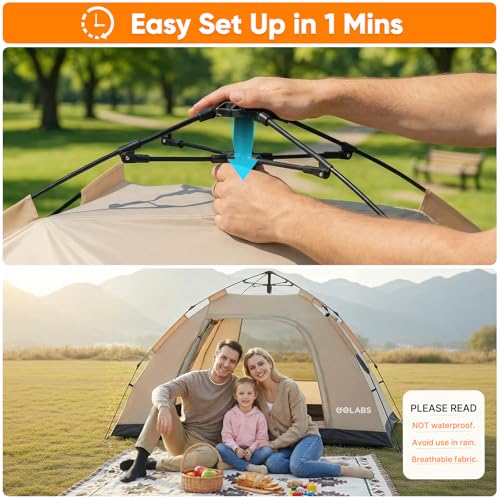
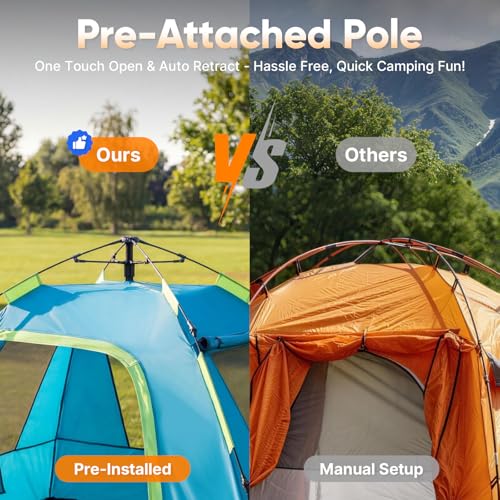
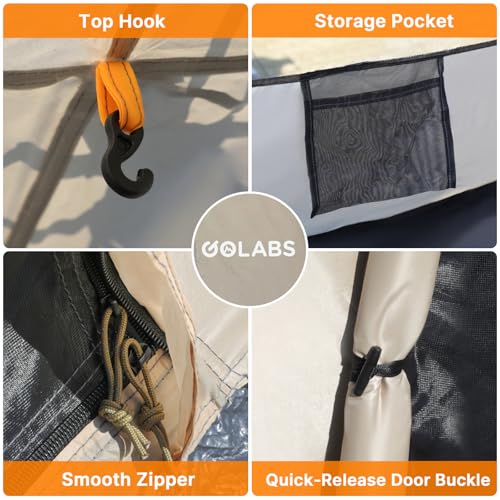
Setup takes about a minute with the center pole press-down system, and while not instant, it’s reliable and repeatable. The 4.8 lb weight is reasonable for car camping, and the interior pockets and lantern hooks add convenience. But the waterproofing is only basic – PE bottom and taffeta sides without a high PU rating – so it’s strictly fair-weather capable. I’d pick this for summer trips where bugs and heat are bigger threats than rain.
Product photos

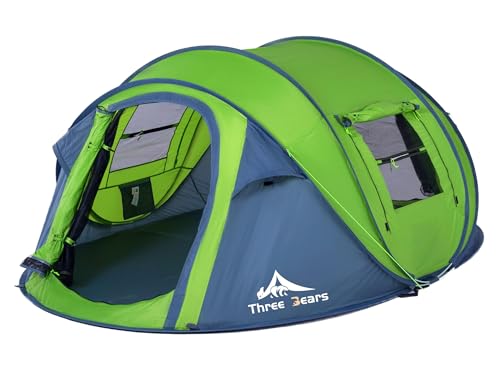
ThreeBears 2 Person Automatic Pop-Up Tent
Strengths
- Top-tier weather resistance
- Strong 6mm poles
- Excellent rain testing results
Trade-offs
- Heavier than average
- Folding takes practice
- No included rainfly video demo
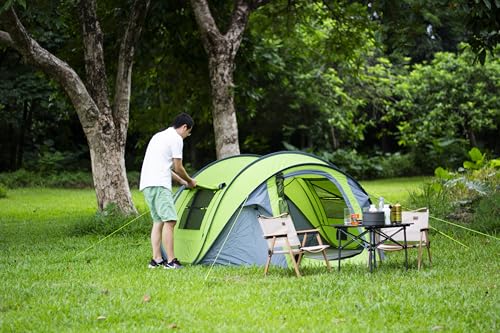
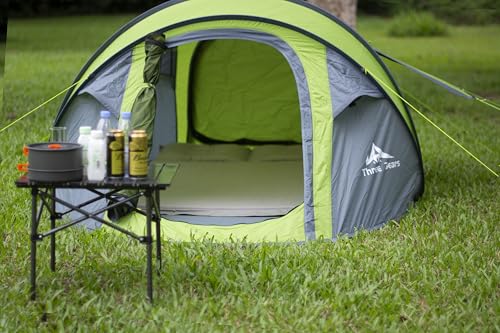
With a PU3000mm waterproof rating and full seam taping tested in heavy rain, this ThreeBears tent is built for weather that makes other pop-ups fold. The 6mm fiberglass poles – upgraded from 4.5mm – add noticeable wind resistance, and owners in milder climates report it held firm in gusty conditions where cheaper tents collapsed. If you’re camping in unpredictable areas where sudden storms roll in, that extra durability matters.
It’s also surprisingly roomy at nearly 9.5 feet long, and the dual honeycomb vents up top reduce condensation without sacrificing security. The mesh doors work well for airflow, and the ability to rig a porch with trekking poles is a nice bonus. But the size and 3.5kg weight make it less ideal for hiking. I’d pick this over others when weather resilience is the top concern – it’s not the fastest to set up (closer to a minute), but it’s the one I’d trust most when clouds roll in.
Product photos



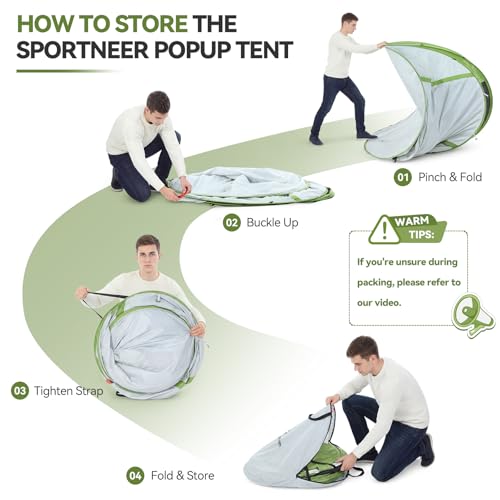
Sportneer 2 Person Pop Up Tent
Strengths
- Excellent UV protection
- Great airflow with top meshes
- Built-in power port
Trade-offs
- Only moderate rain resistance
- Not for extreme conditions
- Center height limits movement
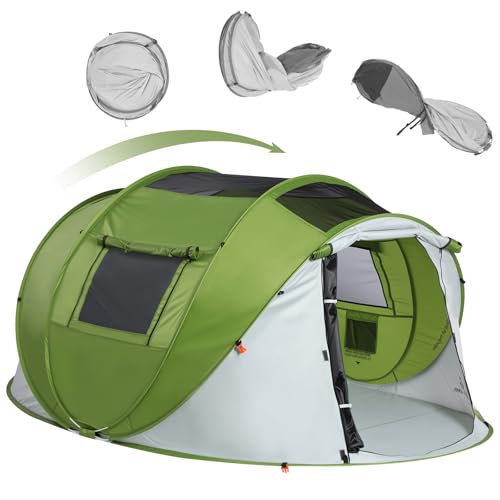
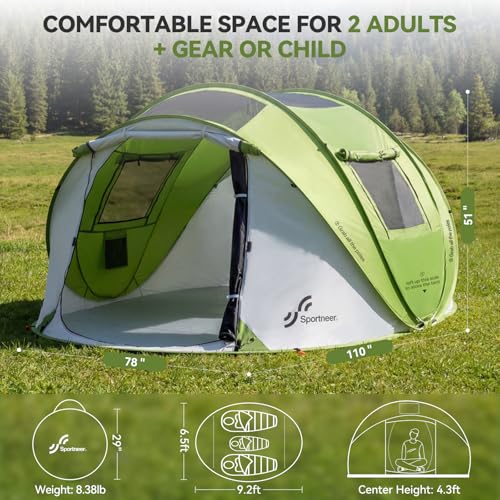
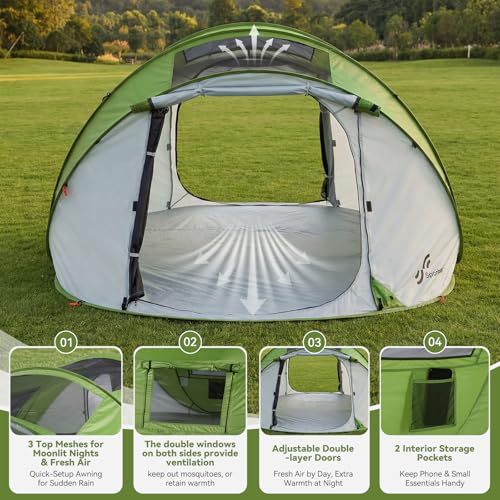
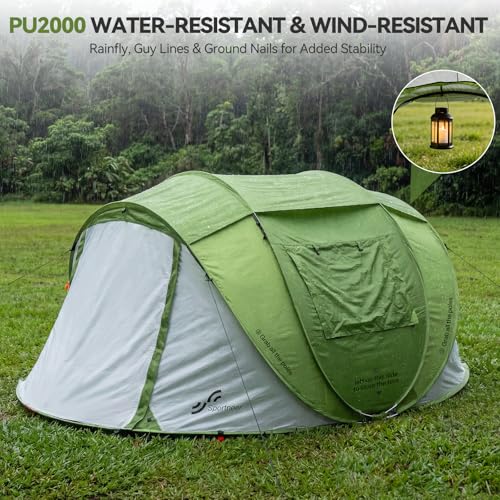
If UV protection is a priority – say you’re beach camping or spending long days in the sun – this Sportneer tent brings real value with its UPF 30+ fabric blocking over 96% of UV rays. That kind of coverage matters for comfort and safety, especially with kids. The 3-second pop-up is reliable thanks to pre-assembled poles, and owners consistently praise how foolproof the deployment is, even for first-timers.
Ventilation is strong here, with front/rear mesh doors and three top mesh panels creating that 360° airflow the brand advertises. The B3 mesh keeps bugs out effectively, and the power port is a small but appreciated touch for charging devices. That said, the rainfly is removable but the waterproofing is only PU2000mm – fine for light rain, but not for sustained downpours. I’d recommend this more for summer camping, festivals, or backyard stays where sun and bugs are the main concerns, not storms.
Product photos

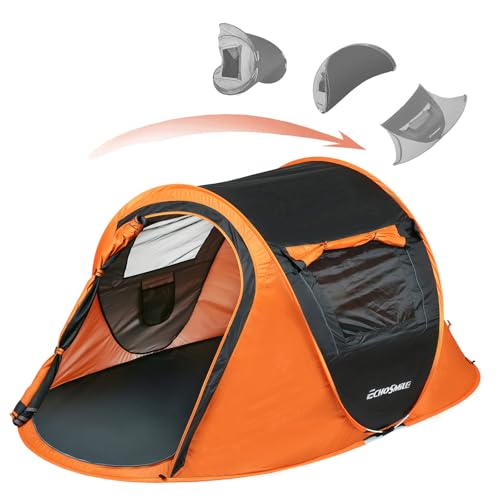
EchoSmile 2 Person Easy Setup Tent
Strengths
- Affordable entry point
- Reinforced pole joints
- Good bug protection
Trade-offs
- Low headroom
- Limited rain protection
- Not for rough conditions
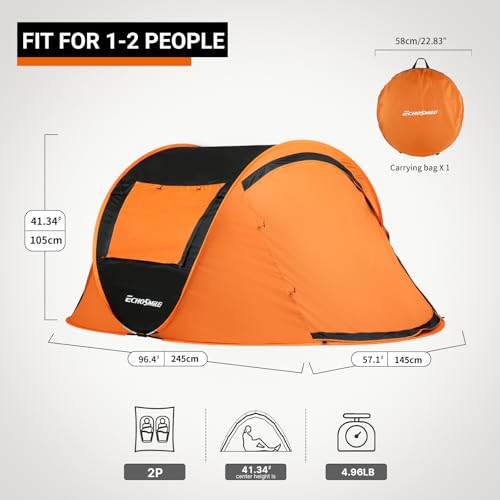
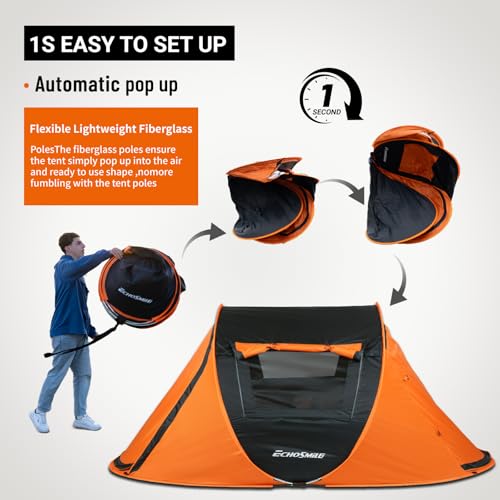
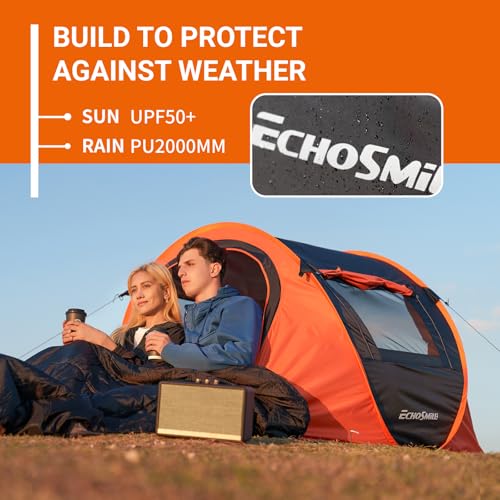
This is the most basic tent on the list, and it shows – but that’s not always a bad thing. At this price point, it delivers what it promises: a 10-second pop-up, decent space for two, and enough weather resistance for fair-weather camping. The steel-reinforced pole joints are a smart upgrade over cheaper models that snap easily, and owners note fewer broken poles during setup.
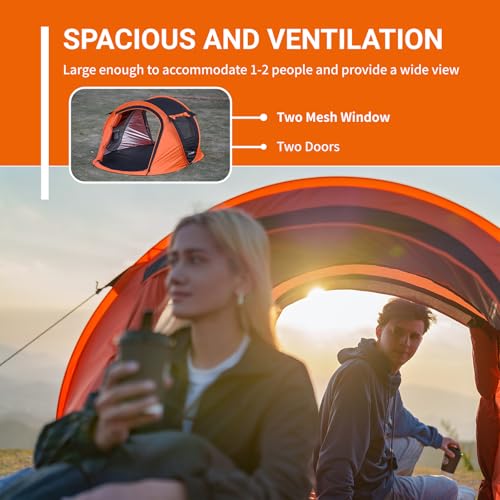
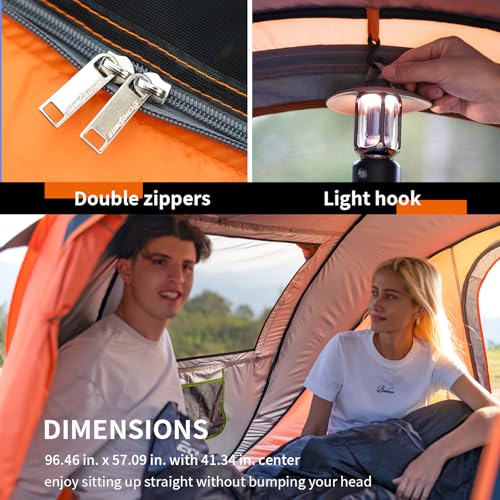
Ventilation is solid with four mesh windows and dual-panel doors, and the black-orange color scheme makes it easy to spot in a crowded campground. But the 41-inch center height means you’ll be crouching inside, and the PU coating isn’t rated beyond ‘water resistant’ – fine for drizzle, risky in real rain. For first-time buyers, kids’ play tents, or festival use where setup speed and cost matter most, it’s a sensible starting point. But don’t expect all-weather performance.
Product photos
How We Picked These 2 person pop up tents
Rather than a hands-on lab test, my research for these recommendations was a detailed comparison of published specifications and features across numerous models. I weighed owner reviews from major retailers alongside expert opinions found in camping and outdoor publications. As someone who spends a lot of time researching and planning trips, I applied my understanding of what makes a tent practical and durable for real-world use, ranking options against clear criteria.
For 2-person pop-up tents, the most important factors are ease of setup, weather protection, and portability. A quick pitch is key, as it means less time struggling and more time enjoying the outdoors. Reliable weather resistance, specifically waterproofing and wind stability, is crucial for comfort and safety, and a reasonable packed size and weight are essential if you’re not camping right next to your car. Understanding pop-up tent benefits is also important to know what to expect from this tent style.
Specifications reliably indicate a tent’s size, weight, and stated waterproof ratings, but I placed more weight on owner feedback regarding real-world performance. Owners share how a tent holds up after multiple uses, and whether the waterproofing truly delivers. Reputation and brand trust also factored in, as established companies tend to stand behind their products. Learning how pop-up tents work helped me interpret the details found in owner reviews.
What To Look For In 2 person pop up tents
Finding the right shelter for your next adventure starts with knowing what to look for in a pop-up tent.
A quality pop-up tent balances quick setup with durability, weather protection, and comfortable space. Key features include a robust frame that withstands wind, a waterproof rainfly and floor, effective ventilation to minimize condensation, and a design that prioritizes both portability and interior livability. Buyers should assess the materials used in construction, paying close attention to waterproof ratings and pole strength.
Setup Speed & Mechanism
Let’s be honest: the appeal of a pop-up tent is the speed of setup. However, not all mechanisms are created equal. Some tents truly do pop up in seconds with minimal effort, while others require a bit more wrestling. Don’t assume “instant” means effortless; read owner reviews to see if the tent lives up to the claim. Beyond the initial pitch, also consider how easy (or difficult) it is to collapse and store the tent. Many people struggle with folding pop-up tents and end up frustrated.
Waterproofing & Materials
Water resistance is critical, even if you don’t anticipate heavy downpours. Look beyond the advertised waterproof rating (measured in millimeters) and consider the overall construction. A 2000mm rating is a decent starting point, but fully taped seams and a waterproof floor are equally important. Polyester is a common material, but the denier (D) rating indicates thickness and durability; higher is generally better. The quality of the rainfly is also key – a full coverage fly that extends to the ground provides the best protection.
Size, Weight & Portability
Pop-up tents aren’t generally the first choice for backpacking, but for car camping, size and weight become a different calculation. A “2-person” tent may comfortably fit two sleeping bags, but if you want space to sit up, store gear, or move around, consider a larger model. Here’s what I look for when thinking about space: * A small increase in packed weight for significantly more interior room is often worth it. * Consider the dimensions of your typical camping mattress – you’ll want a floor that easily accommodates it. * Pay attention to the packed size, especially if you have limited vehicle space; some models come with compression straps to help minimize bulk.
A good rule of thumb is to overestimate the space you need rather than underestimate it. A little extra room can make all the difference in comfort and enjoyment.
If you’re still unsure of which model is right for you, check out our detailed guide to the top 2-person pop-up tents. And remember, understanding how to properly store your tent after a trip is just as important as choosing a quality model, learn about refolding pop-up tents to preserve its lifespan.
2 Person Pop Up Tents Compared
Here’s a comparison of key specifications for various 2-person pop-up tents to help you make an informed decision.
| Product Name | Capacity | Dimensions (L x W x H) | Weight | Waterproof Rating | Setup Time |
|---|---|---|---|---|---|
| Mimajor 2-3 Person | 2-3 | 88.6″ x 74.8″ x 55.1″ | 3.5 kg | 3000mm | 40 seconds |
| Wakeman 2 Person | 2 | 77″ x 57″ x 40″ | 2.75 lbs | N/A | Quick |
| Night Cat Upgraded | 2-4 | 9.5×6.6×4 ft | 3 kg | 2000mm | 3 seconds |
| Golabs CT3 2 Person | 2 | 81.8″x61.8″x51.1″ | N/A | N/A | 60 seconds |
| ThreeBears 2 Person | 2 | 112.2×76.8×47.2 inches | N/A | 3000mm | 1 minute |
| Sportneer 2 Person | 2 | N/A | N/A | PU2000mm | 3 seconds |
| EchoSmile 2 Person | 2 | 96.46” x57.09″ x 41.34″ | N/A | N/A | 10 seconds |
Frequently Asked Questions
What happens if a pop-up tent doesn’t “pop” up correctly?
Most issues stem from not fully releasing the safety straps or clips before attempting to open it; carefully check all release mechanisms and try again with a firm, level throw. If it still doesn’t work, refer to the manufacturer’s instructions, as some models have a specific sequence.
Are pop-up tents really durable enough for repeated use?
Durability varies significantly by model and price point, but many are surprisingly robust. Look for tents with thicker polyester fabrics (higher denier) and reinforced poles, and treat it with care when folding to avoid stressing the frame, investing in one of the best instant pop-up tents can help.
Can I use a pop-up tent for four-season camping?
Generally, no. Pop-up tents are designed for fair-weather camping due to their lighter materials and ventilation focused on warmer temperatures. Snow and strong winds can easily damage the frame and fabric, so they’re best suited for spring, summer, and fall use.
How do you prevent condensation inside a pop-up tent?
Adequate ventilation is key. Ensure all vents are open, and avoid completely sealing up the tent. If condensation is a persistent problem, consider using a separate groundsheet to reduce moisture wicking from the ground, or look at top-rated pop-up tents with enhanced airflow.
What’s the best way to store a pop-up tent when not in use?
Always ensure the tent is completely dry before storing it to prevent mildew. Loosely fold it following the manufacturer’s instructions, or watch a tutorial on how to do so properly. Proper storage helps maintain the springiness of the frame and prolongs the tent’s lifespan, making future uses with your easy setup pop-up tents much simpler.
The Bottom Line
Ultimately, choosing a pop-up tent comes down to balancing convenience with confidence. You can get a tent up in seconds, but a truly reliable shelter needs more than just a fast pitch. For the best overall combination of features and positive owner feedback, I recommend the Mimajor 2-3 Person tent. It strikes a good balance between quick setup, weather protection, and reasonable weight.
If you’re on a tighter budget, the Wakeman 2 Person is a solid choice, though you’ll likely sacrifice some durability and weather resistance. For those prioritizing maximum space and versatility, the Night Cat Upgraded is a good option, offering room for up to four people. And if you’re worried about getting it right, a quick look at a pop-up tent assembly guide can be a lifesaver.
Don’t get too hung up on millimeters or fancy materials. A well-designed tent with positive reviews from actual campers will always outperform a spec sheet. Focus on a robust frame, fully taped seams, and a design that feels thoughtfully constructed, those are the fundamentals that will keep you comfortable and dry when you’re out enjoying the wild.
