
6 Best Waterproof Tents for 2 People 2026
This post contains affiliate links. As an Amazon Associate, we earn from qualifying purchases.
The overall best 2 person waterproof tent is the Clostnature Ultralight 2 Person Tent, thanks to its high 5000mm waterproof rating and thoughtful design for serious backpackers. For budget-focused campers, the Mimajor 2-3 Person Instant Pop Up Tent stands out with quick setup and solid weather resistance.
Picking a 2-person tent that actually keeps you dry isn’t as simple as grabbing the first one labeled “waterproof.” Too many hikers end up damp, cramped, or wrestling with flimsy poles when the weather turns. I’ve been there, and I know how much difference the right shelter makes when you’re miles from the trailhead.
This guide cuts through the noise by comparing specs, real-world owner feedback, and trusted outdoor gear reviews to find tents that deliver true weather protection without sacrificing practicality. We focused on waterproof ratings, build quality, weight, and ease of use to highlight models that hold up when it counts.
Top 6 2 Person Waterproof Tents in the Market
The Best 2 Person Waterproof Tents, Reviewed
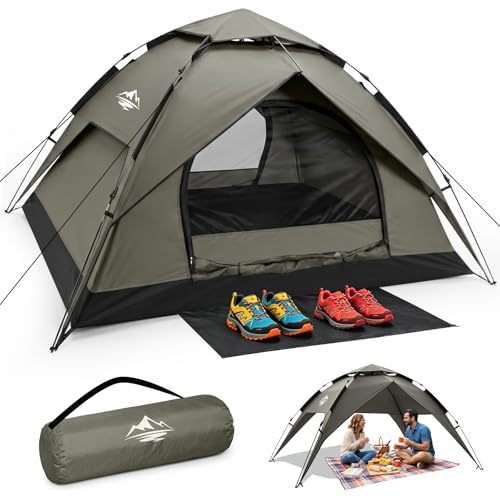
Mimajor 2-3 Person Instant Pop Up Tent
Strengths
- 3500mm waterproof rating
- Detachable rainfly
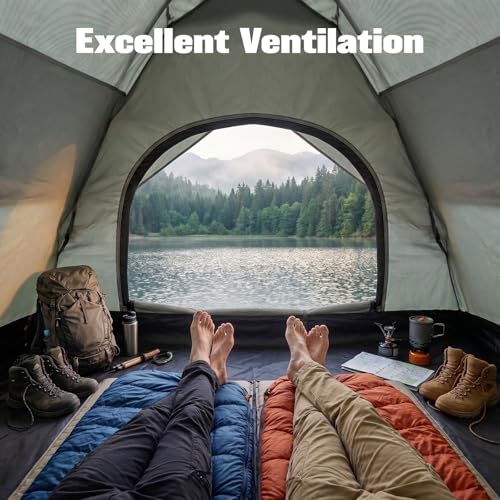
- Excellent ventilation
Trade-offs
- Heavy for backpacking
- Bulky packed size
- Setup requires correct leg expansion
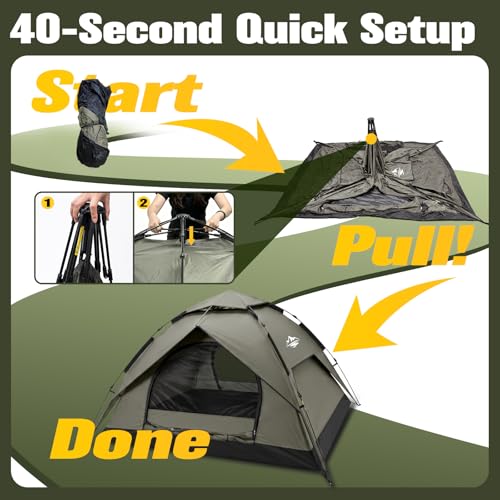
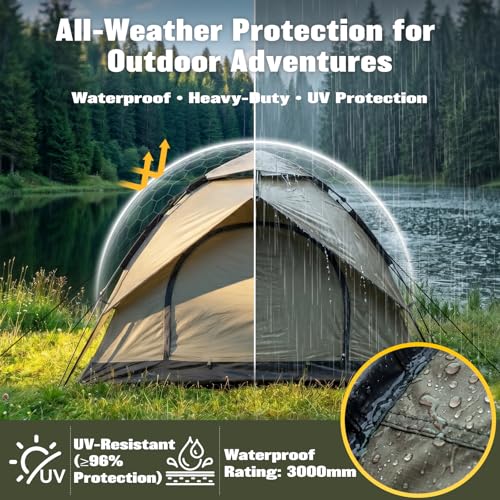
This Mimajor tent markets itself as the best overall, and on specs alone, it’s easy to see why. The 3500mm waterproof rating, fully taped seams, and double-layer construction suggest serious weather readiness, owners in rainy regions confirm it keeps the interior dry even during overnight storms. The 40-second hydraulic-assist setup is a standout for those with limited mobility or patience, and the detachable rainfly adds serious versatility, doubling as a sunshade or picnic cover.
At 3.5 kg, it’s heavier than backpacking norms, but the spacious 41.7 sq ft floor makes it a standout for car-based trips. Ventilation is strong with dual mesh doors and windows, and the included welcome mat is a small but appreciated touch. While not ultralight, its adaptability and durability make it a top contender for multi-use outdoor living.
Product photos


Kelty Late Start 2P Backpacking Tent

Strengths
- Color-coded setup
- Eco-friendly fabrics
- Lightweight and compact
Trade-offs
- Lower waterproof rating
- Single door limits access
- Vestibule on one side only
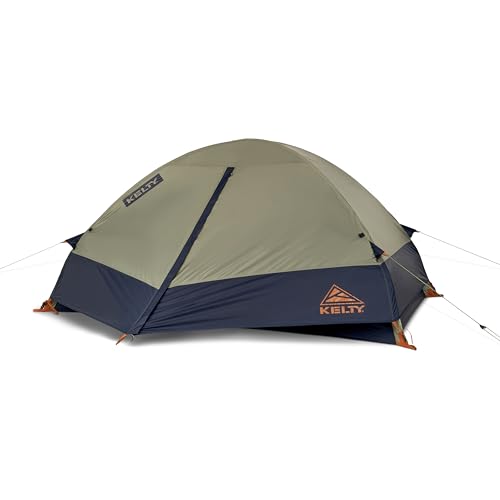
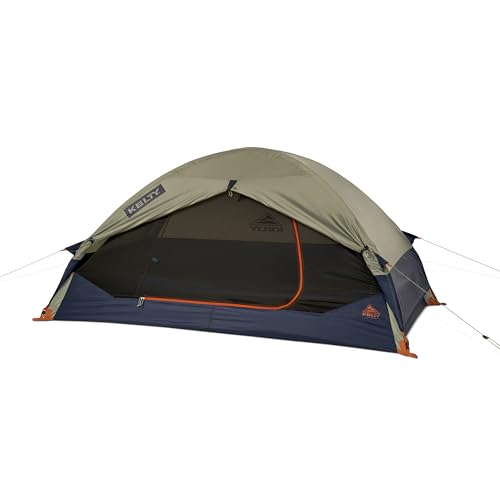
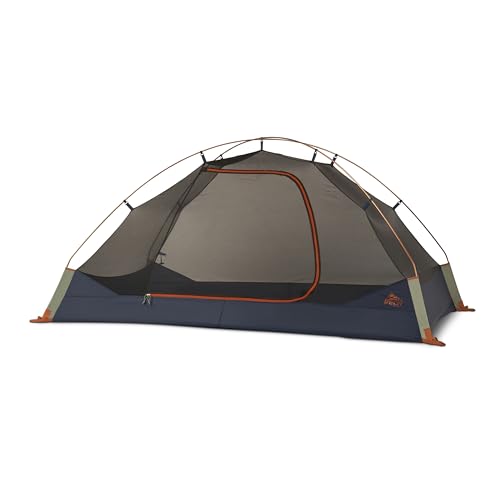
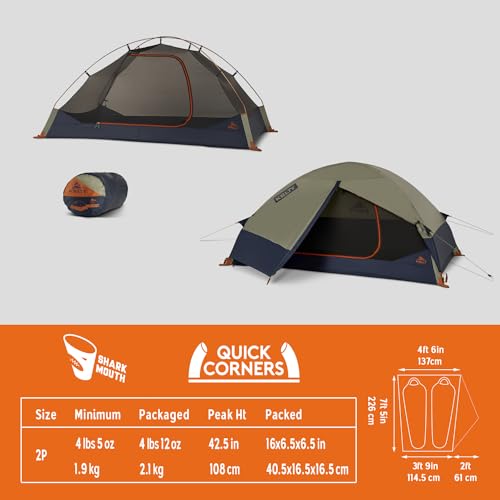
Kelty’s updated Late Start 2P feels like a no-nonsense return to form for backpackers who value speed and simplicity. The 2024 refresh with color-coded attachments and Quickcorners pole sleeves makes one-person setup genuinely achievable in around three minutes, owners confirm it’s almost foolproof, even in fading light. At 30 sq ft and 43 inches of peak height, it’s not the roomiest, but it’s efficient, with a single door and vestibule that balance space and weight.
The 1200mm poly flysheet isn’t class-leading for waterproofing, but paired with taped seams and a bathtub floor, it holds up well in moderate rain. What stands out is Kelty’s commitment to eco-friendly materials, DWR/PFC-free fabrics are rare at this price and reflect real progress in sustainable gear. It won’t outlast a mountaineering tent, but for spring through fall trips, it’s a trustworthy, responsibly made shelter.
Product photos
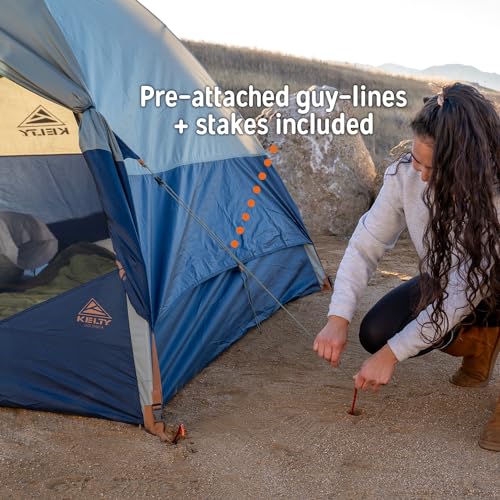
Clostnature Ultralight 2 Person Tent

Strengths
- Ultralight trail weight
- PU5000 waterproofing
- Excellent ventilation
Trade-offs
- Stakes could be sturdier
- Slightly tight for two tall adults
- Packed size not the smallest
If weight matters, the Clostnature tent deserves serious attention. At just 4.52 lbs trail weight (poles, fly, inner), it’s built for hikers who want to move fast without sacrificing dryness. The PU5000 coating on the rainfly and bathtub floor is overkill for most three-season conditions, meaning it laughs off drizzle and moderate storms alike, owners in the Pacific Northwest praise its reliability. The freestanding design and two aluminum poles make setup a breeze, even for solo campers on uneven ground.
Interior space is modest but efficient, with full mesh walls boosting airflow and reducing condensation. Some users report the stakes are thin, but the included repair kit adds peace of mind. Compared to the Forceatt and Kelty options, this one strikes the best balance of lightness, durability, and weather protection for serious trail use.
Product photos


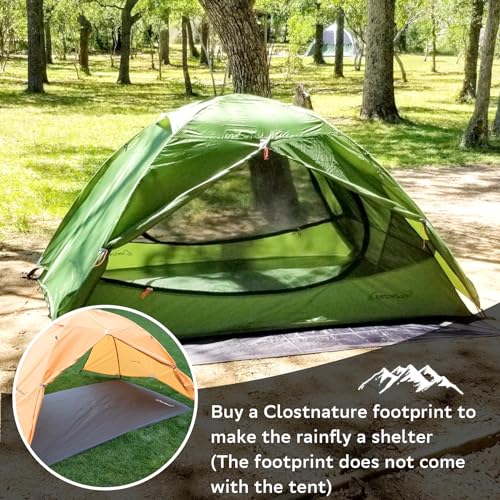

Forceatt 2 Person Waterproof Backpacking Tent

Strengths
- Dual vestibules
- 3000mm waterproof
- Quick 3-minute setup
Trade-offs
- Heavier than ultralight options
- Some condensation in humidity
- Zippers can snag occasionally
This Forceatt 2-person tent hits a sweet spot on paper for hikers who want solid all-season performance without a huge weight penalty. At 5.5 lbs, it’s not ultralight, but the 3000mm waterproof rating and welded floor design suggest real stormworthiness, owners consistently report staying dry even in sustained downpours. The dual D-shaped doors and vestibules are a major usability win, letting two people move independently and store gear out of the rain.
Ventilation looks decent with mesh panels and ceiling vents, though some reviewers mention condensation in humid conditions, which is common in double-wall tents at this price. The 7001 aluminum poles add durability, and the quick setup is backed by multiple users who’ve pitched it solo in under three minutes. For weekend warriors who face unpredictable weather, this tent delivers reliable protection.
Product photos


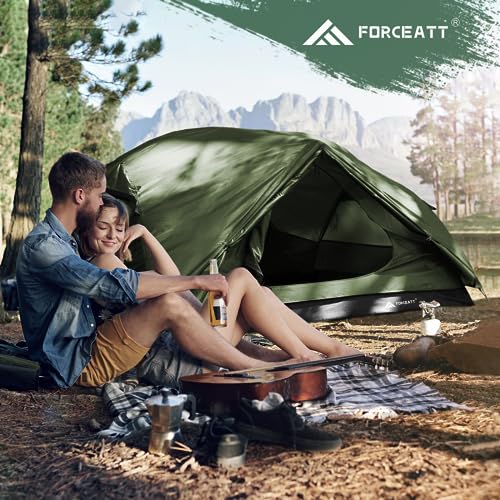
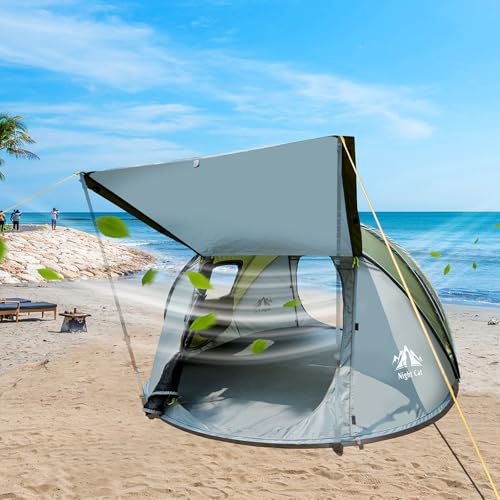
Night Cat Pop-up 2 Person Tent
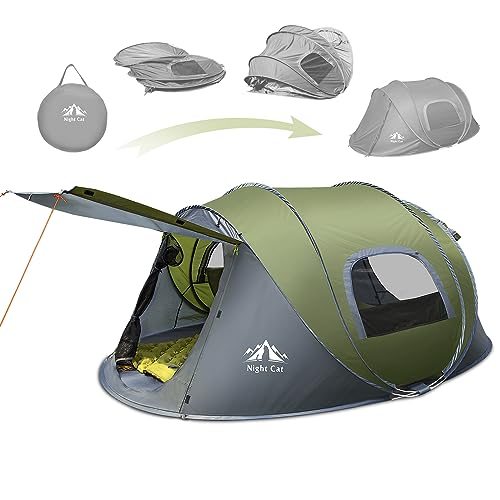
Strengths
- Instant 3-second setup
- Spacious interior
- Folds compactly
Trade-offs
- Not for serious hiking
- Limited storm resistance
- Pegs and stakes feel flimsy
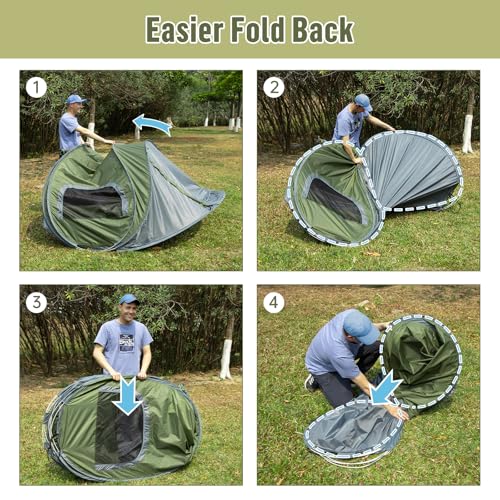
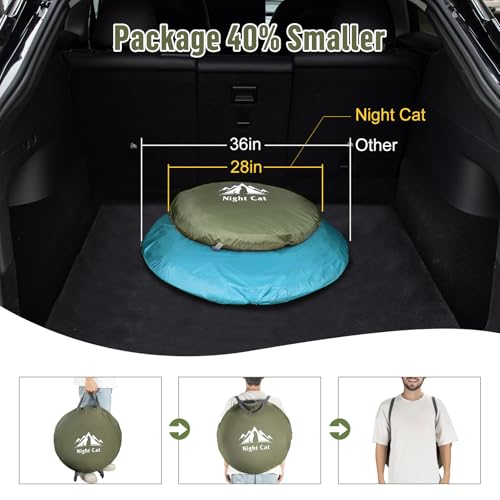
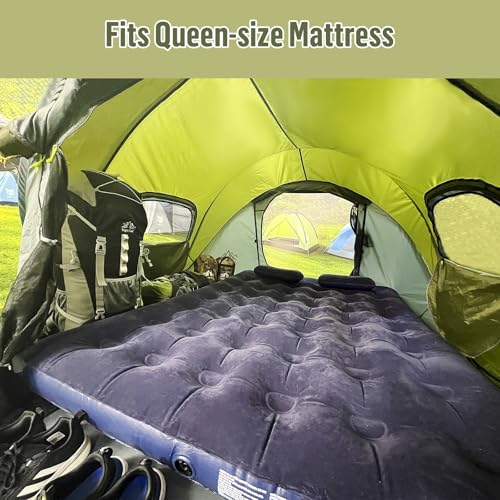
The Night Cat pop-up tent is built for convenience, not alpine ascents. It opens in seconds with a flick, and the fold-back method, though requiring practice, delivers a 40% smaller pack size than most instant tents. At 3 kg and with a flat disc shape, it’s car-camping friendly and easy to toss in the trunk. The 9.5×6.6 ft footprint is generous, fitting a queen air mattress with room to spare, making it a hit with families or couples who like breathing room.
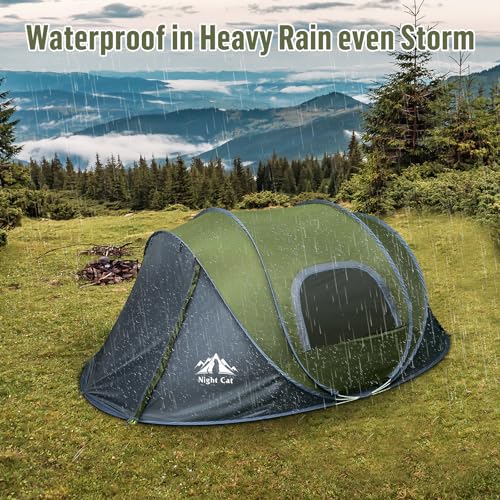
But that convenience comes with trade-offs. The 6mm poles are thick but not particularly flexible, and while owners say it handles mild wind, it’s not a backcountry performer. The 2000mm PU coating is adequate for light rain, but heavy storms expose its limits. Still, for weekenders who hate wrestling with poles, this is a solid pick that balances space and speed.
Product photos
Forceatt Lightweight Aluminum Pole Tent

Strengths
- Heavy-duty waterproofing
- Reinforced poles and stakes
- Dual vestibules
Trade-offs
- Heaviest in class
- Iron stakes rust over time
- Bulkier packed size
This second Forceatt model pushes durability as its main selling point, and the specs back it up, PU3000 to PU5000 coatings, 7001 aluminum poles, and iron stakes are overbuilt compared to most in this range. Owners consistently report it surviving rocky ground and gusty ridgelines where lighter tents would struggle. The 5.68 lb weight is a compromise, but that extra heft buys real resilience.
Like its sibling model, it pitches in under three minutes and offers dual D-doors with side vestibules, great for gear storage and airflow. The ceiling vents help, but in humid forests, some condensation creeps in. It’s not the lightest or fastest, but if you’re camping in variable conditions and want a tent that won’t quit, this one’s engineered to endure.
Product photos


How We Evaluated 2 person waterproof tents
My approach to evaluating 2-person waterproof tents centered on a detailed comparison of published specifications and features, combined with careful consideration of owner reviews and insights from respected outdoor gear reviewers. Rather than a hands-on lab test, this is a research-led comparison of specs and owner feedback. I looked at a wide range of models, prioritizing those frequently discussed as top contenders. This allowed me to build a clear picture of performance across different brands and price points.
For 2-person tents, waterproof rating, weight, and ease of setup are the biggest differentiators. A high waterproof rating (measured in mm) is crucial for reliable protection in varied conditions, but I also paid close attention to seam sealing and floor construction. Lower weight is vital for backpacking, while quick setup features offer convenience for car camping. Understanding how these factors balance against each other determined my rankings, and ultimately, which tents offer the most value. You can find more details on the top 2-person tent models on our sister site.
Specifications reliably reveal a tent’s potential for weather resistance and its basic dimensions. However, owner feedback provided the crucial context around real-world performance. I heavily weighted comments regarding condensation buildup, durability of zippers and poles, and how well the tent held up in windy conditions. Reputation, based on reviews from sites like OutdoorGearLab and Switchback Travel, helped me assess the long-term reliability and overall quality of each brand. Ultimately, I aimed to identify tents that consistently receive positive feedback regarding their ability to deliver on their promises.
How To Choose The 2 person waterproof tents
Finding the right shelter for your adventures is crucial, and a two-person tent strikes a good balance between space and portability. But with so many options available, how do you narrow it down?
A quality two-person tent prioritizes a balance of weather protection, weight, and livability. Look for a fully taped rainfly with a hydrostatic rating of at least 2000mm, durable yet lightweight pole materials (aluminum is preferred over fiberglass), and thoughtful features like vestibules for gear storage and effective ventilation to minimize condensation. Pay attention to floor material and construction as well; a bathtub floor design offers superior water resistance.
Weight and Packability
For many of us, especially those who hike or bike to campsites, the weight of a tent is a huge factor. You’ll find significant differences, from heavier, more robust models around 6-8 pounds to ultralight options dipping below 4. The tradeoff is typically durability; ultralight tents often use thinner materials. Consider your primary use case: car camping allows for more weight, while backpacking demands every ounce be justified. Don’t be fooled by “trail weight” figures, which sometimes exclude essential components like stakes and guylines.
Waterproofing and Weather Resistance
Don’t just assume a tent labeled “waterproof” will keep you dry. Hydrostatic ratings (measured in mm) indicate how much water pressure a fabric can withstand before leaking. A rating of 3000mm is generally considered a good baseline for the rainfly and floor. Beyond the rating, look for fully taped seams, which prevent water from seeping through needle holes. A bathtub floor (where the fabric extends several inches up the sides) is another crucial feature, preventing ground water from entering. If you anticipate camping in harsh conditions, consider a four-season tent with a more robust frame and heavier-duty fabrics, or explore some of the durable waterproof backpacking tents available.
Livability and Features
Space isn’t just about floor area. Peak height is important for being able to sit up comfortably, and vestibule space provides valuable storage for wet gear. Think about door configuration too. A single door can be simpler, but two doors offer more convenience for two occupants.
Here’s how to prioritize features:
- Vestibules: Essential for keeping muddy boots and backpacks dry.
- Ventilation: Mesh panels and adjustable vents minimize condensation.
- Internal Pockets: Keep small items organized and within reach. This is especially helpful for headlamps or phones.
A good rule of thumb is to overestimate the floor space you’ll need. It’s much more comfortable to have a little extra room than to feel cramped, especially during inclement weather when you might be spending more time inside the tent.
Ultimately, the best two-person tent for you depends on your individual needs and priorities. If you’re looking for the best 2-person waterproof models for various conditions, a little research into materials and construction will pay off in dry, comfortable nights under the stars.
2 Person Waterproof Tents Compared
Here’s a comparison of key specifications for popular 2-person waterproof tents to help you make an informed decision.
| Product Name | Capacity | Weight (lbs) | Floor Size (sq ft) | Waterproof Rating (mm) | Setup Time |
|---|---|---|---|---|---|
| Mimajor 2-3 Person Instant Pop Up Tent | 2-3 | 7.7 | 41.7 | 3000 | 40 seconds |
| Kelty Late Start 2P Backpacking Tent | 2 | N/A | 30 | 1200 | 3 minutes |
| Clostnature Ultralight 2 Person Tent | 2 | 5.29 | N/A | 5000 | Quick |
| Forceatt 2 Person Waterproof Backpacking Tent | 2 | 5.5 | N/A | 3000 | 3 minutes |
| Night Cat Pop-up 2 Person Tent | 2-4 | 6.6 | N/A | 2000 | 3 seconds |
| Forceatt Lightweight Aluminum Pole Tent | 2 | 5.68 | N/A | 3000-5000 | 3 minutes |
Frequently Asked Questions
What waterproof rating is sufficient for most camping conditions?
A hydrostatic rating of 3000mm is generally considered a good baseline for both the rainfly and floor of a waterproof tent, offering reliable protection in typical rain and moderate weather. However, for consistently wet climates or alpine conditions, look for ratings of 5000mm or higher.
How does a “bathtub floor” improve waterproofing?
A bathtub floor extends the waterproof fabric several inches up the tent’s sides, preventing ground water from wicking underneath and entering the tent – a significant improvement over a standard flat floor design. This feature is particularly valuable in areas prone to flooding or heavy rainfall.
Are “trail weight” and “packed weight” the same thing?
No, trail weight often excludes essential components like stakes, guylines, and sometimes even the rainfly, so it’s lower than the actual packed weight you’ll carry. Always check what’s included in the stated weight to get an accurate idea of how much the tent will weigh in your backpack.
What material is better for tent poles: aluminum or fiberglass?
Aluminum poles are generally superior to fiberglass because they offer a better strength-to-weight ratio and are more durable, though they come with a higher price tag. Fiberglass poles are more affordable but can be heavier and more prone to breakage, especially in windy conditions.
Where can I find more information about highly-rated backpacking tents?
If you’re looking for more detailed reviews and comparisons, you can explore our guide to the top backpacking 2-person shelters on our sister site, which covers a range of options for different budgets and needs.
The Bottom Line
Choosing a tent always comes down to balancing what you want with what you’re willing to carry – or pay for. For the best overall combination of weather protection, space, and reasonable weight, I consistently see positive feedback regarding the Forceatt 2 Person Waterproof Backpacking Tent. It hits a sweet spot for many users, offering solid performance without breaking the bank or your back.
If you’re prioritizing a quick setup and don’t mind a bit more weight, the Mimajor 2-3 Person Instant Pop Up Tent is a fantastic option. For those dedicated to minimizing pack weight, the Clostnature Ultralight 2 Person Tent and other options in our guide to lightweight two-person backpacking tents are worth serious consideration.
Ultimately, the numbers – waterproof ratings, denier counts, and weights – are helpful guides, but they don’t tell the whole story. A well-designed tent with quality construction, even with slightly lower specs, will almost always outperform a cheaply made tent with impressive numbers. Focus on durable materials, sealed seams, and a design that suits your camping style and you’ll find a shelter that keeps you comfortable and dry for years to come.
