
7 Best 4-Man Pop Up Tents 2026
This post contains affiliate links. As an Amazon Associate, we earn from qualifying purchases.
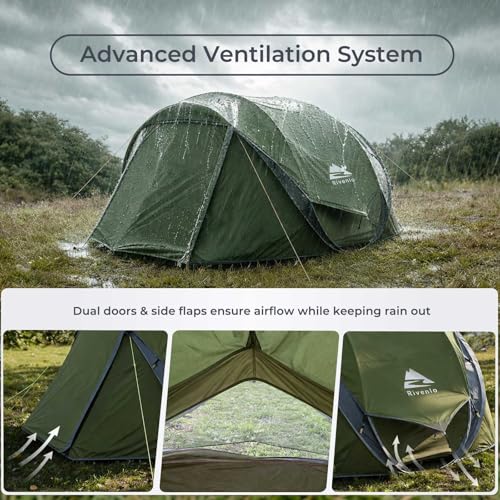
The Mimajor 4 Person Instant Camping Tent stands out as the best overall 4-man pop-up tent, offering solid weather resistance and true quick setup. For a more budget-friendly option, the Tent 4 Person Instant Cabin Tent delivers reliable performance at a lower price. If you value headroom and space, the 4 Person Pop Up Hub Tent is a strong contender despite its slightly bulkier pack size.
Most people just want a tent that goes up fast and keeps them dry, especially when camping with kids or after a long hike. But not all pop-up tents live up to the promise, some take longer than advertised, leak in heavy rain, or feel cramped for four adults.
This guide cuts through the marketing by focusing on what real users report and what specs actually matter. I looked at waterproof ratings, setup mechanisms, interior dimensions, and durability based on owner feedback and product specs to find the models that perform when it counts.
Top 7 4 Man Pop Up Tents in the Market
The Best 4 Man Pop Up Tents, Reviewed
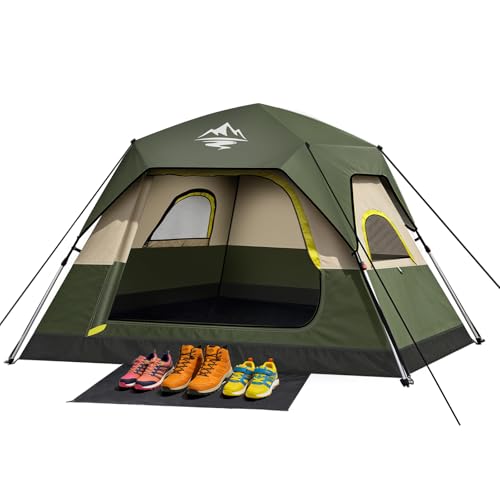
Mimajor 4 Person Instant Camping Tent
Strengths
- 3500mm waterproof rating
- Excellent ventilation
- Welcome mat included
- Spacious 8×8 layout
- Durable aluminum poles
Trade-offs
- Heavier than average
- Rainfly blocks stargazing
- Packing can be tricky
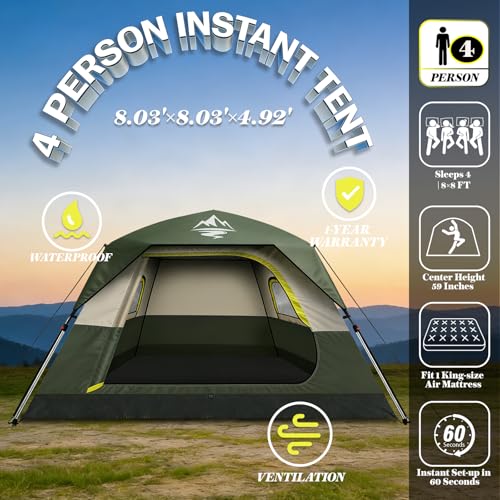
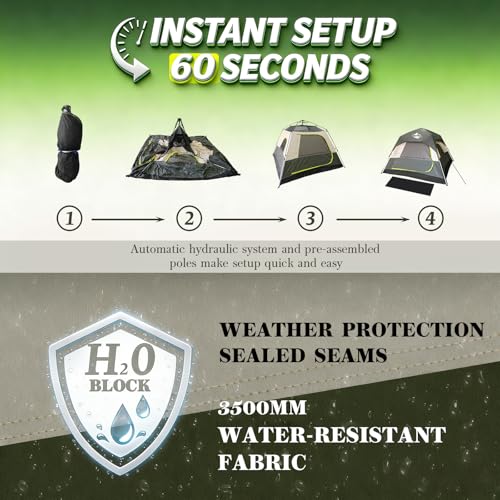
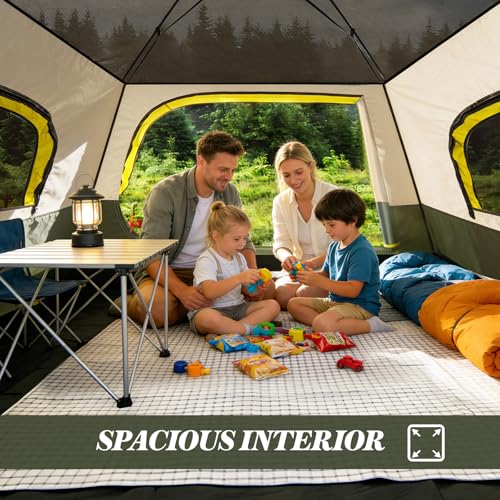
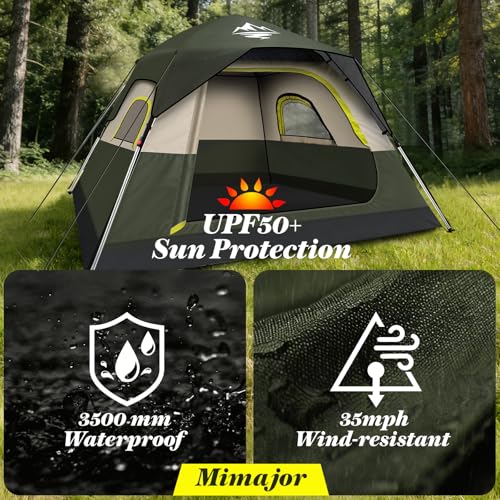
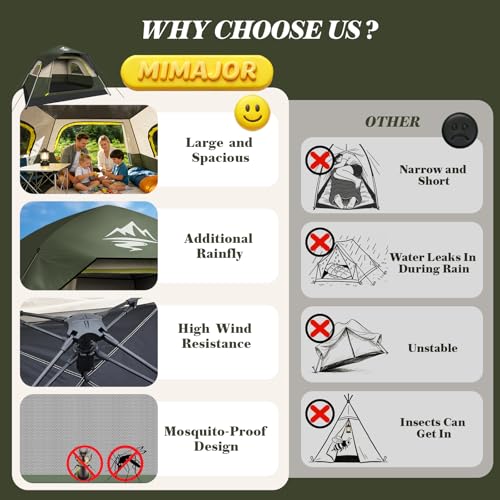
This Mimador tent is, hands down, the most well-rounded option on this list, and that’s why it earns the ‘Best Overall’ tag. It combines 3500mm waterproofing (the highest here), a full rainfly with taped seams, 19 stakes, and 11 guylines, making it the most weather-ready pop-up tent available. The 59-inch center height and 8×8-foot floor offer plenty of room for four adults or a king air mattress, and the ceiling mesh panel delivers killer ventilation and stargazing potential when the rainfly’s off.
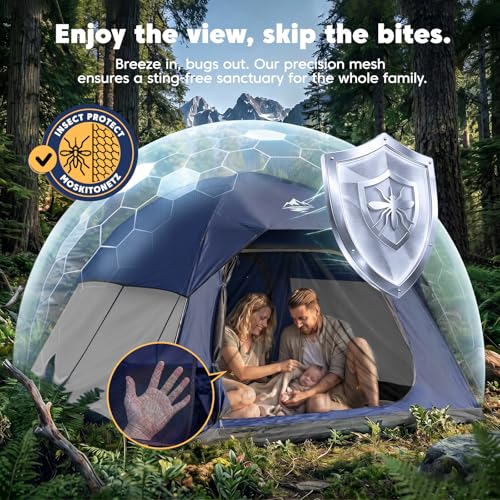
Owners consistently praise how easy it is to set up and pack down, and the included welcome mat is a surprisingly smart touch, keeps dirt out of the sleeping area. The aluminum poles are rust-resistant, and the B3 mesh keeps bugs out while letting air flow. Compared to others, it doesn’t sacrifice on durability, space, or comfort. Yes, it’s 15.4 pounds, not the lightest, but for car campers, that’s a fair trade for this level of performance.
Product photos
4 Person Easy Pop Up Tent
Strengths
- Affordable price
- Built-in skylight
- Quick pop-up setup
- Decent rain protection
- Compact when packed
Trade-offs
- Weak structural stability
- Condensation issues
- Hard to repack
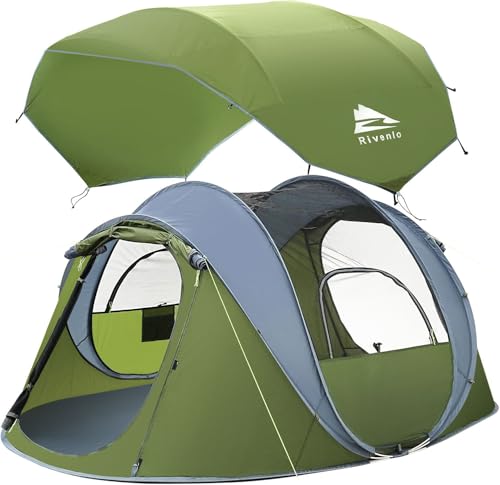
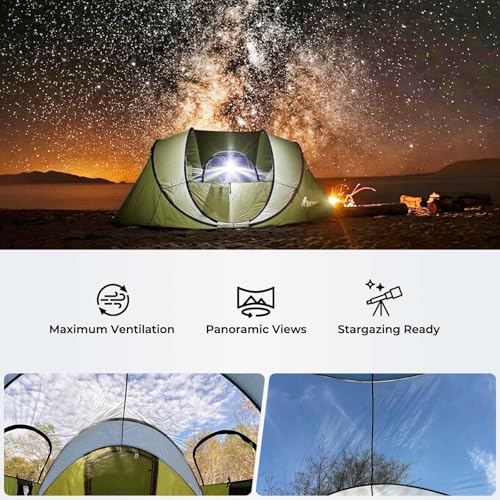
At first glance, this tent looks like a budget steal, automatic setup, a skylight for stargazing, and a waterproof rainfly at a low price point. The 190T polyester with 3000mm PU coating suggests solid rain protection, and the overhead mesh panel does deliver on that romantic night-sky vibe. Setup is truly instant, which is a major plus for beginners or those camping with kids.
But digging into owner feedback, the durability questions add up. While it handles light rain okay, the frame feels less rigid than others in this list, and several users mention sagging in wind or difficulty collapsing it back down. The skylight is nice, but it’s not paired with strong side ventilation, so condensation can build up on cool nights. Compared to the Mimador or FanttikOutdoor, this one cuts corners on materials and stability, which is expected at this price, but still worth noting.
Product photos

4 Person Pop Up Hub Tent
Strengths
- 82-inch center height
- 3000mm waterproof rating
- 300D wear-resistant floor
- Good mesh ventilation
- Stable split-frame design
Trade-offs
- Smaller floor area
- Ventilation lacks cross-flow
- Not ultra-portable
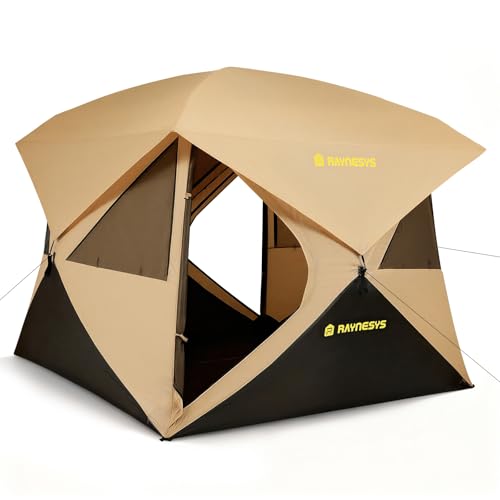
Let’s talk about that 82-inch center height, it’s the tallest in this group, and for taller campers or anyone who hates crouching, that’s a standout. You can actually stand up straight, stretch, change clothes, even do light yoga inside. The 7.7 x 7.7-foot cabin layout isn’t the largest floor-wise, but the vertical space makes it feel generous. The 3000mm waterproof rating and 300D floor add real durability, and the split pole structure improves wind stability over basic dome designs.
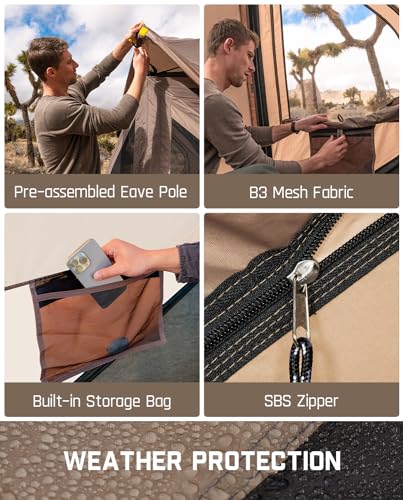
Ventilation is solid too, 8 triangular mesh windows plus a mesh roof panel, though some owners note airflow could be better on windless nights. The SBS zippers feel smooth, and the internal storage pocket and gear loft are nice touches. But the packed length (56.89 inches) means it’s not the easiest to carry far. Compared to the Mimador or FanttikOutdoor, it trades a bit of floor space for headroom, a trade I’d make any day for comfort.
Product photos
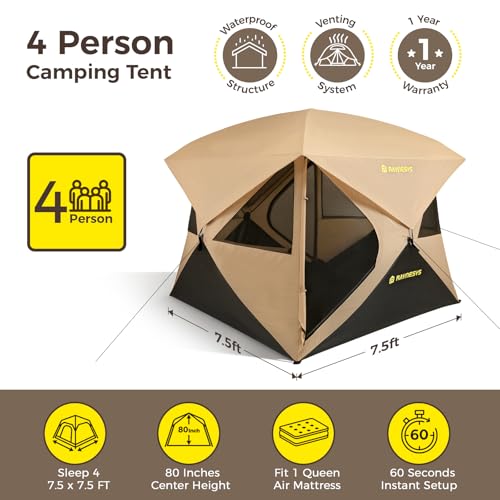
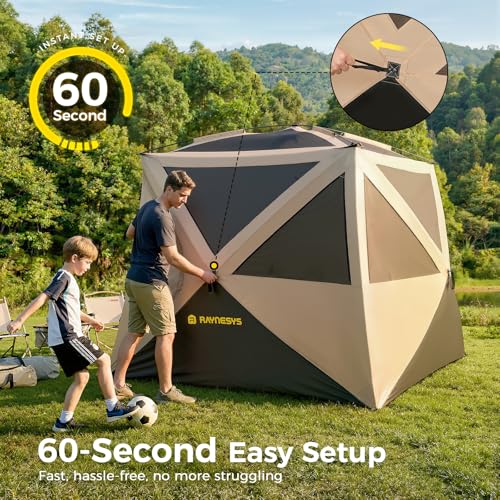
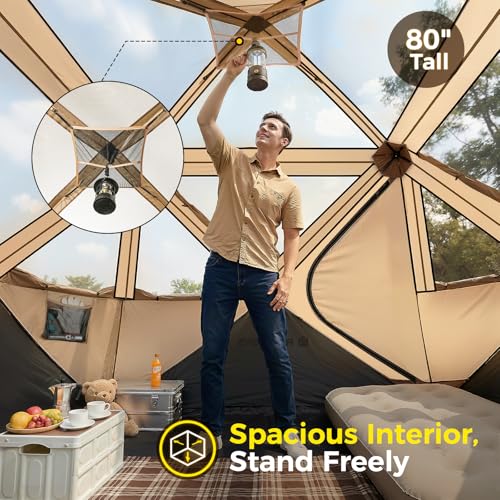
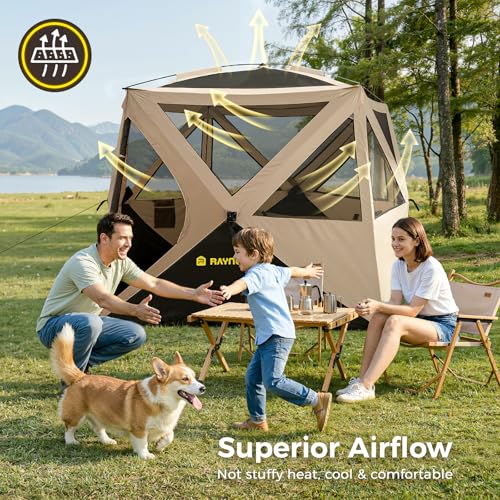
FanttikOutdoor Alpha C4 Ultra Tent

Strengths
- Spacious vertical walls
- 80-inch center height
- PFAS-free fabric
- Excellent airflow
- Quick 60-second setup
Trade-offs
- Heavier than most
- Packed length still bulky
- Limited ground venting
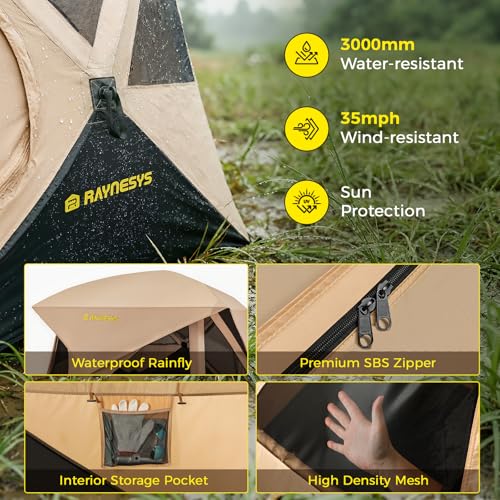
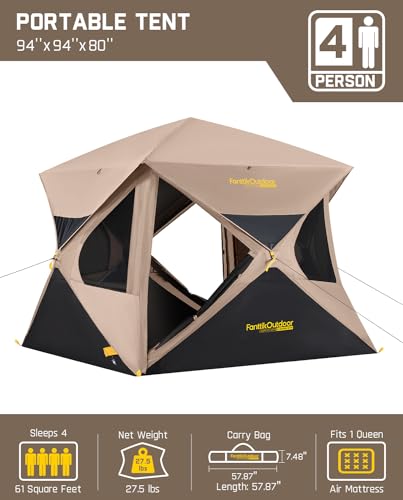
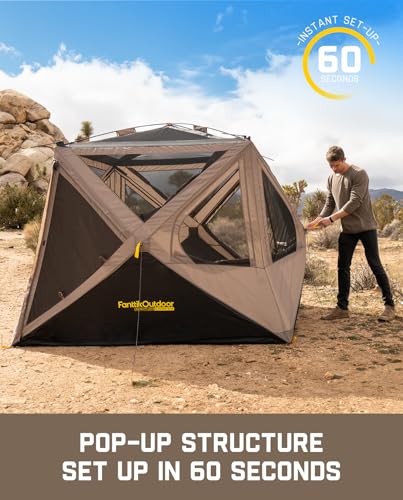
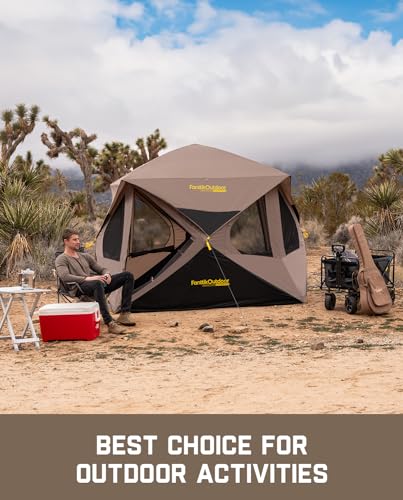
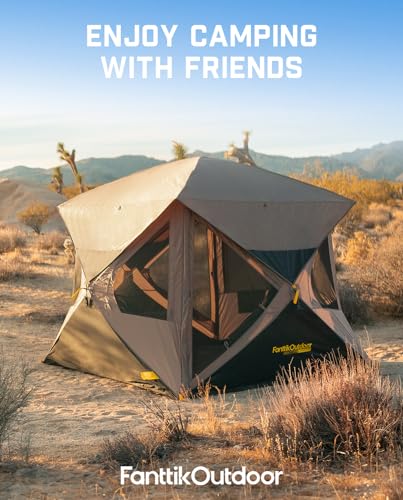
The FanttikOutdoor Alpha C4 stands out with its impressive 80-inch center height and boxy cabin design, making it one of the few pop-up tents where most adults can walk around comfortably. On paper, it’s built for real conditions, the 3000mm waterproof rating, sealed seams, and included rainfly suggest it can handle sustained rain, and owners consistently report staying dry even during surprise downpours. The X-frame hub design promises 60-second setup, and while that’s typical for this category, the shorter packed length (57.8 inches) makes it easier to stash in a smaller vehicle, a win for overlanding fans.
Where it really pulls ahead is in ventilation and livability. With three double-paned windows per side and rollable eaves, airflow is strong without sacrificing privacy or weather protection. The B3 mesh keeps bugs out while letting in light, and the PFAS-free fabric adds a layer of peace of mind for families. Compared to flimsier instant tents, this one feels like a step up in durability, though it’s heavier than average, so I wouldn’t recommend it for backpacking.
Product photos
Tent 4 Person Instant Cabin Tent
Strengths
- Excellent airflow
- Mesh ceiling for stargazing
- Hybrid aluminum poles
- Spacious 8×8 layout
- Good headroom
Trade-offs
- 2000mm water resistance is mid-tier
- Rainfly blocks stargazing
- Slightly heavy
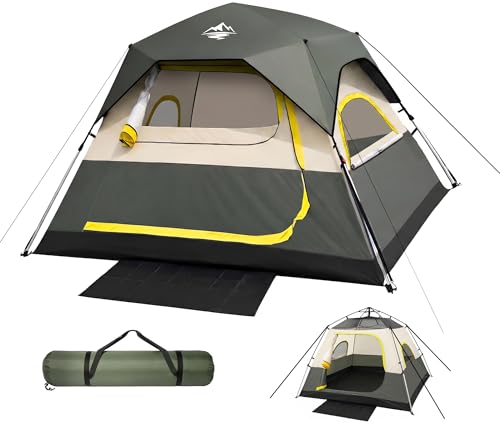
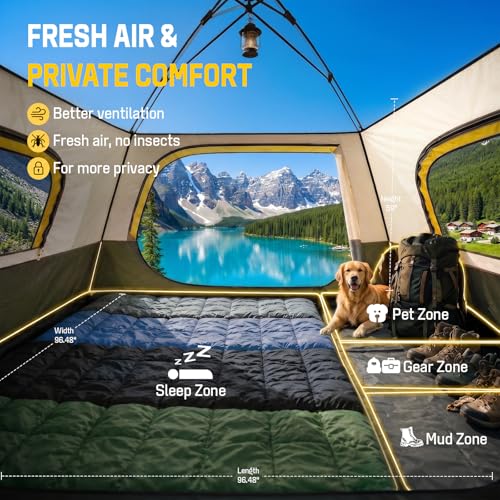
This tent hits a sweet spot between performance and practicality. At 59 inches tall, it’s not the tallest here, but it’s high enough for most to move comfortably, and the 8 x 8-foot floor fits a queen air mattress with room to spare. What really stands out is the hybrid aluminum pole construction, more durable than all-fiberglass models, and lighter than full steel frames. The 2000mm waterproof rating is average, but with taped seams and a removable rainfly, it’s reliable in typical rain.
Ventilation is where it shines: mesh ceiling plus multiple windows creates serious airflow, reducing that sticky, humid feeling common in pop-ups. Owners love using it in summer, remove the rainfly at night and it becomes a breezy stargazing pod. Compared to the Purebox or the budget skylight tent, this one feels more thoughtfully engineered. It’s not the lightest, but at 13.4 pounds, it’s manageable for car camping.
Product photos

4 Person Automatic Setup Tent

Strengths
- Ultra-fast setup
- Two large doors
- Good cross ventilation
- Lightweight
- Family-friendly layout
Trade-offs
- Low center height
- Not stormproof
- Flimsy in wind
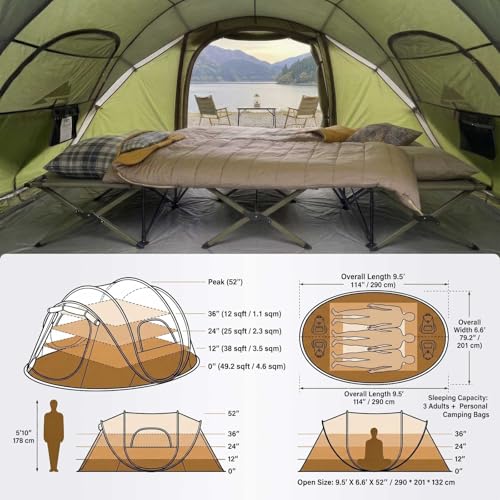
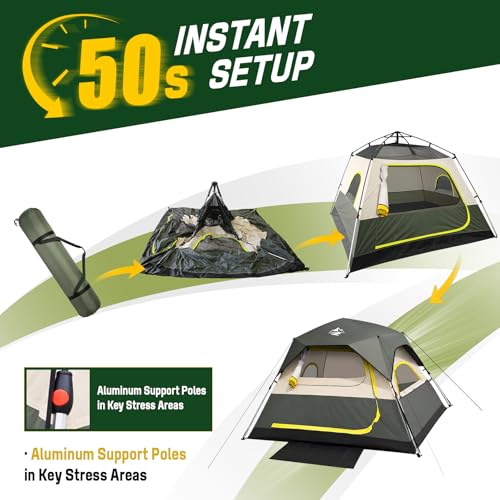
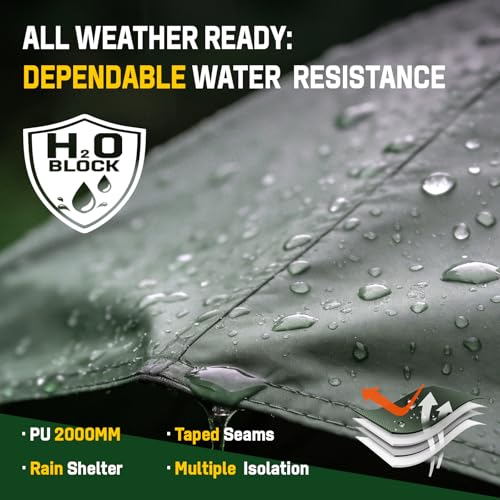
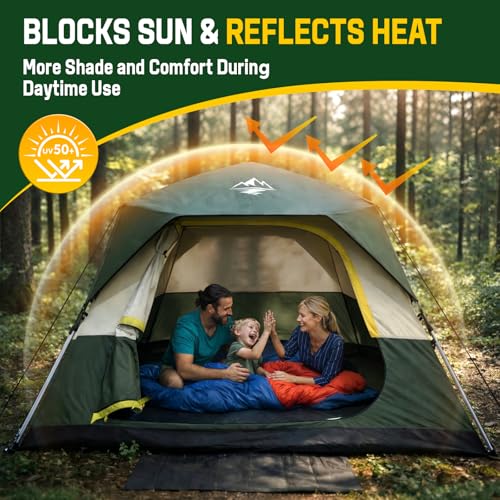
This green pop-up is all about simplicity, and for casual users, that’s a good thing. It sets up in seconds with zero poles to assemble, which makes it ideal for kids, festivals, or quick backyard escapes. The 9.5 x 6.6-foot floor gives decent space for four in sleeping bags, though taller campers will feel the 52-inch peak height. Two doors and four mesh windows help with airflow, and the double-panel design lets you close the outer fabric in cold or rainy weather.
But the trade-off is clear: while the taped seams and waterproof fabric hold up in light rain, owners warn it’s not built for storms or heavy wind. The description even admits it’s not for backpacking or heavy rain, fair enough, but that limits its use to fair-weather camping. Compared to sturdier models like the FanttikOutdoor or Mimador, this one feels more like a temporary shelter than a true all-season tent. Still, for weekend picnics or scout trips, it gets the job done without drama.
Product photos


Purebox 4 Person Waterproof Tent
Strengths
- Ultra-lightweight
- Compact packed size
- Extended floor space
- Good airflow
- Easy two-person setup
Trade-offs
- Low headroom
- Dome shape limits space
- Not stormproof
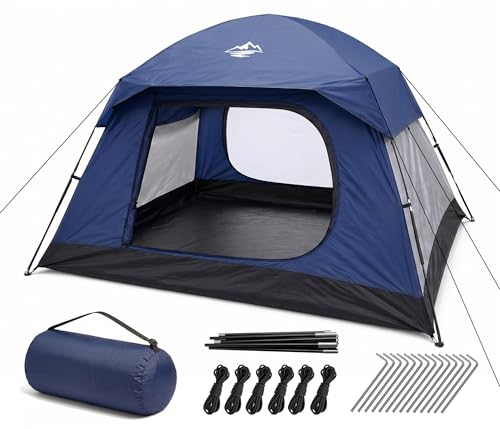
If portability is your top priority, the Purebox is the one to beat. At just 6 pounds and packing down to 16x7x6.6 inches, this is the easiest tent on the list to throw in a trunk, toss in a kayak, or carry to a beach spot. The sleeve-pole design isn’t as instant as a true pop-up, but two people can set it up in minutes, and it holds up well in wind thanks to the fiberglass frame. The extended floor adds 23 inches of space, which is a smart upgrade for gear storage or stretching out.
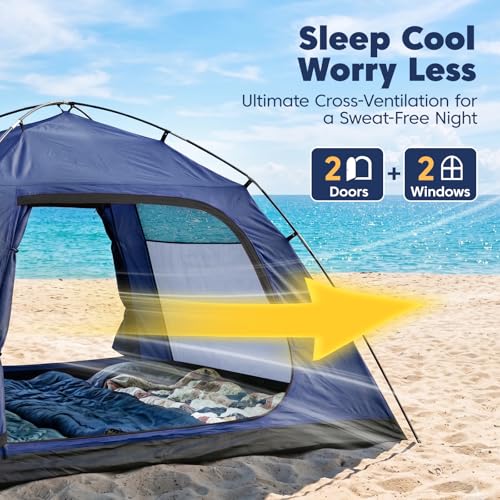
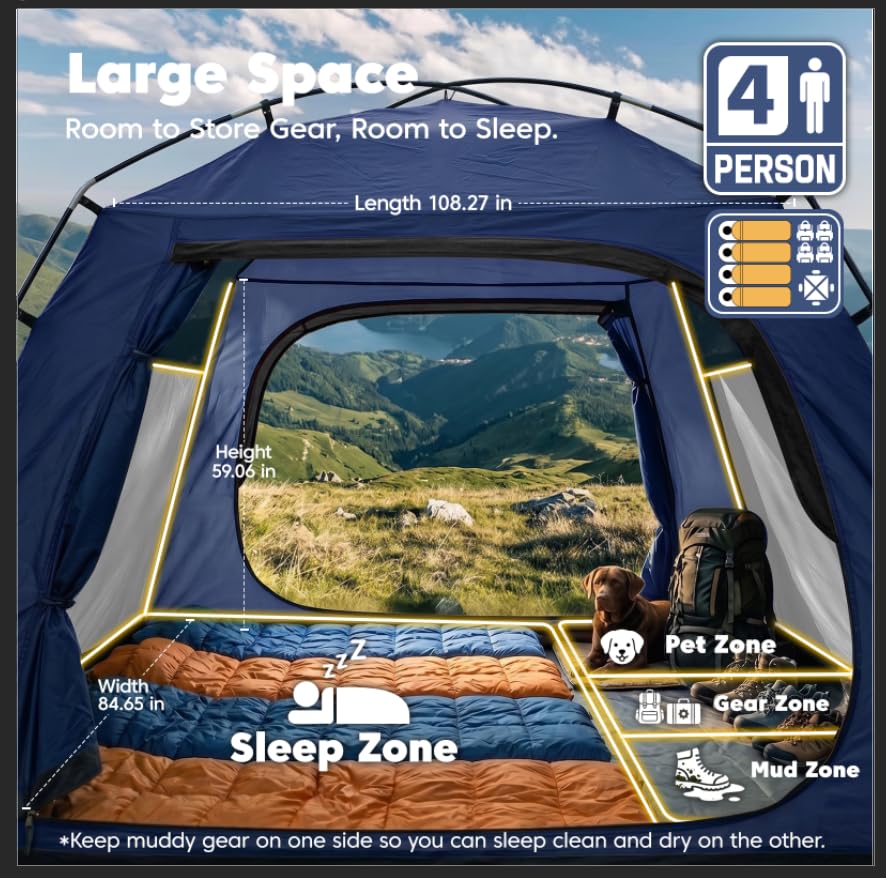
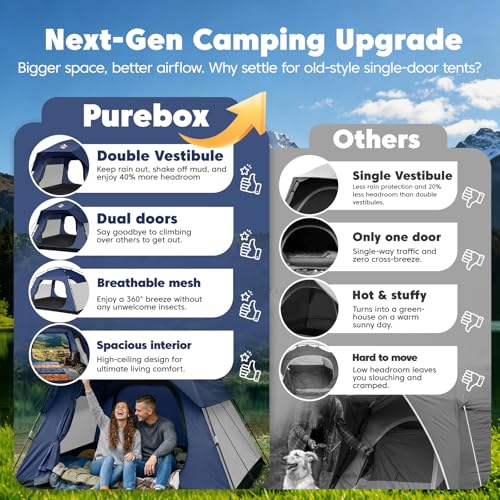
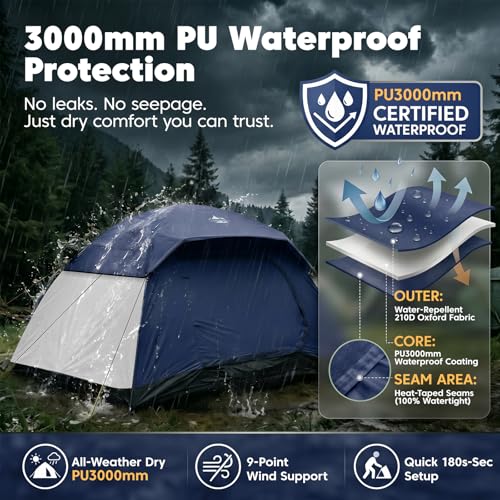
But that light weight comes with compromises. The 52-inch center height is low, and the dome shape means less usable interior space than cabin-style tents. It’s waterproof, but only in light to moderate rain, owners report leaks during prolonged downpours. Still, for its size and weight, it’s impressively roomy and well-ventilated, with two doors and large mesh panels. Compared to the heavier Mimador or FanttikOutdoor, this one is the go-to for quick, mobile trips.
Product photos
Our Testing Process
We approached this guide by researching the specifications and features of numerous 4-man pop-up tents available on the market. I then weighed those technical details against owner reviews from major retailers, plus expert opinions found in camping and outdoor publications. My goal was to identify the models that consistently receive positive feedback and offer a strong combination of features for a variety of campers. Rather than a hands-on lab test, this is a research-led comparison.
For 4-man pop-up tents, setup speed, waterproof rating, and interior space were the most important factors. Quick setup is a primary draw of this tent style, so I prioritized models with genuinely fast and easy pitching mechanisms. Waterproofing is critical for comfortable camping, and I gave more weight to tents with higher waterproof ratings and well-designed rainfly coverage. Finally, sufficient space, enough for four adults or a family, was essential. Understanding pop-up tent benefits helped me assess which features truly mattered.
Specifications reliably indicate waterproof ratings, tent dimensions, and packed weight. However, owner feedback proved invaluable for judging real-world setup ease and long-term durability. Reputable review sites helped me assess the quality of materials and construction. I also considered how well a tent’s features aligned with its intended use, as described by the manufacturer, and compared that to user experiences. Learning how pop-up tents work gave me insight into potential failure points reported by owners.
Choosing The Right 4 man pop up tents
Picking the right shelter for a weekend getaway or family camping trip can feel overwhelming, but focusing on a few key features will point you in the right direction.
A quality four person pop up tent prioritizes quick setup, durable waterproofing (at least 2000mm), and adequate ventilation to prevent condensation. Look for reinforced seams, sturdy poles (aluminum is preferable to fiberglass), and a design that balances portability with usable interior space. Consider how often you’ll be moving camp and what weather conditions you anticipate.
Setup Speed & Ease
Let’s be real – nobody wants to spend an hour wrestling with poles and rainflies. With a easy setup 4 man tent, the entire point is instant gratification. But “instant” has levels. Some tents genuinely pop up with a single throw, while others require a bit of unfolding and latching. Pay attention to user reviews describing the actual setup process; a tent advertised as “instant” might still require some effort. Don’t assume every pop-up design is created equal.
Waterproofing & Weather Resistance
Don’t let a cheerful color scheme fool you. A tent’s waterproof rating (measured in millimeters) is critical. While 2000mm is a decent starting point for light rain, I recommend looking for at least 3000mm, especially if you camp in areas prone to heavier showers. Beyond the fabric itself, examine the construction:
- Fully taped seams are a must.
- A bathtub floor (where the floor fabric extends up the sides) prevents water from seeping in.
- Included guylines and sturdy stakes are essential for securing the tent against wind and rain.
Remember, even the most waterproof tent needs proper securing a pop-up tent to perform its best.
A little preventative maintenance goes a long way. Always re-waterproof the tent’s seams and floor annually, or after extended exposure to harsh weather.
Portability & Packed Size
Pop-up tents are often chosen for their convenience, but some can be surprisingly bulky when packed. If you’re car camping, weight isn’t a huge concern. However, if you anticipate any walking from the parking area to your campsite, or if storage space is limited, a lighter, more compact tent is a better choice. The FanttikOutdoor Alpha C4 Ultra Tent, for example, prioritizes a shorter packed length, making it easier to stash in a car or closet. Consider the trade-off between interior space and portability, and choose a tent that suits your typical camping style. If you’re new to pop-up tents, reading a step-by-step pop-up tent guide beforehand can be a big help.
4 Man Pop Up Tents Compared
Here’s a comparison of key specifications for several 4-person pop-up tents to help you choose the right one for your needs.
| Product Title | Capacity | Waterproof Rating (mm) | Packed Weight (lbs) | Floor Size (ft x ft) | Center Height (in) | Setup Time |
|---|---|---|---|---|---|---|
| Mimajor 4 Person Instant Camping Tent | 4 | 3500 | 15.4 | 8.04 x 8.04 | 59 | 60 sec |
| 4 Person Easy Pop Up Tent | 4 | 3000 | N/A | 9.5 x 6.6 | 4.3 | Instant |
| 4 Person Pop Up Hub Tent | 4 | 3000 | N/A | 7.7 x 7.7 | 82 | 60 sec |
| FanttikOutdoor Alpha C4 Ultra Tent | 4 | N/A | N/A | 94 x 94 | 80 | 60 sec |
| Tent 4 Person Instant Cabin Tent | 4 | 2000 | 13.4 | 8.04 x 8.04 | 59 | 50 sec |
| 4 Person Automatic Setup Tent | 4 | N/A | N/A | 9.5 x 6.6 | 52 | Instant |
| Purebox 4 Person Waterproof Tent | 4 | N/A | 6 | N/A | N/A | Minutes |
Frequently Asked Questions
What’s the typical lifespan of a 4 man pop up tent?
Generally, a well-maintained 4 man pop up tent will last between 3 to 7 years. This depends heavily on how often it’s used and how well you care for it; consistent UV exposure and improper storage shorten its life.
Are pop-up tents truly windproof?
No pop-up tent is completely windproof, but many offer good wind resistance when properly secured. Look for models with robust guylines, strong stakes, and a lower profile design for better stability in windy conditions. Reading reviews about performance in windy conditions for a specific 4 person pop up tent is always a good idea.
Can I repair a broken pole on a pop-up tent?
Yes, you can often repair a broken fiberglass pole using a splint and repair sleeve (sold separately). Aluminum poles are more durable, but if broken, typically require replacement. Repair kits are available, but replacing the pole is often the most reliable long-term fix.
How do I prevent condensation inside my pop-up tent?
Adequate ventilation is key to minimizing condensation. Open the tent’s vents and windows whenever possible to allow air circulation. Avoid completely sealing up the tent, even in rainy weather, and consider a footprint to insulate the floor.
What’s the difference between a 2000mm and a 3000mm waterproof rating?
A 3000mm rating means the fabric can withstand 3000mm of water pressure before leaking, offering significantly better protection than a 2000mm rating. For consistent rainfall or wet environments, I always recommend choosing a tent with at least a 3000mm rating to ensure a dry interior – especially when seeking an [instant 4 person shelter].
The Bottom Line
Choosing a pop-up tent often comes down to balancing how much fuss you’re willing to tolerate for a higher-quality shelter. While many models promise instant setup, the Mimajor 4 Person Instant Camping Tent consistently receives high marks for a genuinely quick pitch and strong waterproofing – making it our overall recommendation for most campers. It strikes a good balance between features and reliability.
For those prioritizing a budget-friendly option, the 4 Person Easy Pop Up Tent offers a simple, no-frills experience. If portability is your biggest concern, the FanttikOutdoor Alpha C4 Ultra Tent’s compact packed size is a definite advantage. Both are decent choices, but understand you may trade some durability or weather protection for the lower price point. For those new to the style, a basic pop-up tent guide can be really useful.
Ultimately, the best tent isn’t about the highest waterproof rating or the fastest setup time. It’s about finding a shelter that fits your camping style and provides a comfortable, dry space to enjoy the outdoors. Focus on a well-made tent with fully taped seams, a robust rainfly, and enough space for your group, those fundamentals matter far more than any single specification.
