
6 Best Battery Powered Tent Heaters for 2026
This post contains affiliate links. As an Amazon Associate, we earn from qualifying purchases.
The GOWENIC 18V Battery Powered Heater is our top pick for its compact size and reliable heat, especially if you’re already in the 18V tool battery ecosystem. For a standalone option with strong runtime, the Battery Powered Space Heater 12000mAh stands out, while the Hyuduo 200W offers solid performance if you want to use existing DeWalt or similar batteries.
Cold nights in a tent can ruin a good trip, and shivering through the dark makes you question every life choice that led you there. A dependable battery powered heater can be the difference between a miserable freeze and a cozy night under the stars, but only if it’s safe, efficient, and actually lasts.
After comparing the field and weighing specs against real owner feedback, I focused on heat output, runtime, and critical safety features like tip-over and overheat protection. These picks balance performance and practicality for real camping conditions, not just ideal lab setups.
Top 6 Battery Powered Tent Heaters in the Market
The Best Battery Powered Tent Heaters, Reviewed
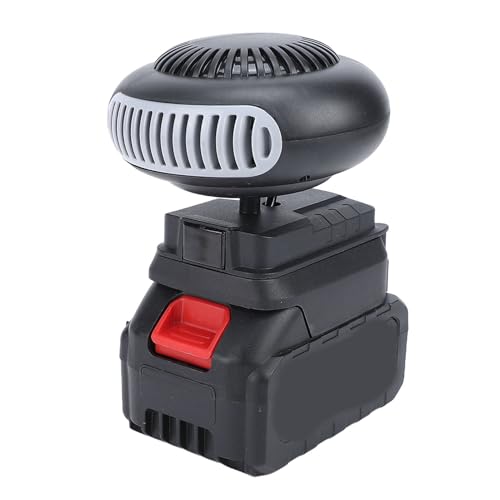
Battery Powered Space Heater 12000mAh
Strengths
- Built-in 12000mAh battery
- Fast heating
- Ultra-quiet fan
- Dual speed modes
Trade-offs
- No tool battery compatibility
- Slight plastic odor reported
- Not for large tents
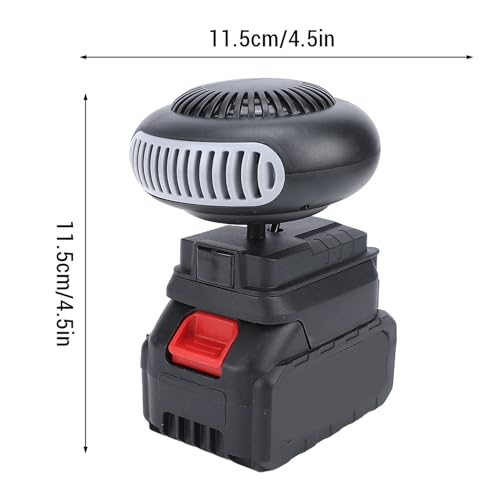
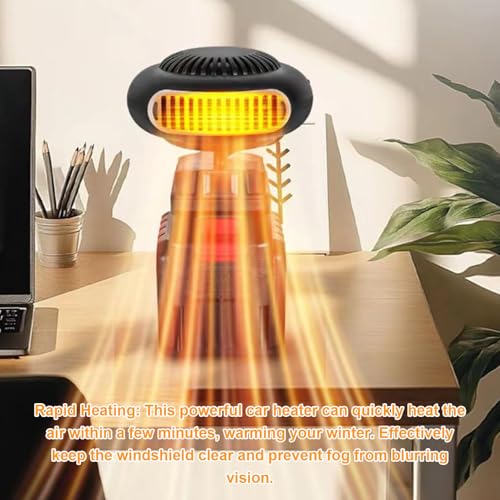
This is the most complete package in the lineup, a 12000mAh built-in battery, 170W output, and dual-speed operation make it genuinely useful in real-world cold snaps. Unlike models that depend on external power, this one works right out of the bag, whether you’re warming a car, a tent, or a worksite trailer. The fast heating and defogging function are a standout for winter drivers, and the compact 4.5-inch design fits easily on a dashboard or tent floor.
Reviewers highlight its durability and long runtime, especially when used on low heat. It’s also impressively quiet, which matters when you’re trying to nap in your vehicle or sleep in a quiet campsite. While it doesn’t rotate as widely as some, the 360-degree base helps with positioning. Against the rest, this one earns its ‘Best Overall’ label, not the most powerful, but the most practical.
Product photos
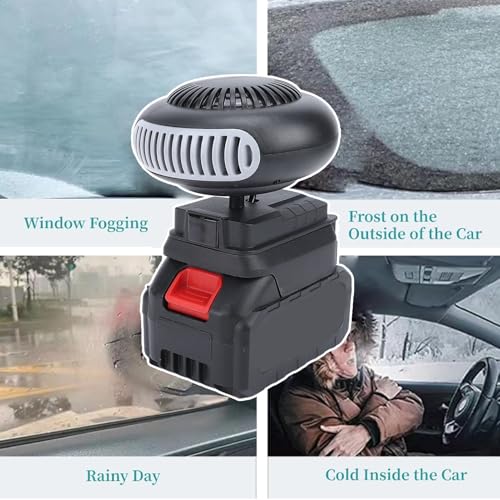
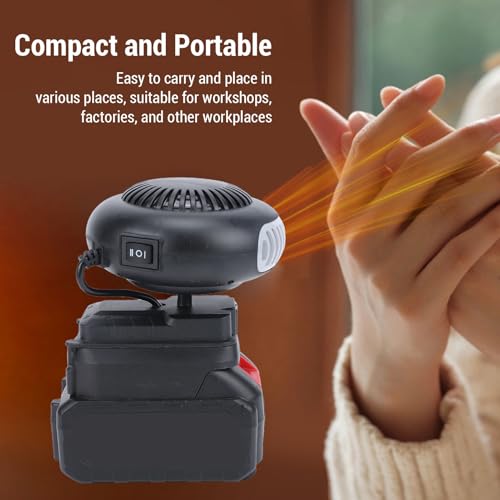
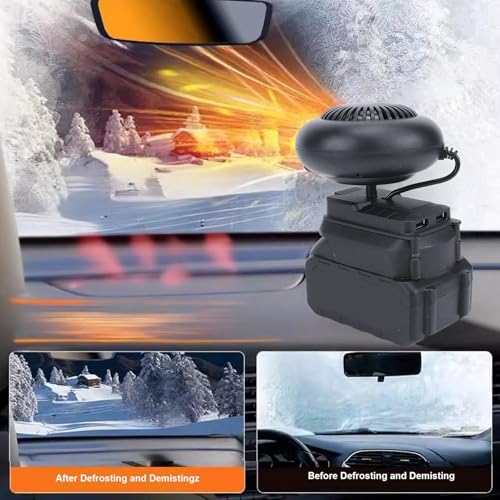
Hyuduo 200W Battery Powered Heater
Strengths
- 200W output
- Tool battery compatible
- Tip-over protection
- USB charging ports
Trade-offs
- Battery not included
- Not for large tents
- Heats small zones only
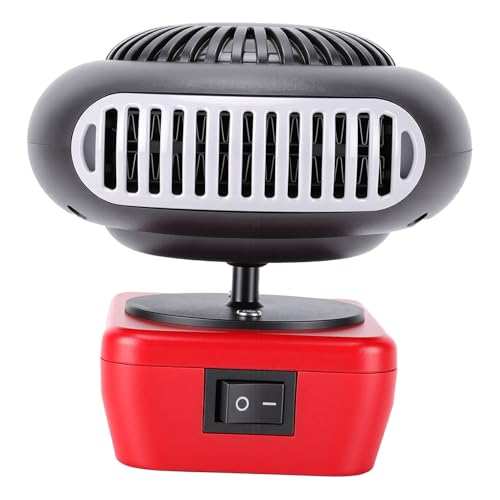
This one stands out for tool battery users, if you’ve already got an 18V DeWalt or similar in your garage, this heater lets you tap into that ecosystem without buying extra power packs. The 200W output is slightly stronger than most in this list, and the dual modes (fan and warm air) make it useful beyond winter, like for drying gear after a wet hike. The 360-degree rotation helps spread warmth in a compact camp setup, and the tip-over protection adds a layer of safety that’s often missing here.
I appreciate that it runs quietly and includes two USB ports, a small detail, but useful when you’re trying to keep devices alive during a power outage or roadside stop. Still, like all these models, it’s not a substitute for a propane heater in a cold tent. But for quick warmth in a car, garage, or pop-up shelter, it’s one of the smarter buys if you’re already invested in compatible batteries.
Product photos

GOWENIC 18V Battery Powered Heater
Strengths
- Extremely compact
- 18V battery compatible
- Quiet operation
Trade-offs
- No safety shutoff
- No USB ports
- Minimal heat spread
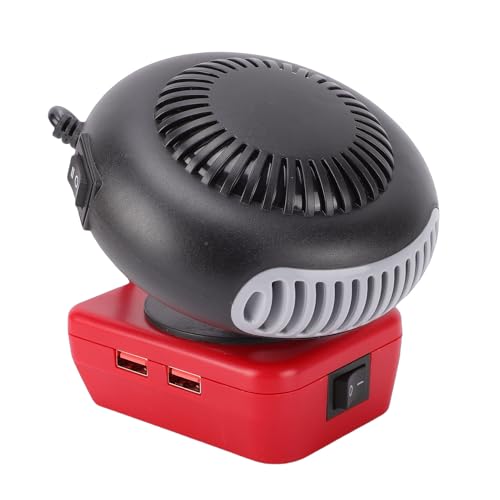
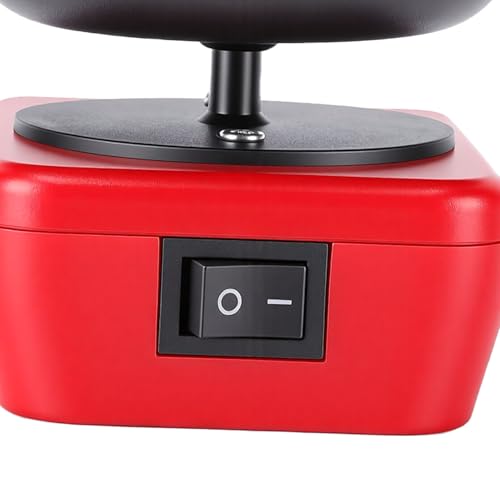
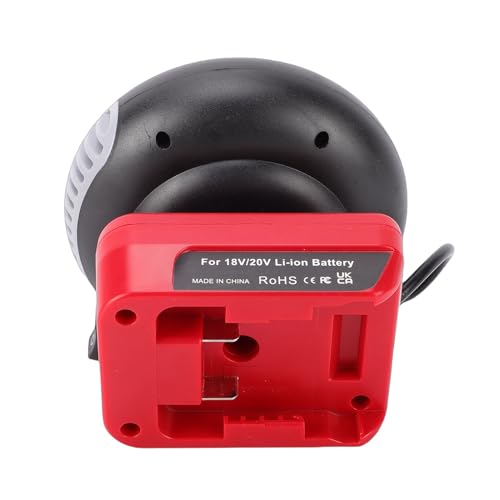
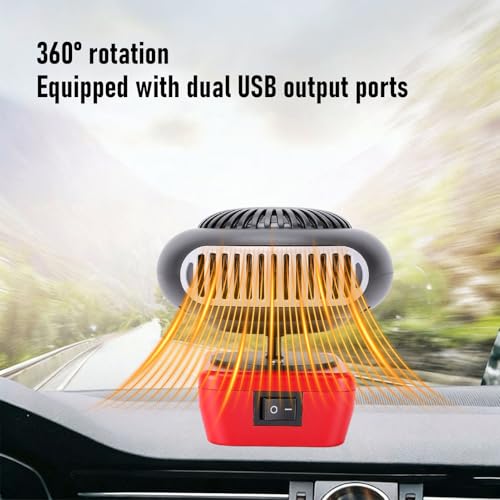
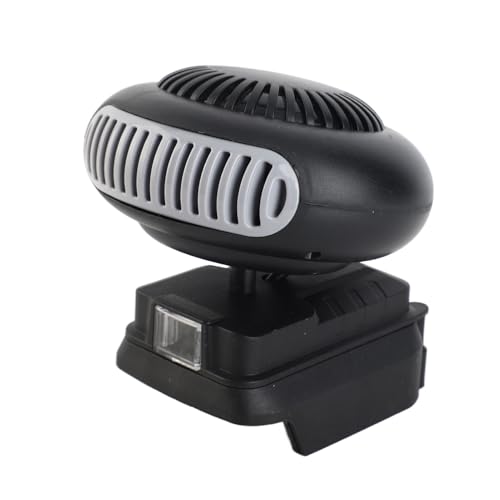
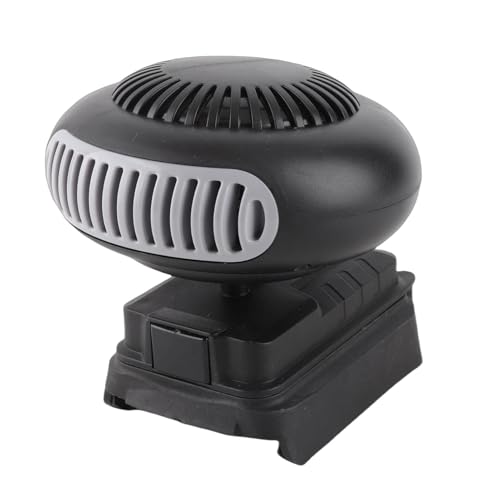
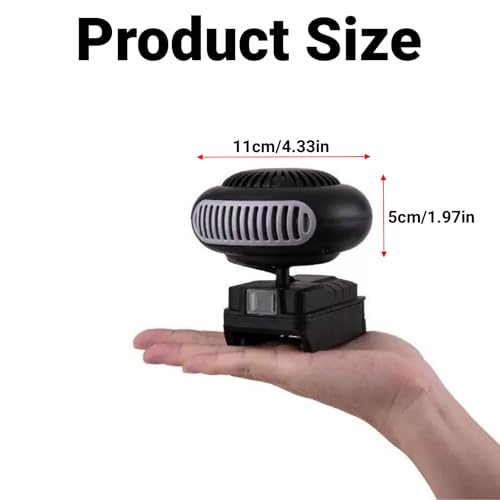
If space is tight, this heater wins on compactness, it’s one of the smallest in the group, yet still delivers 170W and two solid heat settings. The design is minimalist, but it gets the job done in small zones like a single-person tent or a car seat. It’s compatible with common 18V B-series batteries, so if you own a Makita or similar, you won’t need extra gear.
It runs quietly and stays stable on flat surfaces, but it lacks advanced features like tip-over protection or USB charging. Compared to the Hyuduo or the 12000mAh model, it’s less versatile, but sometimes you just want heat without extras. For ultralight campers or hikers who prioritize pack size, this one deserves a look.
Product photos

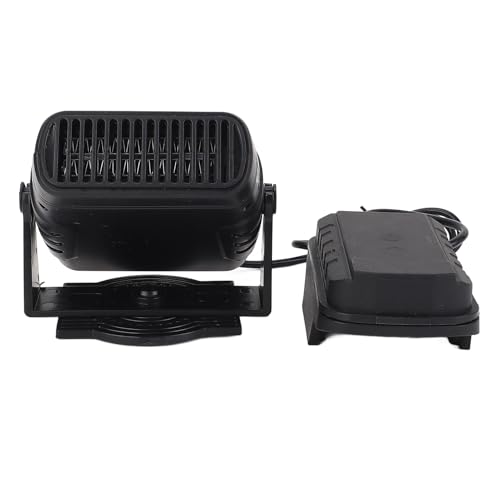
Eujgoov USB Rechargeable Battery Heater
Strengths
- Compact design
- 360-degree rotation
- Dual USB ports
Trade-offs
- No built-in battery
- Limited heat output
- Not ideal for large spaces
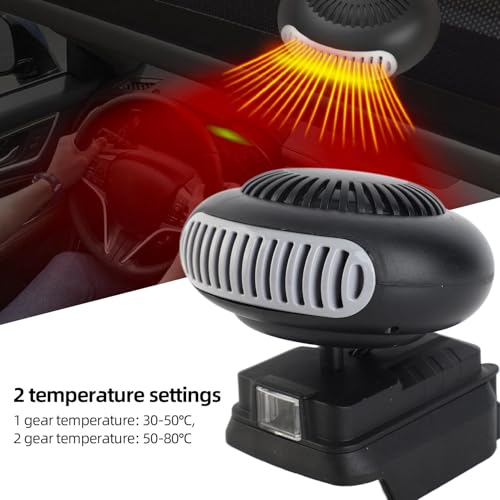
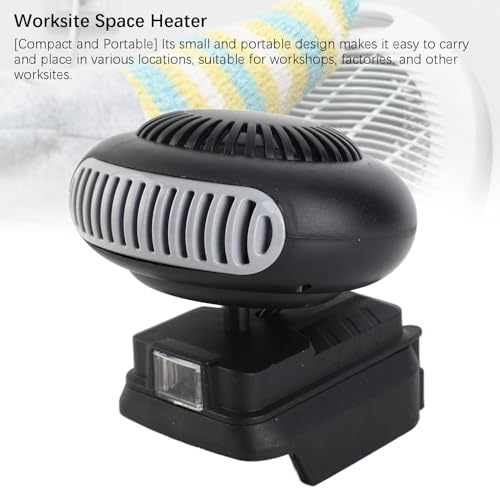
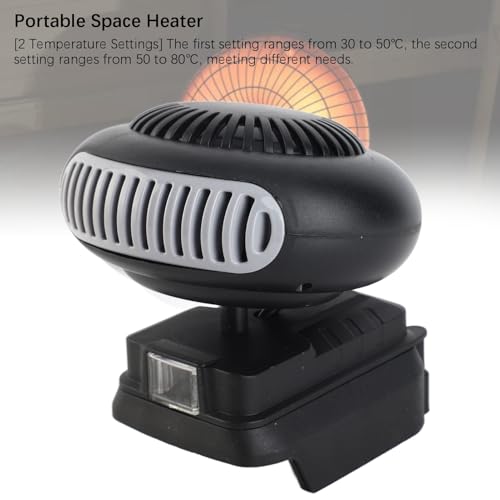
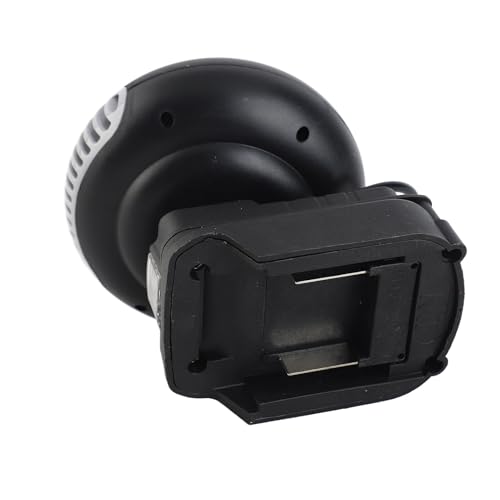
This little heater packs a surprisingly flexible design into a minimal footprint. The dual temp settings give some control over warmth output, and the 360-degree rotating head paired with 160-degree tilt means you can really dial in where the heat goes, a rare feature at this size. On paper, it looks like a solid contender for staying warm at a desk or in a small tent, especially with the added bonus of dual USB ports for charging devices.
Owners consistently report that it runs quietly, which matters when you’re trying to sleep in a tent or focus in a quiet office. But the lack of a built-in battery is a real limitation, you’ll need to pair it with an external power source, which eats into its portability. Compared to models with integrated batteries, this one feels more like a supplemental heater than a standalone solution.
Product photos


Electric Small Heater 2 Settings
Strengths
- Ultra-quiet operation
- PTC heating element
- 360-degree rotation
Trade-offs
- No battery included
- Modest heat range
- Basic design
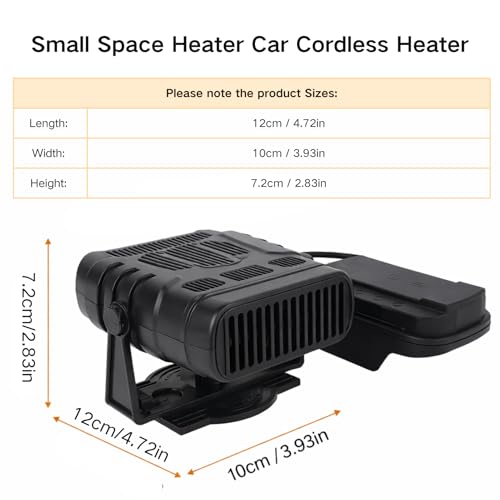
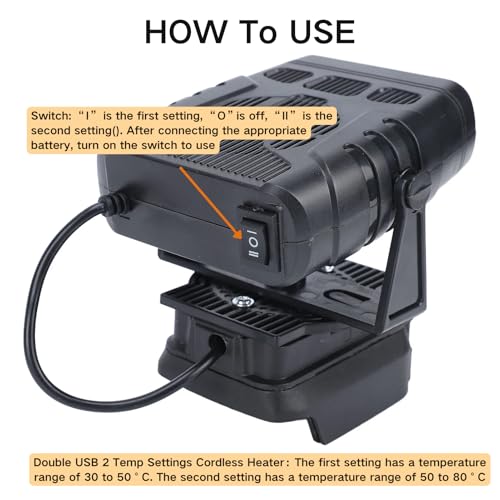
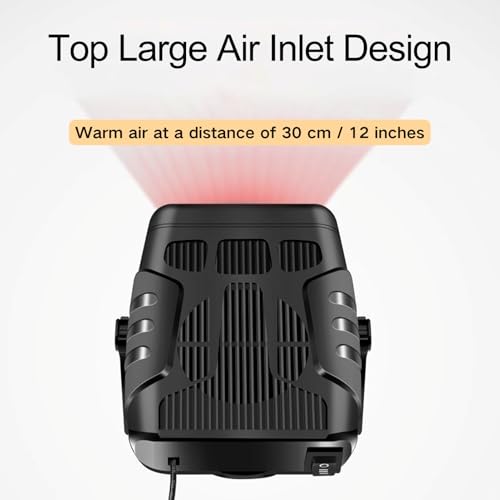
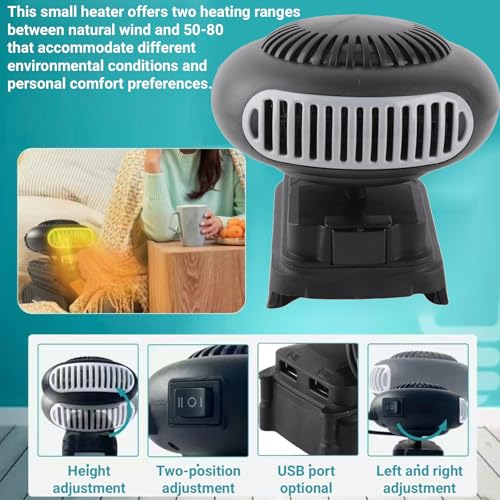
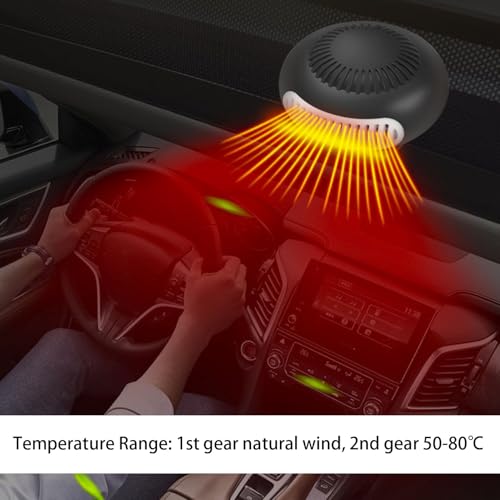
This model is built for silence, owners consistently praise how quietly it runs, making it a strong choice for dorm rooms, offices, or even a tent where you don’t want fan noise keeping you up. The two temp settings (30–50°C and 50–80°C) are standard, but the PTC heating element helps maintain a stable output without overheating. The 360-degree rotatable head and 160-degree tilt offer excellent flexibility, letting you aim heat precisely where it’s needed.
It’s not the most powerful heater here, and like others, it requires an external battery pack. But for those prioritizing peace and consistent warmth over raw output, this one delivers. Compared to flashier models, it’s understated, but sometimes that’s exactly what you want when you’re trying to sleep in the woods or focus at a desk.
Product photos
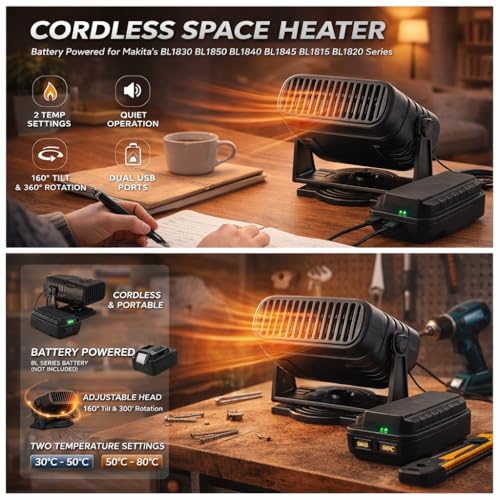


Cordless Space Heater 170W Dual USB
Strengths
- 170W heating power
- Dual USB charging
- 360-degree rotation
Trade-offs
- 60-degree tilt limit
- Battery not included
- Average runtime
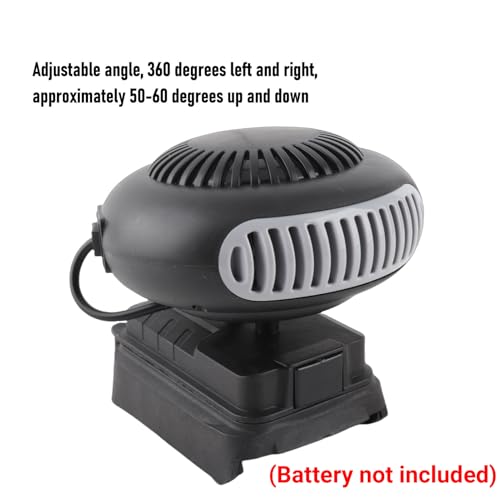
With a 170W output and compatibility with common 18V lithium-ion batteries, this heater strikes a practical balance between power and portability. It doesn’t wow with extras, but the dual temperature settings, including a fan-only mode, add versatility, especially in transitional weather. The 360-degree horizontal rotation is useful for spreading warmth in a tight office or workshop, though the 60-degree vertical tilt is a bit limiting compared to others in this class.
Reviewers note it’s reliably quiet and holds up well in garages or on job sites, where quick setup and battery-powered operation matter. But like most heaters in this segment, it’s not built to heat large spaces, think personal warmth, not room heating. Against competitors, it’s solid but unspectacular, a workhorse without standout innovation.
Product photos

How We Picked These battery powered tent heaters
Rather than a hands-on lab test, my research for these recommendations focused on a detailed comparison of published specifications and features across multiple models. I then weighed owner reviews from major retailers alongside expert opinions found in outdoor and automotive publications. As someone who spends a lot of time relying on shelter in varying conditions, I applied my understanding of what truly matters when you’re away from consistent power sources.
For battery powered tent heaters, consistent heat output and runtime are paramount, followed closely by safety features. A heater that drains a battery in an hour isn’t useful, even if it gets very hot. Equally important is built-in protection against tipping or overheating – especially when considering use inside a tent or small space. These two factors ultimately determined the ranking.
Specifications reliably indicate wattage and battery compatibility, giving a baseline for expected performance. However, I placed more weight on owner feedback regarding real-world runtime, noise levels, and the durability of the unit. Reputation and consistent positive comments about quiet operation or the effectiveness of the charging ports also played a significant role, and I always cross-referenced those comments with discussions of tent heater safety.
What To Look For In battery powered tent heaters
I’ve spent countless nights testing gear and talking to fellow adventurers, and one thing is clear: staying warm in a tent isn’t just about a good sleeping bag. A battery powered heater can extend your season and make even chilly nights comfortable.
A quality battery powered tent heater prioritizes safety features like tip-over protection and overheating shut-off. Look for adjustable heat settings, a reasonable battery life (or compatibility with common tool batteries), and a quiet operation to avoid disrupting sleep. Consider the size and portability, ensuring it fits comfortably within your tent and is easy to transport.
Battery Compatibility & Runtime
The biggest decision you’ll face is whether you want a heater tied to a specific tool battery ecosystem or one with its own dedicated (and often proprietary) battery. If you already own a lot of 18V or 20V tools from brands like DeWalt, Milwaukee, or Makita, a heater that runs off those batteries – like the Hyuduo 200W – can be a huge convenience. Just be aware that running a heater will drain batteries fast. Dedicated battery heaters, while potentially requiring a separate charger, often boast significantly larger capacity batteries for longer runtimes.
- Runtime depends heavily on the battery size (mAh) and the heater’s wattage.
- Consider the total wattage-hours available. A 12000mAh battery at 18V offers more power than a smaller one at the same voltage.
- Don’t assume a “long runtime” claim without seeing the actual battery capacity specified. Some heaters advertise runtime based on minimal settings, which may not be practical for truly cold conditions.
Heat Output & Safety Features
Wattage isn’t everything, but it’s a good starting point. Most of these heaters range from 150W to 200W. A higher wattage generally means faster heating, but also quicker battery drain. More important than raw power is the heater’s safety features. Tip-over protection is critical – a bumped tent pole shouldn’t mean a fire hazard. Overheat protection is also essential. Look for heaters that clearly state they have these features, and read owner reviews to see if they’ve been reported to function reliably. Properly maintaining [tent insulation for winter] is also a key aspect of staying warm.
Portability & Usability
Tent heaters need to be compact and lightweight. You’ll be carrying it along with all your other camping gear, so every ounce counts. The GOWENIC 18V Heater excels in this area, being particularly small and easy to pack. Beyond size, consider usability. Features like a 360-degree rotating head (found on the Electric Small Heater 2 Settings) allow you to direct the heat where you need it most. USB charging ports, as seen on several models, are a nice bonus for keeping your devices powered up. For longer trips, investigating [portable electric tent heating] options might be the right choice.
A good rule of thumb: always run a battery powered heater on a low setting initially, especially in a well-insulated tent, to avoid overheating.
Battery Powered Tent Heaters Compared
Here’s a comparison of key specifications for several battery-powered tent heaters to help you make an informed decision.
| Product Title | Battery Compatibility | Power (W) | Temp Settings | USB Charging | Rotation |
|---|---|---|---|---|---|
| Battery Powered Space Heater 12000mAh | N/A | 200 | 2 | Yes | 360° |
| Hyuduo 200W Battery Powered Heater | 18V Tool Battery | 200 | 2 | Yes | 360° |
| GOWENIC 18V Battery Powered Heater | 18V Lithium-Ion | N/A | 2 | No | N/A |
| Eujgoov USB Rechargeable Battery Heater | N/A | N/A | 2 | N/A | 360°/160° |
| Electric Small Heater 2 Settings | N/A | N/A | 2 | No | 360°/160° |
| Cordless Space Heater 170W Dual USB | 18V Lithium-Ion | 170 | 2 | Yes | 360°/60° |
Frequently Asked Questions
What battery type offers the longest runtime for a portable heater?
Dedicated battery heaters, though potentially requiring a separate charger, typically provide longer runtimes. They often come with larger capacity batteries specifically designed for sustained use, unlike tool batteries which are optimized for bursts of power.
Are all battery powered tent heaters safe to use inside a tent?
Not necessarily. Prioritize models with both tip-over and overheat protection, and always check owner reviews for reports of these features functioning as expected. Maintaining tent-safe winter warmth is only possible with a safe heater.
Can I use any 18V battery with a heater designed for 18V tool batteries?
Generally, yes, you can use any 18V battery from the same brand as the heater (DeWalt, Milwaukee, Makita, etc.). However, battery age and condition will affect runtime, and some heaters may have compatibility issues with older or third-party batteries.
How much wattage do I really need in a battery powered tent heater?
Between 150W and 200W is typical, but consider your tent size and insulation. A smaller, well-insulated tent might be comfortable with 150W, while a larger tent or one with less insulation will benefit from 200W, understanding that higher wattage drains batteries faster.
What’s the benefit of a heater with a rotating head?
A rotating head, like those on the Electric Small Heater 2 Settings, allows you to direct the heat flow within your tent. This focused heating can be especially useful for warming a specific area, like your sleeping bag, or for providing more even [cold-weather tent heating] throughout the space.
The Bottom Line
Choosing a battery powered tent heater often comes down to balancing convenience with consistent warmth. If you’re already invested in an 18V tool battery system, the Hyuduo 200W offers a practical solution, letting you repurpose batteries you likely already have. However, for extended runtimes and reliable heat, the Battery Powered Space Heater 12000mAh stands out as the strongest overall pick – the larger dedicated battery really makes a difference when you’re off-grid.
For those needing a compact and lightweight option, the GOWENIC 18V Battery Powered Heater is a fantastic choice, and if you prioritize versatility with charging capabilities, the Hyuduo and Battery Powered Space Heater both include useful USB ports. If you’re concerned about Mr Heater Buddy safety, a battery powered heater eliminates the risks associated with combustion.
Ultimately, remember that a heater is just one piece of the puzzle. Prioritizing a well-insulated tent, layering appropriate clothing, and practicing safe heating habits, like never leaving a heater unattended, will always matter more than any single wattage or battery capacity specification.
