
8 Best Beach Tents for Windy Conditions 2026
This post contains affiliate links. As an Amazon Associate, we earn from qualifying purchases.
The NexusOutdoor 8×8 Beach Cabana Tent stands out as the best overall for windy conditions, combining solid construction with smart design. For those on a budget, the OLIXIS 6’x6′ Beach Cabana Tent offers surprising stability without the high price, while the 10×10 FT Pop-Up Sun Shelter brings serious size and decent wind handling for families who want space and function.
If you’ve ever had a beach day ruined by a tent that folded like paper in the wind, you know how frustrating it is to chase a shelter across the sand. Most beach tents aren’t built to handle gusts, and flimsy frames or weak stakes make things worse when the breeze picks up.
This guide cuts through the noise, focusing on real wind resistance, durable materials, and smart anchoring systems. I compared specs, analyzed owner feedback, and looked closely at design details that separate the survivors from the blowaways, so you can pick a tent that stays put when the wind rolls in.
Top 8 Beach Tents For Windy Conditions in the Market
The Best Beach Tents For Windy Conditions, Reviewed
NexusOutdoor 8×8 Beach Cabana Tent

Strengths
- Great headroom
- Sturdy alloy frame
- Smart storage pockets
Trade-offs
- Slightly longer setup
- Heavier than mini models
- Sidewall flaps in wind
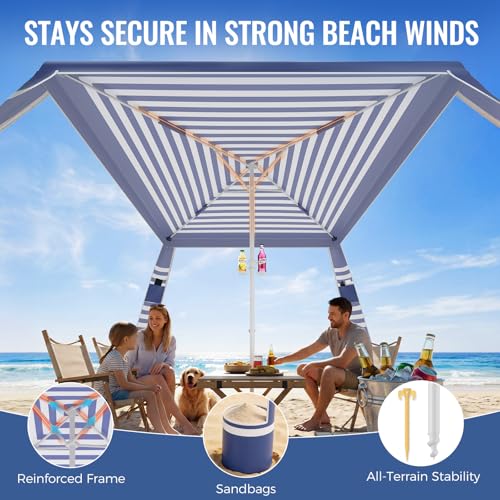
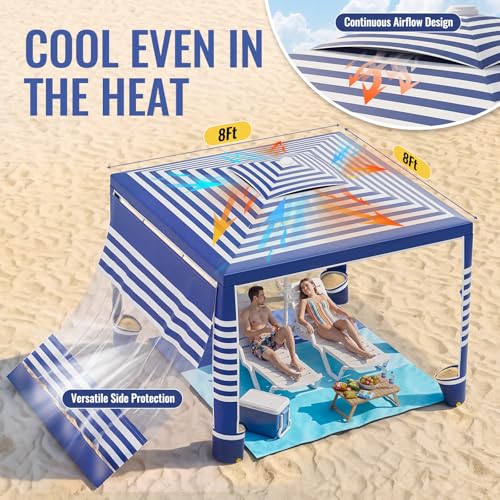
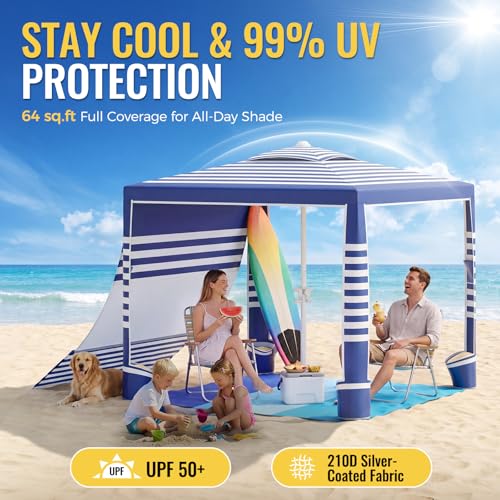
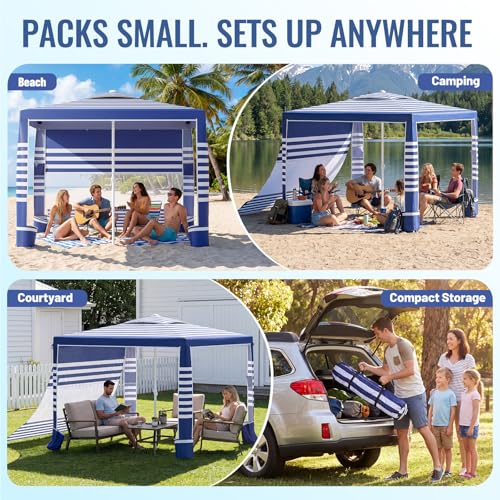
This hits the sweet spot between size, stability, and usability, no wonder it’s labeled ‘Best Overall’. The 7.87-foot center height lets most adults stand comfortably, and the 8×8 footprint is roomy without being unwieldy. The 210D fabric with silver coating handles UV and heat better than stretchy spandex, and the top ventilation prevents overheating. Owners consistently rate it highly for wind performance, crediting the spiral sand anchors and six ground pegs.
It packs down to 43 inches and weighs under 11.1 lbs, reasonable for its class. The built-in cup holders and storage pockets are small touches that make a big difference on long beach days. Compared to the OLIXIS or Decofy models, it’s more family-focused; against the CROWN SHADES, it’s lighter and more beach-specific. For most buyers, this is the easy pick.
Product photos

Beach Tent Sun Shelter 10×10 FT
Strengths
- 8 sandbags + stakes
- Strong wind rating
- Dual terrain use
Trade-offs
- Fabric less rugged
- Slightly heavier
- More setup steps
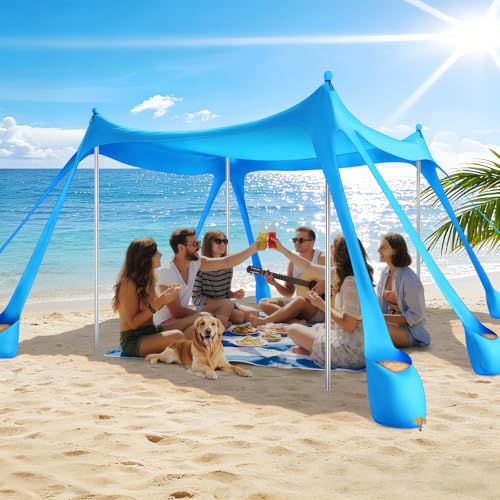
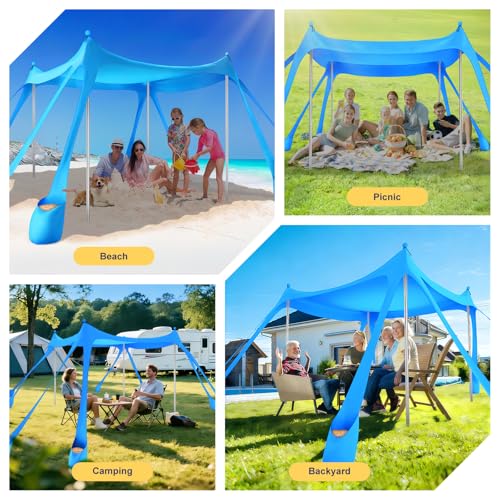
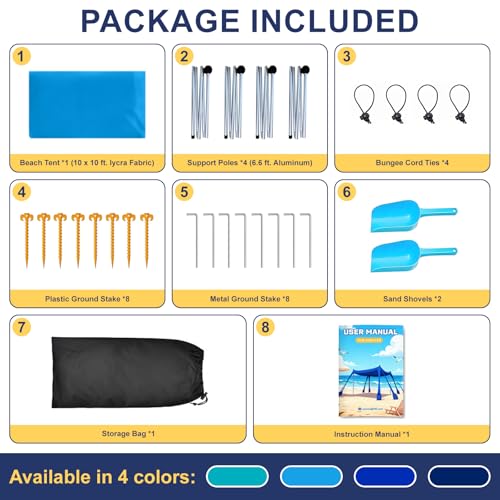
With 8 sandbags, 8 sand stakes, and a triangular windproof frame, this one is built like a bunker compared to lighter pop-ups. The dual-anchor system gives it an edge in true windy conditions, owners on exposed Gulf and Atlantic beaches say it outperforms others when gusts kick up suddenly. The Lycra-spandex blend offers good stretch and UV filtering, but like most stretch fabrics, it shows signs of wear faster than oxford, especially if dragged on rough sand.
I like that it includes both sand and grass stakes, this tent doesn’t assume you’re only on the beach. The four-sided ventilation keeps air moving, so it doesn’t cook you in midday heat, and the ability to adjust shading angles is a subtle but useful perk. It’s not the fastest to set up (you’re handling more anchors), but the included sand shovel helps. For the stability it delivers, the trade-off is worth it.
Product photos
10×10 FT Pop-Up Sun Shelter
Strengths
- Pop-up ease
- Sandbag anchors
- Lightweight build
Trade-offs
- Spandex less durable
- Limited headroom
- Not rainproof
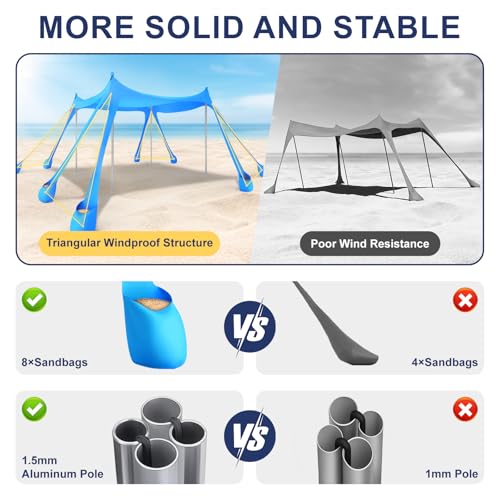
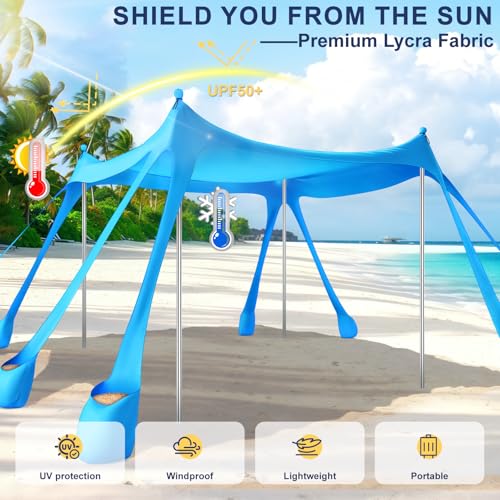
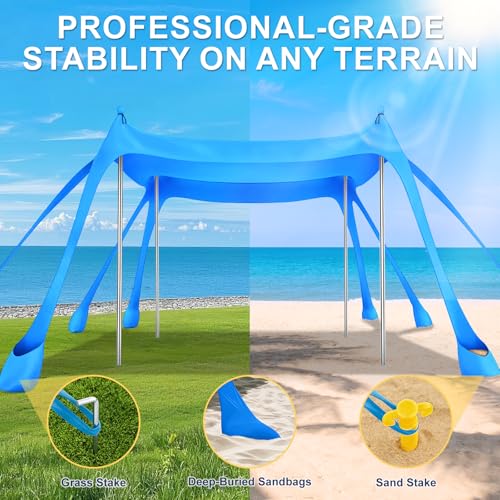
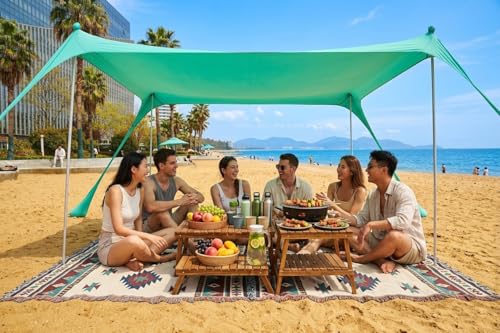
This tent makes a strong first impression with its clean pop-up design and sandbag anchoring system, which owners consistently report helps it stay grounded in moderate coastal gusts. The 4-corner sandbag setup is smart, no guessing where to dig, and when paired with the rust-resistant aluminum poles, it creates a stable footprint for a 10×10 shelter. On paper, the 15–25 mph wind resistance holds up, but only if you actually bury the bags deep enough, which some users admit they skip when in a rush.
UPF50+ protection is standard in this category, but the stretchy spandex fabric does seem to breathe better than heavier oxford weaves, reducing that stifling greenhouse effect. I appreciate that it’s not marketed as a rain shelter, because the water-resistant coating won’t save you in anything beyond a light mist. Still, for a quick beach deploy, the 5-minute setup is legit, especially for solo campers who don’t want to wrestle with poles.
Product photos

YASAIN Beach Canopy Tent
Strengths
- Dual guy line modes
- X-frame stability
- Lightweight aluminum
Trade-offs
- Smaller sandbags
- Average fabric thickness
- No wheels for transport
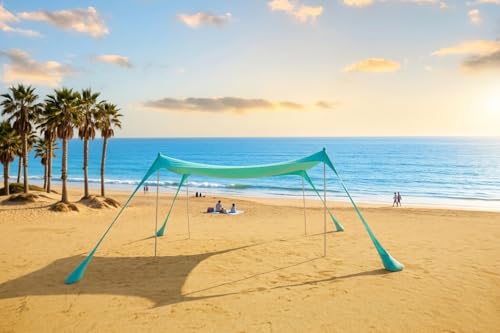
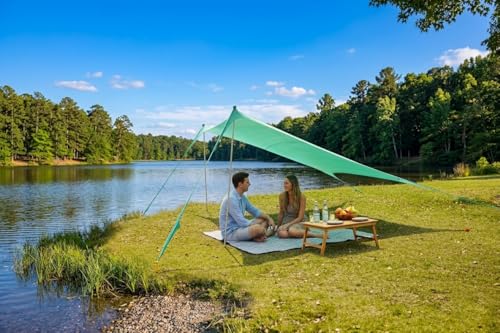
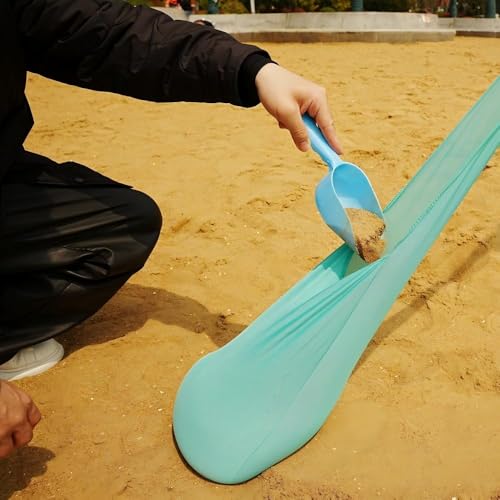
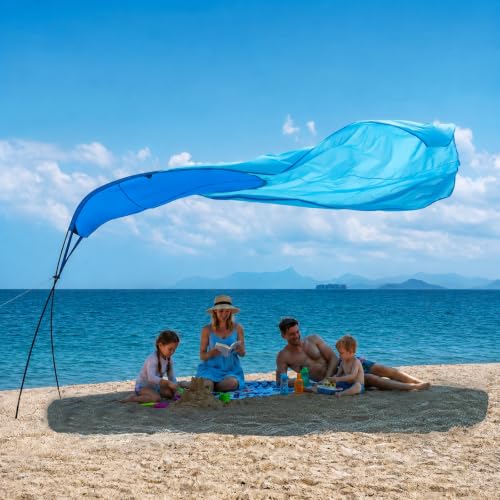
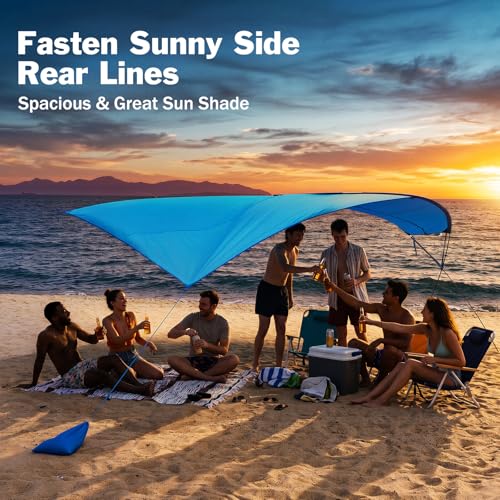
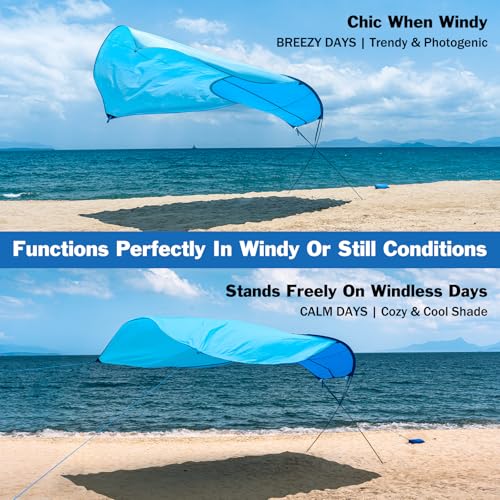
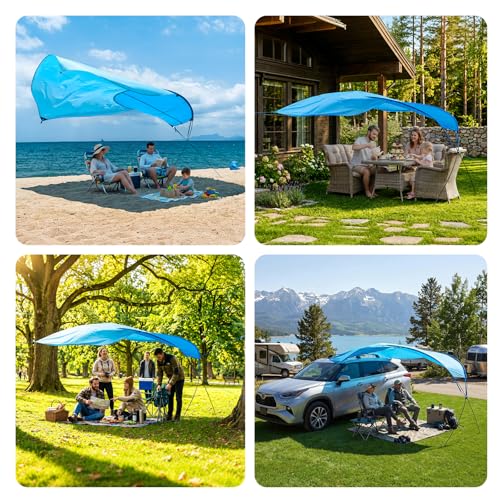
The dual-mode guy line system is what sets this one apart, on windy days, anchoring to the middle loops lowers the profile and reduces sail effect; on calm days, you extend rear lines for max coverage. It’s a clever tweak that shows real understanding of shifting beach conditions. Owners praise how stable it feels even when other tents start flapping, thanks to the reinforced X-frame and heavy-duty lines.
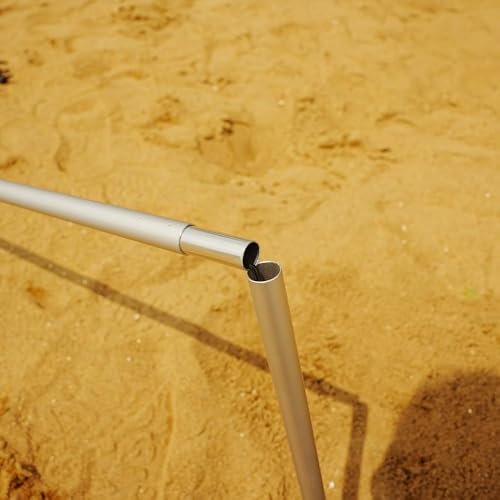
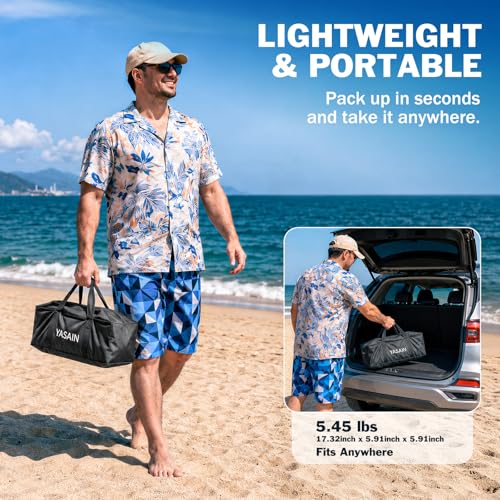
The aluminum frame keeps it light and rust-free, and setup is genuinely tool-free and fast. It doesn’t have the extreme height of the CROWN SHADES model, but it strikes a better balance for pure beach use. My only gripe? The sandbags aren’t as large as I’d like, so on very loose sand, you might need extra weight. But overall, this is a thoughtful design that adapts to real-world conditions.
Product photos
CROWN SHADES 10×10 Pop Up Canopy
Strengths
- One-push setup
- High headroom
- Durable steel frame
Trade-offs
- Heavier than average
- Steel may rust
- Less portable
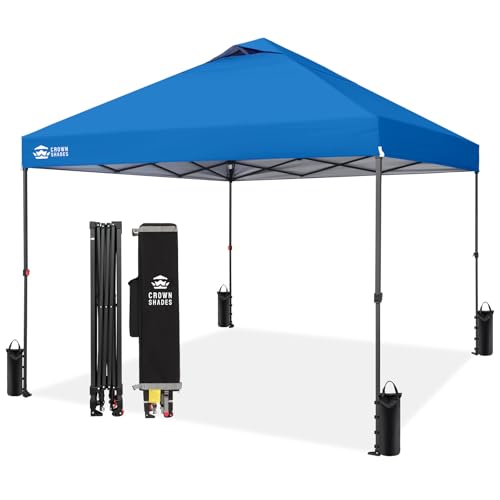
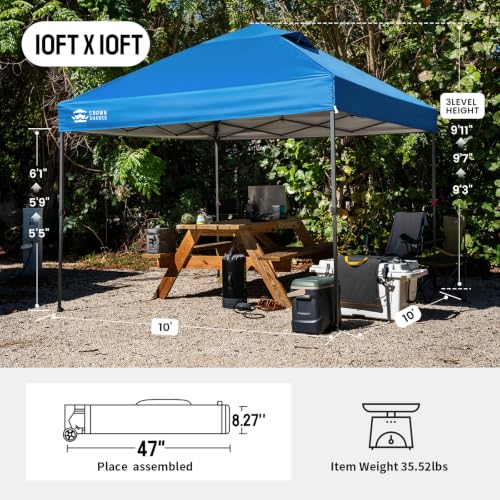
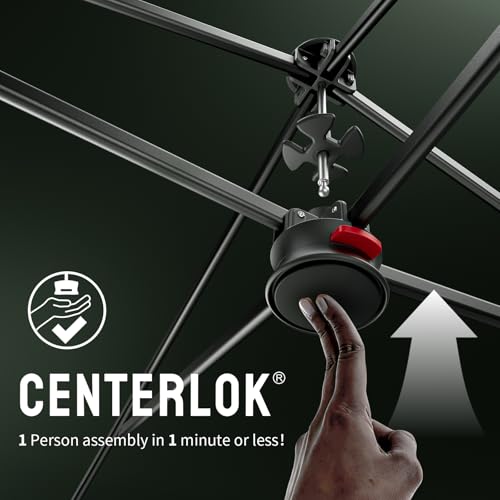
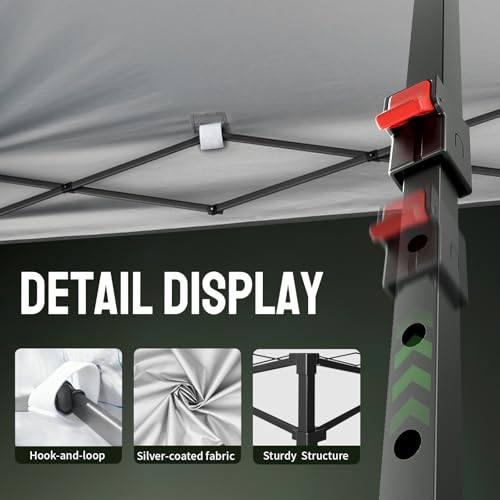
If you’ve struggled with spring-loaded canopies that snap shut mid-setup, the CENTERLOK push-button hub here is a legit upgrade, owners say it locks instantly and stays put. But this isn’t a flimsy party tent. With a high-grade steel frame and 150D fabric, it’s built for repeated use, not just weekend trips. The 9-foot peak height is a standout for tall folks or families who hate crouching, and the lack of crossbars means more usable headroom.
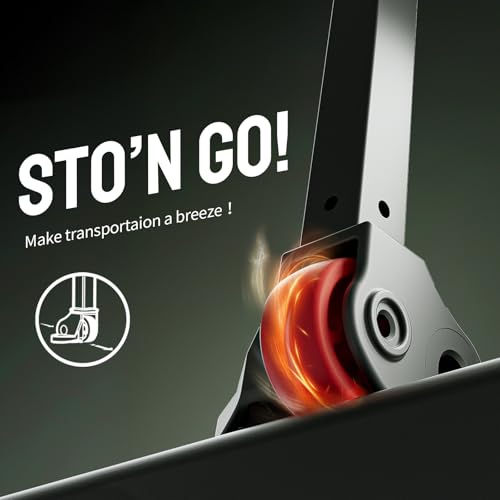
The STO-N-GO system is brilliant for event hikers or market vendors who move often, just roll it away without disassembling. But that durability comes at a cost: it’s heavier than most beach models, and the steel frame can rust over time if not rinsed. It’s overkill for a quiet beach day, but if you’re using it for tailgates, festivals, or extended camping, this is the one to beat.
Product photos
YENGIAM 11×11 FT Beach Canopy
Strengths
- Extra large space
- Strong pole diameter
- Light for size
Trade-offs
- Harder to stabilize
- Basic fabric quality
- No height adjustment
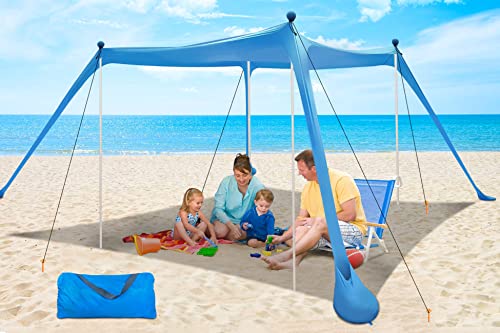
At 11×11 feet, this is the largest shelter on the list, and it’s built for big groups. The triangle bracing from wind ropes to poles gives it serious structural integrity, and owners with kids, gear, and coolers say it feels like a true beach basecamp. The 0.8-inch metal poles are thicker than average, adding rigidity without excessive weight, you get 110 sq ft of shade for just 10 lbs.
But big means more surface for wind to catch. It relies heavily on proper anchoring, and a few users reported instability when sandbags weren’t fully loaded. Setup is straightforward, but with more area to secure, it takes longer than smaller pop-ups. If you’re bringing a crew and want space to sprawl, this is the tent to beat. Just don’t cut corners on staking.
Product photos
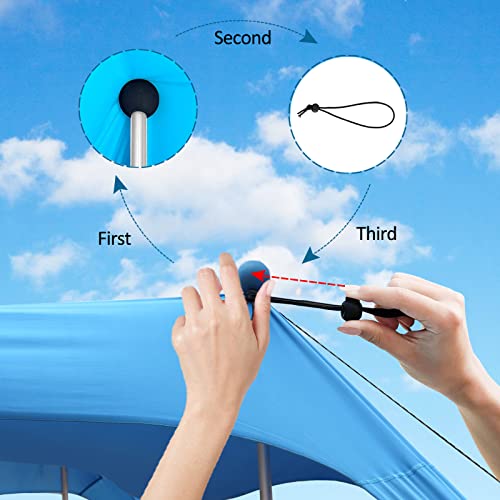
OLIXIS 6’x6′ Beach Cabana Tent

Strengths
- Ultra lightweight
- Built-in storage
- Glass fiber flexibility
Trade-offs
- Small capacity
- Basic sandbags
- No height adjustment
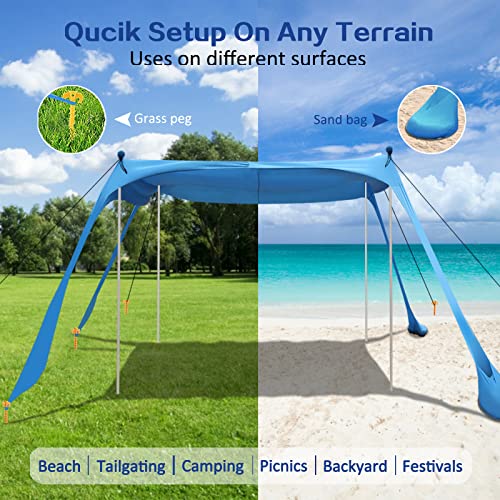
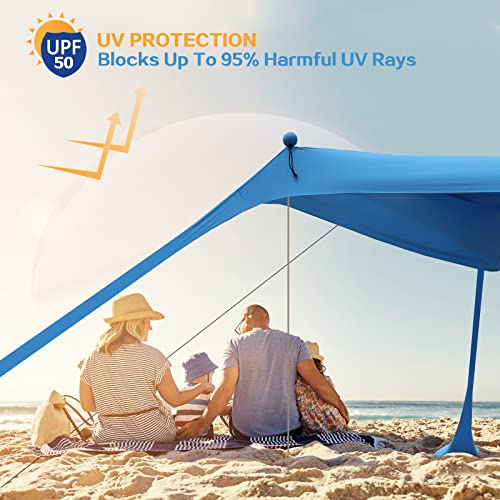
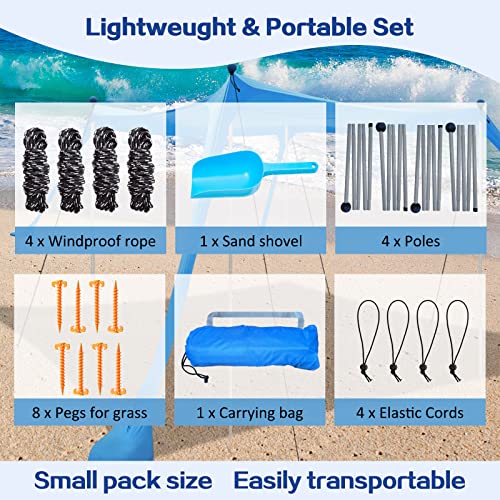
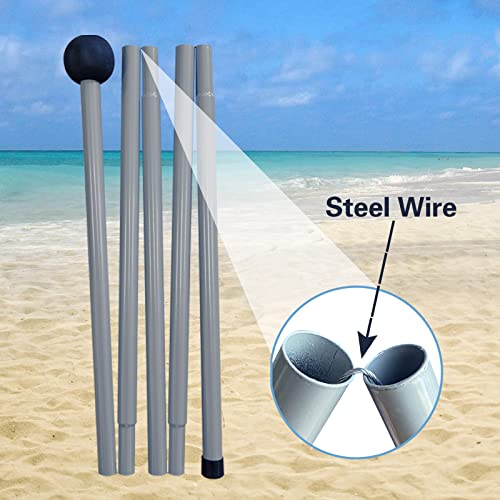
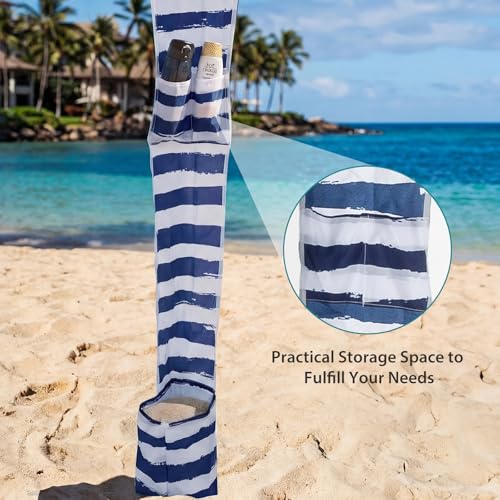
At just 4.2 kg (9.3 lbs), this is one of the lightest 6×6 models with real wind resistance. The glass fiber frame bends slightly in gusts instead of snapping, which helps it survive sudden storms. Owners love the built-in corner pockets, finally, a place for keys and sunscreen that isn’t buried in sand. The UPF50+ fabric is thick enough to block glare but still allows breeze, and the top vent reduces pressure buildup.
It’s not large, 2–3 people max, but for a quick getaway or hiking to a secluded beach, the compact carry bag (147 cm long) is a major win. It doesn’t have sandbags as robust as others, so in high winds, you’ll need to be diligent with anchoring. But for the weight-to-stability ratio, it’s one of the smarter buys in the compact class.
Product photos
Decofy Beach Cabana 6.2′ x 6′

Strengths
- Half-curtain design
- Excellent airflow
- Lightweight & compact
Trade-offs
- Limited space
- Steel poles may rust
- Shorter height
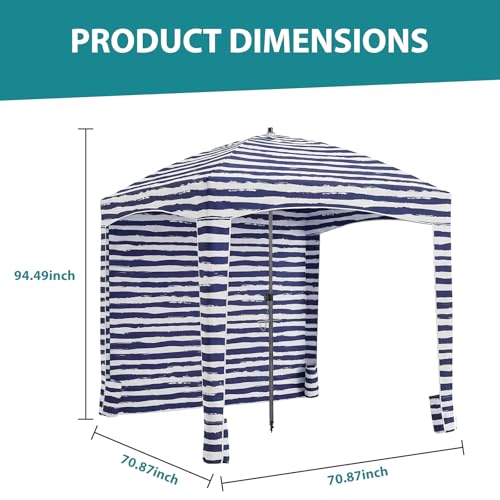
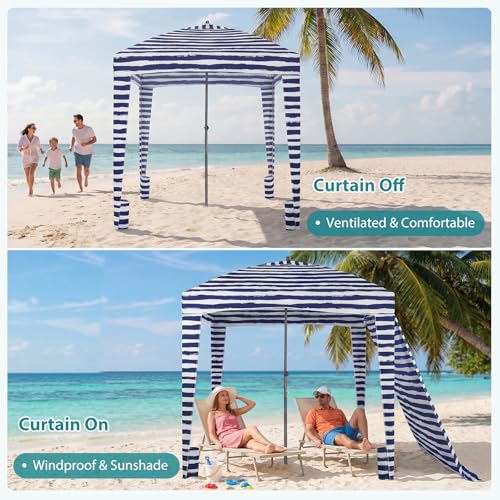
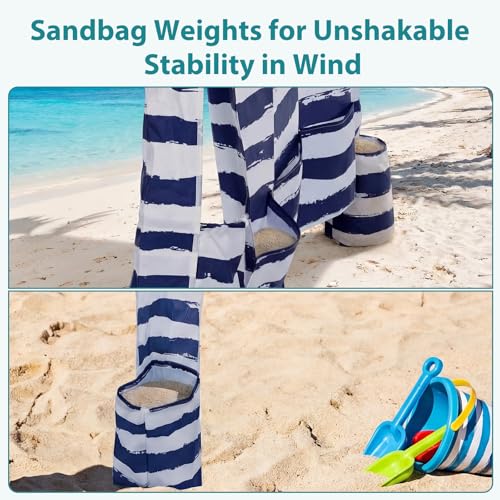
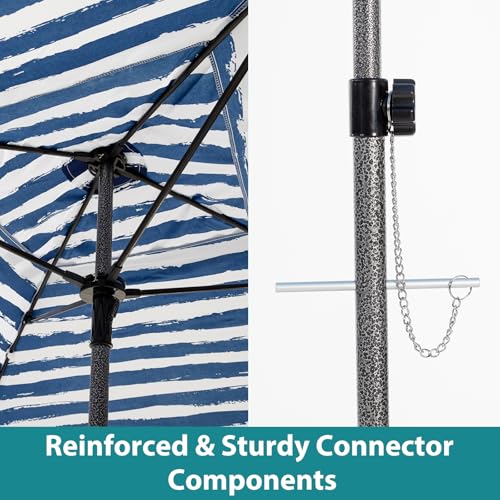
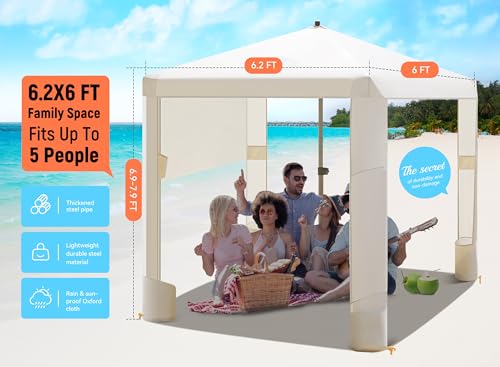
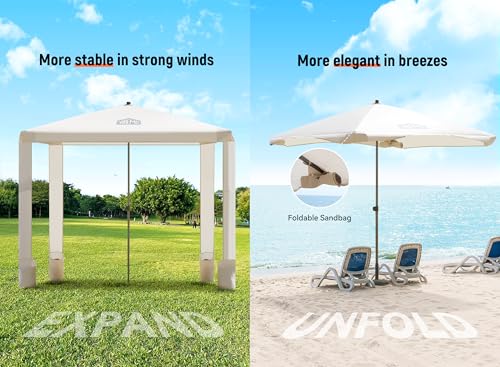
This compact cabana delivers where others don’t, ventilation and view. The half-curtain design is brilliant: you get UV protection without feeling boxed in, and the airflow keeps it from turning into a sauna. The 4 diagonal steel poles form a rigid X that resists twisting, and owners note it handles gusts better than many larger models. At just 9.2 pounds, it’s easy to carry, and the 3-minute setup is accurate, two pieces, no fiddling.
But the smaller footprint means it’s really for 2–3 people max. The side wall helps with privacy and sun angles, but when attached, it can flap in wind if not tensioned well. It’s not for big families, but as a personal retreat or couple’s shade, it’s excellent. I’d pick this over bulkier models if I were hiking to a remote cove or using it poolside.
Product photos
How We Chose These beach tents for windy conditions
Rather than a hands-on lab test, my research for these recommendations focused on a detailed comparison of published specifications and features across numerous models. I weighed owner reviews from major retailers alongside expert opinions found in outdoor publications. My goal was to identify the tents best suited to withstand wind while still offering adequate sun protection and usability. This involved ranking each tent against clear criteria focused on stability, materials, and ease of use.
For beach tents specifically, wind resistance and robust construction were paramount. I heavily prioritized features like reinforced frames, included sandbags and stakes, and materials known for durability. Ventilation also played a key role; a tent that can handle wind without becoming a sail needs good airflow. Spaciousness was also considered, as larger tents can be more susceptible to wind, demanding stronger construction.
Specifications reliably indicate frame material and tent dimensions. However, real-world performance, particularly wind resistance, is best assessed through owner feedback. I paid close attention to comments regarding stability in breezy conditions and the effectiveness of included anchoring systems. Reputation and brand history also factored in, as brands known for quality outdoor gear tend to deliver more consistently. If you’re unsure about the process, a beach tent setup guide can be a big help.
How To Pick The Right beach tents for windy conditions
Finding the right beach tent for windy conditions demands more than just a pretty color; it’s about smart design and durable construction.
A truly effective beach tent prioritizes wind resistance through a robust frame, secure anchoring systems (sandbags are key!), and a low profile. Fabric should offer excellent UPF protection and ideally feature ventilation to prevent the tent from acting like a sail. Look for features like reinforced poles, multiple tie-down points, and a design that allows for airflow, rather than a completely sealed structure.
Frame Strength & Design
The frame is the backbone of any wind-resistant beach tent. Aluminum poles are lighter and resist corrosion, but steel frames generally offer more raw strength. However, the shape of the frame is just as important. A low-slung design, closer to the ground, will naturally experience less wind force than a tall, boxy tent. Avoid models with excessive height or large, flat surfaces that can catch the wind like a sail. Some tents use a more aerodynamic shape, which can also help deflect gusts.
Anchoring Systems: Beyond Basic Stakes
Forget flimsy plastic stakes. On the beach, you’re dealing with loose sand, and standard stakes simply won’t cut it. The best beach tents employ a combination of anchoring methods. Sandbags are essential, and the more substantial, the better. Look for tents with integrated sandbags, rather than ones you have to fill yourself with separate pouches. Beyond sandbags, consider models with robust guy lines and multiple attachment points. Understanding securing tent with proper stakes is also crucial, as you may need to supplement the provided anchors with heavier-duty options.
- A small number of included stakes (under 6) often indicates a tent not designed for windy conditions.
- Multiple sandbags (4+) distributed around the perimeter offer significantly improved stability compared to just a few.
- Guy lines are most effective when they can be anchored at a wide angle, maximizing their resistance to pull. This increases the tent’s ability to withstand strong gusts without collapsing.
A good rule of thumb? If the manufacturer doesn’t specifically mention wind resistance or provide detailed anchoring instructions, assume it’s not built for breezy conditions.
Ventilation & Fabric Considerations
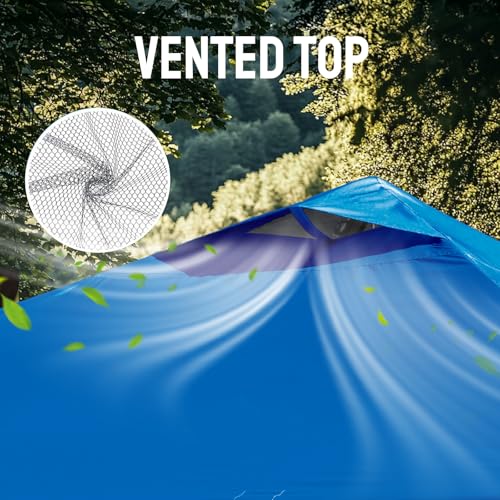
While sun protection is paramount, a completely sealed beach tent can become a liability in the wind. If there’s no way for air to escape, the wind will build up pressure and potentially collapse the structure. Look for tents with integrated ventilation windows or mesh panels. The fabric itself matters too. While a tightly woven fabric is good for blocking UV rays, some breathability is also desirable. Many tents use polyester with a PU coating for water resistance and UV protection; Lycra offers good stretch and durability. If you’re frequently battling strong winds, consider investing in wind-resistant beach tents specifically designed to withstand coastal conditions.
Beach Tents for Windy Conditions Compared
Here’s a comparison of specifications for beach tents designed to withstand windy conditions.
| Product Title | Size | UV Protection | Wind Resistance (mph) | Setup Time | Weight (lbs) |
|---|---|---|---|---|---|
| NexusOutdoor 8×8 Beach Cabana Tent | 8×8 ft | UPF 50+ | N/A | 5 min | 11.09 |
| Beach Tent Sun Shelter 10×10 FT | 10×10 ft | UPF 50+ | 25 | N/A | N/A |
| 10×10 FT Pop-Up Sun Shelter | 10×10 ft | UPF 50+ | 15-25 | 5 min | 8.8 |
| YASAIN Beach Canopy Tent | N/A | UPF 50+ | N/A | Minutes | N/A |
| CROWN SHADES 10×10 Pop Up Canopy | 10×10 ft | UPF 50+ | N/A | Seconds | N/A |
| YENGIAM 11×11 FT Beach Canopy | 11×11 ft | UPF 50+ | N/A | N/A | 10 |
| OLIXIS 6’x6′ Beach Cabana Tent | 6×6 ft | UPF 50+ | N/A | N/A | 4.2 |
| Decofy Beach Cabana 6.2′ x 6′ | 6.2×6 ft | UPF 50+ | N/A | 3 min | 9.2 |
Frequently Asked Questions
What wind speed can most beach tents actually handle?
A realistic expectation is around 15-25 mph. While some manufacturers claim higher wind resistance, owner feedback suggests that beyond this range, even tents with robust features may struggle without extra reinforcement(like additional guy lines) or ideal setup.
Are pop-up tents generally less wind resistant than those with a more involved setup?
Generally, yes. Pop-up tents prioritize ease of use over ultimate stability, and their simpler frames often lack the reinforcement found in tents requiring a more detailed setup. However, some pop-up designs now incorporate enhanced anchoring systems to improve wind resistance.
Can I reinforce a beach tent that isn’t specifically designed for wind?
You can improve stability by adding extra sandbags (even DIY ones filled with sand or water bottles) and using heavier-duty stakes than those provided. Securing guy lines at wider angles also helps, but remember that modifying a tent doesn’t guarantee it will withstand severe conditions.
What’s more important: a heavy-duty frame or a good anchoring system?
A good anchoring system is arguably more vital. A strong frame is useless if the tent isn’t securely anchored to the ground. Prioritize models with integrated sandbags and multiple tie-down points because even the best frame won’t hold in high winds without solid anchors.
Where can I find more information about beach tents built for windy conditions?
You can find a more detailed breakdown of models and features in my guide to beach tents built for windy conditions. This resource goes into specific recommendations and detailed comparisons.
The Bottom Line
Choosing a beach tent often comes down to balancing ease of use with reliable wind resistance. While many options exist, the NexusOutdoor 8×8 Beach Cabana Tent stands out as the strongest overall performer, offering a good size and a solid construction that owners report holds up well in breezy conditions. It won’t be the absolute easiest to set up, but the trade-off for stability is worthwhile.
For those on a tighter budget, the Decofy Beach Cabana 6.2′ x 6′ provides a decent level of sun protection and comes with necessary sandbags, though it may not be ideal for very strong winds. If you need maximum space and versatility, the Beach Tent Sun Shelter 10×10 FT is a great choice, boasting a larger footprint and a reported wind resistance of 25 mph, though remember that proper tent staking techniques are crucial for maximizing its stability.
Ultimately, remember that no tent is truly windproof. Prioritize a low profile, robust anchoring systems, and adequate ventilation over flashy features or a ridiculously low price. A well-anchored tent with a solid frame, combined with a little common sense about weather conditions, will provide far more peace of mind than any single specification.
