
8 Best Car Tents of 2026
This post contains affiliate links. As an Amazon Associate, we earn from qualifying purchases.
The best car tent overall is the FanttikOutdoor Beta C6 Apex SUV Tent, it scores high on durability, weather resistance, and ease of setup. For budget-focused campers, the HASIKA 2-Person SUV Tailgate Tent delivers solid performance without the price tag. If you want added versatility with outdoor living space, the TIMBER RIDGE SUV Tent w/ Screen Porch stands out.
Car tents promise easy shelter right off your vehicle, but too many fail when the wind picks up or the rain starts falling. I’ve seen enough flimsy designs and misleading claims to know that not every tent labeled “SUV-ready” actually works in real conditions.
This guide cuts through the noise. I compared specs, analyzed owner feedback, and looked at how each model handles key factors like weather resistance, setup, and vehicle fit, so you can pick one that truly works when you need it.
Top 8 Car Tents in the Market
The Best Car Tents, Reviewed
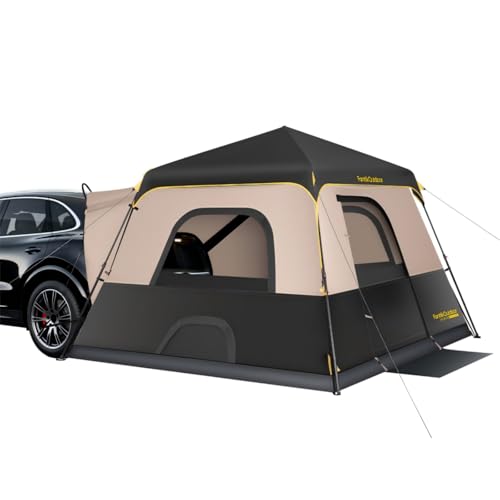
FanttikOutdoor Beta C6 Apex SUV Tent
Strengths
- Instant 60-second setup
- Lightweight yet sturdy
- Energy-saving vent design
Trade-offs
- Rainfly can flap in wind
- Slight condensation in humidity
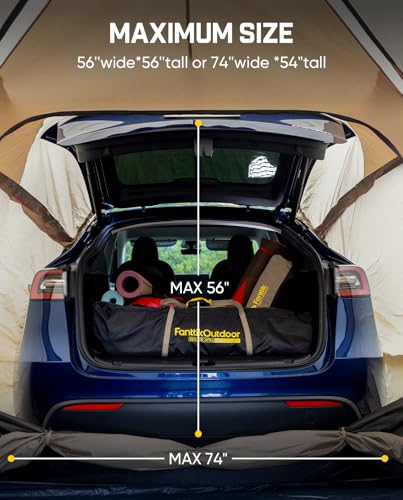
If I had to pick one SUV tent for most people, this would be it. The 60-second setup is no exaggeration, pre-attached poles and an instant cabin design mean you’re not wrestling with rods at dusk. At 22 lbs, it’s light enough to carry without strain, yet sturdy thanks to carbon steel poles. The dual ground vents are a smart touch, especially when attached to a running vehicle for climate control, it cuts energy loss in both summer and winter.
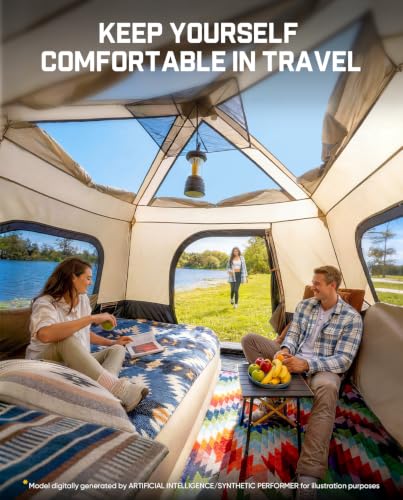
It’s not the largest, but it fits a queen air mattress and five to six people in a pinch. Compared to others, it balances speed, weight, and weather resistance better than most. Owners consistently praise how easy it is for beginners, and the SBS zippers feel durable. This is the best overall for families who want convenience without sacrificing performance.
Product photos



Economical Car Camping Tent
Strengths
- Spacious interior
- Stands upright comfortably
- Sewn-in floor
Trade-offs
- Basic rain resistance
- Limited ventilation control
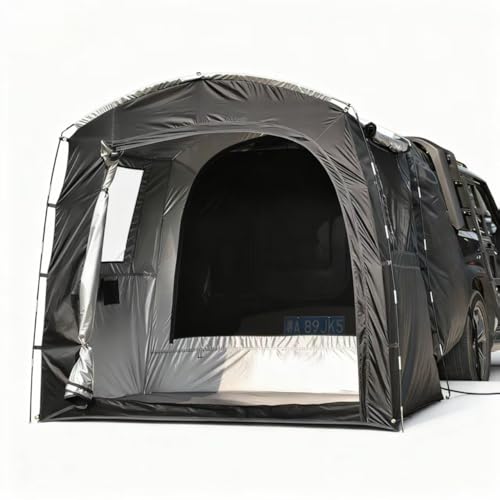
For budget-focused campers who still want room to stand and stretch, this tent delivers surprisingly well on paper. The 210D ripstop polyester suggests a step up from flimsy entry-level models, and owners consistently report it holds up fine in light rain and breeze, nothing extreme, but enough for weekend trips. I appreciate that it’s built for universal fit; you’re not locked into one vehicle model, which adds real value.
Still, this isn’t a four-season shelter. The sewn-in floor is a big plus for keeping out grit and bugs, and the dual mesh windows help with airflow, though some reviewers mention condensation in humid conditions. If you’re pairing comfort with cost, this one makes sense, just don’t expect bombproof weather performance.
Product photos

WildFinder SUV Tent 5-9 Person
Strengths
- Excellent weather protection
- Shoe storage compartment
- Stable in wind
Trade-offs
- Heavier than average
- Setup takes time
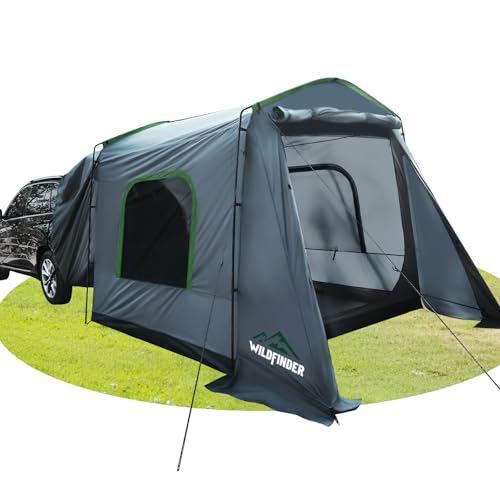
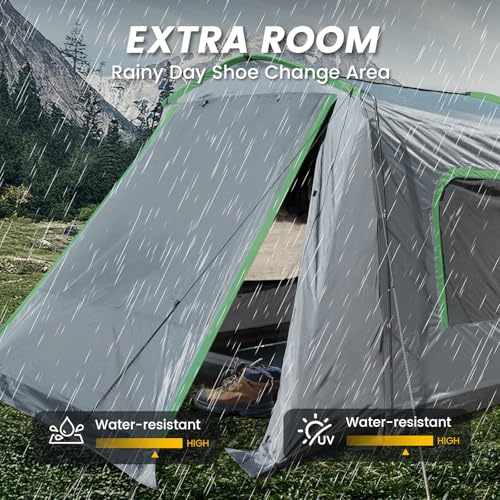
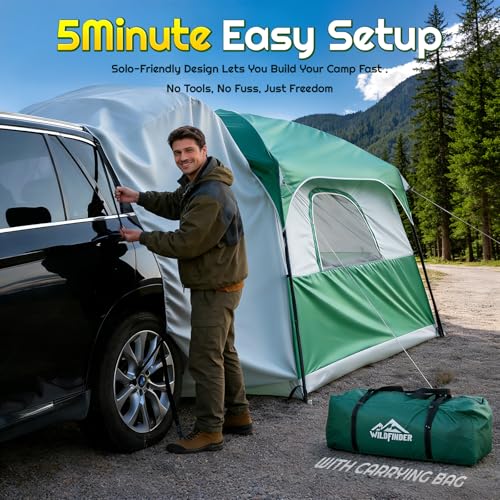
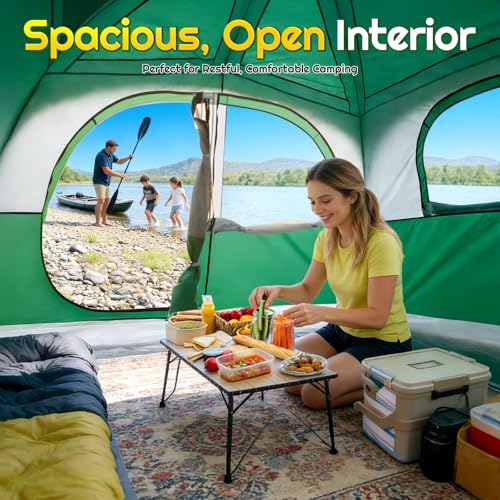
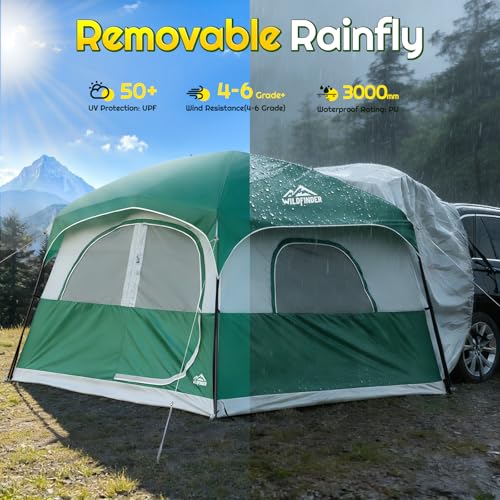
This tent is built for families who want dry feet and organized gear, the dedicated shoe storage area is a small feature that makes a big difference in real use. With PU3000mm waterproofing, it’s rated for serious weather, and owners say it holds up well in rain and wind when properly staked. The 7.2 ft center height lets most adults stand, and the universal fit works across SUVs, vans, and pickups.
It’s not the fastest to set up, but the trade-off is durability and smart layout. Compared to other family SUV tents, this one stands out for its wet-dry separation, a must in muddy or rainy conditions. I’d pick this over flashier models if I was camping with kids or in unpredictable climates.
Product photos

TIMBER RIDGE SUV Tent with Screen Porch
Strengths
- Large screened porch
- Good ventilation
- Spacious interior
Trade-offs
- Mid-tier waterproofing
- Awning flaps in wind
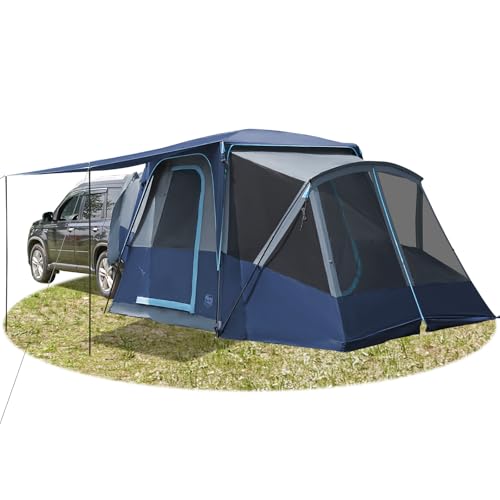
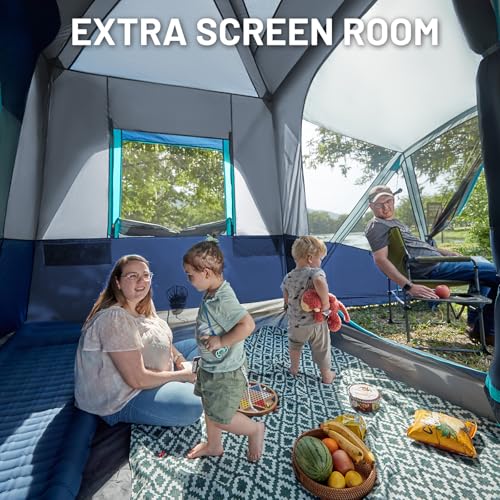
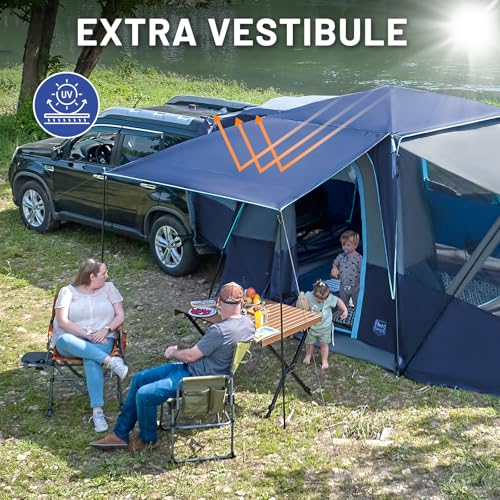
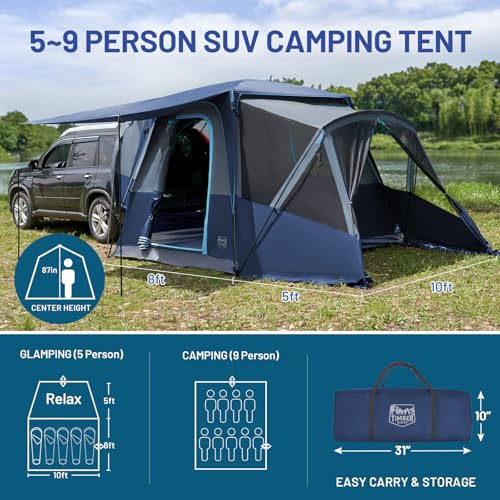
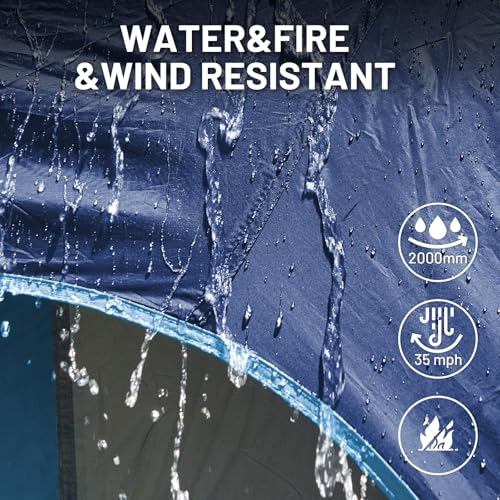
The standout here is the 6×8 ft screened porch, a standout for ventilation and campsite living. You can stash muddy boots, coolers, or chairs out of the main cabin while still keeping them covered and accessible. The mesh panels and double doors promote airflow, reducing that stuffy, clammy feeling common in attached car tents. On paper, the PU2000 fabric is solid for moderate rain, though not quite as robust as PU3000 models.
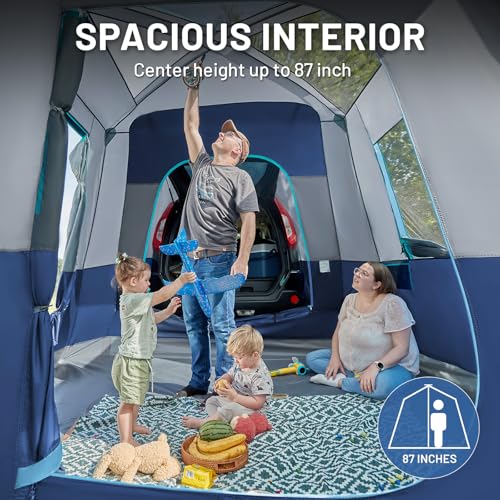
Owners note it’s roomy for two air mattresses, and the 7.1 ft height allows upright movement. It’s not the fastest to pitch, but the trade-off is thoughtful design. Compared to the WildFinder, it trades some weather resistance for better airflow and livability.
Product photos
WildFinder SUV Tent 10x9ft PU3000
Strengths
- Top-tier waterproofing
- Stargazing mesh roof
- Standalone capability
Trade-offs
- Slightly shorter interior
- Setup not instant
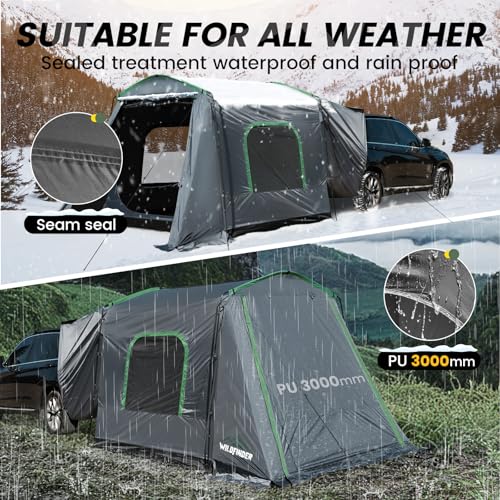
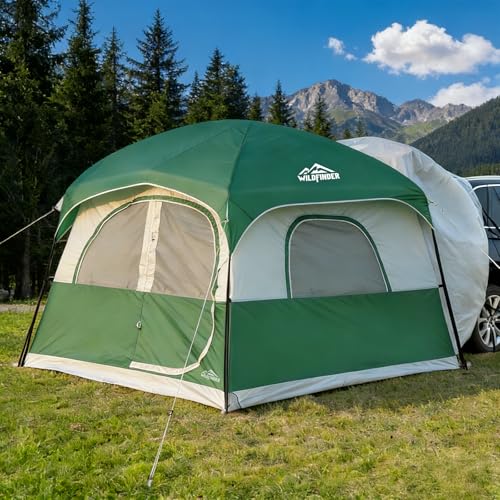
This tent screams durability, PU3000 waterproofing is top-tier for consumer-grade models, and the 190T polyester with professional coating means it’s built for storms. Owners report staying dry in heavy downpours, and the high-grade seams back that up. The 78-inch center height isn’t the tallest, but it’s enough for most to move comfortably. I also like the 2-in-1 design: zip up the vehicle sleeve and it becomes a standalone tent, which adds real flexibility.
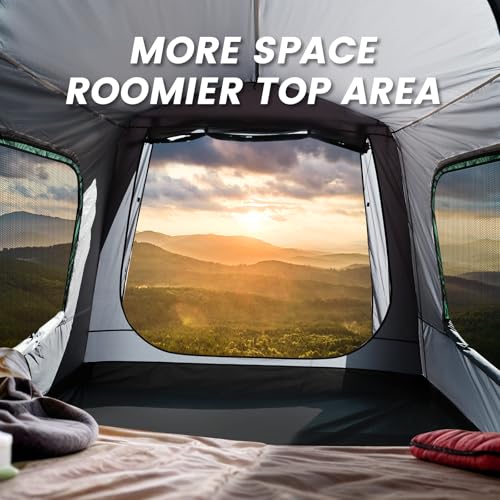
The panoramic mesh roof is a nice touch for stargazing, and the large windows promote airflow, though condensation can build up if vents aren’t managed. Compared to the FanttikOutdoor, it trades a bit of setup speed for superior weather defense. If rain is in the forecast, this is the one I’d trust.
Product photos


JAMFLY 12×20 ft Carport
Strengths
- Massive coverage
- All-weather durability
- Customizable ventilation
Trade-offs
- Bulky setup
- Requires multiple people
- Not vehicle-attached
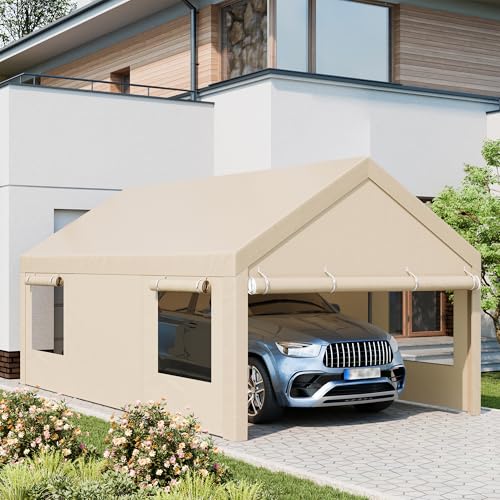
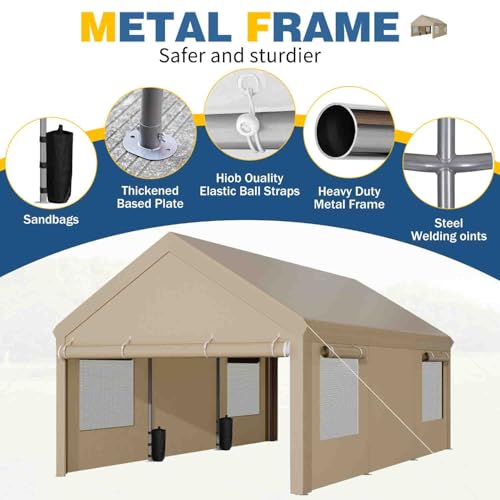
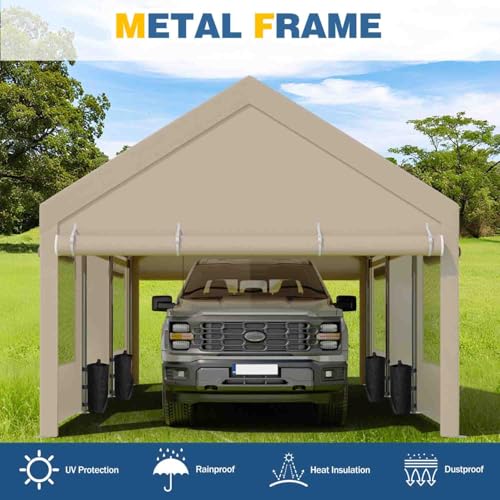
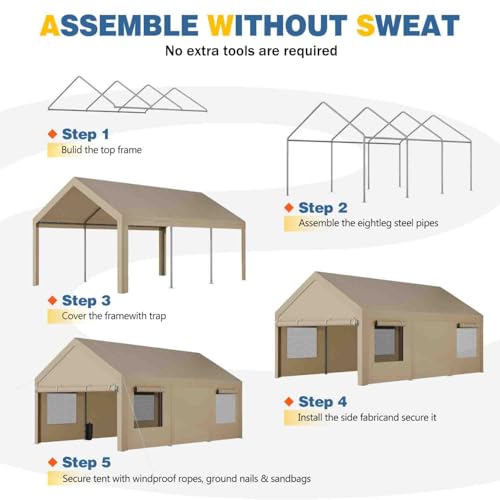
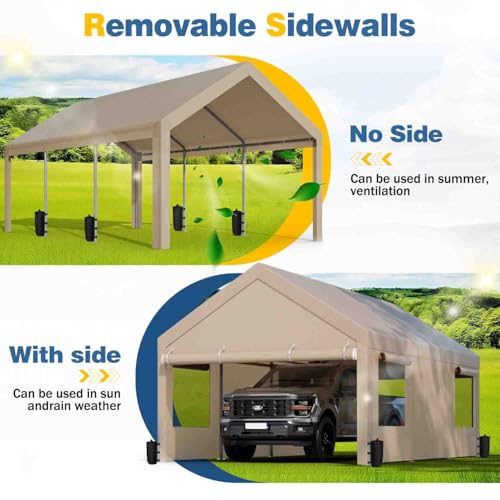
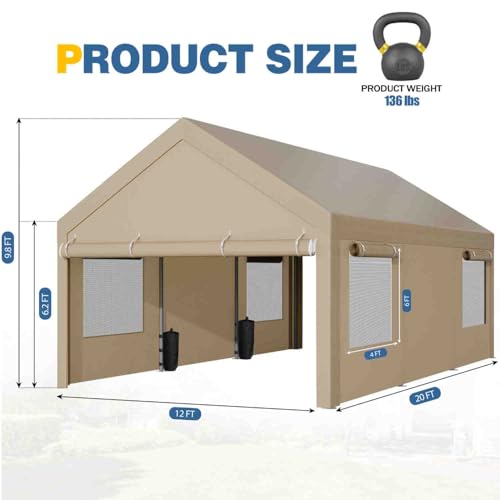
This isn’t a camping tent, it’s a full-on portable garage, and it shows. The 12×20 ft footprint is massive, and the heavy-duty steel frame with sandbags and wind ropes means it’s built to last through seasons. The removable sidewalls and roll-up windows offer real flexibility: open it up for airflow, close it for storm protection. Owners report using it for everything from vehicle storage to outdoor events, and the all-season tarp seems to hold up under sun, snow, and rain.
Assembly takes 2–3 people, which makes it less ideal for solo trips, but if you’re setting up a base camp or protecting gear long-term, this is a smart buy. Compared to SUV tents, it doesn’t attach to your vehicle, it stands alone. So it’s not for sleeping, but for sheltering.
Product photos
HASIKA 2-Person SUV Tailgate Tent
Strengths
- Ultra lightweight
- Fast setup
- Good sun and rain protection
Trade-offs
- Minimal space
- No floor
- Flimsy in strong wind
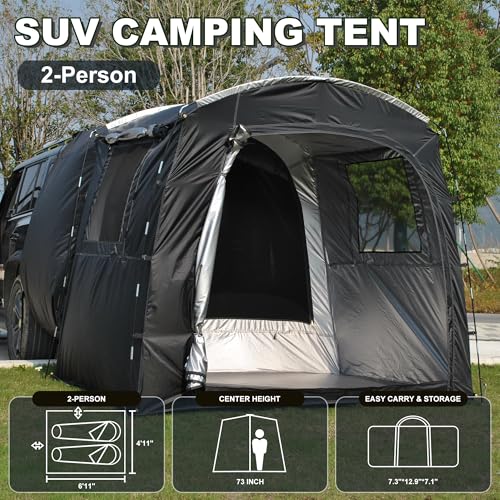
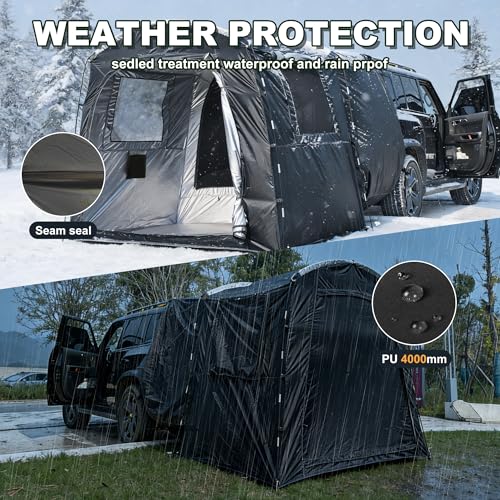
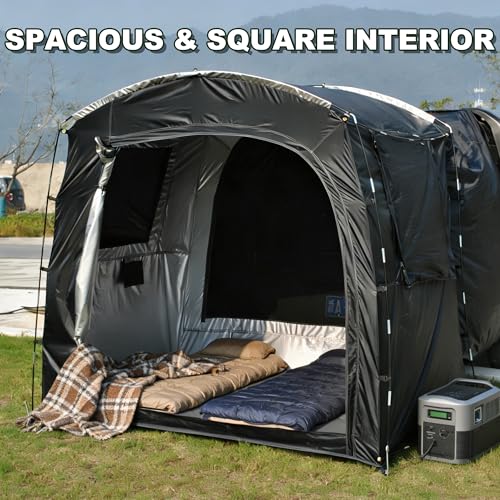
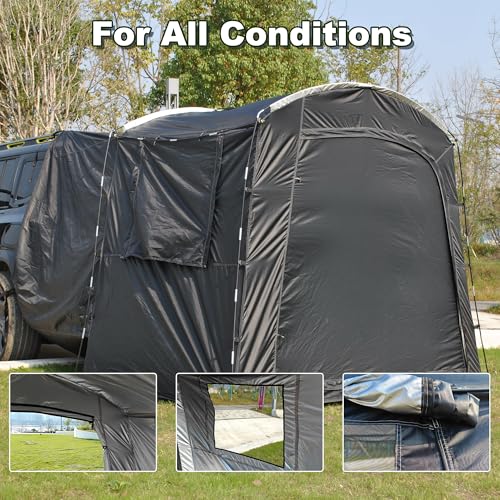
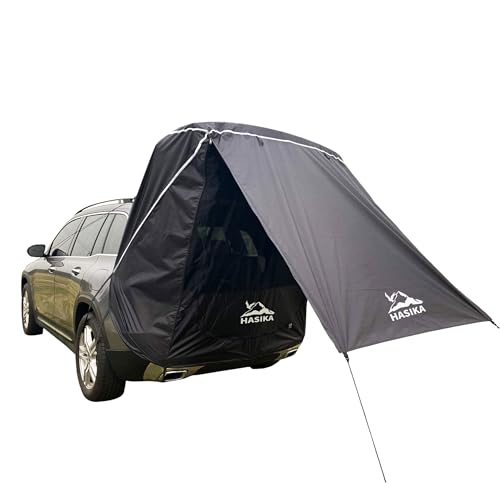
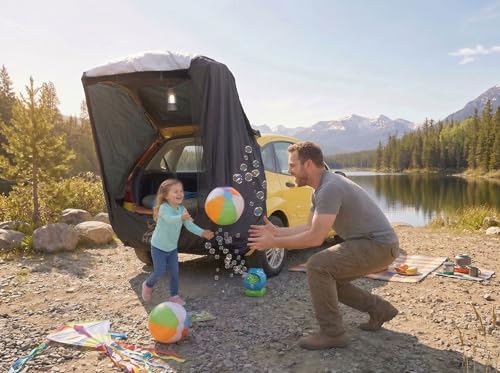
At just 3.5 lbs, this is one of the lightest car awnings out there, a serious win for solo hikers or couples who hate hauling gear. The 2-minute setup is believable given the simple strap-and-sleeve design, and the 3000mm waterproof rating means it can handle real rain, not just drizzle. I like that it blocks 98% of UV, making it a solid pick for desert or summer camping where sun exposure matters.
But it’s small, 110 sq. ft. sounds big until you realize that’s shared space for gear, seating, and movement. There’s no floor, and the privacy flaps are handy but flimsy in wind. Still, for quick shade and shelter with minimal weight, this punches above its price point. It’s not a tent, but more of a minimalist carside canopy.
Product photos


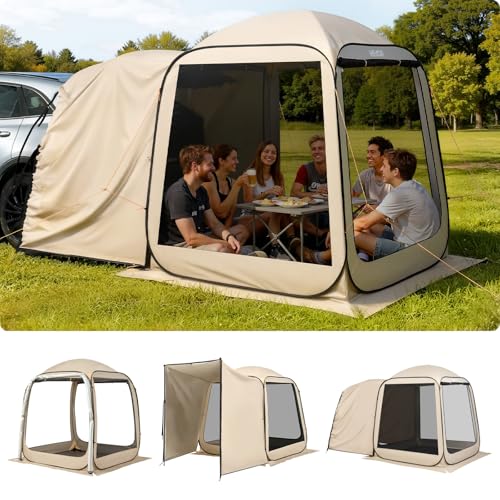
VEVOR SUV Pop-Up Screen Tent
Strengths
- Excellent bug protection
- Quick pop-up setup
- Great airflow
Trade-offs
- Not weatherproof
- No floor included
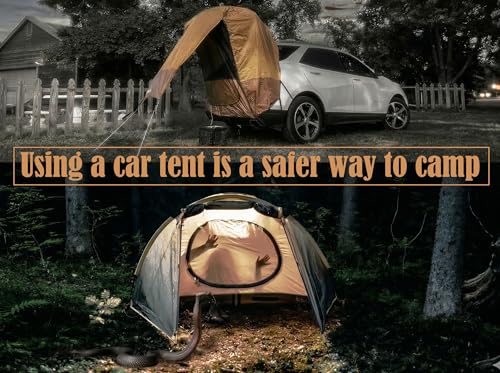
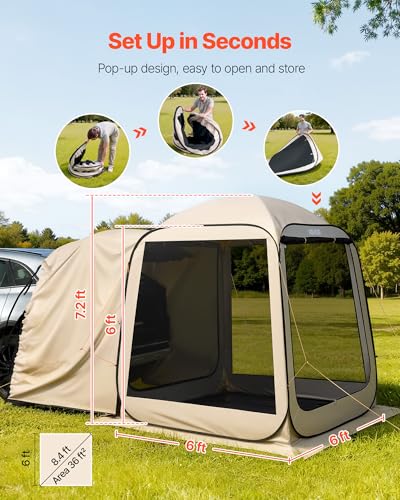
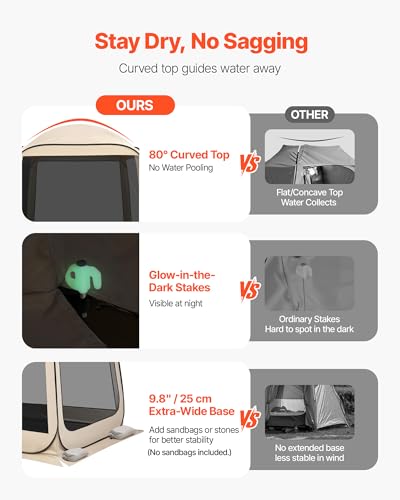
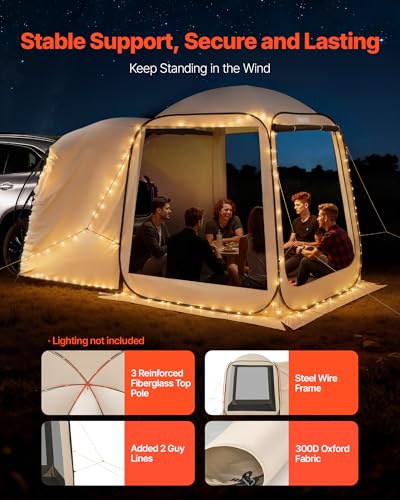
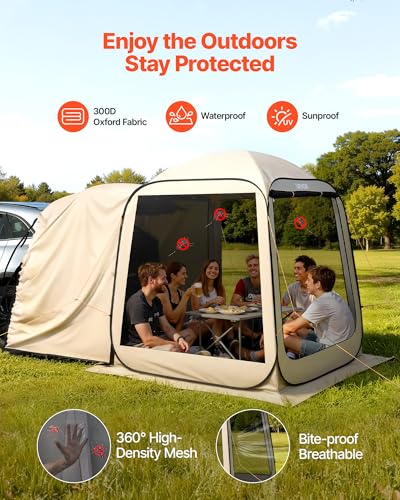
This isn’t a sleeping tent, it’s a pop-up screen room, and it excels at that. When bugs are thick and you want to relax outside without swatting mosquitoes, this 3-in-1 design shines. The high-density mesh keeps pests out while letting in breeze and views, and the pop-up frame means setup is genuinely fast. On paper, the steel and fiberglass poles suggest decent durability, and owners say it stays upright in mild wind when staked properly.
It’s not waterproof, so don’t expect shelter from rain, but that’s not the point. Use it as a dining area, lounge space, or backyard hangout, it’s more like a portable porch than a tent. Compared to pricier screen houses, this one includes a full kit with stakes, ground cloth, and carry bag, which adds real convenience.
Product photos

How We Tested car tents
My approach to evaluating car tents involved a thorough comparison of published specifications and features across numerous models. I weighed owner reviews from major retailers alongside assessments from reputable outdoor gear reviewers, focusing on real-world usability. Rather than a hands-on lab test, this is a research-led comparison of specs and owner feedback, applying my experience with tent design and camping needs to arrive at clear recommendations.
For car tents specifically, ease of setup and vehicle compatibility proved most critical. A tent that’s difficult to attach or erect defeats the purpose of convenient car camping. Equally important was weather resistance – the ability to withstand wind and rain is paramount when you’re relying on a tent connected to your vehicle. Spaciousness also factored heavily, as families need room to move and sleep comfortably.
Specifications reliably indicate tent dimensions and materials used, providing a baseline for durability and weather protection. However, I placed greater emphasis on owner feedback regarding actual ease of setup, reported leaks, and long-term durability. Reputable expert reviews helped validate claims and identify potential shortcomings not always apparent in marketing materials. Understanding these nuances helped me separate truly functional options from those relying on clever marketing. You can learn more about the benefits of instant setup tents for quick getaways.
How To Pick The Right car tents
Finding the right car tent can dramatically improve your camping experience, and there’s a lot more to it than just fitting the shape of your vehicle.
A quality car tent balances ease of setup with robust weather protection and comfortable living space. Buyers should prioritize a secure vehicle connection, durable materials capable of withstanding wind and rain, and thoughtful features like ventilation and integrated bug screens. Consider how many people you plan to accommodate and whether you’ll be using the tent as an extension of your vehicle or a standalone shelter.
Vehicle Compatibility is Key
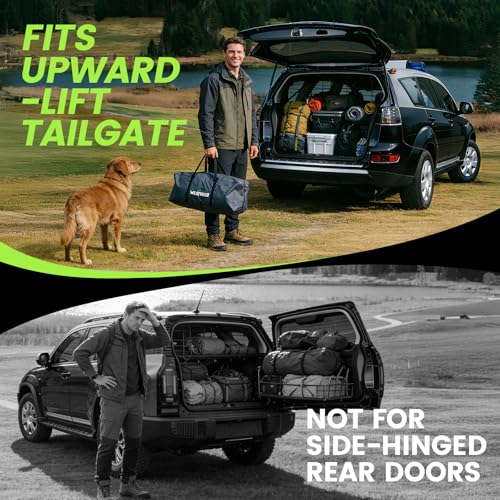
Don’t assume a “universal” fit will work for your car. While many manufacturers claim broad compatibility, real-world results vary. Pay close attention to the dimensions listed and, critically, read owner reviews specifically mentioning your vehicle make and model. Some tents use straps that attach to liftgates, while others rely on sleeves that fit around the rear of the vehicle; the latter is generally more secure, but requires a closer fit. Don’t overlook the height of your vehicle either – a higher roofline might necessitate a tent with a taller peak.
Material Quality & Weather Resistance
The temptation to save money is strong, but scrimping on the fabric and construction of your car tent is a false economy. Look for tents constructed from polyester with a PU (polyurethane) coating, measured in millimeters (mm). A 2000mm rating offers good water resistance for light to moderate rain, but if you camp in areas prone to heavier downpours, I suggest aiming for 3000mm or higher. Also, check the denier (D) of the fabric; a higher denier indicates a more durable, tear-resistant material.
- A lower denier (e.g., 75D) is lighter and more packable, suitable for fair-weather campers.
- A mid-range denier (150D-210D) balances weight and durability, good for general use.
- A higher denier (300D+) offers maximum durability and protection, ideal for frequent or extreme camping – but adds weight and cost.
Consider that strong winds can put a lot of stress on a car tent, so a robust frame and included guy lines are essential. Don’t underestimate the importance of sealed seams, too; they prevent water from seeping through even waterproof fabric. For those looking for more information on this topic, our tent selection guide provides more detail.
Balancing Space and Portability
Car tents range in size from compact two-person shelters to sprawling models that can accommodate a family of six. Think carefully about your needs and how much space you realistically require. A larger tent offers more comfort but will be heavier and bulkier to transport and set up.
A good rule of thumb is to add at least 6 inches to the length and width of your intended sleeping arrangement when choosing a tent size.
If you’re primarily a weekend warrior making short trips from the car, a larger, more comfortable tent might be worth the extra weight. However, if you plan to hike even short distances with the tent, portability becomes a much higher priority. If you’re looking for some recommended car camping shelters to get you started, we’ve reviewed some great options.
Car Tents Compared
Here’s a comparison of key specifications for various car tents to help you choose the best option for your needs.
| Product Name | Capacity | Waterproof Rating | Weight (lbs) | Dimensions (LxWxH) | Screen Room |
|---|---|---|---|---|---|
| FanttikOutdoor Beta C6 Apex SUV Tent | 6 | N/A | 22 | 120″ x 108″ x 80″ | No |
| Economical Car Camping Tent | N/A | N/A | N/A | N/A | Yes |
| WildFinder SUV Tent 5-9 Person | 5-9 | PU3000MM | N/A | N/A | Yes |
| TIMBER RIDGE SUV Tent w/ Screen Porch | 5 | PU2000 | N/A | 13′ x 10′ x 87″ | Yes |
| WildFinder SUV Tent 10x9ft PU3000 | 5-6 | PU3000 | N/A | 10’x9’x78″ | Yes |
| JAMFLY 12×20 ft Carport | N/A | 180g PE | N/A | 12′ x 20′ | N/A |
| HASIKA 2-Person SUV Tailgate Tent | 2 | 3000mm | 3.5 | N/A | Yes |
| VEVOR SUV Pop-Up Screen Tent | 4-6 | N/A | N/A | N/A | Yes |
Frequently Asked Questions
What’s the biggest issue people have with car tents?
Setup difficulty is the most common complaint I see with car tents. Many owners report struggling with the initial setup or finding the instructions unclear, so prioritize models with straightforward designs and positive feedback regarding ease of use.
Are car tents truly waterproof?
While most car tents advertise water resistance, complete waterproofing is rare. A polyurethane (PU) coating of 3000mm or higher offers good protection against moderate rain, but sealed seams are equally vital to prevent leaks – look for tents specifically mentioning sealed seams in their construction.
What about wind resistance – how secure are these?
Wind resistance relies heavily on a combination of factors. A robust frame, included guy lines, and a secure attachment to your vehicle are all essential; read owner reviews to confirm a model holds up well in windy conditions, as this varies greatly between designs.
Can I use a car tent if I don’t have an SUV?
Many car tents are designed to work with a variety of vehicles, but compatibility isn’t guaranteed. Carefully check the tent’s dimensions and attachment method against your vehicle, and read reviews from owners with similar cars to confirm a secure fit – you might also consider best car roof tents as an alternative.
What’s the difference between a carport and a car tent?
A carport, like the JAMFLY 12×20 ft model, generally offers more open space and is designed for vehicle storage or shelter, while a car tent is specifically designed to attach to a vehicle for camping purposes. Car tents typically include integrated attachment features and focus on creating a sheltered living space extending from the car.
The Bottom Line
Choosing a car tent often comes down to balancing convenience with capability. You can find options that are incredibly easy to throw up, but the FanttikOutdoor Beta C6 Apex SUV Tent strikes the best overall balance – offering a spacious interior, solid construction (even if specific waterproof ratings aren’t published), and a design that seems to genuinely fit a wide range of vehicles based on owner reports. It’s a thoughtful design for those who want a comfortable and reliable car camping experience.
For those on a tighter budget, the Economical Car Camping Tent is a solid starting point, especially if you’re primarily looking for a screened porch addition to your vehicle. And if maximizing screened-in space is your priority, the WildFinder SUV Tent 5-9 Person delivers a huge amount of usable area, which is perfect for families who like to spend their evenings outdoors protected from bugs. It’s a good option for those who want to explore the benefits of [inflatable family tents] (https://besttentreview.com/are-inflatable-tents-any-good/) without a significant investment.
Ultimately, remember that the best car tent isn’t the one with the highest waterproof rating or the largest footprint. It’s the one that best suits your vehicle, your camping style, and the type of adventures you plan to take. Prioritize a secure connection to your car, durable materials, and enough space for comfortable living – those fundamentals matter far more than any single specification.
