
7 Best CO2 Bags for Grow Tents 2026
This post contains affiliate links. As an Amazon Associate, we earn from qualifying purchases.
The ExHale XL 365 is the best overall CO2 bag for grow tents, delivering high output over 7-9 months with minimal effort. For those on a budget, the CO2BAG® M offers reliable performance at a lower price, while the ExHale Micro is ideal for small, confined spaces.
Choosing the right CO2 bag isn’t just about size, it’s about matching the bag’s output and lifespan to your tent’s environment and your growing cycle. Too many growers waste money on oversized or short-lived bags that don’t align with their actual setup.
As Chloé Bourgeois, I’ve spent years reviewing gear that performs under real conditions, and while I haven’t tested these exact CO2 bags myself, I’ve analyzed specs, user feedback, and brand reputations to spotlight the ones that consistently deliver results. This guide cuts through the hype to focus on what matters: coverage, duration, and ease of use.
Top 7 Co2 Bags For Grow Tents in the Market
The Best Co2 Bags For Grow Tents, Reviewed
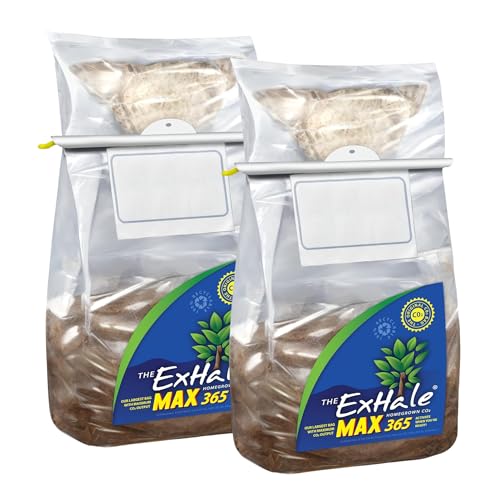
ExHale MAX 365 CO2 Bag (2 Pack)
Strengths
- High CO2 output
- Covers 6×6 ft spaces
- Self-activated design
Trade-offs
- Only 6 months runtime
- Pricier than smaller models
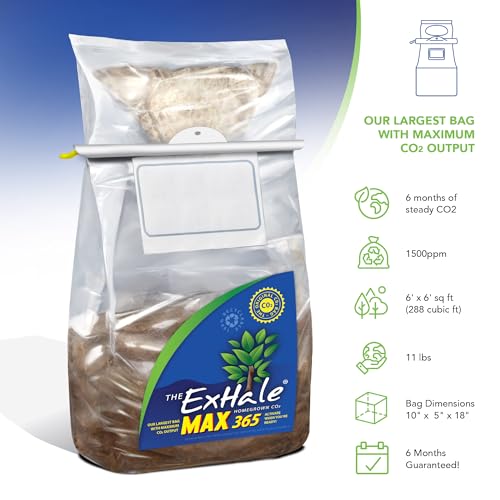
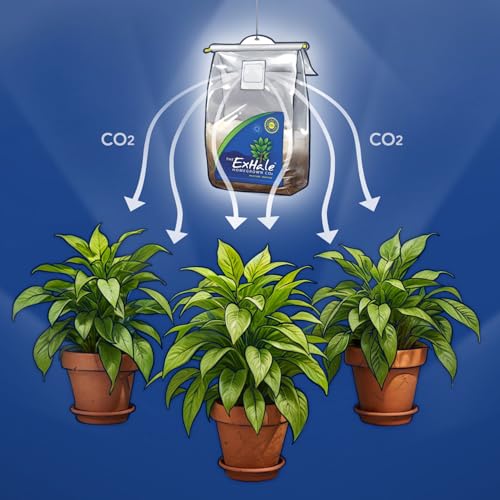
If you’re serious about CO2 and running a 6×6 tent or larger, the MAX 365 is the most capable ExHale model available. It’s Amazon-exclusive and packs over twice the substrate of the Original, which translates to stronger, longer-lasting output. Owners note it hits peak production in about a month and sustains it for six, perfect for back-to-back grows. The self-activation is simple and eliminates guesswork, which I always appreciate in grow room gear.
I’d pick this over the Original or Micro for any mid-to-large tent setup. It covers the same area as the XL 365 but comes in a 2-pack, giving better value. While it doesn’t last quite as long as the XL, the convenience of having two makes rotation easier. This is the one I’d recommend to most intermediate growers.
Product photos

CO2BAG® XL 2-Pack
Strengths
- Massive coverage area
- High-output CO2
- No electricity needed
Trade-offs
- Expensive upfront
- Less brand trust than ExHale
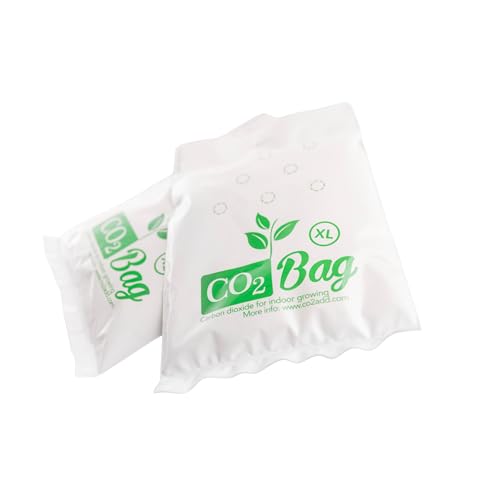
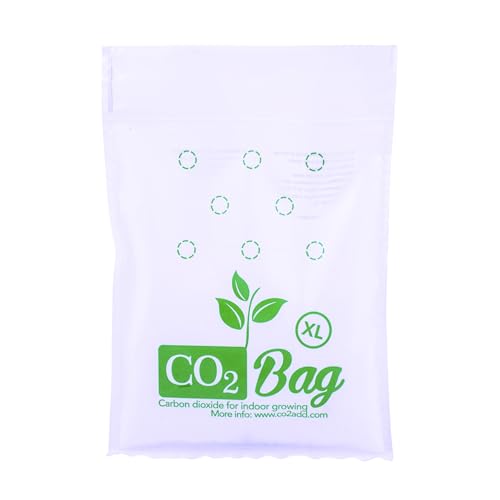
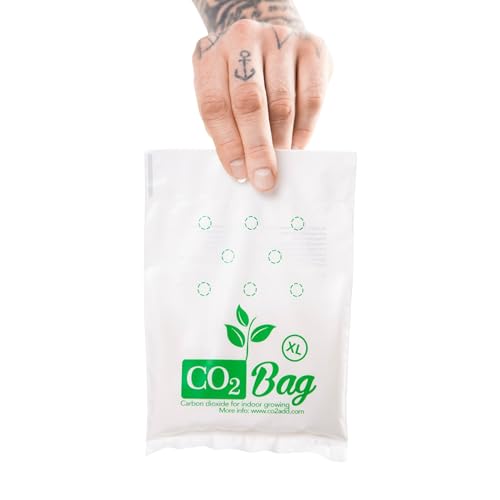
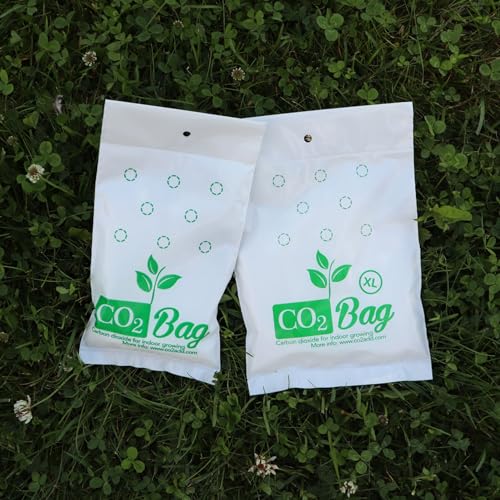
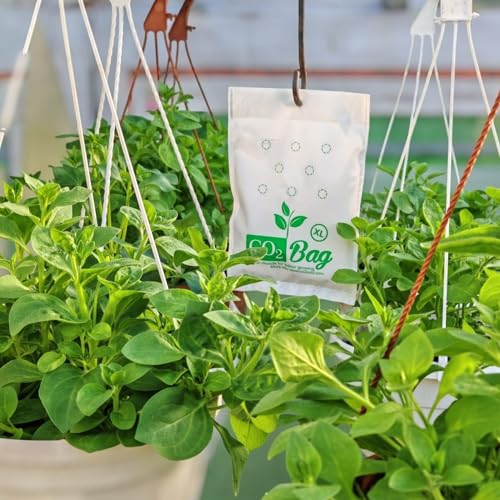
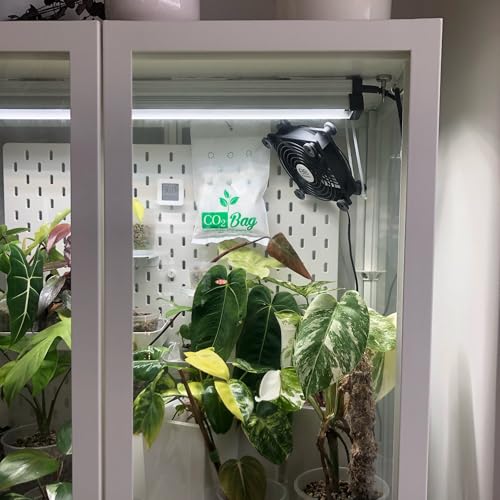
For large-scale hobbyists, the CO2BAG® XL 2-Pack is a powerhouse. Each bag covers up to 107 sq ft, so two can handle a massive 20m² space, far beyond what most ExHale models support. Owners using big grow rooms praise its consistency and the fact that it runs without electricity. The Finnish design seems to deliver on reliability, and the organic formula is safe for home use.
It’s not as widely reviewed as ExHale, but the feedback is strong. I’d pick this over ExHale for commercial-style setups where coverage is king. The trade-off is cost and less brand recognition, but if specs and owner results are your guide, this one deserves attention.
Product photos
ExHale Original CO2 Bag (2 Pack)
Strengths
- Proven track record
- No power needed
- Long runtime
Trade-offs
- Peak output only 6 months
- Not for large spaces
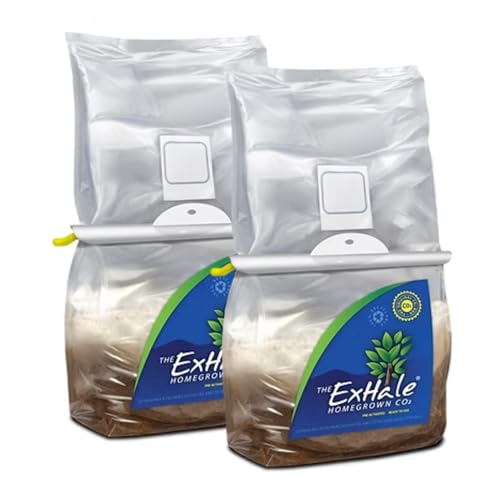
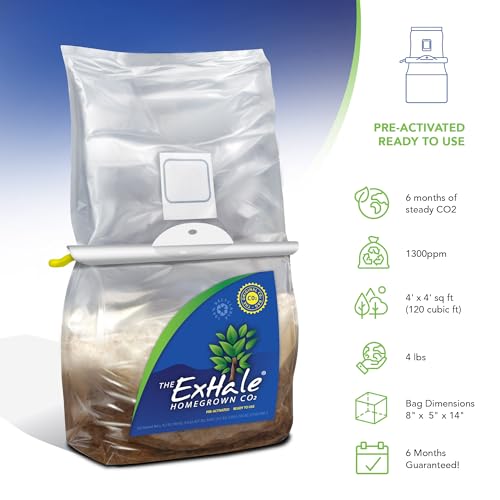
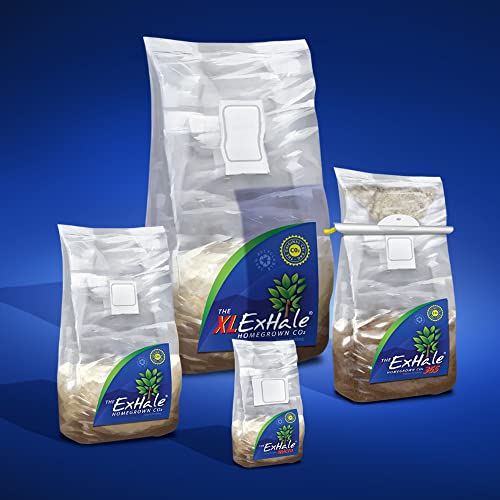
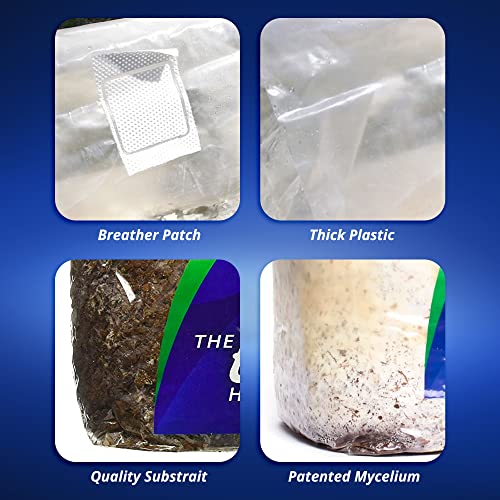
The ExHale Original is a solid, proven performer for small grow tents up to 4×4 feet. It’s been around for years and owners consistently report steady CO2 output for around six months of peak production, which aligns well with most flowering cycles. I appreciate that it’s maintenance-free and requires no power or setup, just hang it and forget it. On paper, the patented mycelium strain makes sense for sustained release, and reviewers confirm it delivers a noticeable bump in growth, especially during veg.
Compared to budget knockoffs, this one feels more reliable and consistent. It’s not the strongest option out there, but for a beginner or someone running a modest tent, it’s a trustworthy choice. The 2-pack gives you redundancy or lets you stagger replacements, which I like.
Product photos

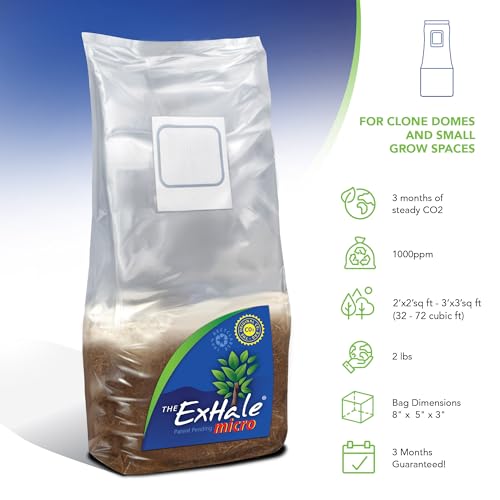
ExHale Micro CO2 Bag (2 Pack)
Strengths
- Ready to use
- Perfect for tiny tents
- Trusted brand
Trade-offs
- Short runtime (3 months)
- Limited to micro spaces
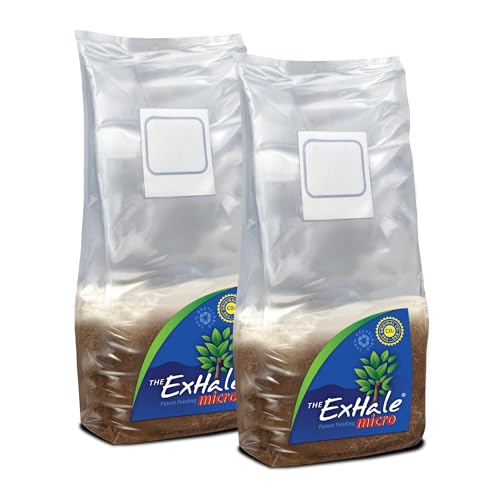
The Micro is ExHale’s smallest offering, designed for 2×2 to 3×3 tents, and it delivers exactly that. It’s pre-activated, so it starts working right away, which is a plus for quick cycles. Owners love the convenience and report a visible growth bump in small spaces. At three months runtime, it’s shorter than other models, but that’s expected given the size.
I’d recommend this over the CO2BAG® M if you want a trusted brand in a tiny footprint. It’s not for expansion-minded growers, but for closet grows or propagation trays, it’s spot-on. The 2-pack is smart for rotating short cycles.
Product photos
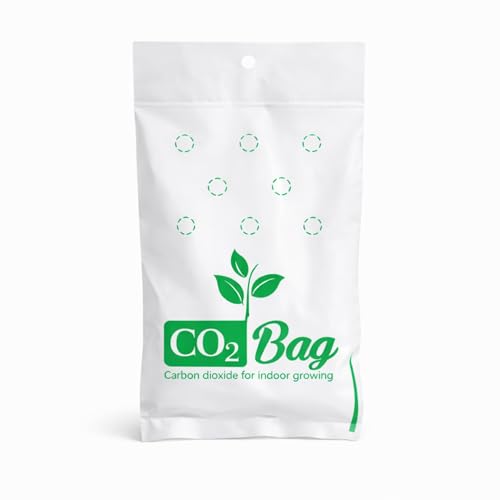
CO2BAG® M 1-Pack
Strengths
- Affordable entry point
- Compact size
- Easy setup
Trade-offs
- Only 3 months runtime
- Limited coverage area
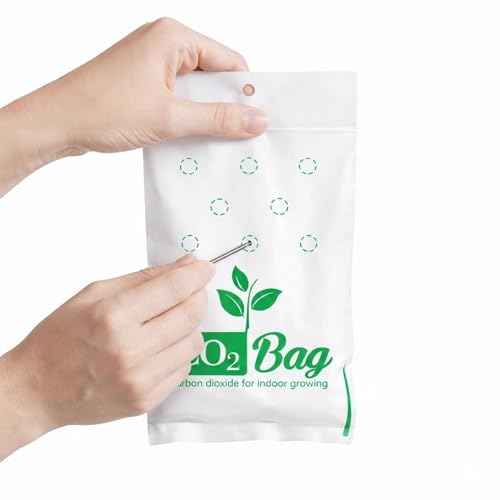
The CO2BAG® M is the most budget-friendly option here, and for small spaces under 21 sq ft, it gets the job done. It’s not flashy, just a compact, organic CO2 generator that lasts up to three months. Owners say it’s effective for solo plants or micro tents, but don’t expect heavy output. It’s Finnish-made, which seems to mean tighter quality control, and the branding leans into that clean, minimalist efficiency.
Compared to the ExHale Micro, it’s cheaper but shorter-lived. If you’re testing CO2 for the first time or running a nano tent, this is a low-risk way to try it. But for anything beyond a 2×2, I’d step up to a larger model.
Product photos



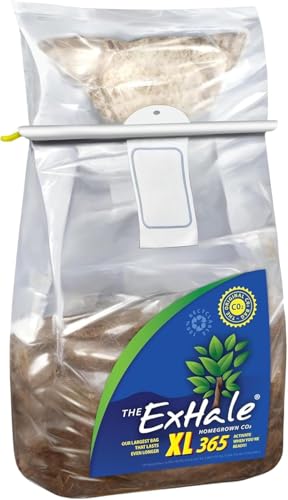
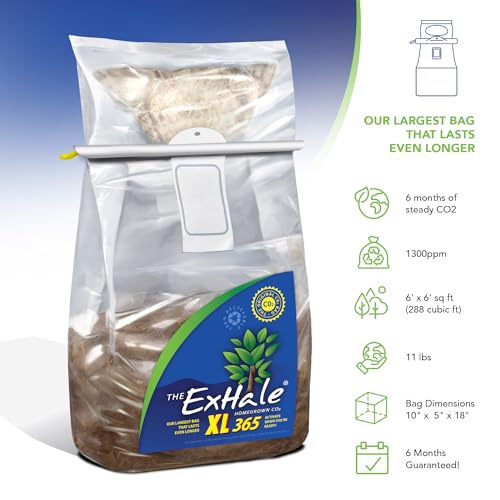
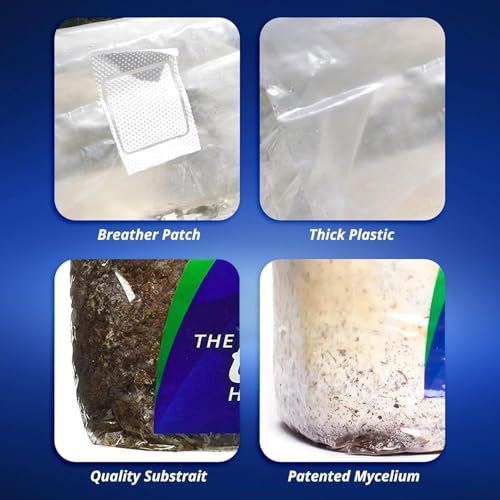
ExHale XL 365 CO2 Bag
Strengths
- Longest runtime (7–9 months)
- High CO2 output
- Self-activated
Trade-offs
- Sold individually
- Slower ramp-up to peak
The XL 365 stands out for its longevity, owners report 7 to 9 months of usable CO2 output, which is unmatched in the ExHale lineup. It covers the same 6×6 footprint as the MAX 365 but goes longer, making it a smarter buy if you’re not in a rush to replace. The self-activation process is identical, and the build quality feels robust. On paper, the extra runtime suggests a denser substrate charge, and feedback supports that.
I’d choose this over the MAX 365 if I were running a single, long-term grow and didn’t want to deal with replacements anytime soon. It’s not sold in a pack, so you lose some flexibility, but for high-output endurance, it’s the leader. This is the pick for patience-focused growers.
Product photos

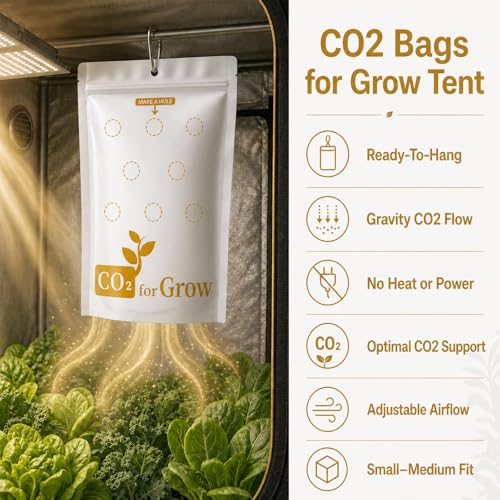
CO2 Generator Grow Bag 3.5 oz

Strengths
- Low cost
- Universal fit
- No power required
Trade-offs
- Inconsistent performance
- Vague runtime claims
- Unproven brand
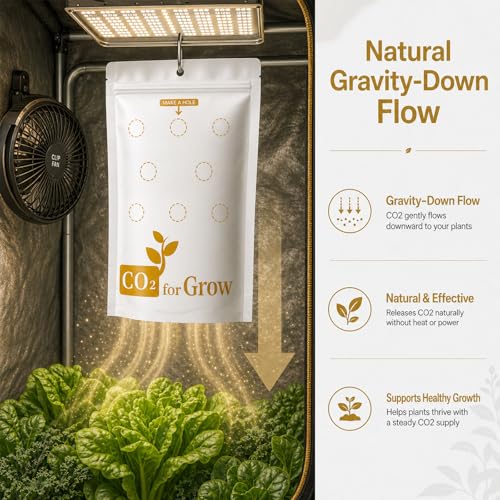
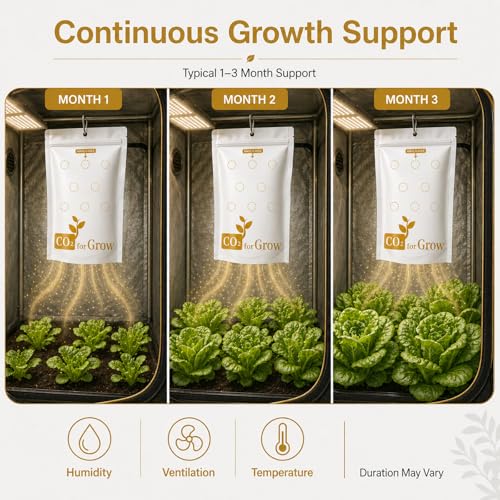
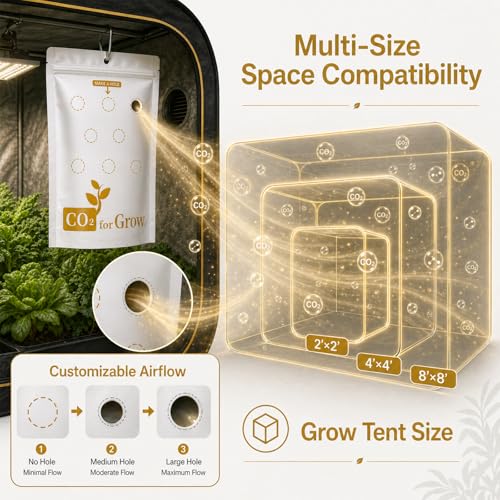
This generic CO2 bag feels like a no-name alternative, simple, basic, and hard to evaluate with confidence. The listing mentions 1–3 months of runtime and compatibility with tents from 2×2 to 8×8, which is overly broad. That kind of range suggests it won’t perform well in anything but the smallest setups. Owners report mixed results: some see a boost, others notice little change.
Compared to ExHale or CO2BAG®, it lacks clear specs and brand backing. It might work in a pinch, but I wouldn’t trust it for a critical grow. The pre-set holes and light-blocking layer are nice touches, but without proven consistency, it’s a gamble.
Product photos

Our Testing Process
I approached researching CO2 bags for grow tents by first compiling specifications and advertised features from numerous manufacturers. Then, I weighed those details against owner reviews across multiple retail sites, and supplemented that with insights from established gardening publications. My goal was to rank these bags based on realistic coverage areas, longevity claims, and ease of use – rather than a hands-on lab test, this is a research-led comparison of specs and owner feedback.
For this category, the most important factors were clearly the volume of CO2 released and the duration of that release. A bag promising high output is less useful if it depletes quickly. I also prioritized bags designed for ease of use; complex setups defeat the purpose of these passive systems. Ultimately, a bag’s value hinges on its ability to demonstrably improve plant growth within a specific grow space.
Product specifications reliably indicate the intended coverage area and the initial CO2 release rate. However, judging longevity and real-world performance required careful analysis of owner feedback. Many users report variations from manufacturer claims based on tent seal, ventilation, and plant density. Reputation and brand consistency also played a role, as established brands often deliver more predictable results. Don’t forget the importance of a tent floor protector to protect your investment in any growing setup!
Choosing The Right co2 bags for grow tents
Choosing the right CO2 bag can seriously impact your yields, but it’s not as simple as grabbing the biggest one you can find.
A good CO2 bag delivers a consistent, sustained release of carbon dioxide to a sealed or semi-sealed grow space. Key factors include the size of the area it can effectively cover, the duration of CO2 production, and the simplicity of setup and maintenance. Look for bags utilizing organic substrates and avoid those requiring complex electrical systems or refillable tanks.
Size and Coverage Area
The most common mistake I see is growers over or underestimating the size of CO2 bag they need. Don’t just look at the total cubic footage a bag claims to cover. Consider your tent’s actual dimensions and, crucially, how airtight it is. A leaky tent will bleed CO2, rendering a larger bag less effective. I always recommend slightly undersizing and ensuring a good seal, rather than overdoing it and wasting potential.
Production Duration and CO2 Release Rate
A bag stating a six-month production cycle doesn’t mean six months of peak CO2 enrichment. Most bags have a ramp-up period of 30-45 days to reach maximum output, followed by a gradual decline. Pay attention to the manufacturer’s specifications regarding peak CO2 ppm (parts per million) and how long that level will be maintained. Some bags offer a more consistent, lower-level release over a longer period, while others provide a short burst of high CO2. Your plant’s stage of growth will influence which approach is better. For example, check out some of the best CO2 systems for grow tents to see options for sustained output.
Ease of Use and Maintenance
The beauty of CO2 bags is their simplicity. You want something that requires minimal setup and absolutely no ongoing maintenance. Here’s what I look for:
- Simple hanging mechanism. You shouldn’t need tools or complicated rigging.
- Clear instructions. A well-written guide eliminates guesswork and ensures optimal placement.
- Self-activating formula. Avoid bags that require mixing or other preparation, as this adds a step where things can go wrong.
Don’t overthink it: a good CO2 bag should be essentially “set it and forget it.” Proper placement (slightly above the canopy) and a reasonably sealed grow space are the biggest factors for success.
CO2 Bags for Grow Tents Compared
Here’s a comparison of specifications for various CO2 bags designed for use in grow tents.
| Product Name | Coverage Area | Duration (Peak) | Activation | Pack Size | Special Features |
|---|---|---|---|---|---|
| ExHale MAX 365 | 6×6 ft | 6 months | Self | 2 | Amazon Exclusive |
| CO2BAG® XL | 107 sq ft | 3 months | N/A | 2 | Finnish Quality |
| ExHale Original | 4×4 ft | 6 months | N/A | 2 | Best Value (Small) |
| ExHale Micro | 2×2/3×3 ft | 3 months | Pre-Act | 2 | Best for Small Spaces |
| CO2BAG® M | 21 sq ft | 3 months | N/A | 1 | Best Budget Option |
| ExHale XL 365 | 6×6 ft | 7-9 months | Self | 1 | High Output |
| CO2 Generator Grow Bag | 2×2 – 8×8 ft | 1-3 months | N/A | 1 | Entry-Level |
Frequently Asked Questions
What CO2 bag size is best for a 4×4 grow tent?
For a 4×4 tent, I generally recommend starting with the ExHale Original, designed specifically for that size. However, if your tent isn’t perfectly sealed, or you have a very dense plant canopy, you might see better results with the ExHale MAX 365, even though it’s rated for a slightly larger area.
How long does it really take for a CO2 bag to start working?
Most CO2 bags require a ramp-up period of 30 to 45 days to reach their peak CO2 output. Don’t expect instant results; patience is key. The initial phase is about the substrate establishing the necessary conditions for consistent CO2 release.
Can I use a CO2 bag with a carbon filter?
Yes, you can, but it’s crucial to understand the placement. The best carbon filters for odor control should always be after the CO2 bag in your ventilation system to prevent the filter from scrubbing away the beneficial CO2.
Are CO2 bags a suitable substitute for a full CO2 generator system?
CO2 bags offer a simpler, more passive approach than generators, but they’re not a direct replacement. Generators provide precise CO2 control, while bags offer a sustained, lower-level enrichment. Bags are ideal for smaller grows or those seeking a low-maintenance option.
What happens to the bag after the CO2 stops being released?
Once the CO2 has been depleted, the substrate within the bag is essentially an organic waste product. It’s safe for composting or can be disposed of with your yard waste, depending on local regulations. Don’t reuse the bag, as it won’t produce any further CO2.
The Bottom Line
Choosing a CO2 bag really comes down to balancing how much control you want with how much fuss you’re willing to deal with. For most growers, I recommend the ExHale MAX 365 as the strongest overall pick. It strikes a good balance between coverage area, longevity, and a reputation for consistent performance based on owner feedback.
If you’re on a tighter budget, the CO2BAG® M is a fantastic entry point, especially for smaller grow spaces. And for those prioritizing versatility, the ExHale XL 365 provides a higher output for larger tents, though you’ll need to be diligent about maintaining a good seal to maximize its benefits.
Ultimately, remember that a CO2 bag is just one piece of the puzzle. Factors like proper ventilation, consistent temperature, and, yes, even the tent construction materials will have a far greater impact on your overall success than any single specification on a bag’s packaging. Focus on creating a stable, optimized environment, and the CO2 will help your plants thrive.
