
8 Best Pop Up Tents of 2026
This post contains affiliate links. As an Amazon Associate, we earn from qualifying purchases.
The CROWN SHADES 10×10 Pop Up Canopy is the best overall for its rugged build and instant setup, the Driftalia 10×10 offers a solid budget-friendly alternative, and the Driftalia 10×10 Canopy w/ Sidewalls stands out as the most versatile pick for changing weather.
If you’ve ever struggled with a flimsy shelter at a festival or watched a gust of wind turn your “easy” tent into a tangled mess, you know not all pop-up canopies live up to the hype. I’ve been there too, pitching, repitching, and walking away frustrated.
This guide cuts through the noise, focusing on real-world performance, durability, and smart design. I researched each pick based on frame strength, fabric quality, weather resistance, and user feedback, because a great pop-up tent shouldn’t just open fast, it should stay standing.
Top 8 Pop Up Tents in the Market
The Best Pop Up Tents, Reviewed
CROWN SHADES 10×10 Pop Up Canopy

Strengths
- Excellent ventilation
- Smooth setup and takedown
- Durable steel frame
Trade-offs
- Slightly heavier than ultralight models
- Two-person setup recommended
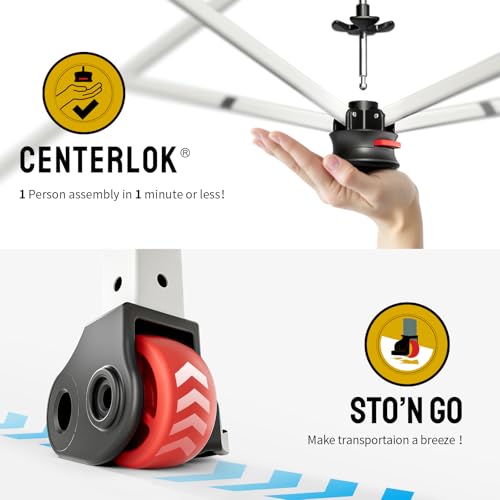
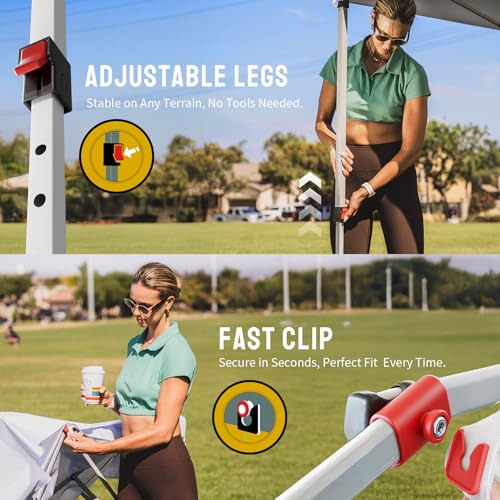
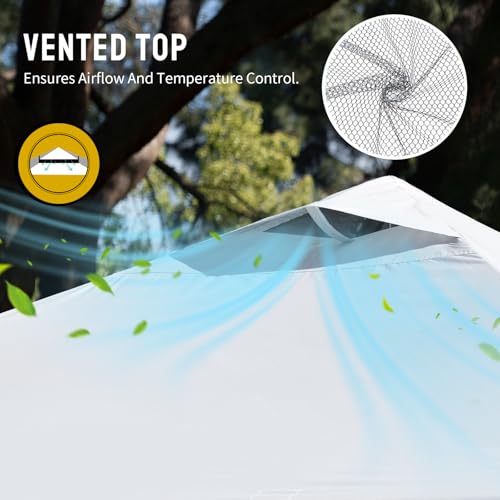
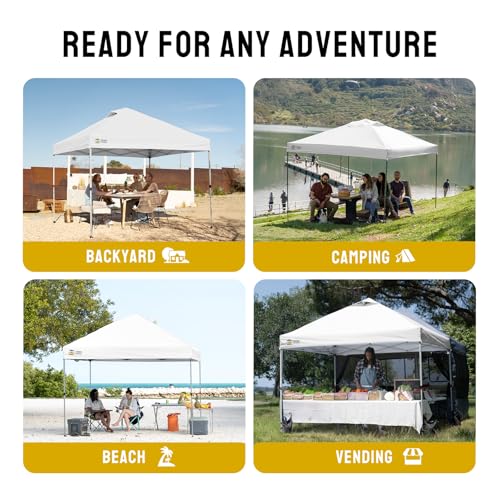
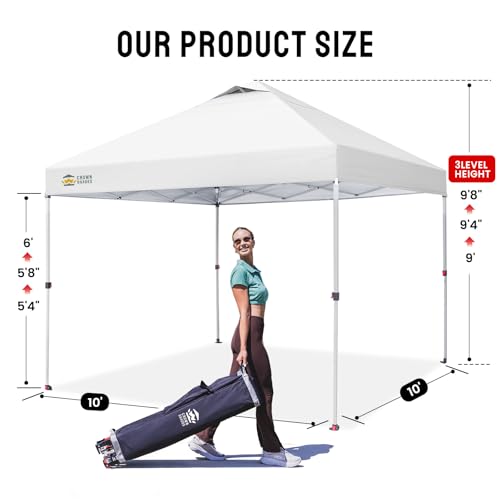
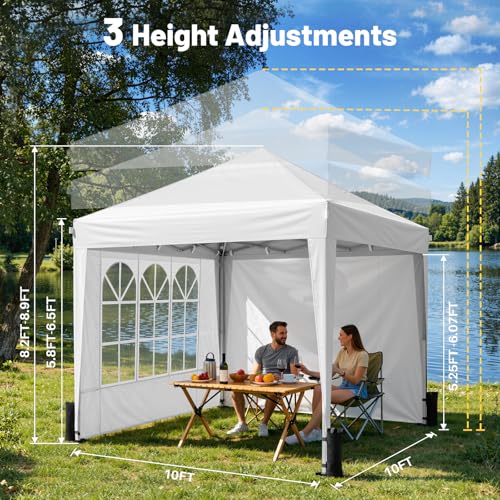
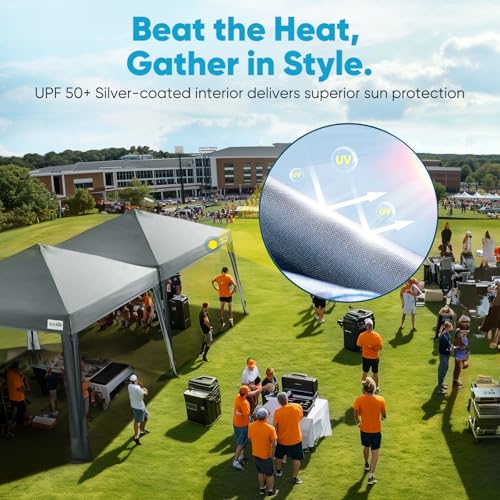
This one stands out as a well-rounded performer, and it’s easy to see why so many owners call it their go-to. The patented CenterLok push-button hub works smoothly, and the three height settings with pinch-free sliders are a thoughtful touch, especially if you’re setting it up with kids around. The silver-coated UPF 50+ fabric does its job, keeping the space underneath noticeably cooler, and the air vents are a real upgrade for reducing wind lift, a common failure point in cheaper canopies.
The STO-N-GO system is a standout for takedown. Being able to collapse it without lifting and roll it away with the fabric still attached saves time and strain. Compared to others in this class, the frame feels sturdier thanks to the hardened bolts and truss design, and the high peak helps shed rain instead of pooling. For most buyers, this is the easy pick if you want durability and smart design without overpaying.
Product photos
Driftalia 10×10 Pop Up Canopy Tent
Strengths
- Budget-friendly price
- Includes sandbags and stakes
- Compact folded size
Trade-offs
- Basic frame finish
- Adjusters may stick
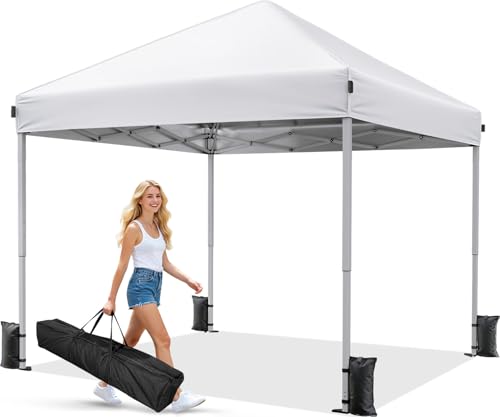
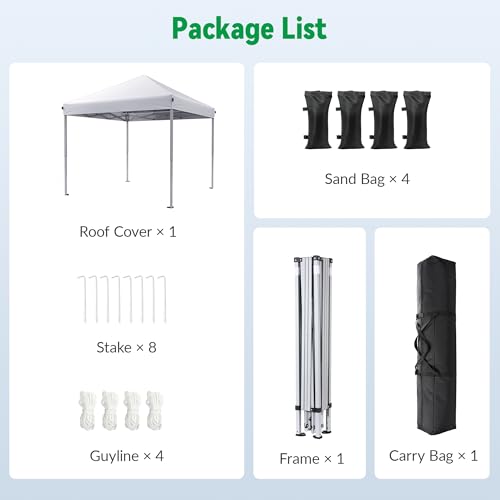
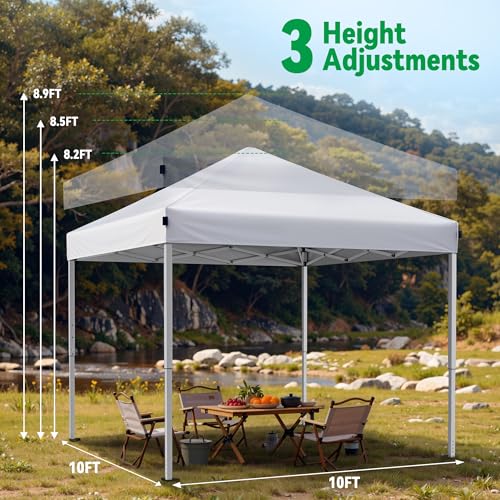
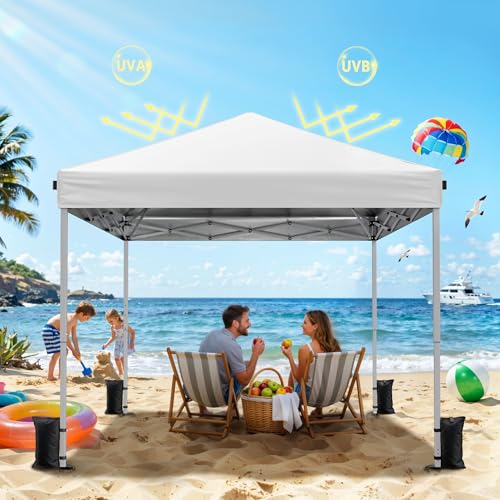
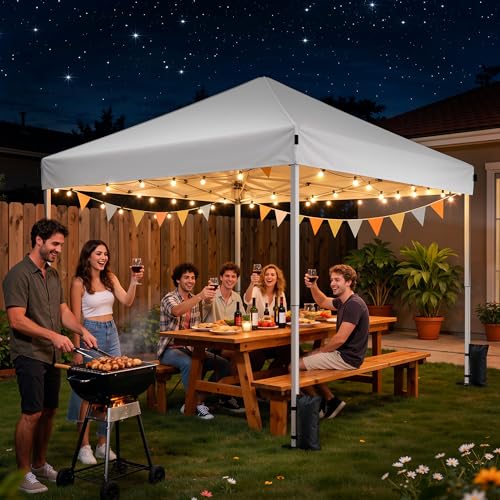
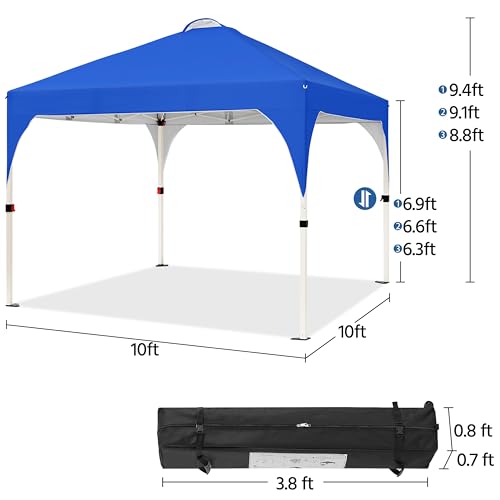
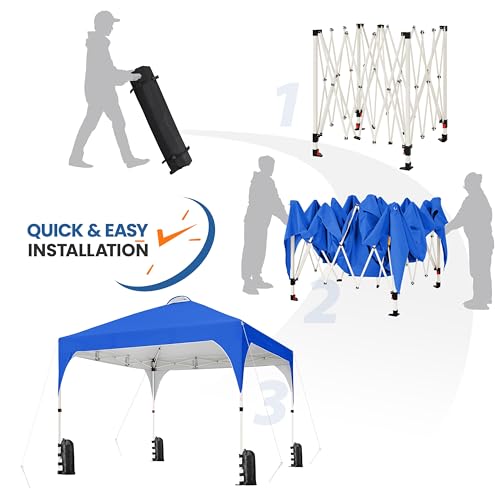
This Driftalia model hits the sweet spot for budget buyers who still want solid performance. It’s not flashy, but the one-button setup works reliably, and the UPF 50+ fabric with water-resistant coating handles sun and light rain well. At under 5 feet long when folded, it slips into most trunks, and the included sandbags and stakes mean you’re not buying extras.
The powder-coated steel frame supports up to 120 lbs, on par with pricier models, and the no-crossbar interior keeps the space open. Some owners mention the height adjusters feel a bit stiff at first, but they loosen with use. For the price, it’s hard to beat, especially if you’re new to canopies or need a dependable second unit.
Product photos
Best Choice 12x12ft Pop Up Canopy
Strengths
- Large coverage
- Fast one-person setup
- Rolling carry case
Trade-offs
- Bulky when folded
- Needs full ballasting
- Less portable than 10x10s
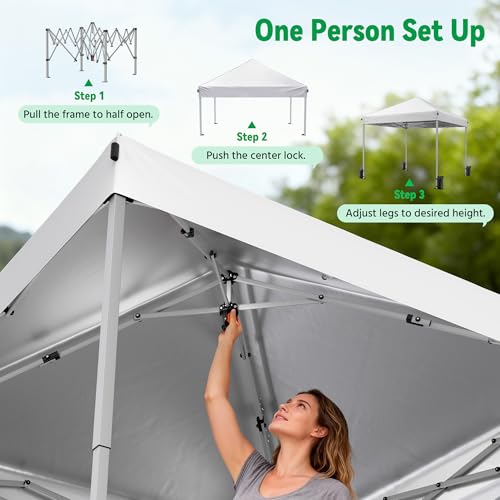
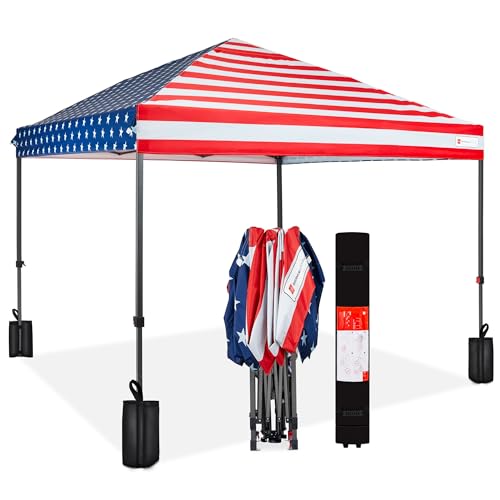
If you need maximum shade in a hurry and space isn’t an issue, this 12×12 model delivers on coverage like few others. The one-push setup is genuinely fast for a canopy this size, and owners consistently report getting it up solo in under a minute, a real win when the sun’s beating down or clouds roll in fast. On paper, 144 square feet is hard to beat, and the straight-leg design means you’re not losing usable corner space to angled poles.
That said, the size comes with trade-offs. At nearly 10 feet tall, it’s bulkier to store and transport than most 10x10s, and the weight isn’t trivial. Reviewers note it’s stable with all four weight bags filled, but in gusty conditions, the large sail area can be a liability if not properly anchored. I’d pick this for a tailgate, festival booth, or backyard party where space and vehicle access aren’t concerns.
Product photos
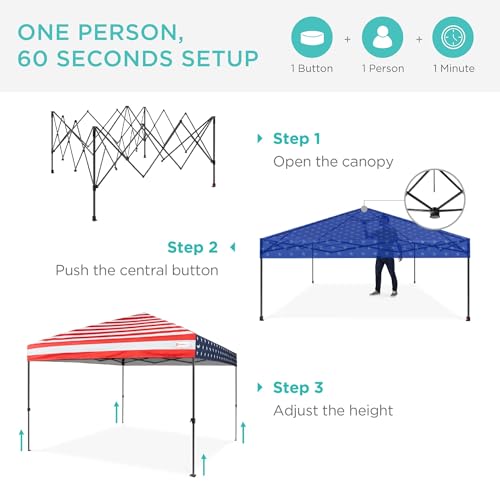

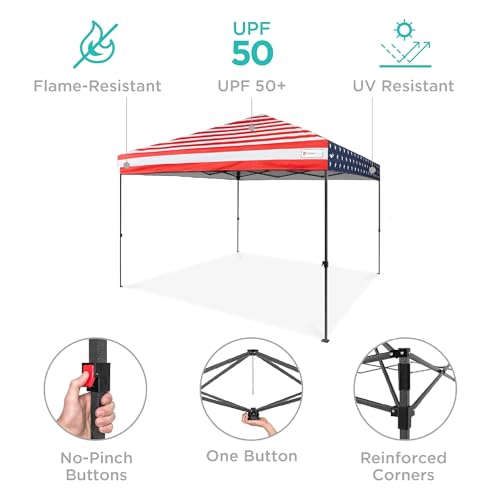
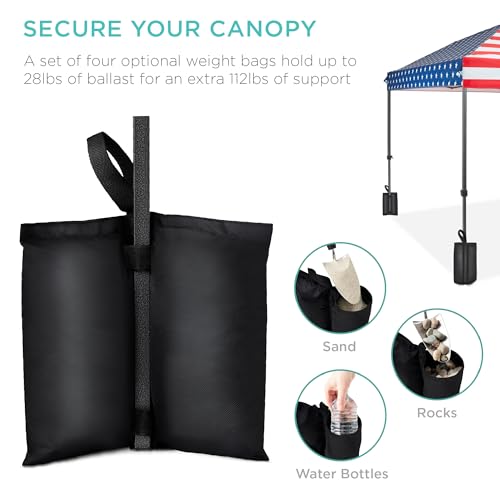
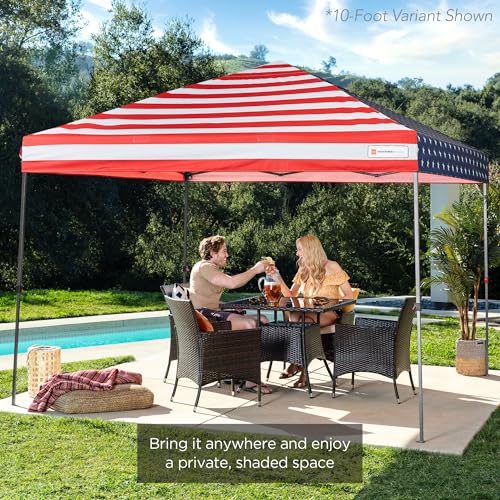
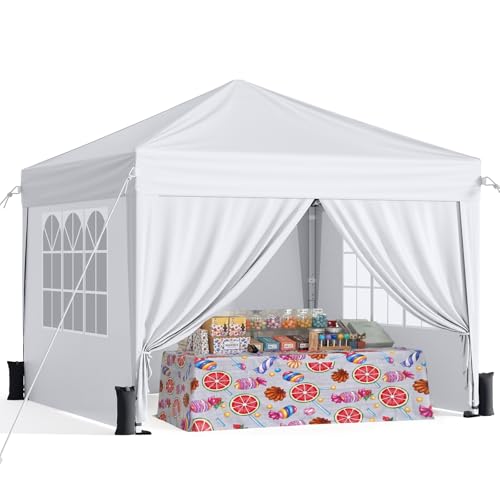
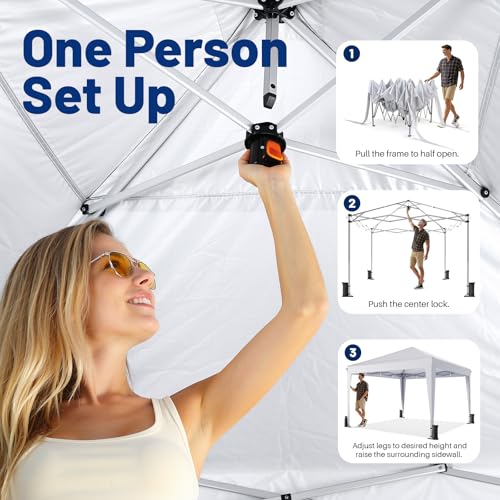
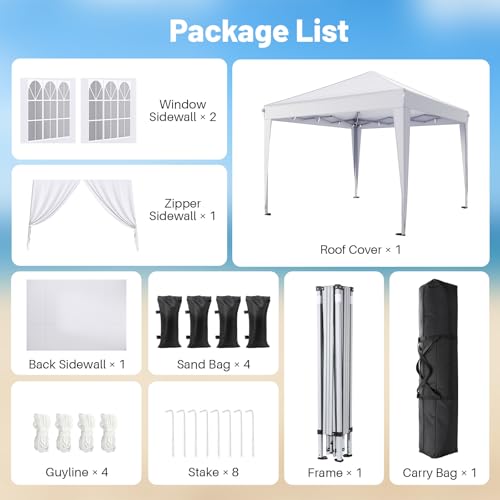
Driftalia 10×10 Canopy with Sidewalls
Strengths
- Removable sidewalls
- Reinforced frame
- Lightweight for size
Trade-offs
- Slightly longer setup
- Sidewalls add bulk when packed
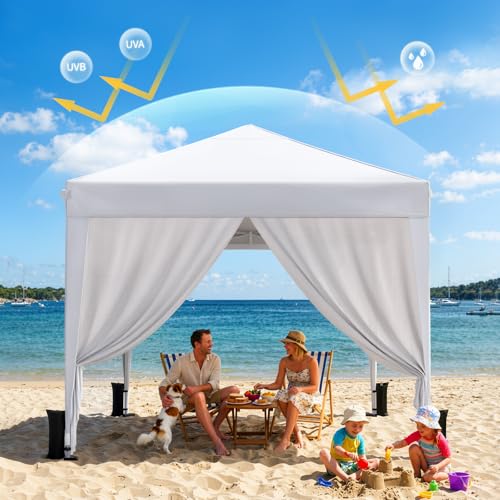
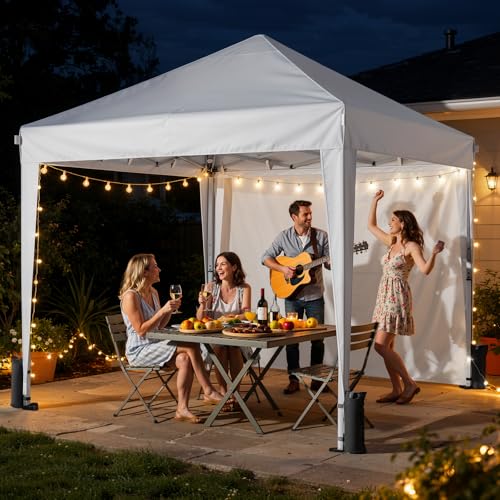
What sets this apart is the versatility, the removable sidewalls let you adapt to the weather in seconds. On a sunny day, open it up for airflow. When the wind kicks up or rain threatens, clip on the clear or solid panels for protection and privacy. Owners love this flexibility, especially at campsites or outdoor markets where conditions shift fast.
The 25mm frame is noticeably beefier than standard, and at just under 31 lbs, it’s still manageable to load into an SUV. Setup is smooth with two people, and the compact carry bag makes storage easy. Compared to the no-walls version, this is the better long-term investment if you camp or work outdoors regularly.
Product photos
Quictent 10×10 Lightweight Pop Up Canopy

Strengths
- Ultra-portable design
- No need to carry sandbags
- Angled leg stability
Trade-offs
- Less durable in strong wind
- Not ideal for long-term use
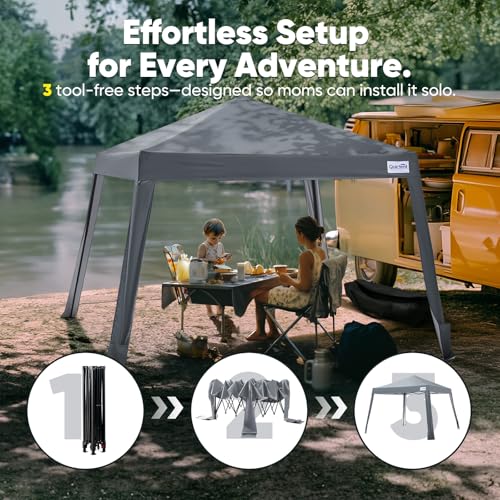
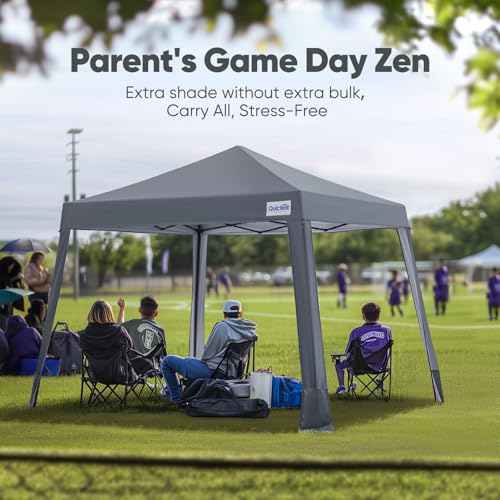
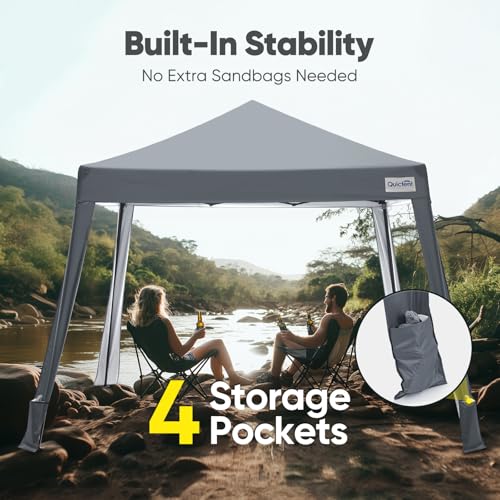
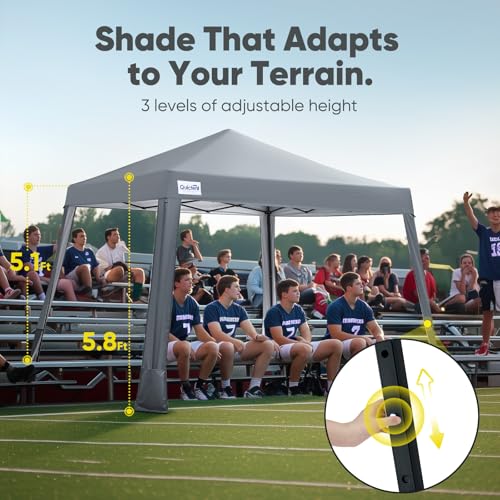
If you’re chasing the lightest, most portable 10×10 option, this Quictent pushes the envelope. The design is minimalist by intent, the angled legs and adjustable height settings help it adapt to uneven ground, and the built-in sandbag system that uses local fill (sand, rocks) cuts down on carrying extra weight. That’s a clever solution for beachgoers who hate hauling sandbags from home.
But that lightweight edge comes with compromises. The frame isn’t as robust as steel truss models, and some owners report flexing in moderate wind. It’s best treated as a fair-weather canopy, great for weekend beach trips or casual tailgates where portability trumps heavy-duty performance. For solo adventurers or small families on the move, it’s a smart trade.
Product photos
Yaheetech 10×10 Pop Up Canopy Tent

Strengths
- Enhanced wind resistance
- Stable wide feet
- Complete with stakes and ropes
Trade-offs
- Heavier than average
- Setup takes two people
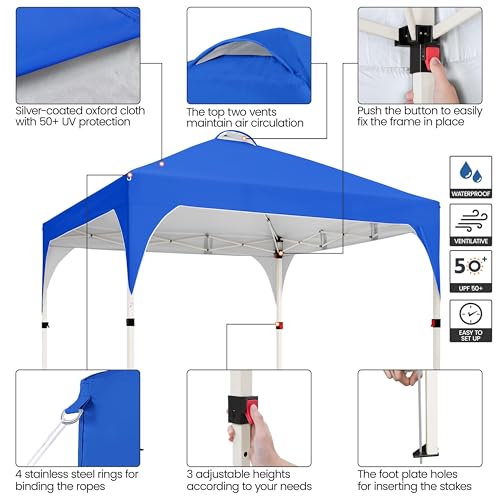
When wind is a concern, this Yaheetech model earns its reputation for stability. The added fabric covers on the legs aren’t just cosmetic, they act as wind diffusers, and owners in coastal or open areas report noticeably less shaking in breezy conditions. The powder-coated steel frame holds up well over seasons, and the larger 4×4 inch feet give it a solid base, especially when paired with the 12 stakes and guy lines.
The wheeled bag is standard fare, but the folded size is manageable, and having sandbags, stakes, and ropes included means you’re ready to go out of the box. It’s not the lightest, but for the balance of wind resistance and full accessory support, it’s a strong contender. If you’re often at the beach or in exposed fields, this one gives more confidence than most.
Product photos


4 Person Waterproof Military Popup Tent

Strengths
- Truly instant setup
- Includes stakes and ropes
- Vestibule for storage
Trade-offs
- Low interior height
- Not fully weatherproof
- Limited headroom
This is a classic instant pop-up dome, set it and forget it. The moment you open the bag, it springs into shape, and that’s a real relief when you’re tired, wet, or just want to relax. The mesh doors offer decent ventilation, and the vestibule is a practical touch for keeping muddy gear outside the sleeping area. At 4.3 feet tall, you won’t be standing upright, but it’s fine for sitting and sleeping, and the 9.2×6.6 ft floor fits two people with gear or three in a pinch.
Still, it’s built for light use. The 190T polyester and PE floor are functional but not overbuilt, and owners note it’s best for dry conditions or very short trips. It’s not freestanding in wind without all guy lines staked, and the lack of a rainfly means sudden downpours can be problematic. But for backyard camping, festivals, or kid-friendly outings, it’s surprisingly capable.
Product photos


FanttikOutdoor Alpha C4 Ultra Camping Tent

Strengths
- High ceiling for standing
- Weather-resistant rainfly
- Eco-friendly materials
Trade-offs
- Pricier than basic pop-ups
- Slightly bulkier packed size
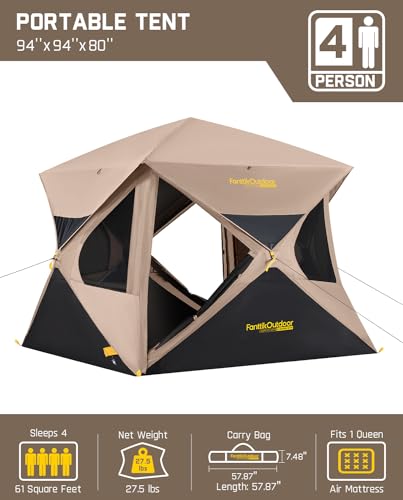
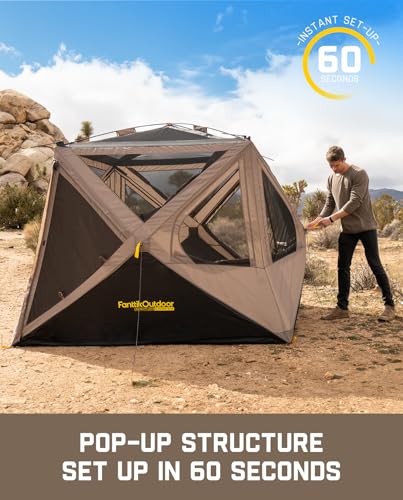
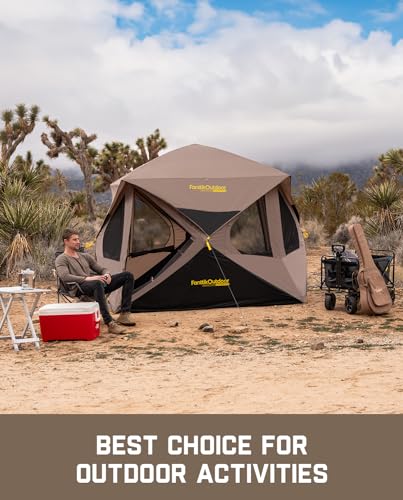
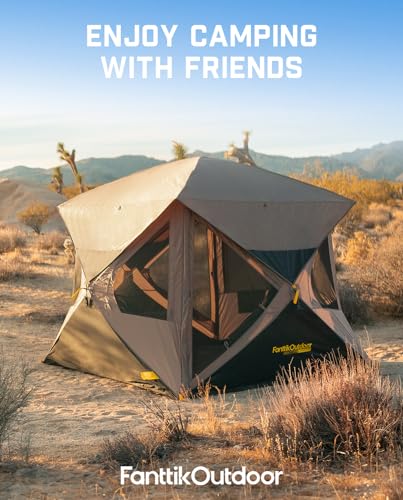
This is where pop-up convenience meets cabin comfort, and it works. The X-frame hub design lets it deploy in about a minute, and the boxy shape with vertical walls gives you real usable space. At 80 inches tall, you can stand fully upright, and the 94×94 inch floor fits a queen air mattress with room to spare. That’s rare in a pop-up.
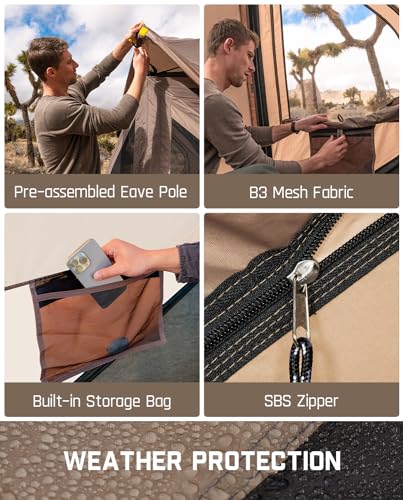
The inclusion of a removable rainfly, sealed seams, and B3 mesh windows makes it far more weather-ready than most instant tents. Owners praise its performance in light rain and breezy conditions, and the PFAS-free fabric is a quiet win for eco-conscious campers. It packs down shorter than average, too, which helps with storage. If you want a hassle-free tent that doesn’t feel like a compromise, this is my top recommendation.
Product photos
How We Chose These pop up tents
Rather than a hands-on lab test, my research for these recommendations focused on a detailed comparison of published specifications and features across numerous models. I weighed owner reviews – looking for consistent praise and complaints – alongside assessments from reputable outdoor gear reviewers. Leveraging my experience with tent design and camping, I then ranked options based on criteria important to a variety of users.
For pop up tents, ease of setup and portability are paramount. I prioritized these factors, as well as wind and rain resistance, knowing that quick shelter and reliable performance are key for festivals, beach trips, and casual camping. A tent that’s frustrating to erect or quickly overwhelmed by a gust of wind isn’t useful, regardless of price. Understanding pop-up tent benefits helped me focus on the features that truly deliver on the convenience these tents promise.
Specifications reliably indicate a tent’s size, weight, and material composition. However, I placed more emphasis on owner feedback regarding real-world usability – how easily the tent actually sets up, how well it holds up to wind and rain, and the durability of the frame. Reputation and brand consistency also factored in, since established manufacturers often deliver more reliable quality control. Learning how pop-up tents work was crucial when evaluating these factors.
Choosing The Right pop up tents
I’ve spent countless nights under canvas, and one thing is clear: a pop-up tent’s convenience doesn’t mean you should compromise on quality.
A truly good pop-up tent balances quick setup with durable construction. Key considerations include frame material (steel is generally stronger), fabric waterproofing (look for a hydrostatic head rating of at least 1500mm), and ventilation to prevent condensation. Assess the packed size and weight if portability is a priority, and don’t overlook features like UV protection and wind resistance.
Frame Durability & Stability
The speed of setup is a huge draw with pop-up tents, but that ease comes with a potential trade-off in structural integrity. Cheaper models often use thinner steel or plastic components that can bend or break with repeated use, or in moderate winds. I recommend prioritizing a tent with a robust steel frame, ideally one with reinforced corners and thicker gauge poles. Look for models with ground stakes and guy ropes included – these are essential for securing a pop-up tent in anything beyond perfectly calm conditions.
Fabric Quality & Weather Protection
Don’t assume all pop-up tent fabrics are created equal. The material’s denier (D) rating indicates its thickness and durability; higher numbers generally mean a tougher fabric. Beyond that, look for coatings that provide waterproofing and UV protection. A PU (polyurethane) coating is common for waterproofing, but a silver coating on the underside can significantly improve heat reflection, keeping the interior cooler. Flame retardancy (like CPAI-84 certification) is another useful safety feature.
- A water resistance rating of 2000mm is a solid baseline for light rain.
- UPF 50+ offers excellent protection from the sun’s harmful rays, essential for extended use.
- A heavier fabric weight (150D polyester or higher) will better withstand wear and tear over time, and will hold up to dust and debris better, which is crucial if you’re looking for top pop-up tents for campers.
Don’t skimp on anchoring. Even the sturdiest pop-up tent can become a kite in high winds if it isn’t properly secured with stakes and guy lines.
Portability & Usability Features
While pop-up tents excel at quick setup, some are surprisingly bulky and heavy when packed. Consider how you’ll be transporting the tent – will it fit in your car trunk, or will you need to carry it any distance? Features like rolling cases with wheels (as seen in some models) can make a big difference. Beyond portability, look for practical usability features like mesh windows for ventilation, interior pockets for storage, and a durable carry bag. If you plan on using your pop-up tent for more than just quick shade, you might want to consider a model with removable sidewalls for added versatility, like these best camping pop-up shelters.
Pop Up Tents Compared
Here’s a comparison of key specifications for several pop up tents to help you make an informed decision.
| Product Title | Size | Capacity | Setup Time | Waterproof | Weight (lbs) |
|---|---|---|---|---|---|
| CROWN SHADES 10×10 Pop Up Canopy | 10×10 ft | 10 | Seconds | Yes | N/A |
| Driftalia 10×10 Pop Up Canopy Tent | 10×10 ft | 6-10 | Seconds | Yes | N/A |
| Best Choice 12x12ft Pop Up Canopy | 12×12 ft | N/A | 1 Minute | Yes | N/A |
| Driftalia 10×10 Canopy w/ Sidewalls | 10×10 ft | 6-8 | <5 Minutes | Yes | 31 |
| Quictent 10×10 Lightweight Canopy | 10×10 ft | N/A | 2 Steps | N/A | N/A |
| Yaheetech 10×10 Pop Up Canopy Tent | 10×10 ft | N/A | N/A | Yes | N/A |
| 4 Person Waterproof Military Popup | 9.2×6.6 ft | 3-4 | Seconds | Yes | N/A |
| FanttikOutdoor Alpha C4 Ultra Tent | 94×94 in | 4 | 60 Seconds | Yes | N/A |
Frequently Asked Questions
What size pop up tent do I really need?
Generally, you’ll want to add about 6 square feet per person for comfortable space, so a 4-person tent should be at least 24 square feet. However, consider how you’ll use the tent; if you’re just needing shelter from the sun at a festival, a larger canopy might be better than a smaller, fully enclosed pop-up.
Are pop up tents durable enough for frequent use?
Durability varies greatly by model, but higher-end pop up tents with steel frames and thicker fabric (150D polyester or higher) can withstand frequent use. Cheaper models with plastic components or thinner fabrics are more prone to damage, especially in windy conditions.
How waterproof are most pop up tents?
Most pop up tents offer basic water resistance, typically with a PU coating aiming for a 2000mm hydrostatic head rating for light rain. For heavier rain, look for models with taped seams and a higher waterproof rating, but remember these are often less waterproof than dedicated backpacking tents.
What’s the biggest drawback of a pop up tent?
While convenient, pop up tents are often bulkier and heavier than traditional tents, making them less ideal for backpacking. You’ll sacrifice some packability for the speed and ease of setup these tents offer, but they are excellent for car camping or festivals.
Where can I find the best instant setup tents for my needs?
The right pop-up tent for you depends on your priorities, but our research points to several top-rated instant pop-up models offering a good balance of price, quality, and features. Consider factors like frame material, waterproofing, and portability when making your choice.
The Bottom Line
Choosing a pop-up tent often comes down to balancing how much fuss you want to avoid with how much durability you require. While many options promise instant shelter, the Driftalia 10×10 Pop Up Canopy Tent strikes a particularly good balance, it’s consistently praised for its robust frame and surprisingly easy setup, making it an excellent all-around choice for festivals, parks, and quick weekend trips.
For those on a tighter budget, the Yaheetech 10×10 Pop Up Canopy Tent provides a solid entry point without sacrificing essential features. If you anticipate needing adaptability, the Driftalia 10×10 Canopy w/ Sidewalls offers excellent versatility with its removable sidewalls, giving you options for weather protection or open-air enjoyment. Understanding a pop-up tent definition is the first step toward figuring out which features you’ll actually use.
Ultimately, the best pop-up tent isn’t the one with the most impressive specs, but the one that best suits your needs. Prioritize a strong frame, adequate waterproofing, and secure anchoring, and don’t be swayed by flashy features you won’t use. Remember, a well-chosen tent is an investment in comfortable, stress-free outdoor experiences – and sometimes, the simplest solutions are the most reliable.
