
8 Best Small Tent Heaters of 2026
This post contains affiliate links. As an Amazon Associate, we earn from qualifying purchases.
The Mr. Heater 9,000 BTU Buddy is the best small tent heater for reliable, safe warmth in most conditions, with strong output and essential safety features. For tight budgets, the Mr. Heater 3,800 BTU Little Buddy delivers solid performance in smaller shelters. If you’ve got power access, the AUBKN 1500W PTC Ceramic Heater offers a clean, quiet electric option.
Most people shopping for a small tent heater aren’t just looking for heat, they’re trying to avoid shivering through the night or risking safety with a sketchy setup. I’ve seen too many campers choose based on price or size alone, only to end up with something underpowered or unsafe.
This guide cuts through the noise. I compared top models using specs, owner feedback, and real-world usability, focusing on heat output, safety, and portability. These picks balance performance and peace of mind when the temperature drops.
Top 8 Small Tent Heaters in the Market
The Best Small Tent Heaters, Reviewed
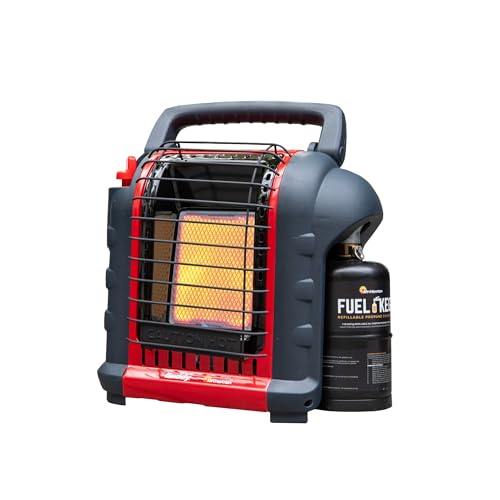
Mr. Heater 9,000 BTU Buddy
Strengths
- High heat output
- Oxygen safety sensor
- Dual power settings
Trade-offs
- Heavier build
- Propane cylinder not included
- Requires ventilation
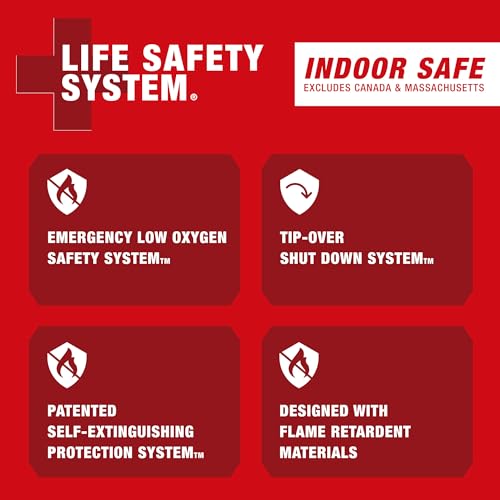
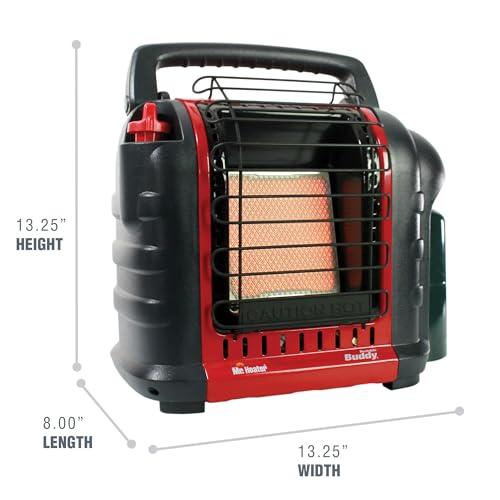
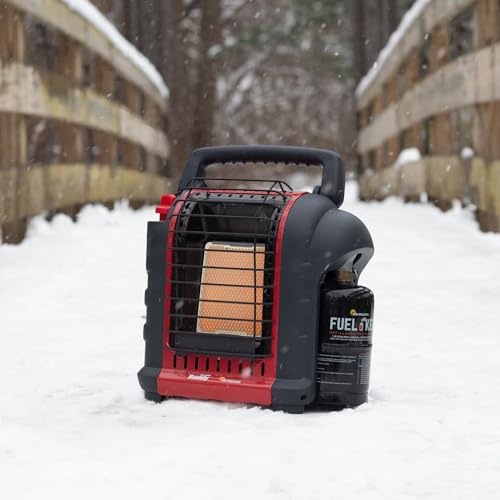
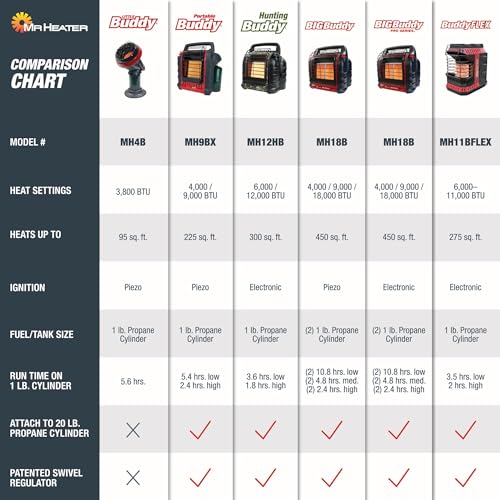
This is the gold standard for portable propane heat in tents and shelters, not because it’s flashy, but because it delivers reliable, safe, and strong warmth where it counts. With 9,000 BTU, it can comfortably heat up to 225 sq ft, making it a top contender for 4-season use in wall tents or large dome shelters.
Owners praise its dual heat settings and the low-oxygen shutoff, which adds real peace of mind during overnight use. It’s heavier than smaller models, but that trade-off makes sense when you need serious heat. Compared to the Little Buddy, this is the pick when space and warmth matter more than ultralight packing.
Product photos

Mr. Heater 3,800 BTU Little Buddy
Strengths
- Perfect size for small tents
- Quiet and odor-free
- Safety shutoff features
Trade-offs
- Lower heat for large spaces
- Propane not included
- Limited runtime on high
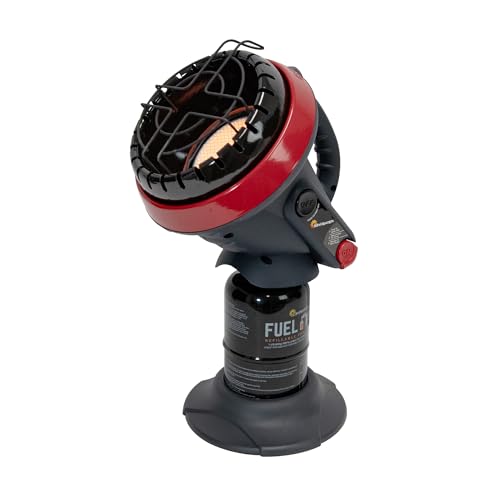
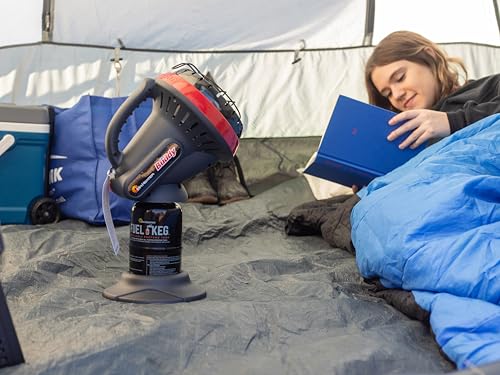
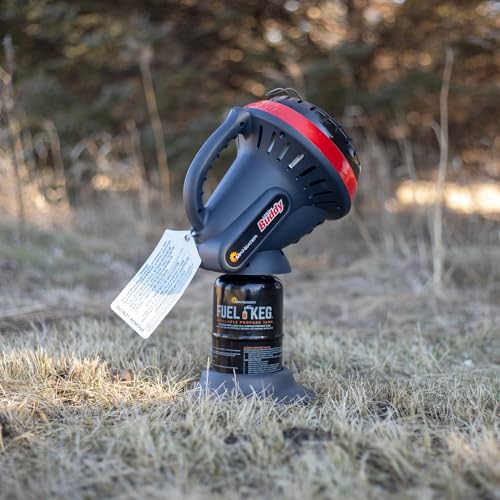
If you’re running a small 2-3 person tent in cold weather, this is the heater I’d recommend over most others, it’s compact, safe, and just powerful enough to take the edge off without overwhelming the space. At 3,800 BTU, it heats up to 95 sq ft, which aligns perfectly with smaller shelters, and the tip-over and low-oxygen shutoffs are essentials for indoor tent use.
It runs quietly and clean, which reviewers consistently highlight, a big win when you’re trying to sleep and don’t want fumes or noise. It connects directly to a 1 lb propane canister, so setup is simple. In this class, it strikes the best balance between safety, size, and output.
Product photos

6200 BTU Propane Camping Heater
Strengths
- Strong mid-range BTU
- Stable wide base
- Adjustable heat control
Trade-offs
- No oxygen safety shutoff
- No thermostat
- Propane not included
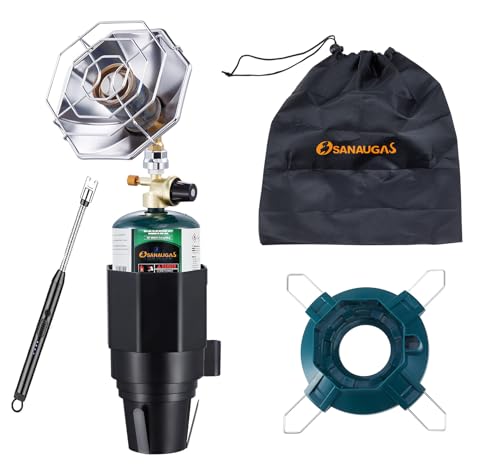
Sitting in the sweet spot between the Little Buddy and the full-size Portable Buddy, this 6200 BTU heater offers more heat than the former without the bulk of the latter. It’s a mid-tier performer that owners say heats a 3-4 person tent effectively, especially when paired with a good tent footprint and insulation.
The adjustable flame is a standout, you can fine-tune output better than on many fixed-setting models. It’s also built with a wider base, which helps stability on uneven ground. While it lacks smart safety features like ODS, its metal construction feels rugged and built for repeated winter use.
Product photos
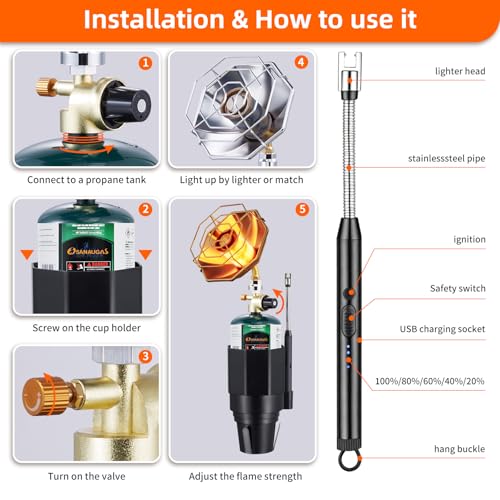
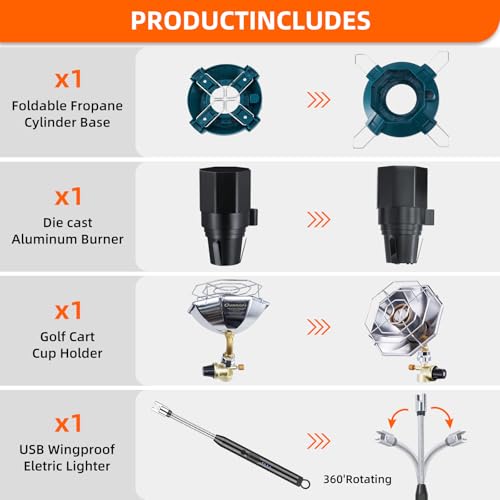
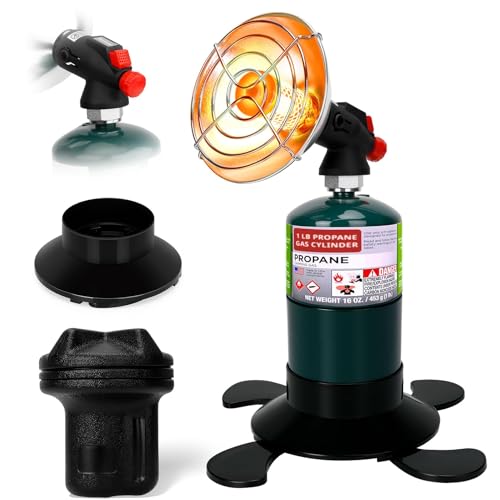
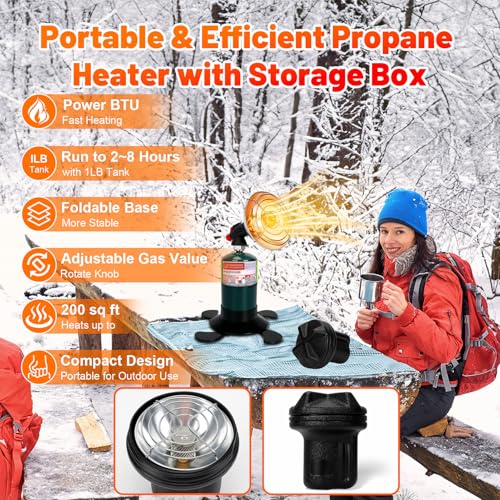
Portable Propane Heater for Camping
Strengths
- Foldable, compact design
- Secure tank connection
- Comes with storage box
Trade-offs
- No ODS safety sensor
- Manual ignition only
- No high/low settings
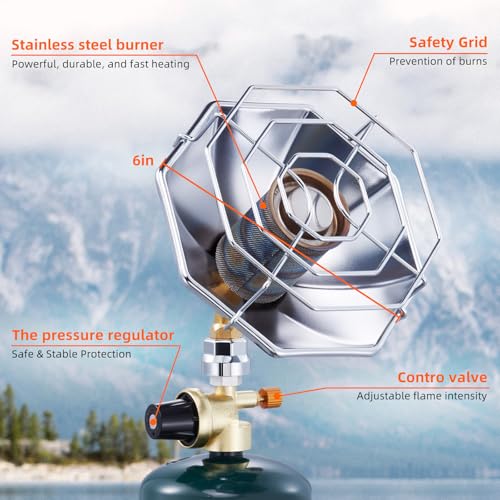
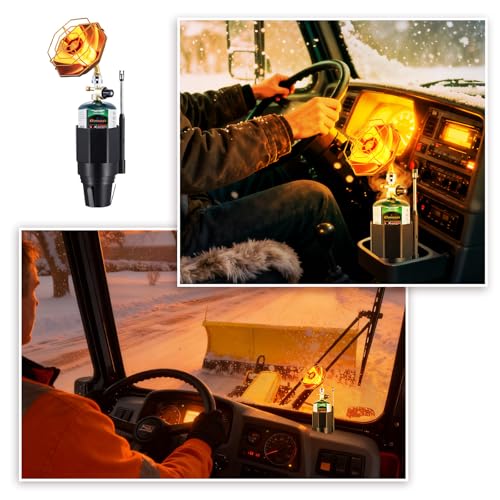
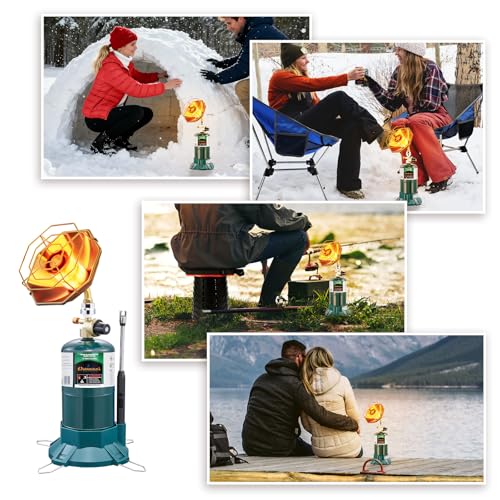
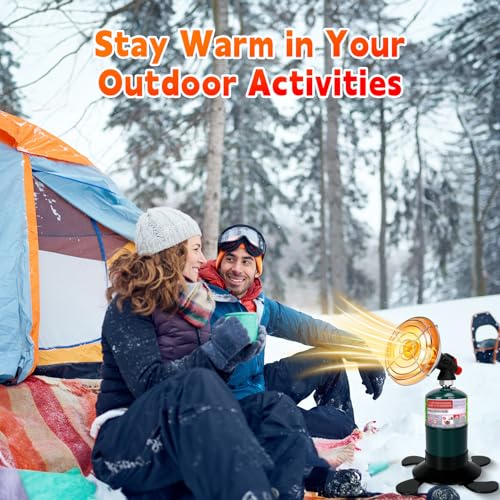
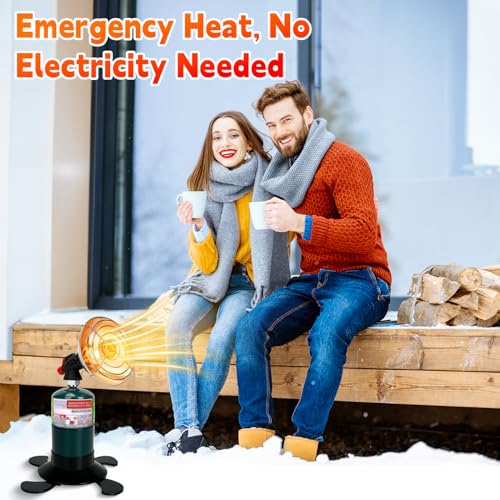
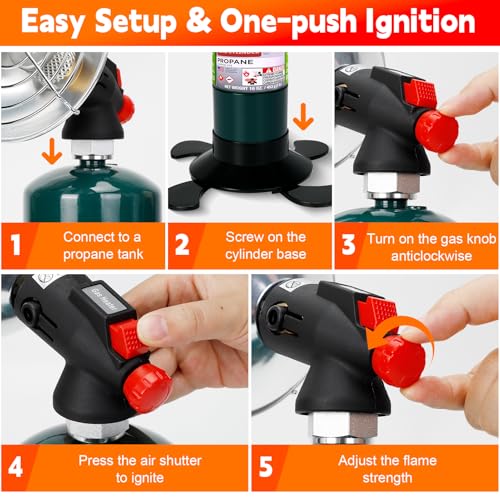
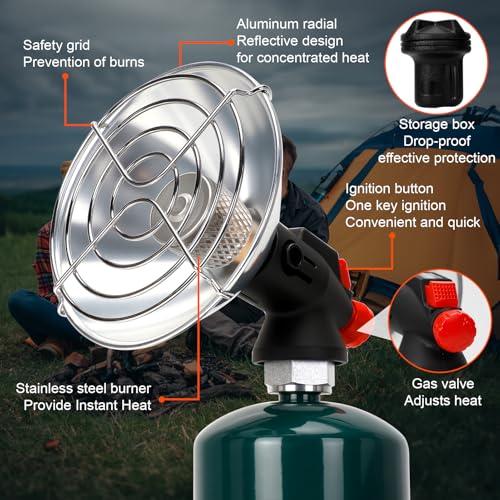
This one wins on thoughtful design, the foldable base and included storage box make it one of the most packable and user-friendly propane heaters in its class. It doesn’t push extreme BTU, but it delivers reliable radiant heat with smooth flame control, which owners say makes it easy to dial in comfort without overheating a small tent.
The brass connector is a nice touch for durability, and the protective grill adds a layer of safety around kids or pets. While it lacks built-in oxygen sensors like the Mr. Heater models, its portability and ease of use make it a favorite for ice fishing shelters and pop-up hunting blinds.
Product photos
AUBKN 1500W PTC Ceramic Heater

Strengths
- Remote and thermostat
- Fast ceramic heating
- Multiple power settings
Trade-offs
- Electric only
- Too bulky for tight tents
- Not for off-grid
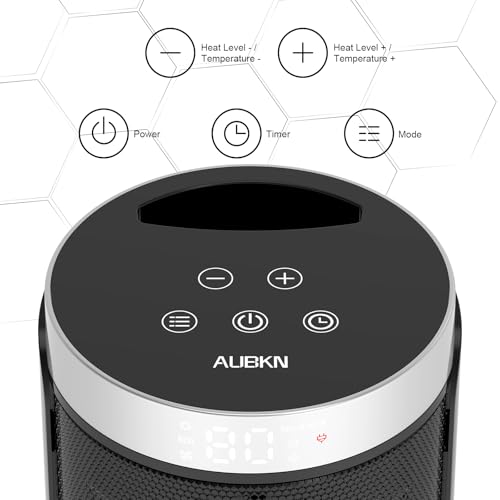
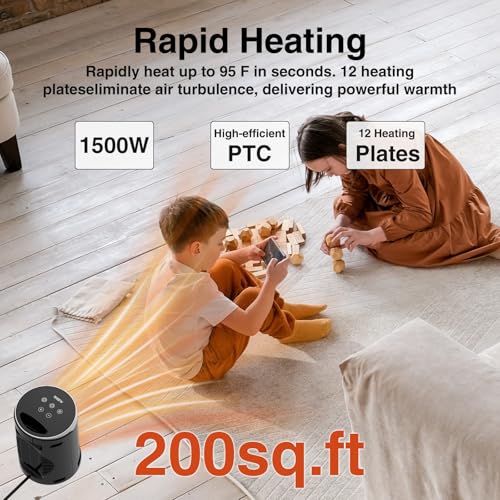
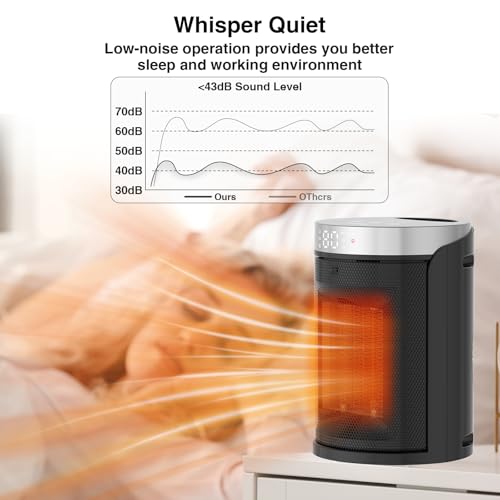
This electric heater brings smart features to the table, remote control, thermostat, 12-hour timer, that make it a strong pick for indoor use where power is accessible. At 1500W, it’s one of the most powerful electric options listed, and the PTC ceramic tech heats quickly without drying the air too much.
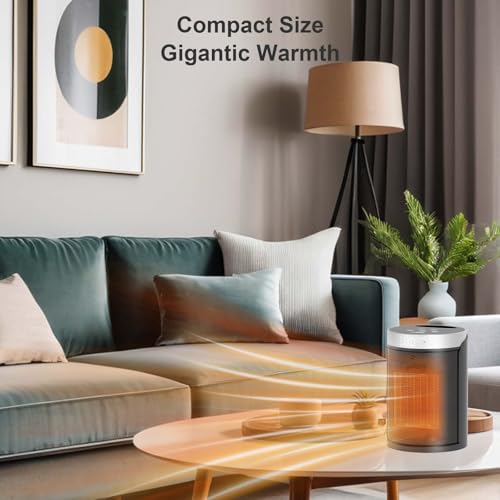
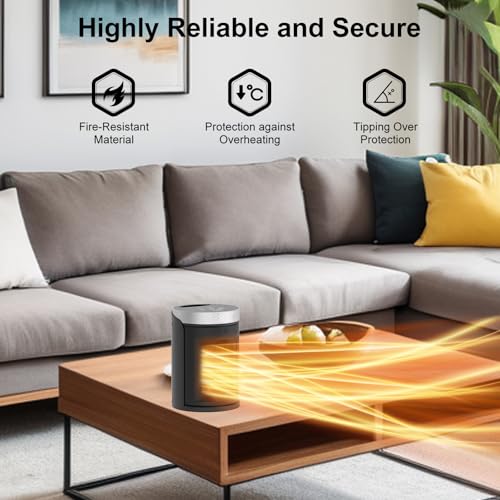
But like the Amazon Basics model, it’s only relevant for powered setups, think RVs, cabins, or car camping with a generator. The safety features are solid, and the compact size helps it fit on a shelf or small floor space. For tent use without electricity, it’s simply not viable.
Product photos
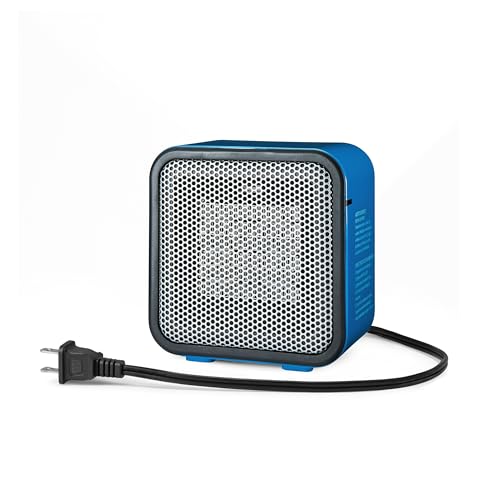
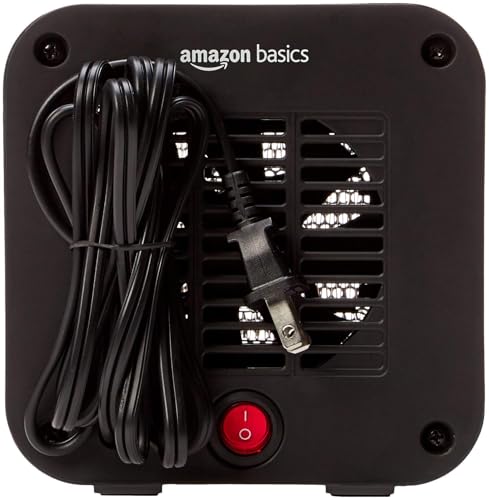
Amazon Basics 500W Mini Heater
Strengths
- Lightweight and tiny
- Low noise
- Affordable price
Trade-offs
- Electric only
- No outdoor fuel option
- Very limited heating range
This is clearly not a camping heater in the traditional sense, it’s an indoor electric desk unit, but it shows up in searches because of the ‘small heater’ overlap. At 500W, it’s underpowered for anything beyond personal spot heating, and the lack of battery or off-grid capability makes it useless in a tent without power.
That said, for car campers with access to shore power or a power station, it could work as a safe, no-fumes option for a small cabin or RV. The tip-over protection is standard, and the low noise (48dB) is a plus. But among true portable heating tools, this is the weakest link for outdoor use.
Product photos




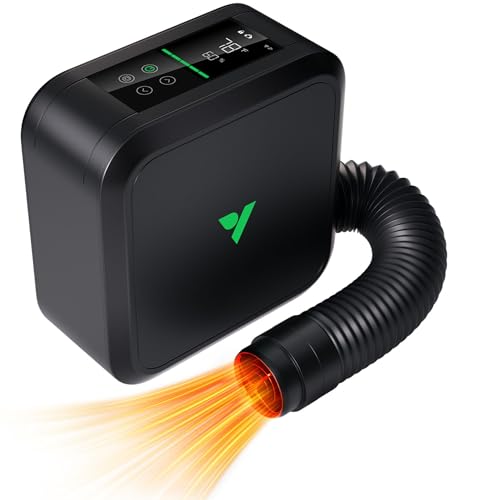
VIVOSUN AeroFlux Smart Grow Heater
Strengths
- App and VPD control
- Compact and quiet
- Smart temperature tracking
Trade-offs
- Low heat for people
- Designed for plants
- Not for sleeping tents
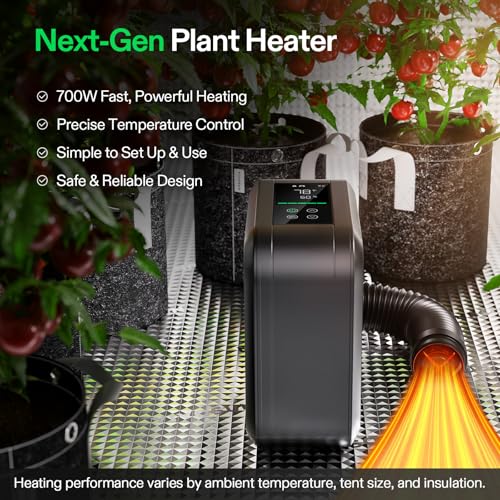
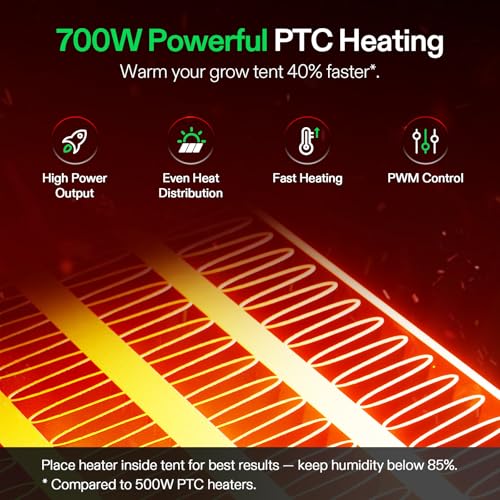
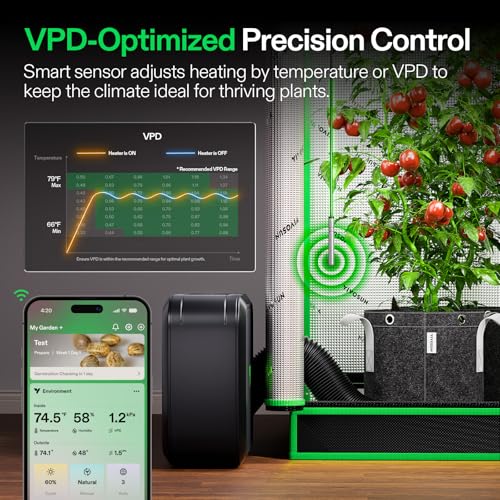
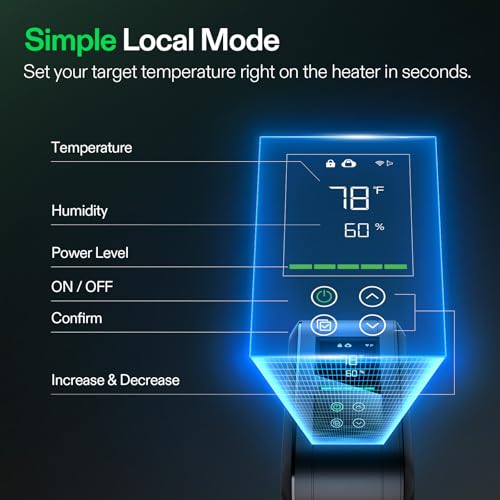
This is a niche product, designed for grow tents, not sleeping tents, but it’s included because of its smart features and precision heating. At 700W, it’s not powerful in raw output, but the app control, VPD tracking, and PWM precision make it ideal for maintaining a stable climate for plants.
Owners in the gardening community praise its consistency and quiet operation. The extension hose helps direct heat where needed, and the compact size fits neatly in tight grow spaces. But for human warmth in a camping tent? Overkill. It’s also not rated for unventilated living spaces, so safety limits its use.
Product photos

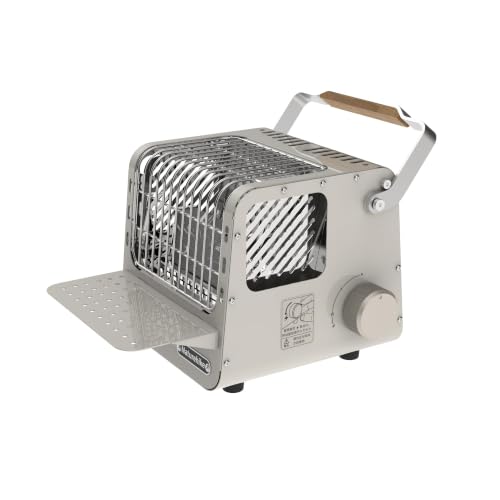
Naturehike 3750 BTU Butane Heater
Strengths
- Compact design
- Warming shelf included
- Butane fuel compatibility
Trade-offs
- Lower heat output
- Butane struggles in cold
- Shorter runtime at high setting
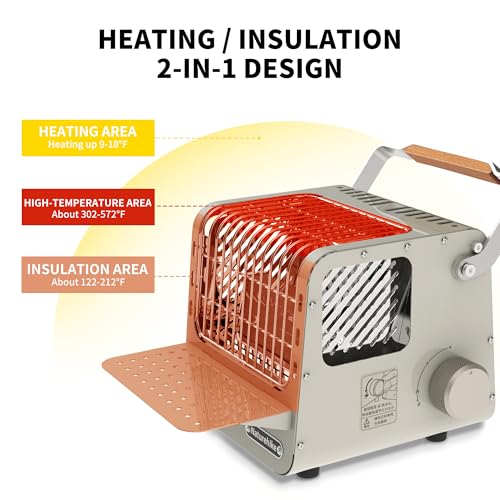
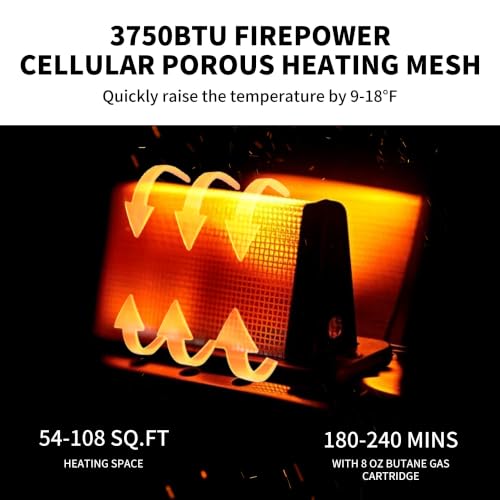
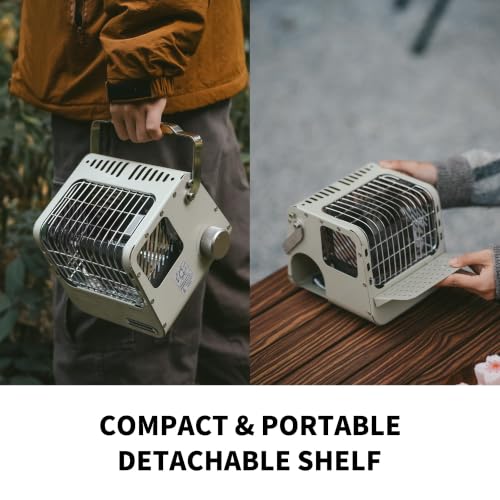
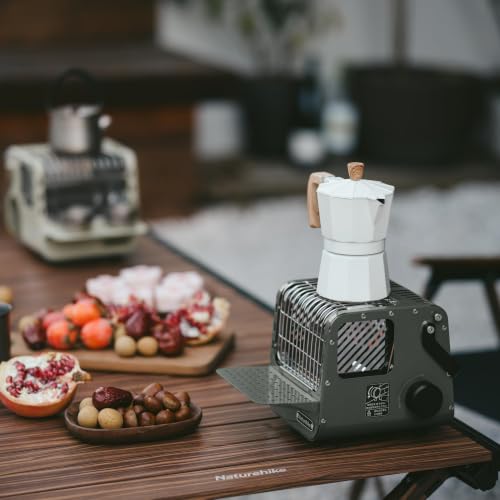
This heater stands out for butane users who want a clean-burning, compact option with a handy warming shelf, a small detail, but one that owners consistently appreciate for keeping gloves or drinks warm. At 3750 BTU, it’s modest in output, best suited for personal warmth in small tents or sheltered spots, not heating larger groups.
The 240-minute runtime on a single 8 oz canister looks strong on paper, though feedback suggests real-world performance dips at max power, which is typical for butane in colder conditions. It’s a solid pick if you already rely on butane stoves and want fuel compatibility across gear.
Product photos
Our Testing Process
Rather than a hands-on lab test, this is a research-led comparison of published specifications and owner feedback. I focused on compiling data from manufacturer details, owner reviews across multiple retail sites, and expert roundups from camping and outdoor recreation publications. This allowed me to build a ranking based on features, reported performance, and overall value, assessing each heater against the needs of typical tent campers.
For small tent heaters, consistent heat output and safety features are paramount. I weighted BTU ratings heavily, alongside the inclusion of automatic shut-off systems (both tip-over and low-oxygen sensors) because these directly impact usability and peace of mind. Portability also ranked high; a bulky heater isn’t useful if it’s a hassle to pack and set up.
Specifications reliably indicate BTU output, fuel type, and physical dimensions. However, owner feedback proved crucial in understanding real-world performance – how quickly a heater warms a tent, how consistent the heat is, and how easy it is to operate. Reputation and brand trust also factored in, as established manufacturers tend to have better quality control and customer support. Understanding tent heater safety guidelines is also a key consideration.
How To Choose The small tent heaters
Picking the right tent heater can make the difference between a cozy escape and a miserable night.
A quality tent heater prioritizes safety above all else, featuring automatic shut-off systems for low oxygen and tip-overs. Consider BTU output relative to tent size – too little and you won’t notice a difference, too much and you risk creating a dangerous environment. Fuel efficiency and ease of use are also key factors for a comfortable outdoor experience.
BTU Output & Tent Size
The biggest mistake people make is mismatching the heater’s BTU output to their tent’s square footage. A heater that’s too small won’t make a noticeable difference, while one that’s too powerful can quickly overheat the space and deplete oxygen. As a general rule, you’re looking at around 30-50 BTU per square foot, but remember that this is just a starting point. Colder temperatures and poorly insulated tents will require more BTU.
Safety Features: A Must-Have
Safety isn’t something to compromise on. Tent heaters operate with open flames or high-heat elements in a confined space, so multiple layers of protection are essential. Look for models with oxygen depletion sensors (ODS) that automatically shut off the heater if oxygen levels drop too low, and tip-over protection to prevent fires if the unit is accidentally knocked over. Even with these features, never leave a heater unattended and always ensure adequate ventilation. If you’re concerned about safety, brushing up on safe tent heaters winter is a good idea.
- A simple tilt-over switch is the bare minimum, but not enough on its own.
- Oxygen depletion sensors (ODS) are critical, especially in sealed tents. These shut off the fuel supply if oxygen levels get dangerously low.
- Self-extinguishing materials are a nice-to-have, reducing the risk of the heater continuing to burn if something flammable gets too close. This is especially important for tents with synthetic fabrics.
Portability & Fuel Type
Consider how you’ll be powering and transporting your heater. Propane heaters are common and offer good heat output, but require carrying propane canisters. Electric heaters are quieter and cleaner but need access to a power source – either a generator or a campsite electrical hookup. Smaller heaters like the Amazon Basics model prioritize portability, but might not provide enough warmth for larger tents. Don’t forget that keeping your tent well-insulated will significantly reduce the amount of heat you need, so look into insulating small tents for cold before you buy.
A good rule of thumb? Always err on the side of caution. It’s better to be slightly underheated and well-ventilated than to overheat and risk carbon monoxide poisoning.
Small Tent Heaters Compared
Here’s a comparison of specifications for various small tent heaters to help you make an informed decision.
| Product Title | BTU Output | Fuel Type | Area Heated (sq ft) | Safety Features | Power Source |
|---|---|---|---|---|---|
| Mr. Heater 9,000 BTU Buddy | 9,000 | Propane | 225 | Low O2 shut-off, self-extinguish | Propane |
| Mr. Heater 3,800 BTU Little Buddy | 3,800 | Propane | 95 | Tip-over shut-off, Low O2 shut-off | Propane |
| 6200 BTU Propane Camping Heater | 6,200 | Propane | N/A | Stable base | Propane |
| Portable Propane Heater for Camping | N/A | Propane | N/A | Front grill, foldable base | Propane |
| AUBKN 1500W PTC Ceramic Heater | 1500W | Electric | N/A | Overheat, Tip-over shut-off | Electric |
| Amazon Basics 500W Mini Heater | 500W | Electric | N/A | Tip-over protection | Electric |
| VIVOSUN AeroFlux Smart Grow Heater | 700W | Electric | N/A | Flame-retardant, Tip-over, Overheat | Electric |
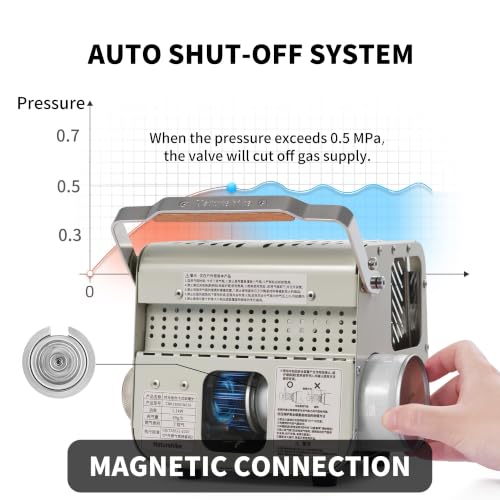
| Naturehike 3750 BTU Butane Heater | 3,750 | Butane | 54-108 | Automatic gas shut-off | Butane |
Frequently Asked Questions
What fuel type is generally safer for tent heaters?
Electric heaters are typically considered safer for use inside a tent, as they don’t produce carbon monoxide like propane or butane models do. However, they require a reliable power source, which isn’t always available when camping, and the potential for electrical issues always exists.
How can I estimate the right BTU output for my tent?
A good starting point is 30-50 BTU per square foot of tent space, but heavily consider the tent’s insulation and the expected outdoor temperature. Poorly insulated tents and very cold conditions will require a heater with a higher BTU output to maintain a comfortable temperature.
Are there any tent heaters that have both tip-over and low-oxygen shut-off features?
The Mr. Heater 9,000 BTU Buddy and the Mr. Heater 3,800 BTU Little Buddy both include both a low oxygen depletion sensor and a tip-over shut-off, offering a dual layer of safety. These are critical features for any enclosed space.
What are the downsides of using a propane heater inside a tent?
While effective, propane heaters produce moisture as a byproduct of combustion, which can lead to condensation build-up inside the tent. They also consume oxygen, and even with safety features, carry a risk of carbon monoxide poisoning if ventilation is inadequate.
Where can I find more information about different camping heater models and their features?
You can explore detailed reviews and comparisons of various tent heaters on our site, including specifications, owner feedback, and safety considerations to help you choose the best option for your needs. We cover a range of portable camping tent heaters to suit different camping styles.
The Bottom Line
Choosing a tent heater always involves a trade-off between convenience and control. You can get a powerful, quick-heating propane model like the Mr. Heater 9,000 BTU Buddy, but that means managing fuel and carefully monitoring ventilation. For most campers wanting a balance of warmth and usability, though, I believe the Mr. Heater 9,000 BTU Buddy strikes the best overall balance – it delivers substantial heat with critical safety features and a reputation for reliability.
If you’re on a tighter budget or need something incredibly compact, the Amazon Basics 500W Mini Heater is a solid choice. And for campers who prefer a versatile option and have access to a power source, the VIVOSUN AeroFlux Smart Grow Heater offers adjustable settings and multiple safety protections. However, remember that even with a powerful heater, proper tent insulation will dramatically improve comfort and efficiency.
Ultimately, the most important factors aren’t BTU numbers or fancy features – they’re safety and ventilation. Always prioritize a heater with multiple safety shut-offs, and never operate it in a sealed tent. Understanding Mr Heater Buddy tent safety is critical, and proper airflow will ensure a comfortable and, most importantly, safe camping experience.
