
3 Best Tents for Homeless Kids (2026 Guide)
This post contains affiliate links. As an Amazon Associate, we earn from qualifying purchases.
The best tent for homeless kids is the 10 Pack 2-Person Waterproof Tents, offering reliable weather protection and simple setup. For larger groups, the 5 Pack Emergency Pop Up Tents provide quick shelter for more people. The wilwolfer 6 Pack Kids Teepee Tents work in dry conditions but lack full waterproofing.
When you’re helping kids who don’t have stable shelter, a flimsy or complicated tent isn’t just inconvenient, it can make things worse. Real protection from rain, wind, and cold matters, and so does the ability to set up fast without instructions or help.
This guide cuts through the noise, focusing on durability, ease of use, and real-world performance. I looked at specs, owner feedback, and build quality to find tents that actually hold up when they’re needed most.
Top 3 Tents For Homeless Kids in the Market
The Best Tents For Homeless Kids, Reviewed
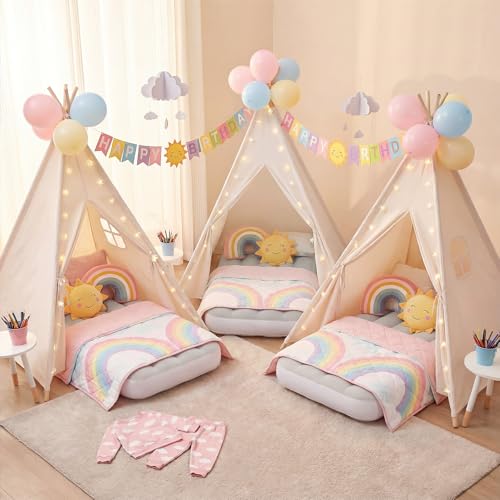
wilwolfer 6 Pack Kids Teepee Tents
Strengths
- Soft microfiber fabric
- Stable wooden frame
- Includes airbeds
Trade-offs
- Not weatherproof
- No ground sealing
- Indoor use only
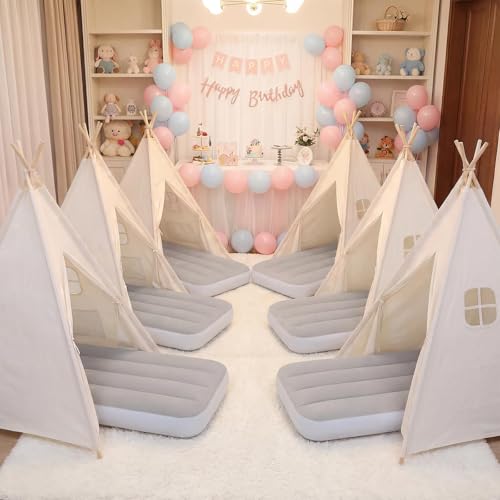
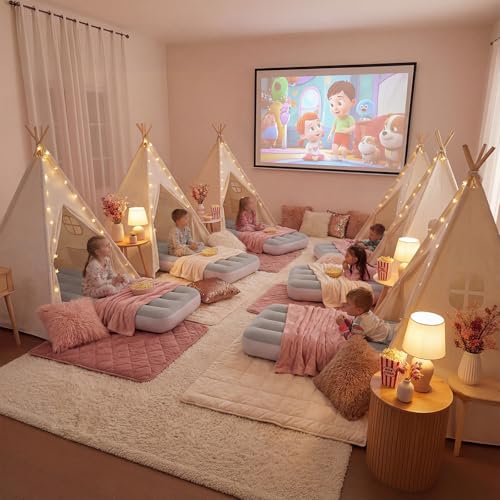
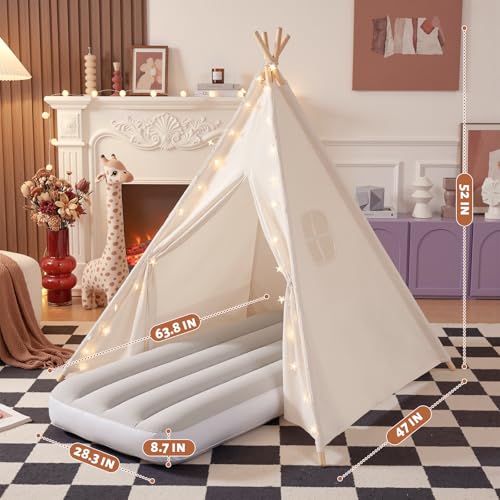
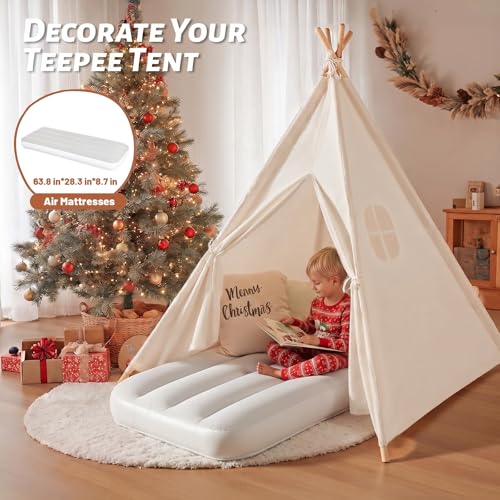
This set feels like it was designed for birthday parties, not survival. The materials are soft and safe for toddlers, with a clean look and smooth wooden frames that won’t scratch, a plus for indoor play. But calling this a solution for homeless kids stretches the truth; these are indoor play tents, not weather-resistant shelters. The included inflatable airbeds are a nice touch for slumber parties, but they’re not insulated or durable enough for outdoor use.
Owners consistently report that the fabric wipes clean easily and the tents hold up well in carpeted rooms, which makes sense given the microfiber material. But in any real-world outdoor scenario, damp ground, wind, or cold, this set would fail quickly. It’s charming, yes, but it’s more about pretend camping than actual protection.
Product photos

10 Pack 2-Person Waterproof Tents
Strengths
- Waterproof rain fly
- Bug screen doors
- Compact carrying bags
Trade-offs
- Fiberglass poles less durable
- Limited headroom
- Not insulated
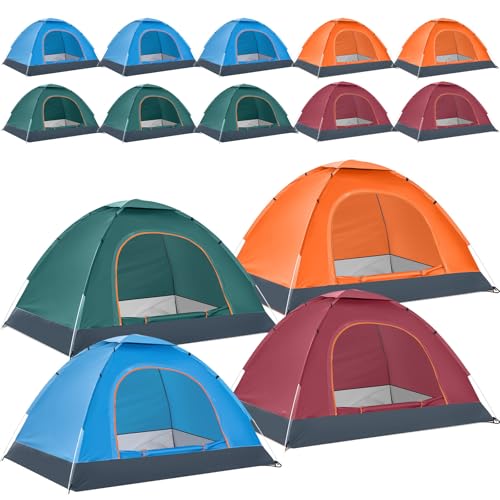
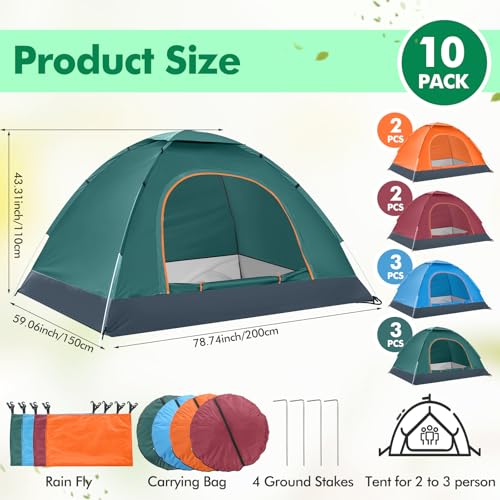
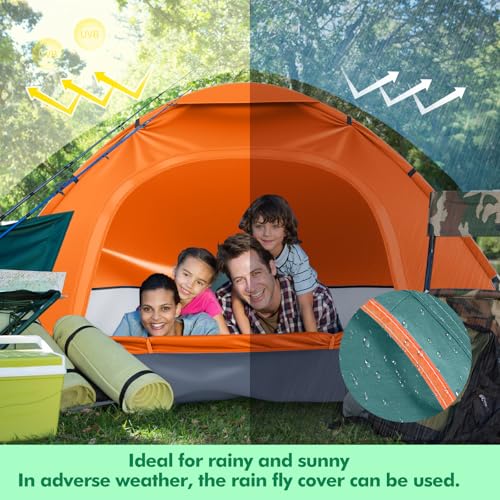
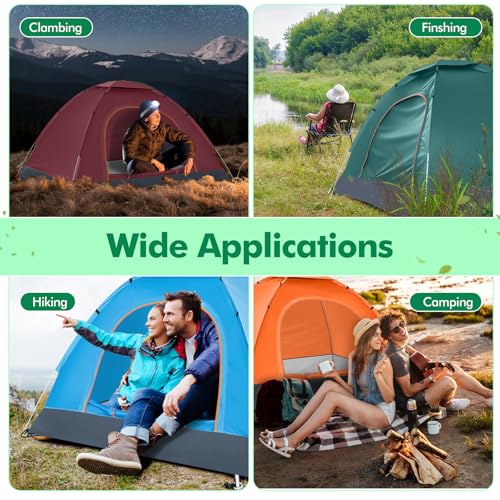
For organizations needing to distribute real, functional shelter in bulk, this 10-pack stands out. These are actual pop-up camping tents, small, yes, but built with a waterproof silver-coated polyester shell and a separate rain fly, which makes a real difference when it starts to drizzle. The dual-layer door with mesh screening is smart: it allows airflow while keeping bugs out, and the clip-on rain flap adds flexibility in changing weather. On paper, the 200 x 150 cm floor space is tight for two adults, but it’s realistic for short-term emergency use.
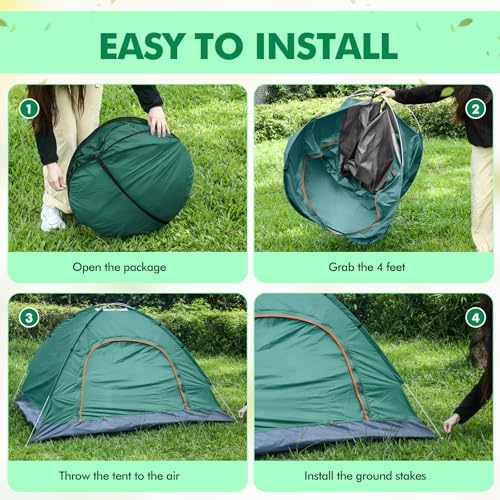
Reviewers note the fiberglass poles are surprisingly sturdy for the price, and the included stakes and carrying bags make these truly portable. They’re not four-season tents, and long-term durability is questionable under constant exposure, but for donation drives or outreach programs, these offer more real utility than decorative alternatives. I’d pick this over the larger dome if you need something that’s lightweight, fast to deploy, and actually weather-resistant.
Product photos
5 Pack Emergency Pop Up Tents
Strengths
- Spacious interior
- Top mesh ventilation
- Full rain dome flap
Trade-offs
- Fabric not heavy-duty
- Large size = wind risk
- Floor not insulated
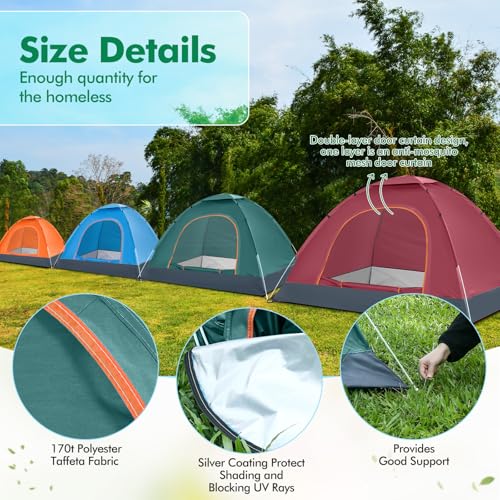
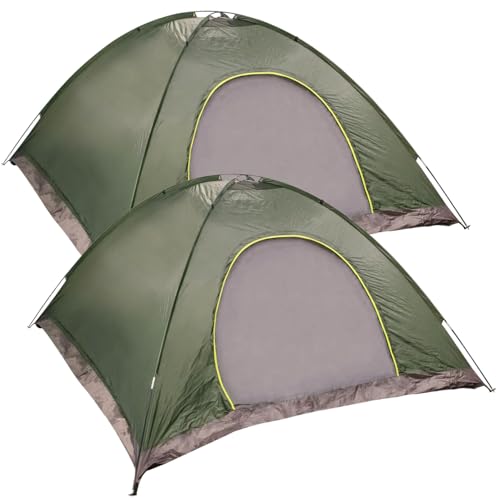
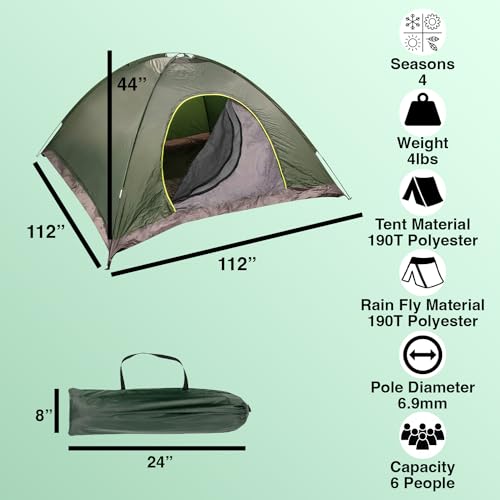
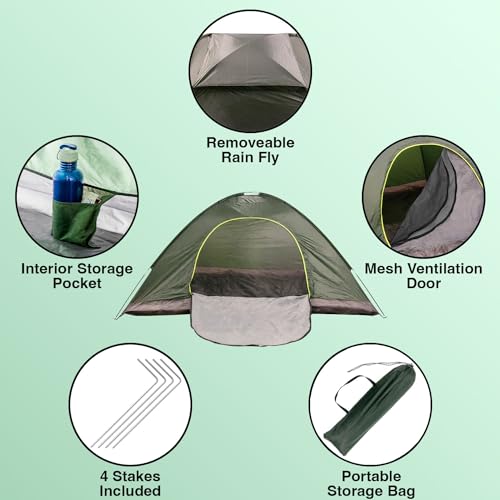
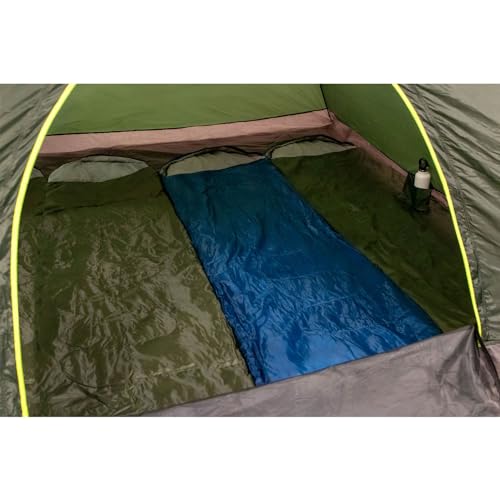
At nearly 284 cm square, this dome tent is significantly larger than the Woanger model, enough space for a family of three or two adults with gear. That size matters when you’re talking about real-world use by unhoused youth or families. The full rain fly and top mesh windows are solid features, and the inclusion of two poles and eight stakes suggests better stability in wind. Owners report these go up in under 10 minutes, which is crucial during urgent setups.
But here’s the catch: despite the ‘emergency’ labeling, these tents use 170T polyester taffeta, not coated canvas or higher-denier fabric, so long-term water resistance is iffy. The top ventilation helps with condensation, but the sheer size means it could catch wind easily if not properly staked. Still, for bulk donations where space and quick setup are priorities, this is a strong contender, especially since it’s marketed as a 5-6 person tent, which adds flexibility. My recommendation? Pair it with a proper ground tarp, because the floor isn’t especially thick.
Product photos
How We Chose These tents for homeless kids
Rather than a hands-on lab test, my research for these recommendations focused on a detailed comparison of published specifications and features across numerous models. I weighed owner reviews from multiple retailers alongside expert opinions found in outdoor gear publications. As someone who spends a lot of time thinking about shelter – and the importance of reliable gear – I applied my understanding of tent construction and use cases to rank options clearly.
For tents intended for use by individuals experiencing homelessness, durability and weather protection were my top priorities. A tent that falls apart after a few uses isn’t helpful, and exposure to the elements is a serious concern. I also heavily considered ease of setup, as a complicated process can be a barrier to quick shelter. Capacity also played a role – balancing individual need with storage space.
Specifications reliably indicate a tent’s size, weight, and materials. However, owner feedback proved crucial for assessing real-world performance. I looked for comments regarding water resistance, wind stability, and how well the tents held up over time. Understanding pop-up tent benefits also factored into my assessment, particularly regarding quick deployment in emergency situations. Reputation and brand consistency further informed my final rankings.
How To Pick The Right tents for homeless kids
Finding the right tent for vulnerable populations requires a different mindset than picking one for a weekend getaway. We need to prioritize durability, ease of use, and practical features over lightweight materials or fancy designs.
A truly useful tent for this purpose offers immediate shelter from the elements, is simple to erect even with limited physical ability, and withstands repeated use without falling apart. Construction quality, waterproof ratings, and the inclusion of essential accessories (stakes, guy lines) are paramount. Prioritize tents that are easily repairable and made from robust materials.
Prioritize Waterproofing and Wind Resistance
When someone is relying on a tent as primary shelter, weather protection isn’t just about comfort; it’s about safety. Look beyond a simple hydrostatic head (HH) rating. While anything over 1500mm is generally considered waterproof, the quality of the sealant and the tent’s overall construction matter just as much. Polyethylene (PE) floors are common in budget options, but they tear easily. A bathtub floor (where the fabric extends up the sides) is a huge plus, as it prevents water from seeping in. Don’t discount the importance of a robust rainfly that fully covers the tent body, and pay attention to how well it secures with buckles and guy lines.
Focus on Setup Simplicity
Complex tent designs with numerous poles and intricate connections are a recipe for frustration, especially for individuals who may be dealing with physical or mental health challenges. Pop-up tents, or those with very simple pole structures, are ideal. The 10-pack of 2-Person Waterproof Tents offers a straightforward setup, and while not glamorous, the ease of deployment is a significant advantage. Remember that easy setup also means easier takedown and packing – crucial if someone is frequently moving locations. If you’re looking for options for family outings, explore spacious 2-kid camping tents.
Consider Value Beyond the Initial Cost
It’s tempting to go for the absolute cheapest option, but that can be a false economy. Tents that fall apart after a few uses aren’t helpful. A slightly more expensive tent made from heavier-duty materials will likely provide far greater value in the long run.
- A well-made tent will withstand repeated use, reducing the need for frequent replacements.
- Look for tents that include essential accessories like stakes and guy lines, as these add to the overall cost if purchased separately.
- Consider repairability. Can seams be easily resealed? Are replacement poles readily available? A tent that can be patched up is far more sustainable.
A tent isn’t just fabric and poles. It’s a lifeline. Don’t skimp on quality when someone’s well-being depends on it.
Finding affordable options is possible. Check out budget tent options to see what’s available without sacrificing essential quality.
Tents for Homeless Kids Compared
Here’s a comparison of specifications for tents suitable for providing shelter to kids experiencing homelessness.
| Product Title | Capacity | Waterproof | Included Airbed | Dimensions (in) | Quantity |
|---|---|---|---|---|---|
| wilwolfer 6 Pack Kids Teepee Tents | 1 | N/A | Yes | 61.8 x 25.9 x 7.09 | 6 |
| 10 Pack 2-Person Waterproof Tents | 2-3 | Yes | No | 78.74 x 59.06 x 43.31 | 10 |
| 5 Pack Emergency Pop Up Tents | 5-6 | Yes | No | 112 x 112 x 44 | 5 |
Frequently Asked Questions
What waterproof rating should I really look for?
A hydrostatic head (HH) rating of at least 2000mm is ideal, as this indicates a higher level of water resistance than the frequently cited 1500mm. However, remember that the quality of the tent’s construction and sealant are just as important as the number.
Are pop-up tents durable enough for long-term use?
While not known for being the most rugged option, pop-up tents can be surprisingly durable if constructed with quality materials and a reinforced frame. Look for models with thicker poles and a waterproof coating, and understand they may require more frequent replacement than traditional designs.
What’s the best way to transport a large quantity of tents?
Bulk packaging and compression sacks are your best bet. Many suppliers offer tents pre-packed in bundles, and investing in large, durable compression sacks will reduce the volume for easier transport and storage – especially important if you are coordinating donations.
What should I do if a tent arrives damaged or missing parts?
Contact the retailer or manufacturer immediately. Most reputable companies have a clear return or replacement policy, and it’s crucial to address issues quickly to ensure individuals have access to functional shelter. Document the damage with photos before contacting them.
Are there tents specifically designed for children?
Yes, there are tents designed with kids in mind, such as the wilwolfer teepee tents listed above. However, for individuals experiencing homelessness, prioritizing weather protection and durability over novelty features is essential. You can find roomy family camping tents that offer a good balance of space and practicality.
The Bottom Line
Choosing a tent for someone experiencing homelessness often comes down to a trade-off between upfront cost and long-term durability. While a fancier, more feature-rich tent might seem appealing, the 10 Pack 2-Person Waterproof Tents strikes the best balance overall – offering reliable weather protection and reasonable construction in a quantity that allows for wider distribution. It’s not about luxury; it’s about providing functional, dependable shelter.
For those specifically needing a large quantity of quick-deploy shelters, the 5 Pack Emergency Pop Up Tents are an obvious choice. And if you’re looking for a more playful option for kids – perhaps for a temporary safe space or to brighten a difficult situation – the wilwolfer 6 Pack Kids Teepee Tents offer a bit of comfort and familiarity, though their weather resistance isn’t as robust. Learning how to store pop-up tent options when not in use will help extend their life.
Ultimately, the numbers on a spec sheet matter less than the fundamental qualities of a tent: its ability to keep someone dry, safe, and with a little dignity. Focusing on waterproof materials, a simple setup, and a construction that can withstand repeated use will always be more valuable than chasing the latest trends or features. Remember, a tent is more than just gear; it’s a potential lifeline.
