
What Is A Hot Tent
This post contains affiliate links. As an Amazon Associate, we earn from qualifying purchases.
A hot tent is a camping shelter designed to keep you warm in cold weather by allowing the safe use of a wood-burning stove inside. Made from durable canvas with a fireproof stove jack, these tents also feature breathable fabrics, insulated interiors, and mesh vents to ensure proper air circulation. Further details on the types of hot tents and tips for effective use will be explored later in the article.
Essential Facts in 30 Seconds
- Hot tents retain warmth in cold weather using durable canvas.
- They support wood-burning stoves for heating.
- Safety features include fireproof stove jacks and mats.
- Available in canvas wall, ultralight, and tipi designs.
- Provide a cozy environment for winter outdoor activities.
Definition and Core Concept of a Hot Tent
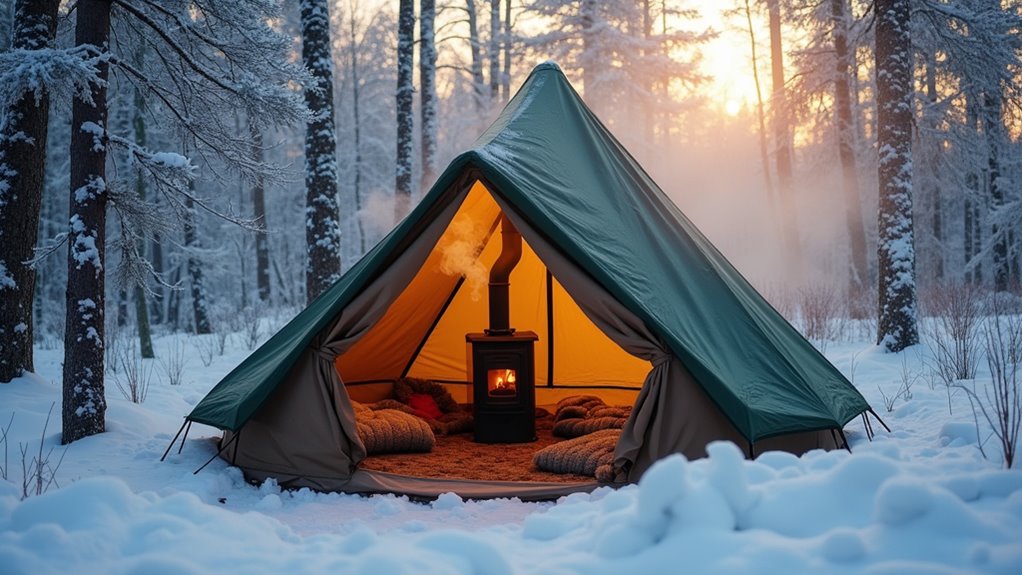
A hot tent keeps you warm in cold weather. It uses strong canvas to hold heat inside.
Wood-burning stoves fit perfectly in these tents. They make the space cozy, even in freezing cold. A fireproof stove jack lets smoke escape safely. This stops dangerous gases from building up.
Fireproof mats inside stop sparks from starting fires. You can cook, dry clothes, and sleep warmly.
Hot tents make winter camping safe and comfortable. Additionally, investing in a well-insulated tent can enhance your overall comfort during winter outings.
Types and Designs of Hot Tents
Hot tents come in many types and designs. Each fits different camping needs. Here is a simple guide:
| Type | Features | Best For |
|---|---|---|
| Canvas Wall Hot Tents | Strong, warm, stove jacks, big | Families, cold weather |
| Ultralight Hot Tents | Light materials, simple design | Fast hiking, cold trips |
| Tipi-Style Hot Tents | Tall center, good heat, steady | Wood fire camping |
| Frame and Keder Tents | Strong frame, weatherproof | Base camps, long trips |
| Multi-Person Hot Tents | Large space, many doors | Groups, long stays |
Canvas tents hold heat well and last long. Great for families and winter. Ultralight tents weigh less and pack small. Good for fast hikers. Tipi tents have high roofs. They spread heat evenly and stay steady in wind. Frame tents are strong and protect from bad weather. Perfect for long camps. Multi-person tents offer room for many people. They have several doors for easy access.
Pick the tent that fits your trip and needs. Each design helps with different weather and group sizes. Stay warm and safe with the right hot tent.
Key Features Unique to Hot Tents
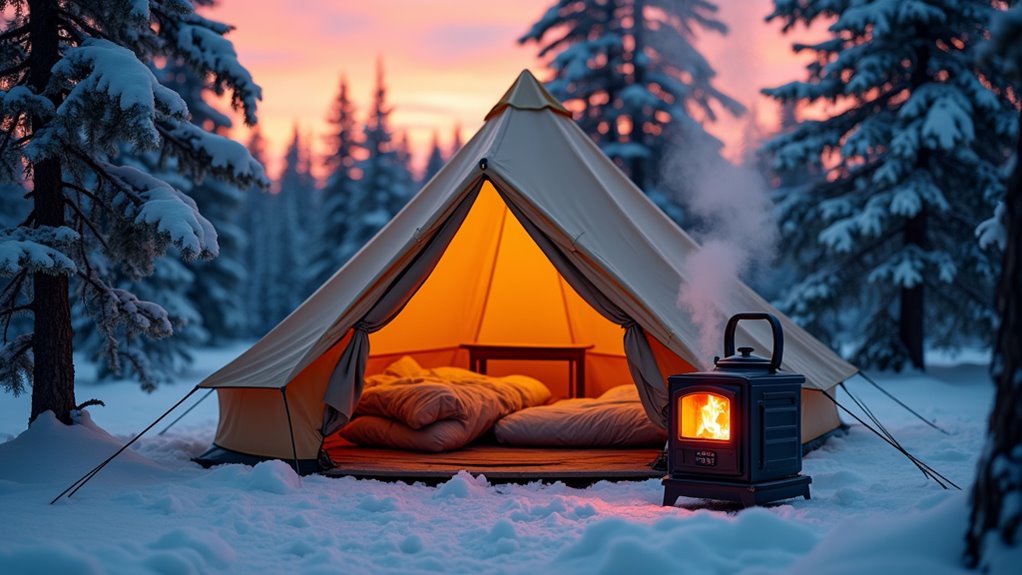
Hot tents have special features that make them different from regular tents. They use breathable fabric and mesh vents to keep air flowing. This stops moisture from building up inside.
Their materials are flameproof and meet CPAI-84 safety standards, so they stay safe with heat. Strong poles made of aluminum and many stake points keep the tent steady in bad weather.
Stove jacks with tough ports let you use wood stoves safely inside. Detachable waterproof floors protect the tent and your gear from water. Built-in drying racks help keep clothes and gear dry.
These features work together to keep the tent warm and fresh. Hot tents give you a safe, warm place to camp in cold weather.
Practical Applications and Use Cases
A hot tent makes winter camping much better. It keeps you warm and cozy. You can enjoy snowshoeing and ice fishing without freezing.
Setting up base camps in remote places feels easier. Staying comfortable helps you explore the cold wilderness safely. Many campers trust hot tents for warmth and safety.
They work well in temperatures below zero. Hot tents turn cold nights into fun adventures.
Winter Camping Adventures
Hot tents make winter camping safer and warmer. They’ve stove jacks for wood stoves. This means you can cook outside without cold or smoke problems.
Hot tents keep your clothes and gear dry. They also create a cozy place for friends and family. After snowshoeing or ice fishing, everyone stays warm inside. Additionally, spacious interiors accommodate movement and gear storage, enhancing comfort for all.
The tents are big enough for moving and storing supplies. This helps you stay organized and comfortable. Additionally, proper ventilation is crucial in hot tents to avoid condensation buildup while keeping the interior warm.
Hot tents let you camp longer in cold weather. They turn winter trips into fun, safe adventures. Embrace the cold with hot tents and enjoy nature fully.
Remote Base Camps
Remote base camps make long stays in the wilderness easier. You can explore without packing and moving gear every day. Set up a camp once and use it for fishing, hiking, or watching animals. Unpack your gear and keep it safe in one place. This saves time and makes your trip more comfortable.
Bring strong tents, cooking tools, and toilets. Share gear with your group for safety and fun.
A remote base camp feels like a home in the wild. It gives you comfort and helps you enjoy nature fully.
Equipment and Accessories for Hot Tents
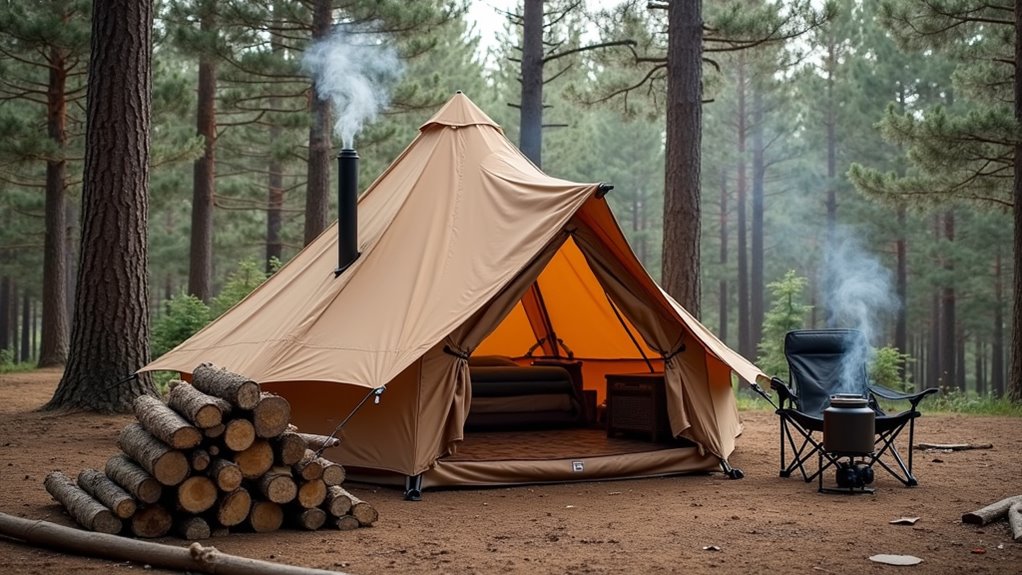
Equip your hot tent with key items for safety and comfort. Use a fire-resistant tent with a stove jack to keep fires controlled. A lightweight titanium wood stove works best for heat. Attach chimney pipes with support rings for smoke to escape easily. Place heat-resistant mats under the stove to avoid ground fires.
Sleep warmly with cold-rated sleeping bags and insulated pads that have an R-value of 4 or more. Wear thermal base layers and bring extra waterproof clothes for warmth. Additionally, consider using proper ventilation to ensure safety when heating the tent.
Cook with lightweight titanium pots and portable stoves. Carry headlamps for light, fire-resistant gloves for handling hot items, and waterproof bins to keep gear dry.
These items help keep your tent warm, safe, and comfortable during any outdoor trip.
Considerations and Benefits of Hot Tent Camping
Hot tent camping brings warmth and comfort to outdoor adventures. A wood stove inside keeps the tent cozy, even in freezing weather. This means no need for heavy, cold-weather sleeping bags.
The tent offers plenty of space for several people. Separate areas help campers stay organized and comfortable. Cooking inside the tent becomes easy, no matter the weather outside. Heat from the stove also dries wet clothes and gear fast. This lowers the chance of getting cold or sick.
Campers can enjoy nature all year long. Activities like snowshoeing or ice fishing become more fun. Setting up the tent right is important for safety. Proper ventilation prevents smoke or carbon monoxide buildup. Ensuring the tent is constructed with waterproof materials enhances protection against the elements.
The benefits of hot tent camping are clear. Warmth, space, and convenience make outdoor trips better. This method opens new ways to enjoy nature in winter.
Frequently Asked Questions
Can I Use a Hot Tent in Summer?
Hot tents work in summer but watch out for heat. They keep rain and bugs away. Their thick walls hold warmth, which can make inside hot. Good air flow helps a lot. Open windows or doors to cool down. Some campers add vents or fans. Stay safe by drinking water and resting. Hot tents offer comfort but need care in warm weather.
How Do I Maintain My Hot Tent?
Maintain your hot tent by checking it often for holes and tears. Clean the flue pipe to keep smoke flowing out. Control the heat to avoid damage. Wash the fabric gently with mild soap and water. Dry the tent completely before storing it. Store in a dry place to stop mold and mildew. This care helps your tent last many seasons.
What Is the Lifespan of a Hot Tent?
A hot tent lasts depending on its material and care. Synthetic tents usually last between 5 and 10 years. Canvas tents can last over 15 years if you clean and store them well. Strong stitching and good fabric help tents stay longer. Regular checks and fixing small tears keep tents safe and useful. Treat your tent well to enjoy many camping trips.
Are Hot Tents Waterproof?
Hot tents stay dry because they use strong materials like polyester or cotton canvas. These fabrics block rain and snow well. They also keep heat inside, making camping warm and comfortable. Many campers trust hot tents for wet weather. This makes outdoor trips easier and more fun.
Can I Cook Inside a Hot Tent?
Cooking inside a hot tent is possible but requires care. Always keep the tent well-ventilated to avoid dangerous carbon monoxide gas. Place the stove far from any flammable items like sleeping bags or clothes. Use a stove designed for indoor use or a safe camp stove. Never leave the stove unattended while cooking. Ventilation can be as simple as opening tent windows or doors slightly. Safety saves lives.
Conclusion
Hot tent camping turns cold nights into warm, cozy adventures. Imagine sitting inside, warm and safe, while snow blows outside. A hot tent uses a small stove to heat the space quickly and efficiently. This creates a comfy spot, even when temperatures drop below freezing. Many campers report staying warm and dry, making winter trips fun and safe. Good preparation matters—bring the right stove, fuel, and a tent made for heat. With these tools, cold weather won’t stop your outdoor fun. Hot tents make winter camping possible and enjoyable for everyone.
