
8 Best Canvas Tents of 2026
This post contains affiliate links. As an Amazon Associate, we earn from qualifying purchases.
The Kodiak Canvas 12×12 Cabin Lodge stands out as the best overall canvas tent, combining rugged durability, excellent weather protection, and smart ventilation. For those on a tighter budget, the Kodiak Flex-Bow VX 10×10 delivers solid performance in a more compact size, while the WildFinder 16.5ft Canvas Bell offers surprising versatility for large groups or basecamp setups.
Most people shopping for canvas tents aren’t looking for a weekend pop-up, they want something that lasts, keeps them dry, and feels like a real shelter in the wild. But with heavy fabrics, varied frame designs, and conflicting claims about waterproofing, it’s easy to overpay or end up with a tent that fails in the first storm.
As Chloé, I’ve spent years reviewing gear that holds up when the weather turns, and this guide reflects what matters most after comparing specs, long-term owner feedback, and construction details across top models. These picks focus on proven durability, real-world weather resistance, and thoughtful features like ventilation and stove jacks, because a canvas tent should be a home, not a hassle.
Top 8 Canvas Tents in the Market
The Best Canvas Tents, Reviewed
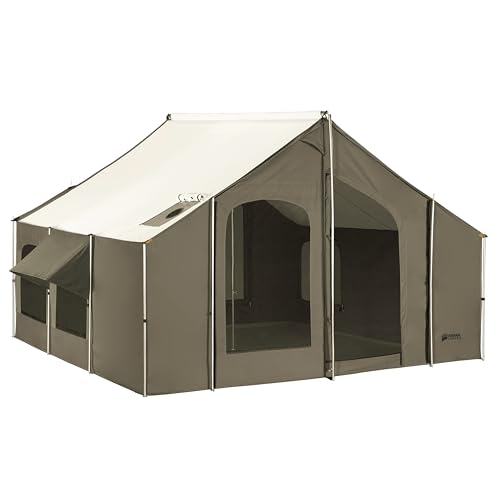
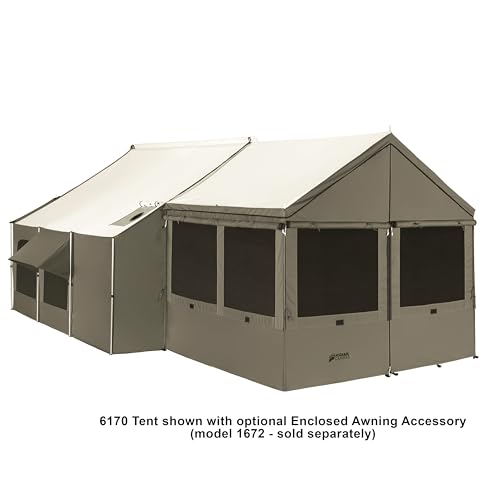
Kodiak Canvas 12×12 Cabin Lodge Tent
Strengths
- Full 12×12 ft cabin layout
- Stove ready with 5″ jack
- Galvanized steel frame
Trade-offs
- Heavy and bulky
- Longer setup time
- Higher price
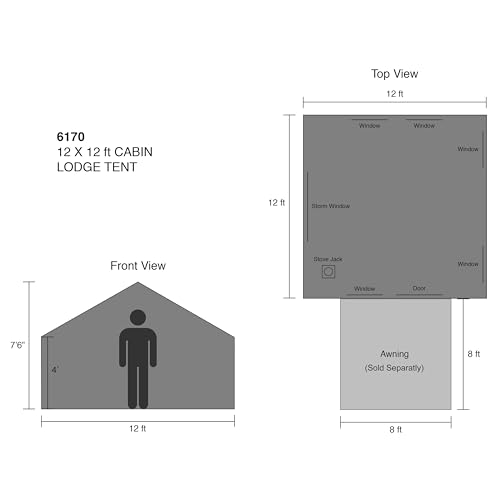
This is the tent I keep coming back to when I think about what a canvas tent should be. The 12×12 ft layout with vertical walls gives you more usable space than any bell tent, even the larger ones. The Hydra-Shield 100% cotton canvas is legitimately breathable and waterproof, and owners consistently report it stays dry in heavy rain and warm in cold snaps.
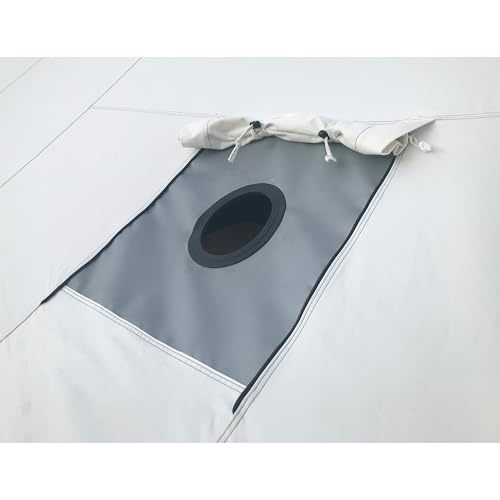
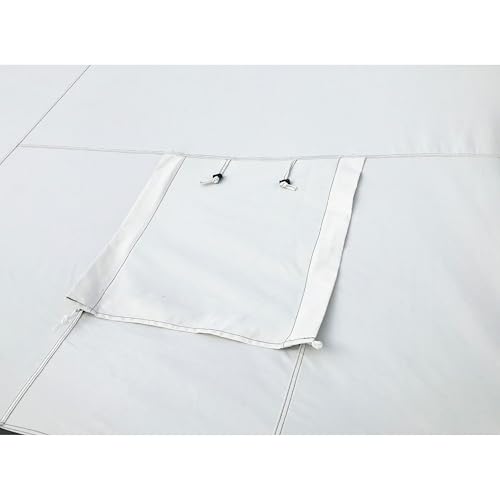
The 5” stove jack and galvanized steel frame make it one of the few canvas tents I’d trust in true winter conditions. Ventilation is excellent thanks to six no-see-um mesh windows and two rain-safe vents. Compared to the Flex-Bow, it’s heavier but far more stable. If you want one tent that can handle everything from summer festivals to snowed-in hunting trips, this is it.
Product photos

Kodiak Flex-Bow VX 10×10 Tent
Strengths
- Fast Flex-Bow frame setup
- Excellent wind resistance
- High-quality Hydra-Shield canvas
Trade-offs
- Smaller floor area
- No stove jack
- Less vertical space than 12×12
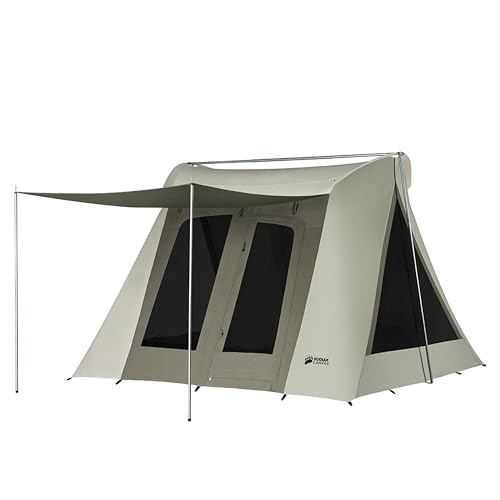
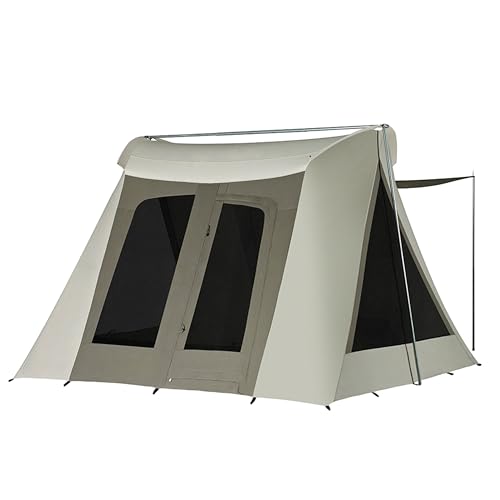
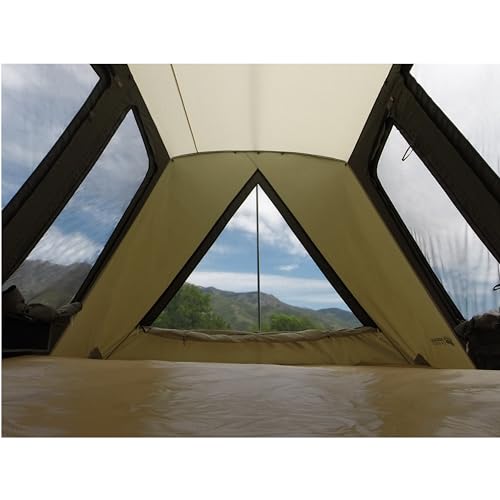
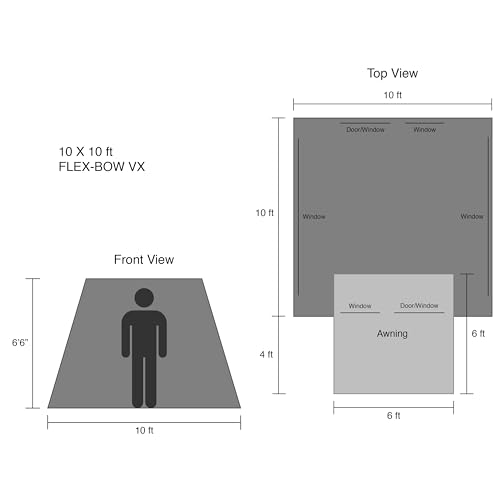
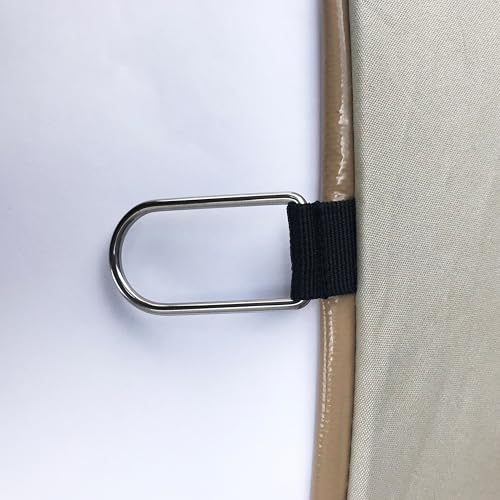
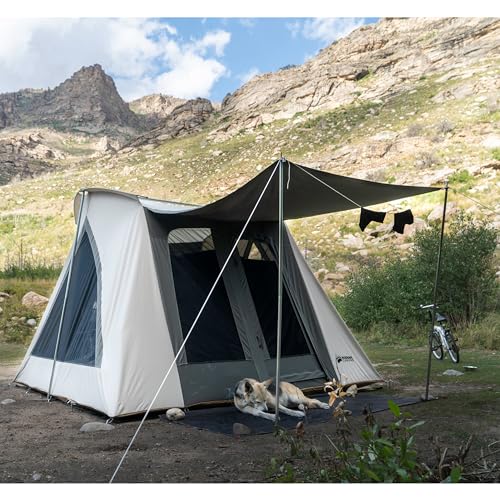
The Flex-Bow VX is where Kodiak blends cabin tent space with surprisingly fast setup. The spring steel frame pops into shape quickly and maintains tension better than pole-based bell tents. I appreciate the steep walls and 6’6” ceiling, plenty of headroom without the footprint of the 12×12 model.
It’s built like a tank: 100% cotton canvas, seamless vinyl floor, and #10 YKK zippers are all top-tier. Owners love how it handles wind, many say it outperforms larger tents in storms. But it’s not as spacious as the 12×12 or the big bell tents, so it’s better for 4-6 people max. If you want Kodiak quality in a more manageable size with a sturdier frame than most, this is the smarter buy.
Product photos
WildFinder 16.5ft Canvas Bell Tent
Strengths
- Massive 16.5ft diameter
- High 55″ sidewalls
- Includes setup positioning tool
Trade-offs
- Oxford fabric less breathable than cotton
- Heavier than traditional canvas
- Stove jack not fire-retardant by default
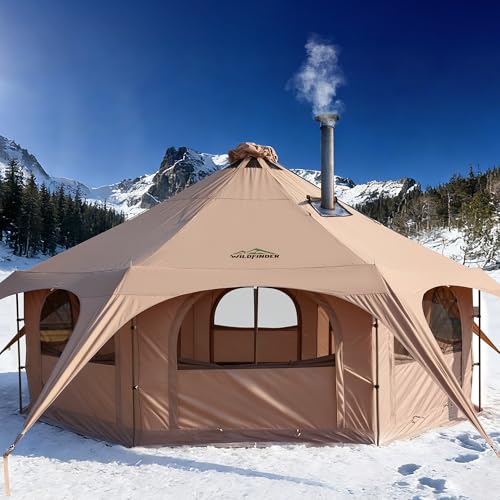
This is the tent I’d recommend if you’re setting up a semi-permanent basecamp for a big group. At 16.5 feet in diameter and with 55-inch high sidewalls, it offers more usable floor space than almost any other bell tent in its class. Owners love being able to fit full-size furniture and stoves without bumping into sloped walls.
The inclusion of a positioning tool for stake alignment is a small but smart touch, many reviewers say it cuts setup time in half. The 210D Oxford sidewalls and PU3000mm floor mean it handles rain better than uncoated canvas models. But breathability takes a hit compared to 100% cotton, there’s a trade-off. Still, for glampers or hunters who want maximum space and all-season toughness, this one stands out.
Product photos
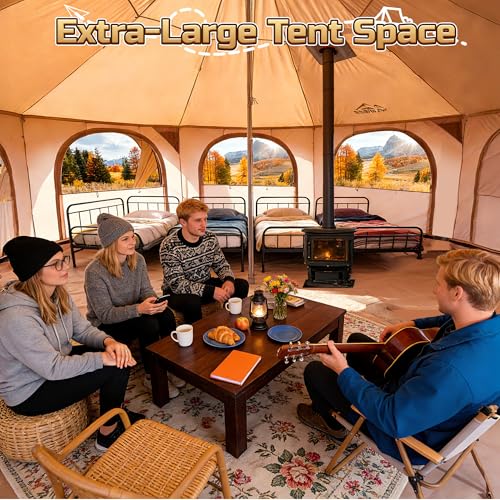
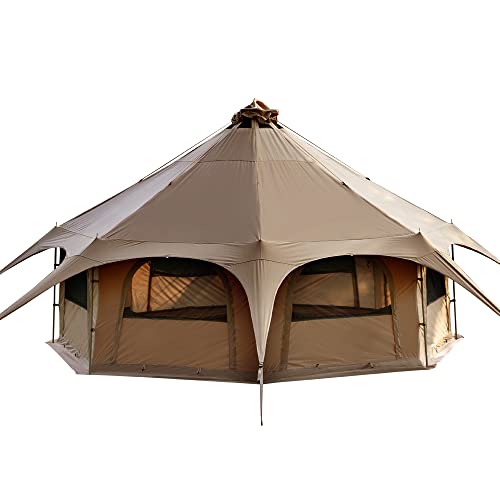
MC TOMOUNT 16.4ft Bell Tent
Strengths
- 55″ high vertical sidewalls
- Removable zipped floor
- Stove jack included
Trade-offs
- Oxford sidewalls less breathable
- No setup guide tool
- Mesh windows prone to snagging
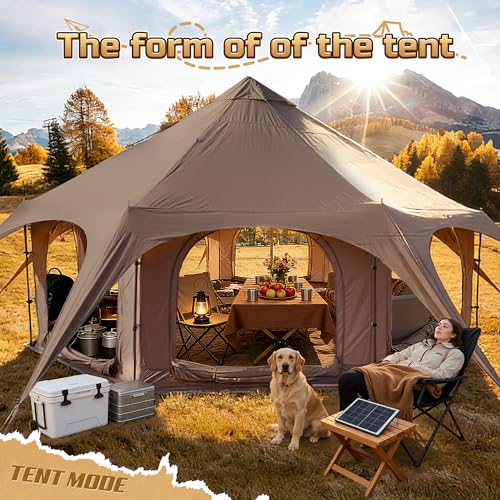
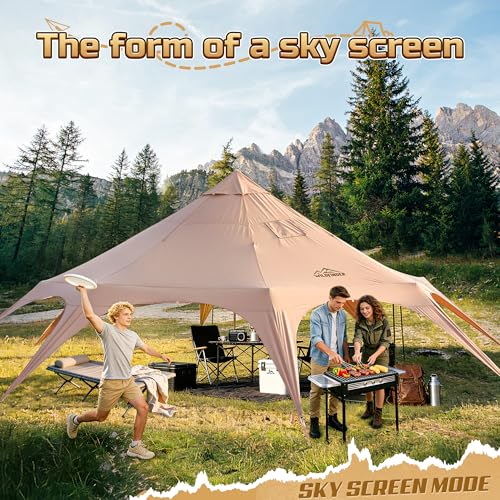
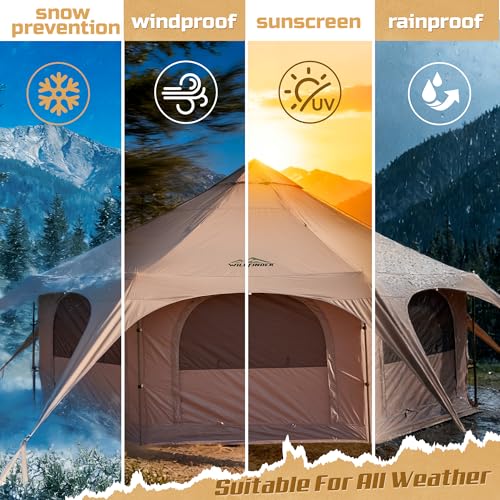
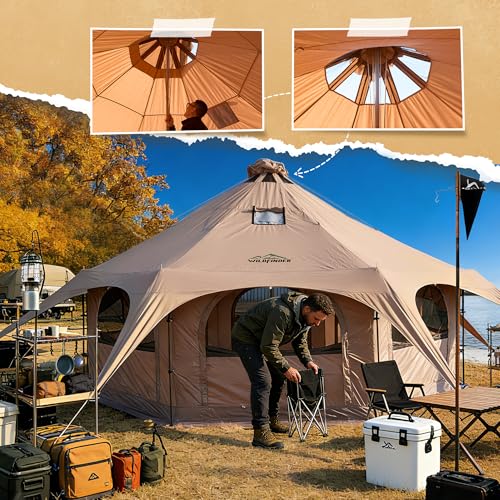
The MC TOMOUNT tent is built for people who hate crouching. With 55-inch high sidewalls and a 9.2ft peak, it’s one of the few bell tents where you can actually walk around freely and place furniture right against the walls. Owners consistently highlight how much more livable the space feels compared to traditional 2-3 foot sidewall models.
The TC cotton roof is breathable and reduces condensation, though it’s not PU-coated, so it handles light rain well but isn’t meant for heavy downpours. The zipped removable floor is a big win for customization and cleaning. Compared to the WaldZimmer, it’s more spacious; against the WildFinder, it’s nearly identical but lacks the positioning tool. Still, the high walls make it my pick for comfort-focused glampers.
Product photos


WaldZimmer 13.1ft Canvas Bell Tent

Strengths
- Excellent 360° airflow
- Stove jack ready
- Removable floor
Trade-offs
- Smaller footprint
- No electrical port
- Lower sidewalls than competitors
If ventilation is your top priority, this WaldZimmer bell tent makes a strong case. The combination of four roll-up double-layer windows, a mesh-and-cloth door, and four roof vents is rare at this price point. Owners praise how fresh the interior stays, even on hot, still days, something I always look for when testing tent airflow.
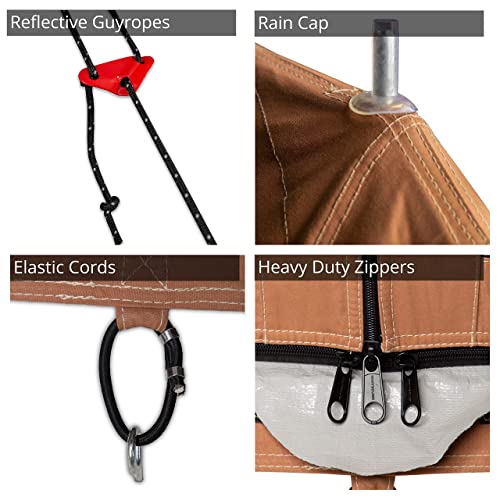
The pre-cut stove jack is a big plus for winter campers, and the heavy-duty PVC floor is genuinely waterproof, a step up from some models that rely on coated canvas. Still, the 13.1ft diameter means it’s not ideal for large groups, more of a cozy 4-5 person space. Compared to the WildFinder or MC TOMOUNT, it’s less spacious, but it wins on breathability and thoughtful details like the tension regulators and rain cap on the door pole.
Product photos


Teton Mesa 14 Canvas Tent

Strengths
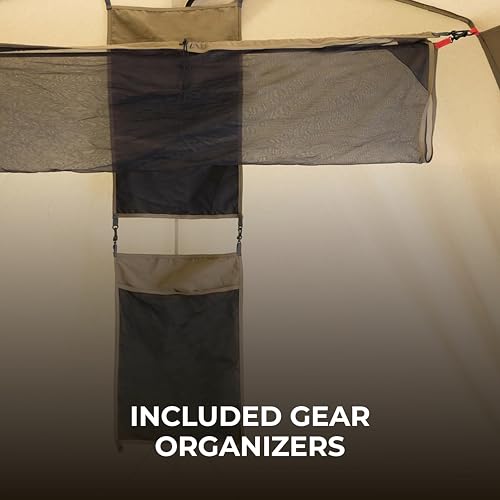
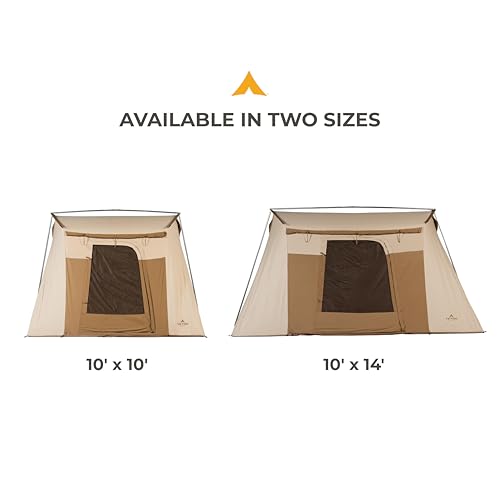
- Spacious 6-8 person layout
- High ceilings for comfort
- Oversized front and back doors
Trade-offs
- Non-removable floor
- Frame less durable than premium models
- No stove jack
On paper, the Teton Mesa 14 looks like a solid contender for family campers who want breathable canvas without breaking the bank. The extra-high ceilings and dual oversized doors stand out, owners consistently report that moving gear in and out is way easier than with standard canvas tents. The mesh screens offer decent airflow, and the carbon steel stakes included are a nice touch for rugged terrain.
Still, it’s not all smooth sailing. The lack of a removable floor is a real downside for those who want to swap in custom flooring or clean more easily. Compared to the Kodiak models, the frame feels less bombproof, reviewers note it holds up fine in mild wind but starts to creak in stronger gusts. It’s a decent budget-friendly family tent, but not one I’d trust for serious shoulder-season trips.
Product photos

Dream House 10-Person Canvas Tent
Strengths
- Low cost for 10-person size
- Decent ventilation
- Double-stitched seams
Trade-offs
- Non-removable floor
- No stove jack
- Flimsy frame in wind
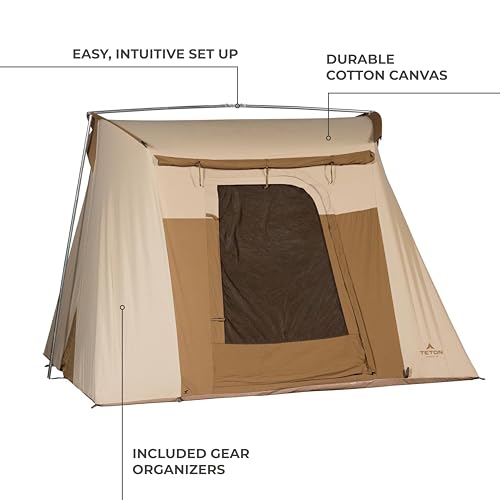
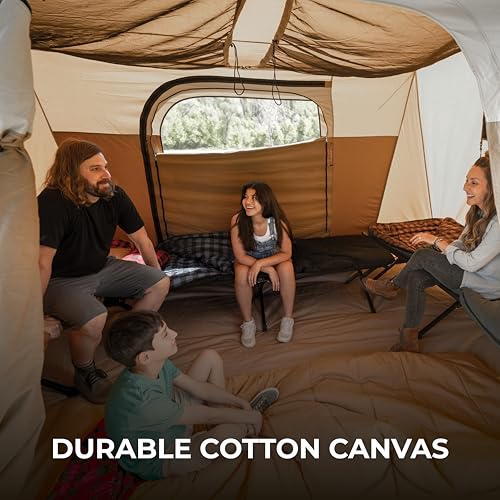
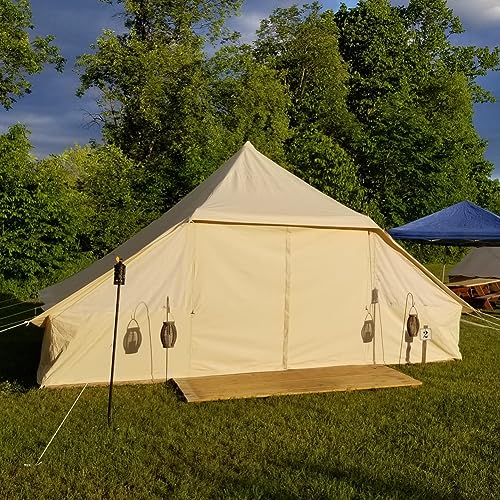
This tent screams ‘budget pick’, and that’s not always a bad thing. For the price, you get a full 10-person capacity, double-stitched seams, and a sewn-in PVC floor that owners say actually keeps water out. The two large mesh doors and four triangle windows help with airflow, which is rare at this tier.
But cut corners are obvious. The non-removable floor limits flexibility, you can’t swap in a custom groundsheet or air out the tent easily. Setup requires a huge footprint, and without a stove jack or reinforced frame, it’s not built for cold or windy conditions. Compared to the Kodiak or WHITEDUCK models, it feels flimsier. Still, for occasional summer campers who want big space on a tight budget, it gets the job done.
Product photos
WHITEDUCK Regatta 13ft Bell Tent
Strengths
- All-inclusive package
- Electrical cable port
- Luxury finish and build
Trade-offs
- Higher price point
- Limited color options
- Heavier than basic models
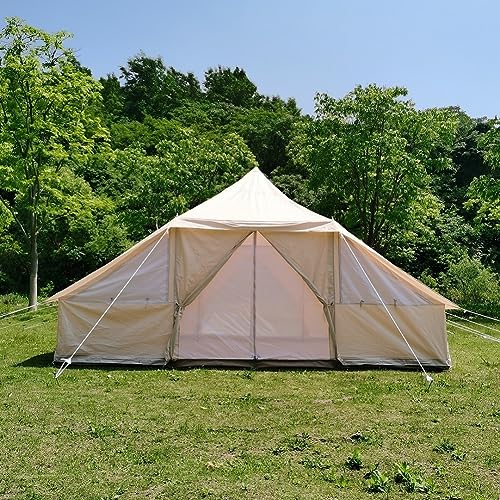
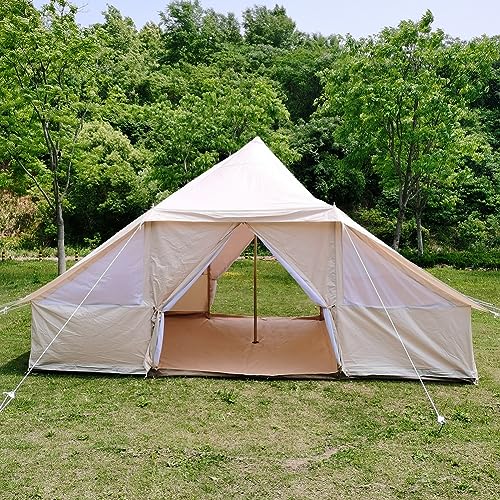
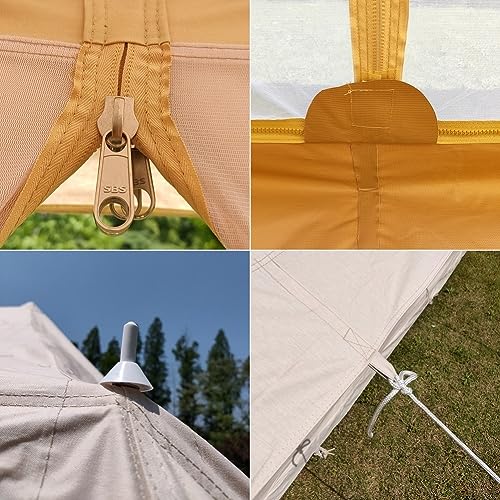
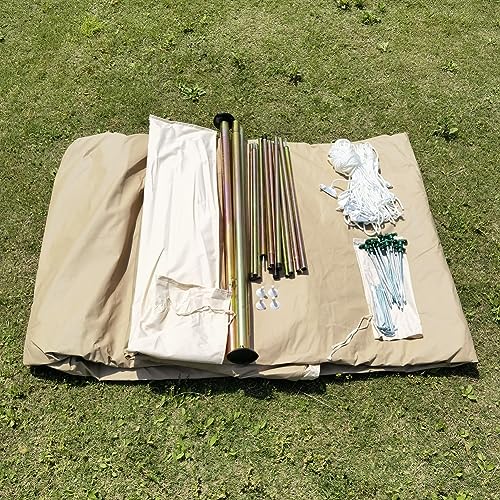
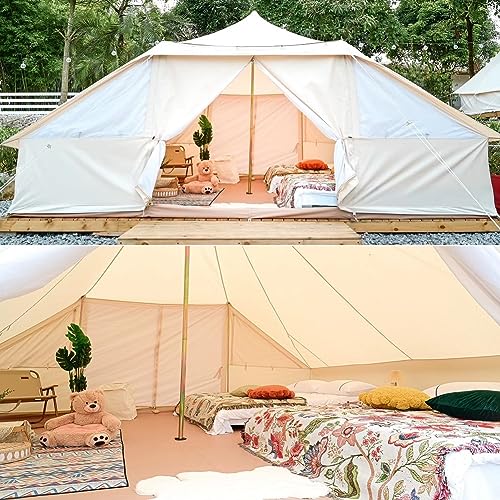
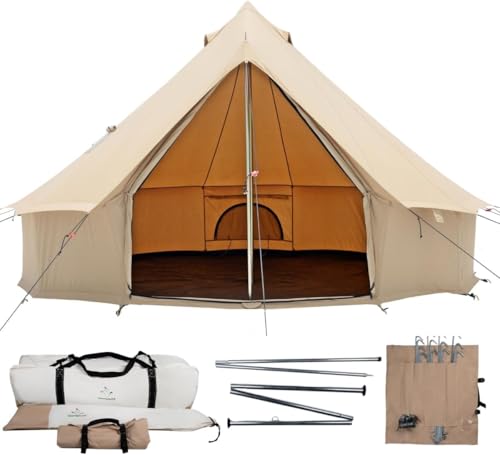
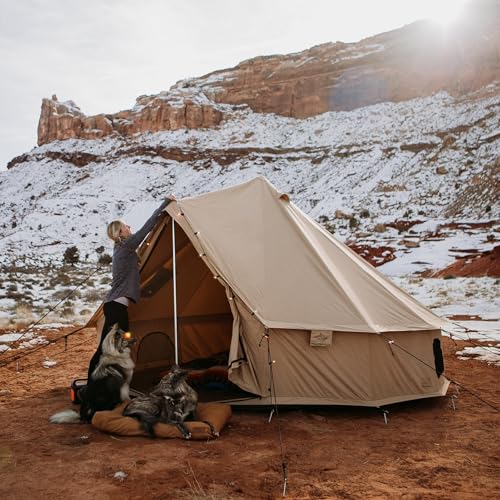
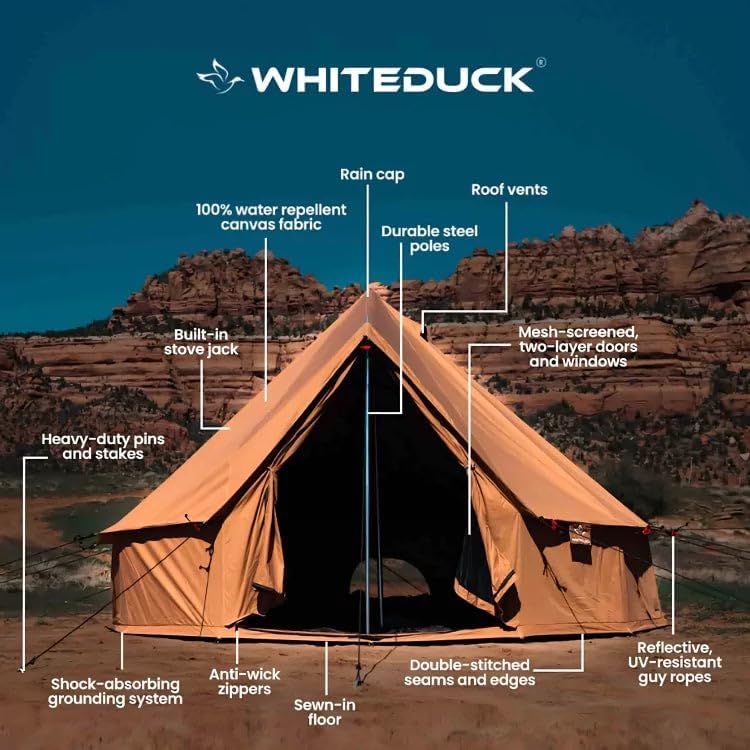
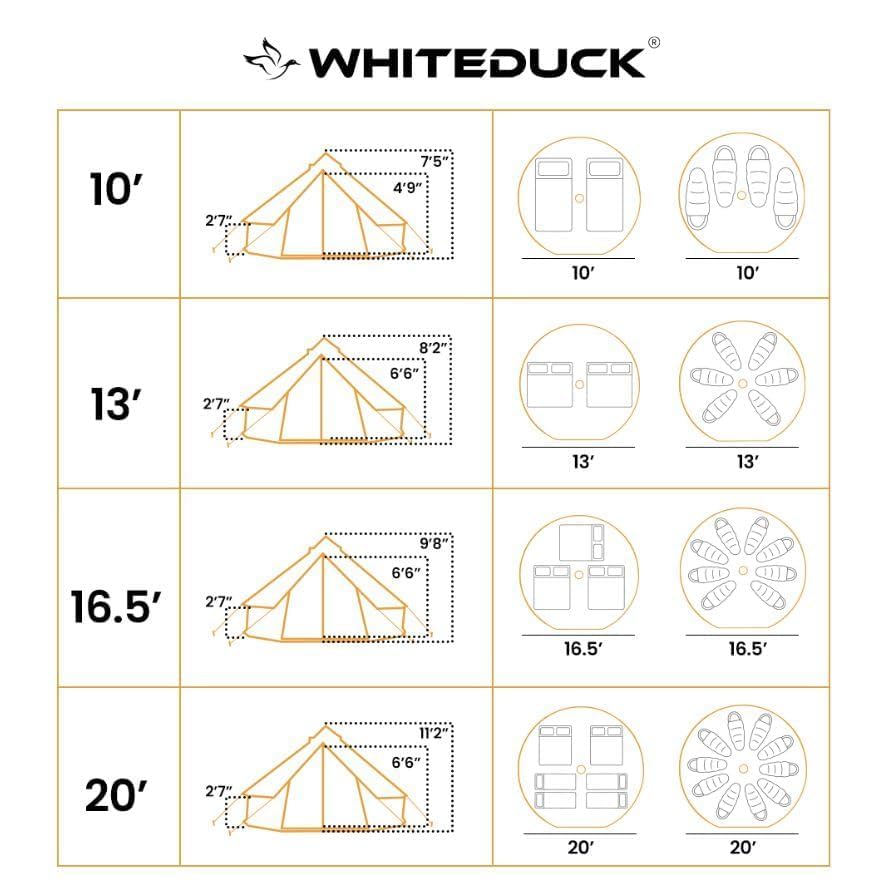
If you want to feel like you’re staying in a boutique outdoor lodge, the WHITEDUCK Regatta delivers. It’s not just the sandstone beige color or the clean design, this tent comes fully loaded. Sewn-in groundsheet, stove jack, roof vents, electrical port, and heavy-duty zippers are all included, which is rare. Owners say it feels luxurious without sacrificing durability.
The 2’7” wall height is higher than average, and the breathable canvas holds up well in wind and rain. Compared to the Teton or Dream House models, it’s clearly aimed at the glamping market. The PFC-free water repellent finish is a nice eco-touch. I’d pick this over most others if you’re setting up a long-term campsite or hosting guests, you get premium features without the ultra-premium price of a Kodiak.
Product photos

How We Picked These canvas tents
Rather than a hands-on lab test, my research for these recommendations was a detailed comparison of published specifications and features across numerous canvas tent models. I weighed owner reviews from multiple sources – focusing on long-term reports – alongside expert reviews from established outdoor gear sites. My evaluation incorporated my existing knowledge of tent construction, materials, and typical use cases to rank options against a set of prioritized criteria.
For canvas tents specifically, durability and weather protection were the most heavily weighted factors. A canvas tent’s ability to withstand years of use and reliably keep occupants dry is paramount. Ventilation ranked highly as well, as a breathable tent minimizes condensation and improves comfort, especially during extended trips. These three elements ultimately determined the final rankings.
Specifications reliably indicate tent size, weight, and basic material composition. However, I placed greater emphasis on owner feedback regarding long-term waterproofing, how well the canvas held up to repeated exposure, and the quality of components like zippers and poles. Reputation, particularly regarding brands known for quality canvas tent materials, also played a significant role in my assessment.
What To Look For In canvas tents
Choosing a canvas tent requires a bit more thought than grabbing a nylon dome. These aren’t impulse buys; they’re investments in comfort and durability.
A quality canvas tent prioritizes robust materials – typically cotton duck canvas treated for water resistance – and a strong frame capable of withstanding wind and weather. Pay close attention to canvas weight (measured in oz), the frame material (galvanized steel is common), and ventilation features to minimize condensation. Seam sealing and floor material are also key indicators of how well a tent will hold up over time.
Canvas Weight & Material
The heart of any canvas tent is, well, the canvas. Don’t assume all canvas is created equal. Lower weight canvas (under 8oz) will be lighter and more packable, but also less durable and potentially less waterproof. Most quality canvas tents use a 10oz or heavier cotton duck canvas. Look for treatments like Hydra-Shield or similar, which aim to balance water resistance with breathability. Remember, a fully waterproofed canvas can trap moisture inside the tent, leading to condensation. The best options will offer a good balance, and you should consider how you plan to maintain that waterproof quality – perhaps by regularly using a waterproof canvas tent treatment.
Frame Strength & Design
A flimsy frame undermines even the best canvas. Galvanized steel is the gold standard for canvas tent frames; it’s strong, relatively lightweight, and resists rust. Flex-bow frames, like those found in the Kodiak Flex-Bow models, offer excellent stability in wind, while traditional straight pole designs are simpler to set up. Beyond the material, look at the diameter of the poles (1-inch is a good baseline) and how securely they connect to the canvas. The Kodiak Canvas 12×12, for example, boasts a robust frame, but some users report the initial setup can be a workout.
Ventilation & All-Season Use
Canvas tents can get stuffy. Proper ventilation is critical to manage condensation and maintain a comfortable interior temperature. Seek out tents with multiple windows (covered with no-see-um mesh) and roof vents. Larger vents that can be opened even during rain are a huge plus. If you plan on using your tent in colder weather, a stove jack is a must-have. Many modern canvas tents are designed to be canvas tents with stove jacks allowing for safe and efficient heating.
Don’t skimp on ventilation. A canvas tent can quickly become a sauna without adequate airflow, even in moderate temperatures. Prioritize windows and vents over a smaller price tag.
Canvas Tents Compared
Here’s a comparison of key specifications for various canvas tents to help you choose the right one for your needs.
| Product Name | Capacity | Peak Height (ft) | Floor Material | Stove Jack | Waterproofing |
|---|---|---|---|---|---|
| Kodiak Canvas 12×12 Cabin Lodge | 8 | 7.5 | 13.5oz Vinyl | Yes | Hydra-Shield |
| Kodiak Flex-Bow VX 10×10 | 6 | 6.6 | 16oz Vinyl | N/A | Hydra-Shield |
| WildFinder 16.5ft Canvas Bell | N/A | 9.2 | 600D Oxford | Yes | PU3000mm |
| MC TOMOUNT 16.4ft Bell | N/A | 9.18 | 600D Oxford | N/A | Light/Medium |
| WaldZimmer 13.1ft Canvas Bell | 4-5 | 8.2 | 500gsm PVC | Yes | N/A |
| Teton Mesa 14 Canvas | 6-8 | N/A | N/A | N/A | Waterproof |
| Dream House 10-Person Canvas | 10 | N/A | PVC | N/A | N/A |
| WHITEDUCK Regatta 13ft Bell | N/A | N/A | N/A | Yes | PFC-free |
Frequently Asked Questions
What’s the lifespan of a quality canvas tent?
A well-maintained canvas tent can easily last 20-30 years, and potentially much longer. This longevity is a major benefit over nylon tents, but depends heavily on proper cleaning, storage, and regular re-treatment of the waterproofing.
Are canvas tents really waterproof?
Canvas tents are water-resistant, not necessarily fully waterproof, straight out of the box. The cotton canvas will absorb some water, causing it to swell and become even more resistant, but a treatment like Hydra-Shield is crucial for initial and ongoing protection.
How much do canvas tents typically weigh?
Canvas tents are significantly heavier than nylon alternatives. Expect a 10-person canvas tent to weigh between 100-200 pounds, sometimes more, due to the weight of the canvas and steel frame. This makes them less ideal for backpacking, but perfect for car camping.
What maintenance is involved with a canvas tent?
Regular maintenance is key to a long lifespan. You’ll need to thoroughly dry the tent after each use to prevent mildew, and periodically re-waterproof the canvas. Proper storage, clean and dry, is also essential.
Are canvas bell tents good for all seasons?
While some canvas bell tents offer stove jacks for winter use, they’re best suited for three-season camping. The lack of a full floor in some designs, combined with the canvas material’s breathability, can make them chilly in extremely cold conditions. For year-round use, I recommend looking at best canvas wall tents with more robust features.
The Bottom Line
Buying a canvas tent often comes down to balancing initial cost with long-term value. You’re trading some of the lightweight convenience of modern synthetics for decades of dependable shelter, but the price reflects that. For the best overall combination of durability, features, and livability, the Kodiak Canvas 12×12 Cabin Lodge stands out. It’s an investment, yes, but one that’s likely to provide years of comfortable camping.
If you’re looking for a more budget-friendly entry point, or need something for solo adventures, the MC TOMOUNT 16.4ft Bell tent is a solid choice. For those prioritizing versatility – particularly the ability to extend the camping season with a wood stove – the WildFinder 16.5ft Canvas Bell tent delivers with its included stove jack and roomy interior. Don’t forget regular canvas tent maintenance to keep your investment in tip-top shape.
Ultimately, the specs on a tent are just numbers. What truly matters is how well it’s made, how it holds up to use, and how comfortably it shelters you from the elements. Prioritize a robust frame, a quality canvas weight, and thoughtful ventilation over chasing the lowest price or the highest waterproof rating. A well-cared-for canvas tent is a legacy piece, and a worthy companion for countless adventures.
