
3 Best Ultralight Tents for 2 People 2026
This post contains affiliate links. As an Amazon Associate, we earn from qualifying purchases.
The best ultralight two-person tent overall is the LanShan Ultralight 2 Person, thanks to its impressively low weight and solid waterproofing. For those on a tighter budget, the Clostnature Lightweight 2 Person offers good value, while the CANTUO 2-3 Person Ultralight stands out if you want extra space and versatility for not much more weight.
Picking a two-person ultralight tent isn’t just about saving ounces, it’s about finding one that won’t leave you cramped, soaked, or frustrated when the weather turns. Too many hikers end up with flimsy shelters that sacrifice durability or breathability for a light pack weight.
In this guide, I break down what actually matters based on specs, real owner experiences, and years of evaluating backpacking gear. These picks balance weight, weather protection, and livability so you can trust your shelter when it counts.
Top 3 Ultralight Tents 2 Person in the Market
The Best Ultralight Tents 2 Person, Reviewed
LanShan Ultralight 2 Person Tent

Strengths
- Ultra lightweight
- Compact packed size
- Multi-use configuration
Trade-offs
- Trekking pole required
- Delicate rainfly material
- Limited ventilation in humid weather
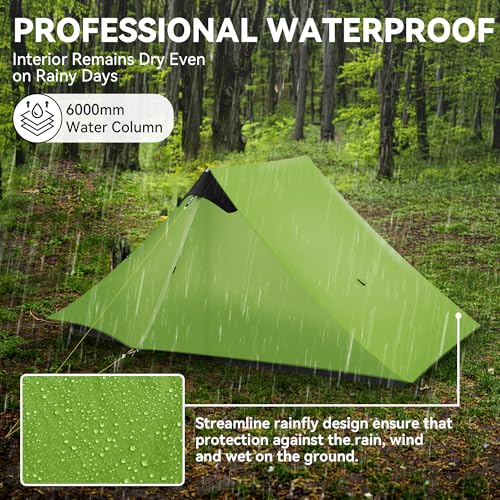
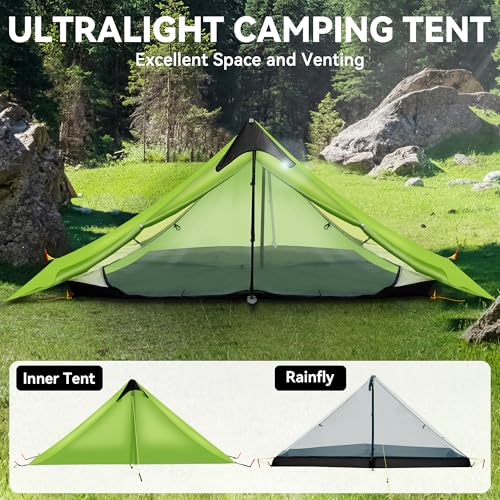
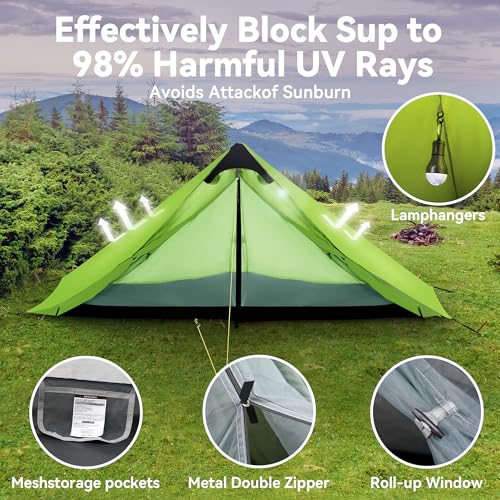
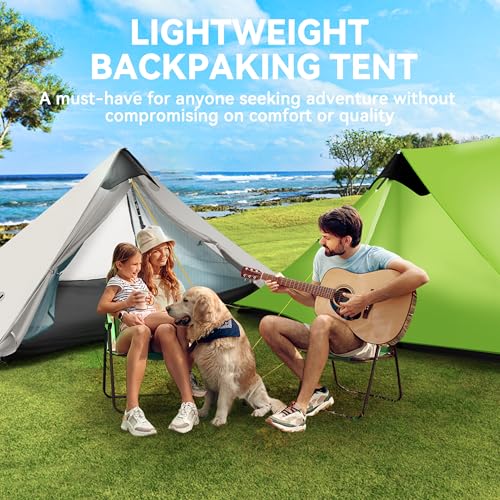
At just 2.9 lbs, this is one of the lightest double-wall tents in its class, and that number alone makes it stand out for thru-hikers and fastpackers who count every ounce. The spec that matters here is the packed size, 13.7 x 6 inches, which slips easily into a tight pack. On paper, it’s built for serious use: a 5000mm rainfly and 6000mm bathtub floor suggest strong weather resistance, and the ability to pitch as a tarp or star gazer adds real versatility for minimalist trips.
Owners consistently report it holds up well in spring and summer conditions, though a few note the thin 15D fly feels delicate when brushed against rough rock or branches. The trekking pole setup saves weight but means you’re committed to carrying a pole, not a dealbreaker, but a trade-off. Compared to heavier freestanding models, this one sacrifices some convenience for featherweight performance.
Product photos
Clostnature Lightweight 2 Person Tent

Strengths
- Freestanding design
- Excellent ventilation
- Spacious vestibule
Trade-offs
- Heavier than top ultralights
- Polyester less packable than nylon
- Zippers occasionally snag
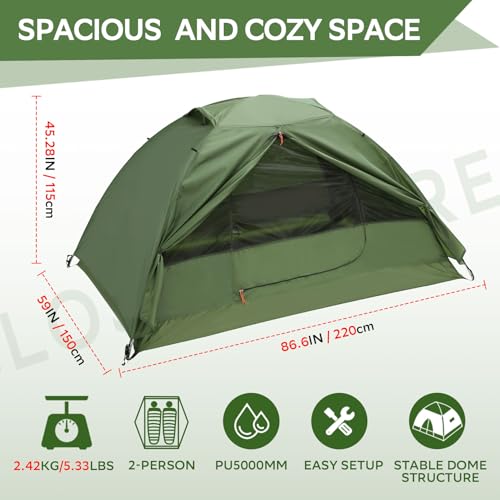
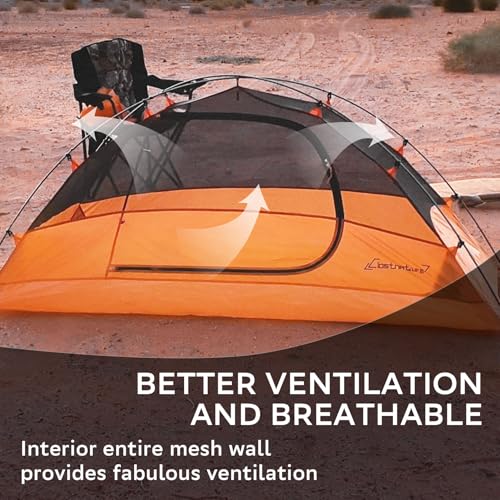
This tent hits a sweet spot between cost and capability, offering a full freestanding design with quality touches like a D-shaped door and side vestibule, features often missing at this price point. The minimum trail weight of 4.38 lbs isn’t the lightest, but it’s reasonable for what you get: a roomy 220 x 150 cm floor and a thoughtful double-layer build with full mesh walls for airflow. Reviewers note the setup is genuinely quick, even for beginners, and the included repair kit adds peace of mind on longer trips.
Where it shines is value. Compared to pricier ultralights, it uses polyester instead of silnylon, which adds a bit of weight but improves durability and UV resistance over time. The 5000mm waterproof rating is solid, and owners consistently report staying dry in heavy rain. It’s not going to win weight weenies’ awards, but for most backpackers, this is the smarter buy if you want reliability without overspending.
Product photos
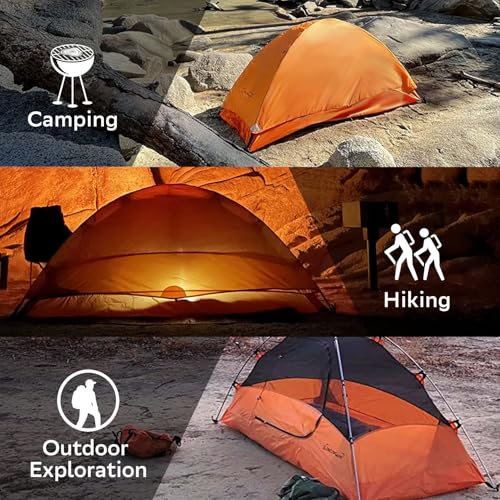

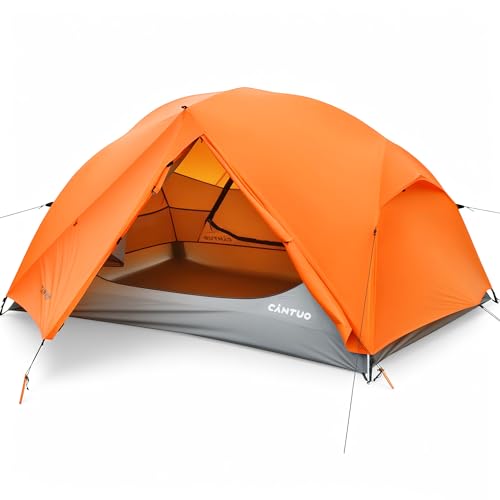
CANTUO 2-3 Person Ultralight Tent
Strengths
- Spacious interior
- Dual vestibules
- Excellent storage pockets
Trade-offs
- Higher weight than rivals
- Lower waterproof rating
- Bulkier packed size
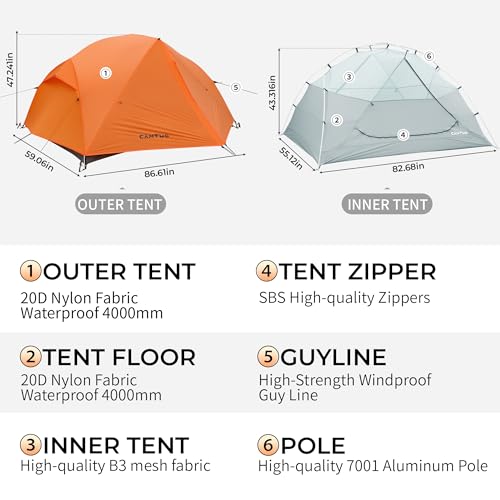
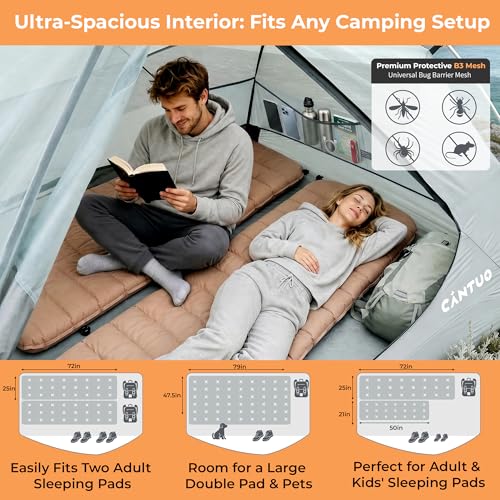
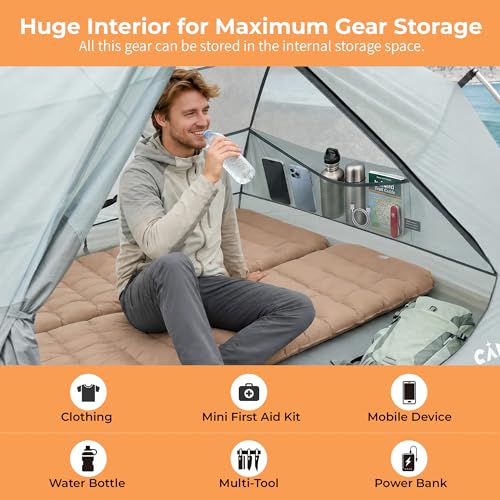
With 31.64 sq. ft. of interior space, this is one of the roomiest 2-person tents you’ll find under 4.2 lbs. The 55.1-inch width comfortably fits two wide sleeping pads, and the 43.3-inch height lets you sit up without crouching, a rare luxury in ultralights. The dual vestibules are a standout, giving each occupant their own gear storage, and the four large internal pockets solve the usual problem of where to stash headlamps and phones.
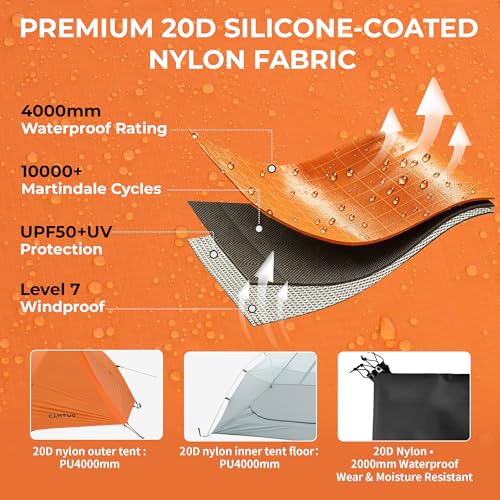
Specs show a 4000mm PU coating, which is slightly lower than others here, but owners report it performs well in sustained rain, likely due to taped seams and a well-designed fly. The 7001 aluminum poles are a strong choice, and the included footprint is a nice touch. Still, at 4.12 lbs, it’s heavier than true ultralights, this is a “spacious lightweight,” not a minimal shelter. I’d pick this over tighter tents if you’re sharing the load and value comfort on multi-night trips.
Product photos
Our Testing Process
Rather than a hands-on lab test, my research for these ultralight two-person tents focused on a detailed comparison of published specifications and features. I weighed owner reviews from multiple sources – looking for recurring themes in both praise and complaints – alongside expert reviews from established outdoor gear sites. As someone who’s spent years dialing in my backpacking setup, I applied my own understanding of what truly matters when you’re carrying everything on your back.
For two-person ultralight tents, weight and waterproofness are paramount. A few extra ounces quickly add up on the trail, and getting soaked is a quick way to ruin a trip. Beyond that, usable space and ease of setup heavily influenced my rankings. I prioritized tents that offer a good balance of these factors, recognizing that ultralight often means making compromises. You’ll find many options from top ultralight tent brands.
Specifications reliably indicate a tent’s potential weight, dimensions, and waterproof ratings. However, owner feedback provided crucial insight into how these specs translate to real-world performance. For example, reported condensation issues or durability concerns often outweigh a high waterproof rating on paper. I also considered the reputation of the manufacturers – looking to reliable backpacking tent companies known for quality construction and customer service.
What To Look For In ultralight tents 2 person
Picking the right ultralight tent for two people involves more than just chasing the lowest weight. It’s about finding the sweet spot between packability, durability, and livability for your specific adventures.
An excellent ultralight tent balances low weight with robust materials (typically 20D nylon or polyester with silicone/PU coatings), a thoughtfully designed structure for stability, and features that enhance comfort without adding significant bulk. Key considerations include the denier of the fabric, the waterproof rating, pole material (aluminum is standard), and the overall packed size.
Weight vs. Durability
I often see people fixate on the absolute lightest weight, but a tent that tears on the first gust of wind isn’t a win. Generally, a weight under 3.5 pounds for a two-person tent is considered excellent, but pay attention to the materials used to achieve that weight. Lower denier fabrics (like 15D or 20D nylon) are lighter but more susceptible to damage. Look for ripstop weaves and reinforced stress points. A slightly heavier tent made with a more durable 30D nylon might be a better long-term investment, especially if you frequently camp on rough terrain. Remember, you’ll be carrying this shelter on your back, so a balance is key.
Waterproofing and Ventilation
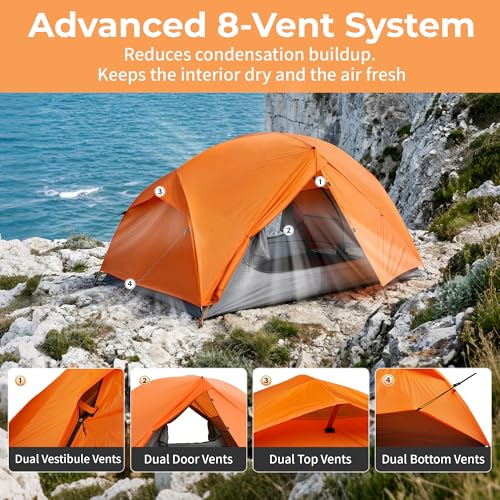
Waterproofing is obvious, but many overlook the importance of ventilation. A high waterproof rating (at least 3000mm for the fly and 5000mm for the floor) is essential, but a tent that doesn’t breathe will quickly become a condensation chamber. Look for tents with mesh panels, vents, and doors that can be partially opened to promote airflow. The Clostnature Lightweight 2 Person Tent, for example, highlights its waterproof coatings, but also emphasizes the importance of ventilation for comfortable all-season use. Don’t underestimate the value of a good tent footprint for ultralight camping to protect the floor from abrasion and punctures, which can compromise its waterproofness over time.
Features and Livability
Beyond the basics, consider features that enhance usability. Vestibules for gear storage are incredibly valuable, keeping your essentials dry and accessible. Internal pockets help organize small items. Some tents, like the CANTUO 2-3 Person Ultralight Tent, offer multiple pockets and vestibules for enhanced storage. Here’s what I look for in terms of livability:
- Peak Height: A low peak height means you’ll be spending a lot of time hunched over.
- Floor Area: Make sure the floor area is sufficient for two people and their gear. Don’t just look at the square footage; consider the shape.
- Door Design: A single door can be awkward. Dual doors provide more freedom of movement and easier access for both occupants.
Ultimately, the “best” tent depends on your priorities. If you’re focused on minimalist adventures and shedding every ounce, exploring different ultralight 2-person backpacking tents is a good starting point. But if you value comfort and durability, a slightly heavier model might be a better fit. Consider how you’ll be using the shelter and choose accordingly. The market offers a wide range of lightweight two-person tents and ultralight backpacking tent models to suit nearly every need.
A tent’s durability isn’t solely about fabric weight. Seam sealing quality, zipper construction (YKK is a good sign), and the strength of the pole connections all contribute significantly to its longevity.
Ultralight Tents 2 Person Compared
Here’s a comparison of key specifications for popular ultralight 2-person tents.
| Tent Model | Weight (lbs) | Floor Area (sq ft) | Waterproof Rating (Rainfly) | Packed Size (in) | Poles |
|---|---|---|---|---|---|
| LanShan Ultralight 2 Person | 2.9 | N/A | 5000mm | 13.7 x 6 | N/A |
| Clostnature Lightweight 2 Person | 5.33 | 23.6 | 5000mm | 16.5 x 5.9 x 5.9 | Aluminum |
| CANTUO 2-3 Person Ultralight | 4.12 | 31.64 | 4000mm | 15.7 x 5.5 x 5.5 | 7001 Aluminum |
Frequently Asked Questions
What’s the typical lifespan of an ultralight tent?
A well-maintained ultralight tent should last between 3 to 7 years, but this heavily depends on frequency of use and storage practices. Lighter fabrics are more prone to wear and tear, so consistent care – like proper cleaning and avoiding harsh conditions – is crucial for maximizing its life.
Are freestanding ultralight tents available?
Yes, though truly ultralight freestanding tents are less common and often more expensive. Most ultralight tents require staking to maintain their shape, but some models use pole structures that offer partial or full freestanding capability, providing more flexibility in campsite selection.
Do I really need a footprint with an ultralight tent?
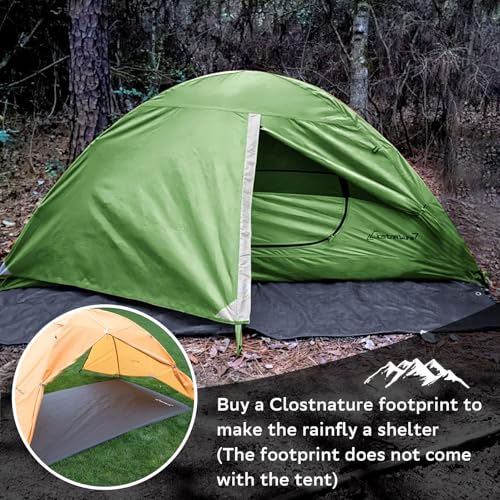
Absolutely. Because ultralight tents use thinner fabrics to save weight, they are more vulnerable to punctures and abrasion. A footprint protects the tent floor, extending its lifespan and maintaining its waterproofness, even on rocky ground.
What weight should I expect for a two-person ultralight tent?
Generally, you should aim for a tent weighing under 3.5 pounds. However, be careful not to sacrifice too much durability for weight savings. Many of the best ultralight two-person tent picks balance weight with robust materials to offer a good compromise.
How important is the denier (D) number when choosing a tent?
The denier number indicates the fabric thickness; lower numbers mean lighter fabric, but less durability. While 15D or 20D nylon is very lightweight, a 30D nylon or polyester will offer greater resistance to tears and abrasions, making it a better choice if you are concerned with longevity. You can find more information about comparing lightweight two-person tent models on my site.
The Bottom Line
Ultimately, choosing an ultralight two-person tent comes down to balancing how much you want to carry against how much comfort and durability you’re willing to sacrifice. For the best overall combination of weight, space, and features, I believe the LanShan Ultralight 2 Person tent offers a sweet spot that will serve most backpackers well. It’s a popular choice for a reason – the specs are solid, and owner feedback is consistently positive.
If you’re on a tighter budget, the CANTUO 2-3 Person Ultralight Tent delivers a lot of value for the price. And for those prioritizing maximum versatility and internal space, the Clostnature Lightweight 2 Person Tent is a great option, even if it adds a bit of weight to your pack. Remember, choosing a lightweight 2-person tent is highly personal.
At the end of the day, the waterproof rating and denier count are just numbers. What really matters is a well-designed shelter, properly pitched, and treated with care. Focus on practicing your setup at home, protecting your tent floor with a footprint, and understanding the conditions you’ll be facing on the trail – those fundamentals will contribute far more to a comfortable and safe experience than any single feature.
