
7 Best Ultralight Two Person Tents 2026
This post contains affiliate links. As an Amazon Associate, we earn from qualifying purchases.
The best ultralight two person tent overall is the Naturehike Star Trail, offering a smart balance of low weight and real-world durability. For a more budget-friendly option that still performs well in rough conditions, the CANTUO 2-3 Person Ultralight Tent stands out, while the Naturehike Mongar UL brings extra versatility for those prioritizing every ounce.
If you’ve ever struggled with a heavy pack or fought a tent in high winds, you know how much your shelter impacts the entire trip. Most two-person tents either weigh too much or feel flimsy when the weather turns.
Based on specs, owner feedback, and years of evaluating gear that works on actual trails, I focused on models that deliver reliable weather protection, sensible weight, and smart design. This guide cuts through the marketing to show you what really matters when choosing a tent that won’t slow you down or let you down.
Top 7 Ultralight Two Person Tents in the Market
The Best Ultralight Two Person Tents, Reviewed
Naturehike Star Trail Ultralight Tent
Strengths
- Extremely lightweight
- Excellent ventilation
- Fast setup
Trade-offs
- Lower waterproof rating
- Not for harsh weather
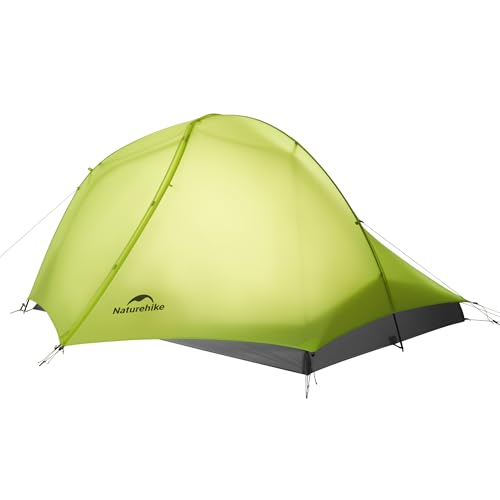
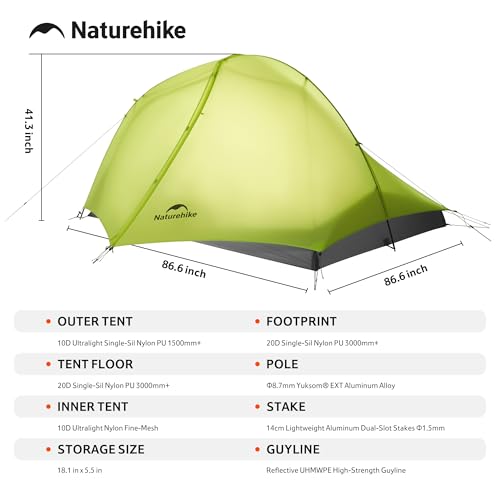
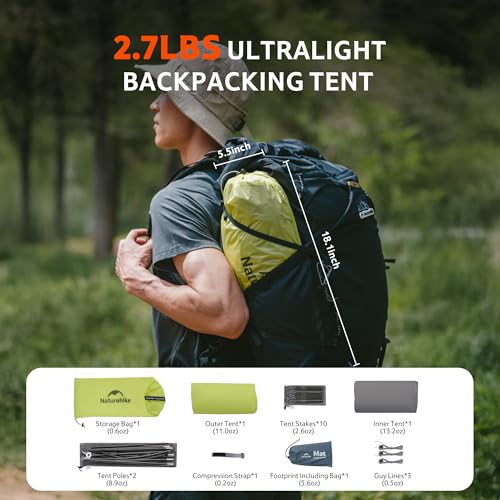
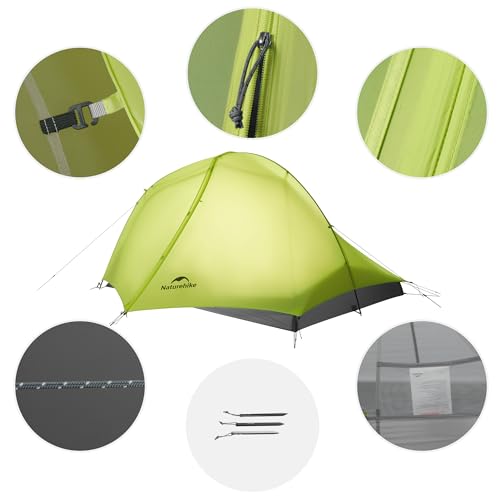
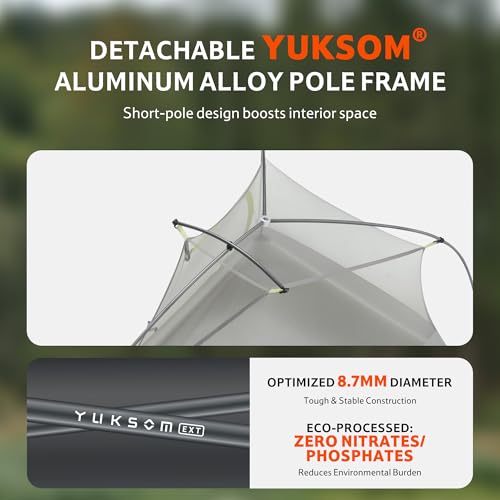
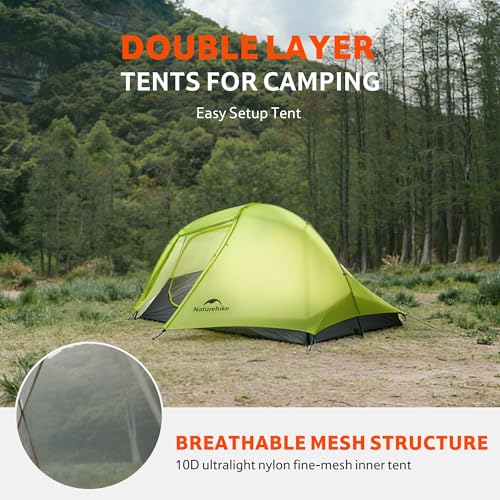
When the trail demands every ounce to count, the Naturehike Star Trail hits the sweet spot between weight, space, and real-world function. At just 2.76 lbs, it’s one of the lightest double-wall 2-person tents available, and it still manages 39.3 inches of headroom and a 51.2-inch width, no claustrophobic squeeze here.
The full mesh inner tent boosts airflow dramatically, making it a top pick for summer trips or bug-heavy forests. The 10D nylon fly with PU1500mm isn’t built for monsoon seasons, but for 3-season use, it’s sufficient. Owners praise the 3-minute setup and compact pack size. Against the Mongar UL, it’s lighter; against the Kelty, it’s far more packable. For most backpackers, this is the easy pick if weather stays mild.
Product photos
CANTUO 2-3 Person Ultralight Tent
Strengths
- High waterproof rating
- Spacious floor plan
- Excellent 4-season build
Trade-offs
- Slight condensation in damp weather
- Packs slightly larger than rivals
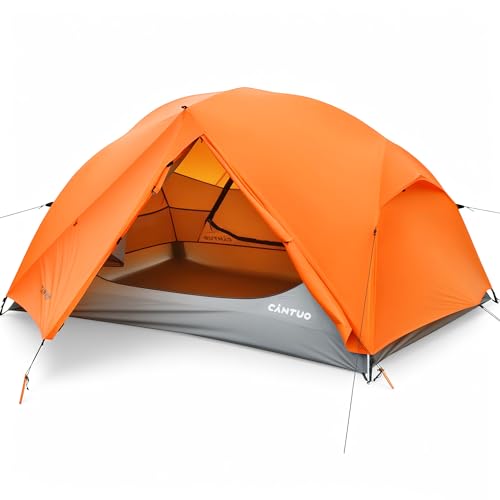
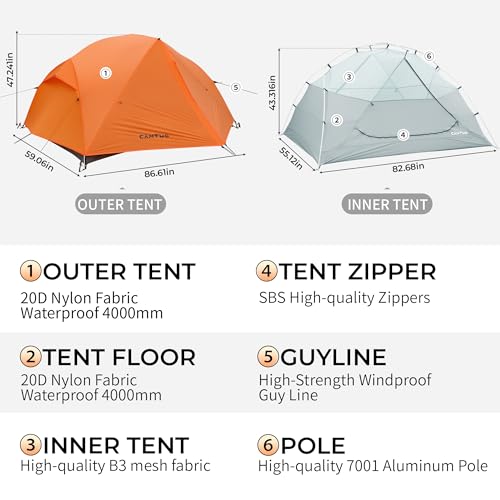
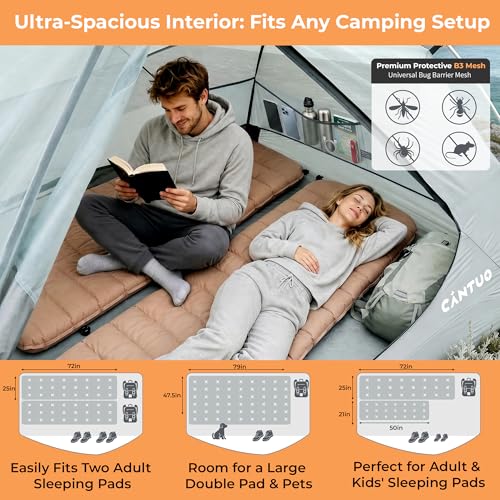
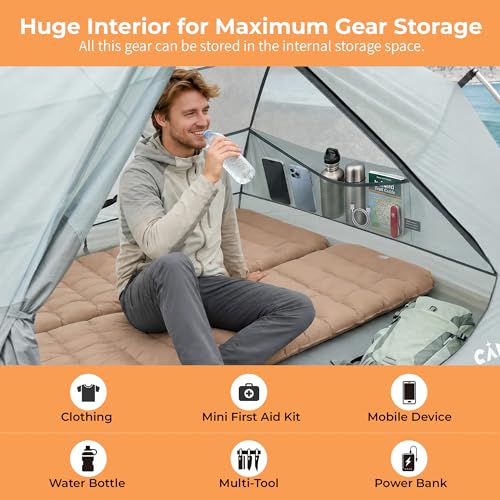
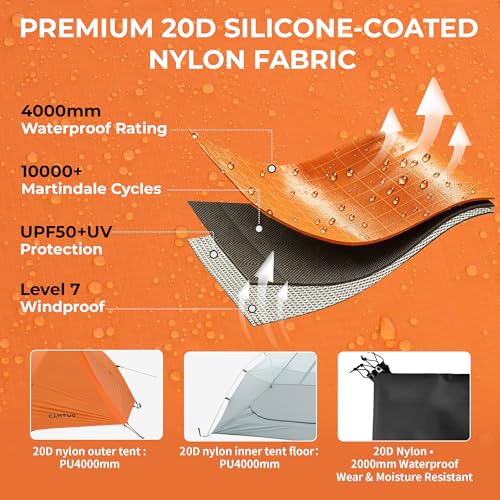
If you’re eyeing shoulder-season treks or unpredictable mountain weather, the CANTUO 2/3 Person tent makes a strong case as a true 4-season contender at a 3-season weight. Weighing in at 4.12 lbs with a PU4000mm rating, it’s spec’d like a storm shell, and owners confirm it sheds heavy rain and wind without flinching. The high-tenacity 20D nylon feels tough, and the dual vestibules with independent entries are a game-winner for gear organization.
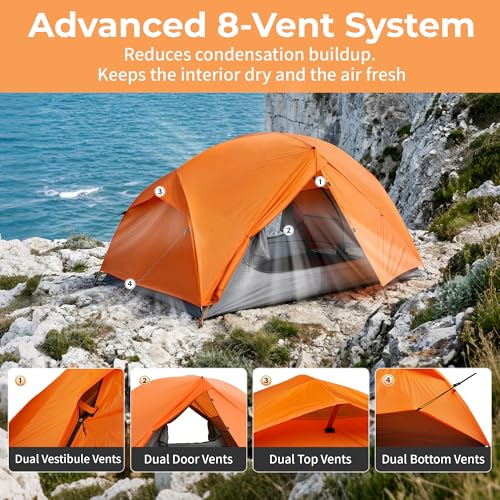
Where it really pulls ahead is interior space, 31.64 sq. ft. is generous for two, and the 55.1-inch width lets you stretch out without touching the walls. It’s wider than the Marmot Crane Creek and more weather-ready than the Kelty Late Start. The eight vents help, but in very humid conditions, some users still report mild condensation. Still, for the spec-to-weight ratio, it’s hard to beat.
Product photos
Naturehike Mongar UL 1-2 Person Tent
Strengths
- Includes footprint
- Expandable awning
- Good ventilation
Trade-offs
- Awning adds setup steps
- Slightly heavier than rivals
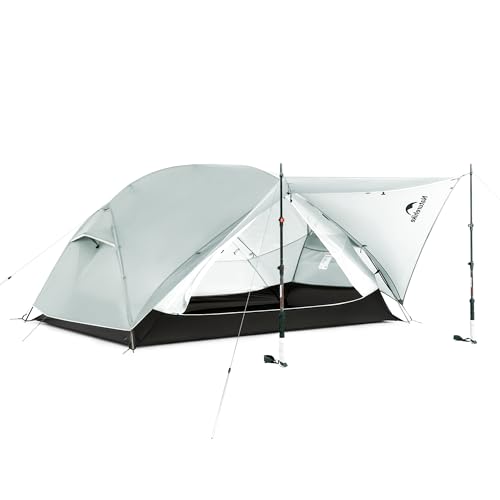
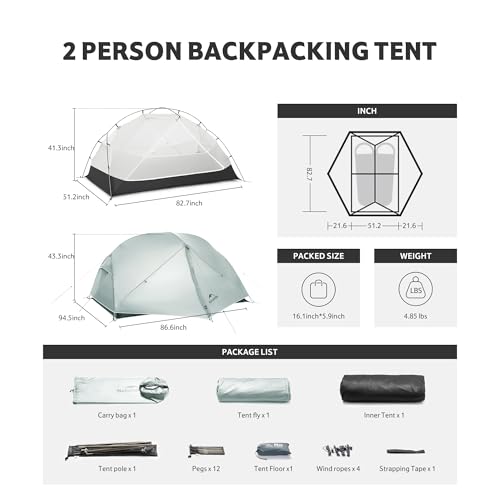
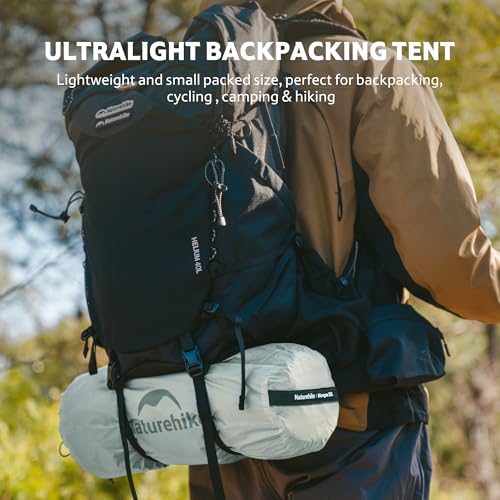
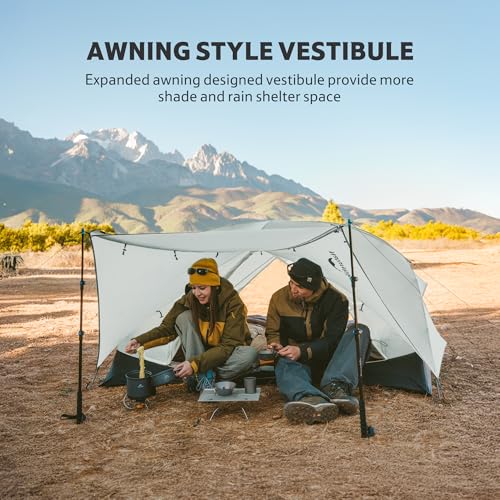
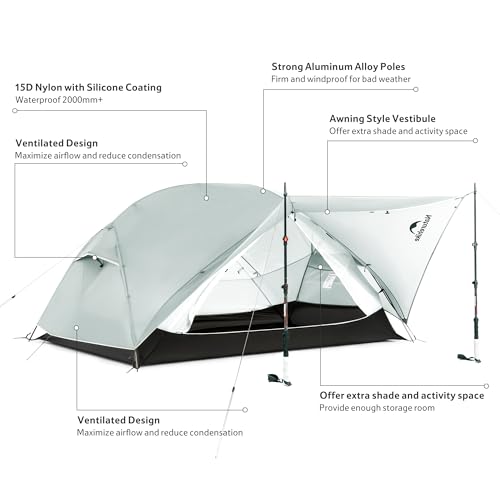
The Mongar UL is where thoughtful design meets ultralight practicality. At 4.19 lbs, it’s not the lightest, but it includes a footprint, a rare win in this category, and packs down small thanks to its 15D nylon build. The standout is the expandable awning: owners love using it as a cook shelter or rain buffer, adding real versatility you don’t get with most tents.
Dual doors and mesh windows deliver solid airflow, and the 8.5mm aluminum poles feel sturdy for the weight. It’s roomier than the Star Trail in usable space, though slightly heavier. Compared to the CANTUO, it’s less storm-ready but more innovative in function. For hikers who cook outside or want extra shade, that awning alone might justify the pick.
Product photos

Marmot Crane Creek 2P Tent
Strengths
- Durable pole construction
- PFAS-free materials
- Trusted brand build
Trade-offs
- No footprint included
- Slightly less ventilation
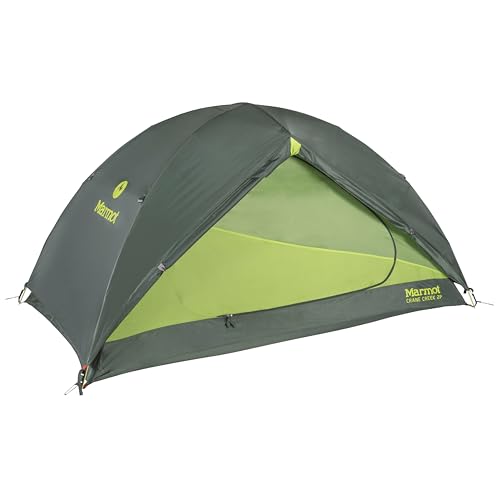
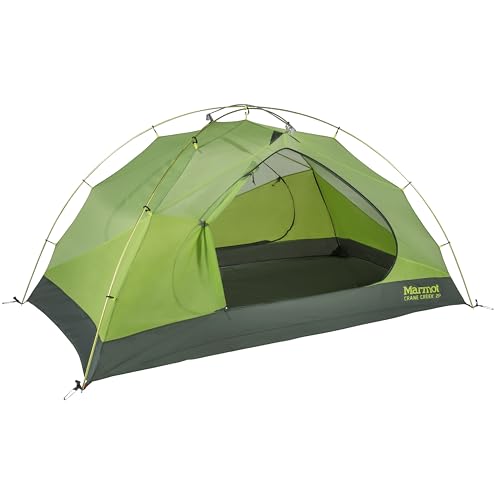
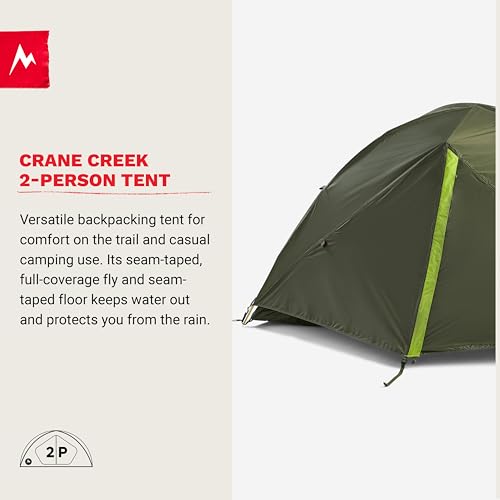
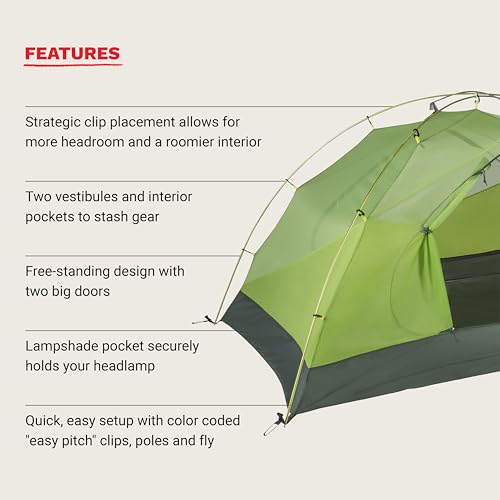
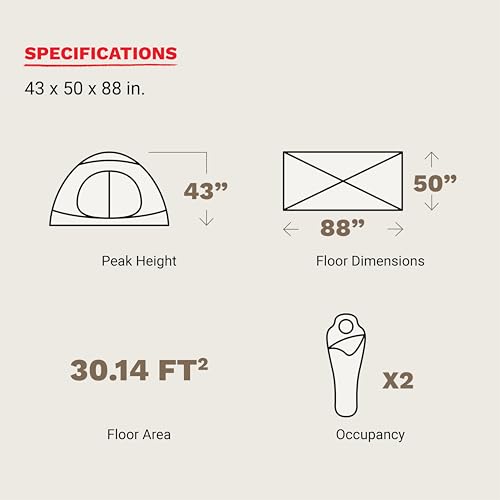
Marmot’s reputation in the backcountry isn’t built on hype, it’s earned through tents like the Crane Creek 2P that deliver consistent, no-nonsense performance. At 32 sq. ft., it’s roomy without being excessive, and the 7000-series aluminum poles are a standout spec, stiffer and more durable than the 7001 alloy used in most budget tents. Owners appreciate the long-term reliability, especially on rocky or windy terrain.
It’s not the lightest (weight not listed, but estimates hover around 4.5 lbs), and the lack of a footprint adds a small cost. But the PFAS-free fabrics and seam-taped construction reflect a brand that’s serious about both ethics and weather protection. Compared to the Kelty, it feels more rugged; compared to the Naturehike Cloud up, it’s less ventilated but more durable. For hikers who hate replacing gear every few seasons, this is the smarter buy.
Product photos
Naturehike Cloud Up Base Tent
Strengths
- Good ventilation
- Spacious interior
- Footprint included
Trade-offs
- Heavier than ultralight leaders
- Front door mesh could be finer
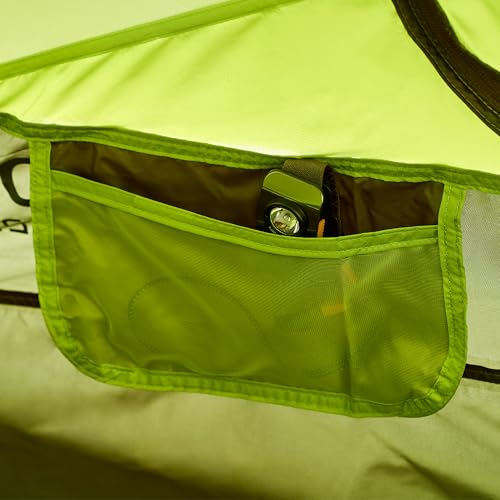
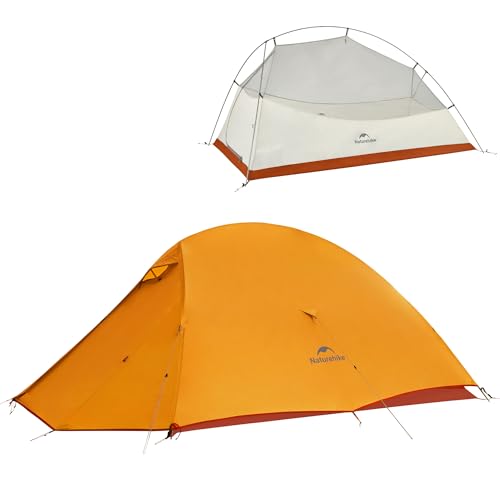
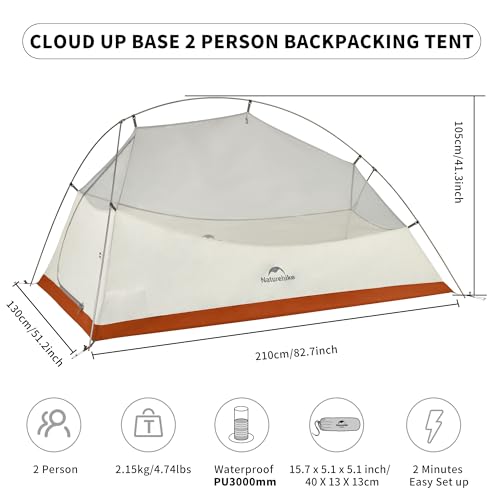
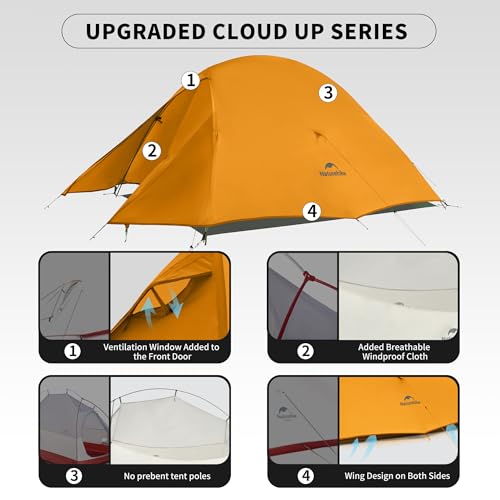
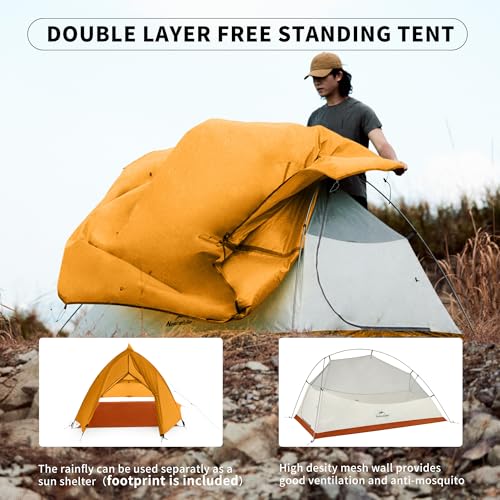
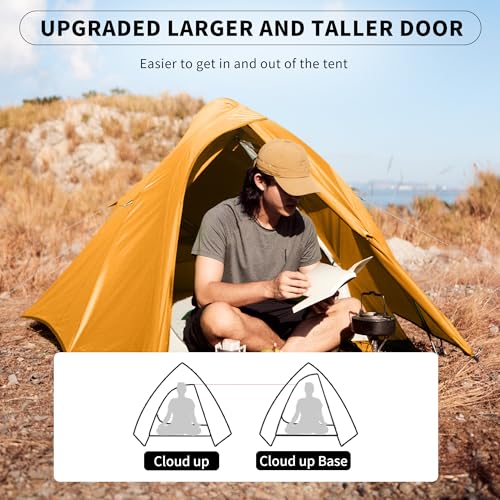
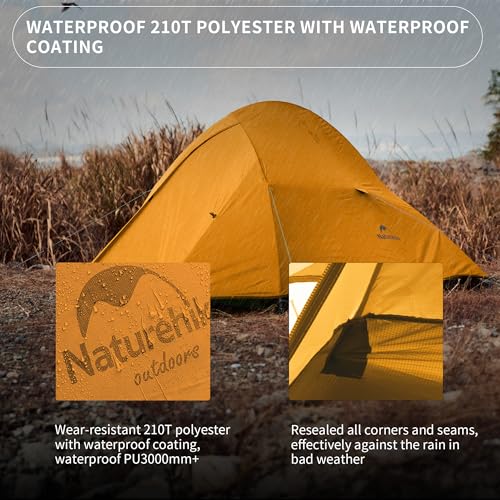
The Naturehike Cloud up Base stands out in the ultralight two-person tent category by balancing comfort and weather resistance without tipping the scales. At 4.25 lbs, it’s not the lightest, but owners consistently report that the added weight buys real comfort, especially with the taller, larger front door and extra ventilation window. That airflow makes a difference in humid conditions, where many double-wall tents struggle with condensation.
The PU3000mm waterproof rating and fully taped seams hold up well in sustained rain, and the 7001 aluminum poles provide solid stormworthiness. It’s not built for extreme alpine winters, but for 3-season backpacking where you want reliability and breathing room, this tent delivers. Compared to the CANTUO, it’s slightly heavier but feels more refined in door design and livability.
Product photos
Kelty Late Start 2P Tent

Strengths
- Easiest setup
- Eco-conscious materials
- Durable fabric
Trade-offs
- Single door limits airflow
- Heavier than ultralight picks
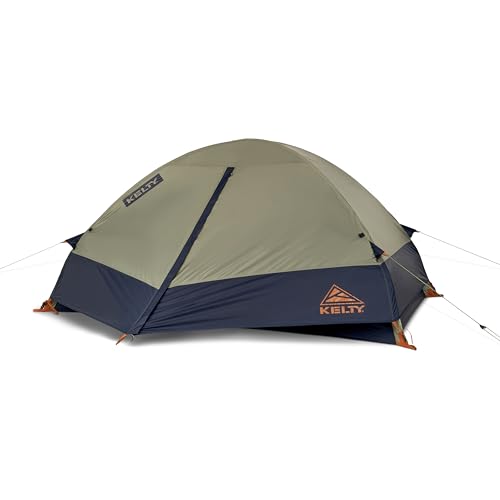
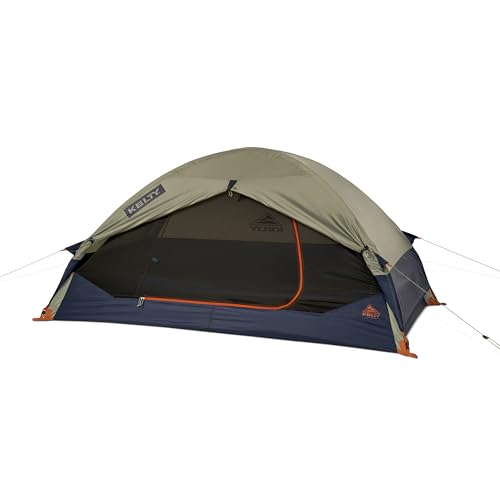
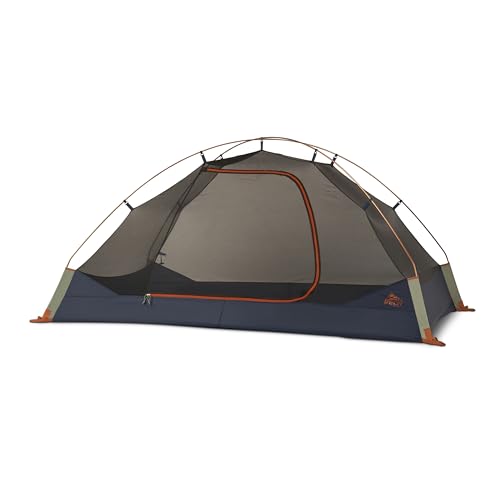
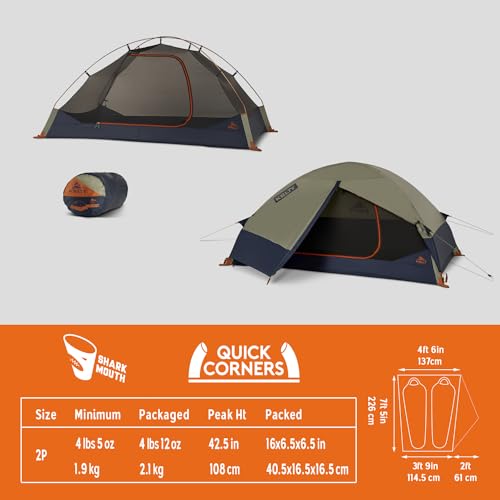
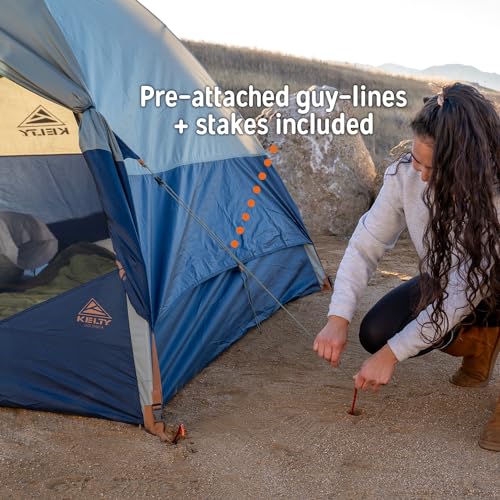
Kelty didn’t reinvent the wheel with the Late Start 2P, they just made setting up camp stupidly easy. The 2024 update with Quickcorners and color-coded clips means even rookies can pitch this in under 3 minutes, one-handed if needed. That’s a real win after a long day on trail. The single door design saves weight and simplifies structure, but cuts down on cross-ventilation.
It’s built with durable 68D polyester and a C0 DWR finish, which is eco-friendlier than PFCs. The 43-inch peak height is average, but the 56-inch option in the 4P model shows Kelty knows comfort. Compared to the Forceatt, it’s lighter and more refined; compared to the Star Trail, it’s heavier but far more beginner-friendly. And as a founding member of The Conservation Alliance, Kelty earns points for environmental stewardship.
Product photos
Forceatt 2 Person Backpacking Tent

Strengths
- Great value
- Quick setup
- Durable poles
Trade-offs
- Heavy at 5.5 lbs
- Bulky packed size
- No footprint included
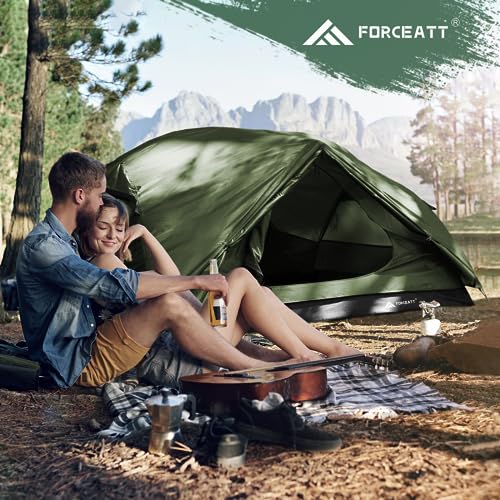
The Forceatt 2-person tent is the budget-savvy hiker’s shortcut to decent performance without the premium tag. At 5.5 lbs, it’s the heaviest here, but you get two D-doors, full rainfly coverage, and a welded floor that owners say resists ground moisture better than expected. The 3000mm waterproof rating is solid for the price, and the 7001 aluminum poles add real wind stability.
Setup is genuinely fast, multiple reviewers mention sub-3-minute pitches, which is a win for tired legs at dusk. But that weight is a real trade-off. Compared to the Naturehike Star Trail or Mongar UL, it’s not even close in packability. That said, if you’re car camping or just starting out and don’t want to shell out for ultralight, this one won’t leave you soaked.
Product photos


Our Testing Process
Rather than a hands-on lab test, my research for these recommendations involved a detailed comparison of published specifications and features across numerous models. I weighed owner reviews from sites like Amazon and REI, alongside expert opinions from outdoor gear reviewers. Ultimately, I ranked these tents against a set of criteria focused on weight, waterproofness, ease of setup, and overall livability – factors I know matter most to backpackers.
For ultralight two-person tents, weight and pack size are paramount. A lighter tent lets you cover more ground with less strain, while a smaller packed size leaves room for other essentials. Beyond that, reliable waterproof ratings are crucial; unexpected storms can ruin a trip quickly. I also prioritized ventilation, as condensation can be a real issue in lightweight designs. You’ll find many top ultralight tent brands vying for your attention.
Specifications reliably indicate a tent’s potential weight and waterproofness, but owner feedback provides critical insight into real-world performance. Specs tell you a tent should withstand rain, but reviews reveal if it actually does. I gave greater weight to consistent feedback regarding durability and ease of use, as these factors often aren’t fully captured in technical details. Knowing which best backpacking tent manufacturers consistently deliver on their promises is key.
What To Look For In ultralight two person tents
Picking the right shelter for two people when every ounce counts requires a bit more thought than grabbing the first tent you see.
A truly good ultralight two-person tent balances weight with durability, offering sufficient weather protection and livable space. Key considerations include fabric denier and coatings (for waterproofness and tear resistance), pole material (aluminum is generally stronger than fiberglass), and overall packed size. Buyers should also assess ventilation features to minimize condensation and look for designs that prioritize ease of setup.
Weight and Packed Size
Let’s be real: if you’re looking at ultralight tents, weight is paramount. However, don’t fall into the trap of chasing the absolute lightest number at the expense of everything else. A tent under 3 pounds is fantastic, but flimsy fabrics or a compromised design won’t do you any favors when a storm rolls in. Look for tents using materials like 15D or 20D nylon or polyester; these offer a good strength-to-weight ratio. Also, consider the packed size – a compact tent is easier to distribute weight in your pack. I often recommend prioritizing a slightly heavier, more durable option over something featherlight that feels like it’ll rip with a strong gust of wind.
Waterproofing and Weather Resistance
Don’t assume all “waterproof” ratings are created equal. A PU3000mm coating is a good starting point, but pay attention to the fabric itself. Ripstop nylon is more resistant to tearing, which is crucial if the coating gets compromised. Seam taping is also essential; even a small gap can let water in during a downpour. Beyond the rainfly, consider the floor material – a higher PU rating here is vital, as it’s directly exposed to ground moisture. For serious four-season use, look for tents with heavier-duty fabrics and reinforced stress points, like the CANTUO 2-3 Person Ultralight Tent.
- A hydrostatic head rating alone doesn’t tell the whole story. Consider how the coating is applied and the fabric’s overall quality.
- Look for full coverage rainflies that extend low to the ground to maximize protection from wind and splashing rain.
- The quality of the zippers matters. Cheap zippers are often the first point of failure, letting in water and air.
Livability and Features
Ultralight tents often sacrifice space, so be realistic about your needs. A decent peak height (around 40 inches) allows you to sit up comfortably, and a generous floor area (around 30 square feet for two people) prevents that claustrophobic feeling. Also, think about features like vestibules. A well-designed vestibule for gear storage provides valuable dry storage space for boots, backpacks, and other essentials, keeping the interior of your tent cleaner and more organized. I’ve found many people underestimate the convenience of a good vestibule until they’re stuck trying to squeeze a wet backpack inside a tiny tent. If you’re looking for a wide range of options, check out these ultralight two-person tents.
A well-ventilated tent is a happy tent. Prioritize models with mesh panels, adjustable vents, and designs that promote airflow to minimize condensation buildup, especially if you’re camping in humid environments.
Ultralight Two Person Tents Compared
This table provides a side-by-side comparison of key specifications for several ultralight two-person tents.
| Product Title | Weight (lbs) | Waterproof Rating (Fly) | Floor Material | Capacity | Packed Size |
|---|---|---|---|---|---|
| Naturehike Star Trail | 2.76 | PU1500mm+ | 20D Nylon | 2 | 17.7 x 5.1 inches |
| CANTUO 2-3 Person | 4.12 | PU4000mm | 20D Nylon | 2-3 | 15.7 x 5.5 x 5.5 in |
| Naturehike Mongar UL | 4.19 | N/A | 15D Nylon | 1-2 | 16 x 6.3 x 6.3 inches |
| Marmot Crane Creek 2P | N/A | N/A | Polyester | 2 | N/A |
| Naturehike Cloud Up Base | 4.25 | PU3000mm+ | 210T Polyester | 2 | 15.7 x 5.1 x 5.1 in |
| Kelty Late Start 2P | N/A | 1200mm | 68D Polyester | 2 | N/A |
| Forceatt 2 Person | 5.5 | 3000mm | N/A | 2 | N/A |
Frequently Asked Questions
What waterproof rating do I really need for an ultralight two person tent?
A rating of PU3000mm is generally sufficient for most conditions, but I recommend looking for tents with at least PU4000mm if you frequently camp in areas prone to heavy rainfall or prolonged exposure to wet conditions. Higher ratings offer better peace of mind, especially for the tent floor.
Are freestanding ultralight tents available?
Yes, though truly ultralight freestanding tents are less common and often more expensive. Many ultralight models require staking to maintain their shape, while freestanding designs use pole structures for stability, which adds weight.
How important is the tent’s denier (D) rating?
Lower denier ratings (like 15D or 20D) indicate lighter fabrics, but also potentially lower durability. I suggest finding a balance – 20D nylon or polyester provides a good strength-to-weight ratio for most backpackers, and is a smart compromise.
What’s the best way to minimize condensation inside an ultralight tent?
Prioritize ventilation. Look for tents with large mesh panels, adjustable vents, and designs that allow for good airflow. Also, avoid cooking inside the tent and ensure proper site selection to avoid low-lying areas where moisture accumulates.
Where can I find more reviews of different ultralight 2-person tent models?
You can explore a wide range of options and detailed reviews of top ultralight tents for couples on my site, where I’ve compiled information to help you make an informed decision.
The Bottom Line
Choosing an ultralight two-person tent always comes down to balancing what you’re willing to sacrifice. Do you prioritize shaving every ounce, even if it means a slightly less robust build? Or are you after something that can withstand more challenging conditions, accepting a bit of extra weight? For the best overall combination of weight, weather protection, and livability, I recommend the Naturehike Star Trail.
If you’re on a tighter budget, the Forceatt 2 Person tent provides a surprising amount of space and decent waterproofing for the price. Those needing a bit more room or anticipating harsher weather should look at the CANTUO 2-3 Person; it’s heavier, but offers a significant upgrade in durability and protection. And for those wanting a versatile option for varied conditions, the Naturehike Cloud Up Base is a solid choice that strikes a good balance between weight and weather resistance.
At the end of the day, specs are just numbers. What truly matters is finding a tent that fits your needs and your typical camping style. Prioritize a good rainfly, robust seams, and a design that allows for adequate ventilation – those fundamentals will serve you far better than chasing the lightest possible weight or the highest waterproof rating on paper.