
7 Best Ultralight 2 Person Tents 2026
This post contains affiliate links. As an Amazon Associate, we earn from qualifying purchases.
The best ultralight 2-person tent overall is the Naturehike Star Trail 2P, thanks to its impressive weight and solid weather protection. For a slightly roomier option that still keeps things light, the Naturehike Cloud UP UL 2P is a strong contender, and if you’re on a tighter budget but need something durable, the LANSHAN Ultralight 2P stands out.
If you’ve ever hiked with a heavy pack, you know how every ounce matters. A tent that’s too bulky or slow to pitch after a long day can turn a dream trip into a slog. I’ve been there, wrestling with poles in the dark, and it’s no fun.
This guide cuts through the noise, focusing on real-world specs and what owners actually say about these tents. I looked at weight, durability, weather resistance, and smart design details so you can find one that works for your kind of hike.
Top 7 Ultralight 2 Person Tents in the Market
The Best Ultralight 2 Person Tents, Reviewed
Naturehike Cloud UP UL 2P Tent
Strengths
- Footprint included
- Good ventilation design
- Balanced weight and space
Trade-offs
- PU1500mm less robust in heavy rain
- Slightly bulky pack size
- Poles can flex in strong wind
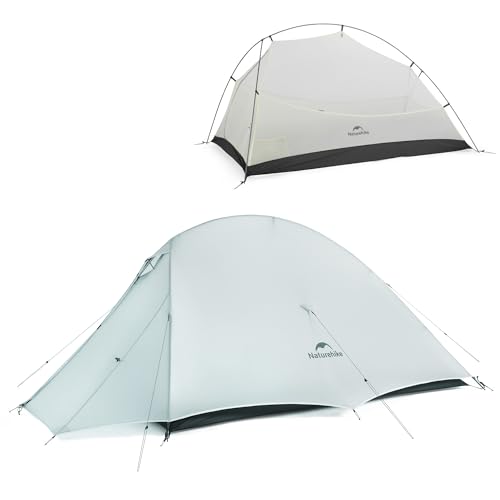
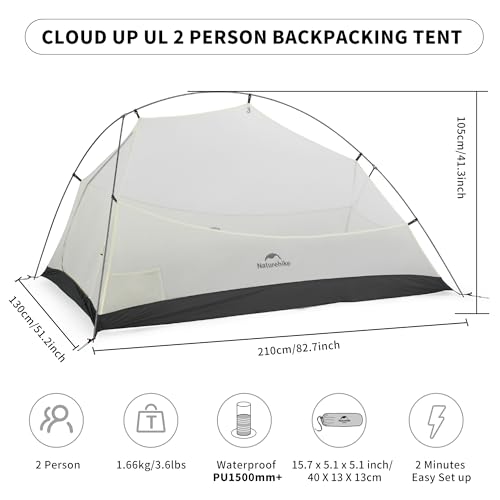
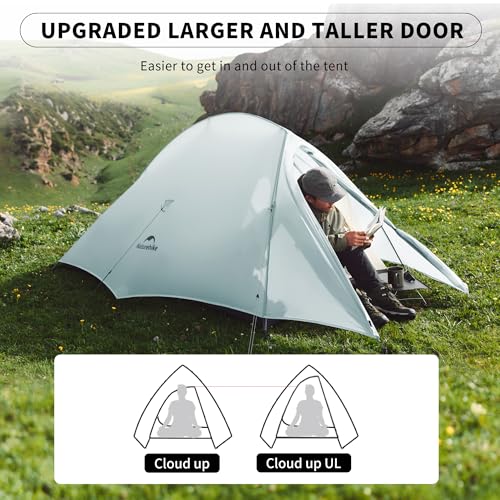
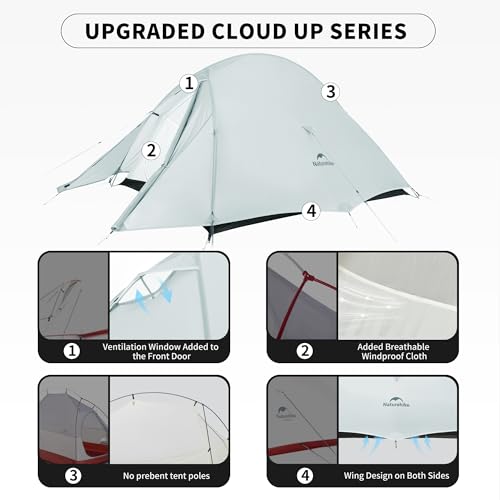
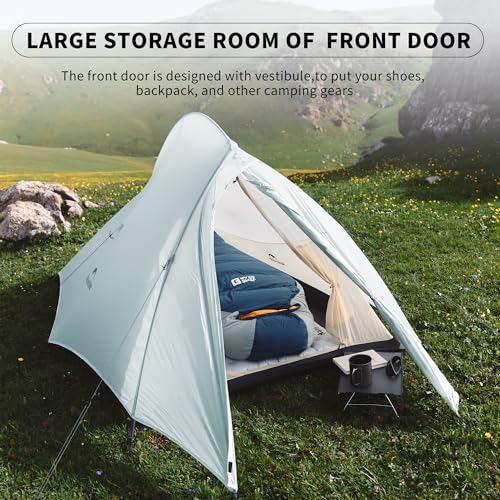
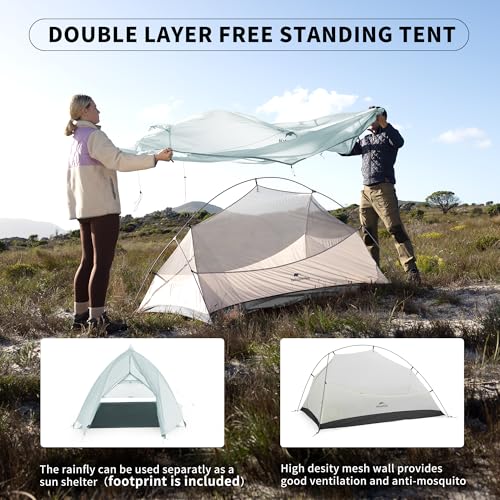
The Cloud UP UL lands right in the sweet spot for many backpackers: it’s light at 3.6 lbs, includes a footprint (a small but meaningful win), and offers thoughtful upgrades like a larger door and extra vent above the entrance. The 15D nylon with PU1500mm coating isn’t the most waterproof on paper, but real-world feedback suggests it holds up well in typical 3-season conditions, especially since all seams are taped. The double-layer design with B3 mesh keeps airflow decent, and the included 7001 aluminum poles are stiff enough to handle gusts without collapsing.
It’s not the lightest, but it’s the most balanced package here. I’d pick this over the heavier Clostnature or the barebones LANSHAN for a general-purpose trek. The included footprint adds value, and the vestibule gives room to stash boots or cook in light rain. It’s not built for winter storms, but for spring through fall trips, owners report consistent satisfaction.
Product photos
Naturehike Star Trail 2P Tent
Strengths
- Lightest on the list
- Great ventilation
- Simple, fast setup
Trade-offs
- Tight space for two
- Low headroom
- Lower waterproof rating
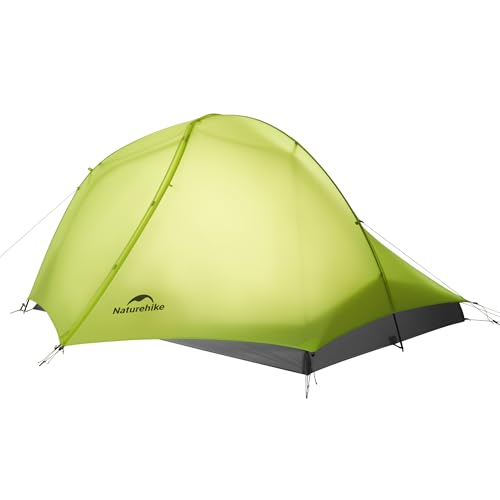
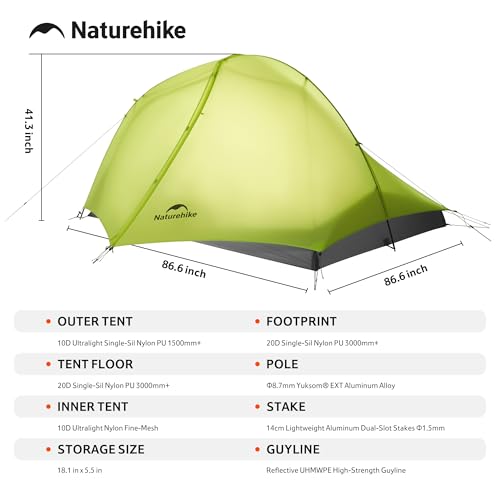
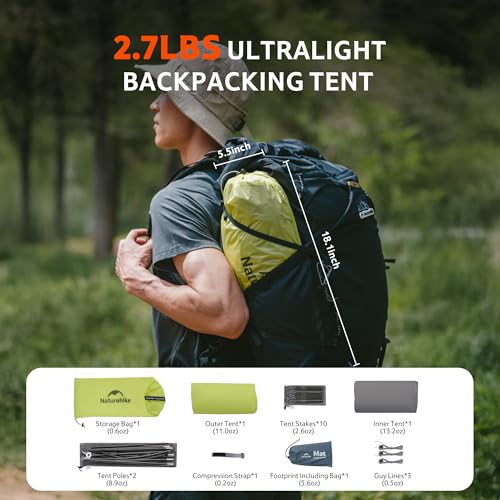
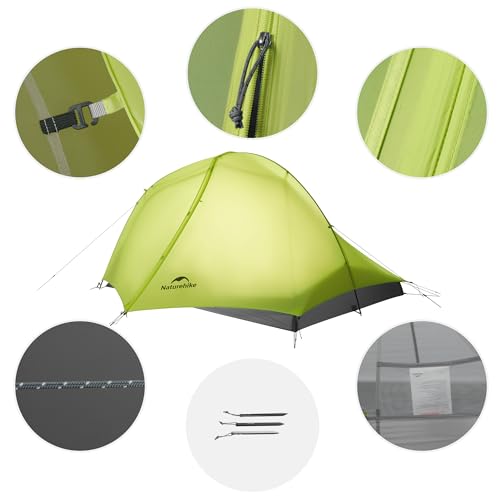
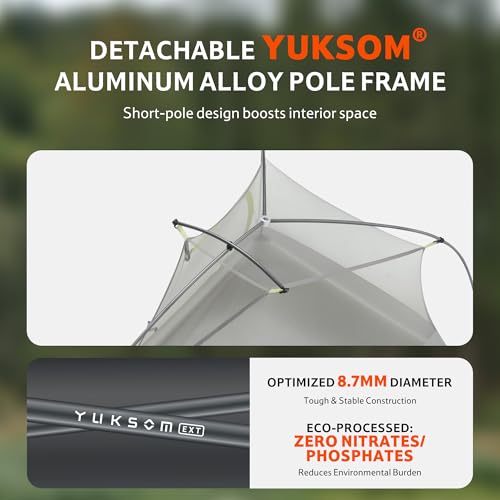
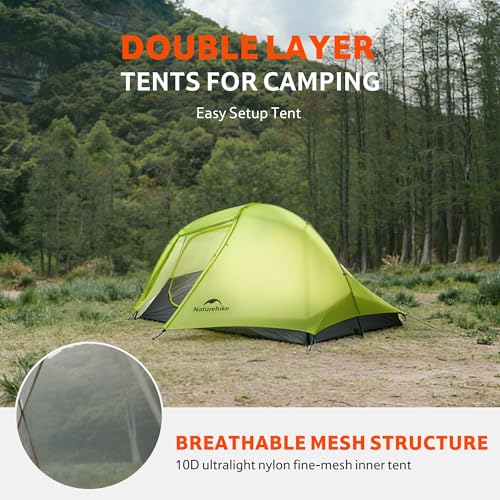
At 2.76 lbs, the Star Trail is the lightest true 2-person tent here, and that’s its entire reason for being. It uses 10D and 20D nylons to cut weight, and while the PU1500mm–3000mm waterproofing isn’t class-leading, it’s enough for fair-weather trips. The full mesh inner keeps bugs out and boosts airflow, making it a favorite for summer backpackers who hate waking up damp. The packed size is modest, and owners note how quickly it pitches with just one pole.
But this is a shelter for minimalists only. The floor area is tight for two average adults, and the low 39.3-inch peak height means no sitting up straight. If you’re solo or want a fast-and-light duo bivy, this is a top contender. For anything more comfortable, look to the CANTUO or Mongar.
Product photos
LANSHAN Ultralight 2P Tent
Strengths
- Ultralight at 2.6 lbs
- High waterproof ratings
- Trekking pole compatible
Trade-offs
- No freestanding setup
- Poles not included
- Limited vestibule space
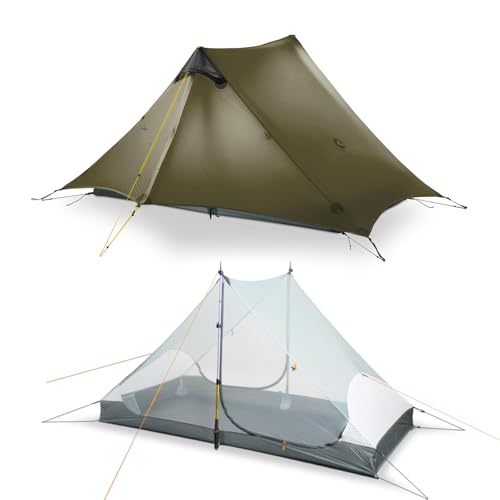
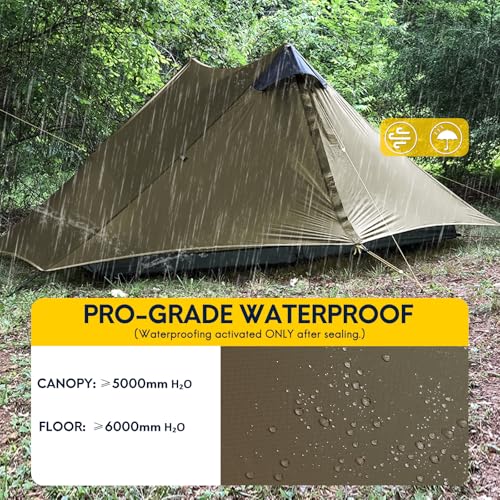
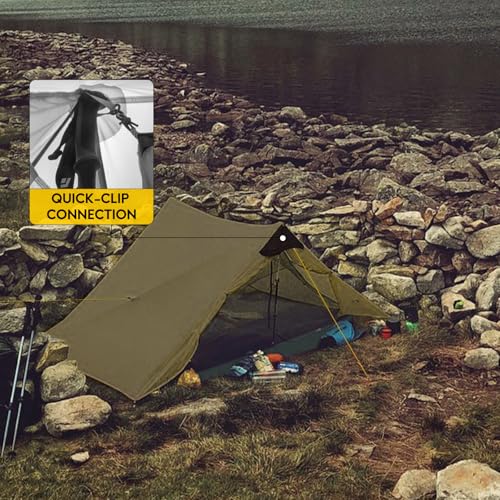
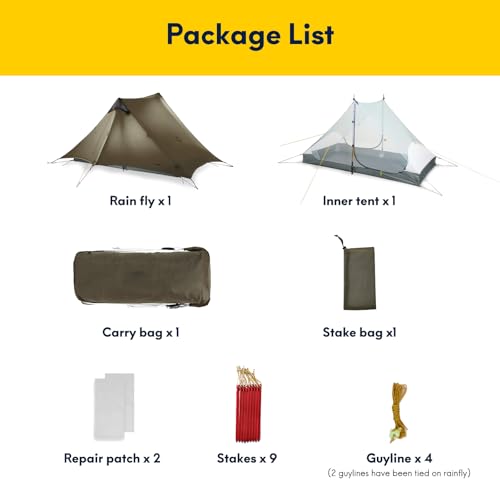
At 2.6 lbs, the LANSHAN 2-person tent is one of the lightest full-featured double shelters on the market, and that weight savings doesn’t come with a total sacrifice of durability. The 15D nylon build is undeniably ultralight, and the 5000mm–6000mm HH waterproof ratings on the fly and floor are strong numbers for this class, better than many competitors in the sub-3 lb range. Owners consistently report staying dry in sustained downpours, and the high mesh walls do help cut down on condensation, though ventilation is still limited compared to double-wall tents with larger roof vents.
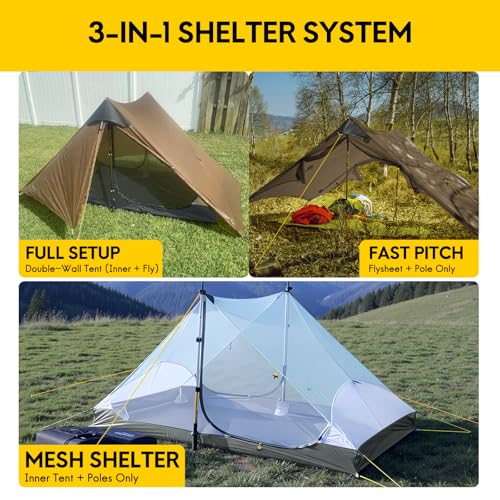
What stands out is the versatility: you can pitch it as a tarp-tent using trekking poles, which is a real bonus for minimalist thru-hikers. But the setup relies on external poles (not included), so you’re dependent on your trekking gear. Compared to freestanding designs like the Naturehike Mongar, this isn’t the easiest to tweak once pitched. Still, for those prioritizing low weight and weather protection without paying premium silnylon prices, this is a solid spec sheet play.
Product photos
CANTUO 2/3P Ultralight Tent
Strengths
- Very spacious interior
- Excellent ventilation
- Includes footprint and full stake set
Trade-offs
- On the heavier side
- Bulkier than ultralight rivals
- Zippers can feel flimsy
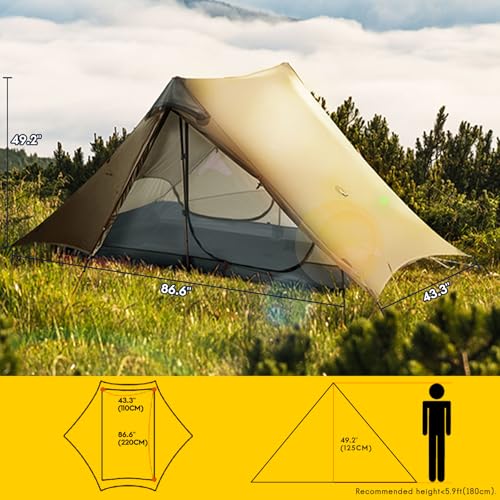
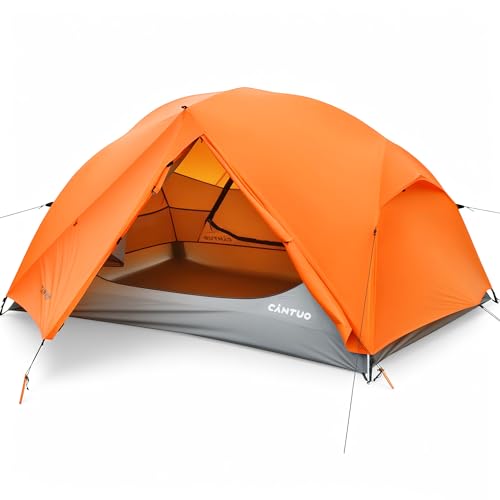
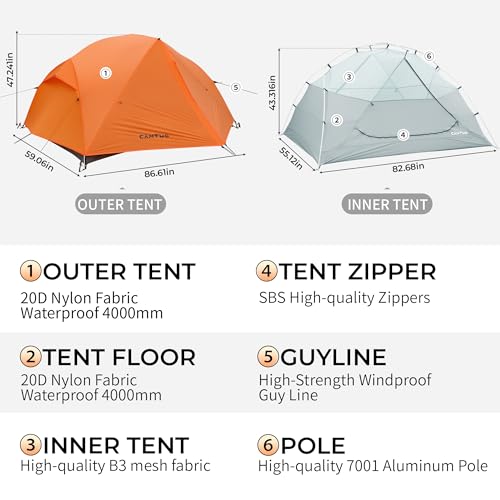
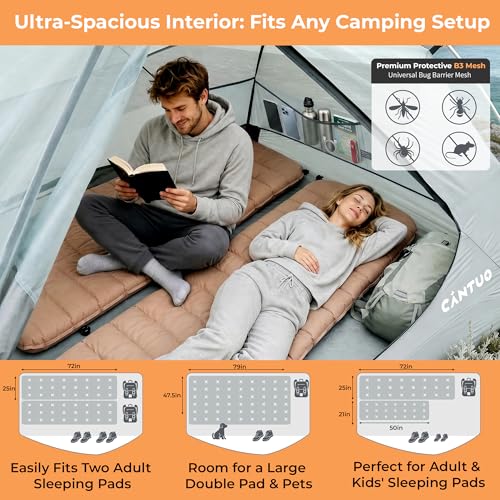
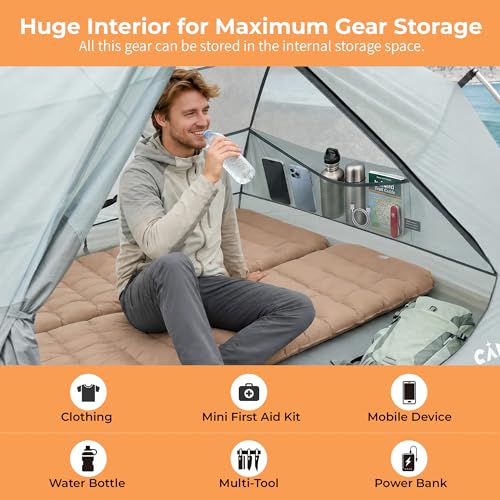
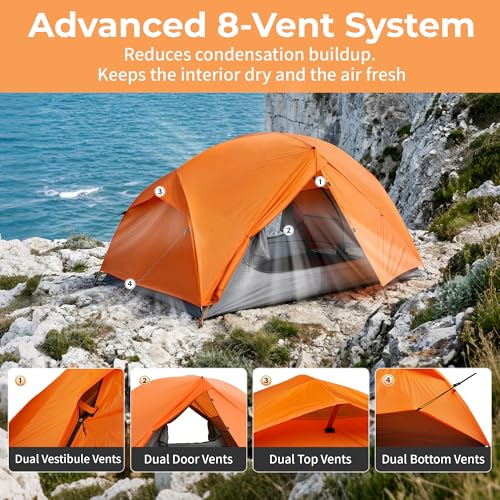
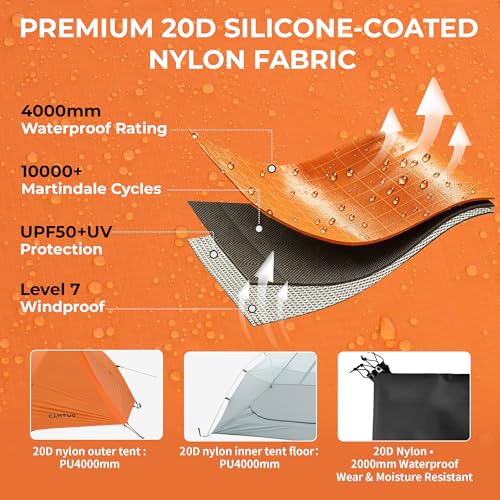
CANTUO packs serious space into a still-respectable 4.12 lb frame. At 55 inches wide and 43.3 inches high, it’s one of the most spacious ultralight 2-person tents here, it even claims to fit three in a pinch. The 31.64 sq ft floor area is legit roomy, and with eight vents and B3 mesh throughout, airflow is impressive for a tent this big. The PU4000mm waterproofing and taped seams mean it’s no slouch in the rain, and the 7001 aluminum poles provide solid wind resistance.
Owners highlight how easy it is to set up in under three minutes, and the included footprint and 12 stakes make it trail-ready out of the box. Compared to the snugger LANSHAN or Star Trail, this is the pick if you or your partner are tall or just hate feeling cramped. The weight is higher, but for the volume and features, it’s a fair trade.
Product photos
Naturehike Cloud up Pro 2P

Strengths
- Strong PU4000mm waterproofing
- Durable 20D fabric
- Footprint included
Trade-offs
- Heavier than UL models
- Still not freestanding
- Ventilation could be better
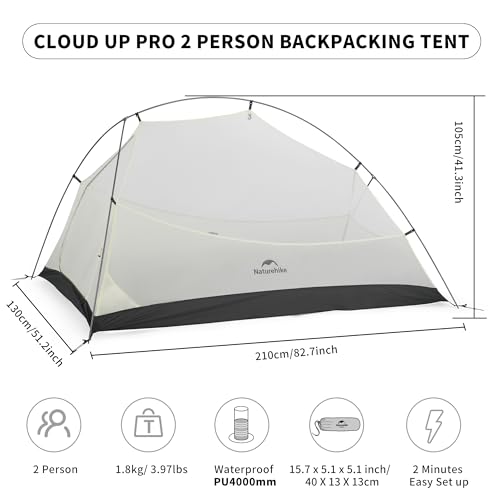
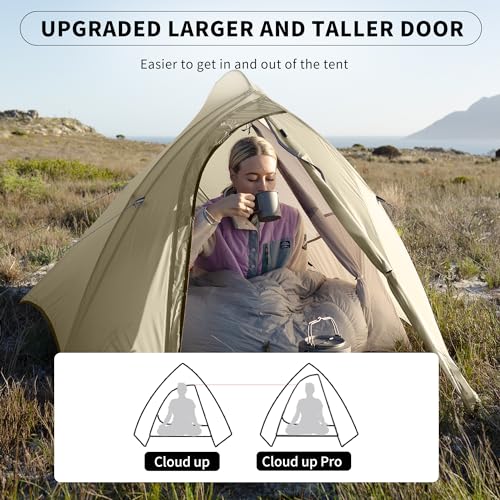
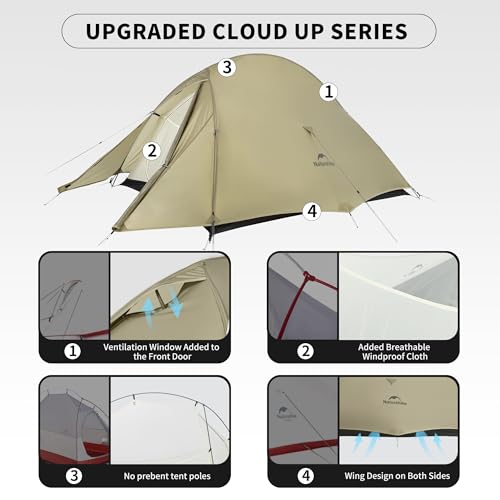
The Cloud up Pro trades a bit more weight (3.97 lbs) for significantly better weather resistance, and that’s where it shines. The 20D nylon with PU4000mm coating is a step up from the Cloud UP UL’s 1500mm, making it far more capable in sustained rain and shoulder-season storms. Combined with taped seams and sturdy 7001 aluminum poles, this tent is built to endure. Reviewers note it held firm in high winds and sideways rain where lighter models began to leak or flap.
The layout is nearly identical to the UP UL, same dimensions, same included footprint and dual-layer design, but the materials are tougher. If you’re heading into unpredictable climates or plan to push into early spring or late fall, this is the smarter buy. It’s not the lightest, but for the added protection, the weight penalty is reasonable. I’d take this over the standard Cloud UP for any trip where weather could turn.
Product photos


Clostnature Lightweight 2P Tent

Strengths
- Freestanding design
- Strong waterproof rating
- Easy setup for beginners
Trade-offs
- Heavy at 5.33 lbs
- Not truly ultralight
- Zippers less smooth over time
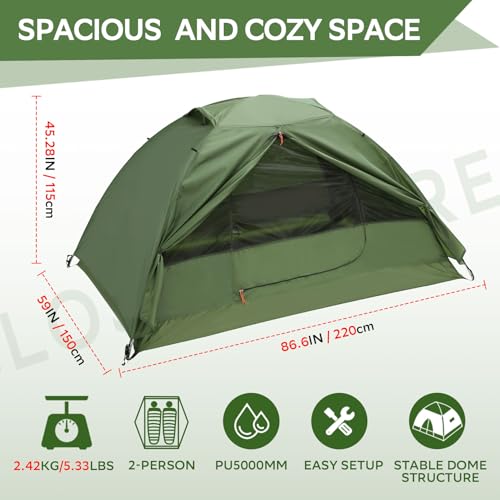
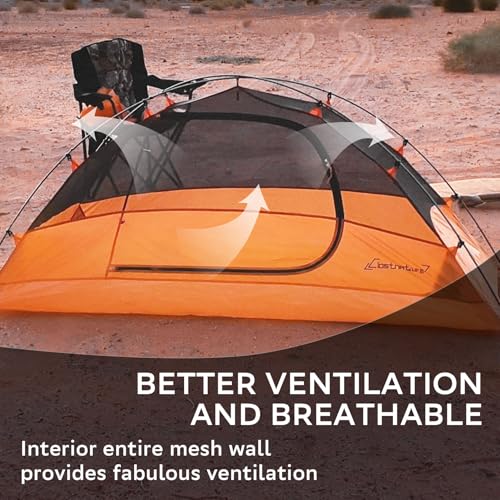
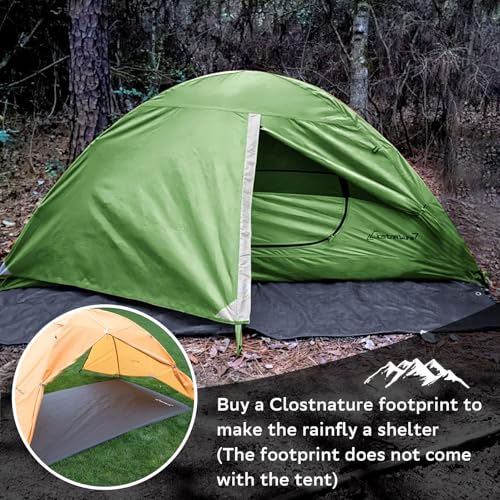
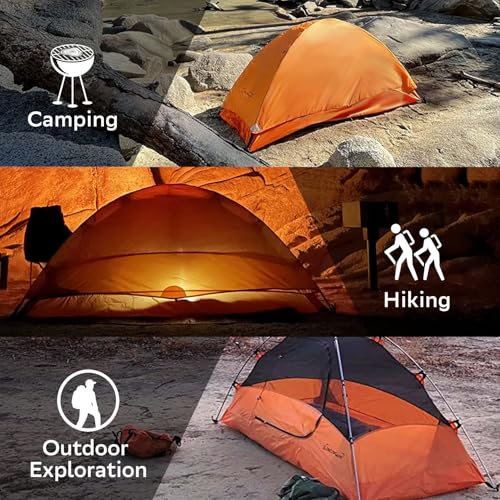
Clostnature delivers a lot of tent for the price. At 5.33 lbs, it’s not ultralight by elite standards, but it’s freestanding, easy to pitch, and built with a polyester rainfly and PU5000 coating, specs that rival more expensive models. The double-layer design with full mesh walls and a side vestibule makes it feel airy and functional, and the D-door improves access. Owners consistently note how simple it is to set up, even for beginners, and the included pole repair kit adds peace of mind.
But the weight keeps it from being a true backpacking favorite. Compared to the 2.76 lb Star Trail, it’s over 2.5 lbs heavier. Still, for weekend hikers, bikepackers, or car campers who want a durable, roomy shelter without overspending, this hits a sweet spot. It’s not flashy, but it’s honest.
Product photos

Naturehike Mongar 2P Tent

Strengths
- Excellent ventilation
- Freestanding setup
- Spacious for two
Trade-offs
- Heavy at 5.3 lbs
- Bulkier packed size
- 210T fabric not ultralight
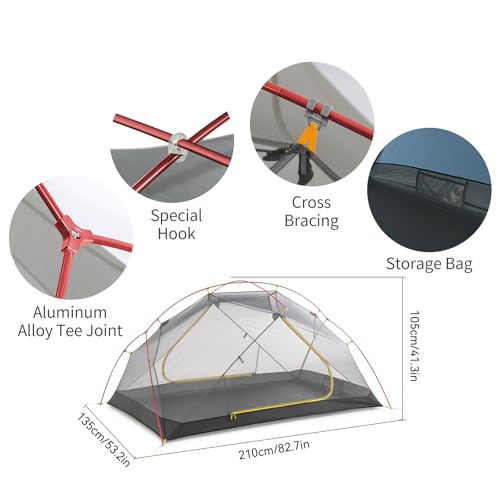
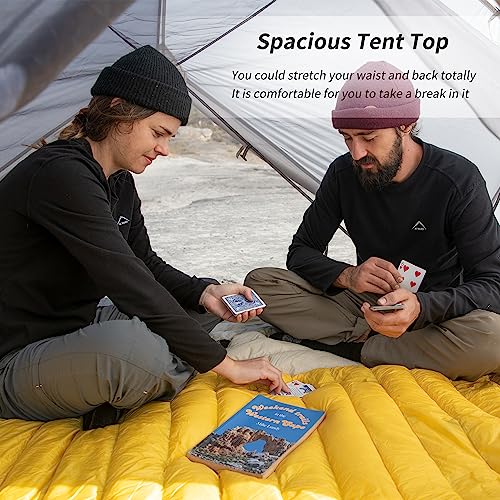
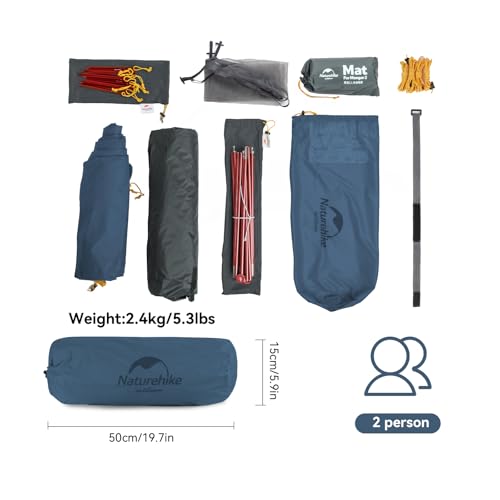
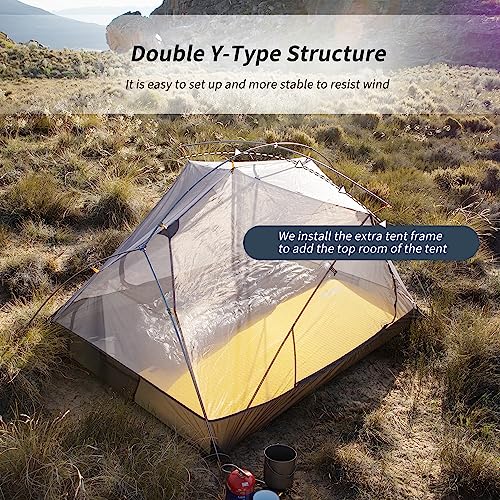
If breathability and ease of use are your top concerns, the Mongar makes a strong case. At 5.3 lbs, it’s the heaviest here, but that extra weight buys you a freestanding Y-frame design, two doors, two large vestibules, and a roomy 53-inch width, that’s nearly 4.5 feet of interior space. The 210T polyester isn’t as light as silnylon, but it’s more durable and less prone to punctures, and the 3000mm waterproof rating holds up well in prolonged rain. Owners praise how easy it is to set up solo, even in the dark, thanks to color-coded clips and sewn-in instructions.
The big win is airflow: dual doors and mesh panels create cross-ventilation that really cuts down on condensation, a common issue in double-wall tents. Compared to the Cloud UP UL, it’s heavier but far more comfortable for two people who plan to spend time inside. For car-accessible basecamps or relaxed backpacking trips, this is a breath of fresh air, literally.
Product photos

How We Picked These ultralight 2 person tents
As someone who’s spent countless nights under canvas – and obsessed over every ounce of gear carried – I approached this guide with a focus on practical performance. Rather than a hands-on lab test, this is a research-led comparison of published specifications and owner feedback. I examined key features across several models, weighing them against one another and considering how well they’d hold up in real-world conditions. We considered tents available from popular retailers and those frequently discussed within the backpacking community.
For ultralight 2-person tents, weight and packed size are paramount, but durability and weather protection closely follow. We prioritized tents under 4 pounds, but also looked at the materials used – specifically the denier (D) of the nylon and the waterproof ratings of the fly and floor. A lighter tent that falls apart in a moderate rainstorm isn’t useful to anyone. Beyond specs, I gave significant weight to owner reviews regarding condensation build-up and long-term durability.
Specifications reliably tell you about a tent’s basic construction and materials. However, real-world performance – how a tent feels in wind and rain, or how easily it sets up after a long day – is best gleaned from owner feedback and reputation. I also relied on information from leading lightweight tent companies to understand which brands consistently deliver quality in this category. This helped me balance quantifiable data with subjective, but valuable, user experiences.
What To Look For In ultralight 2 person tents
Finding the right shelter is critical for enjoying the backcountry. I’ve spent countless nights under canvas, and I know a good ultralight 2-person tent isn’t just about shaving ounces – it’s about finding the balance between weight, space, and protection from the elements.
A quality ultralight 2-person tent prioritizes a low overall weight (under 4lbs is a good target) through materials like silnylon or lightweight nylon. Look for durable coatings (PU or silicone) for waterproofing, a well-designed pole structure for stability, and thoughtful features like ventilation to minimize condensation. Pay attention to floor material thickness and included features like a footprint.
Weight vs. Durability
The biggest trade-off in the ultralight world is always weight versus durability. You’ll find tents using fabrics like 7D or 10D nylon, which are incredibly light, but more susceptible to tears than heavier materials. Most manufacturers balance this by reinforcing high-stress areas. Don’t automatically assume the lightest tent is the best; consider your typical terrain and how carefully you are with your gear. If you’re consistently scrambling over rocks or expect harsh conditions, a slightly heavier, more durable option might save you a repair (or a night exposed to the elements) down the line. A good compromise is often a denier between 15D and 20D nylon for a blend of light weight and respectable tear resistance.
Waterproofing & Weather Protection
Waterproofing ratings (measured in mm) are important, but they don’t tell the whole story. A higher number generally means better waterproofness, but seam sealing and the tent’s overall design play a huge role. Look for fully taped seams, a bathtub floor (where the floor fabric extends up the sides), and a rainfly that extends all the way to the ground. Silicone-treated fabrics offer excellent water resistance and are lighter than polyurethane (PU) coatings, but they are more expensive. If you frequently camp in areas with heavy rain or snow, prioritize a PU coating of at least 3000mm, or consider a silnylon tent. Don’t forget to check out our ultralight tent footprint guide to learn more about protecting your tent floor.
Space & Livability
Ultralight tents sometimes feel…cozy. Interior space is often sacrificed for weight savings. Consider your height and how much gear you’ll be bringing. A peak height of at least 40 inches is nice to have if you want to be able to sit up comfortably. Vestibules – the covered areas outside the tent doors – are crucial for storing wet gear and keeping your sleeping area clean.
Here’s what I look for in terms of livability:
- Vestibule Size: Minimal is okay, but enough space for two packs is ideal.
- Door Design: A single door is common to save weight, but two doors offer more convenience.
- Interior Pockets: These are surprisingly useful for organizing small items (headlamps, phones, etc.). A few well-placed pockets can make a big difference in a small space.
Don’t underestimate the value of good ventilation. Moisture buildup from condensation can be a real problem, even in mild weather. Look for vents in the rainfly and a mesh inner tent to promote airflow.
If you’re still searching for the ideal shelter, check out our guide to the best 2-person ultralight models for more detailed reviews and comparisons of the top options. I also recommend looking at lightweight backpacking tent options to see the latest innovations in ultralight design.
Ultralight 2 Person Tents Compared
Here’s a comparison of key specifications for popular ultralight 2-person tents to help you make an informed decision.
| Product Name | Weight (lbs) | Packed Size (in) | Waterproof Rating (mm) | Floor Material | Capacity |
|---|---|---|---|---|---|
| Naturehike Cloud UP UL 2P | 3.6 | 15.7×5.1×5.1 | 1500 | 15D Nylon | 2 Person |
| Naturehike Star Trail 2P | 2.76 | 17.7×5.1 | 1500/3000 | 10D/20D Nylon | 2 Person |
| LANSHAN Ultralight 2P | 2.6 | 12.6×4.7×5.9 | 5000/6000 | 15D Nylon | 2 Person |
| CANTUO 2/3P Ultralight | 4.12 | 15.7×5.5×5.5 | 4000 | 20D Nylon | 2/3 Person |
| Naturehike Cloud up Pro 2P | 3.97 | 15.7×5.1×5.1 | 4000 | 20D Nylon | 2 Person |
| Clostnature Lightweight 2P | 5.33 | 16.5×5.9×5.9 | 5000 | Polyester | 2 Person |
| Naturehike Mongar 2P | 5.3 | N/A | 3000 | 210T Polyester | 2 Person |
Frequently Asked Questions
What’s the real weight difference between silnylon and nylon tents?
Silnylon tents are typically lighter than comparable nylon tents, often by around 6 to 10 ounces. This weight savings comes from silnylon’s construction, but it’s often a trade-off with durability – silnylon can stretch when wet and is more prone to damage from UV exposure.
How much does seam sealing really matter for ultralight tents?
Seam sealing is incredibly important. Even a waterproof fabric will leak if the seams aren’t properly sealed, and many ultralight tents come factory-sealed, but it’s a good idea to check reviews to confirm. A tent with fully taped seams prevents water from seeping in through needle holes.
Are freestanding ultralight tents actually worth the extra weight?
Freestanding tents offer convenience because they don’t require staking to set up, but they generally add weight. For most conditions, a semi-freestanding or non-freestanding ultralight tent is sufficient, especially if you’re comfortable with proper staking techniques and anticipate relatively calm weather.
What’s the best way to prevent condensation inside an ultralight tent?
Good ventilation is key to minimizing condensation. Look for tents with mesh panels and adjustable vents in the rainfly. Also, avoid camping in low-lying areas where moisture tends to collect, and consider using a footprint to protect the tent floor from ground moisture.
Where can I find more detailed comparisons of different ultralight tent models?
You can find more in-depth information and ultralight backpacking tent reviews on our site, where we compare the top 2-person ultralight backpacking tents and analyze their performance characteristics.
The Bottom Line
Ultimately, choosing an ultralight 2-person tent comes down to balancing how much you’re willing to spend for a specific set of features. You can chase the absolute lightest weight, but often that means sacrificing some durability or space. For the best overall blend of weight, weather protection, and livability, I believe the Naturehike Cloud UP UL 2P strikes a fantastic balance, and will serve most backpackers very well.
If you’re on a tighter budget, the Naturehike Star Trail 2P offers an impressive weight for the price, and the LANSHAN Ultralight 2P is a fantastic option if waterproofness is your top priority. For those who prioritize space and don’t mind a bit of extra weight, the CANTUO 2/3P Ultralight offers a more roomy interior. Understanding key considerations for ultralight tents will help you narrow down what matters most to your adventures.
Don’t get too caught up in chasing the lowest possible weight or the highest waterproof rating. A well-designed tent, constructed with quality materials, and appropriate for your typical conditions is far more valuable than any single specification. Focus on finding a tent that fits you and your adventures, and remember that practicing good campsite selection and carrying a footprint will extend the life of any shelter.
