
7 Best Ultralight One Man Tents for 2026
This post contains affiliate links. As an Amazon Associate, we earn from qualifying purchases.
The best ultralight one man tent overall is the Naturehike Star Trail 1P Tent, thanks to its low weight, solid waterproof ratings, and reliable owner feedback. For a budget-friendly option that still performs well in wet conditions, the GEERTOP Ultralight 1P Backpacking Tent stands out. If you’re already using trekking poles, the Underwood Trekking Pole Ultralight Tent offers a smart weight-saving design.
Most solo backpackers are trying to cut weight without ending up soaked or freezing. It’s easy to get drawn in by flashy specs, only to find out too late that condensation, flimsy fabric, or poor ventilation ruin the experience.
This guide compares the top ultralight one man tents based on real-world feedback, waterproofing, weight, and smart design choices. I looked at owner reviews, material specs, and setup practicality to highlight the ones that actually hold up when you’re miles from the trailhead.
Top 7 Ultralight One Man Tents in the Market
The Best Ultralight One Man Tents, Reviewed
Naturehike Star Trail 1P Tent

Strengths
- Ultralight at 2.3lbs
- Excellent headroom
- Quick 3-minute setup
Trade-offs
- Modest rainfly protection
- Floor footprint sold separately
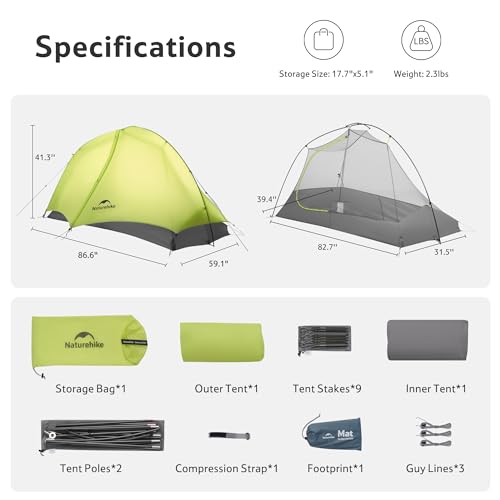
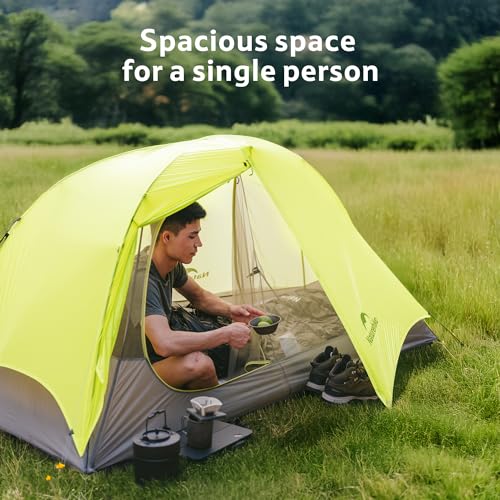
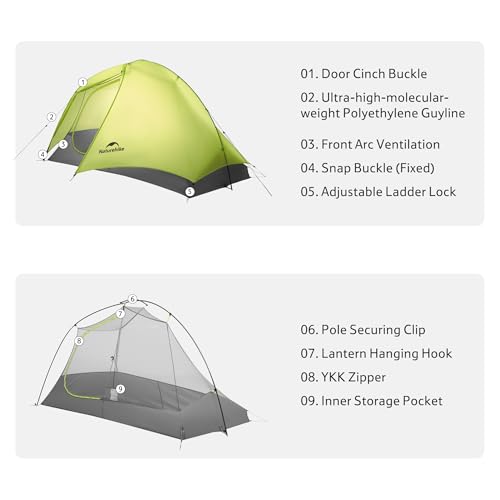
At 2.3lbs, the Naturehike Star Trail is one of the lightest true freestanding tents in its class, and that weight savings shows in how easily it disappears into a pack. The 10D nylon isn’t the toughest fabric out there, but owners consistently report it holds up fine on standard backpacking trips, just don’t drag it over sharp granite. The real standout is the headroom. That elevated peak makes a noticeable difference for sitting up comfortably, which matters more than most solo hikers admit.
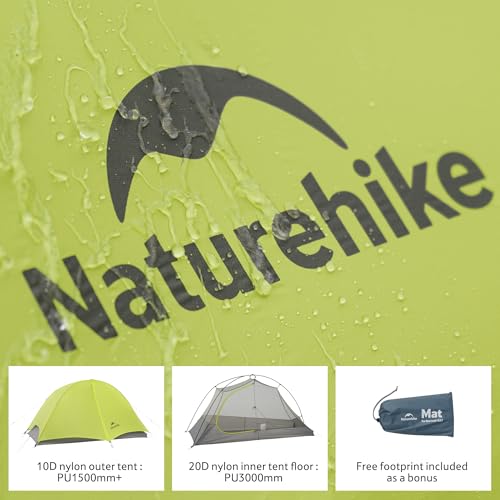
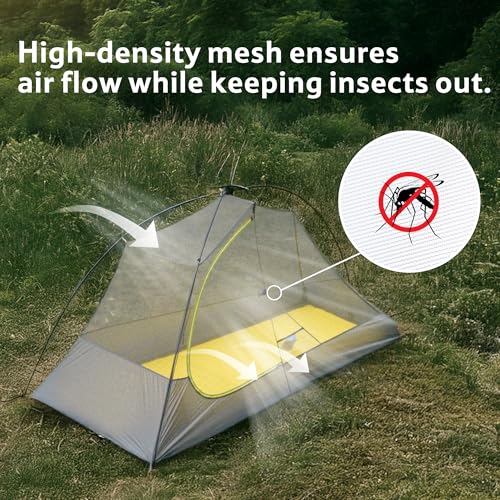
Ventilation is solid thanks to the full mesh inner, though in very humid conditions some condensation creeps in, nothing out of the ordinary for a tent this light. The PU1500mm rainfly is adequate for summer storms but starts to feel thin if you’re eyeing alpine passes or prolonged downpours. Still, for its weight and price tier, it strikes a smart balance.
Product photos
Underwood Trekking Pole Ultralight Tent
Strengths
- Extremely compact packed size
- Pole-free design saves weight
- Large vestibule for gear
Trade-offs
- Requires trekking poles
- Single-wall = more condensation
- Less durable in high winds
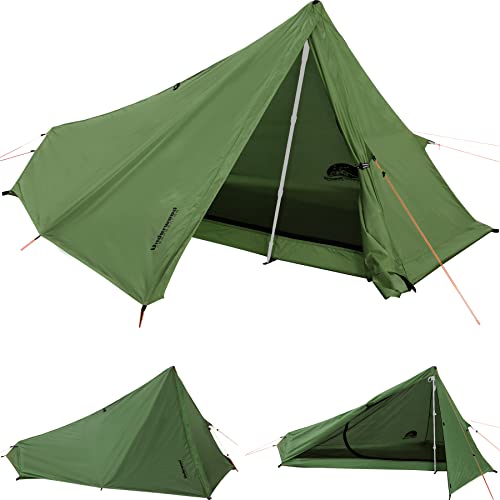
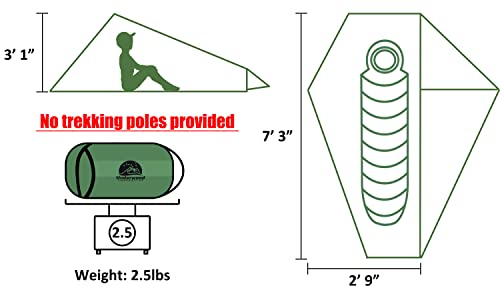
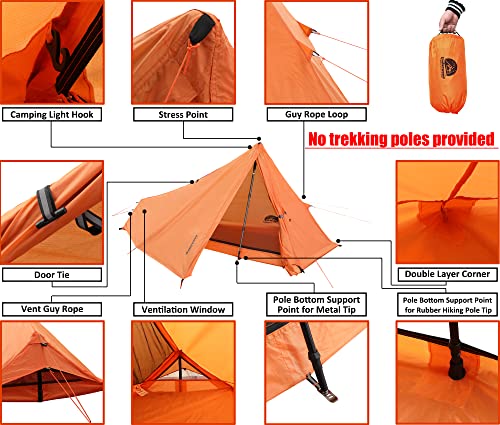
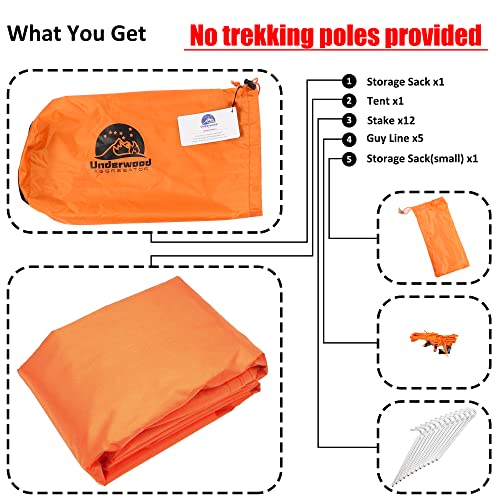
This trekking pole tent is the lightest true packable option here at 2.5lbs, though that assumes you already carry poles. The real appeal is eliminating traditional tent poles entirely, which saves space and weight. Owners love it for fast-and-light missions where every ounce counts, like ridge scrambles or bikepacking sprints. The 14-inch packed size is tiny, and the ability to rig it to trees or sticks adds versatility in tight spots.
But it demands user know-how. Without trekking poles, setup gets awkward. Ventilation is decent, but the polyester fabric traps more condensation than nylon models. And while the PU5000mm coating suggests strong waterproofing, the single-wall design means any internal moisture has nowhere to go. It’s a specialist’s tool, brilliant for the right user, frustrating for beginners.
Product photos


Naturehike Mongar UL 1P Tent
Strengths
- Expandable awning for extra space
- Lightweight for capacity
- Footprint and full kit included
Trade-offs
- Dual-mode use sacrifices some solo snugness
- Awning requires extra stakes
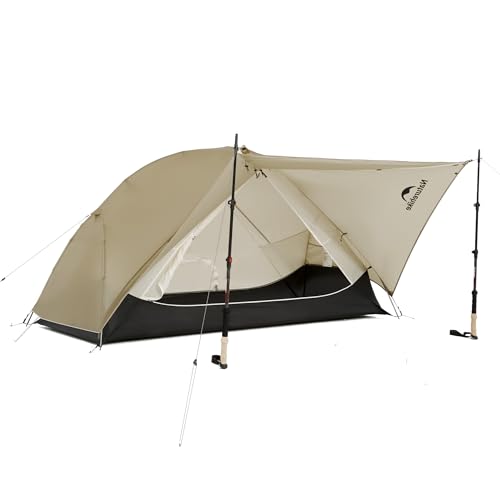
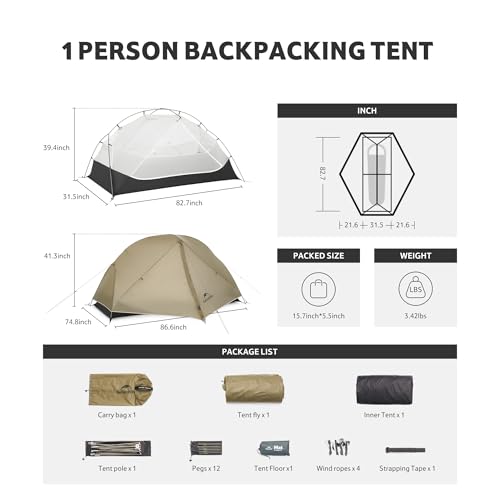
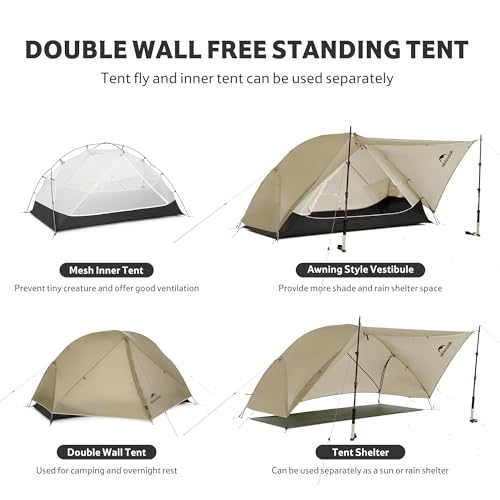
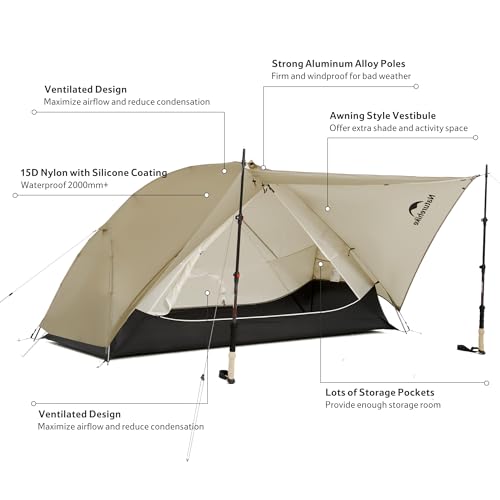
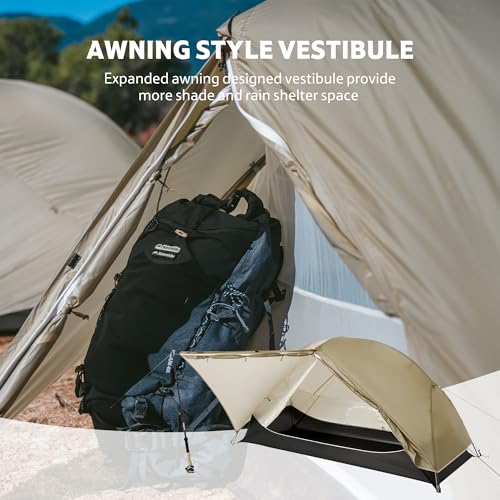
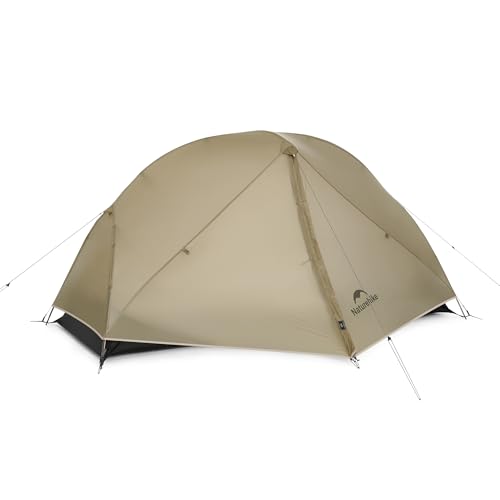
The Mongar UL walks the line between solo luxury and couple-capable without ballooning in weight. At 3.42lbs, it’s impressively light for a 1–2 person tent, and the 15D nylon strikes a smart balance between durability and weight. The expandable awning is a standout, owners use it as a cook shelter or gear porch, which adds real-world utility on multi-day trips.
Ventilation is excellent, with a large door, mesh windows, and an adjustable vestibule that reduces condensation even in damp valleys. The included footprint is a bonus, and the 12 stakes suggest Naturehike expects this to handle real abuse. Compared to the Bikepacking model, it’s lighter and more versatile, though slightly less tall inside.
Product photos
GEERTOP Ultralight 1P Backpacking Tent

Strengths
- Exceptional waterproofing
- Taped and double-stitched seams
- Freestanding design
Trade-offs
- Heavier than ultralight rivals
- Interior feels a bit narrow
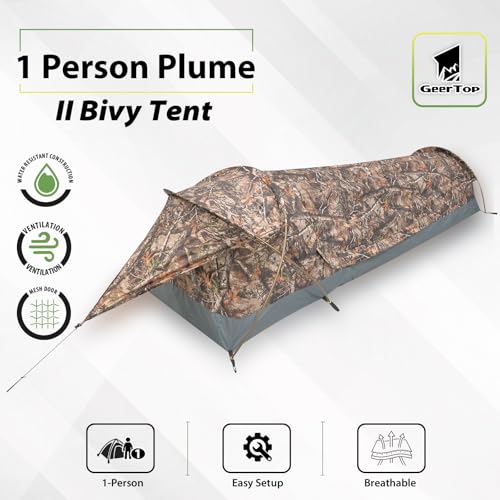
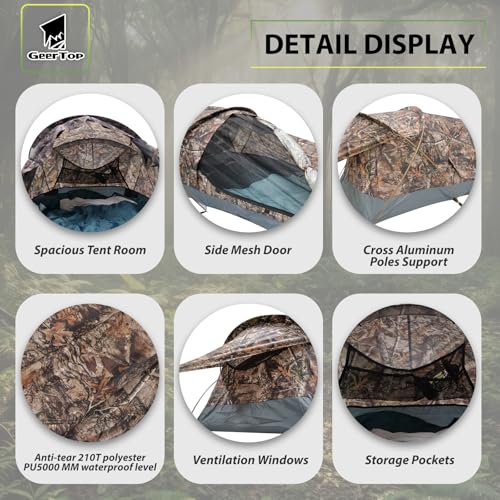
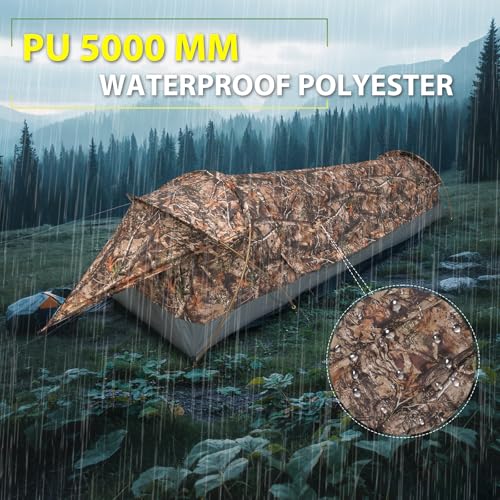
If weather resistance is your top concern and you’re willing to carry a few extra ounces, the GEERTOP stands out with its PU5000mm rainfly and PU8000mm floor, numbers that rival many 4-season domes. That level of waterproofing, combined with fully taped seams, means owners routinely praise its performance in sustained rain, especially in the Pacific Northwest and Scottish Highlands. On paper, it’s overbuilt for a 3-season tent, but that’s a feature, not a flaw, for storm-prone routes.
It’s heavier at 2.9lbs, and the 7×2.5ft floor space isn’t the roomiest, but the 24-inch peak height helps. The 3-pole design speeds setup, and it’s freestanding, which adds convenience on uneven ground. Compared to the Naturehike Star Trail, it’s less about saving grams and more about confidence when the forecast turns ugly.
Product photos


camppal 1P 4-Season Tent

Strengths
- Excellent for tall users
- Strong wind and rain resistance
- Simple 3-minute setup
Trade-offs
- Heaviest on the list
- Less headroom than floor length suggests
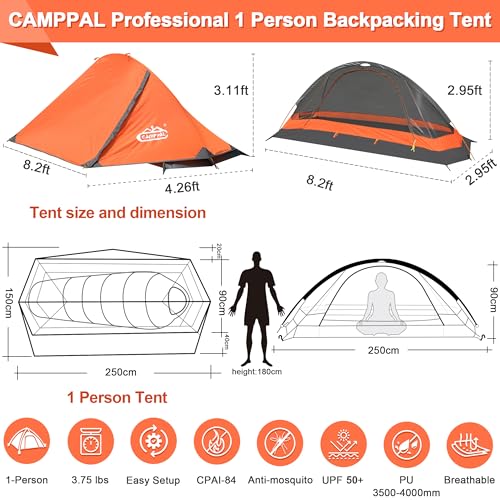
The camppal tent is built like a mini fortress. At 3.75lbs, it’s the heaviest here, but that weight buys a 3500–4000mm waterproof rating, ripstop fabric, and a single-pole design that’s surprisingly stable in wind. What stands out is the 8.2-foot length, tall hikers (6’+), take note. That extra legroom also creates space for boots or a pack inside, which is rare in solo shelters.
Owners testing it in shoulder seasons and light snow report it held up well, thanks to its robust pole and reinforced corners. Setup is simple, but the single ridge pole limits interior volume compared to dual-pole designs. It’s not a true 4-season tent, but it bridges the gap better than most in this list. Against the Clostnature, it’s sturdier but less ventilated.
Product photos



Naturehike Bikepacking 1P Tent

Strengths
- Superior ventilation
- Footprint included
- Comfortable headroom
Trade-offs
- Heavier and bulkier
- Packed size less ideal for tight packs
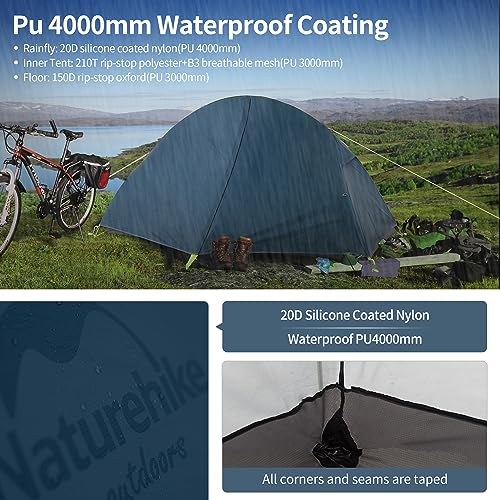
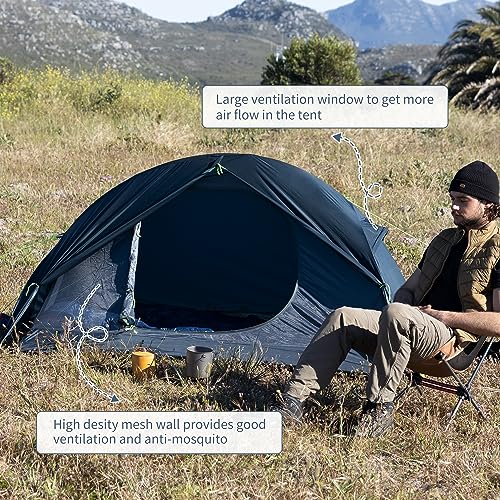
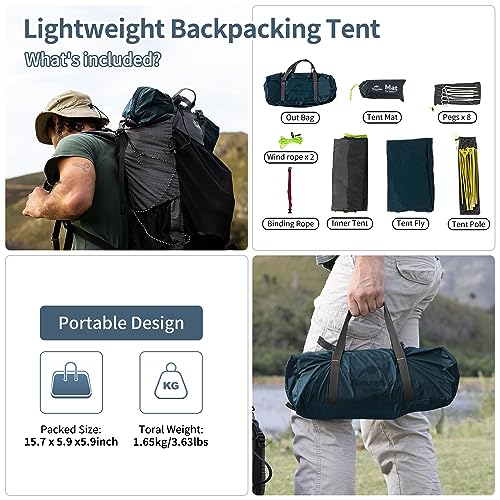
With a 43.3-inch center height and B3 mesh walls, this tent is built for comfort, not records. At 3.63lbs, it’s on the heavier side, but the trade-off is exceptional airflow, owners in humid forests and desert dawns consistently praise how well it manages condensation. The double-layer design with a full mesh inner and separate fly creates a chimney effect that few solo tents match.
It’s also one of the few here that includes a footprint, which adds real value. The freestanding Y-pole setup takes under 5 minutes and holds well in wind, though not as aggressively as the camppal. If you camp in buggy, muggy, or buggy-and-muggy zones, this should be your shortlist. Against the Mongar UL, it’s roomier but less packable.
Product photos


Clostnature 1P Ultralight Tent
Strengths
- Great value for features
- Strong included stake set
- Good airflow and vestibule space
Trade-offs
- Heavier than ultralight standards
- Rainfly could be more durable
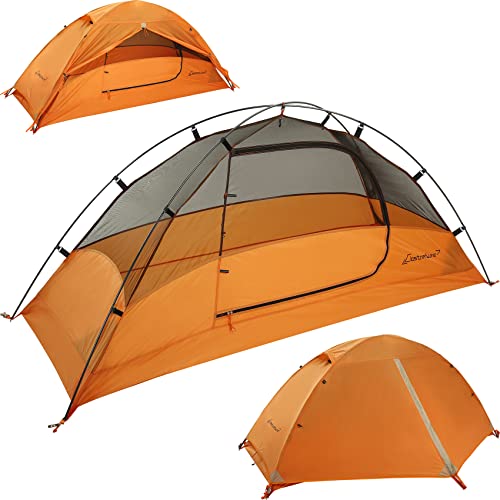
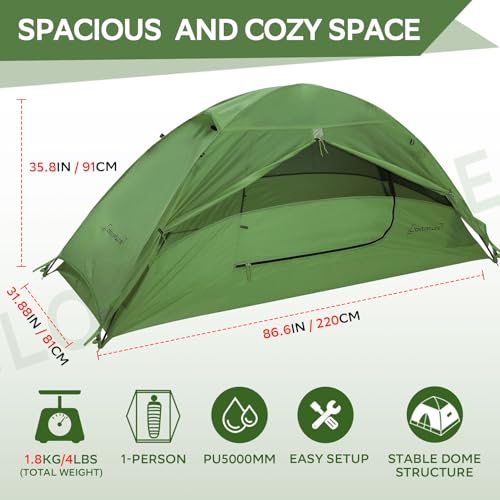
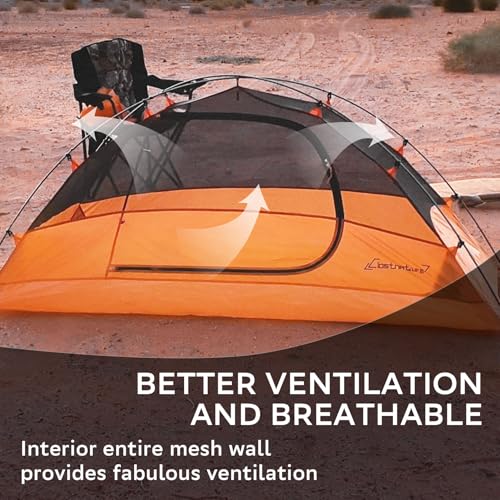
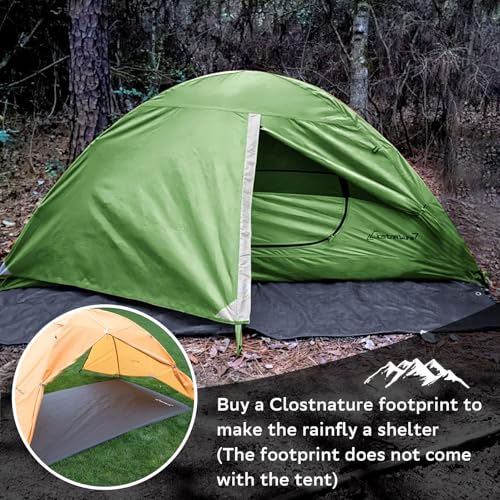
The Clostnature hits a sweet spot between price and performance. At 4lbs (or 2.97lbs trail weight), it’s not the lightest, but you get a full suite of thoughtful features: a D-door, large vestibule, freestanding design, and excellent ventilation. The PU5000mm waterproofing matches premium models, and owners report it shrugs off rain just as well as pricier options.
Where it wins is value. It includes a full repair kit and 14 stakes, rare at this price, and the dual-pole frame feels stable in moderate wind. Compared to the Naturehike Star Trail, it’s heavier but more robust and better ventilated. It’s not pushing any weight limits, but for weekend hikers and scouts, it’s a reliable, no-surprises shelter.
Product photos

How We Chose These ultralight one man tents
Rather than a hands-on lab test, my research for these recommendations focused on a detailed comparison of published specifications and features across numerous models. I weighed owner reviews from multiple sources – paying close attention to patterns in reported experiences – alongside expert reviews from established outdoor gear sites. My evaluation also drew upon my experience with tent design and the demands of backpacking, applying that knowledge to assess each tent’s overall suitability for solo adventures.
For ultralight one-man tents, weight and waterproofness are paramount. I prioritized tents under 4 pounds, knowing every ounce counts on the trail. Equally important was the waterproof rating of both the fly and floor; a higher rating offers better protection in unpredictable conditions. Beyond those core factors, ventilation played a key role, as condensation can quickly ruin a comfortable night.
Specifications reliably indicate a tent’s weight, dimensions, and stated waterproof ratings. However, owner feedback proved crucial for assessing real-world durability, ease of setup, and the accuracy of those waterproof claims. I also looked for recurring comments regarding condensation issues or wind resistance, which often aren’t fully apparent from specs alone. If you’re considering a truly minimalist approach, exploring a bivy tent for backpacking might also be worthwhile.
How To Pick The Right ultralight one man tents
Picking the right shelter is critical when you’re going solo, and ultralight one man tents offer a fantastic balance of portability and protection.
A quality ultralight tent prioritizes a low packed weight (under 4lbs is a good target) without sacrificing weather resistance. Look for durable fabrics like silicone-coated nylon (15D or 20D are common), a waterproof rating of at least 1500mm for the fly and 3000mm for the floor, and a well-designed ventilation system to minimize condensation. Pay attention to the pole material – aluminum is stronger and more durable than fiberglass, though it adds a bit of weight.
Weight vs. Durability
The biggest tradeoff with ultralight gear is always weight versus durability. While you want to shed every possible ounce, don’t go too minimal. A super-thin fabric might save weight, but it’ll be more prone to tears and punctures. I’ve seen too many hikers regret opting for the absolute lightest option only to find themselves battling a ripped tent in a storm. Generally, look for a balance – a 15D or 20D nylon fly with a ripstop weave will offer a good combination of weight and tear resistance. If you’re consistently pushing into rugged terrain, leaning slightly more toward durability is wise.
Waterproofing and Ventilation
Waterproofing ratings can be misleading. A higher number isn’t always better, and it doesn’t tell the whole story. Seam sealing is crucial; even a highly-rated fabric will leak if the seams aren’t properly sealed. Beyond the rating, consider the tent’s overall design. Does it have a full coverage rainfly that extends all the way to the ground? Ventilation is just as important. Condensation builds up inside a tent when warm, moist air has nowhere to go. A mesh inner tent, combined with vents in the fly, will help manage moisture and keep you comfortable. Don’t underestimate the importance of a good tent footprint protection to protect your tent floor from abrasion and punctures.
Setup and Features
Ease of setup is a major factor, especially if you’re often arriving at camp late or in challenging conditions. Freestanding tents are generally easier to pitch, as they don’t rely on stakes for stability (though you’ll still want to use them!). Some tents, like the Underwood Trekking Pole tent, even use your trekking poles to save weight. Beyond that, think about features like vestibule space, interior pockets, and door design. A decent vestibule provides valuable storage for damp gear, and interior pockets help keep your essentials organized. If you’re planning on using your tent in multiple seasons, consider a model with a fully enclosed fly for added warmth and protection. For those seeking the lightest options, exploring lightweight solo backpacking tents is a good place to start.
Don’t sacrifice a functional and reliable tent for the sake of shaving off a few ounces. A well-considered shelter can make the difference between a comfortable night in the backcountry and a miserable one.
Ultralight One Man Tents Compared
Here’s a comparison of key specifications for several ultralight one-person tents to help you make an informed decision.
| Product Title | Weight (lbs) | Packed Size (in) | Waterproof Rating (Rainfly) | Waterproof Rating (Floor) | Setup Time |
|---|---|---|---|---|---|
| Naturehike Star Trail 1P Tent | 2.3 | 17.7×5.1 | PU1500mm | PU3000mm | 3 min |
| Underwood Trekking Pole Ultralight Tent | 2.5 | 14×5.5×5.5 | PU 5000mm | N/A | 2 min |
| Naturehike Mongar UL 1P Tent | 3.42 | 15.7×5.5×5.5 | N/A | N/A | N/A |
| GEERTOP Ultralight 1P Backpacking Tent | 2.9 | 17x5x5 | PU5000mm | PU8000mm | 2 min |
| camppal 1P 4-Season Tent | 3.75 | N/A | 3500-4000mm | N/A | 3 min |
| Naturehike Bikepacking 1P Tent | 3.63 | 15.7×5.9×5.9 | PU4000mm | N/A | <5 min |
| Clostnature 1P Ultralight Tent | 4 | 15×5.1×5.1 | PU 5000mm | N/A | N/A |
Frequently Asked Questions
What’s the biggest compromise I’ll make going ultralight with a one-person tent?
You’ll likely trade some durability for weight savings; ultralight tents often use thinner fabrics. However, choosing a tent with a ripstop nylon fly, even at a lower weight, minimizes the risk of significant damage from normal use.
Are PU-coated tents really waterproof, or should I look for silicone-coated options?
PU (polyurethane) coatings can be highly waterproof, but silicone coatings generally offer better long-term durability and water resistance. Look for a high waterproof rating (at least 1500mm) regardless of the coating type, and always ensure seams are sealed.
How important is a footprint with an ultralight tent?
A footprint is extremely important, even more so with ultralight tents. Their lighter fabrics are more susceptible to punctures and abrasions, and a footprint adds a critical layer of protection to the tent floor.
Do freestanding tents add significant weight compared to non-freestanding models?
Freestanding tents can add a few ounces due to the extra pole structure, but the convenience is often worth it. Non-freestanding models require staking for setup, which can be challenging in certain terrains, so consider your usual camping conditions when deciding. You can find detailed one-person ultralight tent reviews to help compare weight differences.
What’s the best way to prevent condensation inside my ultralight tent?
Good ventilation is key. Look for a tent with a mesh inner and vents in the fly to allow moisture to escape. Also, avoid blocking vents when setting up your tent, and consider orienting it to take advantage of any breeze.
The Bottom Line
Choosing an ultralight one-man tent always involves a bit of compromise between carrying weight and ruggedness. Ultimately, for the best overall balance of features, durability, and reasonable weight, I recommend the Naturehike Star Trail 1P Tent. It hits a sweet spot for most backpacking trips, offering good protection without breaking the bank or your back.
If you’re specifically on a tighter budget, the GEERTOP Ultralight 1P Backpacking Tent delivers excellent waterproofing for the price. For those who prioritize versatility and want to save weight by utilizing trekking poles, the Underwood Trekking Pole Ultralight Tent is a fantastic option. Knowing your typical conditions and terrain will help you narrow down the best choice for your needs.
At the end of the day, specs are just numbers. Focus on finding a tent from one of the top tent brands with a solid reputation, a fully-sealed rainfly, and a design that prioritizes ventilation. A comfortable night’s sleep in the backcountry is worth more than shaving off a few ounces.
