
How to Clean a Canvas Tent Without Ruining It
This post contains affiliate links. As an Amazon Associate, we earn from qualifying purchases.
To clean a canvas tent, use only water, a soft brush, and sunlight. Never use soap, detergent, or a pressure washer, as these strip the factory waterproofing. For stubborn sap or mildew, a specialized, non-detergent cleaner like Iosso Mold and Stain Remover is safe. The tent must be bone-dry before storage to prevent ruin.
I learned the hard way why you never use soap on canvas. After a particularly muddy festival, I gave my first Kodiak Flex-Bow 10×10 a scrub with what I thought was a gentle, natural Castile soap. It looked great. But the next season, a light drizzle soaked straight through the roof panel like it was a T-shirt, forcing us to pack up a day early. I spent $40 and a weekend reproofing it with Kiwi Camp Dry, but the spray-on coating never matched the factory Hydra-Shield™’s perfect, breathable finish.
That mistake cost me a trip and a weekend of work. Now, I follow the one rule every tent fabric maker, from Kodiak to TenCate, screams in their manuals: no soap. Ever. Cleaning canvas is about restraint, not effort. This guide walks you through the water-only method that preserves your tent’s waterproofing for decades, how to tackle the stains that water can’t handle, and the non-negotiable dry-down that separates a lifelong shelter from a moldy mess.
Key Takeaways
- Soap and detergent are solvents for your tent’s waterproofing. They actively break down the silicone or wax coatings. Your only safe tools for general cleaning are water, a soft brush, and patience.
- Acidic stains like bird droppings or sap require immediate, dry removal. Let them harden, scrape them off gently, then treat the area. Their acids can eat through the water-repellent treatment in days.
- Storing a damp tent guarantees mildew, often within 48 hours. If you must pack up wet, loosely bundle the tent and hang it to dry completely the moment you get home. Storage must be 100% dry.
- Reproof with a silicone-based spray for modern tents. For treatments like Kodiak’s Hydra-Shield™, use a product like Kiwi Camp Dry®. Avoid wax-based products like Canvak® which can clog the fabric’s breathable pores.
- Clean and maintain the metal frame separately. Wipe down poles, check for salt buildup or rust, and lubricate joints with a silicone lubricant to prevent seizing.
What’s the One Rule Every Canvas Tent Manual Shares?
Do not use soap, detergent, or solvent to clean the tent. These chemicals will damage the water-repellent finish. Use clean water and a soft cloth only.
Kodiak Canvas Owner’s Manual
Open the care section of any major manufacturer’s guide, be it the Kodiak Canvas manual, a TenCate fabric guide, or a generic truck-bed tent manual. The first warning is always against soap. These aren’t gentle suggestions; they are warranty conditions. Soap works by breaking down oils and fats, and it does the same thing to the delicate silicone or wax matrix that makes your tent shed rain. The damage is often invisible until the next storm, when water soaks in instead of beading up.
TL;DR: Soap dissolves waterproofing. Water is your only safe, universal cleaner.
Why Does the “Water-Only” Method Actually Work?
Canvas is a tight, rugged weave. Most dirt and dust sits on top of it. A gentle rinse, think soft rain, not a fire hose, dislodges this particulate grime without attacking the fabric’s treatment. It’s a mechanical cleaning, not a chemical one.
This method hits its limit with two types of stains: oily substances and acidic organic matter. Cooking grease or tree sap bonds to fibers. Bird droppings or spilled fruit juice contain acids that can degrade the waterproof coating chemically. For these, you need a targeted, careful approach.
| Stain Type | Safe Removal Method | Critical Reason Why |
|---|---|---|
| Dry Dirt & Mud | Let dry completely, brush off vigorously, then rinse. | Brushing provides mechanical removal without chemicals. Rinsing after prevents mud slurry. |
| Tree Sap & Grease | Allow to harden fully, scrape with a plastic card edge, then treat with Iosso cleaner. | Hardened sap is brittle and pops off. Iosso emulsifies oils without soap-based detergents. |
| Bird Droppings | Let dry, scrape gently, dab with a 50/50 mix of distilled white vinegar (5% acid) and water, then sun-bleach. | Vinegar neutralizes the stain’s acid. UV sunlight acts as a natural bleach for discoloration. |
| Early-Stage Mildew | Apply Iosso Mold and Stain Remover per instructions, then give the tent 48 hours of direct sunlight. | The cleaner lifts spores; sustained UV light kills remaining organisms. |
How Do You Perform a Safe, Water-Only Wash?
Grab your hose, a soft-bristle brush, and pick a sunny day. This isn’t a power wash; it’s a gentle bath.
- Pitch the tent completely in full sun. A taut, warm canvas is easier to clean and dries faster. A loose, cold tent holds onto grime and moisture.
- Dry-brush the entire exterior from top to bottom. Use a soft brush to remove leaves, pine needles, and caked dirt. Skipping this turns your rinse into a mud-making session, grinding particles into the fabric.
- Rinse with a hose on the gentlest “shower” or “rain” setting. I use the cracked shower setting on my old Gilmour nozzle, a pressure washer will force water through seams and damage the weave. Start at the peak and work down, letting water sheet over the fabric.
- Buff stubborn spots with a damp microfiber cloth. Use a circular buffing motion, not a back-and-forth scrub which can fray fibers. If a spot persists, apply a dime-sized amount of Iosso cleaner to the cloth, not the tent, and buff again.
- Air-dry with all doors and windows wide open. This is non-negotiable. Run your hand over every seam, corner, and hem. If it feels cool or damp, it’s not dry. Trapped moisture is a mildew incubator.
Common mistake: Storing a tent that’s “mostly dry.” Moisture trapped in a fold or seam can breed mildew within two days, creating a musty odor that never fully leaves.
The active cleaning takes about 90 minutes. The drying? That takes as long as it takes, often a full sunny afternoon. Rushing this step undoes all your work.
What Should You Use for Stubborn Sap or Mildew?
When water isn’t enough, you need a specialist. For sap, let it harden completely into a brittle glob. Trying to wipe wet sap just smears it into a bigger mess. Gently scrape it off with the edge of a plastic putty knife or an old gift card. Any oily residue left behind needs a non-soap cleaner like Iosso.
Mildew is the true enemy of canvas. It’s a sign you lost the battle against moisture.
Common mistake: Using chlorine bleach on mildew. It weakens the cotton fibers and can leave a permanent white stain. Once mildew sets in deeply, the canvas color is often changed forever, as noted by Beckel Canvas.
At the first sign of black or grey speckles, act fast. Apply a product like Iosso Mold and Stain Remover according to the label. Then, the real work begins: sun therapy. Pitch the tent and leave it in direct, blazing sunlight for at least two full days. UV light is a potent spore killer. This is why good ventilation is a key feature in the best tents for heavy rain; it prevents the stagnant, damp air mildew loves.
How Do You Dry a Canvas Tent Completely Before Storage?
Cleaning is pointless if you ruin the tent putting it away. Mildew needs organic material (your cotton canvas), moisture, and darkness. You control the moisture.
After rinsing, check everywhere:
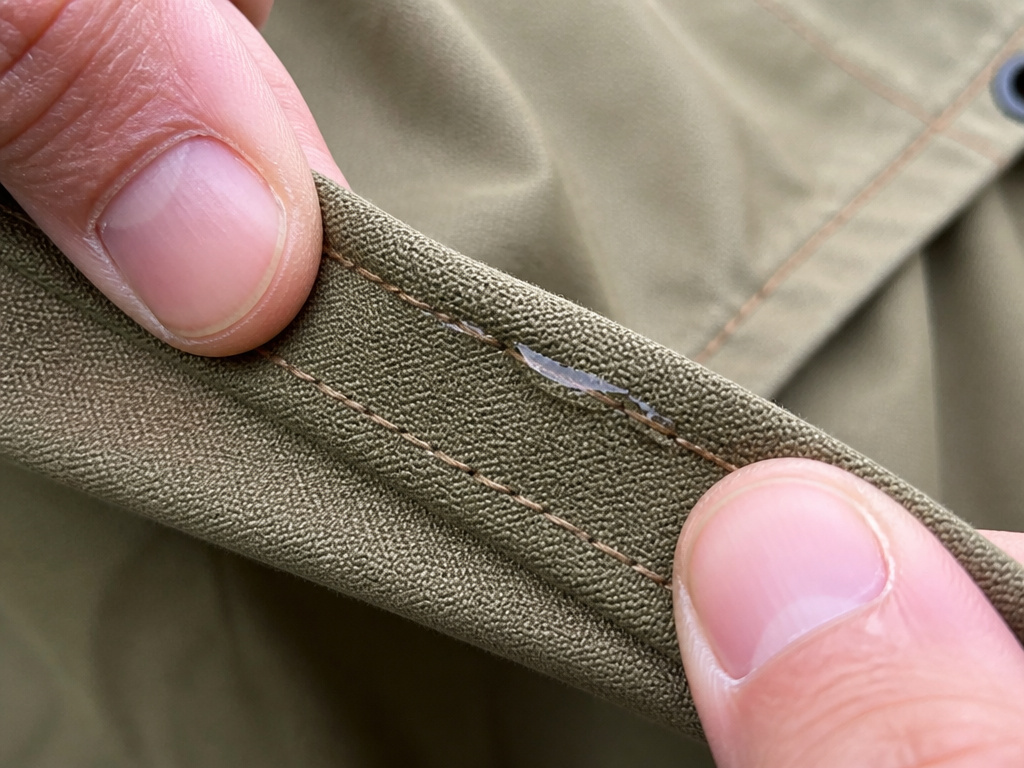
* Seams and stitch lines: Thread acts like a wick, holding moisture long after the fabric feels dry.
* Corners and rolled hems: These are water traps.
* Door and window flaps: The double-layer fabric takes twice as long to dry.
* The inside of the storage bag itself: A damp bag will re-wet your clean tent.
If you’re forced to pack up in the rain, don’t roll it tight. Bundle it loosely, get it home, and hang it over a fence or railing immediately. Point a fan at it. Never let a damp bundle sit in a car or garage. For long-term storage of your durable canvas tents, use a large, breathable cotton sack instead of the original stuff sack, and keep it in a cool, dry place off concrete floors.
When and How Should You Reproof Your Canvas Tent?
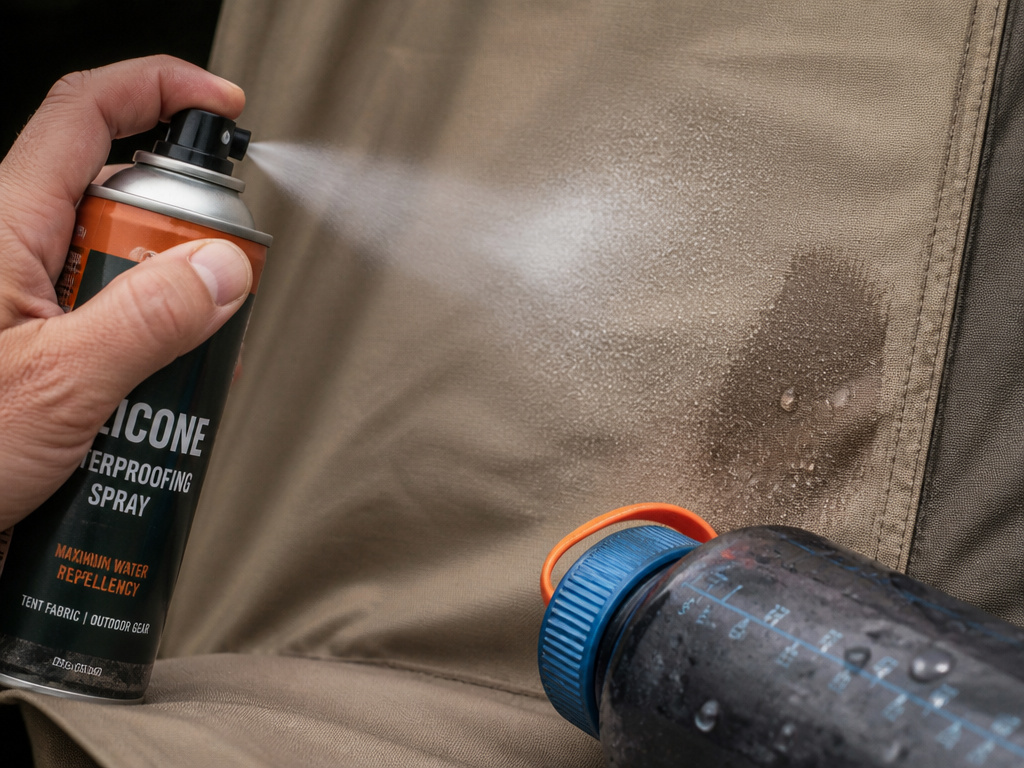
Reproofing is not annual maintenance; it’s a response to failure. The sign is simple: water stops beading and starts soaking into the fabric, leaving a dark, damp patch. The tent must be impeccably clean first, or you’ll seal dirt onto it.
Your product choice is critical and depends on your tent’s original treatment. Using the wrong type can ruin breathability.
| Original Tent Treatment | Use This Reproofing Product | Avoid This Type |
|---|---|---|
| Modern Silicone (e.g., Kodiak Hydra-Shield™) | Kiwi Camp Dry® Heavy Duty Silicone Spray | Wax-based products (e.g., Canvak®) |
| Generic Silicone-Treated Canvas | 303 Fabric Guard or Dry Guy Waterproofer | Acrylic or polyurethane sprays |
| Traditional Waxed Canvas | Otter Wax Fabric Wax or Martexin Original Wax | Silicone sprays (they won’t adhere properly) |
For silicone sprays, apply in a well-ventilated area on a warm, dry day. Hold the can 6-8 inches away and use a thin, even coat. Let it dry completely, then apply a second light coat. The tent needs 24-48 hours to cure before it’s storm-ready. This is also the perfect time to check other tent camping accessories, lubricate YKK zippers with a silicone lubricant, and re-seam seal the floor if needed.
What About Cleaning the Tent Frame and Poles?
The canvas is the skin, but the frame is the skeleton. Ignoring it leads to rust, seized joints, and a shaky structure. This is especially important for the metal frames on larger stand-up tents or the angle kits on wall tents.
Before you start: Wear gloves to protect your hands from sharp edges or rust. Ensure the frame is stable and won’t collapse during cleaning. Work in a clear, flat area.
Wipe down each pole section with a damp cloth. For ground-in grime, a mild soapy solution is fine here, the metal doesn’t have a waterproof coating to harm. Rinse thoroughly and dry immediately with a towel. Inspect joints and connection points for the white, crusty evidence of salt corrosion or the orange blush of early rust.
For rust spots, use fine steel wool or a brass brush to scrub it away. Wipe clean, then apply a rust-inhibitor. A single drop of silicone lubricant on stiff joints will keep them moving smoothly for seasons. This annual check extends the life of your entire shelter system and is as crucial as inspecting your essential camping gear.
Frequently Asked Questions
Can I use a pressure washer to clean my canvas tent faster?
No. The high-pressure stream will force water through the waterproof membrane, compromise the tight weave of the canvas, and drive moisture deep into seams where it will never dry. Always use a garden hose on its gentlest setting.
Is white vinegar safe for cleaning mildew off canvas?
Distilled white vinegar (5% acetic acid) can help neutralize surface mildew and is far safer than bleach. However, it doesn’t kill spores deep in the fibers. For active mildew, use a dedicated cleaner like Iosso followed by prolonged sunlight. Vinegar is better as a preventative wipe on a clean, dry tent.
How often should I re-waterproof my canvas tent?
Only when it needs it. With proper water-only cleaning and absolutely dry storage, a quality silicone-treated canvas tent can easily go 3-5 years between reproofings. If you use soap or store it damp, you might need to reproof every season.
Is it ever okay to put a canvas tent in a washing machine?
Never. The agitation and spin cycles will destroy the waterproof coating, stress and tear seams, and leave the tent so waterlogged you’d need a week to dry it, all but guaranteeing mildew. Hand cleaning is the only safe method.
I accidentally stored my tent slightly damp. What do I do?
Unpack it right now. Spread it out or hang it in a warm, dry place with maximum airflow. Inspect for any musty smell or dark spots. If you catch it within 24-48 hours, you can usually dry it out without permanent damage. Any longer, and mildew is almost a certainty.
The Bottom Line
Cleaning a canvas tent feels backward. You fight every instinct to use soap and scrub hard. Success is about gentle pressure, patience, and a militant dedication to dryness. The reward is a shelter that becomes a family heirloom, outlasting a procession of nylon tents.
Keep it simple. Your yearly maintenance kit is a hose, a soft brush, and a sunny afternoon. Keep a can of silicone waterproofing spray on your shelf for the day the water stops beading. And always, always make sure that last fold is bone-dry. That discipline is what turns a great canvas camping shelter into a reliable home in the woods for decades.
