
Learn How To Remove Mold From A Tent And Prevent Regrowth
This post contains affiliate links. As an Amazon Associate, we earn from qualifying purchases.
To remove mold from a tent, you need to kill the spores with a cleaning agent like diluted white vinegar or hydrogen peroxide, scrub gently, rinse thoroughly, and, most critically, dry the tent completely before storing it. The fabric type dictates your cleaner choice: vinegar for synthetics, specialized products for waxed canvas.
People get this wrong by focusing only on scrubbing off the visible stains. They use bleach, they attack it with a stiff brush, and they pack it away while it’s still damp. The mold comes back angrier, and the tent’s waterproof coating is now ruined. You haven’t cleaned a tent; you’ve marinated it.
This guide walks through the right cleaning solutions for nylon, polyester, and canvas tents, the step-by-step scrub that won’t wreck your gear, and the non-negotiable drying ritual that actually stops mold for good. We’ll also cover when a stain is permanent, what that pinkish hue really means, and the one product that handles severe infestations.
Key Takeaways
- Fabric is fate: Use vinegar or commercial cleaners on synthetic tents (nylon, polyester). For waxed canvas, skip vinegar and use a pH-neutral cleaner made for canvas.
- Stains can be permanent: On fabrics like Thule’s Roof Top Tent material, mold discoloration often won’t lift. Cleaning still kills the spores and prevents further damage.
- Dry until you’re bored: Incomplete drying is the number one cause of recurring mold. A tent must be dry to the touch on both sides and along every seam.
- Bleach is banned: Chlorine bleach destroys the waterproof polyurethane coatings on most modern tents and weakens synthetic fibers.
- Pink means active: A pinkish discoloration on canvas signals active mold spores fighting the fabric’s inhibitors. It needs immediate treatment.
The Right Cleaner For Your Tent Fabric
Head design changes the entire process. Your tent’s material, not the severity of the mold, decides your first move. Using the wrong cleaner on a waxed canvas tent delaminates the coating. Using vinegar on a synthetic tent is safe and effective.
Synthetic tents (nylon, polyester) dominate the market. Their waterproofing usually comes from a polyurethane (PU) or silicone coating laminated to the fabric. This coating is sensitive to pH extremes. Thule specifies that cleaners for its Roof Top Tent fabric must be designed for polyester/cotton blends and able to withstand higher temperatures. That rules out bleach and harsh alkaline solutions.
For synthetic tents, a solution of one part white vinegar to four parts water is a safe, effective antimicrobial. The acetic acid kills mold spores without degrading the common PU coatings. Follow with a rinse of mild soap and water to remove organic residue.
Canvas tents, like those from Montana Canvas, are a different ecosystem. They are often treated with a proprietary wax-based coating for water resistance and mold inhibition. Vinegar’s acidity can strip this wax over time. The Rocky Mountain Elk Foundation guide recommends a specific approach for these materials.
TL;DR: Match your cleaner to your tent’s fabric coating. Vinegar for synthetics, pH-neutral specialized cleaners for waxed canvas.
How To Clean Mold From A Tent: Step-by-Step
Gather your supplies before you start. You’ll need a large workspace, a bucket, a soft brush, your cleaning solution, and access to plenty of clean water for rinsing. Working outside on a sunny day is ideal.
Before you start: Wear gloves and work in a well-ventilated area. Some mold spores can cause respiratory irritation. Never mix cleaning chemicals, especially not vinegar and bleach, which produces toxic chlorine gas.
- Set up and pre-clean. Lay the tent flat, remove poles and stakes, and brush off loose dirt. Hose it down or wipe it with a damp cloth. This step prevents you from grinding grit into the fabric, which abrades fibers and coatings during scrubbing. Skip it, and you’ll add physical wear to the chemical stress.
- Apply your cleaning solution. Use a spray bottle or sponge to wet the moldy areas thoroughly with your chosen cleaner. You want the fabric saturated, not just damp on the surface. For a full submersion clean on a severely mildewed tent, use a bathtub or large storage bin filled with your diluted solution.
- Let it dwell. Walk away for at least 30 minutes. This dwell time is when the antimicrobial action happens. The solution soaks into the spore structures and breaks them down. Cutting this short means you’re just scrubbing surface gunk, leaving alive spores to regrow.
- Scrub gently. Use a soft-bristled brush or sponge. Work in small circles with light pressure. Your goal is to lift the dead mold, not scour the fabric. Aggressive scrubbing on a synthetic tent will create micro-tears in the coating, creating future leak points. On canvas, it can fray the cotton fibers.
- Rinse, rinse, rinse. This is the most skipped step. Rinse with clean water until no soapy suds or vinegar smell remains. Any leftover cleaner attracts dirt and can gradually break down fabric treatments. For a large tent, this may require multiple bucket refills or a gentle hose setting.
- Dry completely. This is the gatekeeper step. Hang the tent over a clothesline or lay it on a clean, dry surface in direct sunlight. Sunlight is a natural disinfectant. Flip it periodically. Ensure every seam, strap, and corner is bone-dry. A single damp seam fold will reignite the mold cycle within a week in storage.
TL;DR: Pre-clean, soak with solution, wait 30 minutes, scrub lightly, rinse until water runs clear, then dry in the sun until every inch is dry.
When Natural Solutions Aren’t Enough
A cup of vinegar and some elbow grease handles most mild cases. For a tent that’s been packed wet for a season, or for persistent mold smells, you need heavier artillery.
Product-grade cleaners like Nikwax Tent & Gear Cleaner or Gear Aid ReviveX are formulated to clean without harming waterproof coatings. They’re pH-balanced and biodegradable. For an extreme case, think fuzzy patches, a strong musty odor, you need an enzymatic cleaner like Mirozyme. These products use enzymes to digest the organic matter of the mold, removing both the visual stain and the odor-causing compounds.
The YouTube review for Motop V4 shows a rooftop tent transformed from mold-covered to spotless. The reviewer credits a specific, potent cleaner. That’s the tier of product you reach for when natural remedies fail.
I tried the vinegar routine on a synthetic tent that sat in a damp basement for two years. The smell lingered. A treatment with Mirozyme in a bathtub soak finally killed it. The tent smelled like nothing at all afterward, which is the goal.
Consider the value equation. A bottle of specialized cleaner costs less than a new tent. For high-end or sentimental gear, it’s a straightforward investment. For budget tents, it might be time to upgrade your shelter and commit to better care habits with your next one.
| Cleaner Type | Best For | Risk If Misused |
|---|---|---|
| White Vinegar Solution | Mild mold on synthetic tents (nylon, polyester) | Can degrade wax coatings on canvas over repeated use |
| Hydrogen Peroxide | Stubborn stains on light-colored synthetics | May cause slight bleaching on dark fabrics |
| Commercial pH-Balanced Cleaner (e.g., Nikwax) | All synthetic fabrics, moderate to heavy mold | Minimal risk when rinsed thoroughly |
| Enzymatic Cleaner (e.g., Mirozyme) | Severe infestations, persistent musty odors | Higher cost; requires longer soak times |
| Canvas-Specific Cleaner | Waxed canvas tents (Montana Canvas, etc.) | May be less effective on synthetic fabrics |
Common Mistakes That Ruin Tents
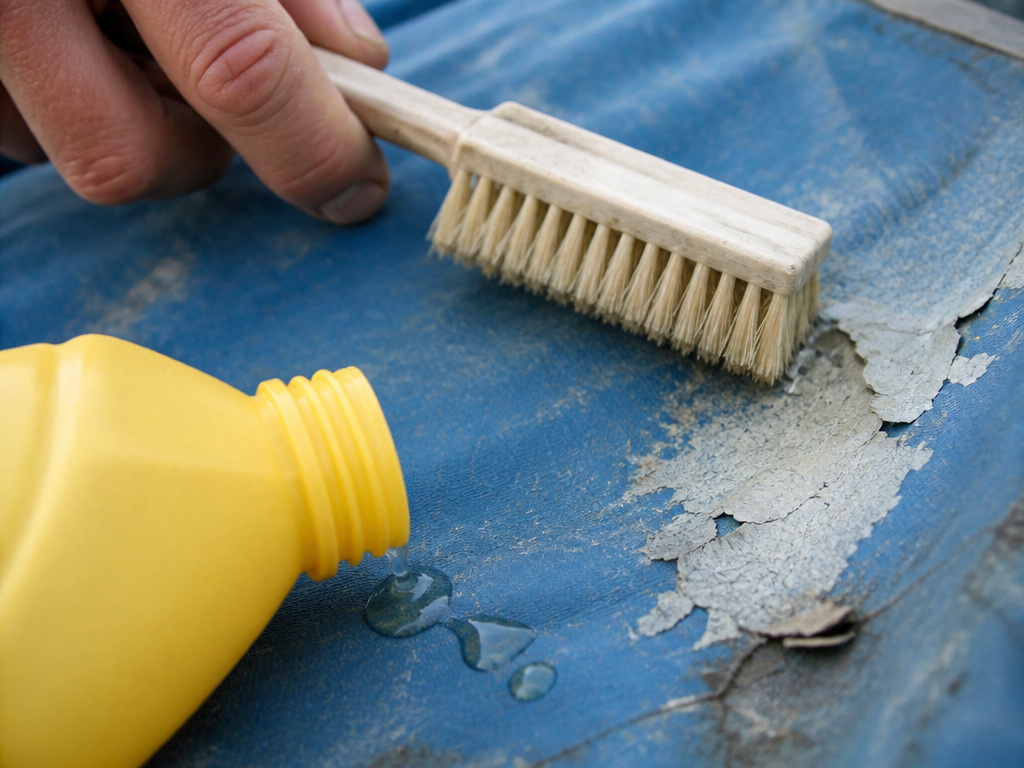
Good intentions break more tents than storms do. The desire to eradicate mold leads to actions that damage the tent more than the mold ever did.
Common mistake: Using chlorine bleach on a synthetic tent, the bleach oxidizes and cracks the polyurethane waterproof coating within one or two cleaning cycles, leading to leaks that have nothing to do with holes.
Bleach is the classic error. It yellows fabrics, weakens fibers, and destroys coatings. It’s also unnecessary; vinegar and peroxide are effective fungicides without the collateral damage.
Another major error is using a washing machine or dishwasher. The agitation is too harsh for seams and coatings, and the spin cycle rarely removes all soap. Residual detergent attracts moisture and dirt, creating a perfect environment for mold’s return. Always clean by hand.
Common mistake: Storing a tent while slightly damp, the mold regrows in the bag within 7-10 days, often worse than before, and now it’s eating into fabric weakened by the previous cleaning.
Drying is not a suggestion. Feel the seams. Run your hand along the folded edges. If there’s any coolness or suppleness, it’s still wet. Modern, affordable family car camp tents are particularly prone to this because their larger size makes complete drying a chore. Do the chore.
Finally, using a stiff brush or abrasive sponge scours the surface. You’ll see a faded, fuzzy patch where the mold was. You’ve removed the mold and the fabric’s protective top layer. That spot will now wet out faster and collect dirt more easily.
TL;DR: Never use bleach or a machine. Dry relentlessly. Use only soft brushes.
Canvas vs. Synthetic: A Cleaning Showdown
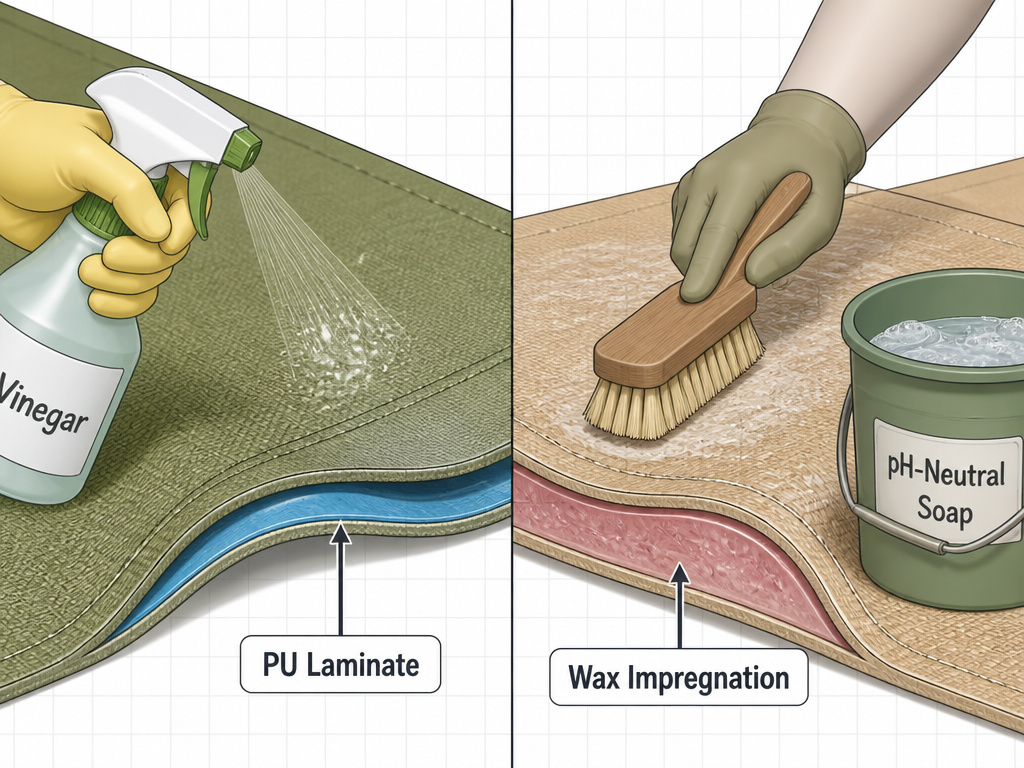
The cleaning divide isn’t about brand loyalty. It’s about fundamental material science. Getting it wrong costs you a tent.
Synthetic tents (nylon, polyester) are coated. The fabric is inherently water-resistant, but the PU or silicone laminate provides the real barrier. This laminate is a plastic film. Acids (vinegar) are generally okay; strong alkalis (bleach, some heavy-duty soaps) degrade it. Your cleaning goal is to kill mold without delaminating the coating. This is why a simple vinegar solution is the gold standard for these materials. It works, and it’s safe.
Canvas tents are typically cotton or cotton-blend fabric with a wax or acrylic coating soaked into the fibers, not laminated on top. Vinegar’s acid can break down waxes over time. More importantly, canvas is often treated with mold-inhibiting salts. A pinkish hue, as noted in the RMEF guide, means those inhibitors are actively fighting spores, a sign you need to clean, but also a sign the fabric’s treatment is working. You clean with a pH-neutral soap to preserve that treatment.
| Factor | Synthetic Tent (Nylon/Polyester) | Canvas Tent (Waxed Cotton) |
|---|---|---|
| Primary Coating | Polyurethane (PU) or Silicone laminate | Wax or acrylic impregnation |
| Safe Cleaner | White vinegar, hydrogen peroxide, commercial tent cleaners | pH-neutral soap, specialized canvas cleaners |
| Risk from Vinegar | Low to none | Can strip wax coating over time |
| Drying Criticality | Extreme (coating traps moisture) | Extreme (cotton holds moisture) |
| Mold Stain Removal | Often possible if treated early | Stains often permanent; cleaning still kills spores |
The winner depends on your environment. In chronically wet, humid climates, a synthetic tent might be more pragmatic, it dries faster and modern waterproof tent materials are excellent. For dry climates where mold is a storage issue, canvas’s durability and classic performance shine. Choose your fabric, then follow its cleaning bible.
Why Your Tent Got Moldy (And How To Stop It For Good)
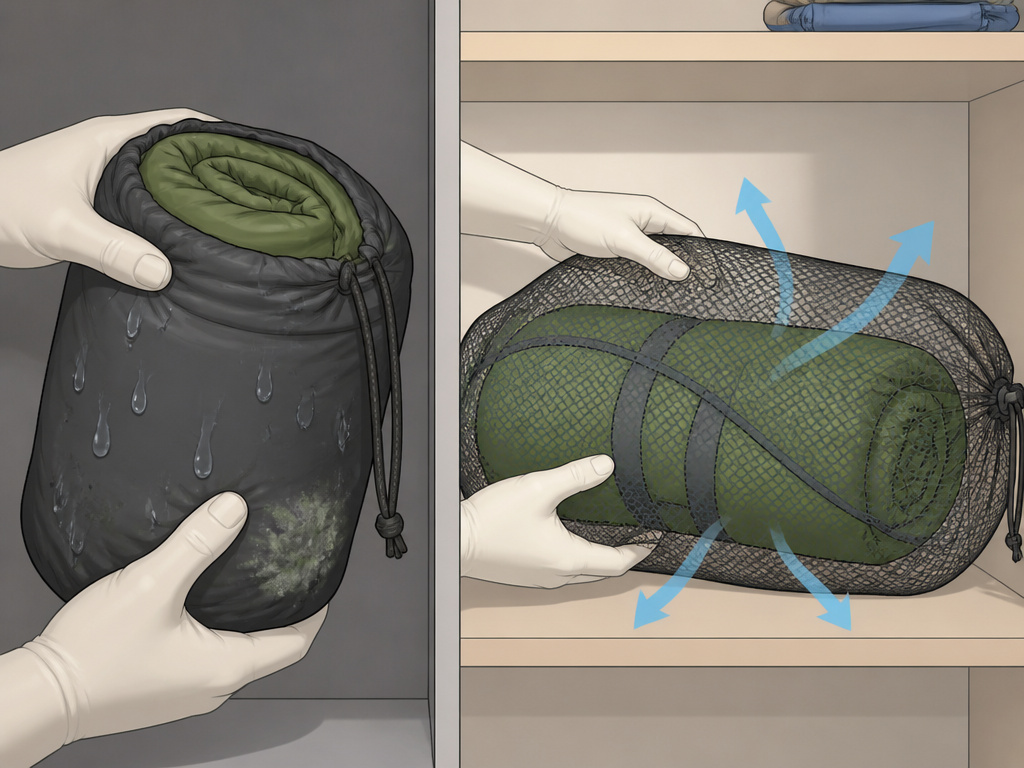
Mold needs three things: organic material to eat, moisture, and time. Your tent fabric is the food. You provide the moisture and the time.
The most common source of moisture is packing the tent away wet. Morning dew counts. A quick wipe-down isn’t enough. The second source is humid storage. A basement, garage, or shed without climate control can have enough ambient humidity to feed spores, especially if the tent is stuffed in a tight, non-breathable sack.
Store your tent loosely in a large, breathable cotton sack or a mesh laundry bag. Never use the original stuff sack for long-term storage. This allows for air circulation and prevents moisture buildup.
The fix is procedural. When breaking camp, shake the tent out, wipe it down if needed, and hang it to dry fully at home if you couldn’t at the site. Make this non-negotiable. Your tent camping gear routine must include a drying phase.
For storage, pick a cool, dry place. Avoid plastic bins, which can trap condensation. A shelf in a closet is better than the floor of a damp garage. Silica gel desiccant packs can help, but they’re no substitute for starting with a perfectly dry tent.
Consider your tent’s ventilation even during trips. Condensation inside the tent, from breathing and sweating, wets the interior fabric. Good tent ventilation practices, opening vents, choosing a breezy site, reduce this internal moisture load. A drier tent during the trip is a drier tent going into the bag.
The bottom line is that mold prevention is easier, cheaper, and safer than mold removal. It requires discipline, not gear. Dry it. Store it dry. That’s the entire secret.
Frequently Asked Questions
Can you remove black mold from a tent?
Yes, you can remove black mold, but the stain may remain. The process is the same: use an appropriate cleaner (vinegar for synthetics, enzymatic for severe cases), scrub gently, rinse thoroughly, and dry completely. The goal is to kill the spores and halt growth, not always to restore perfect aesthetics.
Does vinegar kill mold on canvas tents?
Vinegar can kill mold on canvas, but it risks degrading the wax-based water-resistant coating over repeated use. For waxed canvas tents, manufacturers like Montana Canvas recommend a pH-neutral, canvas-specific cleaner to preserve the fabric’s treatment and longevity.
What is the best homemade mold remover for tents?
For synthetic tents, mix one cup of white vinegar with one cup of water in a spray bottle. For added antifungal power, include 10 drops of tea tree oil. This solution is effective, safe on coatings, and inexpensive. Avoid using it on waxed canvas.
Can I put my moldy tent in the washing machine?
Do not put your tent in a washing machine. The agitation can damage seams, tear waterproof laminates, and leave behind detergent residue that attracts moisture. Mold removal must be done by hand with gentle brushing and thorough rinsing.
How do you get the musty smell out of a tent after mold?
To remove a persistent musty smell, you need to kill the odor-causing bacteria and fungi. After a standard clean, a soak in an enzymatic cleaner like Mirozyme will break down the organic matter causing the smell. Follow with the most thorough drying possible, ideally in direct sunlight, which also helps neutralize odors.
Will mold permanently damage my tent?
Mold can cause permanent damage in two ways: it can leave stains that won’t lift (especially on fabrics like Thule RTT material), and over a long period, it can digest and weaken the fabric fibers themselves. Early cleaning minimizes permanent damage.
Before You Go
Removing mold from a tent is a salvage operation, not a restoration. Your aim is to stop the biological damage and save the tent’s functional life. Accept that some stains might be permanent, a badge of a lesson learned.
The cleaner choice is critical. Match it to your fabric: vinegar for synthetics, specialty products for canvas. The drying step is non-negotiable. Feel every seam. If you shortcut the dry, you guarantee a repeat performance.
Finally, change your habits. Dry your tent religiously after every trip. Store it loose and breathable. That discipline is the real fix, turning a reactive cleaning chore into a non-issue. Your tent, whether a budget-friendly tent option or a premium model, will thank you with years of dry, mildew-free service.
