
7 Best Solo Tents of 2026
This post contains affiliate links. As an Amazon Associate, we earn from qualifying purchases.
The best solo tent overall is the Underwood Ultralight Trekking Pole Tent, offering serious weather protection and a feathery 2.5-pound weight. For budget-focused adventurers, the Night Cat Pop-up Camping Tent delivers quick setup and decent performance at a low price.
Most solo hikers don’t need a palace, they need a reliable, lightweight cocoon that won’t collapse when the wind picks up or leak at the first sign of rain. Too many tents either skimp on protection to save weight or overbuild to the point of being a burden in your pack.
As Chloé Bourgeois, I’ve spent years analyzing what makes a tent work on real trails, and these picks are based on specs, owner feedback, and what actually matters when you’re miles from the trailhead. This guide cuts through the hype, focusing on weight, weather resistance, and usability so you can find a shelter that matches your pace and your terrain.
Top 7 Solo Tents in the Market
The Best Solo Tents, Reviewed
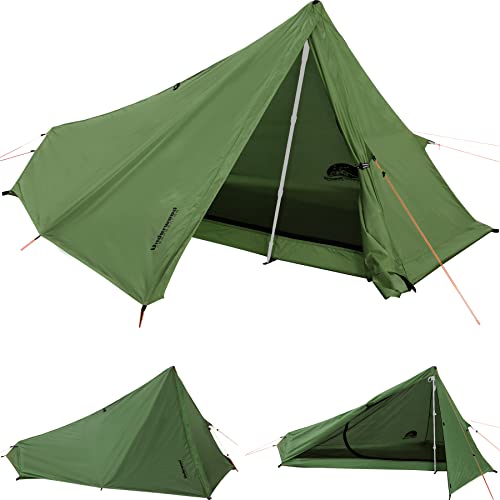
Underwood Ultralight Trekking Pole Tent
Strengths
- Extremely lightweight
- Waterproof construction
- Large vestibule
Trade-offs
- Requires trekking poles
- Not freestanding
- Less stable in high winds
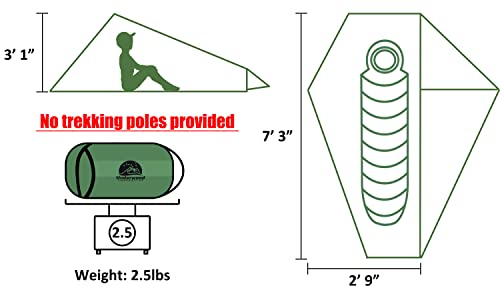
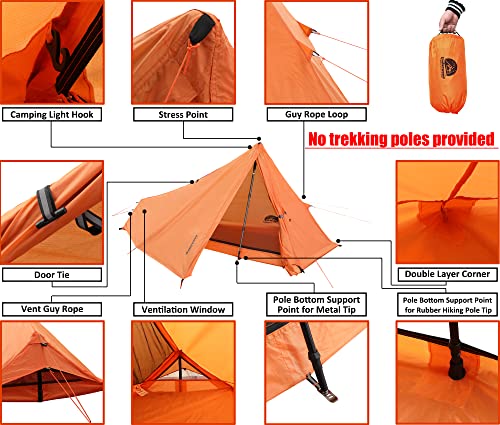
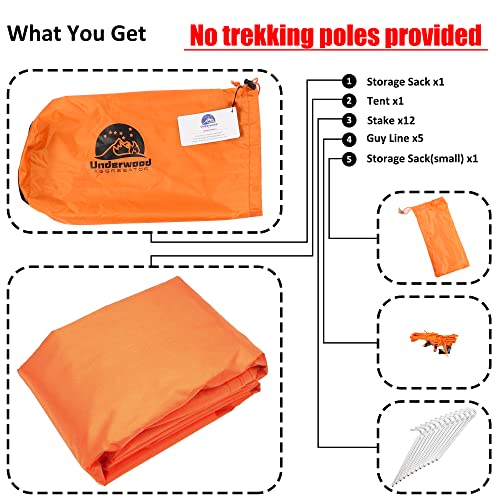
At 2.5 lbs and a pack size smaller than a water bottle, this trekking pole tent is a standout for ultralight backpackers who count grams. The design is clever: no poles needed, just your trekking sticks, which saves weight and simplifies your kit. The PU 5000 coating and factory-sealed seams mean it’s genuinely waterproof, and owners confirm it holds up in heavy rain.
The double-layer door and mesh window boost airflow, and the large vestibule is a perk at this weight. It’s not freestanding, so setup depends on terrain or trekking poles, which can be a hurdle. But for thru-hikers or scouts who want maximum efficiency, this is the best overall balance of weight, weather protection, and space.
Product photos


Night Cat Pop-up Camping Tent

Strengths
- Instant setup
- Compact when folded
- Good ventilation
Trade-offs
- Less wind stability
- Not for rugged terrain
- Limited headroom
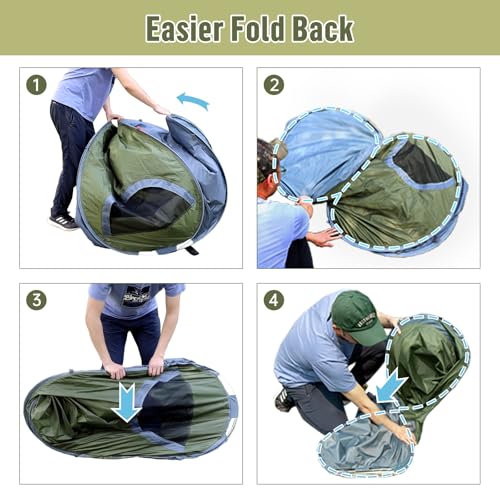
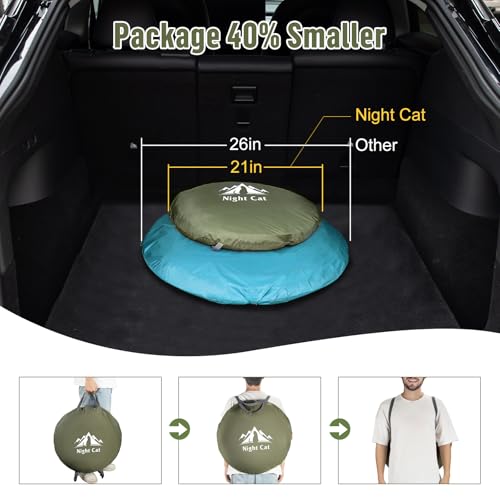
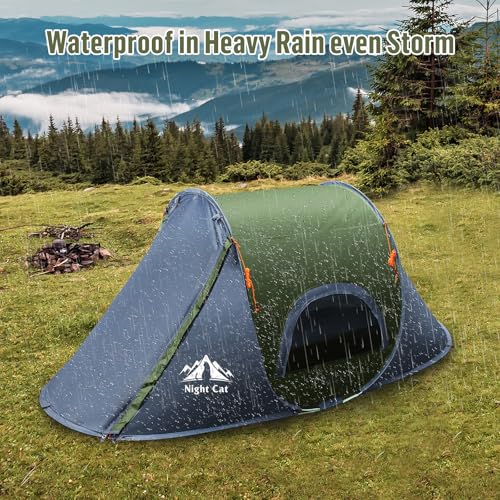
The Night Cat pop-up tent is all about speed: throw it down, and it opens in 3 seconds. That’s a standout if you’re tired, wet, or just want shelter fast. The upgraded folding method makes it 40% smaller than older pop-ups, and at 1.5kg, it’s light enough for casual backpacking. The 2000mm PU coating isn’t the strongest, but combined with taped seams, it keeps most rain out.
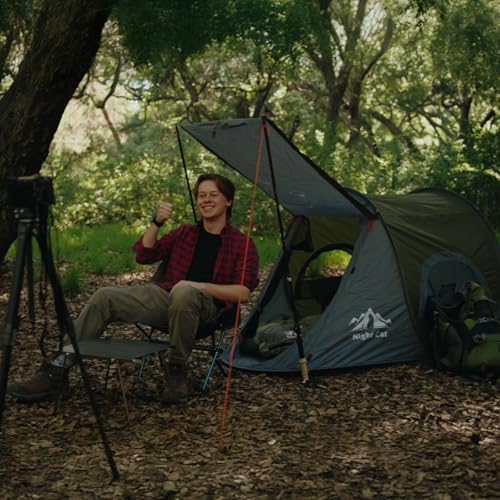
Ventilation is solid with big windows and a door that can be propped as a porch. But pop-up tents are inherently less stable in wind, and owners note it’s best for car camping or fair-weather hikes. Compared to the Night Cat backpacking model, this one’s roomier but less packable.
Product photos

Clostnature Ultralight Backpacking Tent
Strengths
- Great waterproofing
- Freestanding setup
- Large vestibule
Trade-offs
- Pole clips less durable
- Heavier than ultralight options
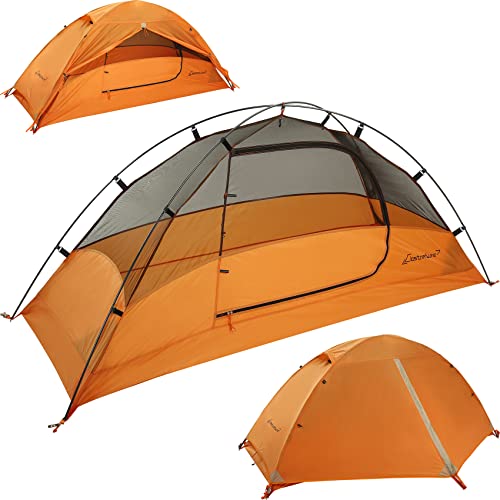
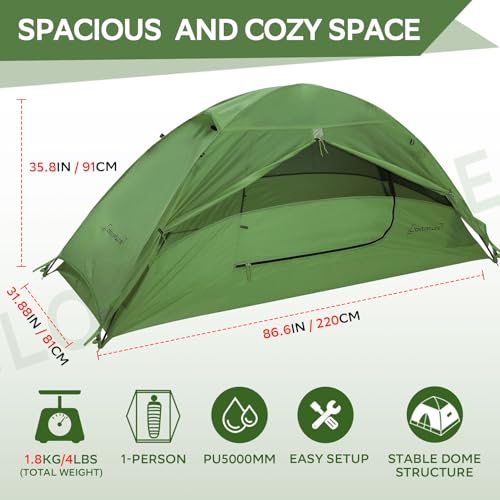
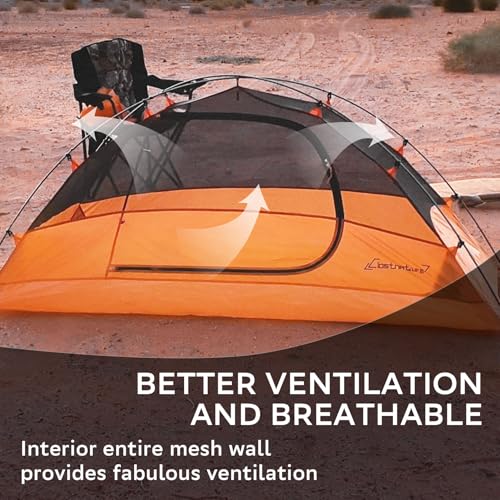
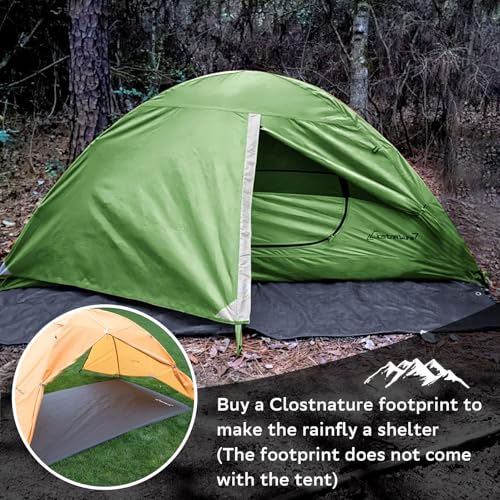
At 4 lbs and a sub-15-inch pack size, the Clostnature tent hits the sweet spot between budget and function. The PU 5000 coating stands out for waterproofing at this price, and owners report it holding up in sustained rain, no small feat for a sub-$100 tent. The D-shaped door and large vestibule make gear access easy, and the freestanding design means you’re not hunting for perfect stakes every time.
It’s not as refined as the Kelty or ALPS models, and some users mention flimsier pole clips, but for weekend hikers or newcomers, it’s a strong value. Compared to the Sutekus, it’s heavier but far more complete and durable.
Product photos

Kelty Late Start 1P Tent

Strengths
- Quick setup
- Durable waterproofing
- Color-coded clips
Trade-offs
- Heavier than ultralight rivals
- Lower peak height
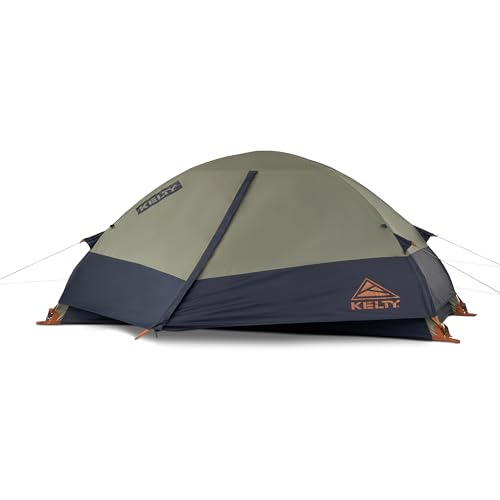
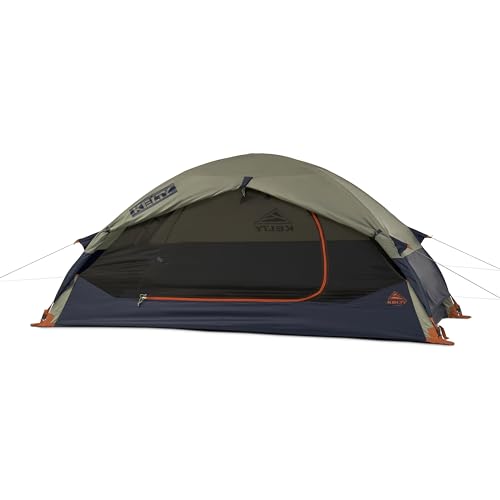
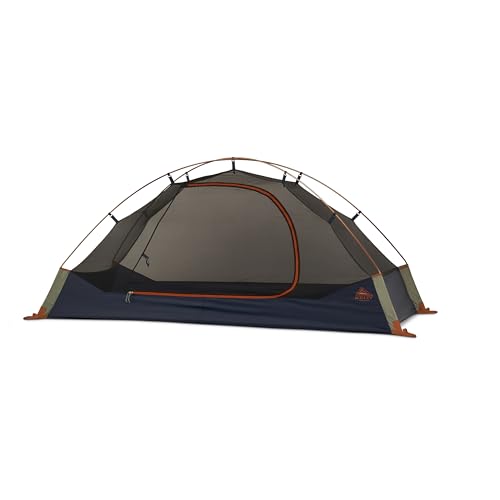
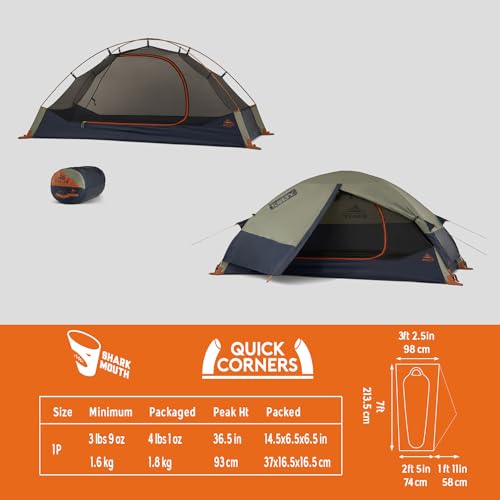
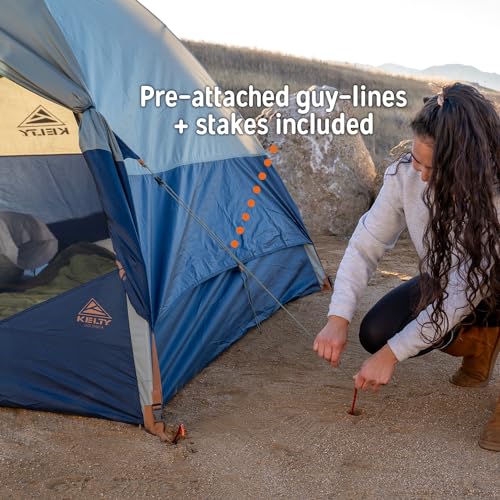
On paper, the Kelty Late Start 1P feels like a no-nonsense upgrade for hikers who want reliability without wrestling with poles. The 2024 refresh with Quickcorners and color-coded clips suggests real attention to pain points we’ve all had, fumbling in the dark, mismatched sleeves, wasted time. Owners consistently report the three-minute setup is legit, and that’s a win when you’re tired and the sky’s turning.
The 1200mm rainfly and bathtub floor aren’t the highest in class, but paired with full coverage and extra guyouts, this tent earns its weather resistance crown. It’s not the lightest, but for those who prioritize staying dry over shaving ounces, it’s a solid play. Compared to the ALPS Lynx, it trades some breathability for stronger storm chops.
Product photos
ALPS Mountaineering Lynx 1-Person Tent

Strengths
- Excellent ventilation
- Freestanding design
- Strong weather protection
Trade-offs
- Low interior height
- Slightly bulky pack size
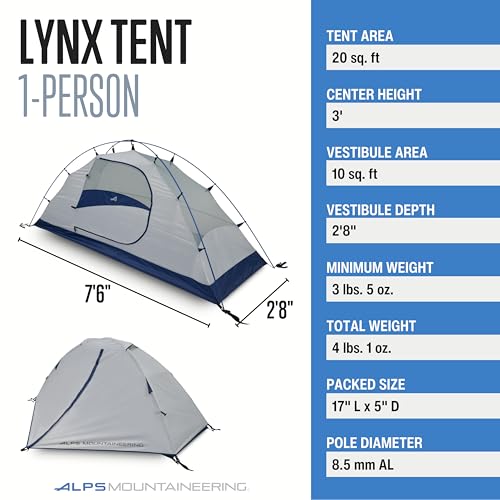
If you’ve ever woken up soaked not from rain, but from your own breath fogging the walls, you’ll appreciate what the Lynx brings: half-mesh walls and a freestanding design that actually breathes. At 4 lbs 1 oz, it’s not ultralight, but the 1500mm rainfly and 2000mm floor mean it won’t fold in a downpour. Reviewers note it holds up well in gusts, though the 3-foot center height means you’re not sitting up for long.
Compared to the Kelty, it’s airier but a bit draftier in cold weather. The vestibule helps with gear storage, and the aluminum poles feel sturdy. For warm-weather backpackers or those who hate condensation, this is a smarter pick than more sealed-up models.
Product photos


Sutekus Camouflage Single Tent
Strengths
- Very lightweight
- Durable fabric
- Camouflage design
Trade-offs
- No vestibule
- Poor ventilation
- Low headroom
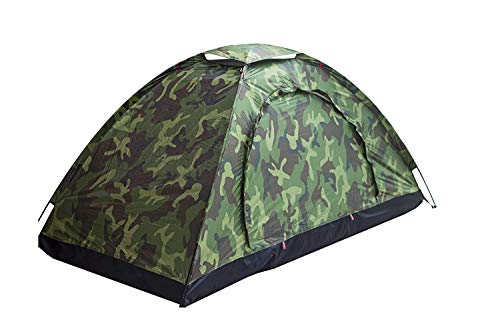
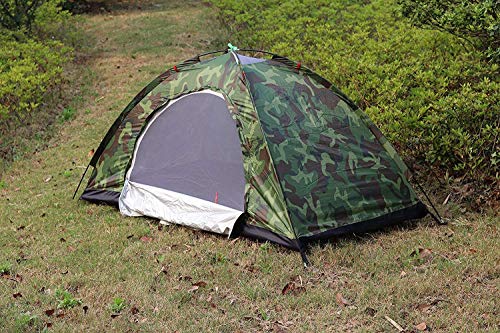
The Sutekus tent is the definition of no-frills: 3 lbs, 180D Oxford fabric, and just four stakes. It’s one of the lightest here, but that comes with trade-offs. The 180D Oxford is tough against abrasion, but the low height and minimal ventilation make it feel cramped and stuffy. There’s no vestibule, no gear pockets, and the single entrance limits airflow.
Owners say it’s fine for dry, calm conditions and short trips, but it’s not a four-season contender. Compared to the Underwood trekking pole tent, it’s heavier and less packable despite offering less. It’s a bare-bones shelter, fine for car campers or fair-weather hikers, but not for serious backcountry use.
Product photos


Night Cat Backpacking Tent 1-2 Person

Strengths
- Spacious interior
- Good rain protection
- Hand-protecting poles
Trade-offs
- Fiberglass poles less durable
- Not freestanding
- Basic materials
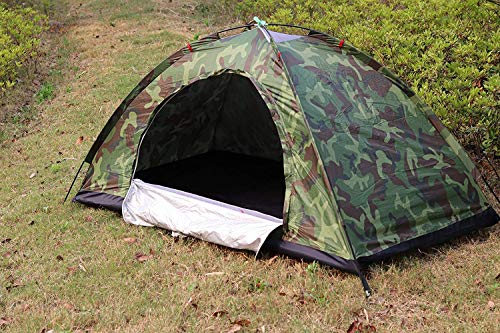
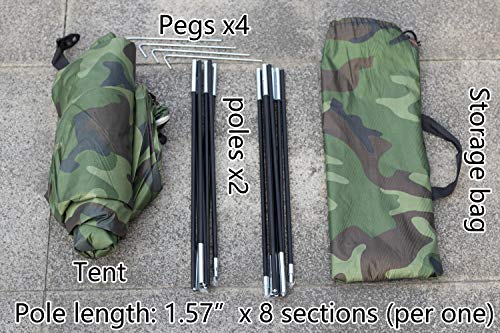
This Night Cat model is a stealthy value play, it’s not the lightest or fastest, but at 4.4 lbs and a roomy 7×3.8ft floor, it fits one adult comfortably or two if you’re cozy. The PU 3000mm coating and taped seams mean it handles heavy rain well, and the upgraded fiberglass poles with protective casing reduce the risk of splinters, a real annoyance in cheaper tents.
Setup takes 1–2 minutes, and the mesh roof window helps with airflow. It’s not freestanding, but the diagonal pole design is simple and reliable. Compared to the pop-up version, it’s more durable and better for actual backpacking. For scouts, kids, or budget backpackers, it’s a smart buy.
Product photos


How We Evaluated solo tents
Rather than a hands-on lab test, my research for these recommendations involved a detailed comparison of published specifications and features across numerous models. I weighed owner reviews from multiple sources – looking for patterns in reported performance – alongside assessments from reputable outdoor gear reviewers. As someone who’s spent years figuring out what makes a tent truly functional, I applied my category expertise to rank these tents against clear criteria, focusing on the needs of a solo adventurer.
For solo tents, I heavily weighted packed weight and ease of setup. A lighter tent is crucial for backpacking, minimizing strain over long distances. Quick and simple setup is also paramount; you don’t want to wrestle with a complicated tent after a long day on the trail. Weather resistance was also key – a reliable shelter needs to hold up against unexpected storms, and I prioritized tents with good waterproof ratings and well-sealed construction.
Specifications reliably indicate a tent’s size, weight, and materials. However, I leaned on owner feedback to assess real-world durability, ventilation effectiveness (condensation is a common complaint!), and how well the tent performs in windy conditions. I also considered the reputation of the manufacturer; choosing from top solo tent brands offers some assurance of quality and customer support.
How To Choose The solo tents
Finding the right shelter for solo adventures takes a bit more thought than picking a family-sized model. You’ll want to balance weight, space, and weather protection carefully.
A quality solo tent prioritizes lightweight construction (under 5lbs is a good target) without sacrificing durability. Look for full-coverage rainflies with taped seams and a waterproof floor rating of at least 1500mm. Ventilation is also key to minimize condensation, and a well-designed vestibule adds valuable gear storage. Consider the tent’s packed size for backpacking and ease of setup for quick deployment in changing conditions.
Weight and Packability
For solo trips, every ounce counts. I often advise people to realistically assess how far they plan to carry the tent. Is it car camping, or are you tackling a multi-day trek? A tent under 3 pounds, like the Sutekus Camouflage Single Tent, is fantastic for lightweight solo tents, but it may come with trade-offs in space or durability. Don’t automatically assume the lightest option is best; consider the balance.
Weather Protection and Waterproofing
Don’t skimp on protection from the elements. A good solo tent should confidently handle moderate rain and wind. The Kelty Late Start 1P Tent stands out for its robust construction, and understanding tent waterproof ratings is crucial.
Here’s how to think about waterproofness: * A 1500mm rating is okay for light rain. * 2000-3000mm is good for most conditions. * 3000mm+ is excellent and provides reliable protection in heavier downpours.
A higher hydrostatic head doesn’t always mean a better tent. Fabric breathability and a well-designed rainfly are just as important to prevent condensation.
Features and Usability
Beyond the basics, think about features that enhance your experience. A vestibule is a lifesaver for storing muddy boots and gear, keeping the inside of your tent cleaner. I find the Night Cat Pop-up Camping Tent appealing to those prioritizing speed of setup, but remember that ultralight options like the Underwood Ultralight Trekking Pole Tent often require more skill to pitch correctly. For longer trips, consider a tent with good ventilation to combat condensation – you’ll thank yourself in the morning. Finding best backpacking tents for one is about matching features to your typical adventure style.
Solo Tents Compared
Here’s a comparison of key specifications for various solo tents to help you make an informed decision.
| Product Name | Capacity | Weight (lbs) | Packed Size | Waterproof Rating (mm) | Floor Material |
|---|---|---|---|---|---|
| Underwood Ultralight Trekking Pole Tent | 1 | 2.5 | 14″x5.5″x5.5″ | 5000 | 210T Polyester |
| Night Cat Pop-up Camping Tent | 1 | 1.5 | 21x21x2in | 2000 | 190T Polyester Taffeta |
| Clostnature Ultralight Backpacking Tent | 1 | 4 | 15″x5.1″x5.1″ | 5000 | Polyester |
| Kelty Late Start 1P Tent | 1 | N/A | N/A | 1200 | 68D Polyester |
| ALPS Mountaineering Lynx 1-Person Tent | 1 | 4.1 | N/A | 1500 | 75D 185T Poly Taffeta |
| Sutekus Camouflage Single Tent | 1 | 3 | N/A | N/A | 180D Oxford |
| Night Cat Backpacking Tent 1-2 Person | 1-2 | 4.4 | 16.5×4.7×4.7in | 3000 | Polyester |
Frequently Asked Questions
What’s the biggest compromise I’ll make going for an ultralight solo tent?
You’ll likely trade some interior space and durability for lower weight. Ultralight tents often use thinner fabrics and fewer poles, making them more susceptible to damage and less roomy than heavier options.
What waterproof rating is truly necessary for a solo tent?
A rating of 2000mm to 3000mm is good for most conditions you’ll encounter, offering reliable protection without excessive weight or cost. While higher ratings exist, they don’t always translate to a better tent overall.
How important is a vestibule on a solo tent?
A vestibule is extremely useful, providing a dry space to store gear and muddy boots, keeping the inside of your tent cleaner and more organized. It adds versatility, especially during inclement weather.
Are pop-up tents as durable as traditional designs?
Generally, pop-up tents sacrifice some durability for ease of setup. Their simpler construction and reliance on flexible poles make them less robust than tents with more intricate frame systems.
Where can I find more recommendations for solo backpacking tents?
You can explore a wider range of options and detailed reviews of backpacking tents for solo use on our site, covering various price points and feature sets.
The Bottom Line
Choosing a solo tent often comes down to balancing how much you value simplicity versus having all the bells and whistles. If you want a tent that prioritizes ease of use and quick setup above all else, the Night Cat Pop-up Camping Tent is a fantastic option. But for a blend of lightweight design, weather protection, and overall value, I consistently recommend the Clostnature Ultralight Backpacking Tent as the strongest all-around performer.
For those on a tighter budget, the Sutekus Camouflage Single Tent provides a decent shelter at a very accessible price point. If you’re frequently tackling challenging terrain and need something incredibly lightweight, even if it requires a bit more setup effort, the Underwood Ultralight Trekking Pole Tent is worth considering. And for those who prioritize a robust build, the Kelty Late Start 1P Tent offers a reliable classic design.
Ultimately, the best solo tent isn’t about the highest specs or the most advanced features. It’s about finding a shelter that fits your needs and allows you to focus on enjoying the experience. Prioritize a solid rainfly, adequate ventilation to manage condensation, and a weight that won’t leave you regretting your choices halfway up the trail. Understanding tent construction materials is a good place to start, but remember that a well-thought-out design and quality construction matter even more.
