
6 Best Tent Waterproofers of 2026
This post contains affiliate links. As an Amazon Associate, we earn from qualifying purchases.
The STAR BRITE Waterproofing Spray 2-Pack is the most reliable overall for keeping tent fabrics water-resistant, especially when paired with a dedicated seam sealer. For eco-conscious campers, Jack Wolfskin’s Tent & Gear Waterproofer delivers strong performance without PFAS. If you’re on a budget, Sof Sole Heavy-Duty Water Proofer Spray gets the job done for less.
Most of us have woken up to a damp tent floor or watched rain soak through fabric that used to shed water like magic. It’s frustrating, and it often means your tent’s DWR coating has worn off. Just buying any waterproofer won’t fix it, the wrong product can damage fabrics or fail when you need it most.
In this guide, I break down the top waterproofers based on fabric compatibility, durability, and real user results. These picks come from analyzing specs, reading owner feedback, and applying my knowledge of outdoor gear materials. I focused on products that actually extend your tent’s life, without relying on harmful chemicals.
Top 6 Tent Waterproofers in the Market
The Best Tent Waterproofers, Reviewed
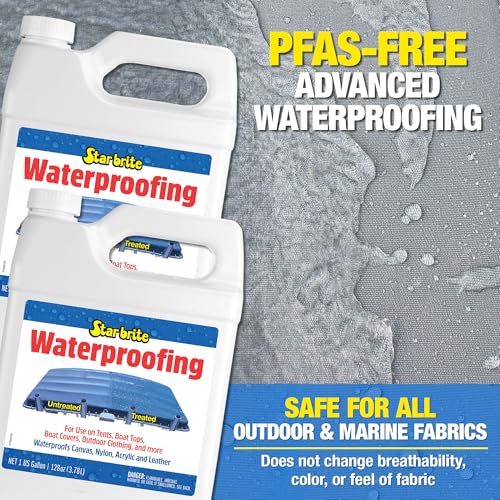
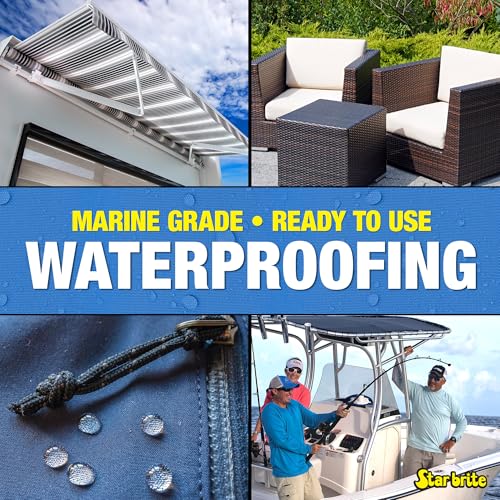
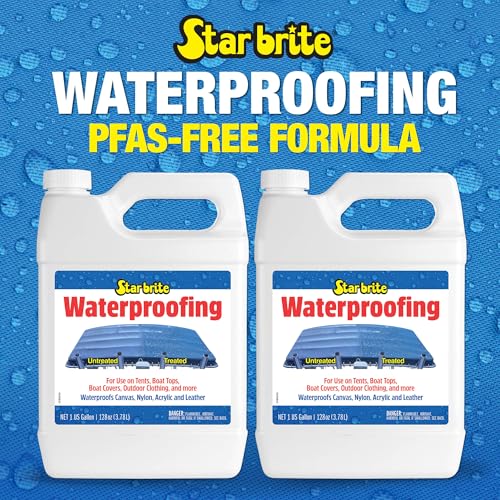
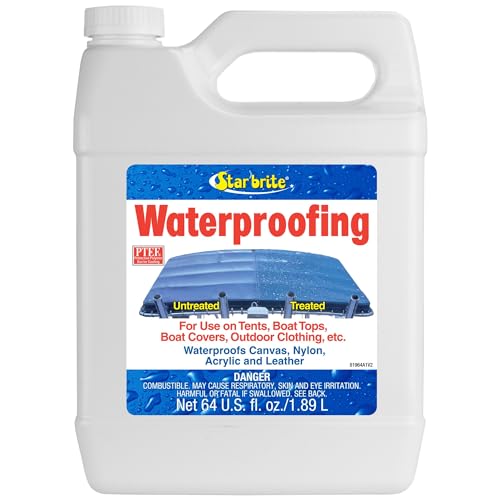
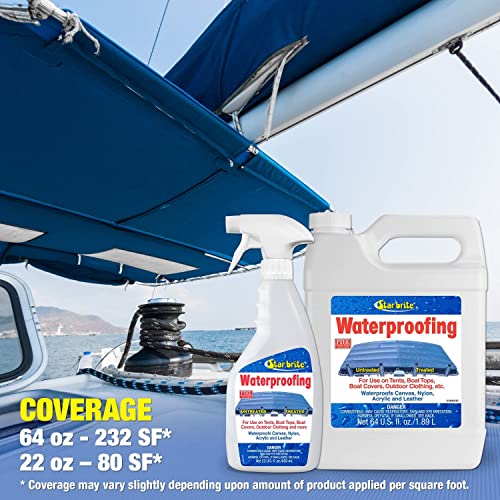
STAR BRITE Waterproofing Spray Gallon 2-Pack

Strengths
- PFAS-free formula
- UV and stain protection
- Large coverage area
Trade-offs
- Bulky to store
- Higher upfront cost
- Overkill for small jobs
This is my pick for the best overall tent waterproofer, not because it’s flashy, but because it delivers consistent, long-lasting performance across the board. The two-gallon set offers massive coverage, making it ideal for treating multiple tents or large gear. It’s PFAS-free, preserves fabric breathability, and adds UV protection, which helps prevent fabric degradation over time.
Owners consistently report that it outperforms cheaper sprays in real rain conditions, and the triple-action formula means you’re also guarding against stains and sun damage. Compared to single-use or smaller bottles, this is the smarter long-term investment. If you own a lot of outdoor fabric gear, this is the one to keep on hand.
Product photos

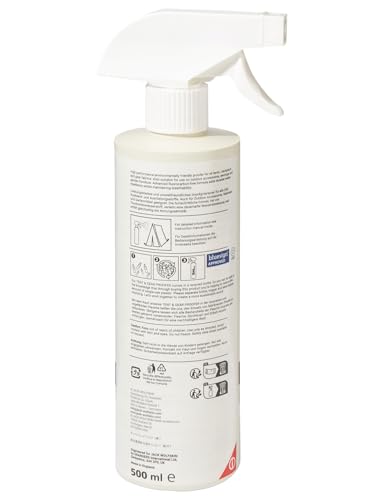
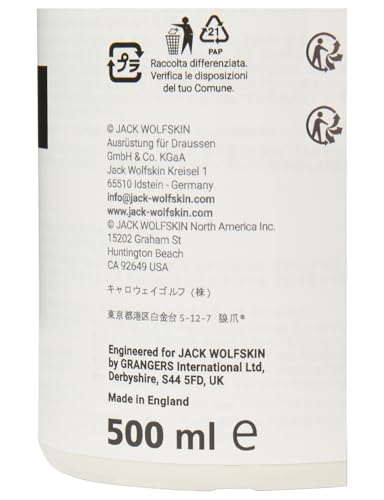
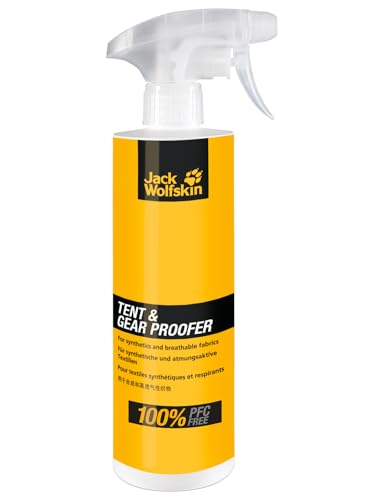
Jack Wolfskin Tent & Gear Waterproofer
Strengths
- Eco-friendly formula
- Recycled packaging
- Bluesign approved
Trade-offs
- Smaller coverage area
- Higher price per ounce
- Limited to textiles
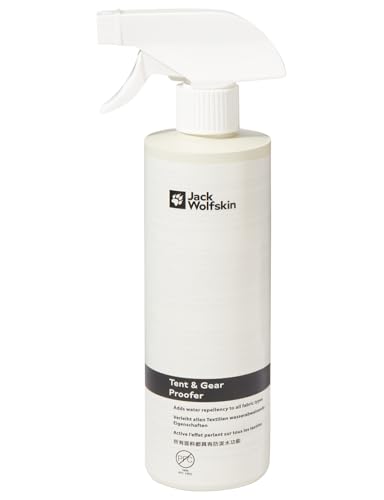
Jack Wolfskin’s waterproofing spray stands out for one reason: it’s built with sustainability in mind. The bottle is made from recycled plastic and it’s bluesign approved, which matters if you’re conscious about the environmental impact of your outdoor gear. On fabric, it forms a durable DWR finish that owners say lasts through multiple uses without altering breathability.
It’s not the cheapest or the highest-volume option, but I appreciate that it’s focused purely on outdoor gear, no boat covers or roofs here. Compared to heavier marine-grade sprays, this one feels more at home on a tent or rain jacket. If you’re already into eco-conscious brands, this fits right into that routine.
Product photos
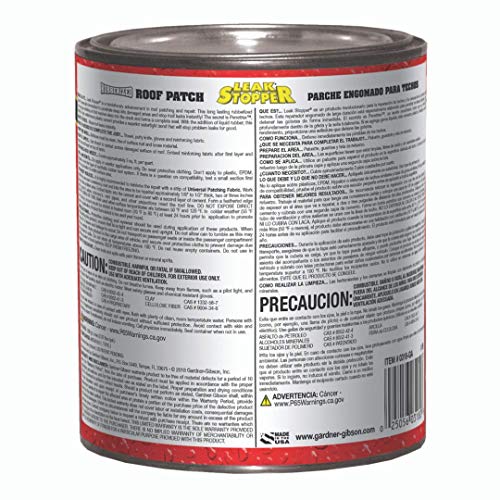
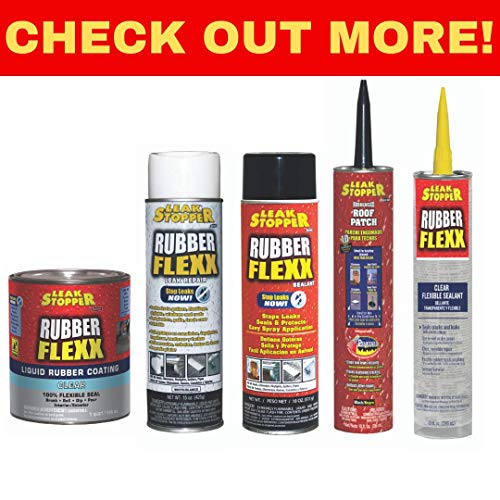
Leak Stopper Rubber Flexx Liquid Coating

Strengths
- Heavy-duty sealing
- Flexible when dry
- Works on multiple surfaces
Trade-offs
- Stiffens fabric
- Not breathable
- Overkill for light use
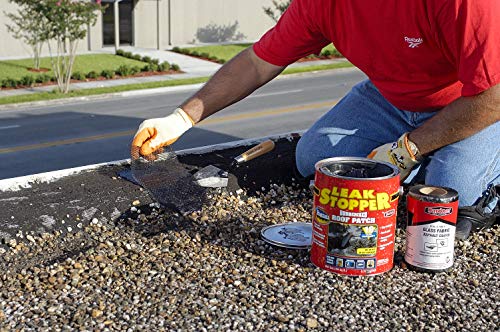
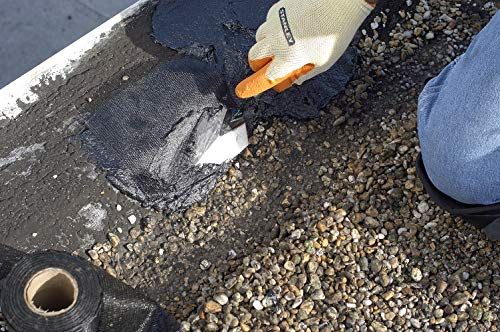
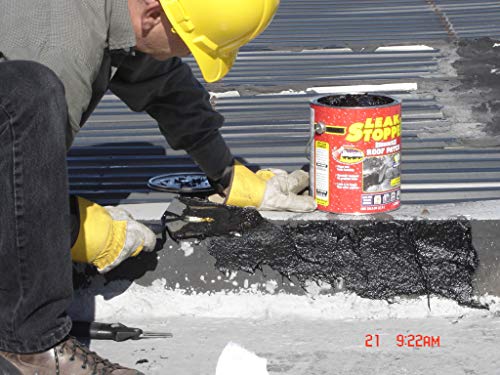
If you’re dealing with a tent that’s already failing in the rain, this liquid rubber coating is one of the most aggressive fixes you can apply. On paper, it’s designed for boats and roofs, not delicate tent fabrics, but that’s exactly why it stands out for extreme repairs. Owners consistently report it sealing leaks that other sprays couldn’t touch, turning leaking seams into solid patches that flex without cracking.
That said, I wouldn’t recommend it for preventative use or on newer tents. It’s heavy, can stiffen fabric, and changes the feel dramatically. But for a tarp, a gear shed, or a beat-up old tent you refuse to replace, this is the kind of overkill that actually works. It’s not subtle, but it’s tough.
Product photos
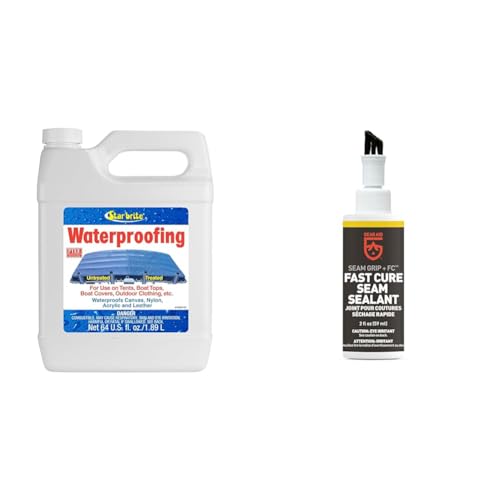
STAR BRITE Spray & Seam Grip Kit
Strengths
- Includes seam sealer
- PFAS-free formula
- Large spray coverage
Trade-offs
- Two products to manage
- Sealant requires careful application
- Bulkier to store
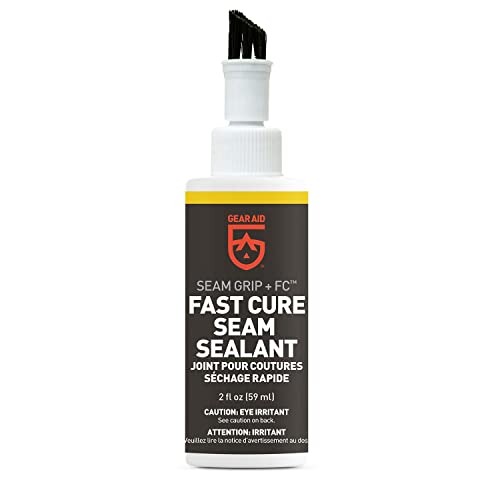
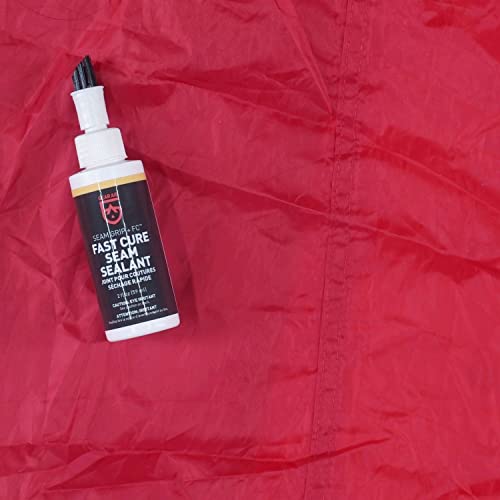
This combo kit gives you both fabric protection and seam sealing in one package, which is rare. The STAR BRITE gallon offers long-lasting, PFAS-free protection that doesn’t alter fabric feel, while the Gear AID Seam Grip FC is a fast-curing, clear sealant perfect for sealing tent seams without adding stiffness. Owners praise the Seam Grip for drying quickly and staying flexible, a big win over older seam sealants that crack after a season.
Compared to buying these separately, this kit saves money and covers all the bases: spray the fabric, brush on the seam sealer, and you’ve fully waterproofed a tent. It’s more complete than most single products, and the included brush makes application easier. For anyone reviving an older tent, this is the smarter buy.
Product photos

Sof Sole Heavy-Duty Water Proofer Spray
Strengths
- Low cost
- PFAS-free
- Easy spray application
Trade-offs
- Shorter-lasting protection
- Requires reapplication
- Not for heavy use
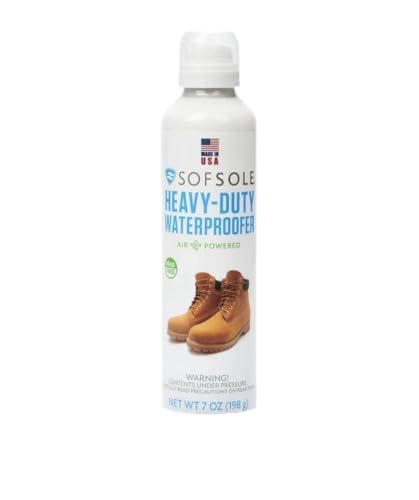
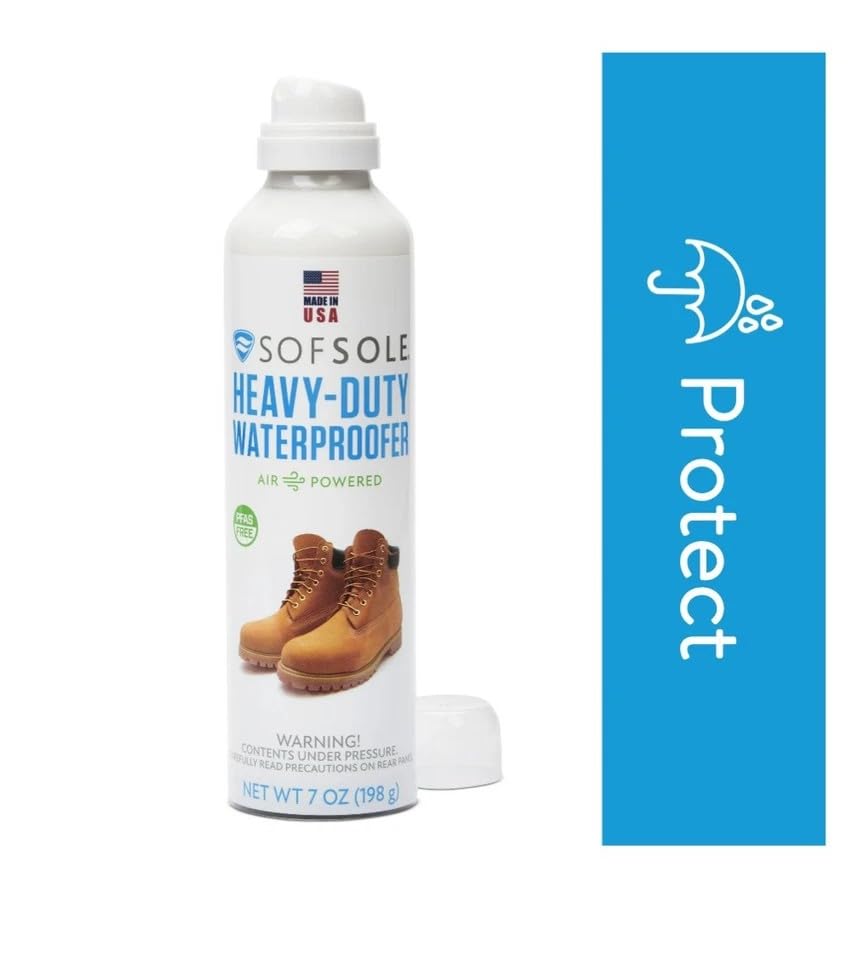
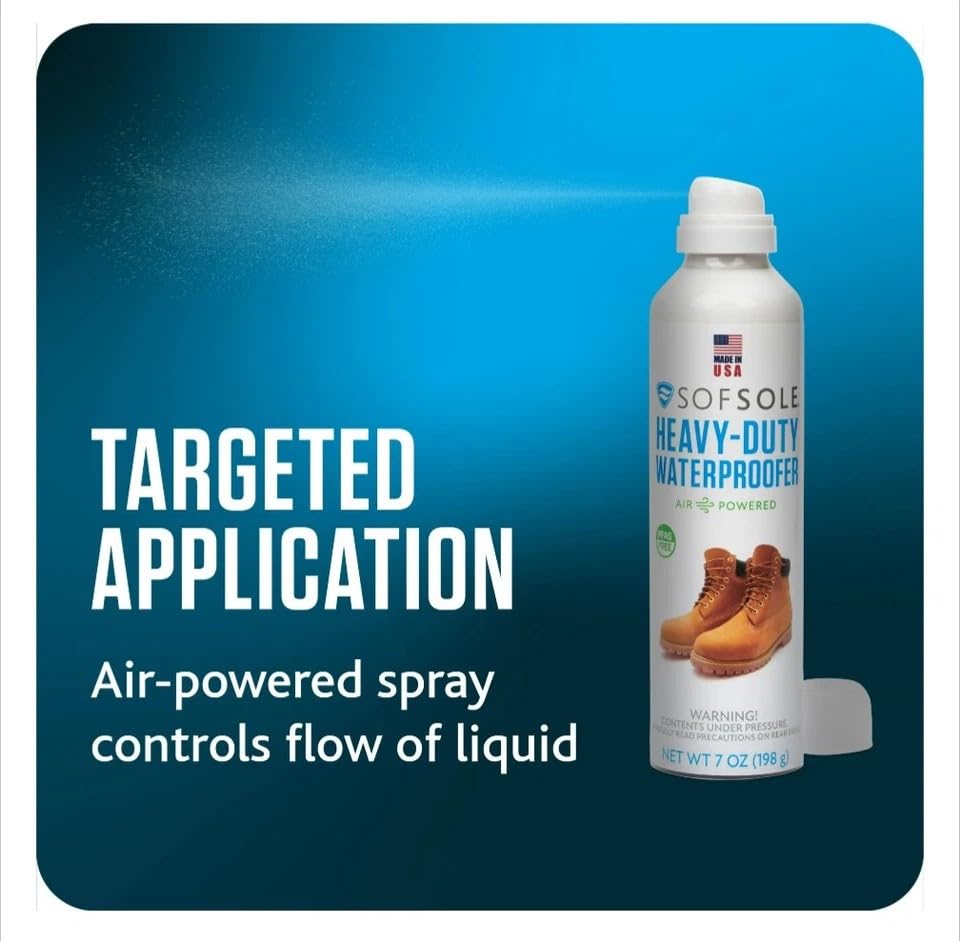
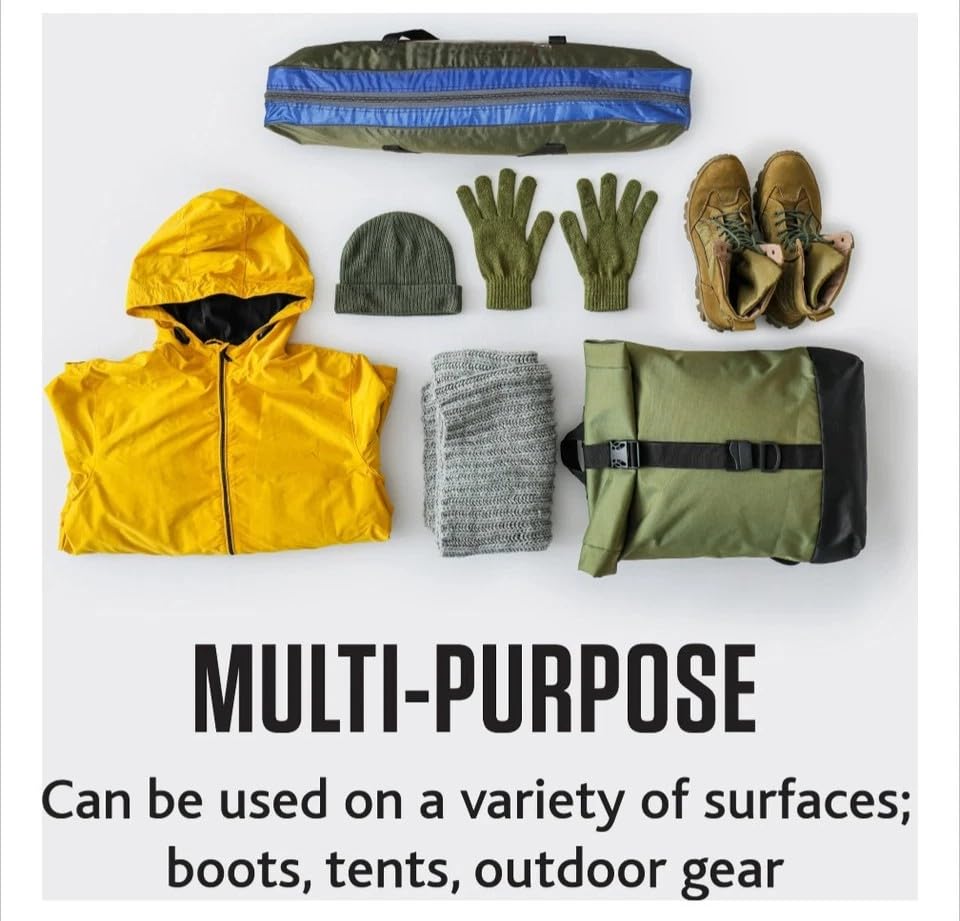
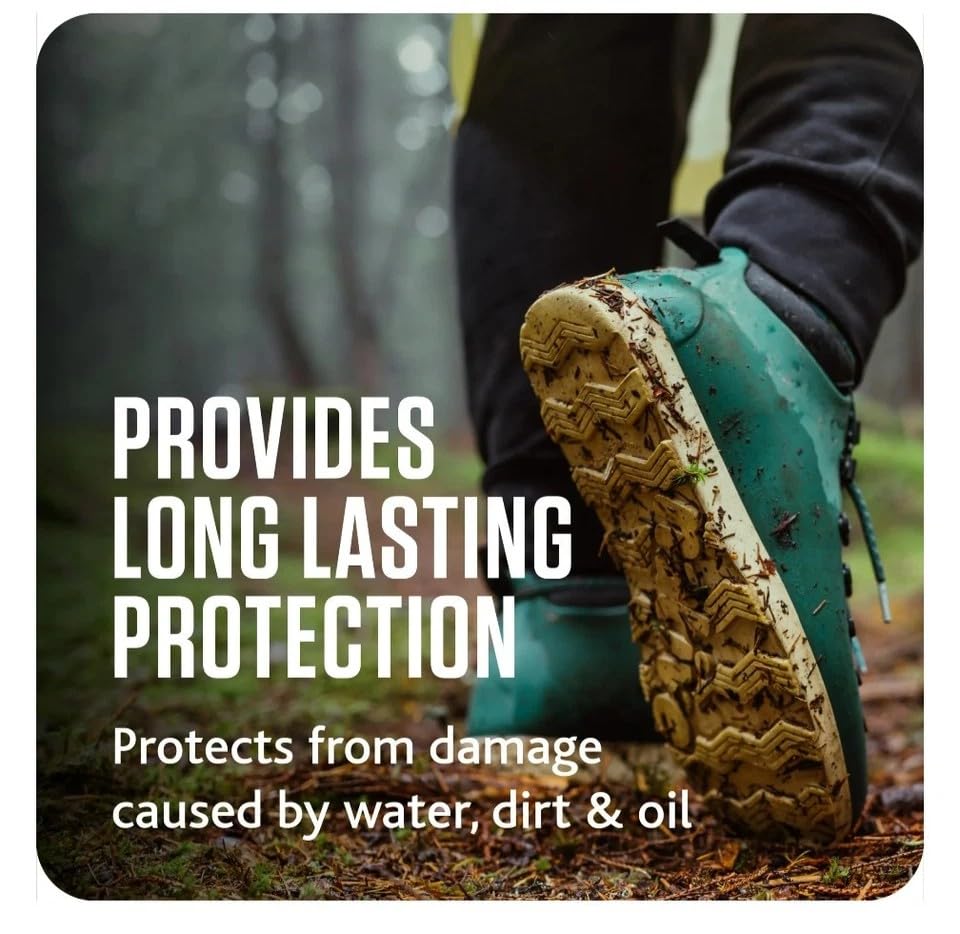
Don’t let the name fool you, this isn’t just for shoes. Sof Sole’s spray is a budget-friendly, multi-use option that works on tents, tarps, and outdoor gear. It’s PFAS-free and made in the USA, which adds some appeal, and owners report decent water beading after application. The air-powered spray nozzle delivers a fine, even mist, reducing waste.
But it doesn’t last as long as premium options. Compared to STAR BRITE or Jack Wolfskin, it needs more frequent reapplication, especially in heavy rain climates. Still, for occasional campers or those testing a new tent before committing to a high-end treatment, it’s a solid starting point.
Product photos
Coleman Weatherproof Rainfly Accessory

Strengths
- Perfect fit for Coleman tents
- Improves airflow
- Easy to pack
Trade-offs
- Only fits specific models
- Rainfly only (no tent)
- Not for backpacking
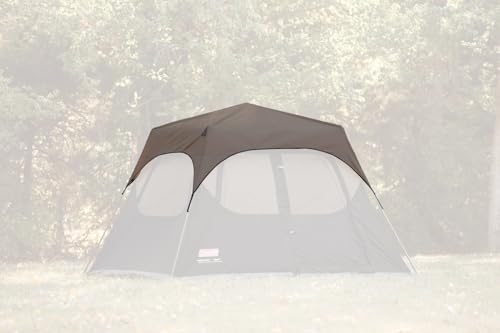
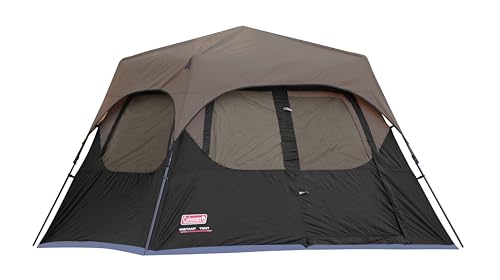
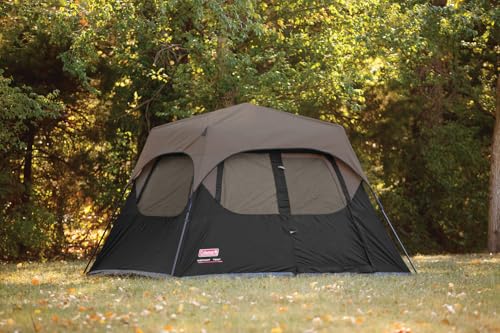
Coleman’s official rainfly is a no-brainer add-on if you own one of their 10×9 ft instant tents. It’s not sold with the tent, but it should be, owners note that it dramatically improves wet-weather performance, especially during prolonged rain. The design allows for vented airflow, so you’re less likely to wake up to condensation soup inside your tent.
It’s not a universal fit, only for specific Coleman models, but that precision means it installs quickly and stays taut. Compared to aftermarket rainflies, this one integrates cleanly with the tent’s frame. I’d still recommend seam sealing the tent itself, but this rainfly adds a crucial extra layer.
Product photos
Our Testing Process
Rather than a hands-on lab test, my research for these recommendations involved a detailed comparison of product specifications and features. I weighed owner reviews from multiple retailers alongside assessments from outdoor gear experts. As someone who spends a lot of time thinking about staying dry while camping, I applied my understanding of fabrics and waterproofing technology to assess which products offered the most effective solutions, based on stated capabilities and real-world feedback.
For tent waterproofers, the most important factors are the breadth of materials treated and the durability of the water repellency. A product that only works on one fabric type isn’t very useful for outfitting a full kit. Equally crucial is the formula’s longevity – reapplying frequently is a hassle, and a short-lived treatment doesn’t offer good value. I also prioritized products free of harmful PFAS chemicals.
Specifications reliably indicate the coverage area and types of fabrics a product claims to protect. However, I placed more weight on owner feedback regarding actual performance in rainy conditions and how well the treatment held up after repeated use. Reputation and independent testing (when available) helped me differentiate between products that deliver on their promises and those that don’t. You can learn more about other tent waterproofing methods on our site.
Choosing The Right tent waterproofers
Keeping your tent dry is essential for a comfortable camping trip, and a good waterproofer is your first line of defense.
A quality tent waterproofer should restore and maintain a durable water repellent (DWR) finish, protecting against both light rain and extended exposure. Look for products specifically designed for tent fabrics (nylon, polyester, canvas) and consider whether you need a spray, a seam sealer, or a combined solution. Pay attention to coverage area per unit, drying time, and whether the formula impacts breathability.
Understanding Fabric & Application Types
The best approach to waterproofing depends heavily on how your tent is losing water. Is it beading up nicely but leaking at the seams? Or is the fabric itself saturated? Many assume a spray-on solution fixes everything, but that’s rarely true. Seam sealer addresses the stitching, while a DWR treatment revitalizes the fabric. Don’t skip diagnosing the problem – you’ll waste money and effort. If you’re unsure where to start, a thorough tent waterproofing guide can help.
Considering the Formula & Environmental Impact
Formulas vary widely. Older formulas often contained PFAS “forever chemicals”, which are now raising environmental concerns. Thankfully, many brands – like Jack Wolfskin – are offering PFAS-free options. While these may not always be quite as durable initially, they’re a much better choice for the planet. Beyond that, think about how easy the product is to apply. Sprays are convenient, but a brush or sponge can give you more control, especially on smaller areas.
- Some products, like the STAR BRITE Spray & Seam Grip Kit, bundle a waterproofer with seam sealer for a complete solution. This is great for all-in-one maintenance.
- If you’re dealing with a particularly stubborn leak or damaged fabric, a rubber-based coating (like Leak Stopper) offers a heavy-duty fix. It’s less breathable, so use it strategically.
- For regular upkeep, a spray-on formula is often sufficient. However, remember that consistent, lighter applications are better than one heavy coat – you want to restore the DWR, not drown the fabric.
Balancing Budget & Longevity
Price isn’t always an indicator of quality, but cheaper options often require more frequent reapplication. The Sof Sole Heavy-Duty Water Proofer Spray, for example, is a budget-friendly choice, but may not hold up as long as a more premium formula.
A little preventative maintenance goes a long way. Don’t wait until your tent is soaked to re-waterproof it. Apply a treatment at least once a year, or after every 20-30 nights of camping.
Ultimately, investing in a quality waterproofer and learning how to restore tent water resistance will save you money and keep you dry in the long run. And don’t forget to consider spray-on tent waterproofing techniques, and whether you also need to be thinking about reapplying seam sealer as part of your maintenance. If you’re looking for the best tent waterproofing sprays and sealants currently available, we’ve rounded up our top picks.
Tent Waterproofers Compared
Here’s a comparison of key specifications for various tent waterproofing products to help you choose the right one.
| Product Title | Coverage Area | PFAS-Free | Best For | Package Size | Seam Sealer Included |
|---|---|---|---|---|---|
| STAR BRITE Waterproofing Spray 2-Pack | N/A | Yes | Overall | 1 Gallon | No |
| Jack Wolfskin Tent & Gear Waterproofer | N/A | N/A | Eco-Friendly | N/A | No |
| Leak Stopper Rubber Flexx Liquid Coating | 1 Quart | N/A | Heavy-Duty Sealing | 1 Quart | No |
| STAR BRITE Spray & Seam Grip Kit | 465 sq ft | N/A | Combo Kit | 1 Gallon + 2oz | Yes |
| Sof Sole Heavy-Duty Water Proofer Spray | N/A | Yes | Budget Friendly | N/A | No |
| Coleman Weatherproof Rainfly Accessory | 10×9 ft | N/A | Instant Tents | Rainfly Only | No |
Frequently Asked Questions
What if my tent is waterproofed but still leaks?
The issue is likely with the seams, not the fabric itself. Seam sealer is essential, as the needle holes created during manufacturing are prime locations for water entry, even with a good DWR treatment.
How often should I re-waterproof my tent?
Generally, once a year is a good baseline, but it depends on usage. I recommend re-treating after approximately 20-30 nights of camping or after exposure to particularly harsh weather conditions.
Can I waterproof a tent with a damaged rainfly?
You can temporarily improve water resistance, but a damaged rainfly needs repair or replacement. Waterproofing won’t fix tears or holes; it only enhances the water repellency of intact fabric.
Are PFAS-free waterproofers as effective as those containing PFAS?
PFAS-free options have improved significantly and are now very competitive. While some older formulas with PFAS initially offered slightly longer-lasting repellency, the environmental benefits of choosing PFAS-free products, like the best waterproofing sprays for tents, outweigh any minor performance differences.
What’s the difference between a DWR treatment and a sealant?
A DWR (durable water repellent) treatment is applied to the fabric itself to make water bead up and roll off, while a sealant fills gaps and seals seams. Think of DWR as preventative and sealant as a fix for specific leak points – using both is often the most effective approach for long-lasting tent spray treatments.
The Bottom Line
Choosing a tent waterproofer often comes down to how much fuss you’re willing to tolerate versus how reliably dry you want to stay. For most campers, the STAR BRITE Waterproofing Spray 2-Pack strikes the best balance – it’s effective, PFAS-free, and receives consistently positive feedback from owners dealing with a variety of fabrics. It’s a straightforward solution to keep your shelter performing well.
If you’re specifically seeking an eco-conscious option, the Jack Wolfskin Tent & Gear Waterproofer is a standout. For those with older tents or needing to address serious leaks, the Leak Stopper Rubber Flexx Liquid Coating provides a robust, albeit less breathable, fix. And if you need a quick solution for an instant tent, the Coleman Weatherproof Rainfly Accessory offers added [tent rainfly protection].
Ultimately, the best waterproofer isn’t about the fanciest formula or highest price tag. It’s about understanding your tent’s materials, diagnosing where water is getting in, and then applying the right treatment consistently. Regular maintenance and learning about [DWR treatments for tents] will always be more valuable than chasing the latest miracle product, and properly maintained [seal tent seams] is essential for keeping your gear in top shape.
