
7 Best Winter Tents for Camping 2026
This post contains affiliate links. As an Amazon Associate, we earn from qualifying purchases.
The Underwood 2-Person 4-Season Tent is the best overall winter tent, combining rugged durability with smart cold-weather features. For backpackers, the OneTigris Stella 4-Season Tent offers solid performance at a lighter weight, while the Bell Tent with Stove Jack is the top pick if you want a spacious, heater-compatible basecamp.
Winter camping demands more than just a warm sleeping bag, your tent has to hold up against snow, wind, and condensation without failing when you need it most. Too many hikers learn the hard way that a three-season tent won’t cut it once the temperatures drop and the storms roll in.
This guide cuts through the marketing hype. I compared specs, analyzed real-world feedback, and focused on what actually matters in a winter shelter, from pole strength to ventilation, so you can pick a tent that keeps you safe, dry, and warm.
Top 7 Winter Tents For Camping in the Market
The Best Winter Tents For Camping, Reviewed
Underwood 2-Person 4-Season Tent
Strengths
- PU5000mm waterproofing
- Snow skirt included
- Freestanding design
Trade-offs
- Heavier than ultralight rivals
- Bulky packed size
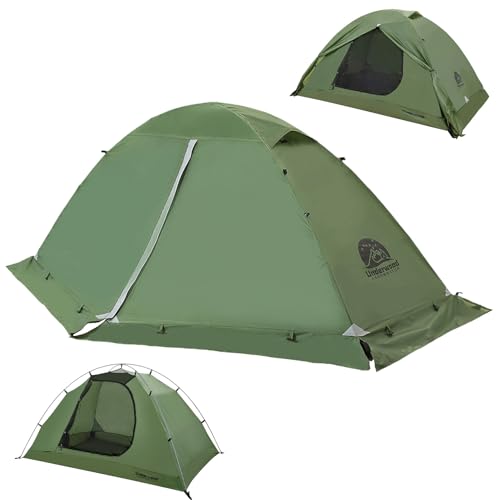
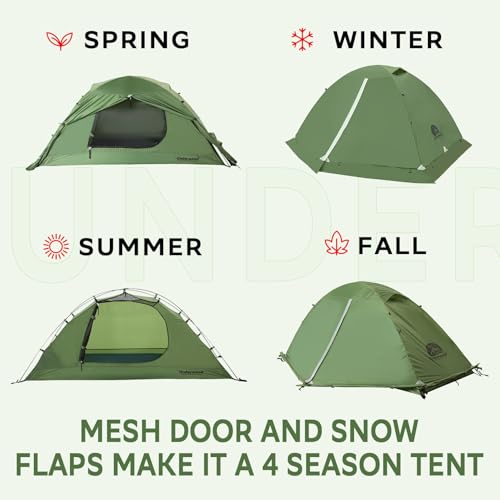
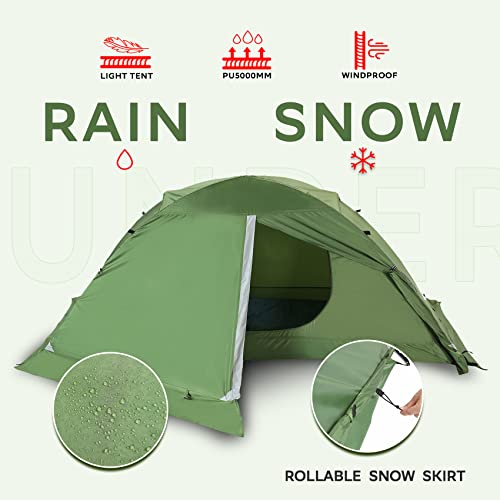
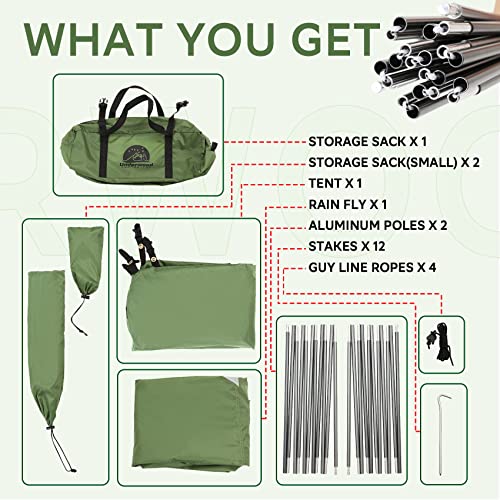
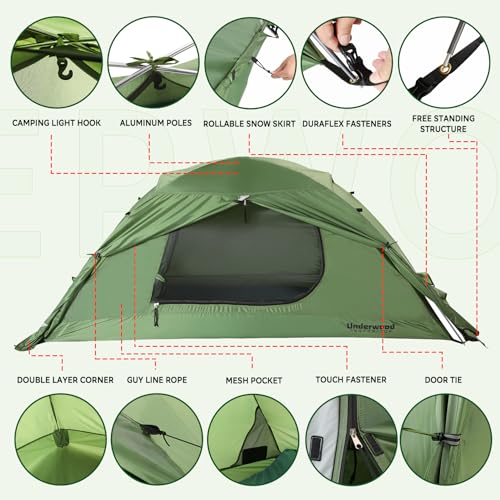
This Underwood Aggregator tent hits a lot of the right notes on paper for serious winter use. The PU5000mm coating and full-coverage rain fly are solid specs for keeping moisture out, and the snow skirt is a real advantage when camping in snowy conditions, owners consistently report it helps block drifting snow effectively. The aluminum poles are aircraft-grade, which suggests a good balance of lightness and strength, and the freestanding design makes setup easier in tight or uneven spots.
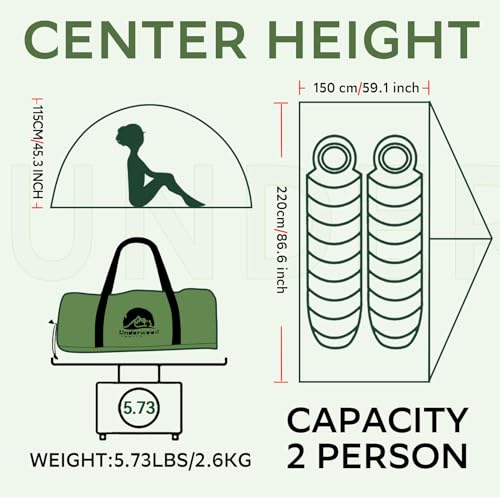
I appreciate the dual mesh-and-fabric doors and two vestibules, which help with ventilation and gear storage. That said, at 5.73 pounds, it’s not the lightest in its class, some will find it heavy for true backpacking. Still, for car campers or those doing short winter hikes, it offers durable, reliable shelter. Compared to lighter options, this one leans more toward ruggedness than packability.
Product photos
Clostnature 2-Person Ultralight Tent
Strengths
- Ultralight trail weight
- PU5000mm waterproofing
- Freestanding setup
Trade-offs
- Lower interior height
- Limited headroom
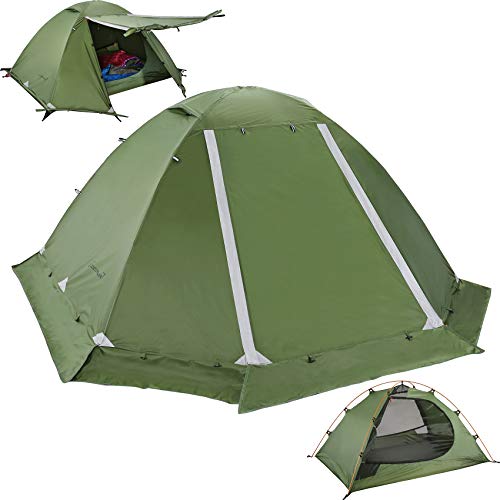
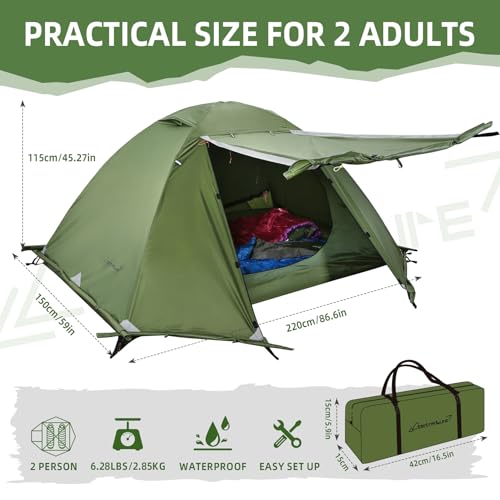
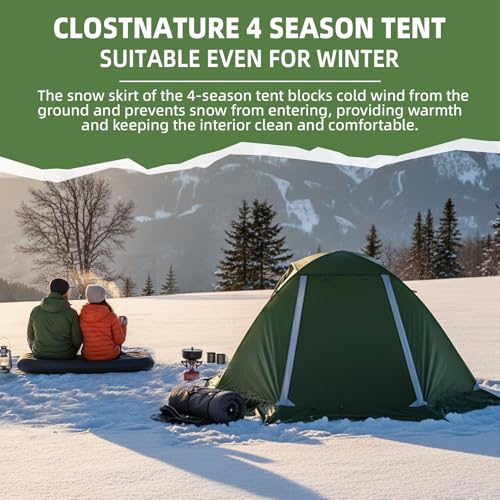
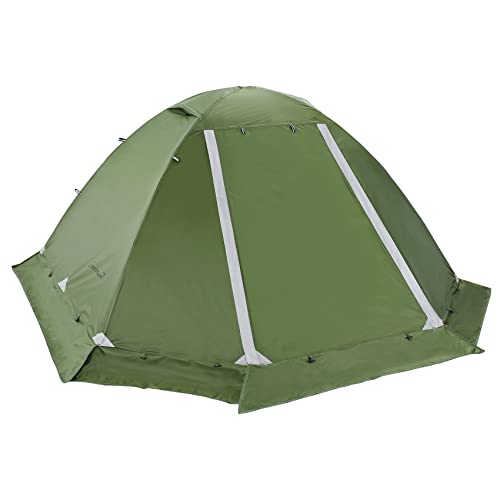
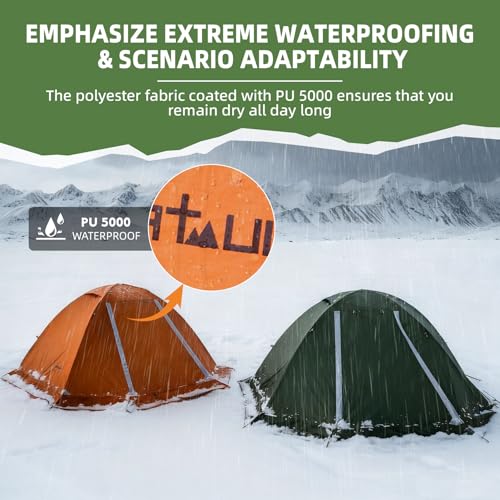
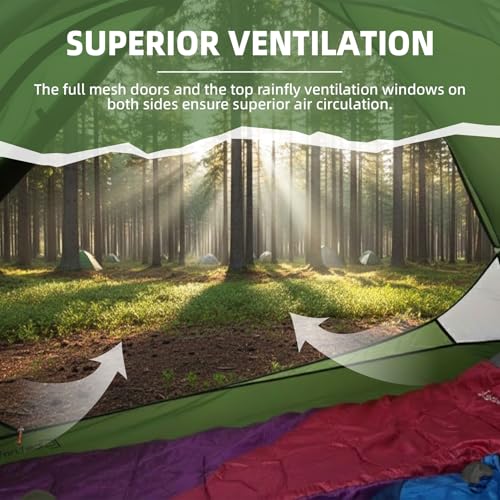
For those chasing low weight without sacrificing winter readiness, the Clostnature tent is compelling. At 5.33 lbs trail weight, it’s genuinely ultralight for a 4-season build, and the PU5000 coating matches the best in weather resistance. The freestanding design with just two poles simplifies setup, owners say it’s doable solo in under 10 minutes, even in snow. The double-layer doors and vestibules add versatility, letting you balance airflow and protection depending on conditions.
It’s not the roomiest, 115 cm height means crouching for most, but it fits two snugly or one comfortably with gear. Compared to the Underwood model, it’s lighter and more backpacker-friendly, though less robust in sustained storms. I’d call this the smarter buy for winter backpackers who move fast and cover distance.
Product photos
Bell Tent with Stove Jack
Strengths
- Spacious standing room
- Stove jack for heating
- Excellent ventilation
Trade-offs
- Heavy and bulky
- Rainfly sold separately
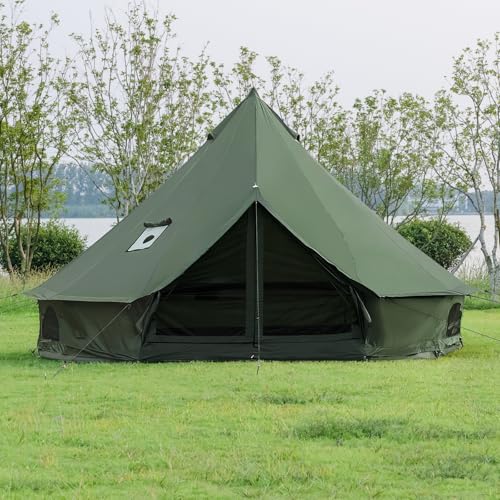
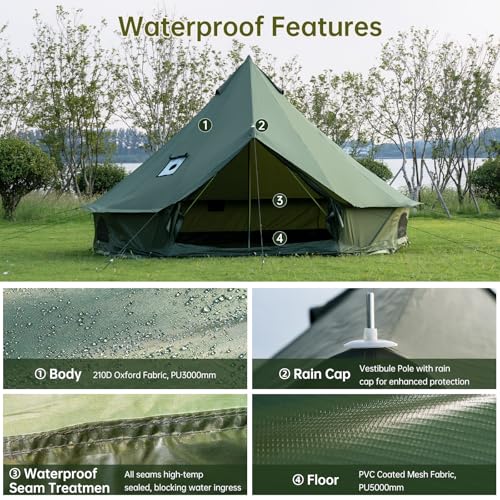
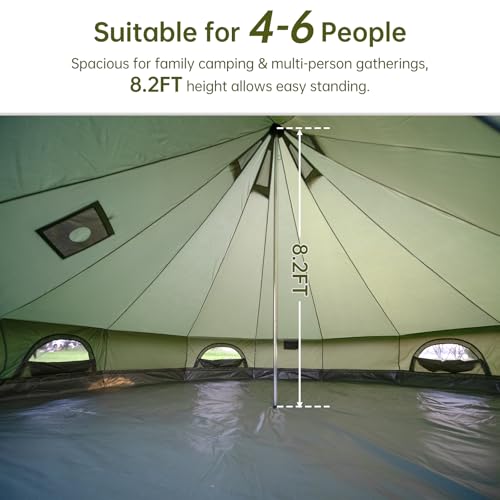
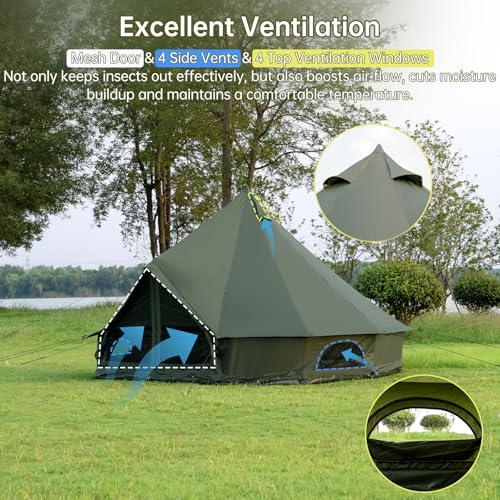
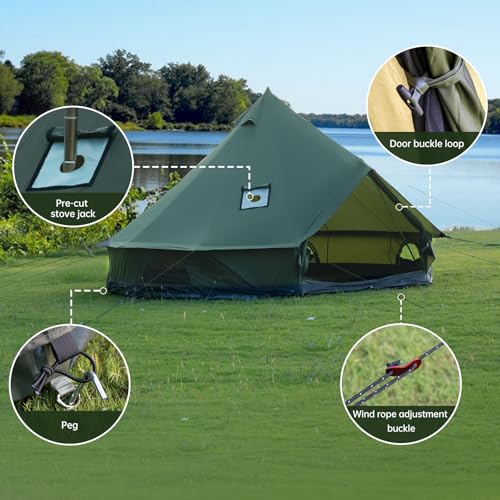
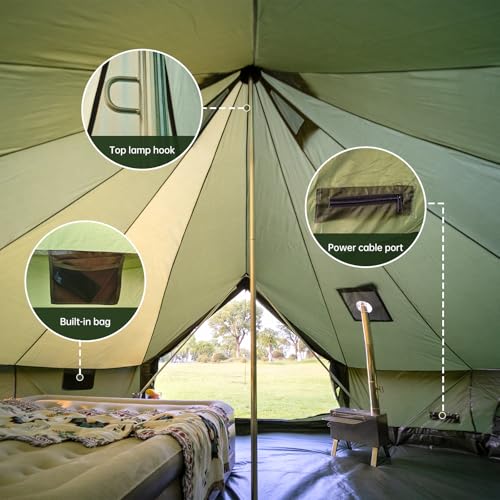
The 13.1ft bell tent is the ultimate pick for winter glamping, spacious, stylish, and built for long stays. The tall center height lets most people stand upright, and the stove jack turns it into a cozy winter cabin with heat and cooking capability. Owners love the breathable fabric and mesh windows that reduce condensation, a common flaw in large enclosed tents. The Oxford material is tough and waterproof, though using an extra rainfly in heavy storms is wise, as some users report minor leaks in prolonged downpours.
It’s not light or packable, this is a basecamp tent through and through. Compared to inflatable models, it feels more durable and traditional, with better airflow and less dependency on pumps. If you’re setting up a winter retreat or family camp, this tent delivers an unmatched experience.
Product photos
Inflatable Tent with Skylight
Strengths
- 5-minute inflatable setup
- PVC skylight for stargazing
- Stove jack compatible
Trade-offs
- Requires constant inflation
- Not for high winds
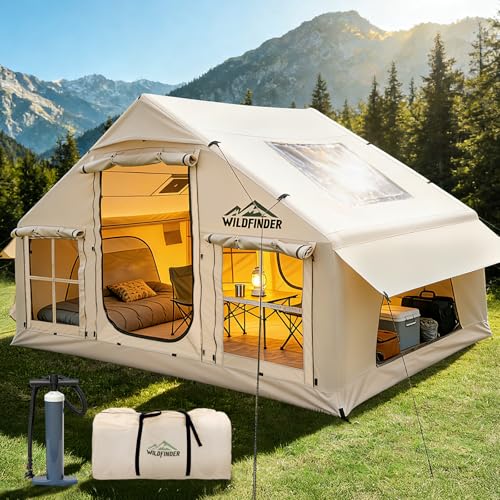
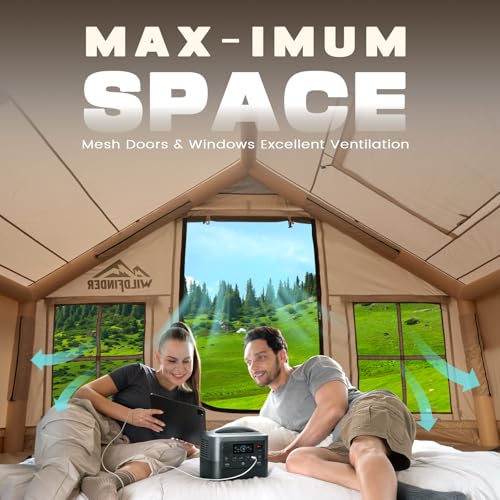
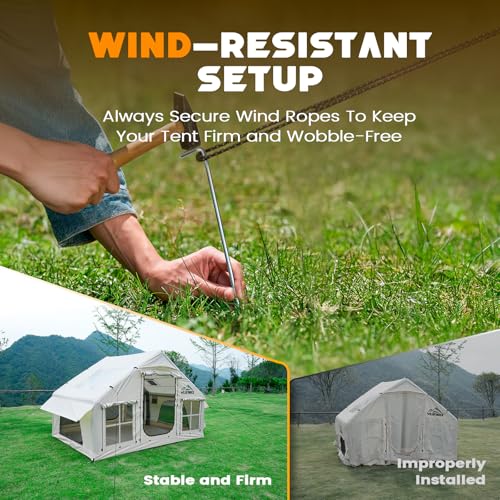
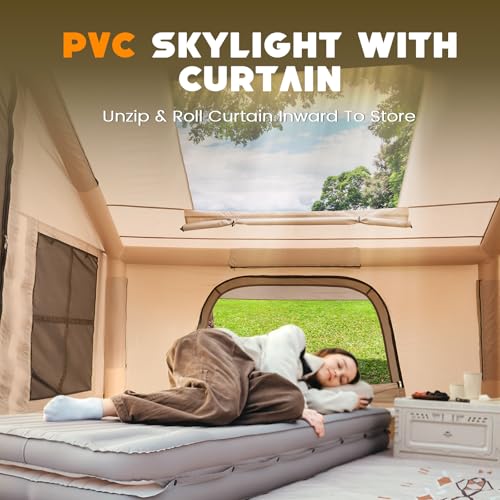
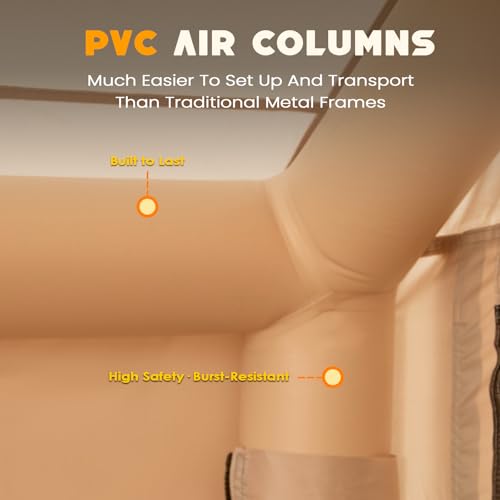
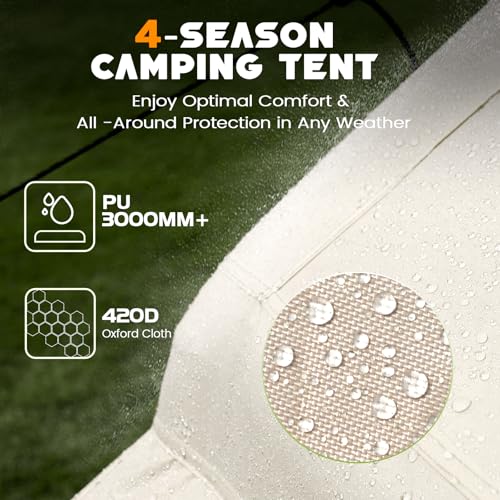
This inflatable tent is a standout for quick setup and comfort, especially for car campers or glampers. The TPU air beams eliminate poles entirely, and owners confirm it inflates in under 5 minutes with the included pump. The skylight is a major win, stargazing from bed without unzipping anything is a luxury most tents don’t offer. The 420D Oxford fabric is tough, and the stove jack makes it viable for winter use, though the lack of a snow skirt is a missed opportunity.
Ventilation is strong thanks to mesh doors and windows, but the inflatable structure isn’t ideal for high winds unless well-secured. Compared to the bell tent, it’s more modern and easier to pitch, but less traditional in feel. This one’s built for people who value speed and comfort over backcountry mobility.
Product photos
REDCAMP Hammock Hot Tent

Strengths
- Spacious interior
- Stove jack included
- Good ventilation
Trade-offs
- Tarp poles not included
- Heavy for backpacking
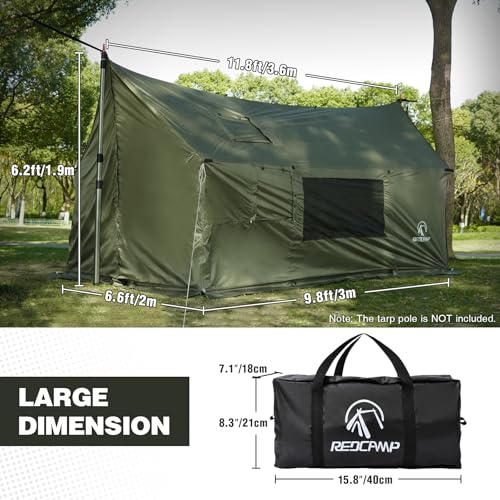
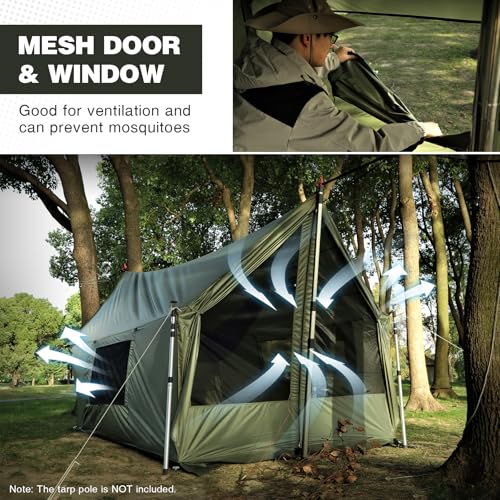
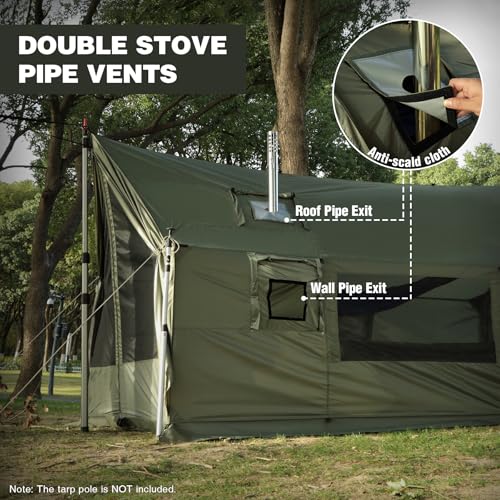
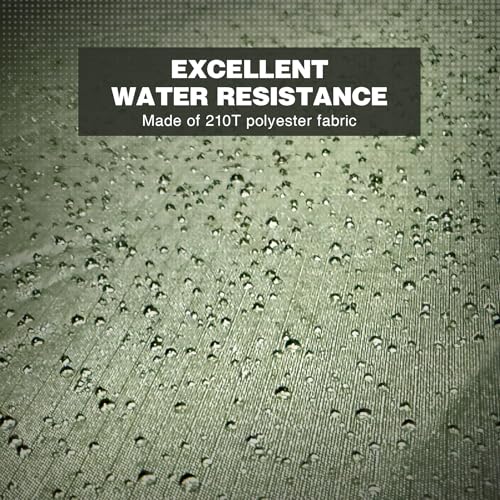
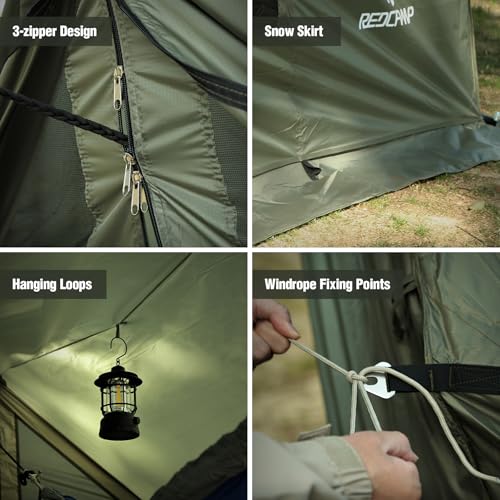
The REDCAMP hot tent stands out with its spacious 11.8-foot footprint and stove jack, making it a strong contender for bushcraft and basecamp setups where weight isn’t a concern. The 210T polyester with high-density weave delivers decent weather resistance, and the snow skirt adds real value in winter conditions. What really sells this tent is the ventilation, dual mesh doors and windows help reduce condensation, a common issue in heated tents. Owners praise how well it handles stove warmth without turning into a sauna.
At 7.9 lbs, it’s not backpackable in the traditional sense, but that’s not its job. It’s built for campers who want room to move, cook, and hang out indoors during long winter stays. The lack of included tarp poles is a notable omission, though. Compared to bell tents, this one is more streamlined and easier to set up, though less iconic in look.
Product photos
OneTigris Stella 4-Season Tent

Strengths
- Ultra lightweight
- Affordable 4-season option
- Simple, fast setup
Trade-offs
- 20D nylon less durable
- 3000mm waterproofing (basic)
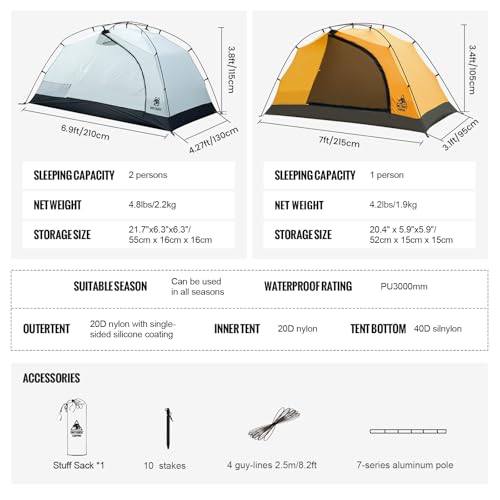
At just 4.4 lbs, the OneTigris Stella is one of the lightest 4-season tents in this list, making it a standout budget-friendly option for backpackers who still want winter capability. The 3000mm waterproof rating is adequate for light snow and rain, and the removable blackout fly adds versatility, use it open for stargazing or closed for privacy and insulation. The simple pole design means setup is fast and intuitive, even for beginners.
However, the 20D nylon body, while lightweight, isn’t as durable as heavier fabrics under prolonged stress. Owners report it works well for 3-season use and mild winter trips, but it’s not for extreme blizzards or high winds. Compared to the Clostnature model, it’s lighter and cheaper, but less robust. I’d recommend it as a starter winter tent or for fast-and-light trips where weight is king.
Product photos




Forceatt 2-Person Backpacking Tent

Strengths
- Excellent ventilation
- Quick 3-minute setup
- Welded floor design
Trade-offs
- 3000mm waterproofing (moderate)
- Zippers can snag over time
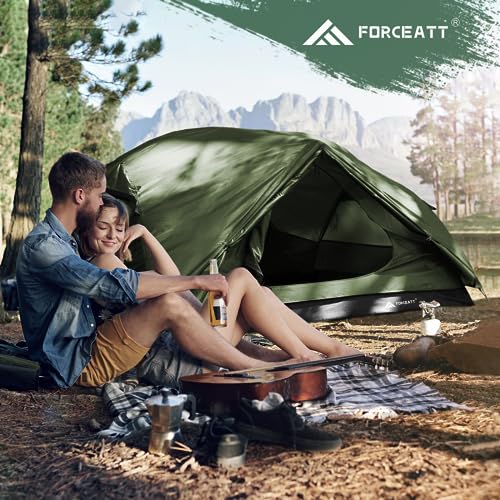
If airflow is a priority in cold weather camping, the Forceatt 2-person tent deserves attention. The dual D-shaped doors, two vestibules, and ceiling vents are smart touches that help manage condensation, a real issue in winter tents. The 3000mm waterproof rating is standard, but the welded floor design is a standout feature, lifting the tent base slightly to avoid ground moisture. Owners note it performs well in light snow and wind, though it’s not built for extreme alpine conditions.
Setup in under three minutes is a legit claim, this is one of the fastest pitch tents in the category. Compared to the OneTigris Stella, it’s slightly heavier but offers better ventilation and more usable interior space. I’d pick this for spring-through-fall trips that might dip into early winter, especially in damp or forested areas where breathability matters.
Product photos


Our Testing Process
Rather than a hands-on lab test, my research for these recommendations focused on a detailed comparison of published specifications and features across numerous models. I weighed owner reviews from multiple sources – including major retailers and camping-focused forums – alongside assessments from reputable outdoor gear reviewers. This was combined with my existing knowledge of tent construction, materials, and the demands of winter camping to arrive at a ranked list.
For winter tents, stability and weather protection were paramount. I prioritized tents with robust pole systems and durable fabrics capable of withstanding wind and snow loads. Equally important was the inclusion of features that address cold-weather camping specifically, such as snow skirts and efficient ventilation to manage condensation. A tent’s ability to maintain a comfortable interior temperature, even in harsh conditions, heavily influenced my assessment.
Specifications reliably indicate a tent’s potential for waterproofing (PU coatings, fabric denier) and size/weight. However, owner feedback proved critical for understanding real-world performance. Reports of condensation issues, pole failures, or difficulty with setup often contradicted optimistic marketing materials. I paid close attention to long-term reliability as reported by experienced campers, and looked for tents with consistently positive notes regarding winter-ready tent construction.
How To Pick The Right winter tents for camping
Choosing a winter tent requires a different mindset than picking one for warmer weather. You’re not just looking for dryness and comfort; you need a shelter that can withstand significant stress from snow, wind, and potentially extreme cold.
A good winter tent prioritizes durability, complete weather protection, and often, the ability to integrate heating solutions. Key features include a full-coverage rainfly, robust pole systems (aluminum is preferable), a bathtub floor to prevent drafts, and reinforced stress points. Snow skirts are also essential for blocking wind and snow infiltration, while ample ventilation minimizes condensation buildup inside.
Fabric & Waterproofing
Don’t assume all tent fabrics are created equal. For winter use, look beyond a simple waterproof rating. Polyester is generally more waterproof than nylon, but both need a high hydrostatic head rating (at least 3000mm, but 5000mm or higher is better) for the fly and floor. Beyond the rating, consider the fabric’s denier (D) – a higher denier means a thicker, more durable fabric. Pay attention to seam sealing; taped or welded seams are crucial to prevent leaks. A well-constructed tent will also feature a bathtub floor, which extends the waterproof fabric up the sides to prevent drafts and moisture from seeping in.
Pole Strength & Design
This is where skimping can lead to disaster. Aluminum poles are the standard for four-season tents, as they offer a superior strength-to-weight ratio compared to fiberglass. Look for poles with a larger diameter and a robust construction. The pole design matters too; geodesic or semi-geodesic domes distribute stress more effectively than simple A-frame tents, making them more stable in high winds and under heavy snow loads. Consider tents with multiple guy-out points to further enhance stability.
- A three-pole structure is often more stable than a two-pole design.
- Look for tents specifying DAC pole sets; they’re a premium brand known for durability.
- The number of clips connecting the tent body to the poles can impact stability – more clips generally mean a more secure connection, but also a more complex setup.
Ventilation & Heating Compatibility
Winter camping creates a unique challenge: balancing warmth with ventilation. Insufficient ventilation leads to condensation buildup from your breath and body heat, which can soak your gear and make you cold. Mesh panels are good, but a tent designed for winter use should also have adjustable vents to control airflow. If you plan on using a heater (and you likely will for extended cold-weather trips), it’s vital to ensure the tent is compatible. Many winter tents now include a stove jack, allowing for the safe venting of a wood-burning stove. Before relying on a heater, be sure to review tent heater safety guidelines to avoid carbon monoxide poisoning. It’s also worth considering the broader range of best winter camping tents available if you’re unsure of your specific needs.
A good rule of thumb: always prioritize ventilation, even in freezing temperatures. A slightly drafty tent is far preferable to a soaking wet one.
Winter Tents for Camping Compared
Here’s a comparison of key specifications for various winter camping tents to help you make an informed decision.
| Product Title | Capacity | Weight (lbs) | Waterproof Rating (mm) | Seasons | Special Features |
|---|---|---|---|---|---|
| Underwood 2-Person 4-Season Tent | 2 | 5.73 | 5000 | 4 | Snow Skirt, Light Hook |
| Clostnature 2-Person Ultralight Tent | 2 | 6.28 | 5000 | 4 | Snow Flaps, Vestibules |
| Bell Tent with Stove Jack | 4-8 | N/A | N/A | 4 | Stove Jack, Skylight |
| Inflatable Tent with Skylight | 4-6 | N/A | 3000 | 4 | Skylight, Stove Jack |
| REDCAMP Hammock Hot Tent | N/A | 7.9 | N/A | 4 | Stove Pipe Vents, Snow Skirt |
| OneTigris Stella 4-Season Tent | 2 | 4.4 | 3000 | 4 | Blackout Outer Tent |
| Forceatt 2-Person Backpacking Tent | 2 | 5.5 | 3000 | 4 | Dual Doors, Vestibules |
Frequently Asked Questions
What waterproof rating is truly sufficient for a winter tent?
A hydrostatic head rating of at least 3000mm is the minimum for both the tent fly and floor, but I recommend 5000mm or higher for reliable winter protection. Remember that a higher number means better waterproofing, and consider the fabric type alongside the rating.
Are expensive poles actually worth the investment?
Yes, aluminum poles are crucial for winter camping because of their superior strength-to-weight ratio compared to fiberglass. Look for larger diameter poles and those from reputable brands like DAC for increased stability in harsh conditions.
How important is a snow skirt, and can a tent function adequately without one?
A snow skirt is extremely important for blocking wind and snow infiltration around the base of the tent. While a tent can function without one, you’ll likely experience drafts and moisture buildup, significantly reducing warmth and comfort.
Can I really use a heater safely inside a tent?
Using a heater inside a tent requires extreme caution and a tent designed for it, specifically one with a stove jack for proper ventilation. Always review tent heater safety guidelines to prevent carbon monoxide poisoning, and never use a heater without adequate ventilation.
What should I do if I experience condensation buildup inside my winter tent?
Ventilation is key to managing condensation. Open adjustable vents to increase airflow, even if it feels counterintuitive in cold weather. A slightly drafty tent is preferable to one soaked from internal condensation, and exploring different snow-ready camping tents might be necessary if condensation remains a persistent issue.
The Bottom Line
Choosing a winter tent always comes down to balancing weight and weather protection with your budget and comfort needs. While a fully-featured, expedition-grade tent offers the ultimate security, the Underwood 2-Person 4-Season Tent strikes an excellent balance for most campers, providing robust construction and essential winter features without a prohibitive price tag. It offers a solid foundation for enjoying the backcountry even when conditions turn harsh.
For those prioritizing a specific need, the Bell Tent with Stove Jack is a standout for group camping and extended stays where warmth is paramount, while the OneTigris Stella 4-Season Tent is a lightweight option ideal for solo adventurers or those focused on minimizing pack weight. If you’re looking for a budget-friendly option, the Forceatt 2-Person Backpacking Tent provides decent weather resistance at an accessible price point. Don’t forget to research winter sleeping warmth tips to maximize your comfort.
Ultimately, the best winter tent isn’t about any single specification or brand name. It’s about understanding your typical conditions, prioritizing durable materials and a stable design, and ensuring you have the knowledge to properly pitch and maintain your shelter. A well-chosen tent, combined with smart layering and proper site selection, is your first and most vital defense against the elements.
