
8 Best Tents for Camping in the Rain 2026
This post contains affiliate links. As an Amazon Associate, we earn from qualifying purchases.
The best tent for camping in the rain is the Mimajor 4 Person, with its 3500mm waterproof rating and instant setup. For budget-conscious campers, the Wakeman 2 Person delivers solid protection at a low price, while the Happy Travel 6 Person offers strong ventilation and a 2000mm rating for larger groups.
Rain turns a peaceful camping trip into a test of your gear’s limits. A tent that leaks, floods, or drenches you with condensation can ruin the whole experience. Most people don’t realize how quickly a poorly designed shelter fails when the skies open.
This guide cuts through the marketing to focus on what actually keeps you dry. I looked at waterproof ratings, real-world owner feedback, ventilation design, and ease of setup in wet conditions to find the models that stand up to steady rain. These picks balance performance, value, and practicality for real campers.
Top 8 Tents For Camping In Rains in the Market
The Best Tents For Camping In Rains, Reviewed
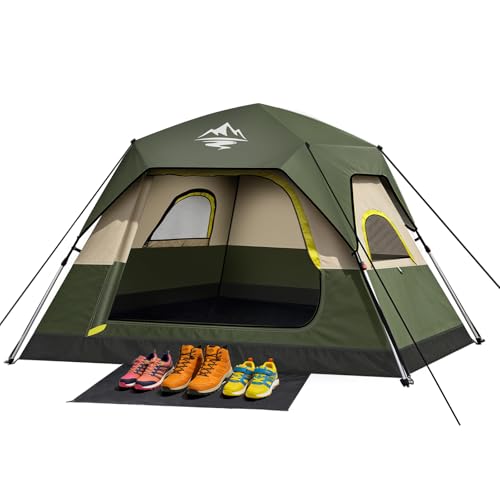
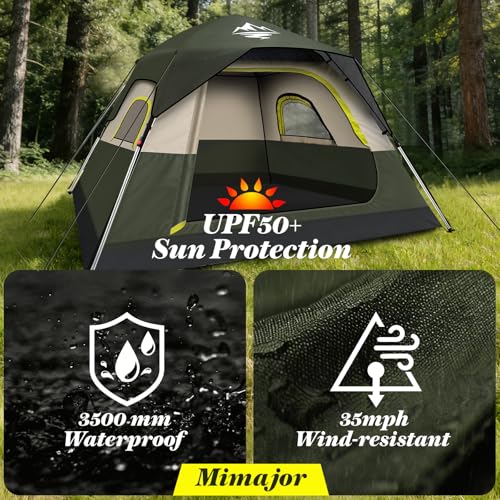
Mimajor 4 Person Instant Camping Tent
Strengths
- 3500mm waterproof rating
- Great airflow
- Spacious interior
Trade-offs
- Not for backpacking
- Slightly bulky pack size
- No vestibule
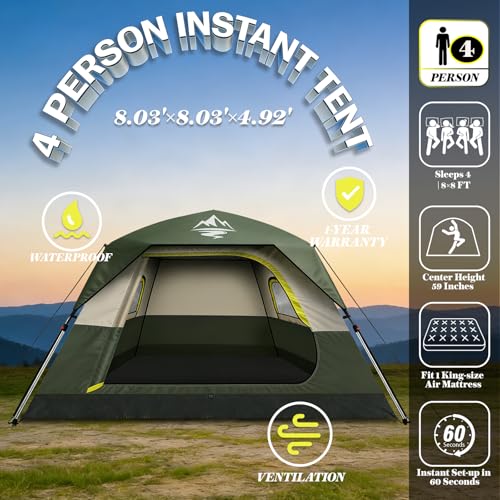
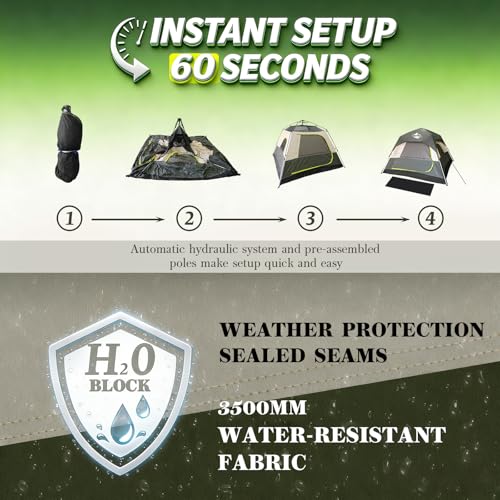
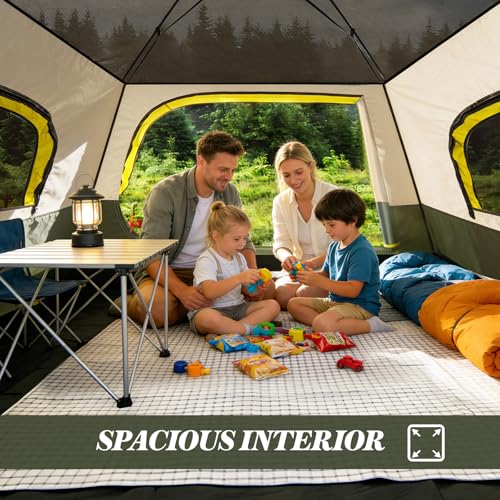
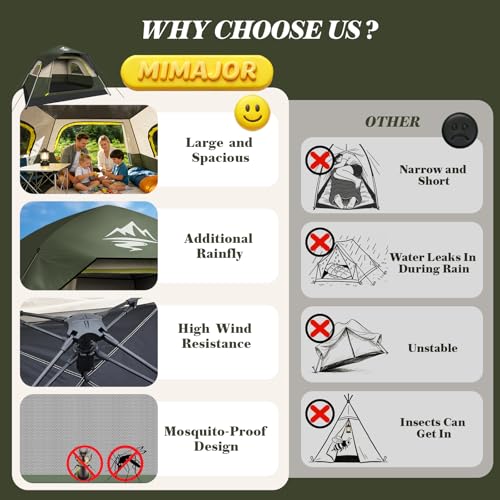
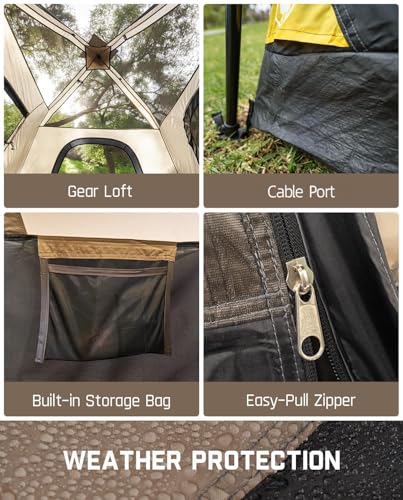
This is the best all-around pick for campers who want speed, weather protection, and comfort without compromise. The 3500mm waterproof rating is among the highest here, and the fully taped seams mean serious rain resistance, owners report staying dry in heavy downpours. The 60-second setup with pre-attached poles is flawless for tired families, and the welcome mat is a small but smart touch for keeping mud out.
Ventilation is excellent thanks to three oversized mesh windows and a full ceiling mesh panel, critical for managing condensation during rainy, humid nights. It’s also spacious enough for a king air mattress, and the 59-inch height allows most to stand comfortably. At 15.4 lbs, it’s not ultralight, but it’s manageable for car camping.
Product photos
FanttikOutdoor Zeta C6 Pro 6 Person Tent

Strengths
- Rapid 60s setup
- Spacious layout
- Strong frame
Trade-offs
- Mesh inner roof
- Average headroom
- Heavy for backpacking
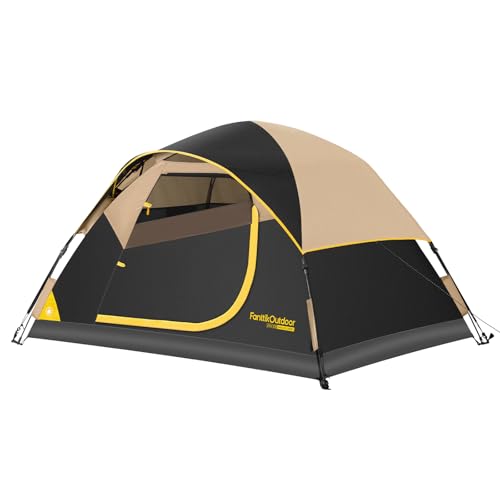
If you’re looking for a spacious, fast-up tent for family car camping, the Zeta C6 Pro hits several sweet spots. The 60-second setup with pre-attached poles is a game-winner for tired parents after a long drive, and the 120×108 inch floor fits a queen air mattress with room to spare. Owners consistently praise the four-side mesh windows and ceiling screen, great for nighttime views and airflow, though you must keep the rainfly on during storms since the inner roof is mesh.
The 35 mph wind rating and tub-style floor are reassuring, and the carbon steel frame adds durability over cheaper models. But at 16.8 lbs, it’s not light, and the 66-inch center height means taller adults will still duck. Still, for weekenders who want comfort and speed, it’s a strong pick.
Product photos


Coleman Skydome 4/6 Person Tent

Strengths
- Excellent rain protection
- Quick setup
- Vestibule for storage
Trade-offs
- Heavy
- Basic ventilation
- Cotton-like feel in heat
Coleman’s reputation for durable, weather-ready family tents holds up here. The full-fly vestibule is a major win, it creates a dry buffer zone for boots and gear, and the inverted seams and taped rainfly are legit features that keep water out, even during sideways rain. The WeatherTec system is backed by consistent owner feedback: this tent doesn’t leak under normal storm conditions.
It sets up in under 5 minutes thanks to color-coded, pre-attached poles, and the nearly vertical walls give that 20% more headroom claim some real merit. Ventilation is decent with roof vents and a mesh back wall, though not class-leading. The trade-off? It’s heavier and less breathable than ultralight options, but for dependable all-weather use, it’s hard to beat.
Product photos


FanttikOutdoor Zeta C2 2 Person Tent
Strengths
- Fast 60s setup
- PFAS-free fabric
- Good airflow
Trade-offs
- Tight fit for two
- No vestibule
- Low headroom
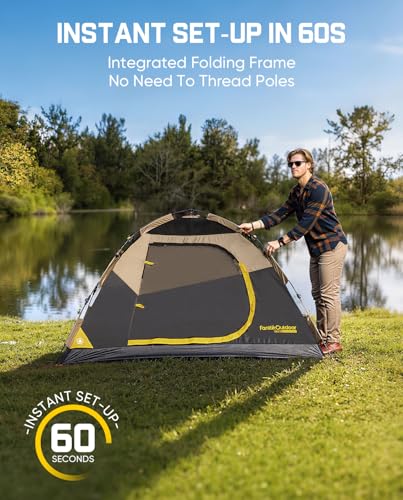
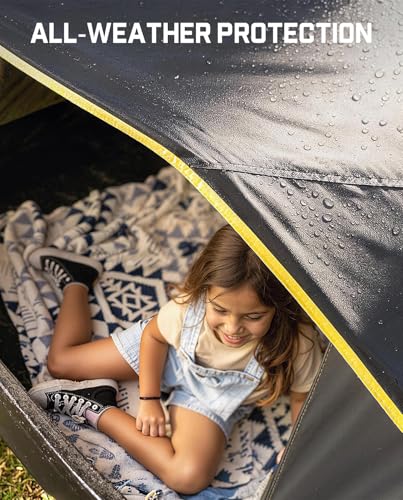
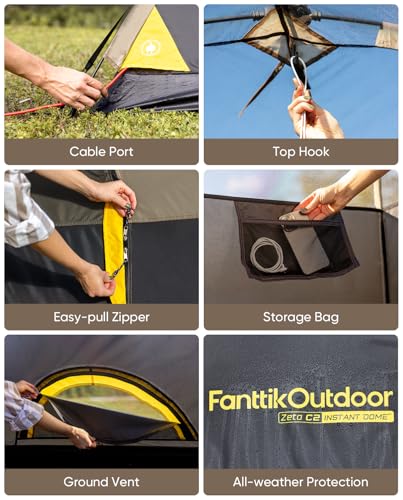
For backpackers who need a light, reliable shelter that won’t quit in a drizzle, the Zeta C2 makes a strong case. At under 6 pounds (actual weight varies slightly by batch), it’s built for the trail, and the 60-second pop-up design with pre-attached poles is a real time-saver when rain starts rolling in. The sealed seams and waterproof strips are the kind of details that matter, they’re consistently praised in owner feedback for keeping moisture out during sudden showers.
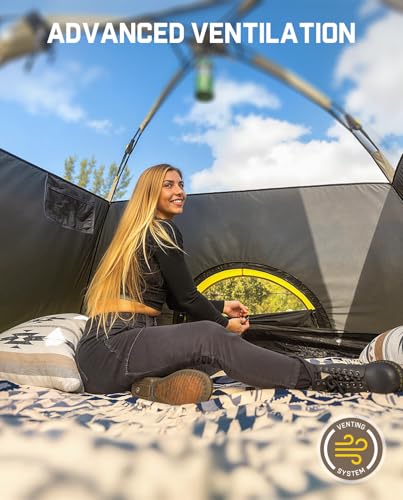
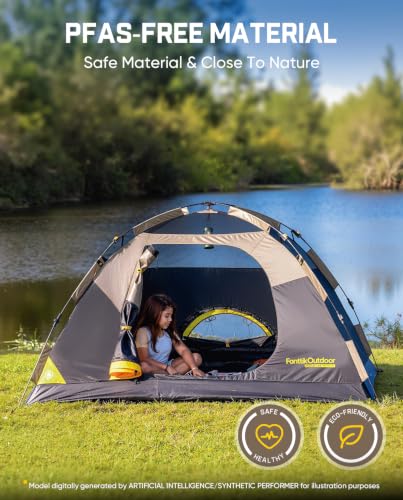
What impresses me most is the ventilation strategy: mesh top plus a closable ground vent means you can manage condensation without sacrificing dryness. And going PFAS-free is a smart move for eco-conscious campers. That said, the compact floor plan means two people will be cozy, not roomy, and gear has to stay outside or in the vestibule.
Product photos
4 Person Easy Pop Up Tent
Strengths
- Skylight for stargazing
- Quick pop-up
- Decent waterproofing
Trade-offs
- Low headroom
- Hard to repack
- Tight interior
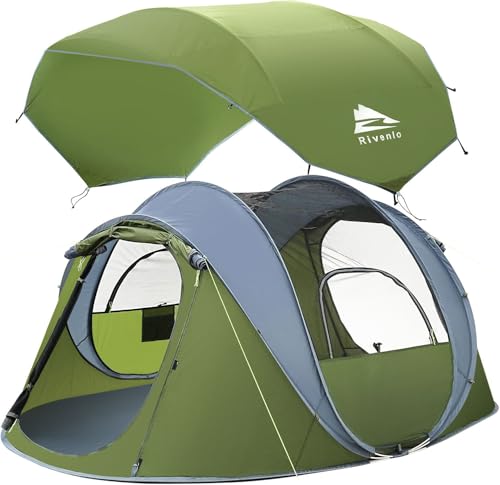
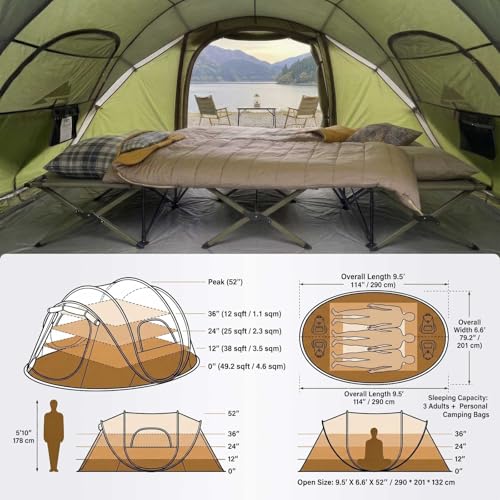
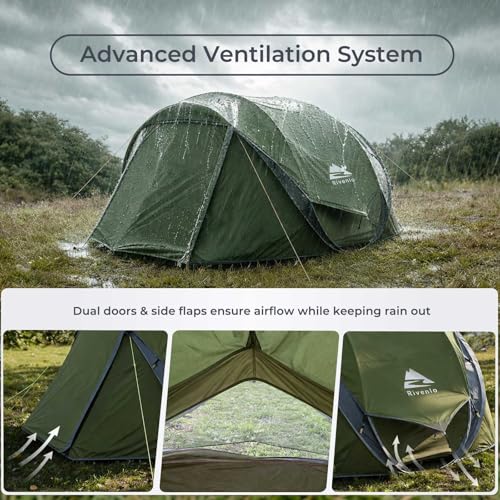
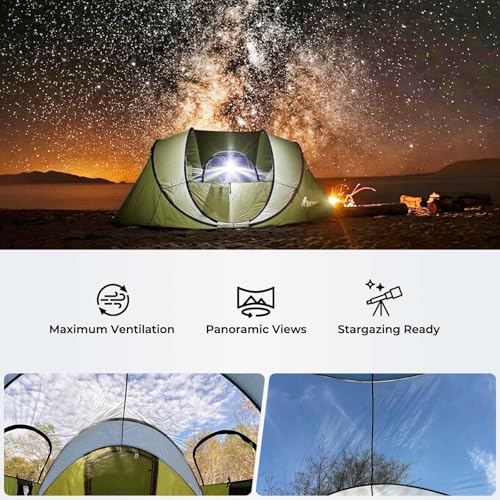
This tent lives for romantic nights under the stars, the overhead skylight is its soul, and owners love it for stargazing, especially when paired with a clear night after rain. The 3000mm PU coating suggests solid rain resistance, and the removable rainfly gives flexibility, keep it on when wet, take it off when clear. Setup is nearly instant, which matters when clouds roll in fast.
But the short 4.3-foot peak height means no one’s standing up, and the pop-up mechanism, while convenient, can be finicky during re-packing. Ventilation is good with four mesh windows, but the overall space feels cramped for four real campers. Best as a 2-3 person shelter with gear. It’s a fair-weather favorite with a poetic twist.
Product photos

Wakeman 2 Person Lightweight Tent
Strengths
- Ultra lightweight
- Low cost
- Simple setup
Trade-offs
- Flimsy poles
- Low ceiling
- Poor storm performance
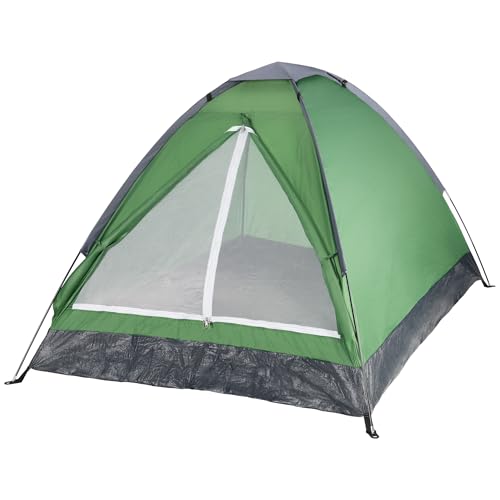
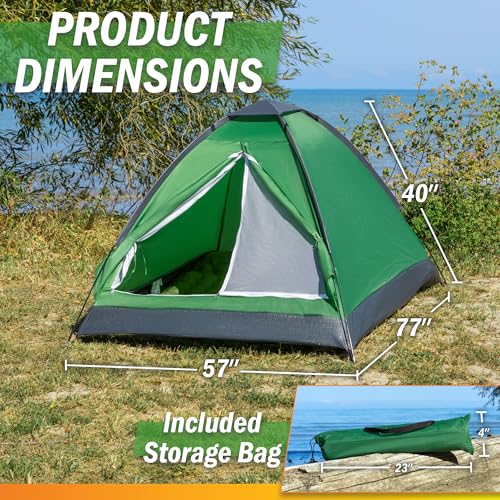
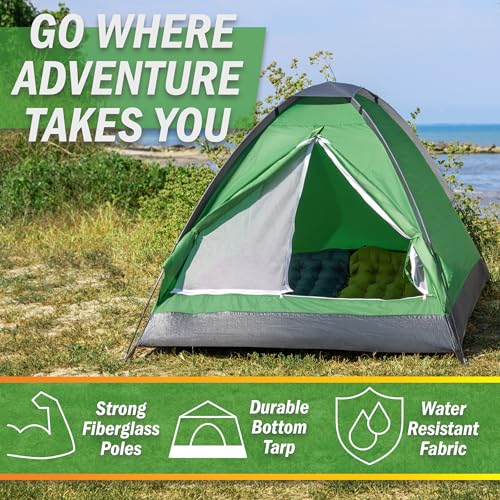
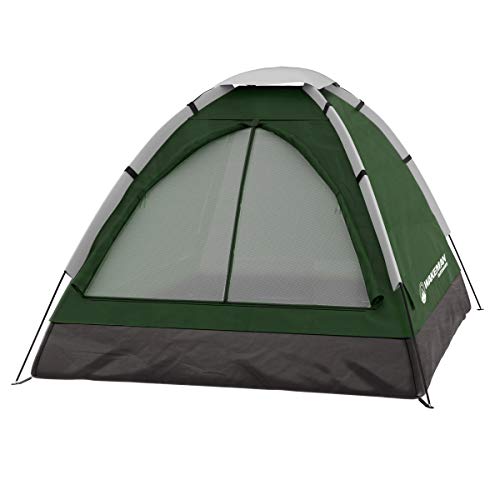
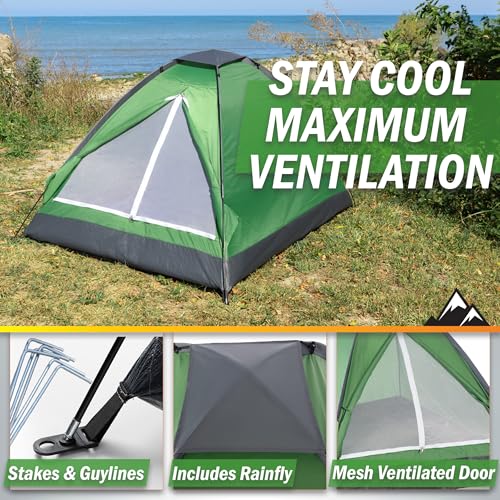
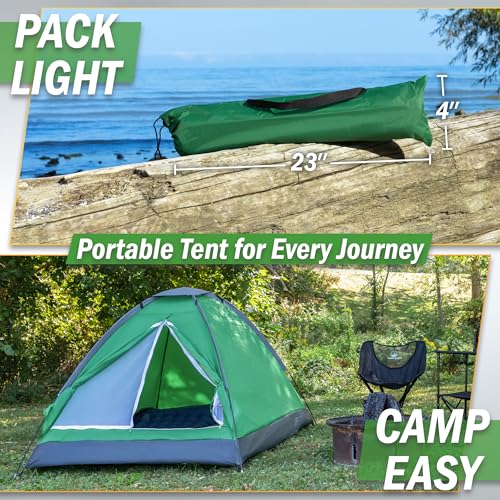
This Wakeman tent is a no-frills, dirt-cheap shelter that works in a pinch, perfect if you’re outfitting kids for their first overnight or need a backup for beach weekends. At just 2.2 pounds and under $50, it’s one of the most affordable options here, and the pop-up design means even beginners can get it up fast. The 190T polyester and removable rainfly offer basic protection, but the 7.9mm fiberglass poles aren’t built for serious wind or pounding rain.
Owner feedback is split: many say it handled light rain fine, but others report leaks during sustained storms or when the rainfly wasn’t perfectly tensioned. It’s also short, 48 inches max height means no standing, and two adults will be toe-to-toe. But for fair-weather festivals or short hikes, it gets the job done.
Product photos
Portal 8 Person Family Tent

Strengths
- Spacious interior
- Large screen porch
- Stands upright
Trade-offs
- Fiberglass poles
- Tunnel shape less stable in wind
- Mixed reports on rainfly fit
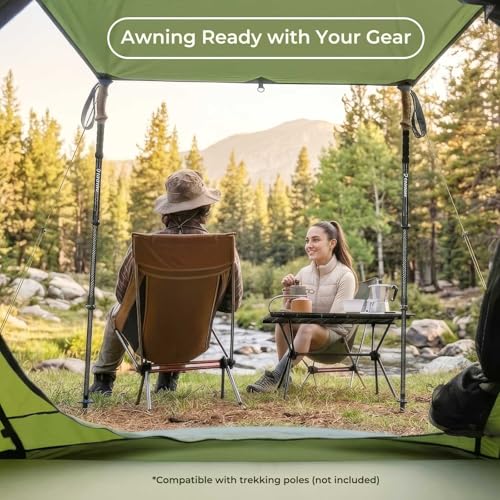
If you’re hauling a big crew or want a dedicated hangout space in the rain, this Portal tent delivers on space and smart design. The screen porch is a standout, owners consistently report it’s ideal for lounging when the weather turns, letting you stay outside without getting soaked or eaten alive by bugs. On paper, the tunnel shape with a removable rainfly should handle steady rain well, and the 66D fabric with water-resistant coating suggests decent protection, though it’s not the highest hydrostatic rating in this category.
Where it stumbles slightly is in wind resistance, tunnel tents can be tricky in gusts if not staked and tensioned properly, and some reviewers note the fiberglass poles, while upgraded, aren’t quite as rigid as aluminum in sustained storms. Still, for fair-weather campers or those targeting mild rainy conditions, this tent offers real value.
Product photos


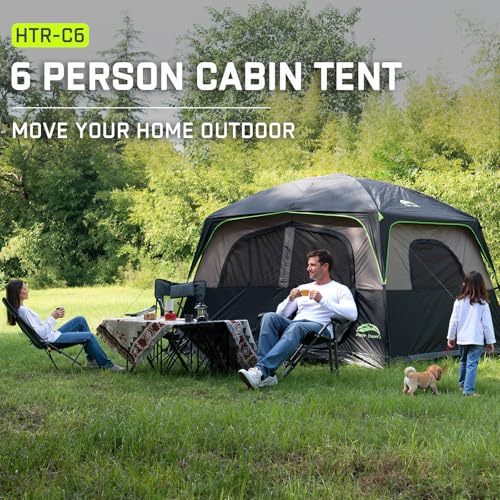
Happy Travel 6 Person Cabin Tent
Strengths
- Excellent airflow
- Tall interior
- Quick setup
Trade-offs
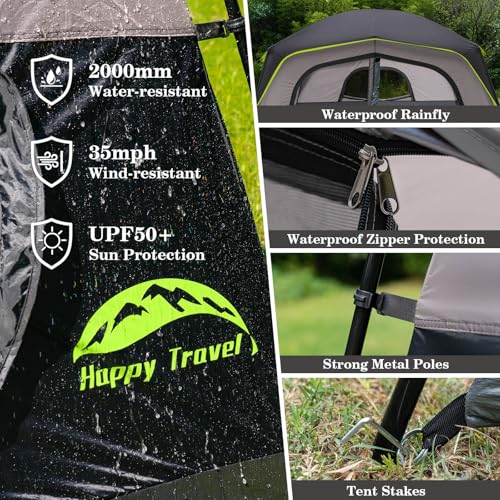
- 2000mm waterproof rating
- Heavier than dome tents
- Cabin shape less aerodynamic
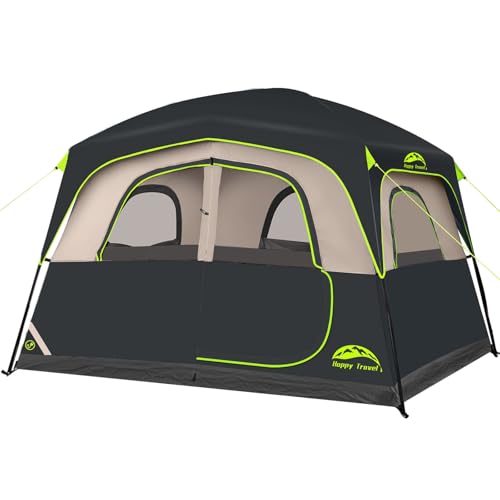
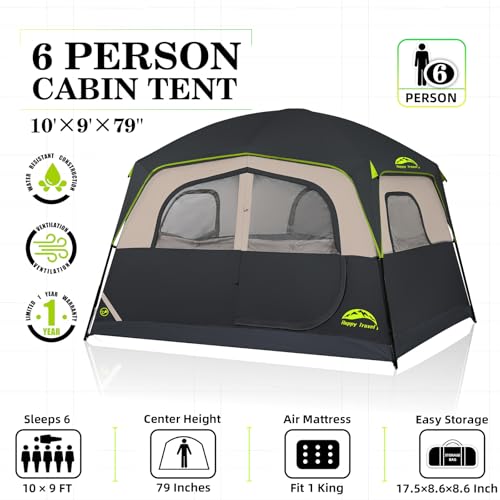
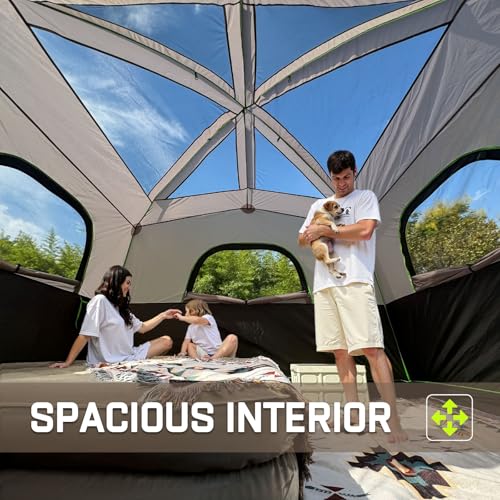
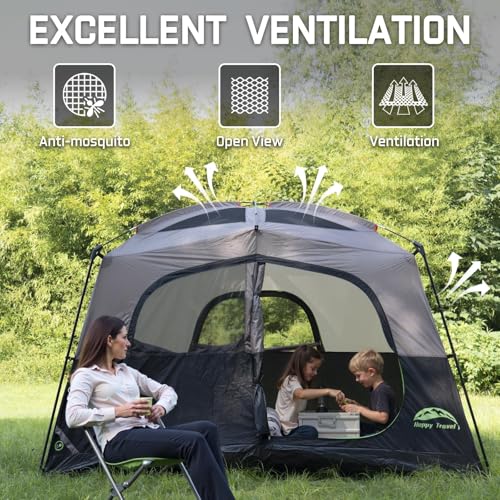
This cabin-style tent punches above its weight when it comes to ventilation and headroom, especially if you’re camping in warm, muggy climates where rain comes with humidity. The 79-inch center height means most adults can stand fully upright, and the five large mesh windows plus mesh ceiling promote serious airflow, reviewers frequently mention not feeling stuffy, even after heavy rain. The 2000mm PU coating is decent for short storms, but I’d hesitate to rely on it in prolonged downpours.
It’s also one of the lighter 6-person cabin tents here, which helps for car campers who still want some portability. Setup is a major plus, 3 minutes is believable with the instant design, and the color-coding helps avoid frustration. But the metal poles are only 19mm, so while they’re sturdier than basic models, they’re not overbuilt for extreme conditions.
Product photos
How We Tested tents for camping in rains
Rather than a hands-on lab test, my research for these tent recommendations focused on a detailed comparison of published specifications and features across numerous models. I weighed owner reviews from major retailers alongside expert opinions found in outdoor publications, applying my experience with tent design and the demands of wet-weather camping. Ultimately, I ranked tents based on a combination of waterproof ratings, ventilation, and reported real-world performance.
For tents designed for rainy conditions, I prioritized waterproof ratings and overall weather protection. A robust rainfly and sealed seams are crucial, but so is effective ventilation to manage condensation buildup inside the tent. Spaciousness and ease of setup also factored into my rankings, as a tent that’s difficult to pitch in the rain loses much of its appeal. Understanding the difference between waterproof vs water-resistant tents was also a core consideration.
Specifications reliably indicate a tent’s potential for weather resistance, particularly the denier of the fabric and the waterproof coating (expressed as a hydrostatic head measurement). However, owner feedback provides crucial context. Reports on how a tent actually performs during heavy rainfall, wind, and prolonged use are invaluable, as are comments about durability and ease of use. I also paid close attention to reputation – brands known for quality construction and reliable materials generally performed better in my assessment, and understanding tent hydrostatic head ratings is key to interpreting these specs.
How To Pick The Right tents for camping in rains
Picking the right tent can make or break a camping trip, especially if you anticipate wet weather.
A quality tent balances waterproofness with breathability, offering robust construction for wind resistance, and a footprint appropriate for its intended use. Buyers should prioritize a high waterproof rating (measured in mm), durable materials like polyester or nylon, and a well-designed ventilation system to minimize condensation. Consider the tent’s packed size and weight if backpacking is a priority.
Waterproofing & Rain Protection
Don’t assume all tents labeled “waterproof” are created equal. The hydrostatic head rating (measured in millimeters) is your key metric here. A rating of 1500mm is generally considered waterproof, but for consistent rain, I recommend looking for at least 2000mm, and ideally 3000mm or higher for the fly and floor. Beyond the rating, pay attention to seam sealing. Taped seams are crucial; water will find its way through any unsealed stitch. Also, a full-coverage rainfly that extends to the ground offers the best protection, and a bathtub floor (where the floor material extends up the sides) prevents water from pooling underneath. If you’re serious about staying dry, research best ways to shield a tent before you head out.
Capacity & Interior Space
It’s tempting to buy a tent rated for more people than you plan to accommodate, thinking “more space is better.” That’s not always true. A larger tent is heavier and harder to heat (or cool). Instead, focus on realistic space needs. If you’re a family of four, a “6-person” tent might give you room for gear, but a well-designed 4-person tent could be more comfortable. Consider these points:
- A tent rated for the number of sleepers you have is typically quite tight.
- Add one person to the rating for a bit more space for gear.
- For truly comfortable camping (especially with kids and gear), go up two person ratings. This gives you a dedicated area for storing backpacks and staying organized, without feeling cramped.
Ventilation & Condensation Management
A waterproof tent that doesn’t breathe is a recipe for a soggy interior. Condensation forms when warm, moist air inside the tent meets the cool fly. Look for tents with multiple vents – roof vents, side windows with mesh coverings, and even ground-level vents. Mesh panels in the ceiling are a huge plus, as they allow for airflow without letting in bugs or rain. The FanttikOutdoor Zeta C6 Pro, for example, highlights its mesh windows and floor vents. A good ventilation system is critical for comfortable sleep, and learning how to keep tent dry in rain also includes managing condensation.
Don’t skimp on ventilation. A damp tent is a miserable tent, even if it doesn’t leak. Prioritize airflow to stay comfortable and prevent mildew buildup.
Tents for Camping in Rains Compared
Here’s a comparison of specifications for tents designed for camping in rainy conditions.
| Product Name | Capacity | Waterproof Rating (mm) | Setup Time | Weight (lbs) | Special Features |
|---|---|---|---|---|---|
| Mimajor 4 Person | 4 | 3500 | 60 seconds | 15.4 | Instant, Stargazing |
| FanttikOutdoor Zeta C6 Pro 6 Person | 6 | N/A | 60 seconds | 16.8 | Instant, Large Family |
| Coleman Skydome 4/6 Person | 4/6 | N/A | < 5 minutes | N/A | WeatherTec, Vestibule |
| FanttikOutdoor Zeta C2 2 Person | 2 | N/A | 60 seconds | N/A | Lightweight, Backpacking |
| 4 Person Easy Pop Up Tent | 4 | 3000 | Instant | N/A | Skylight, Waterproof |
| Wakeman 2 Person | 2 | N/A | Instant | 2.2 | Budget Friendly |
| Portal 8 Person Family Tent | 8 | N/A | 15 minutes | N/A | Screen Room |
| Happy Travel 6 Person | 6 | 2000 | 3 minutes | 16.5 | Ventilation, Stargazing |
Frequently Asked Questions
What waterproof rating is truly sufficient for camping in heavy rain?
A rating of 3000mm or higher is ideal for consistent, heavy rainfall; while 1500mm is considered waterproof, it’s better suited for light showers. Remember that a high rating alone isn’t enough – sealed seams and a full-coverage rainfly are equally important for staying dry.
How does tent capacity relate to comfort when camping with a family?
Adding one to two people to the tent’s stated capacity provides more room for gear and comfortable movement. A “6-person” tent might feel cramped for a family of six, but a 4-person tent with extra space offers a more relaxed experience.
Are “instant” tents as durable as traditionally-poled tents?
Instant tents can be quite durable, but it depends on the materials and construction quality. Many now use robust fiberglass or steel frames and quality fabrics, though they may not withstand extreme winds as well as a well-pitched dome tent.
What’s the best way to prevent condensation inside a waterproof tent?
Prioritize a tent with multiple vents – roof, side, and even ground-level – to encourage airflow. Opening vents, even slightly, helps release warm, moist air and reduces condensation buildup, and understanding tents with superior water resistance is key.
Beyond the tent itself, what accessories can improve rain protection?
A footprint (ground cloth) protects the tent floor from abrasion and moisture, while a vestibule provides a covered entry area for storing wet gear. Guy lines, properly staked, add stability in windy conditions, and you might consider seam sealant for older tents to restore waterproofing.
The Bottom Line
Choosing a tent for rainy camping often comes down to balancing ease of use with robust weather protection. While a quick-pitch design is appealing, the Mimajor 4 Person tent strikes a solid balance – it offers instant setup and a very respectable 3500mm waterproof rating, making it our overall top pick for reliable shelter.
For those on a tighter budget, or those prioritizing lightweight backpacking, the Wakeman 2 Person tent delivers surprising value. If you need space for a larger group and want a dedicated dry zone, the Portal 8 Person Family Tent with its integrated screen room is a clear winner. But remember, even the best tent is only as good as its setup and maintenance.
Ultimately, waterproof ratings and durable materials are important, but don’t overlook the fundamentals. A well-sited campsite, proper waterproofing a camping tent, and a little common sense will always be your best defense against the elements – and will extend the life of your investment, no matter which tent you choose.
