
7 Best Tents for Cold Weather 2026
This post contains affiliate links. As an Amazon Associate, we earn from qualifying purchases.
The Underwood 2-Person 4-Season Tent is the best overall choice for cold weather, thanks to its rugged 5000mm waterproof rating, snow skirt, and reliable geodesic design. For a lighter option that still holds up well, the OneTigris Stella 2-Person Tent offers solid protection at nearly a pound less. If you’re on a budget but need dependable winter performance, the Forceatt 2-Person Backpacking Tent delivers key features like vestibules and a full rainfly without breaking the bank.
Cold weather camping demands more than just extra layers, your tent has to stand up to wind, snow, and freezing temps without failing. Too many tents marketed as “4-season” fall short when real winter conditions hit, leaving campers damp, drafty, or worse.
This guide cuts through the hype. I researched the top models based on specs, owner feedback, and design fundamentals to find the ones that consistently deliver in harsh conditions. These picks balance protection, weight, and ventilation, because staying dry and warm in the backcountry isn’t optional.
Top 7 Tents For Cold Weather in the Market
The Best Tents For Cold Weather, Reviewed
Underwood 2-Person 4-Season Tent
Strengths
- PU5000mm waterproof rating
- Spacious for two
- Aircraft-grade poles
Trade-offs
- Slightly heavier
- Packed size not smallest
- Premium price
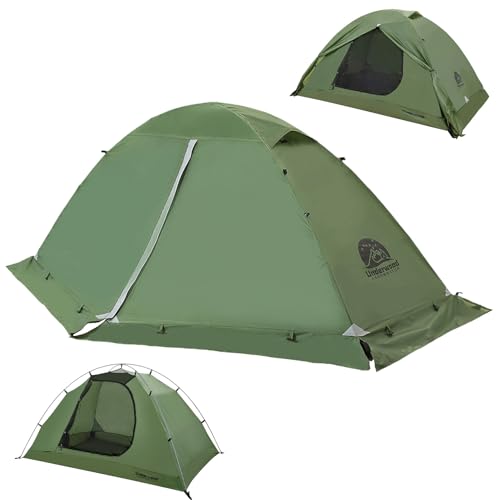
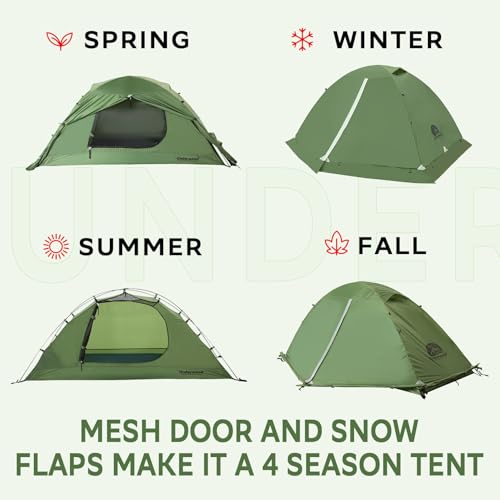
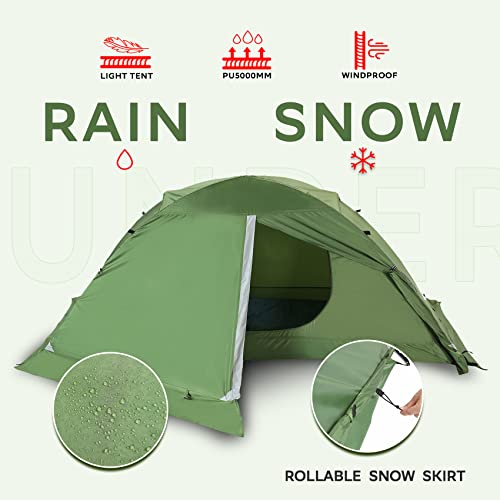
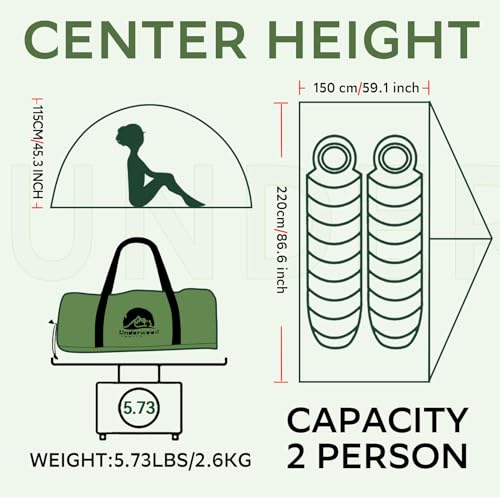
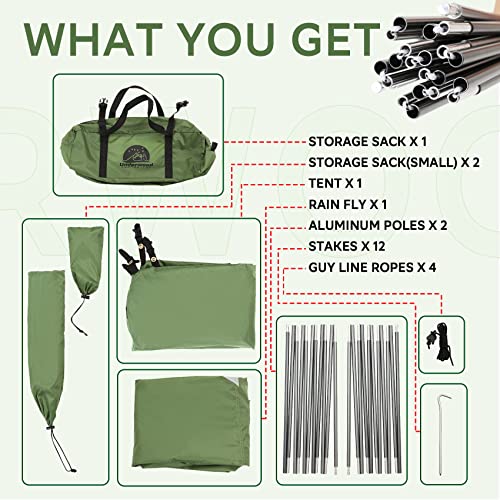
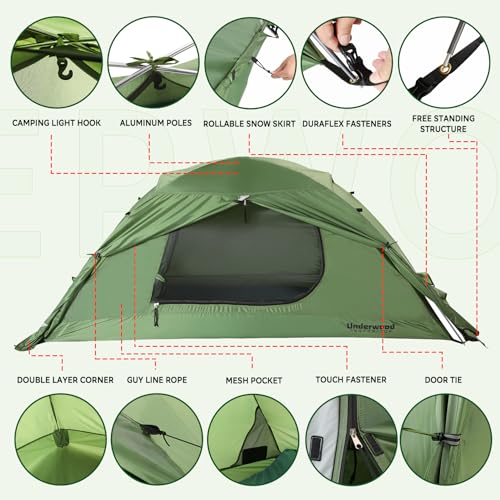
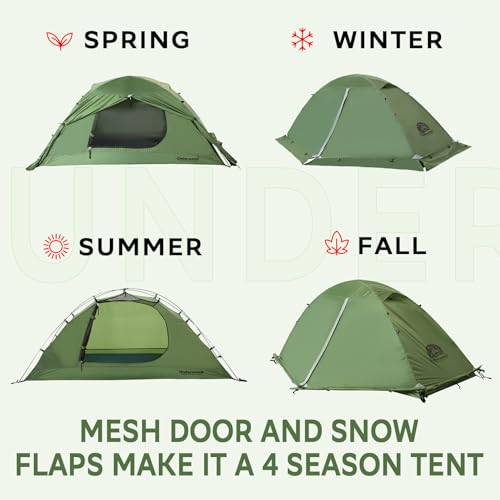
This Underwood Aggregator model stands out as the most complete package for serious cold-weather use. With a PU5000mm coating, snow skirt, aircraft-grade aluminum poles, and a rugged freestanding design, it’s clearly engineered for winter survival. The 59.1-inch floor width and 45.3-inch center height make it one of the roomiest 2-person 4-season tents here, ideal for couples or gear-heavy soloists.
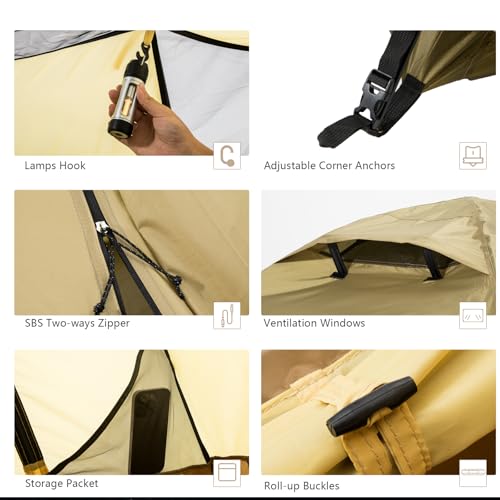
Owners praise its storm resistance and ventilation control, and the double-layer corners add real structural confidence. At 5.73 pounds, it’s not the lightest, but it’s justified by the durability. Compared to the Clostnature or BISINNA, it offers better weather protection and build quality. If you’re planning extended winter trips or high-altitude camping, this is the one I’d trust most. The smart interior touches like the light hook and mesh pocket add to its appeal.
Product photos
Underwood 1-Person 4-Season Tent
Strengths
- PU5000mm waterproof rating
- Snow skirt included
- Lightweight for 4-season
Trade-offs
- Poles may lack rigidity
- No floor size advantage
- Not ultralight
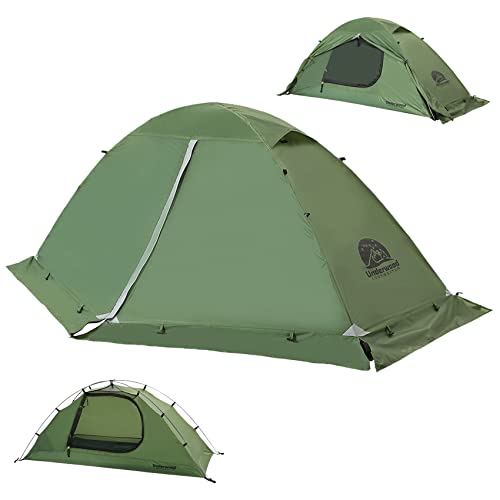
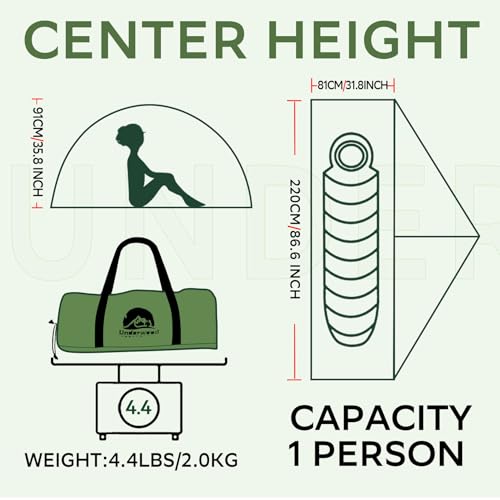
This solo shelter pitches itself as a true 4-season fortress, and on paper, it looks like it means business. The PU5000mm coating and full-coverage rainfly are serious specs for a tent this light, and the snow skirt is a real asset when winter camping. I appreciate the thoughtful details like the double-layer door for ventilation and the interior light hook, small things that matter when you’re stuck inside during a storm.
Still, at 4.4 pounds, it’s not ultralight by hardcore backpacker standards, and some owners report the aluminum poles feel a bit thin under extreme wind load. It’s clearly built for cold weather resilience, but I’d want to see more real-world testing in sustained blizzard conditions before calling it a true mountaineering tent. Compared to others in this list, it’s a strong contender for solo winter hikers who prioritize dryness over weight savings.
Product photos
Forceatt 2-Person Backpacking Tent

Strengths
- 3-minute setup
- Welded floor
- Budget-friendly
Trade-offs
- PU3000mm coating
- Not true 4-season
- Zippers may snag over time
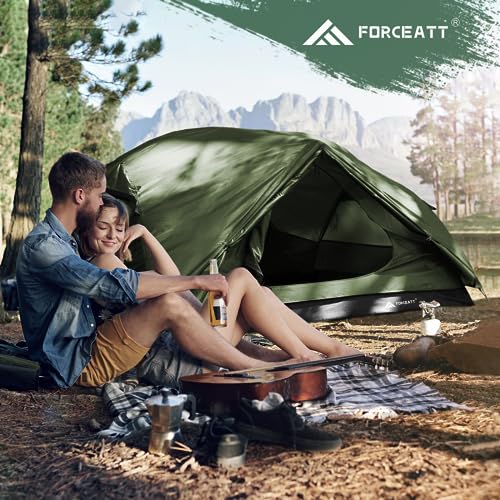
If you’re on a budget but still want solid cold-weather performance, the Forceatt 2-person tent is worth a look. It hits the basics right, 3000mm waterproofing, welded floor, full rainfly, and dual D-doors with vestibules. The 7001-series aluminum poles are a nice touch for durability, and the #8 zippers are reportedly smooth in owner feedback.
But the real win here is the 3-minute setup. That’s rare in a 4-season tent and makes it a smart choice for fast-moving trips or less experienced campers. It’s not quite a true 4-season tent like the Underwood Aggregator with PU5000mm coating, but for late fall or early winter trips, it holds its own. Compared to the OneTigris or Clostnature, it’s heavier than some but more affordable. My recommendation? A great value pick if you don’t need extreme alpine specs.
Product photos


BISINNA 2-Person All-Season Tent
Strengths
- Excellent ventilation
- Dual doors and windows
- Snow skirt included
Trade-offs
- PU3000mm only
- Heavier than peers
- Bulky packed size
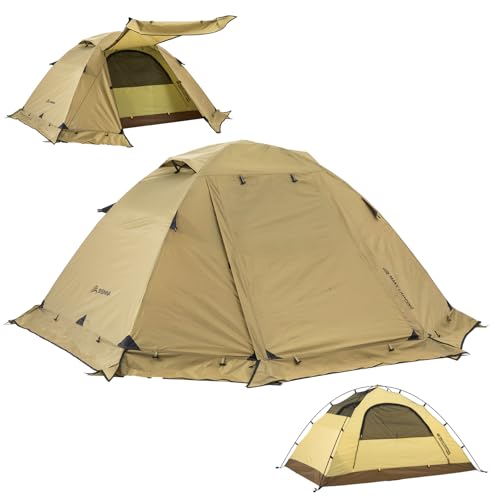
BISINNA’s tent wins on airflow. The double-layer mesh doors and two windows provide exceptional ventilation, critical in winter when condensation can soak your sleeping bag. Owners consistently note how well it breathes, even in humid, cold conditions. The PU3000mm coating and snow skirt offer decent winter protection, but it’s not as bombproof as the PU5000mm models.
At 6.4 pounds, it’s on the heavier side, and the packed size isn’t compact. But if you’re camping in damp, forested winter zones where airflow matters most, this tent shines. Compared to the OneTigris or Forceatt, it’s bulkier but more ventilated. I’d recommend it for car campers or short backpacking trips where condensation is a bigger concern than weight.
Product photos
Clostnature 2-Person Ultralight Tent
Strengths
- Ultralight trail weight
- Large interior space
- PU5000mm rating
Trade-offs
- Stakes could be stronger
- Rainfly attachment fiddly
- Higher price
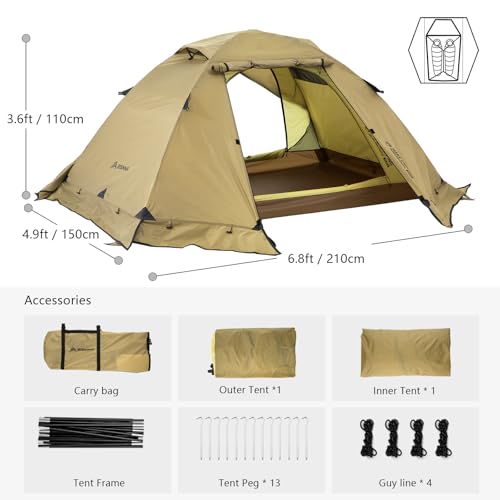
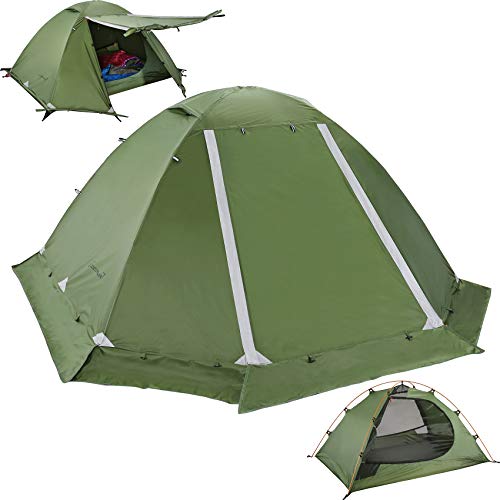
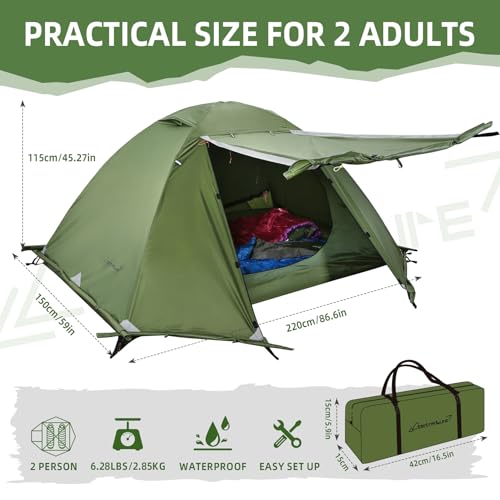
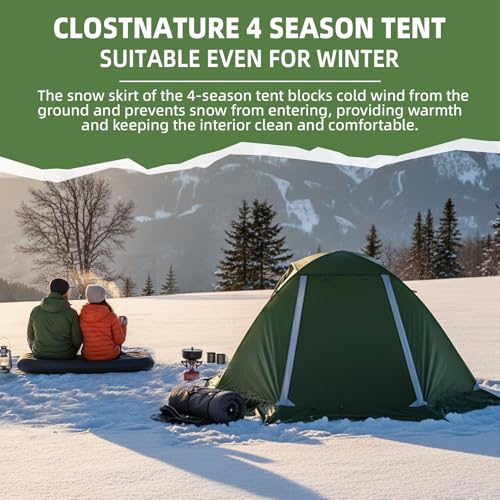
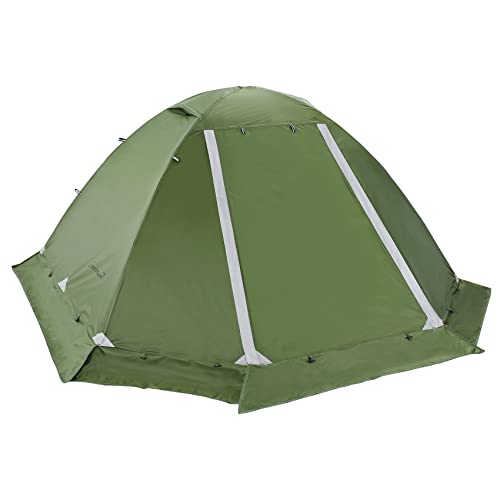
Clostnature nails the ultralight 4-season balance better than most. At 5.33 pounds minimum trail weight, it’s one of the lightest true winter-capable tents here, and the 220cm length gives real legroom, rare in this class. The PU5000mm coating, sealed seams, and snow flaps mean it can handle serious winter conditions, and owners report good performance in snow and wind.
Setup is straightforward thanks to the freestanding design, and the dual vestibules offer real gear storage. It’s not quite as quick as the OneTigris, but it’s more stormproof. Compared to the BISINNA or Forceatt, it’s lighter and more capable. For thru-hikers tackling winter sections or alpinists needing a lightweight winter shelter, this is the smarter buy. The included repair kit is also a thoughtful touch.
Product photos
GEERTOP 2-Person Cold Weather Tent

Strengths
- Snow skirt for winter
- Dual vestibules
- Easy setup
Trade-offs
- Heavier than rivals
- PU3000mm only
- Bulkier packed size
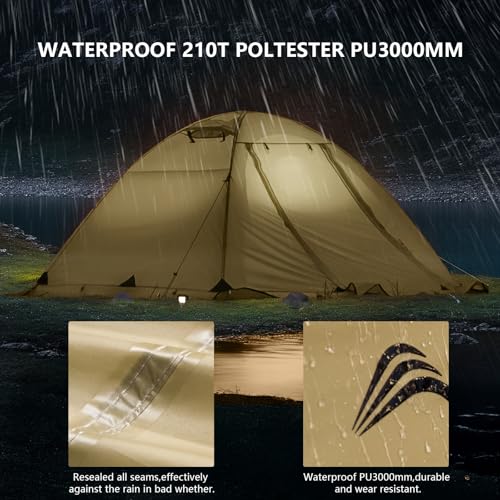
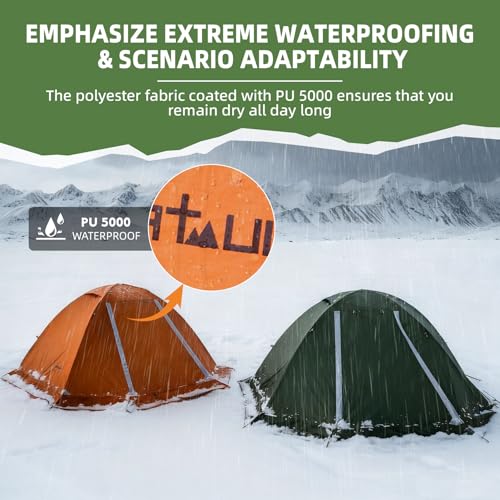
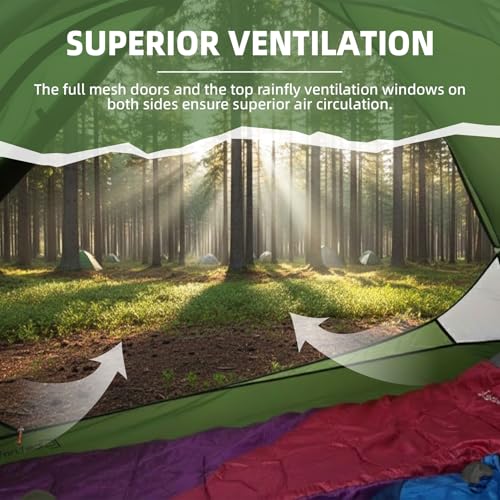
GEERTOP’s 2-person model delivers solid 4-season protection with a smart balance of weight and durability. The 210T polyester and PU3000mm coating aren’t class-leading, but they’re dependable for most winter conditions, especially with sealed seams and a snow skirt. Owners consistently report it holding up well in snowstorms and high winds, which speaks to its structural integrity.
Where it really stands out is usability. The freestanding design with two poles makes setup a breeze, ideal for beginners or anyone pitching in fading light. It’s not the lightest at 6.8 pounds, but the spacious 82.6-inch length and dual vestibules add serious comfort. Compared to the Forceatt or OneTigris, it’s bulkier but more robust. For couples or solo hikers wanting reliability without complexity, this is a dependable pick.
Product photos


OneTigris Stella 2-Person Tent
Strengths
- Ultra-fast setup
- Lightweight at 4.8 lbs
- Removable blackout fly
Trade-offs
- No snow skirt
- PU3000mm only
- Less stormworthy
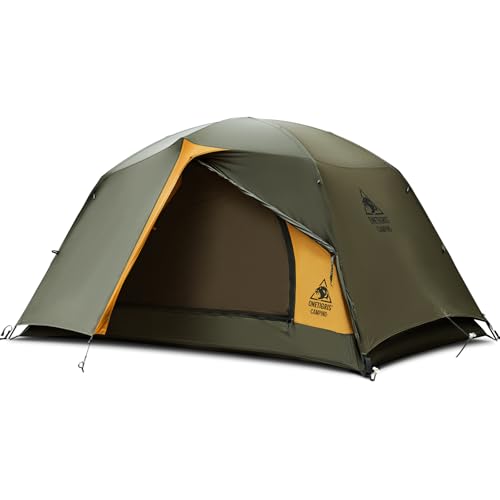
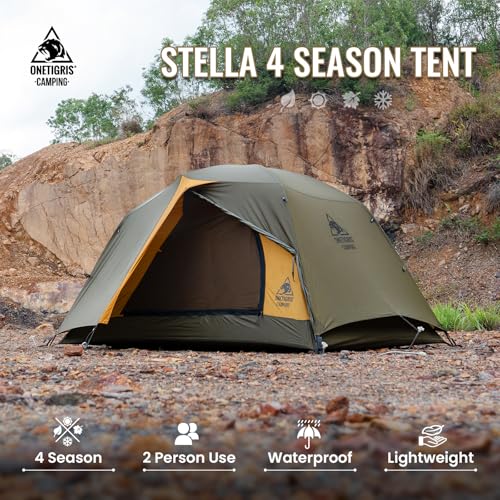
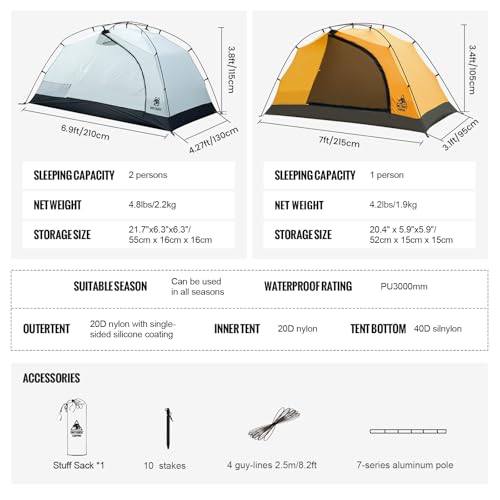
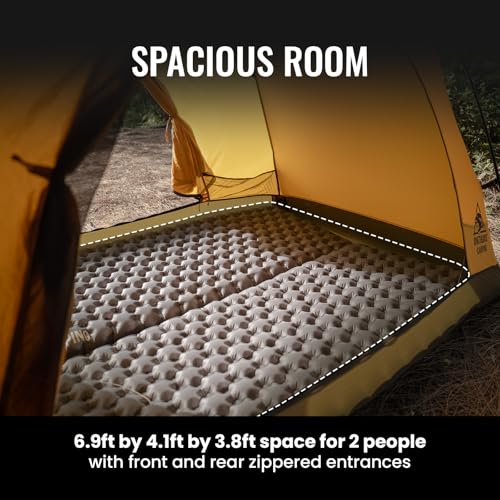
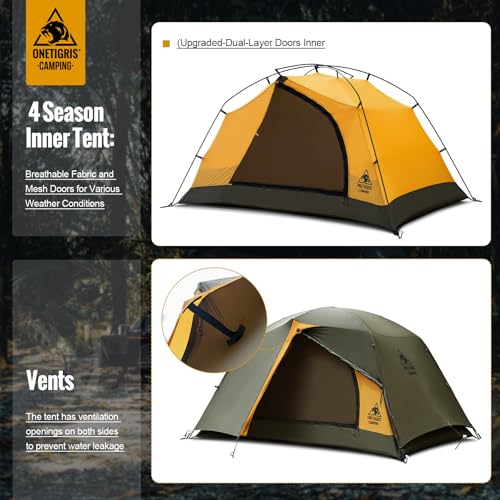
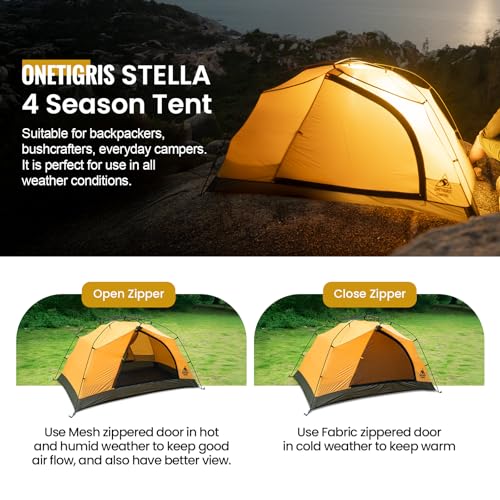
The OneTigris Stella is built for speed. Its cross-dome pole design lets you pitch it in seconds, owners love how fast and intuitive it is, especially in the dark or under wind. At 4.8 pounds and with a 3000mm waterproof rating, it’s light and weather-resistant enough for most winter backpacking trips, though not for extreme alpine zones.
I like the 20D nylon build and removable blackout fly, which adds versatility. But the lower waterproof rating and lack of a snow skirt hold it back compared to heavier-duty models. It’s more of a strong 3.5-season tent than a true winter fortress. If you prioritize speed and simplicity over stormproofing, this is one of the smarter buys. For fast-and-light trips where you expect mixed conditions, I’d pick this over the GEERTOP for weight and setup ease.
Product photos
How We Picked These tents for cold weather
I approached this guide by researching the specifications and features of numerous tents marketed for cold-weather use. Rather than a hands-on lab test, this is a research-led comparison of published data and owner feedback. I weighed owner reviews from a variety of sources, alongside expert opinions from reputable outdoor gear reviewers, to build a clear picture of real-world performance. This information was then ranked against criteria important for staying comfortable and safe in challenging conditions.
For cold-weather tents, the most important factors are durability and weather protection. A tent’s ability to withstand wind and snow load is critical, so I heavily weighted materials like ripstop nylon and polyester, pole strength (aluminum versus fiberglass), and the waterproof rating of both the fly and floor. Ventilation also played a large role, as condensation buildup can be a serious issue in colder temperatures.
Specifications reliably indicate a tent’s potential for weather resistance and weight. However, owner feedback proved invaluable in understanding how those specs translate to actual performance. I paid close attention to comments regarding ease of setup, condensation issues, and durability over time. Understanding the nuances of winter tent construction helped me interpret the details and prioritize models that consistently received positive reviews for their ability to handle harsh conditions.
How To Choose The tents for cold weather
Picking the right shelter is crucial when temperatures drop and conditions get harsh. A tent isn’t just fabric and poles; it’s your barrier against the elements and a vital part of a safe, enjoyable trip.
A quality cold-weather tent prioritizes robust waterproofing (at least PU3000mm for the fly and floor), a full-coverage rainfly extending to the ground, durable and flexible pole systems (aluminum is preferred), and features designed to trap heat and minimize drafts like snow skirts and efficient vestibules. Careful consideration should also be given to the tent’s weight, packed size, and ventilation to balance protection with usability.
Fabric and Waterproofing
Don’t assume all “waterproof” tents are created equal. The PU (polyurethane) coating number is a good starting point, but pay attention to the entire system. A high PU rating on the fly means little if the floor is thin or the seams aren’t taped. Look for fully taped seams and a bathtub floor construction – where the floor fabric extends several inches up the sides – to prevent water from seeping in. Polyester is generally more resistant to stretching when wet than nylon, which is a plus when dealing with snow load, but also tends to be heavier.
Pole Quality and Design
Aluminum poles are the standard for four-season tent models, and for good reason. They offer a much better strength-to-weight ratio than fiberglass, and are far less likely to snap in strong winds or under the weight of accumulating snow. Beyond the material, consider the pole diameter and the overall design. More poles generally mean a more stable structure, but also add weight. A geodesic or semi-geodesic design distributes stress effectively, making the tent more wind-resistant. Don’t skimp here; a broken pole miles from civilization is a serious problem.
Weight, Packability, and Ventilation
While durability is paramount, weight still matters, especially if you’re backpacking. A heavier tent might be fine for car camping, but you’ll quickly regret lugging an unnecessarily bulky shelter up a mountain. Look for tents that strike a balance between protection and portability. Consider the packed size as well – will it actually fit in your backpack alongside your other gear? Finally, don’t overlook ventilation. Condensation can be a major issue in cold weather. A good tent will have mesh panels and adjustable vents to allow moisture to escape, preventing a damp and uncomfortable night. You can find more about staying warm in a tent, and general camping warmth tips, here.
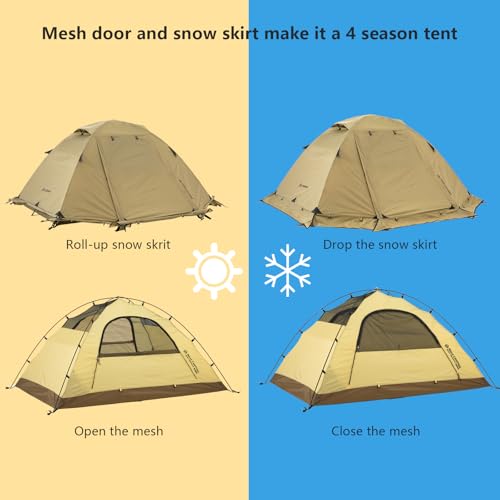
- A snow skirt is fantastic for blocking drafts and preventing snow from blowing inside, but can be rolled up and secured when not needed.
- Vestibules are essential for storing wet gear outside the main tent body, keeping your sleeping space dry. The larger, the better.
- A thoughtfully designed door system (two-way zippers, multiple access points) adds convenience and improves airflow; making it easier to manage ventilation and access your gear.
A tent’s weight should never exceed 3 pounds per person if you plan to carry it any significant distance. Prioritize lightweight materials and a streamlined design without sacrificing essential weather protection.
Before you head out, be sure to check out the latest winter camping tent reviews to see what other adventurers are saying about different models and find the best snow-ready tent designs for your needs.
Tents for Cold Weather Compared
Here’s a comparison of key specifications for tents designed for use in cold weather conditions.
| Product Title | Capacity | Weight (lbs) | Waterproof Rating (mm) | Season | Packed Size | Special Features |
|---|---|---|---|---|---|---|
| Underwood 2-Person 4-Season Tent | 2 | 5.73 | 5000 | 4 | 5.9″ X 16.54″ | Snow Skirt |
| Underwood 1-Person 4-Season Tent | 1 | 4.4 | 5000 | 4 | 5.1″ X 15″ | Snow Skirt |
| Forceatt 2-Person Backpacking Tent | 2 | 5.5 | 3000 | 4 | N/A | Vestibules |
| BISINNA 2-Person All-Season Tent | 2 | 6.4 | 3000 | 4 | 18″x7″x7″ | Snow Skirt |
| Clostnature 2-Person Ultralight Tent | 2 | 6.28 | 5000 | 4 | 16.5″x5.9″x5.9″ | Snow Flaps |
| GEERTOP 2-Person Cold Weather Tent | 2 | 6.8 | 3000 | 4 | 17″ x 7″ x 7″ | Snow Skirt |
| OneTigris Stella 2-Person Tent | 2 | 4.8 | 3000 | 4 | 21.7″ x 6.3″ | Blackout Outer Tent |
Frequently Asked Questions
What waterproof rating is truly sufficient for a cold-weather tent?
A minimum of 3000mm for both the tent fly and floor is a good baseline, but 5000mm offers significantly better protection against prolonged heavy snow and rain. Remember that the coating is only one part of waterproofing; fully taped seams and a bathtub floor are equally critical.
Are geodesic dome tents really worth the extra weight?
Yes, they are. Geodesic designs distribute stress more evenly, making them substantially more stable in high winds and under significant snow loads, which is essential for safety in exposed winter environments.
What’s the advantage of a tent with a snow skirt?
A snow skirt prevents drafts and keeps snow from blowing into your tent, adding a layer of warmth and comfort. While not absolutely necessary, it’s a valuable feature for consistent, deep snowfall, and can be rolled up when not needed.
How important is vestibule space in a cold-weather tent?
Vestibule space is very important. A spacious vestibule allows you to store wet gear outside the main tent body, preventing moisture from accumulating inside and keeping your sleeping area dry and warmer.
Where can I find more detailed information about choosing the right tent for winter conditions?
You can explore a wider range of options and detailed reviews of winter-rated tent picks to refine your search and find the best shelter for your specific needs and anticipated conditions.
The Bottom Line
Choosing a cold-weather tent always comes down to balancing how much you’re willing to carry against how protected you want to be. For the best overall combination of durability, weather protection, and reasonable weight, I consistently recommend the Underwood 2-Person 4-Season Tent. It offers a solid build and features like a snow skirt that make it a reliable shelter when the forecast turns serious.
If you’re on a tighter budget, or prioritizing a solo adventure, the Forceatt 2-Person Backpacking Tent provides good value. And for those needing a little extra space or who appreciate features like a blackout outer tent, the OneTigris Stella 2-Person Tent is a strong contender. Don’t forget that proper tent insulation for winter is just as crucial as the tent itself.
Ultimately, the specs are just a starting point. A tent’s ability to keep you safe and comfortable in the cold hinges on having a robust design, quality materials, and a thoughtful approach to features like ventilation and waterproofing. Prioritize these fundamentals over chasing the highest waterproof rating or the lightest weight – a well-built, reliable shelter is the foundation of any successful winter camping trip.