
9 Best Tents for Wind and Rain 2026
This post contains affiliate links. As an Amazon Associate, we earn from qualifying purchases.
The NANJEEN Inflatable Camping Tent is the best overall for wind and rain, combining serious stability with fast setup, while the Wakeman 2-Person Pop Up Tent is a solid budget pick that still holds up in storms. For backpackers who need lightweight durability, the Wind Tour 2-Person Backpacking Tent stands out.
Most people don’t realize how quickly a flimsy tent can fail when the wind picks up or the rain won’t stop. You’re not just risking a wet sleeping bag, a poorly built shelter can ruin your entire trip.
As someone who’s spent years studying what makes a tent hold up in real conditions, I focused on owner feedback, build quality, and weather-specific design. This guide cuts through the marketing hype to show you which tents actually perform when the weather turns, based on what matters most: materials, structure, and how fast you can get inside and stay dry.
Top 9 Tents For Wind And Rain in the Market
The Best Tents For Wind And Rain, Reviewed
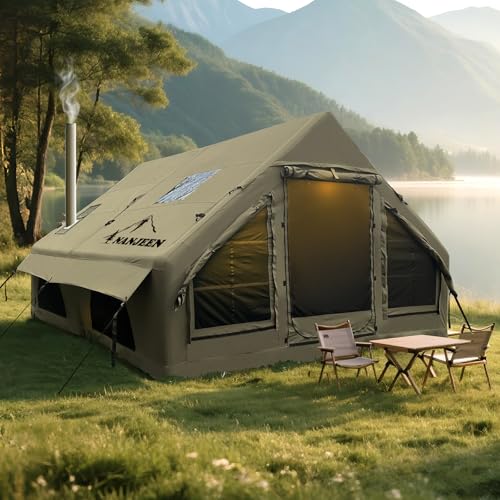
NANJEEN Inflatable Camping Tent
Strengths
- All-season capable
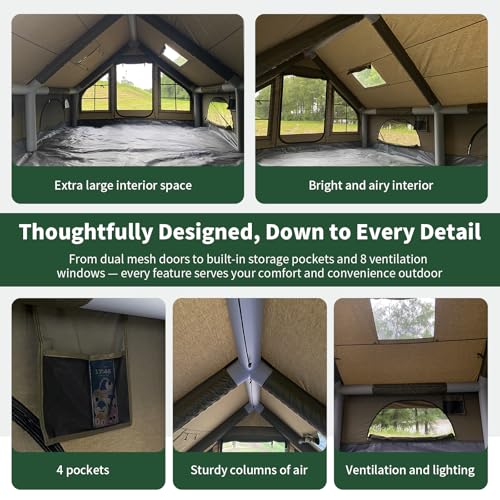
- Spacious interior
- Wind-rated structure
Trade-offs
- Heavy at 35kg
- Limited portability
- Inflatable risk in cold
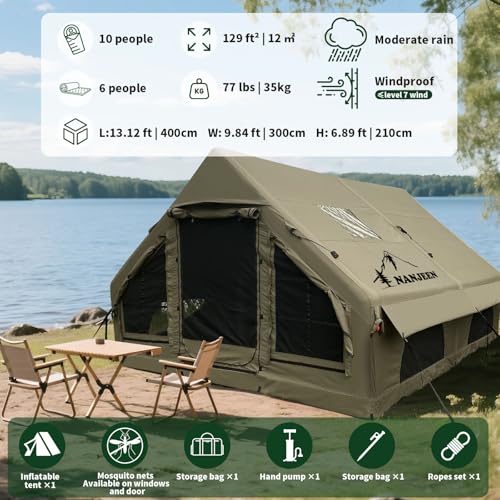
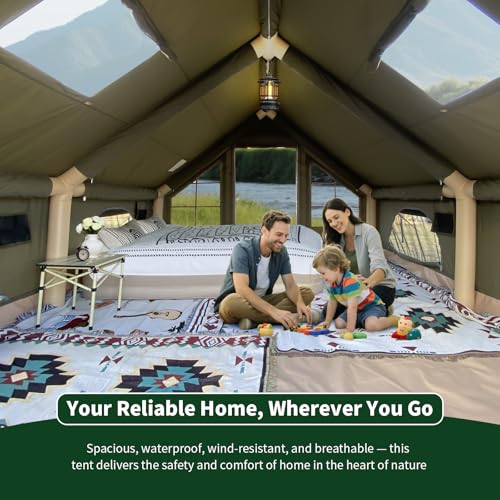
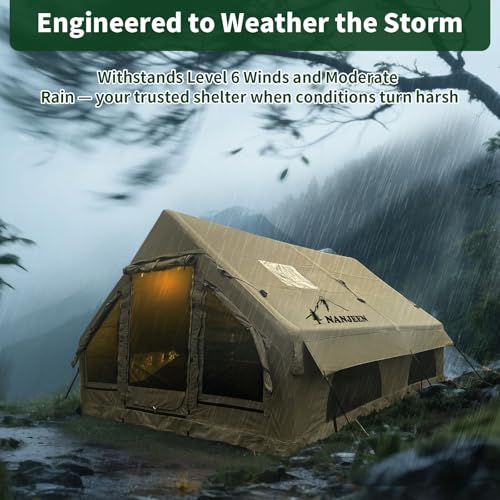
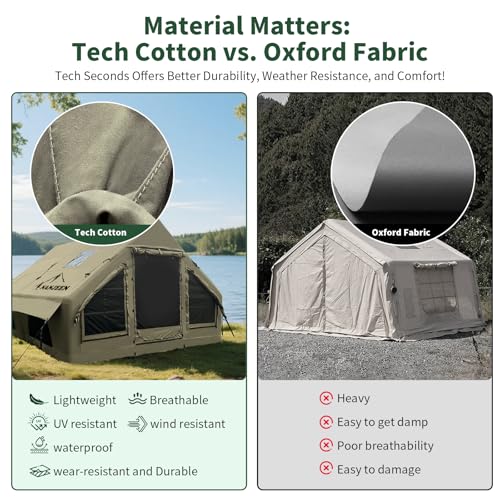
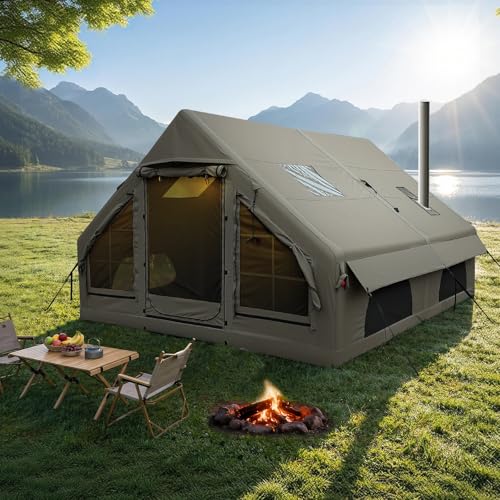
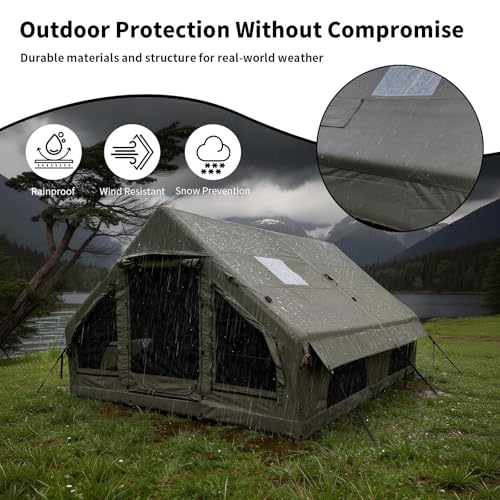
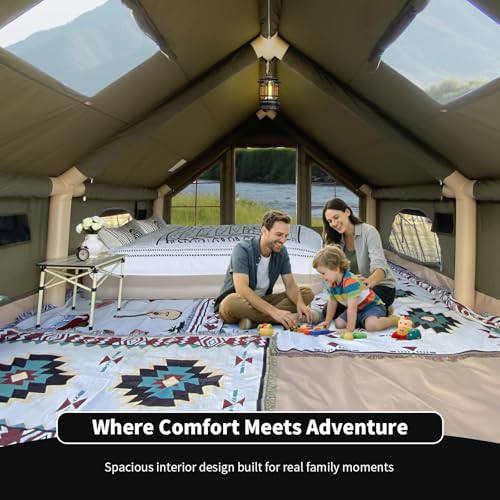
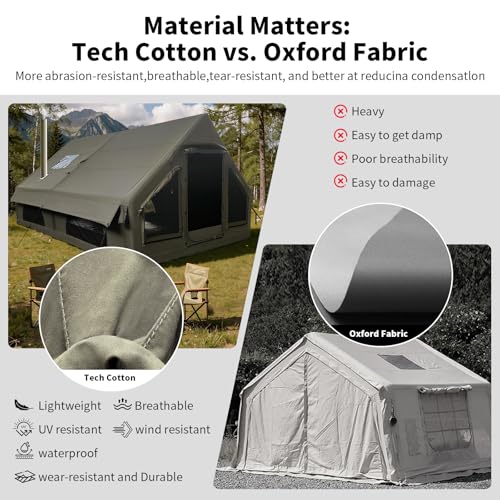
At 35kg and built with what they call ‘tech cotton’, this inflatable tent looks like it means business. On paper, it’s one of the more serious all-season contenders here, rated for Level 7 winds, sealed seams, dual doors, and a 12㎡ interior that can sleep up to 10. That kind of capacity usually comes with trade-offs, but owners praise how well it handles cold snaps and sideways rain, especially compared to standard polyester domes. The material seems to resist condensation better than typical vinyl or nylon, which is a real win in damp climates.
Still, that weight is a red flag for mobility. This isn’t something you’re driving to a dispersed campsite in a compact SUV and carrying 200 meters to the tree line. It’s clearly aimed at overlanders, car campers, or semi-permanent base camps. If you want one shelter that can handle winter weekends and summer group trips without swapping gear, this is a compelling option, assuming you don’t mind the setup space and transport logistics.
Product photos
Luxury Inflatable Camping Tent
Strengths
- Stove jack included
- All-season ventilation
- Durable technical fabric
Trade-offs
- Heavy setup
- Cold-weather inflation risk
- Higher price point
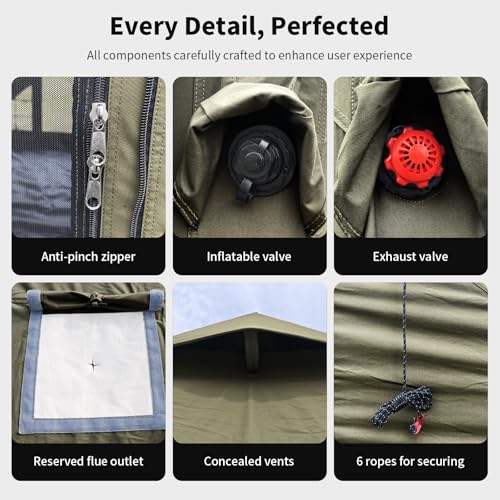
This tent shares DNA with the NANJEEN model but adds one game-changing feature: a stove jack. That single detail elevates it from durable shelter to potential off-grid home. For anyone planning extended stays in cold climates, think winter hunting, ice fishing base camps, or homesteading trials, the ability to run a small wood stove safely through the roof is huge. Owners in northern climates consistently highlight how it transforms the interior experience, keeping damp gear dry and morale high during long stretches of bad weather.
The 12㎡ layout and dual doors make it livable for groups, and the technical cotton canvas does a better job managing moisture than synthetic alternatives. Inflatable tents still make me nervous in sub-zero temps, air pressure drops, materials stiffen, but the feedback suggests this one holds up if prepped right. If you’re serious about all-season comfort and don’t mind the weight, this is the smarter buy over the non-stove version.
Product photos

Wind Tour 2-Person Backpacking Tent
Strengths
- Low cost
- Lightweight
- Good floor durability
Trade-offs
- Basic pole system
- Minimal storm protection
- Rain fly not robust
At under $100 and just over 2.5 pounds, this tent is clearly built for budget-focused backpackers who still want decent weather resistance. The 150D Oxford floor is a nice upgrade over cheaper 75D models, and the 190T polyester top with fiberglass poles keeps it affordable without being flimsy. Owners say it handles light rain and evening dew better than expected, and the breathable mesh walls help reduce condensation, a rare win at this price.
But ‘wind-resistant’ is generous. The pole structure is basic, and there’s no storm flap on the rain fly. In anything beyond a steady breeze, it needs perfect staking and a sheltered spot. Still, for beginners or occasional campers, it’s a solid entry point. I’d recommend this over the Wakeman model if you’re on a tight budget and need something packable.
Product photos
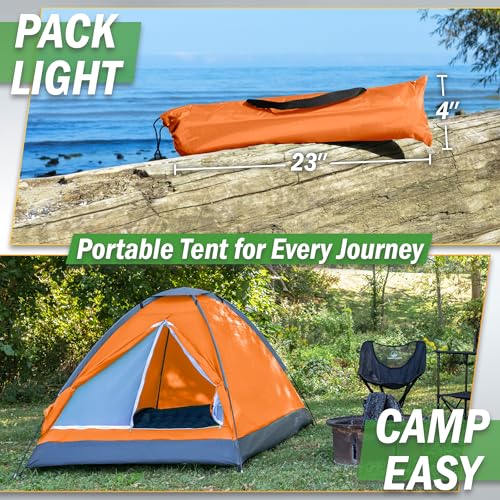
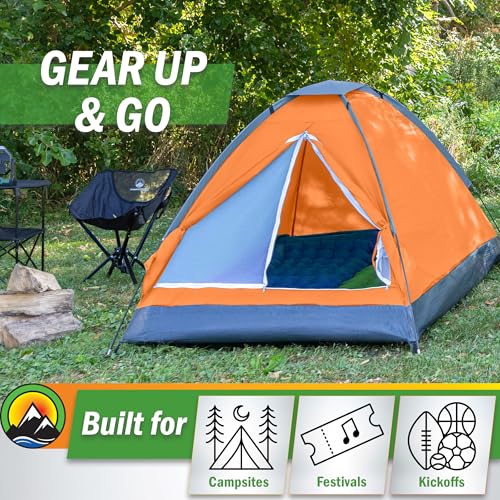
Wakeman 2-Person Pop Up Tent
Strengths
- Ultra-lightweight
- Rain fly included
- Simple assembly
Trade-offs
- Low wind rating
- Fiberglass poles snap
- Not four-season
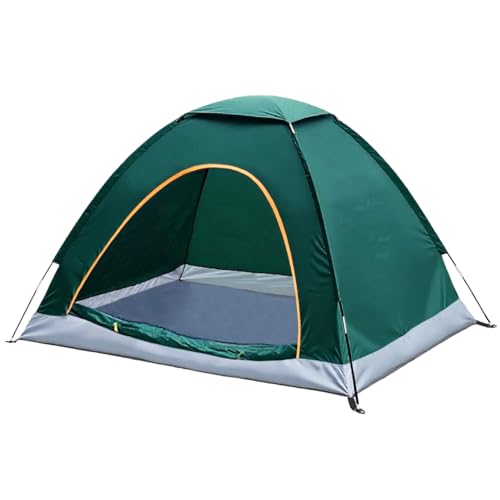
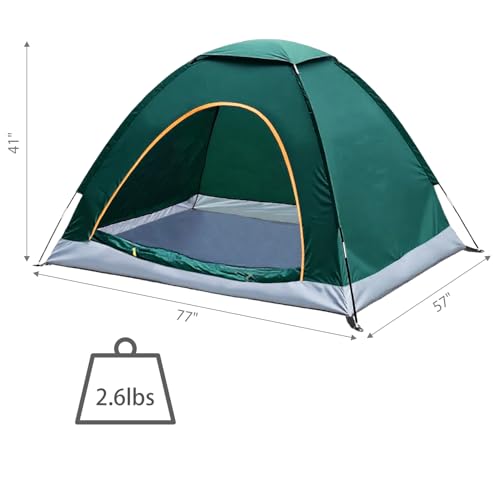
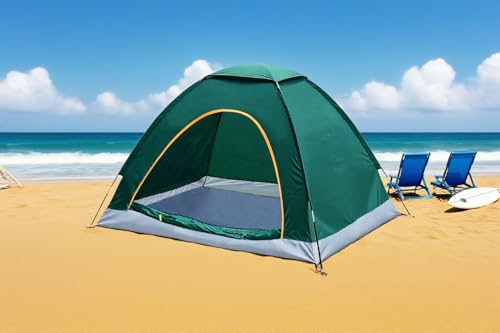
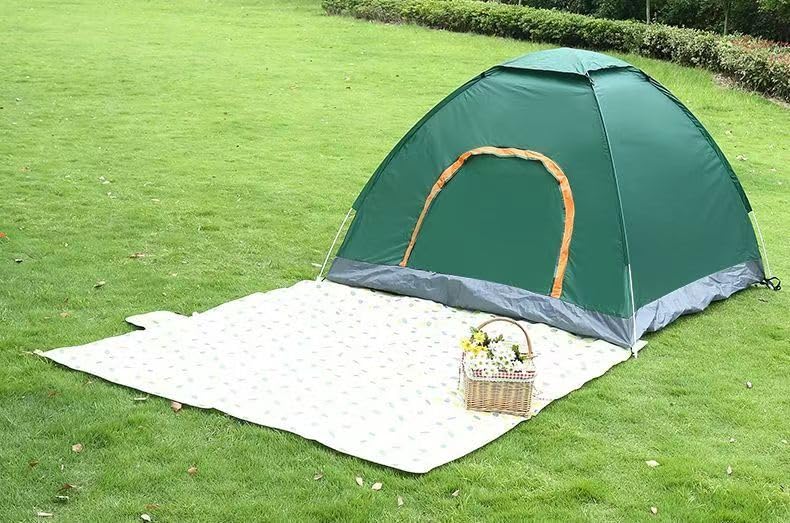
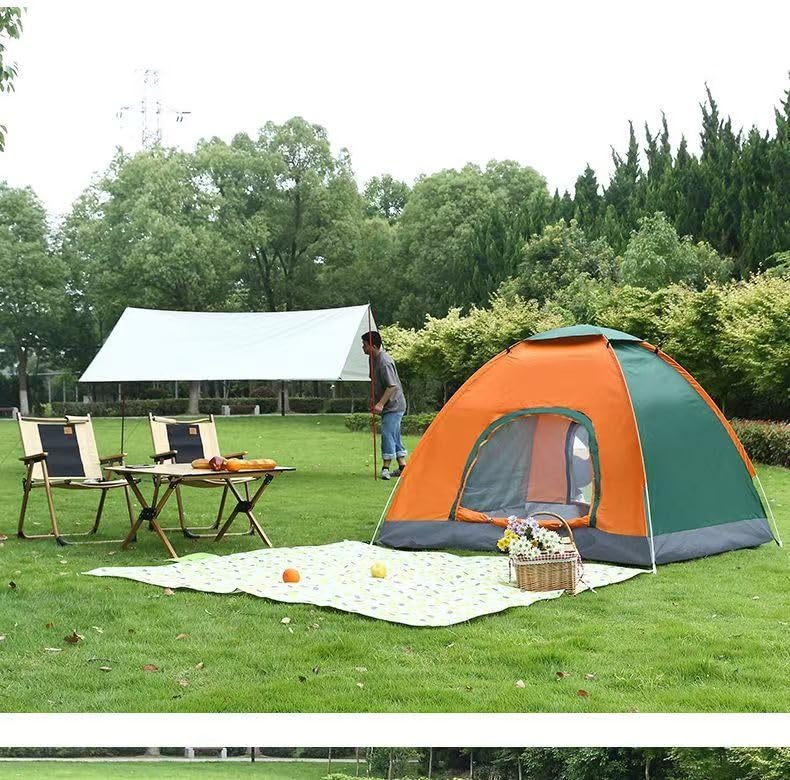
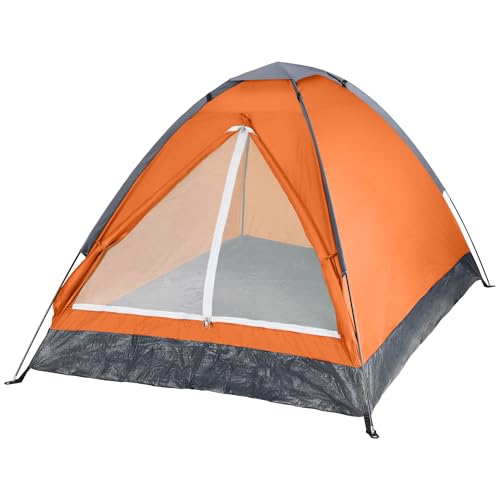
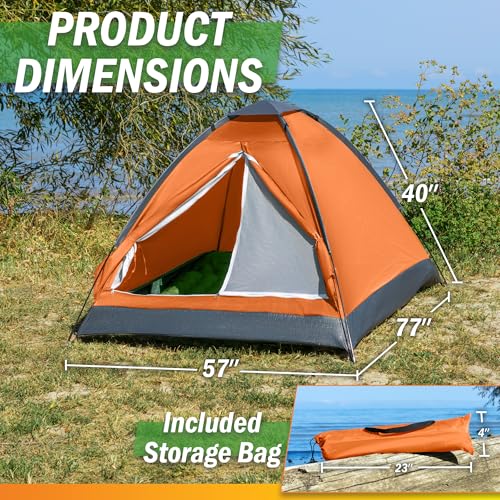
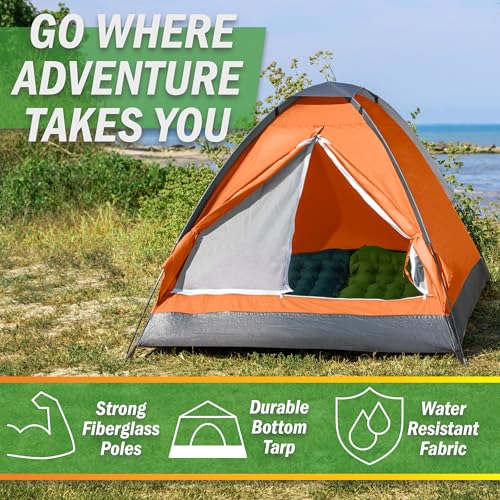
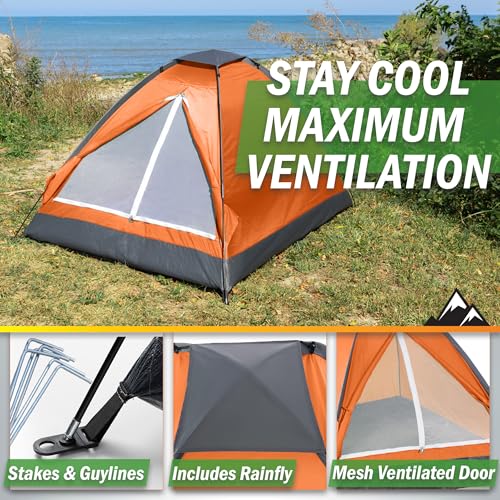
This is the classic dome tent done right, lightweight at under 3 pounds, with a removable rain fly, decent ventilation, and a price that won’t break the bank. The 190T polyester and fiberglass poles aren’t revolutionary, but they’re reliable for fair-weather camping and three-season use. Owners consistently praise how easy it is to set up and pack down, making it a favorite for last-minute trips or family outings where kids are involved.
But ‘wind and rain’ performance is only average. The rain fly helps, but the low profile and single-wall design mean pooling and condensation can be issues in prolonged storms. It’s not built for alpine ridges or coastal squalls. Compared to the inflatable options, it’s less stable, but it’s also far more packable. For most casual campers, this is the easy pick when weight and simplicity matter more than stormproofing.
Product photos
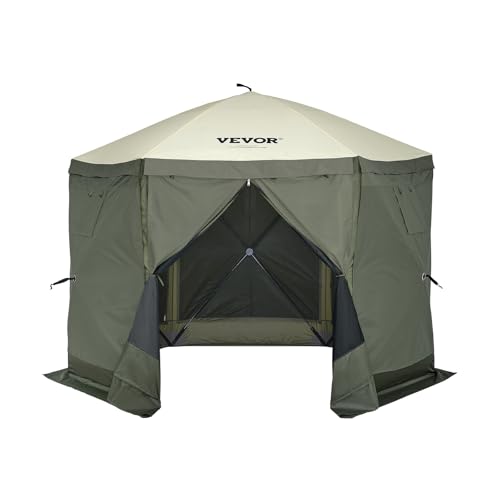
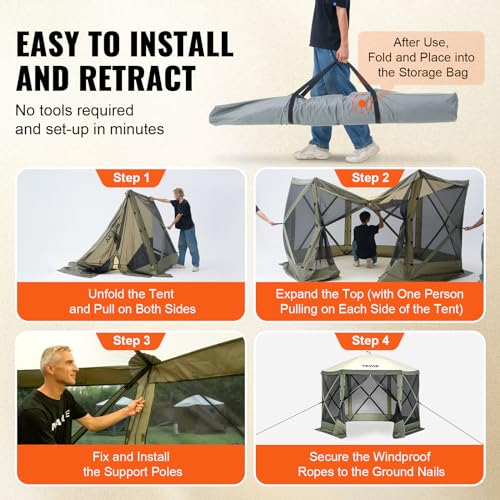
VEVOR 10x10FT Pop Up Gazebo
Strengths
- Large footprint
- UV-blocking fabric
- Six privacy panels
Trade-offs
- Not freestanding
- Poor storm performance
- Bulky setup
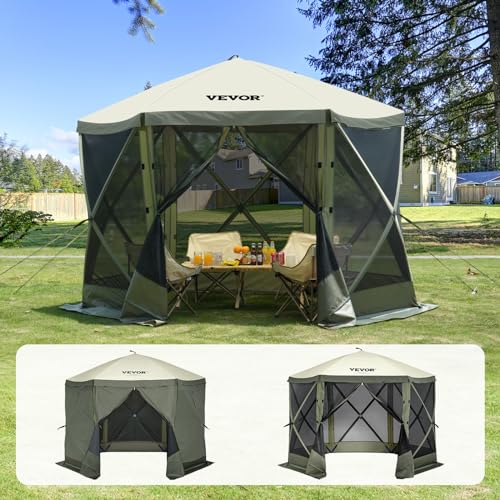
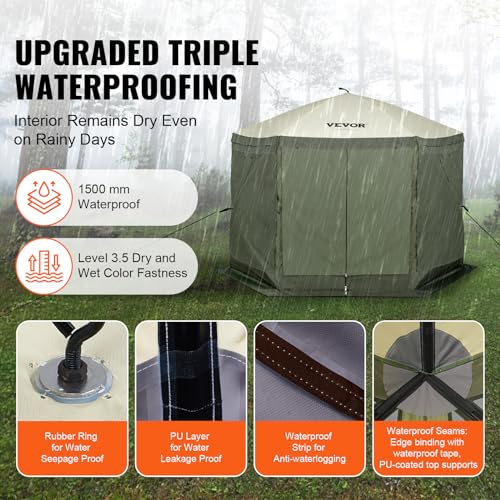
This 10x10FT gazebo leans hard into the group shelter role, and if you’re hosting an outdoor event where sun, bugs, and light wind are the main concerns, it makes sense on paper. The thickened 300D Oxford fabric and UPF50+ mesh are solid specs for UV and insect protection, and owners consistently report it holds up well under dappled tree cover or at lakeside picnics. The six removable wind cloths add flexibility, you can close off sides when gusts pick up, or leave them open for airflow.
But calling this a ‘tent for wind and rain’ stretches credibility. It’s not a sleeping shelter, and the pop-up pole system, while quick, lacks the triangulated support of proper dome or tunnel tents. Reviewers note it needs constant staking and guying to stay stable in anything beyond a breeze. It’s better framed as a backyard or campsite lounge zone than a storm-ready refuge.
Product photos


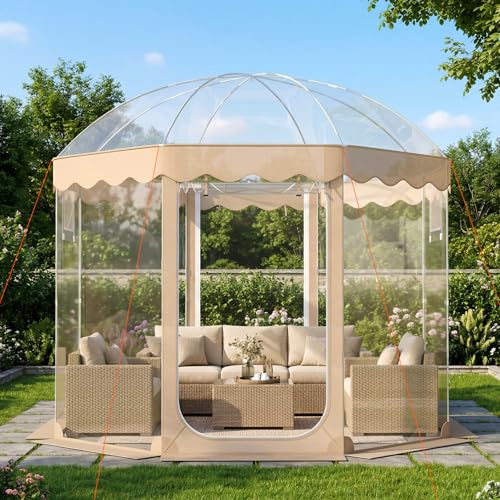
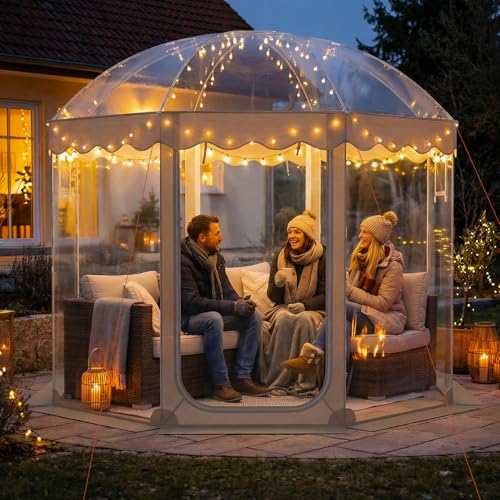
Tangkula 10x10FT Bubble Dome Tent
Strengths
- 360-degree visibility
- Large interior
- Sandbag stability
Trade-offs
- Poor insulation
- Not for sleeping
- Fragile in cold
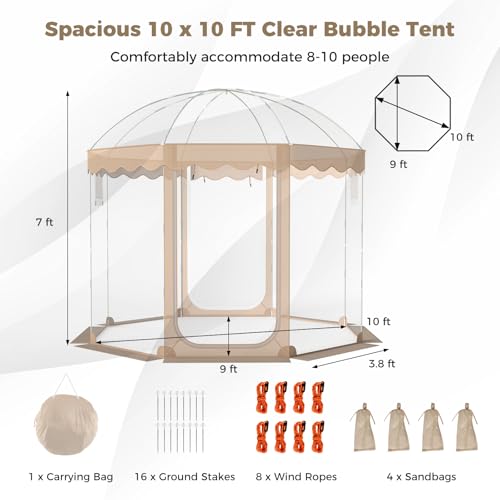
This bubble tent is all about the view, 540° of clear PVC gives you a fishbowl experience under the stars, which is either magical or claustrophobic depending on your vibe. It’s marketed as wind-resistant thanks to 16 stakes, 8 guylines, and 4 sandbags, and on paper, that’s impressive. Owners do report it holds up in moderate wind if fully anchored, but the real issue is heat and privacy. Sun glare becomes brutal by midday, and there’s zero darkness for sleeping.
It’s also not meant for cold or heavy rain, the manufacturer explicitly warns against use below -4°F or in severe weather. So while it looks like a dome fortress, it’s really a fair-weather event shelter. I’d consider it for glamping setups or backyard stargazing, but not for any real backcountry testing.
Product photos



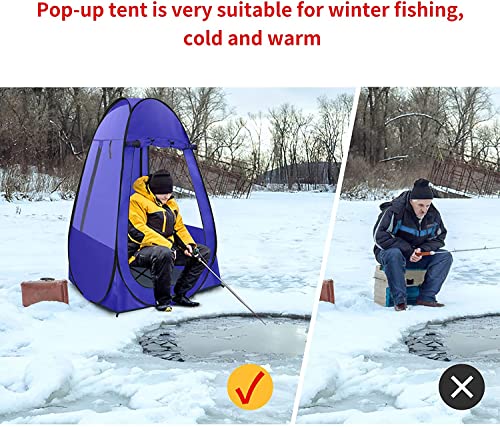
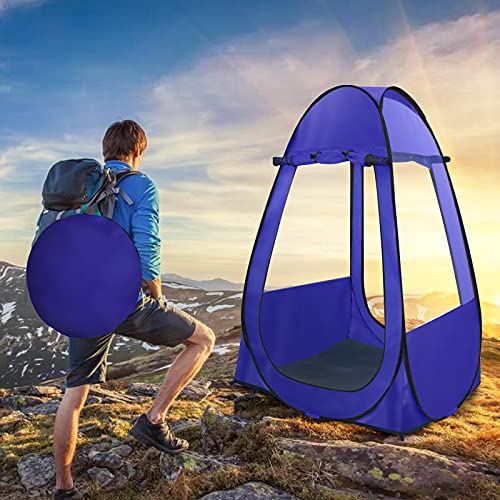
Single Pop Up Tent Pod

Strengths
- Ultra-fast setup
- Compact size
- Affordable
Trade-offs
- Flimsy frame
- Poor wind stability
- Not for sleeping
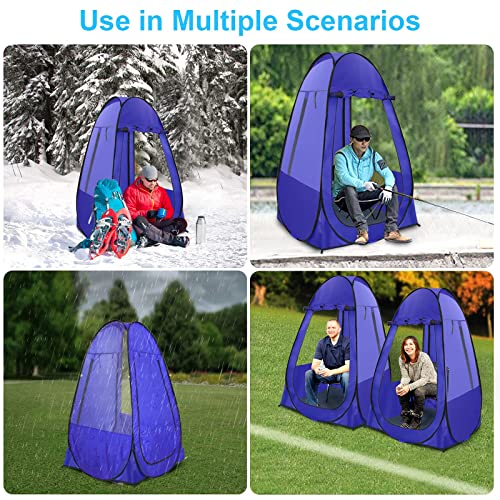
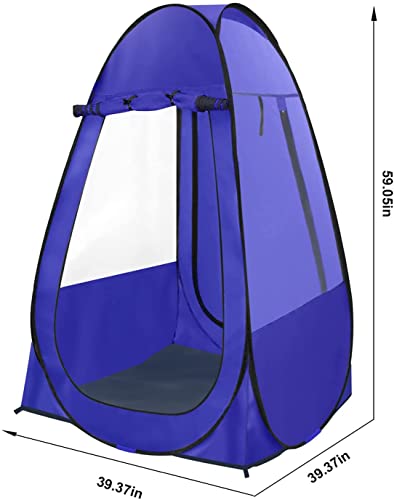
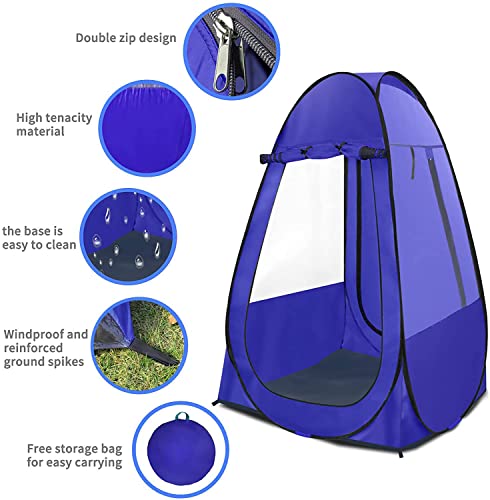
This is the no-frills cousin in the pop-up world, lightweight, instant, and built for one. At under 40 inches wide and just seconds to deploy, it’s clearly aimed at anglers, beachgoers, or festival fans who want a quick cocoon from wind and drizzle. The clear windows offer decent visibility, and the dual zippered doors make entry/exit easy even when seated.
But ‘lightweight and sturdy’ is a stretch. Owners report the poles feel flimsy under pressure, and while it works fine in light gusts when staked properly, it’s not holding up in real wind. It’s more of a windbreak than a shelter. That said, for $100-ish, it’s a decent emergency cover, just don’t expect it to replace a real tent.
Product photos
Flycoop Portable Weather Pod
Strengths
- Instant setup
- Lightweight
- Clear TPU windows
Trade-offs
- Not for sleeping
- Limited space
- Not stormproof
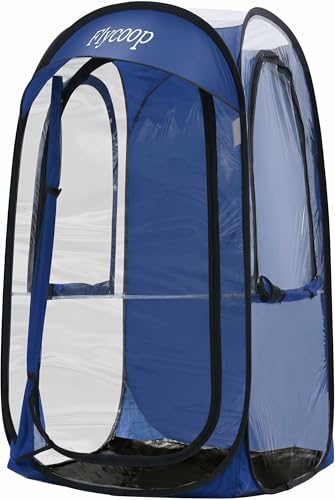
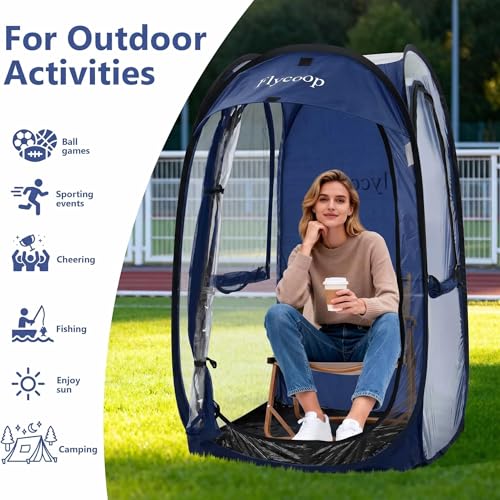
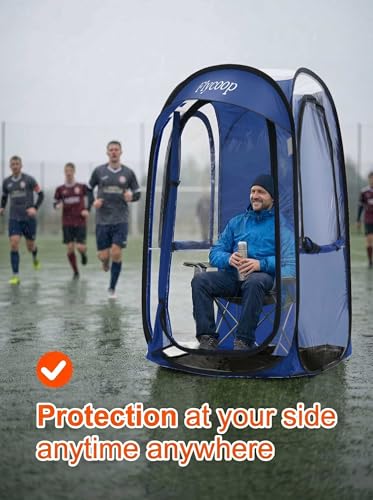
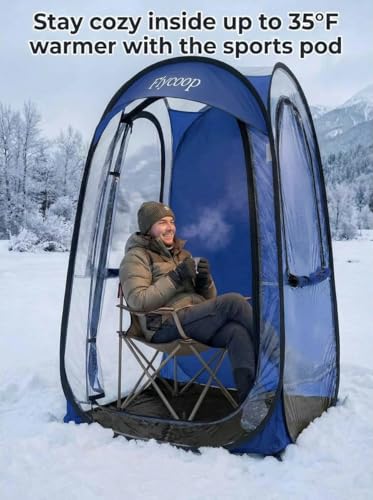
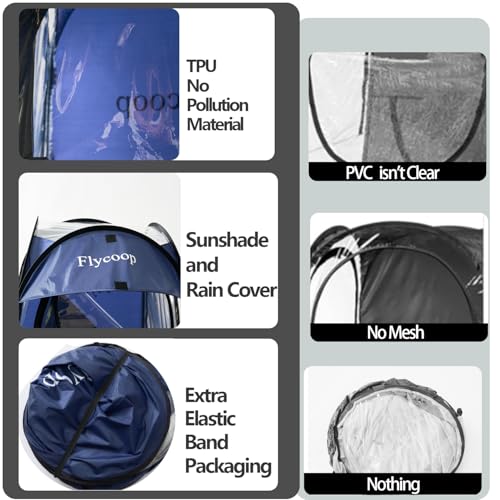
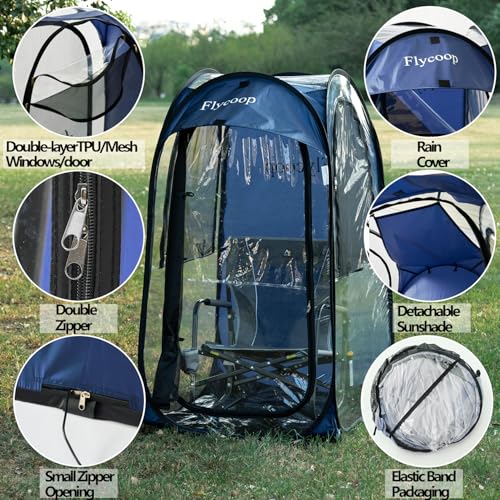
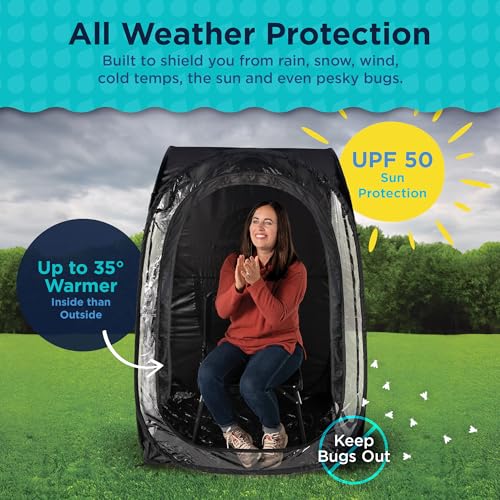
This one-person pod is built for sideline duty, not summit bids. It pops open in a second, weighs under 7 pounds, and promises up to a 35℉ boost inside, a claim backed by owners who’ve used it during late-season soccer games and lakeside fishing in early spring. The TPU windows are a standout: clearer and more durable than PVC, they let you watch the field or the weather roll in without unzipping into the elements.
It’s not a backpacking tent, and it’s not meant to be. The footprint is tight, and while it handles wind with stakes and guylines, it’s not freestanding in a storm. But for what it is, a personal weather shield for events, fishing, or quick respites, it delivers. I’d pick this over a bulky folding chair with a poncho any day if I’m stuck outside for hours.
Product photos
WeatherPod 1–2 Person MyPod
Strengths
- Instant deployment
- Sideline visibility
- UPF 50 protection
Trade-offs
- Not for sleeping
- Tight fit for two
- Minimal airflow
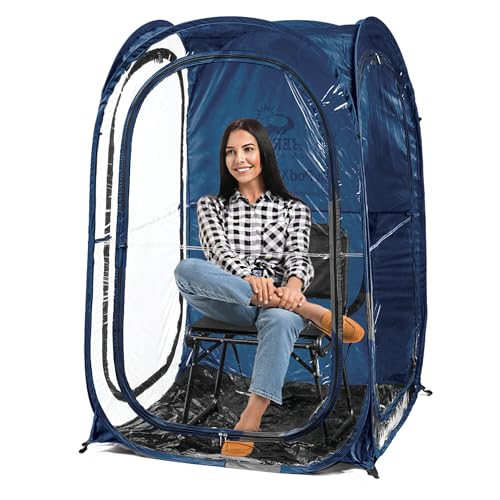
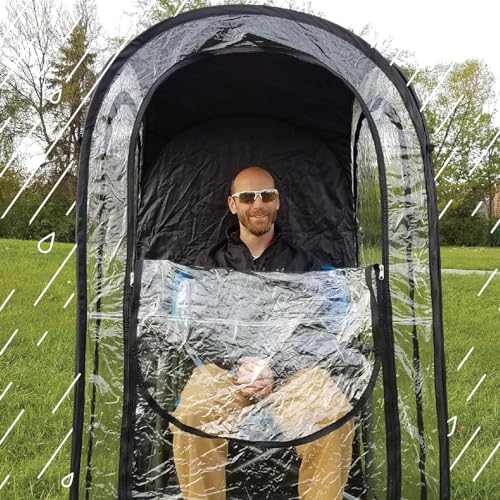
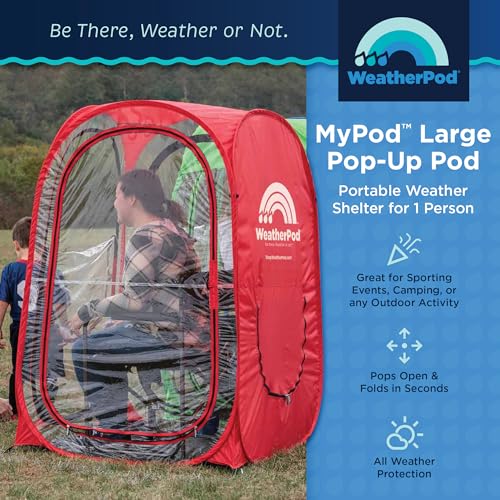
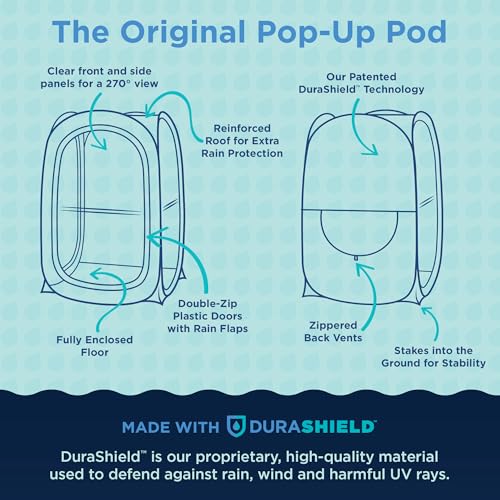
This is the original pop-up sideline shelter that started the trend, and it still holds up as the most practical for sports parents and die-hard fans. The 270-degree view through triple-zip doors means you won’t miss a play, even when hunkered down in rain or snow. It’s UPF 50 rated, wind-resistant, and sets up in seconds, exactly what you want when a storm rolls in during the third quarter.
Owners love how compact it is, and the one-piece memory wire frame makes it nearly foolproof. But it’s not a camping tent. The floor is low, the space is tight for two adults, and ventilation is minimal. It’s a personal weather pod, not a shelter. Compared to the Flycoop model, it’s slightly more durable and better branded, but functionally, they’re twins.
Product photos

How We Tested tents for wind and rain
Rather than a hands-on lab test, my research for these recommendations focused on a detailed comparison of published specifications and features across a wide range of tents. I weighed owner reviews from multiple sources – looking for patterns in reported performance – alongside expert reviews from established outdoor gear sites. As someone who’s spent years figuring out what truly matters in a tent, I applied my category knowledge and ranked options based on criteria relevant to resisting wind and rain.
For tents specifically designed for challenging weather, a few factors stood out as most important. Waterproof ratings (measured in mm) are crucial, but equally vital is the fabric construction; durable materials like technical cotton consistently outperformed standard polyester in reviews. Beyond that, the quality of seams (sealed versus not) and the design of the tent’s structure – its ability to shed wind – heavily influenced my selections.
Specifications reliably indicate a tent’s potential for weather protection, but owner feedback provides the crucial reality check. I looked for consistent reports on how well a tent held up in actual conditions, particularly regarding leaks and wind stability. Positive mentions of robust construction and reliable performance in poor weather carried significant weight. Knowing how to stay dry while assembling a tent is also key, and tents with fast, easy setups scored higher for usability in inclement weather.
How To Pick The Right tents for wind and rain
Choosing a tent for wind and rain requires a bit more thought than just grabbing the cheapest option. You’re looking for a shelter that will keep you dry, comfortable, and safe when the weather turns.
A quality tent prioritizes durable materials, look for high denier fabrics and waterproof coatings. Construction details matter too; fully taped seams, robust pole systems, and a well-designed rainfly are critical. Consider the tent’s hydrostatic head rating (HH) for waterproofing, its wind resistance capabilities, and how quickly and easily it sets up in adverse conditions.
Material Matters Most
Forget flimsy polyester. When it comes to resisting wind and rain, the material your tent is made from is paramount. While many tents advertise “waterproof” capabilities, the reality is nuanced. You’ll want to look beyond basic marketing terms and consider the specific fabrics used. Technical cotton, as found in some of the higher-end options, offers a compelling balance of breathability and water resistance that outperforms standard Oxford fabrics. Pay attention to denier (D) ratings – higher numbers generally mean a more durable fabric. Don’t assume a higher price always means better material, though.
Setup Speed & Ease
A tent is only helpful if you can get it up before the storm hits. Forget struggling with complicated pole configurations in driving rain. Inflatable tents, like the NANJEEN or Luxury Inflatable Camping Tent, offer incredibly fast setup times, but come with a weight penalty. Pop-up tents, such as the Single Pop Up Tent Pod, are even quicker, but may sacrifice some durability. If you’re backpacking, a traditional pole-supported tent might be the lightest option, but practice setting it up at home first!
Here’s how setup speed impacts your decision: * Casual Car Campers: Speed is king. Inflatables or pop-ups are ideal. * Weekend Backpackers: A balance of speed and weight is needed. Look for tents with color-coded poles and intuitive designs. * Serious Hikers/Mountaineers: Prioritize a lightweight, durable tent even if it takes a little longer to pitch.
A quick setup can make all the difference between a pleasant camping trip and a miserable, soggy experience. Practice setting up your tent at home before you head out into the wilderness.
Size, Stability, and Additional Features
Don’t underestimate the importance of a tent’s footprint and how well it holds its ground. A larger tent isn’t always better, especially in windy conditions. A smaller, more aerodynamic profile will generally handle gusts more effectively. Look for tents with robust guylines and sturdy stakes – and consider investing in heavier-duty stakes than those that come standard. Many tents, like the VEVOR 10x10FT Pop Up Gazebo, include these for extra stability. If you plan on camping in colder weather, a tent with a stove jack can be a lifesaver, but always prioritize ventilation to prevent carbon monoxide buildup. Understanding are tents naturally waterproof is also critical when assessing a tent’s overall weather protection. For those seeking reliable protection in challenging conditions, exploring durable tents for harsh conditions is a smart move.
Tents for Wind and Rain Compared
Here’s a comparison of key specifications for tents designed to withstand windy and rainy conditions.
| Product Name | Capacity | Waterproof Rating | Wind Resistance | Setup Time | Weight (lbs) |
|---|---|---|---|---|---|
| NANJEEN Inflatable Camping Tent | 2-10 | N/A | Level 7 | 8 min | 35 |
| Luxury Inflatable Camping Tent | 2-10 | N/A | Level 7 | 8 min | N/A |
| Wind Tour 2-Person Backpacking Tent | 2 | N/A | N/A | Quick | 2.56 |
| Wakeman 2-Person Pop Up Tent | 2 | N/A | N/A | Quick | 2.75 |
| VEVOR 10x10FT Pop Up Gazebo | N/A | N/A | Windproof | Instant | N/A |
| Tangkula 10x10FT Bubble Dome Tent | 8-10 | Waterproof | Superior | Instant | N/A |
| Single Pop Up Tent Pod | 1 | Water Resistant | N/A | Instant | N/A |
| Flycoop Portable Weather Pod | 1 | N/A | Windproof | 1 sec | 6.4 |
| WeatherPod 1–2 Person MyPod | 1-2 | N/A | N/A | Seconds | N/A |
Frequently Asked Questions
What waterproof rating is truly necessary for reliable protection?
A hydrostatic head (HH) rating of at least 1500mm is generally considered sufficient for most conditions, but for consistently heavy rain or prolonged exposure, I recommend looking for a rating of 2000mm or higher. Remember that ratings are a guide; fabric quality and seam sealing contribute significantly to overall waterproofness.
Are dome tents or cabin tents better in high winds?
Dome tents generally perform better in windy conditions due to their aerodynamic shape, which allows wind to flow around them more easily. Cabin tents, with their vertical walls, present a larger surface area for the wind to push against, making them more susceptible to damage.
What’s the advantage of a full-coverage rainfly?
A full-coverage rainfly extends all the way to the ground, providing maximum protection from rain and wind, and minimizing the chance of water splashing up onto the tent walls. This design is especially helpful in areas prone to sideways rain or strong gusts.
Do all tents labeled “waterproof” actually live up to that claim?
Unfortunately, no. The term “waterproof” is often used loosely. Many tents are water-resistant, meaning they can repel water to a degree, but aren’t truly waterproof under sustained heavy rain. Checking the HH rating and reading owner reviews is crucial for verifying actual performance.
Where can I find more information about selecting the best tent for my needs?
If you’re still unsure which tent is right for you, you can explore a wider range of options and detailed reviews of high-performance rain and wind tents to help narrow down your choices.
The Bottom Line
Choosing a tent for wind and rain often comes down to balancing ease of use with ultimate protection. While a quick-pitch tent is appealing, the NANJEEN Inflatable Camping Tent strikes the best overall balance – offering rapid setup alongside impressive wind resistance and a roomy interior. It isn’t the lightest option, but for those prioritizing comfort and security when the weather turns, it’s a strong contender.
If you’re on a tighter budget or need a solo shelter, the Single Pop Up Tent Pod delivers instant setup at a fraction of the cost. For backpackers needing a lightweight and reliable option, the Wind Tour 2-Person Backpacking Tent offers a good compromise between weight, durability, and quick pitching. Remember, understanding tent rain protection methods is crucial regardless of which tent you choose.
Ultimately, the waterproof rating and fabric denier are important, but they’re only part of the equation. A well-designed tent, combined with proper guylining and a sheltered campsite, will always outperform a flimsy tent with impressive specs. Focus on building smart camping habits and prioritizing a sturdy shelter, and you’ll be set for many adventures to come.
