
8 Best Tent Waterproofing Sprays of 2026
This post contains affiliate links. As an Amazon Associate, we earn from qualifying purchases.
The best tent waterproofing spray overall is Nikwax Tent & Gear Solarproof, it protects against both water and UV damage without harmful chemicals. For a budget-friendly option, Scotchgard Outdoor Water Shield offers solid performance on a range of fabrics. If you’re treating large or frequently used gear, the gallon-sized Better Boat Heavy Duty Waterproofing gives excellent coverage and is PFAS-free.
Most people don’t realize how quickly their tent’s water resistance breaks down. Sun, abrasion, and repeated use wear out the DWR coating, leaving you damp from the inside out. Just because your tent hasn’t leaked yet doesn’t mean it’s still performing.
This guide cuts through the noise by focusing on real specs, fabric compatibility, and what actual users report. I looked at coverage, ease of use, environmental impact, and long-term durability to find sprays that actually keep your shelter working when you need it most.
Top 8 Tent Waterproofing Sprays in the Market
The Best Tent Waterproofing Sprays, Reviewed
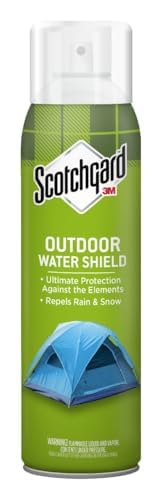
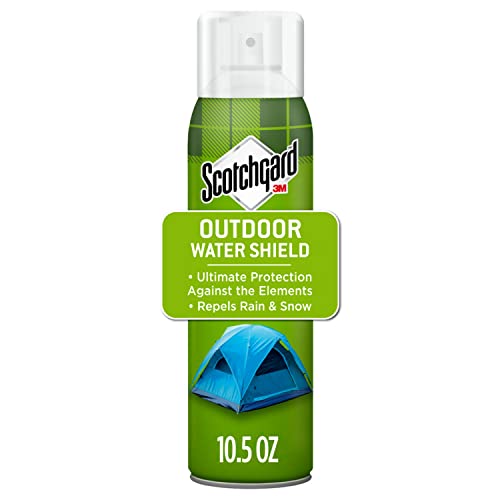
Scotchgard Outdoor Water Shield Spray

Strengths
- One-coat application
- Maintains breathability
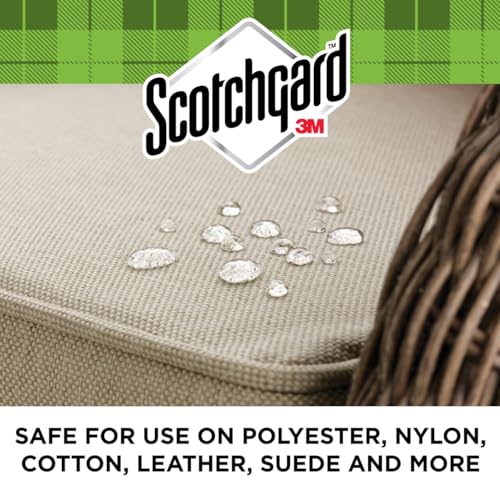
- Safe on multiple fabrics
Trade-offs
- No UV protection
- Not eco-certified
- Less durable in heavy exposure
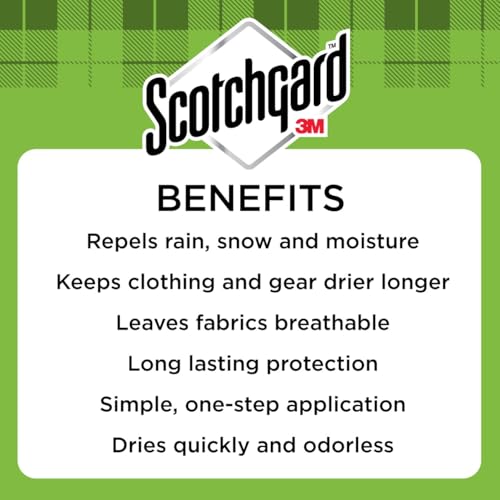
For a no-fuss, widely available waterproofing spray that handles everything from tents to boots, Scotchgard Outdoor Water Shield is a solid go-to. The formula is designed to deliver a durable water barrier in just one coat, and owners consistently report that it does exactly that, beading water effectively without making fabrics stiff or altering their breathability. On paper, it’s not the most specialized product here, but its versatility across materials makes it a practical choice for casual campers or those with mixed gear needs.
What stands out is how it maintains fabric feel, a detail many reviewers emphasize when treating delicate rainflies or backpacks. It dries odorless and clear, which is a win for indoor prep. That said, it doesn’t offer UV protection or cleaning components, so it’s best used on already-clean gear that just needs a refresh. Compared to niche outdoor brands, it’s less technical but gets the job done for moderate conditions.
Product photos

STAR BRITE Marine Grade Waterproofing Spray

Strengths
- Excellent coverage
- UV and stain protection
- Marine-grade durability
Trade-offs
- Slow drying time
- Bulkier for small jobs
- Requires ventilation
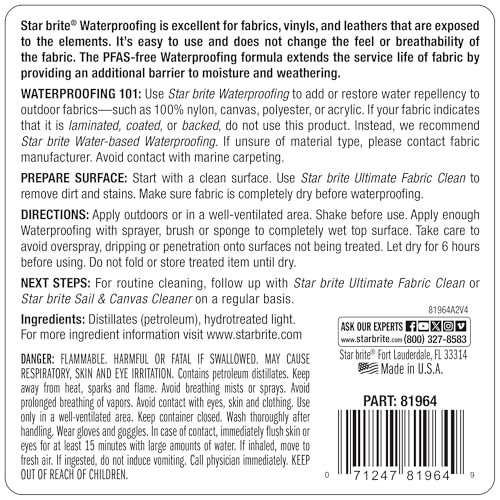
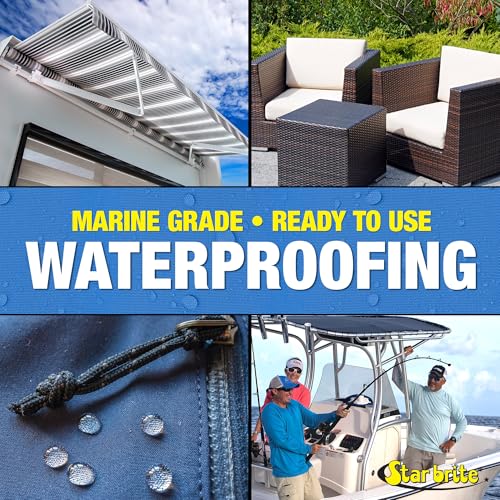
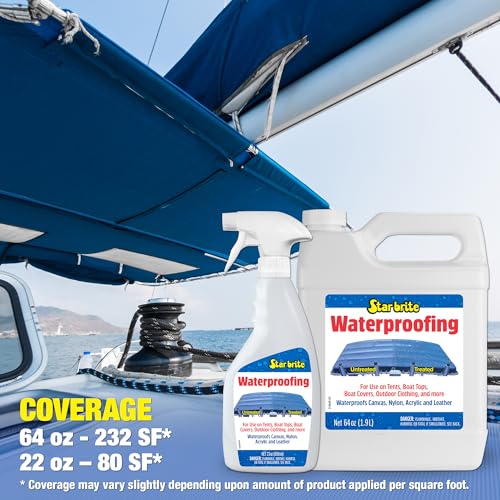
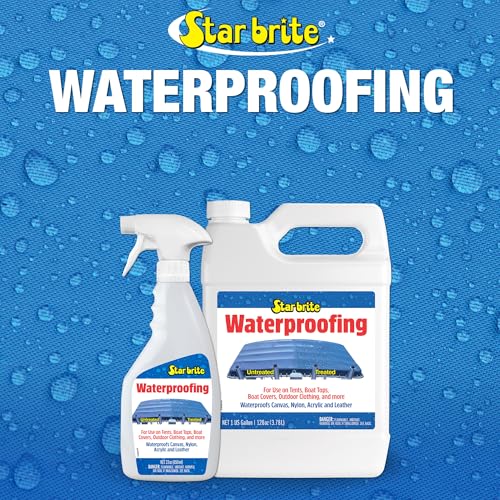
If you’re maintaining large outdoor textiles, like a big tent, awning, or boat cover, STAR BRITE’s 64 oz marine-grade spray makes a lot of sense. The coverage is impressive: one bottle handles over 200 sq ft, and owners using it on wall tents or expedition gear say it penetrates deeply and lasts. The triple-action formula, waterproofing, stain resistance, and UV protection, sets it apart in this category. For tent owners in sunny or humid climates, that UV shield is a real perk, helping prevent fabric degradation over time.
It’s not the lightest or fastest-drying option, taking overnight to cure, but that’s typical for high-coverage treatments. The fact that it’s made in the USA and built on marine standards adds credibility, this is a product designed for constant exposure. Compared to smaller aerosol sprays, it’s less convenient for quick touch-ups but far more economical for large or frequently used gear.
Product photos

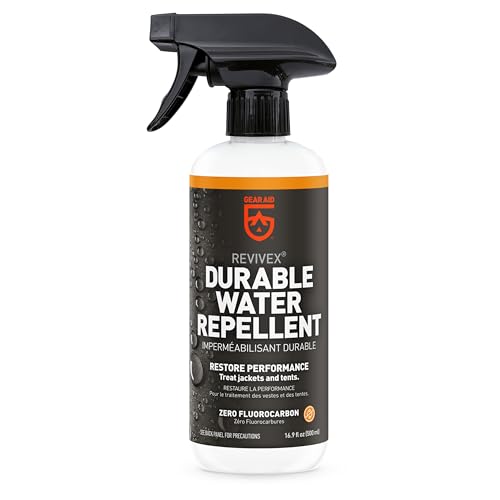
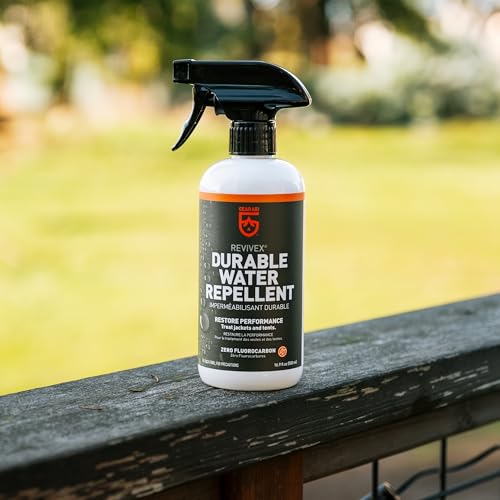
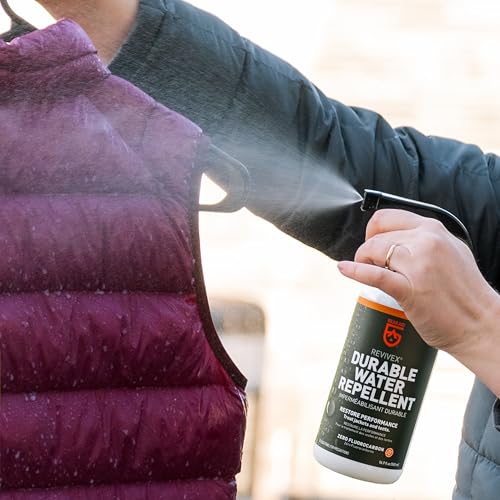
GEAR AID Revivex DWR Spray
Strengths
- Maintains breathability
- Great for technical fabrics
- Restores DWR effectively
Trade-offs
- Requires pre-cleaning
- No UV protection
- Smaller coverage per oz
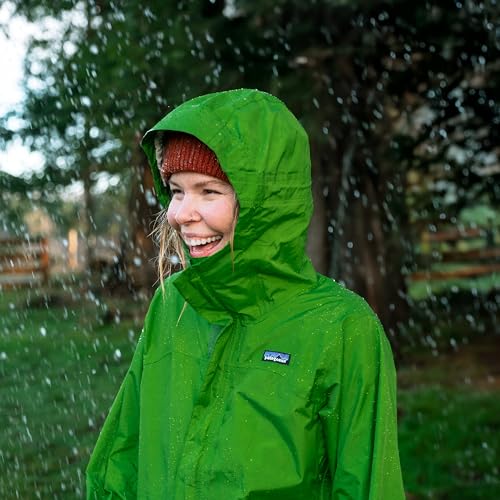
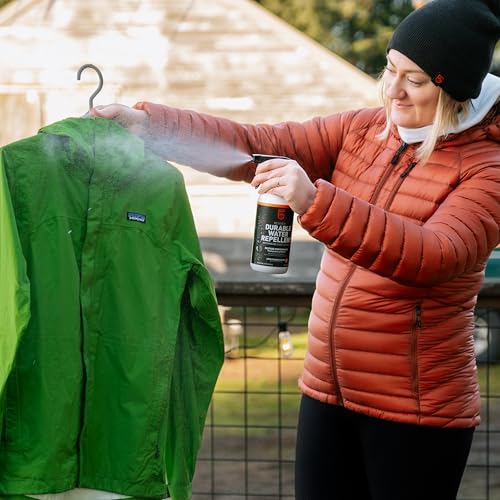
When it comes to breathable fabrics, especially Gore-Tex jackets or mesh-heavy tents, Revivex stands out because it’s engineered to protect without clogging pores. The key here is breathability: many waterproofing sprays sacrifice it, leading to clammy interiors, but Revivex is specifically formulated to avoid wet-out in technical layers. Owners using it on double-wall tents or rain jackets say it keeps moisture out while letting vapor escape, which is critical in humid or prolonged wet conditions.
It’s not the strongest standalone water beader for heavy canvas, but in its niche, technical, breathable gear, it excels. Pairing it with Revivex Pro Cleaner (sold separately) is recommended, which ups the cost. Still, for anyone relying on high-performance outerwear or ventilation-dependent shelters, this is the smarter choice over general-purpose sprays.
Product photos

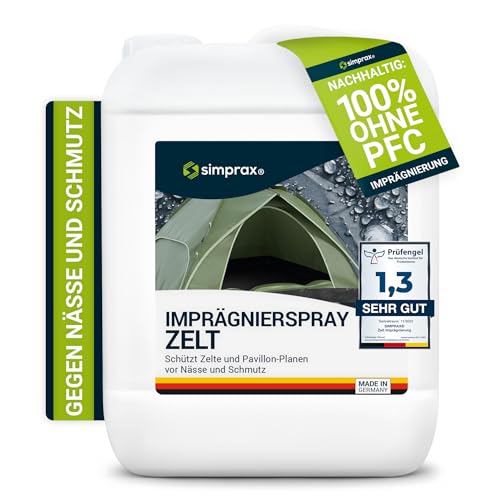
simprax Eco-Friendly Tent Waterproofing
Strengths
- Eco-certified and biodegradable
- PFC-free formula
- Multiple application methods
Trade-offs
- Higher price
- No cleaning component
- Limited availability
If eco-credentials are your top priority, simprax stands out with OEKO-TEX and GOTS certifications, rare in this category. Made in Germany with biodegradable, PFC-free formula, it’s one of the greenest options available. Owners appreciate that it can be applied by spray, dip, or roller, making it flexible for large or oddly shaped gear. The room-temperature curing is also a plus for indoor use.
Performance-wise, it holds up well in moderate conditions, with solid water beading and long-lasting results on synthetic tents. It doesn’t include a cleaner, so prep is on you. While it’s pricier than budget brands, the certification transparency and environmental safety justify the cost for eco-minded users. Compared to other green sprays, it’s one of the few with third-party validation.
Product photos

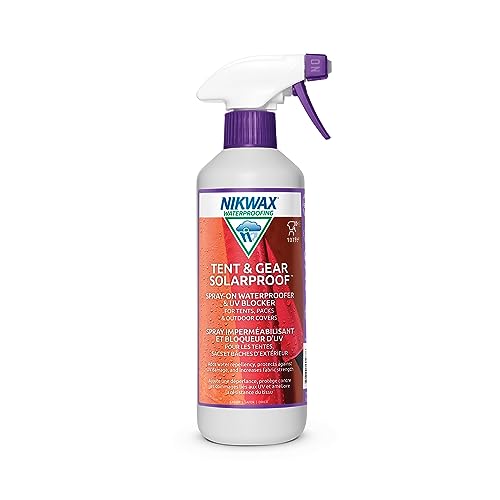
Nikwax Tent & Gear Solarproof
Strengths
- UV protection included
- Strengthens fabric
- Eco-friendly formula
Trade-offs
- No cleaning action
- Requires pre-cleaning
- Higher price per oz
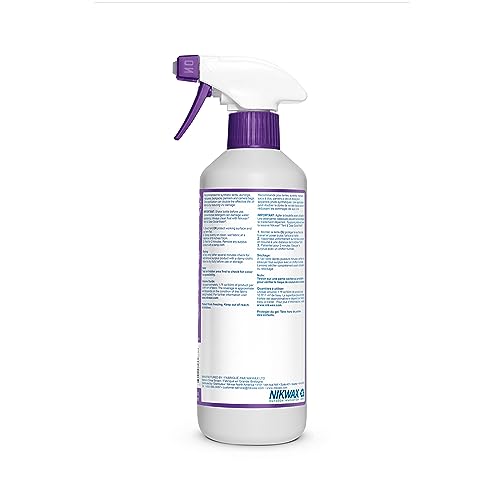
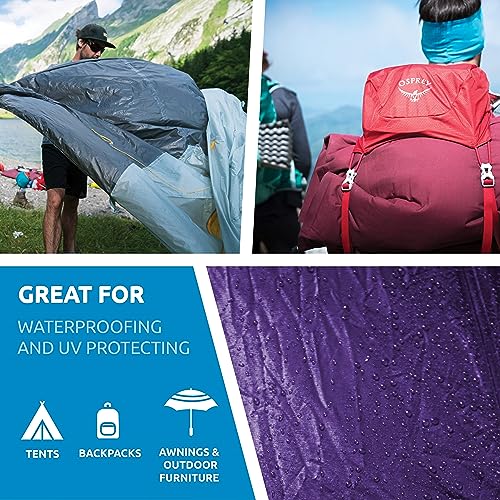
If UV damage is your main concern, say you leave your tent up for weeks or camp in high-sun environments, this Nikwax spray is the only one here designed specifically to fight it. It doesn’t just add water repellency; it strengthens fabric and shields against sun degradation, a combo few competitors offer. Owners using it on beach shelters or overland roof tents say it noticeably slows fading and fiber weakening over time.
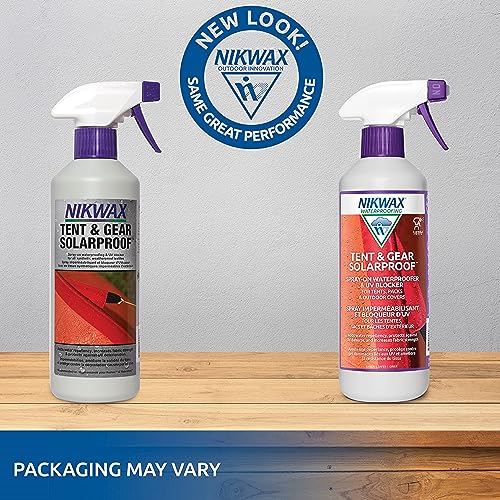
It’s the same eco-friendly, PFAS-free formula as the DUO-Pack version, just sold solo. That means no aerosols, no toxins, and a water-based application that dries clean. The downside? It doesn’t clean, so you’ll need to prep your tent separately. But if you already have a cleaner and just want maximum UV defense with solid waterproofing, this is the most targeted solution on the list.
Product photos

Nikwax Tent & Gear DUO-Pack

Strengths
- Includes cleaner and waterproofer
- PFAS-free and eco-safe
- Restores true DWR performance
Trade-offs
- Two-step process
- Higher cost
- Larger size may be overkill for small gear
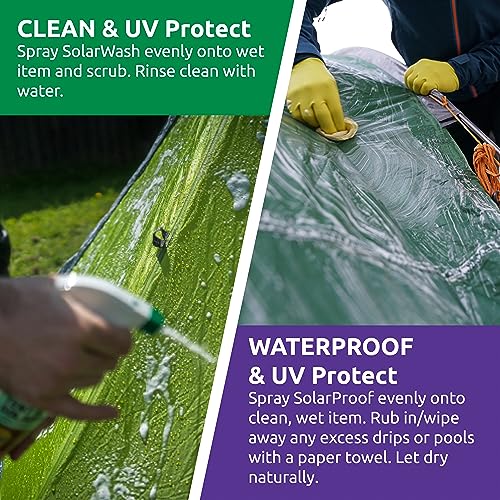
You can’t talk about tent maintenance without mentioning Nikwax, and this DUO-Pack, SolarWash and SolarProof, is the complete care system I’d recommend to anyone serious about gear longevity. Cleaning before waterproofing is essential for restoring DWR, and bundling both steps ensures you don’t skip it. Owners consistently report better water beading and longer-lasting results when they follow the clean-then-treat process, especially on older tents with grimy rainflies.
The fact that it’s PFAS-free, water-based, and aerosol-free is a big plus for eco-conscious users. SolarProof adds UV protection too, which helps fend off fabric breakdown. While pricier than some options, the combo approach means you’re not just masking issues, you’re fixing them. Compared to single-step sprays, this is the smarter long-term buy for maintaining high-end shelters.
Product photos



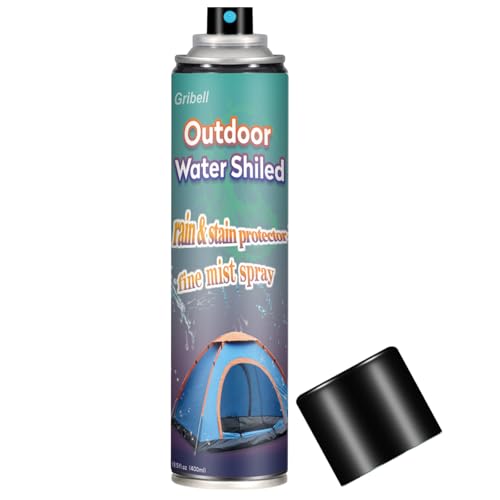
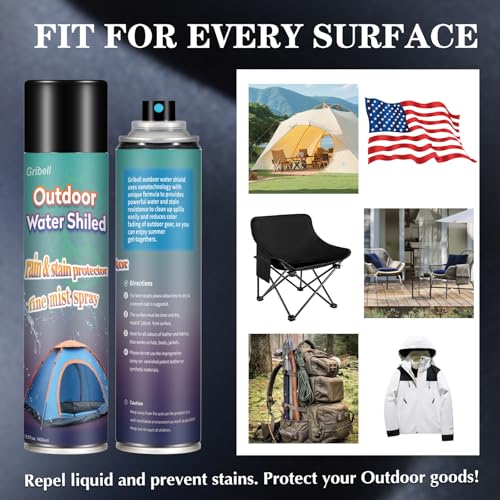
Outdoor Nano Waterproofing Spray
Strengths
- Low cost
- Fast drying
- Easy application
Trade-offs
- Limited durability
- No UV or eco protection
- Inconsistent on heavy fabrics
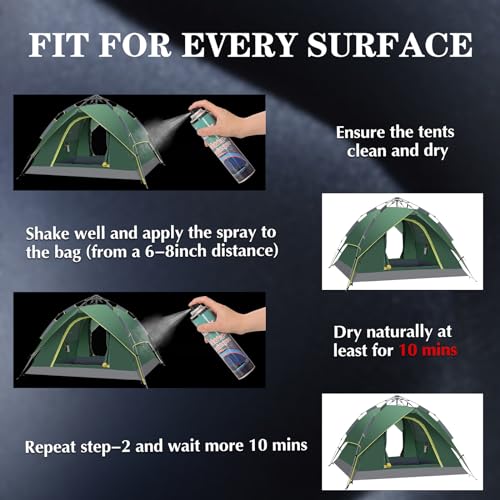
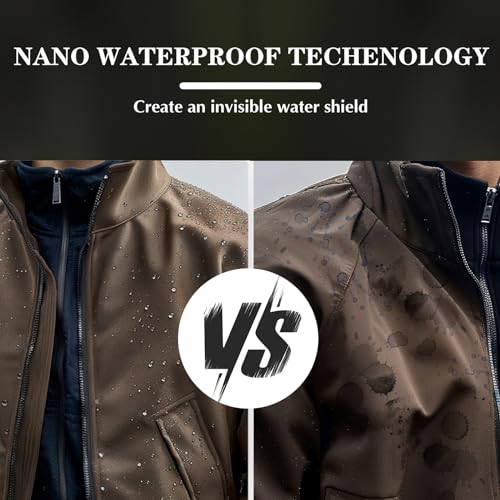
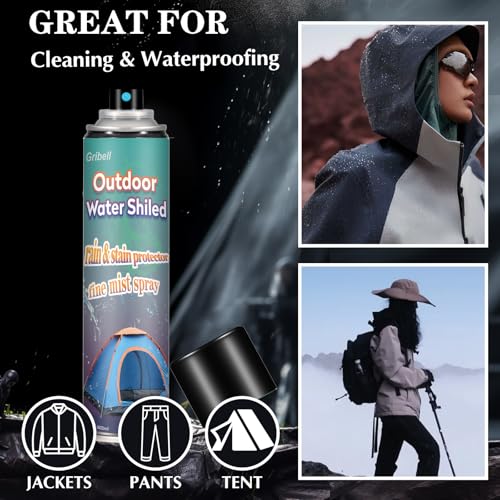
This budget-friendly spray delivers basic water repellency at a low price, which explains its popularity among casual campers. It uses nano-technology claims to create an invisible shield, and while that sounds flashy, owner feedback suggests it works moderately well on light nylon tents and gear for short-term use. The 13.5 oz can covers up to 60 sq ft on thin fabrics, but heavier materials eat through it fast, so large tents may need multiple cans.
It’s easy to apply and dries quickly, which is great for last-minute prep. But it lacks UV protection, eco-certifications, or breathability guarantees. Compared to name-brand options, it’s a step down in durability and performance, but for occasional use in fair weather, it gets by. Think of it as a temporary fix, not a long-term investment.
Product photos
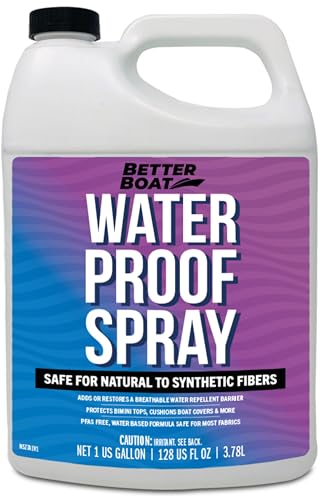
Better Boat Heavy Duty Waterproofing
Strengths
- Large 1-gallon size
- PFAS-free and low VOC
- Great value per sq ft
Trade-offs
- Slow drying
- Bulk packaging
- Less precise application
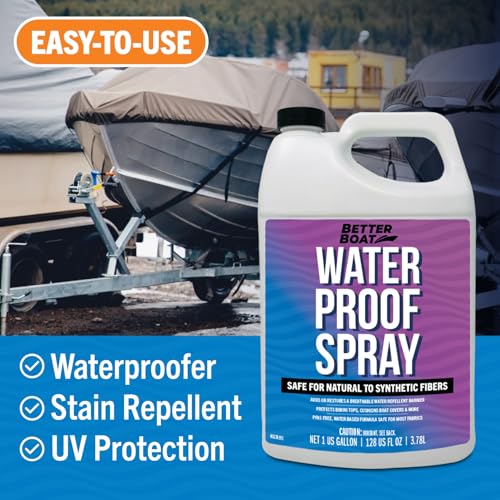
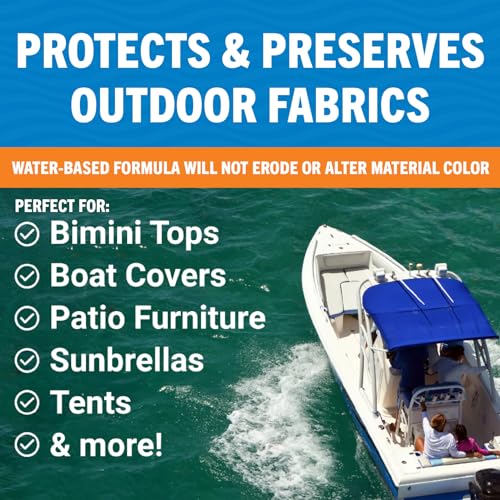
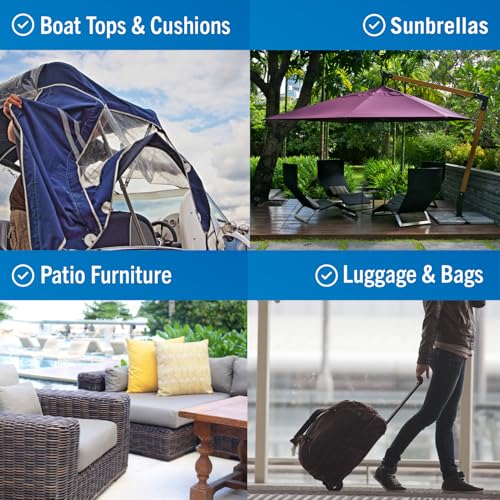
At one gallon, this Better Boat spray is built for people treating massive gear, wall tents, truck toppers, or boat enclosures, without breaking the bank. The sheer volume makes it the most cost-effective option here, and owners using it on large DIY shelters or expedition tents praise how far it stretches. It’s PFAS-free and low-VOC, which is rare at this size, making it a rare blend of bulk and eco-consciousness.
It works on nearly every fabric without discoloring or stiffening, and water beading results are solid for casual to moderate use. It’s not the fastest-drying (overnight cure), but that’s expected. Compared to marine-only brands, it’s more accessible and equally effective for non-professional use. If you hate repurchasing small cans, this is your solution.
Product photos

How We Evaluated tent waterproofing sprays
Rather than a hands-on lab test, my research for these recommendations focused on a detailed comparison of published specifications and features across numerous sprays. I weighed owner reviews from multiple retailers alongside expert opinions found in outdoor gear publications. As someone who’s spent years planning trips around reliable shelter, I applied my understanding of fabrics and waterproofing needs to rank these options against clear criteria – focusing on real-world usability for hikers and campers.
For tent waterproofing sprays, coverage area and fabric compatibility were the biggest differentiators. A spray that performs well on a boat cover isn’t necessarily suited for a lightweight backpacking tent. I also prioritized formulas that didn’t compromise breathability, as trapped moisture can be as problematic as a leak. Finally, the increasing demand for eco-friendly options meant PFAS-free formulations received significant weight in my assessment.
Published specifications reliably indicate coverage area and material suitability, but owner feedback proved vital for assessing long-term performance and ease of application. Reputable reviewers often highlighted how a spray held up after repeated use and exposure to challenging conditions. I also considered brand reputation; established companies with a history of outdoor gear generally inspire more confidence. For more in-depth information on keeping your tent dry, check out these tent maintenance tips.
Choosing The Right tent waterproofing sprays
Finding the right spray to keep your tent dry is about more than just grabbing the first bottle you see. It’s about understanding what your tent fabric needs and matching that with a product designed to deliver.
A quality tent waterproofing spray restores the durable water repellent (DWR) finish on fabrics, preventing saturation and maintaining breathability. Look for formulas designed for the specific material of your tent (nylon, polyester, canvas) and consider factors like UV protection, ease of application, and environmental impact. Check coverage specs to avoid running out mid-treatment and ensure the product doesn’t negatively affect the fabric’s texture or breathability.
Fabric Type Matters
The biggest mistake I see people make is assuming one waterproofing spray works for everything. It doesn’t. Different fabrics react differently. Polyester and nylon tents generally benefit from silicone-based or polyurethane-based sprays, while canvas tents require specialized treatments. Don’t use a silicone spray on a PU-coated tent, or you’ll end up with a sticky, peeling mess. Always check the manufacturer’s recommendations for your specific tent. If you’re unsure, a test patch in an inconspicuous area is always a good idea before a full application. For a deeper explore keeping your tent in prime condition, read our restore tent water resistance guide.
Coverage and Application
Don’t be fooled by flashy marketing. A small can might seem cheaper, but if it only covers a fraction of your tent, you’ll end up spending more in the long run. Pay close attention to the square footage coverage listed on the product. Larger tents, or those you plan to treat regularly, benefit from larger-format options like gallons. Application method also matters. Some sprays are easier to apply evenly than others.
Here’s what I look for in a good application: * A wide nozzle for faster coverage. * A formula that doesn’t drip or run excessively. * Clear instructions regarding drying time and re-application.
Value and Environmental Considerations
Price isn’t everything, but it’s a factor. There’s a wide price range for tent waterproofing sprays, and sometimes the most expensive isn’t necessarily the best. Instead, consider the overall value – how much coverage you get for your money, how long the protection lasts, and whether the product offers additional benefits like UV protection. Increasingly, I also prioritize eco-friendly options. Many brands are now offering PFAS-free formulas, like Better Boat’s Heavy Duty Waterproofing, which is a huge plus for minimizing environmental impact. You can find a waterproofing spray comparison to help narrow down the best choice for your needs.
A little goes a long way. Apply thin, even coats rather than one heavy coat to avoid stiffness and ensure proper penetration of the fabric.
Tent Waterproofing Sprays Compared
Here’s a comparison of key specifications for popular tent waterproofing sprays to help you make an informed decision.
| Product Name | Size | Coverage (sq ft) | Fabric Compatibility | PFAS-Free | UV Protection |
|---|---|---|---|---|---|
| Scotchgard Outdoor Water Shield | 10.5 oz | N/A | Multiple | No | No |
| STAR BRITE Marine Grade | 64 oz | 232 | Multiple | No | Yes |
| GEAR AID Revivex DWR | 5/10/16.9 oz | N/A | Breathable Fabrics | No | No |
| simprax Eco-Friendly | N/A | N/A | Technical Textiles | Yes | No |
| Nikwax Tent & Gear Solarproof | N/A | N/A | Synthetic | Yes | Yes |
| Nikwax Tent & Gear DUO-Pack | N/A | N/A | Synthetic | Yes | Yes |
| Outdoor Nano Waterproofing | N/A | 25-60 | Multiple | N/A | No |
| Better Boat Heavy Duty | 1 Gallon | N/A | Multiple | Yes | No |
Frequently Asked Questions
What’s the difference between a DWR coating and waterproofing?
DWR (durable water repellent) is a finish applied to fabrics that causes water to bead up and roll off, while true waterproofing creates an impermeable barrier. DWR doesn’t make a tent fully waterproof but prevents saturation, keeping the waterproof coating underneath functioning effectively, and is often restored with spray-on tent protectors.
How often should I re-waterproof my tent?
Typically, you should re-waterproof your tent every one to two years with regular use, but it depends on exposure to UV rays and abrasive conditions. If water is no longer beading on the surface, or if you notice dampness inside even without rain, it’s time for a fresh application of tent fabric waterproofers.
Can I use any waterproofing spray on my tent?
No, you shouldn’t use just any spray. Different tent fabrics (nylon, polyester, canvas) require different formulations, and using the wrong type can damage the material or reduce its breathability. Always check the product label to confirm compatibility with your tent’s material.
Are PFAS-free waterproofing sprays as effective?
PFAS-free sprays have improved significantly in recent years and can be just as effective as traditional formulas, though they may require slightly more frequent applications. Many brands now offer high-performing, eco-friendly options, like Better Boat, which provide excellent water repellency without harmful chemicals, and are a great choice for those seeking water repellency restoration sprays.
What’s the best way to apply waterproofing spray for even coverage?
Apply thin, even coats in a well-ventilated area, holding the can 6-8 inches from the fabric. Use a sweeping motion and overlap each pass slightly to avoid streaks or missed spots. Consider using aerosol tent waterproofing sprays for easier and more consistent application.
The Bottom Line
Choosing a tent waterproofing spray often comes down to balancing cost with the level of care you want to give your gear. While options like Scotchgard Outdoor Water Shield offer a familiar and readily available solution, I believe the overall best choice for most campers is the Nikwax Tent & Gear Solarproof. It provides excellent protection, is PFAS-free, and adds valuable UV protection – a feature often overlooked.
For those on a tighter budget, the simprax Eco-Friendly spray is an excellent pick. And if you have a larger tent or frequently re-waterproof, Better Boat Heavy Duty Waterproofing provides substantial coverage at a competitive price. But remember, regardless of which spray you choose, properly preparing your tent to apply DWR treatment is critical.
Ultimately, a waterproofing spray is just one piece of the puzzle. Consistent care – including regularly cleaning your tent, properly storing it, and learning how to seal tent seams – will do more to keep you dry than any single product. Focusing on these fundamentals will extend the life of your shelter and ensure countless comfortable nights under the stars.
