
7 Best Waterproof Tents for 2026
This post contains affiliate links. As an Amazon Associate, we earn from qualifying purchases.
The best waterproof tent overall is the FanttikOutdoor Zeta C6 Pro, it’s built like a storm-ready fortress with excellent real-world feedback on heavy rain performance. For budget campers, the Forceatt 2-Person delivers solid 3000mm waterproofing at a low weight and price. If you need versatility for solo or tandem trips, the Night Cat 1-2 Person strikes a smart balance of packability and weather protection.
Picking a tent that truly keeps you dry isn’t just about surviving a downpour, it’s about trusting your shelter so you can focus on the trail, the view, or just a good night’s sleep. Too many tents claim to be waterproof but fail at the seams, literally and figuratively, when the weather turns.
This guide cuts through the hype. I focused on models with proven waterproof specs, backed by owner reports of real wet-weather performance, and prioritized thoughtful design, from sealed seams to smart ventilation. These picks aren’t just rated for rain, they’re trusted in it.
Top 7 Waterproof Tents in the Market
The Best Waterproof Tents, Reviewed
FanttikOutdoor Zeta C6 Pro 6-Person Tent

Strengths
- Blazing fast setup
- Excellent airflow
- Sturdy in wind
Trade-offs
- Heavy for backpacking
- Inner tent not waterproof
- Rainfly tension critical
If you want a tent that feels like a pop-up but performs more like a cabin, this FanttikOutdoor model is hard to beat. The 60-second setup is real, pre-attached poles make it idiot-proof, and the 66-inch center height means you can stand up comfortably. The 35 mph wind rating and drainage-focused design suggest it’s been thought through for real conditions, not just showrooms.
Ventilation is outstanding: mesh on all four sides, ceiling vents, and floor airflow reduce condensation significantly. The only oddity is the non-waterproof inner roof, a reminder that you absolutely must use the rainfly in wet weather. At 16.8 lbs, it’s not light, but for family campers who hate setup drama, that’s a fair trade. Compared to the UNP 10-person, it’s more refined and better sealed against rain.
Product photos


Coleman Skydome 2-8 Person Tent

Strengths
- Quick setup
- Roomy interior
- Durable brand reputation
Trade-offs
- Fiberglass poles
- Some seam leakage reports
- Not for backpacking
Coleman has been making Skydomes for years, and the formula works: fast setup, roomy interior, and decent weather resistance for the price. The pre-attached poles really do cut setup to under five minutes, and the near-vertical walls add usable space, you notice that extra headroom when moving around.
But let’s be real, this is a budget car camping tent. The WeatherTec system helps, but it’s not magic. In hard rain, some owners report seam leaks, especially if the tent isn’t pitched perfectly. And while it’s rated for 35 mph winds, the fiberglass poles can flex under pressure. Still, for weekenders and beginners who want reliable shelter without complexity, this is a proven workhorse. I’d pick it over the Pop Up for any trip involving actual weather.
Product photos


Forceatt 2-Person Backpacking Tent

Strengths
- Aluminum poles
- Good waterproofing
- Dual vestibules
Trade-offs
- Slight weight bump
- Tight for two with gear
- Limited headroom
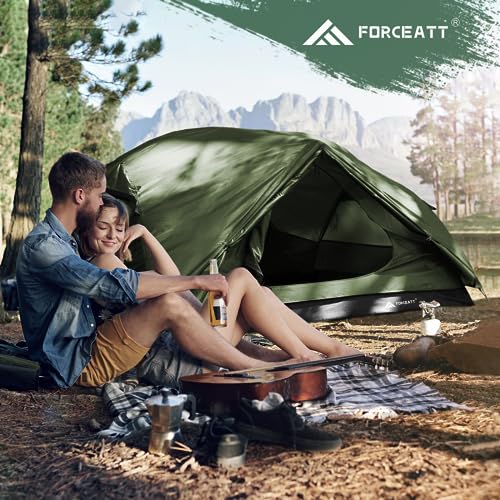
This Forceatt tent hits the sweet spot for backpackers who want real protection without a heavy load. At 5.5 lbs, it’s light enough for two-season hikes, and the 3000mm waterproof rating with taped floor seams means it can handle mountain storms. The aluminum poles are a big upgrade over fiberglass, stronger, lighter, and more flexible in wind.
Owners consistently praise the dual vestibules and D-doors for gear storage and easy access. The ceiling vents and mesh panels do a solid job cutting condensation, which is rare in tents this affordable. Compared to the Night Cat solo tent, this one offers better breathability and durability for slightly more weight. For serious hikers who face real weather, this is the smarter buy.
Product photos


UNP 10-Person Family Tent
Strengths
- Huge interior
- Two-room option
- Excellent ventilation
Trade-offs
- Low waterproof rating
- Bulky to carry
- Slow setup
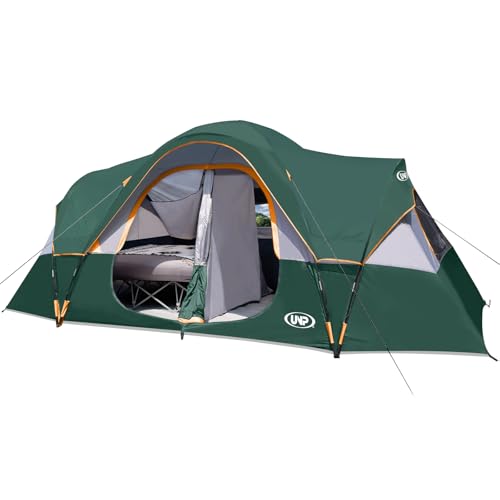
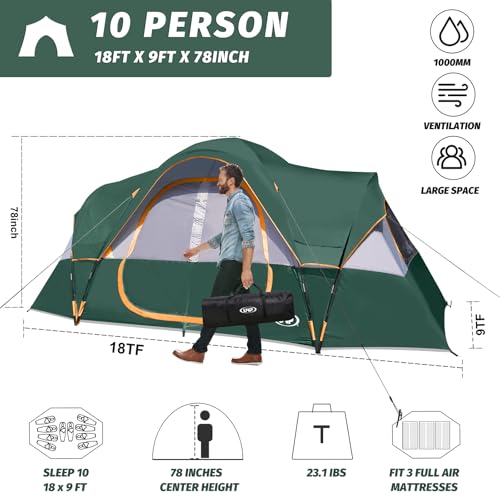
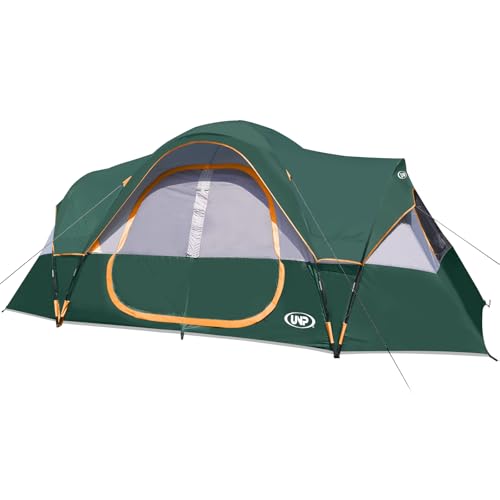
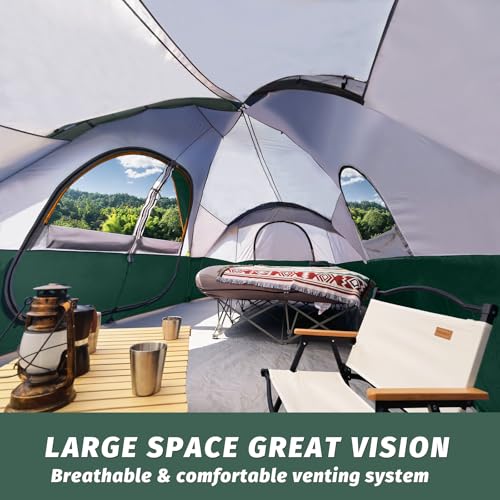
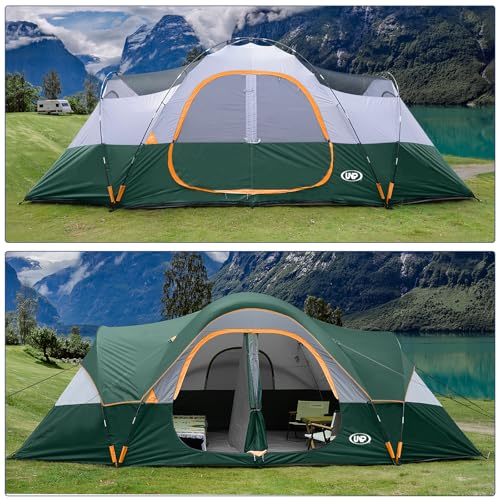
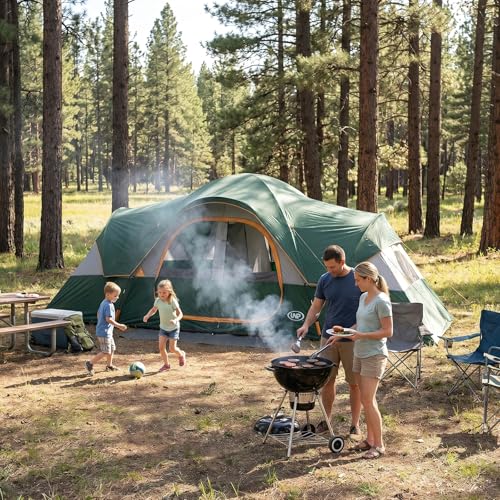
This UNP tent is built for scale, not speed. At 18×9 feet, it’s massive, easily fitting three queen air mattresses or a crowd of kids. The two-room layout with a privacy divider is genius for family trips, and the top mesh roof lets you stargaze without opening the tent. Owners praise how roomy and airy it feels, especially with all five mesh windows open.
But the 1000mm PU rating is underwhelming for a tent this big and expensive-looking. In heavy rain, it may struggle, and the sheer size makes it vulnerable in wind unless all guy lines are properly tensioned. Setup takes two people and about 10 minutes, not bad, but not instant. It’s best for festivals, base camps, or fair-weather family gatherings where space matters more than stormproofing.
Product photos
Pop Up Tents for Camping 4 Person

Strengths
- Truly instant setup
- Spacious for 4
- Good mesh airflow
Trade-offs
- Thin rain protection
- Not wind-stable
- Poor for backpacking
Instant pop-up tents live and die by convenience, and this one delivers on the promise of setup-in-seconds. If you’re camping with kids, showing up late after dark, or just hate wrestling with poles, this green military-style dome gets you shelter fast. Owners love how little skill it takes, open the bag, let it go, and boom, you’re under cover.
But speed comes with trade-offs. The 190T polyester and PE floor aren’t built for serious downpours, and the 1000mm PU rating (implied by material) won’t cut it in sustained rain. It’s fine for backyard hangs or fair-weather festivals, but I wouldn’t trust it deep in the woods during storm season. For car campers who value ease over endurance, it works, just don’t push its limits.
Product photos


Purebox 4-Person Portable Tent
Strengths
- Excellent airflow
- Two doors
- Taped seams
Trade-offs
- Fiberglass poles
- Heavier than backpacking tents
- Rainfly could be fuller
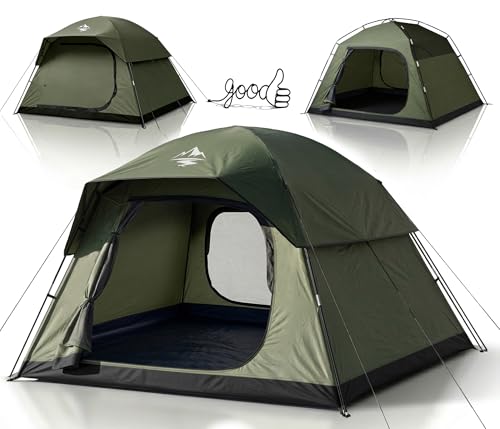
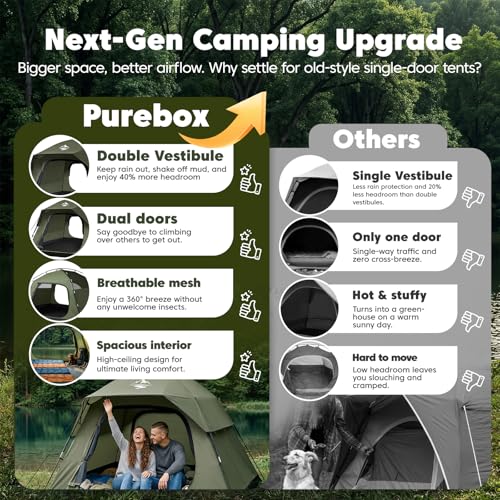
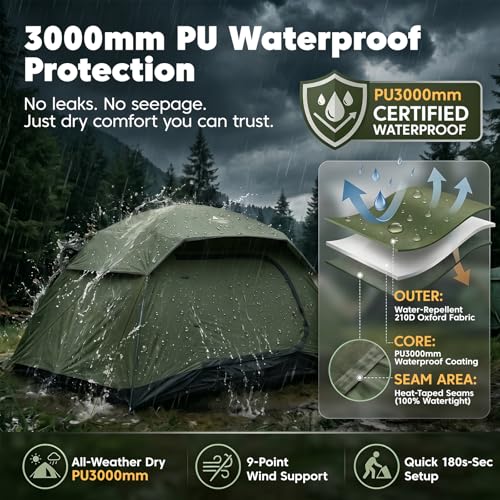
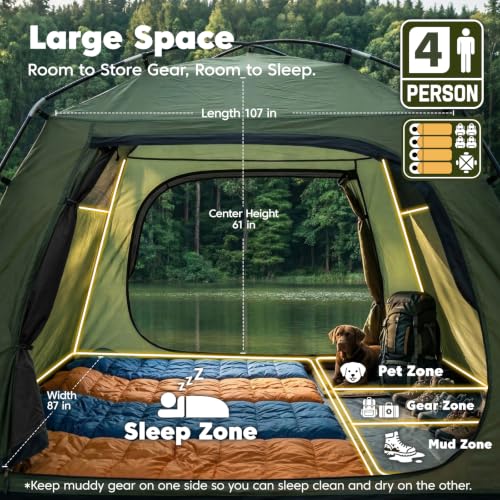
This Purebox tent stands out in a crowded midsize class by balancing ventilation, space, and real-world waterproofing. With two doors, dual mesh windows, and a double-wall design, it tackles condensation better than most 4-person domes. The PU-coated rainfly and taped seams are legit, owners say it stays dry in heavy rain, which is rare at this price tier.
It’s not ultralight at 10.8 lbs, but that’s expected for a family-ready tent. The fiberglass poles are adequate, though aluminum would be sturdier in high winds. Compared to the Coleman Skydome, this one breathes better and feels less stuffy. For car campers who actually care about airflow and dryness, it’s a strong upgrade without breaking the bank.
Product photos
Night Cat 1-2 Person Backpacking Tent

Strengths
- Lightweight
- Compact pack size
- Hand-protecting poles
Trade-offs
- Single-wall condensation
- Limited ventilation
- Not for prolonged wet weather
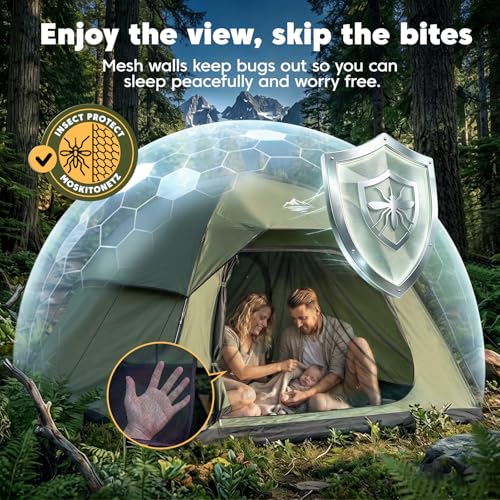
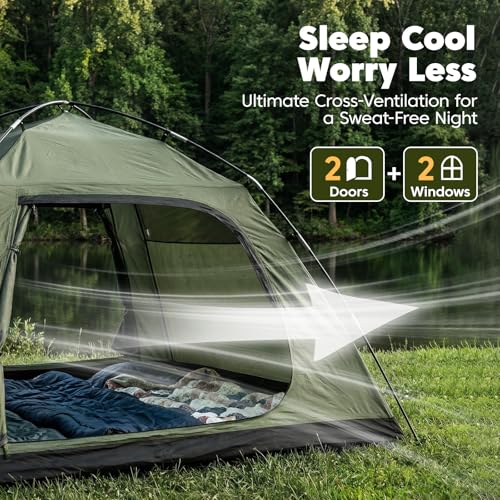
At 4.4 pounds and packing down small, this Night Cat tent is clearly built for backpackers who care about weight and space. The single-wall design with PU 3000mm waterproofing looks solid on paper, and owners consistently report it holds up in light storms without leaking. The double-layer pole protection is a thoughtful touch, no one wants fiberglass shards in their palms during setup.
That said, single-wall tents always trade off breathability for simplicity, and this one is no exception. While the roof mesh helps, I’d still expect some condensation in humid or cold conditions. For solo hikers on dry-to-mild trips, it’s a functional, no-frills shelter. But if you’re camping in damp climates, a double-wall tent would be a smarter bet.
Product photos


How We Chose These waterproof tents
Rather than a hands-on lab test, my research for these recommendations involved a detailed comparison of published specifications and features across numerous models. I weighed owner reviews from a variety of sources, alongside expert opinions from established outdoor gear reviewers, to get a holistic understanding of real-world performance. My evaluation focused on identifying tents that consistently delivered on their waterproof claims and offered a balance of durability, space, and ease of use.
For waterproof tents, the most crucial factors are undeniably the materials used in construction and the quality of the tent’s design. I prioritized tents with a high denier polyester or nylon rainfly, coupled with a PU coating, as these tend to offer the best balance of weight and weather protection. Equally important is a full floor that extends up the sides – a “tub floor” – to prevent ground water from seeping in, and well-sealed seams. Understanding the tent hydrostatic head rating is also key to assessing a tent’s waterproof capabilities.
Specifications reliably indicate a tent’s basic construction (pole material, fabric types, dimensions, and weight). However, owner feedback proved invaluable in determining how those specs translate to actual performance. I paid close attention to comments regarding condensation buildup, seam integrity after prolonged use, and how well the tent held up in heavy rain. Distinguishing between truly waterproof tents and those that are simply waterproof vs water-resistant tents required careful analysis of both specification claims and reported experiences.
How To Pick The Right waterproof tents
Choosing the right tent can feel overwhelming, but focusing on a few key areas will get you closer to a comfortable and dry experience.
A quality tent balances weight, weather protection, and livability. Prioritize a waterproof rainfly with a hydrostatic rating of at least 1500mm, taped seams to prevent leaks, and a durable floor made of a thicker denier material. Consider the tent’s construction – pole material, clip vs. sleeve design – and how these features impact both weight and ease of setup.
Capacity & Space
Don’t fall for the “sleeps X people” marketing. Tent manufacturers are optimistic. I always recommend sizing up, especially if you plan to camp with gear inside or enjoy a bit more personal space. A “2-person” tent is really best for one person and minimal equipment, while a “4-person” tent is comfortable for two. Consider your typical camping style. Are you car camping where weight isn’t a huge concern, or backpacking where every ounce counts? This will heavily influence how much space you’re willing to carry.
Waterproofing & Weather Resistance
Waterproofing is obviously critical, but it’s more nuanced than just a high waterproof rating. The fabric itself matters, but so does the tent’s construction. Look for fully taped seams – this is where most leaks occur. A bathtub floor (where the fabric extends up the sides) is a must-have for preventing ground water from seeping in. Knowing how to maintain your tent’s water repellency is also key; regularly applying a durable water repellent (DWR) treatment and learning to seal tent seams DIY will significantly extend its lifespan and performance.
- A hydrostatic rating of 1500mm is generally considered waterproof for light rain.
- 3000mm or higher is recommended for heavier rainfall or prolonged exposure.
- Pay attention to the denier (D) of the floor fabric – a higher denier indicates a thicker, more durable (and heavier) material. 70D is a good baseline, but 75D or higher is preferable for rough terrain.
A tent’s waterproof rating is only as good as its weakest link. Ensure all seams are sealed and the rainfly extends fully over the tent body.
Features & Livability
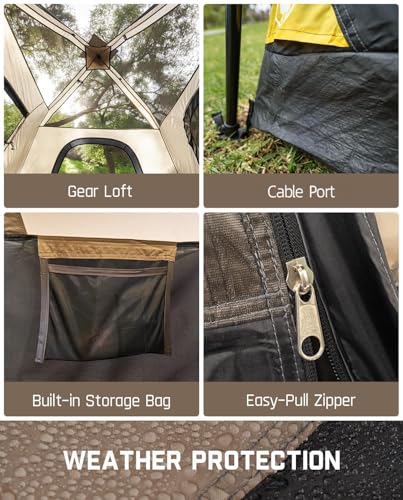
Beyond the basics, think about features that will enhance your camping experience. Ventilation is crucial to prevent condensation buildup, so look for tents with multiple vents and mesh panels. Vestibules (covered areas outside the tent door) are incredibly useful for storing muddy boots and gear. I also appreciate features like internal pockets for organization and a gear loft for keeping small items within reach. If you are searching for top waterproof camping tents, consider the impact of these details on your overall comfort and enjoyment. Don’t overlook the quality of the zippers – a stuck zipper in the rain is a surefire way to ruin a camping trip. Look for sturdy, reliable zippers from brands like YKK, and consider the overall waterproof tent performance of the tent.
Waterproof Tents Compared
Here’s a comparison of key specifications for several waterproof tents to help you choose the best option for your needs.
| Product Title | Capacity | Waterproof Rating (mm) | Weight (lbs) | Setup Time | Dimensions (ft) |
|---|---|---|---|---|---|
| FanttikOutdoor Zeta C6 Pro | 6 | N/A | 16.8 | 60 sec | 120 x 108 |
| Coleman Skydome | 2-8 | N/A | N/A | < 5 min | 8 x 7 |
| Forceatt 2-Person | 2 | 3000 | 5.5 | 3 min | 88.6 x 53.1 |
| UNP 10-Person | 10 | 1000 | N/A | 10 min | 18 x 9 |
| Pop Up Tents for Camping 4 Person | 4 | N/A | N/A | Seconds | 9.2 x 6.6 |
| Purebox 4-Person | 4 | N/A | 10.8 | N/A | 9.02 x 7.05 |
| Night Cat 1-2 Person | 1-2 | 3000 | 4.4 | 1-2 min | 7.0 x 3.8 |
Frequently Asked Questions
What hydrostatic head rating should I look for in a waterproof tent?
A rating of 1500mm is generally considered waterproof for light rain, but for consistently heavy rainfall or mountainous conditions, I recommend a rating of 3000mm or higher to truly stay dry. Remember that the rating only tells part of the story – construction and sealed seams are equally vital.
Are pop-up tents ever truly waterproof?
While convenient, most pop-up tents prioritize quick setup over robust waterproofing. Many use lighter-weight materials and lack fully taped seams, making them suitable for fair weather only, though you can find some with improved water resistance.
What does a “tub floor” actually do for waterproofing?
A tub floor design means the floor fabric extends several inches up the sides of the tent. This prevents water from running underneath the floor and seeping in, even if the ground is saturated.
How important is the denier (D) of the tent floor?
The denier number indicates the fabric’s thickness and durability; a higher denier is better. I suggest looking for a floor with at least 70D, but 75D or higher will offer greater protection against punctures and abrasion on rough ground.
Where can I find a reliable, smaller-sized waterproof tent for solo trips or couples?
If you’re seeking a reliable, smaller-sized option, you should check out reviews for the best 2-person waterproof tents – these often balance weight, packability, and weather protection well.
The Bottom Line
Choosing a waterproof tent often comes down to balancing how much you want to spend with how much protection you require. While a higher price tag doesn’t automatically guarantee dryness, the FanttikOutdoor Zeta C6 Pro consistently appears to offer the best overall combination of spaciousness, robust features, and likely weather protection based on its construction and reported performance. It’s an investment, but one that should pay off in comfortable camping trips for years to come.
For those on a tighter budget, the Forceatt 2-Person tent stands out as a solid value. It provides a respectable 3000mm waterproof rating and a manageable weight, making it suitable for solo adventurers or couples who prioritize affordability. Similarly, if you need a lot of space, the UNP 10-Person tent can accommodate large groups, though you may want to consider a tent seam sealing methods to bolster its 1000mm rating for serious downpours.
Ultimately, the numbers on a spec sheet aren’t everything. A well-maintained tent, with regularly applied tent DWR treatment and properly sealed seams, will always outperform a poorly cared-for, high-end model. Focus on construction quality, a full coverage rainfly, and taking the time to learn how to improve tent weather resistance – those are the fundamentals that truly keep you dry and comfortable under the stars.
