Author: Chloé Bourgeois

Hi, I’m Chloé – a tent-obsessed hiker, trail-lover, and outdoor staycation junkie. I started this site to help people like you find honest, real-world reviews of tents that actually hold up in the wild (and not just in a showroom). I’ve pitched more tents than I can count — through rain, wind, and those perfect golden-hour evenings — and I’m here to share what works, what doesn’t, and what’s worth your money. When I’m not testing gear, you’ll find me chasing trails with my @dacia_uk Adventure crew, layering up in my favorite pieces from @acaioutdoorwear, or planning my next AllTrails adventure. Thanks for stopping by — hope you find your perfect shelter under the stars.
  • How To Refold A Pop Up Tent

    Clean and dry the pop-up tent first. This stops mold and bad smells. Lay the tent flat on the ground. Close all mesh doors tightly. Push the top peak down to make it shorter. Roll the tent from one side like a burrito. Keep the roll tight and even. Unlock the frame locks and slide the legs down. Some tents, like the Coleman 4-Person, need extra steps. Make the tent small and neat for easy storage. This method saves space and protects your tent.

  • How To Re Waterproof A Tent

    Start by checking your tent for holes or tears. Clean it gently with mild soap and water. Dry the tent completely before moving on. Seal the seams using special liquid sealers or sticky tape made for tents. Make sure seams are clean before sealing. If the tent’s urethane coating feels sticky or worn, apply a tent-specific sealant on a warm, dry day. Test the fabric by sprinkling water on it. If water soaks in, treat it with a durable water repellent spray, like Nikwax. This helps water bead up and roll off. For extra protection, try using silicone sprays or rubbing paraffin wax on the fabric. These methods keep your tent dry during rain. Taking these steps will keep your tent strong and water-resistant for your next trip.

  • How To Rainproof A Tent

    Rainproof your tent by checking its fabric for holes. Make sure the hydrostatic head rating is above 2,000 mm. Seal all seams using silicone or polyurethane sealers. Apply a thin, even layer for best results. Touch up any worn urethane coating on the rainfly with fresh sealant. Use a water repellent spray like Nikwax TX.Direct to boost water resistance. Keep your tent clean and dry to maintain its protection. Regular care helps your tent stay strong against rain. Follow these steps to stay dry during wet weather.

  • How To Put Up A Tent Step By Step

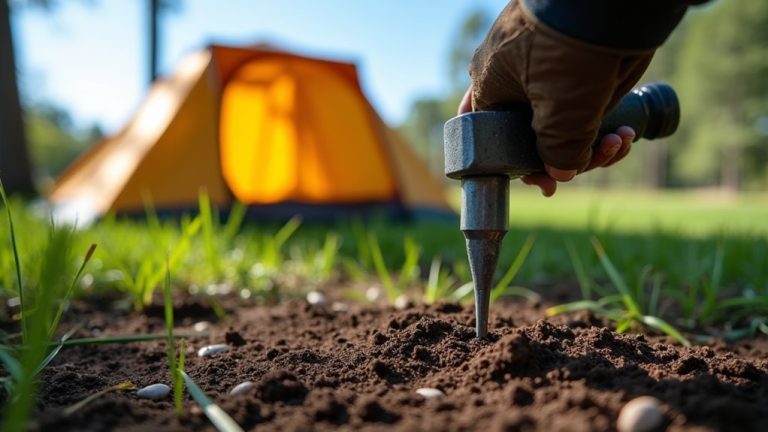
    Pick flat ground with no rocks or water near. Take out all tent parts: tent body, rainfly, poles, stakes, and guylines. Check poles for cracks or breaks. Fit poles into tent corners tightly for support. Press stakes into the ground at a 45-degree angle. Use rocks or deadman anchors to hold stakes firm. Follow these steps to build a strong shelter from wind and rain. Practice helps you get faster and better every time.

  • How To Put Up A Tent

    Pick a flat, clear spot for your tent. Stay at least 200 feet away from water. Spread out all tent parts so you can find them fast. Sort poles by size and type. Slide poles into the tent sleeves carefully. Lift the tent over the poles. Make sure the doors face the right way. Push stakes into the ground at each corner. Tighten the ropes to keep the tent steady. Clip on the rainfly to stop rain and dew. Follow these steps for a smooth setup every time.

  • How To Put Up A Pop Up Tent

    Start by finding flat, clear ground. Avoid rocks and slopes. Spread all tent parts on the ground. Pull each corner outward gently. Walk backward to open the frame evenly. Use strong steel stakes to fix the frame. Push stakes at a 45-degree angle for better hold. Attach ropes to keep the tent steady in wind. Place the canopy on the frame next. Match the corners carefully. Fasten corners with Velcro or hooks. Check all parts are tight and secure. This method keeps your tent safe and stable. Easy to do, even for beginners.

  • How To Put Up A Canopy Tent

    Set up a canopy tent on flat ground free of rocks and sticks. Avoid places near fire or low-hanging branches. Spread the frame on the ground and open it slowly. Check each joint for cracks or damage as you go. With a friend, pull the legs outward evenly. Use pegs or heavy sandbags to keep it steady. Place the canopy top over the frame carefully. Fasten it tightly using the Velcro straps provided. Double-check that all locks are secure before use. This simple method keeps your tent safe and strong.

  • How To Put Self Adhesive One Way Door Tent On

    Put a self-adhesive one-way door tent easily by following these steps. First, get all materials: the tent film, a cleaning spray without ammonia, a utility knife, and a squeegee. Clean the window well to remove dirt and dust. Make sure no scratches are on the glass. Measure the window size carefully. Cut the film with an extra inch to trim later. Spray water on both the glass and film to keep it wet. Place the film on the window, matching the edges exactly. Use the squeegee to push out air bubbles and water. Cut off any extra film around the edges. This method helps the tent stick smoothly and last longer. Small care steps make a big difference in the final look.

  • How To Put A Tent Together

    Pick a flat, dry spot for your tent. Avoid places with water or sharp rocks. Lay out the tent parts: poles, fabric, and stakes. Unfold the poles fully. Slide poles through the tent sleeves in an “X” shape. Fix poles tightly at each corner. Clip the tent fabric to the poles for strength. Push stakes into the ground at a 45-degree angle. This helps keep the tent steady in wind. Check all connections before use. Follow these steps for a safe, strong tent setup.

  • How To Put A Tarp Over A Tent Without Trees

    Put a tarp over your tent without trees using adjustable poles and strong 550 Paracord. Secure the tarp corners to the ground with heavy-duty stakes. Use the poles to lift the tarp, making a peak for rain to run off. Tighten the guylines to keep the tarp firm and stop it from sagging. Try a diamond or A-frame shape for better strength. This setup blocks rain and wind well. Simple steps like these make your shelter dry and safe.

  • How To Put A Tarp Over A Tent

    Set up your tarp over the tent on flat ground near trees or rocks that block wind. Pick a strong tarp made from thick material. Angle the tarp about 30 degrees so rain slides off easily. Tie the tarp corners with sturdy knots like Bowline for security. Use the Trucker’s Hitch knot to pull the tarp tight and stop flapping. Line up the tarp’s center ridge with the tent’s top line. Leave 6 to 12 inches of tarp hanging past the tent sides for good coverage. This setup keeps you dry and lets air flow under the tarp. Follow these steps to protect your tent well during rain or sun.

  • How To Put A Pop Up Tent Away

    Put away your pop-up tent carefully to keep it in good shape. First, make sure the tent is dry and clean. Take off ropes and stakes. Open the doors to let air out. Press the frame buttons and fold the canopy down slowly. Check for any twists or tangles in the frame. Push the sides together to keep it small. Fold the fabric neatly. Store the tent in a cool, dry spot. Use a waterproof bag that fits the tent size. This keeps your tent safe and ready for next time.