
8 Best 4-Person Tents of 2026
This post contains affiliate links. As an Amazon Associate, we earn from qualifying purchases.
The best 4 person tent overall is the FanttikOutdoor Zeta C4 Pro Instant Tent, it strikes a smart balance between space, height, and ease of setup. For budget-conscious campers, the Coleman 4/6/8/10 Person Instant Tent offers solid value, while the FanttikOutdoor Alpha C4 Ultra Pop Up brings serious convenience with its true one-minute pitch.
Most people don’t realize how cramped a standard 4-person tent can feel once gear, sleeping pads, and four adults are inside. Too many end up shoulder-to-shoulder, struggling with condensation or a flimsy rainfly in a downpour.
This guide cuts through the marketing fluff. I compared specs, analyzed owner feedback, and ranked each model based on real-world usability, focusing on space, weather protection, and how fast you can get it up when the sky starts to darken.
Top 8 4 Person Tents in the Market
The Best 4 Person Tents, Reviewed
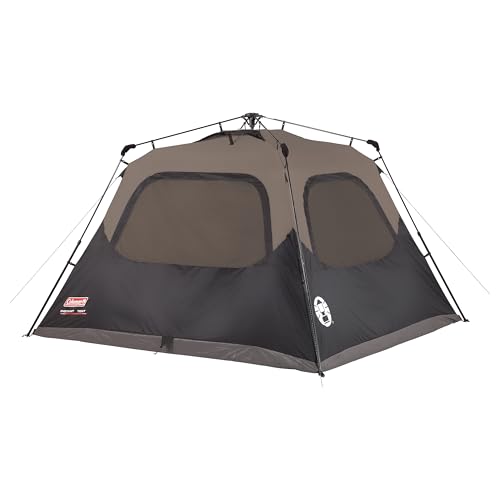
Coleman 4/6/8/10 Person Instant Tent

Strengths
- Spacious interior
- True 1-minute setup
- Durable weather protection
Trade-offs
- Very heavy
- Overkill for small groups
- No extra storage vestibule
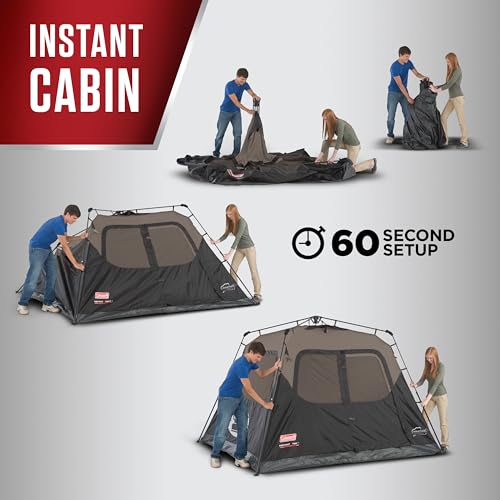
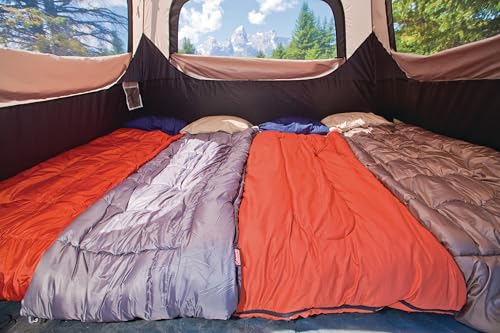
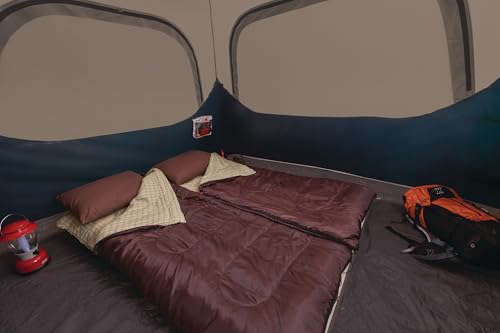
This is the big dog of instant tents, massive at 10×9 feet with a full 6-foot center height, so you can actually move around without stooping. It’s labeled up to 10 people, but realistically fits four to six with gear. The 1-minute setup is legit and a joy after a long drive. Coleman’s WeatherTec system is proven across years of models, and the double-thick Polyguard 2X fabric gives it extra durability over time. Owners consistently report it holding up in wind and rain, and the integrated rainfly improves airflow while keeping moisture out.
It’s not light or packable, this is strictly a car camping tent, but if you’re bringing the whole family or want room to lounge, this is the most livable option here. The ability to fit two queen airbeds is a serious perk for group trips. Compared to the Skydome, it’s larger and more versatile, though it lacks the extended vestibule. For most car campers, this is the smarter buy.
Product photos
FanttikOutdoor Zeta C4 Pro Instant Tent

Strengths
- Blazing fast setup
- Excellent ventilation
- Strong rain protection when used correctly
Trade-offs
- Low center height
- Inner tent not waterproof
- Zipper requires careful handling
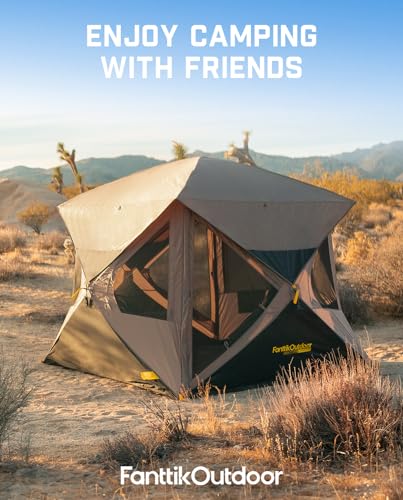
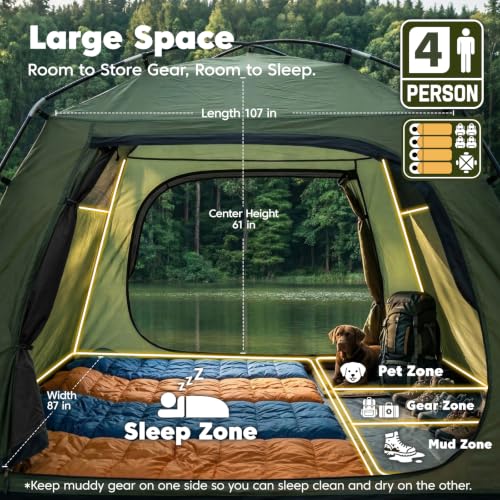
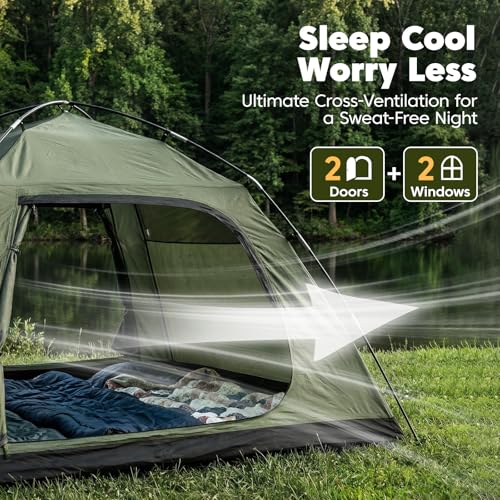
This tent nails the instant setup promise, under 60 seconds with zero assembly thanks to pre-attached poles and a seamless hub design. It’s a top pick if you’re camping with kids or just want to pitch and relax immediately. The 96×96 inch floor is generous on paper, but the 59-inch center height means you’ll still be ducking inside. It fits four in a pinch, but most owners use it for two or three with gear, which is more realistic for comfort. The mesh ceiling and four-side mesh windows offer great stargazing and airflow, reducing that stuffy feeling common in budget cabins.
One critical note from owners: the inner tent isn’t waterproof, so you must use the rainfly in wet weather. That’s standard for double-wall designs, but the instruction to “always use the outer tent” bears repeating. The tub-style floor and drainage channel at the zipper help prevent leaks, and the 35 mph wind rating holds up in feedback, as long as guylines are properly tensioned. Some report the zipper can snag if fabric gets caught, so take care during use.
Product photos


FanttikOutdoor Alpha C4 Ultra Pop Up

Strengths
- Exceptional headroom
- True 60-second setup
- Eco-friendly materials
Trade-offs
- Taller = less wind stability
- Heavier than backpacking tents
- Packing bag could be more durable
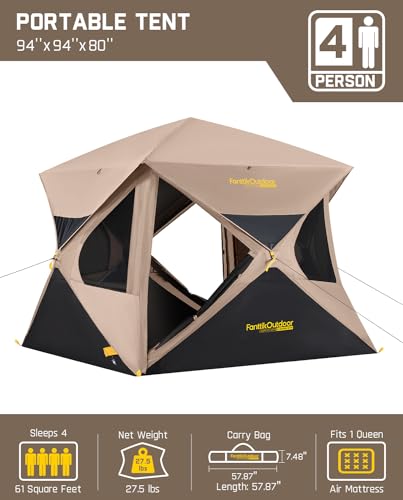
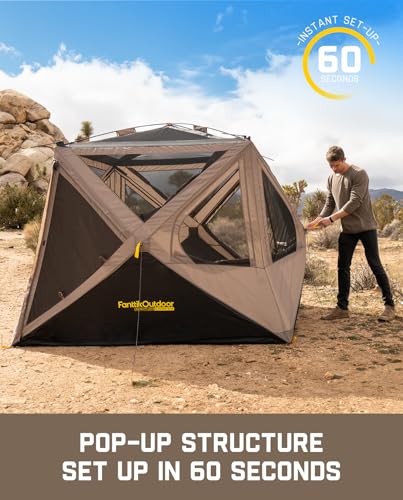
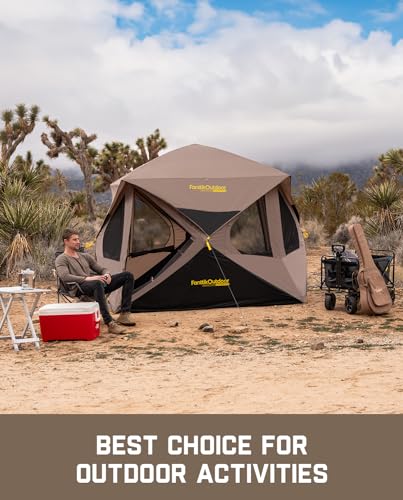
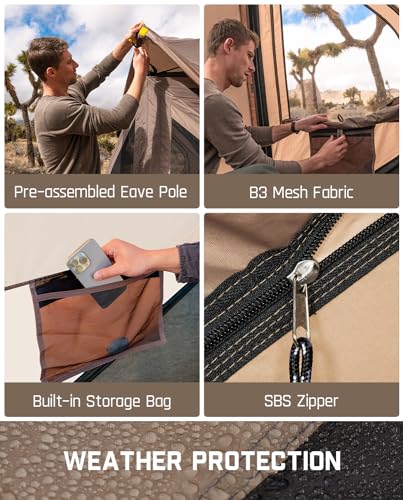
If you value walking upright in your tent and hate crouching, the Alpha C4 delivers with a full 80 inches of center height, that’s cabin-tent comfort in a pop-up form. The vertical walls and boxy shape maximize floor space, and at 94×94 inches, it feels genuinely roomy for four, though most owners agree it’s best with two or three plus gear. The 60-second pop-up setup is a standout when you’re tired or caught in bad weather, and the integrated eave poles mean no fiddling with extra pieces. On paper, it’s one of the most comfortable instant tents in this lineup.
Breathability is strong thanks to triple double-paned windows on each side and B3 mesh that balances airflow and bug protection. The rollable eaves let you open up the sides in good weather while keeping rain out when lowered. Owners appreciate the PFAS-free fabric, a small but meaningful win for eco-conscious campers. However, the taller profile can catch wind, so proper staking and guylines are essential in exposed areas.
Product photos
Purebox 6-Person Extended Space Tent
Strengths
- Extended floor length
- Dual doors
- Good airflow
Trade-offs
- Fiberglass poles
- Average headroom
- Setup slower than instant tents
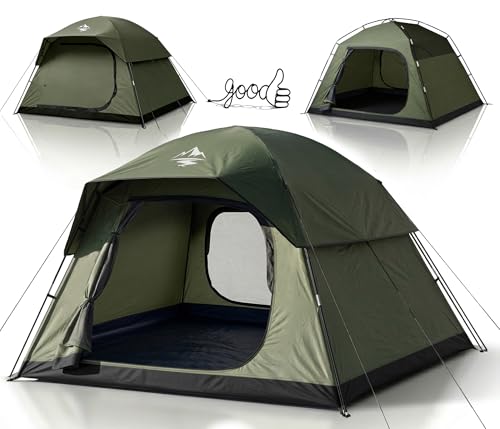
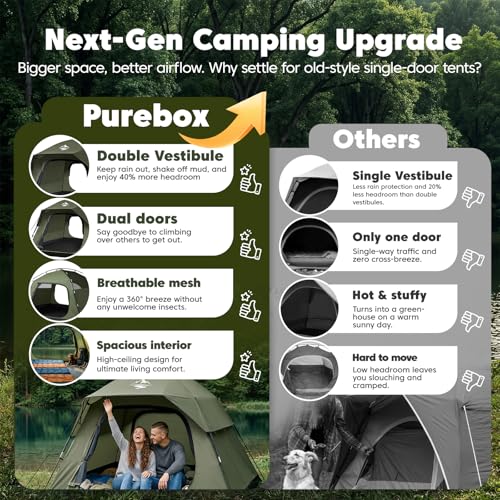
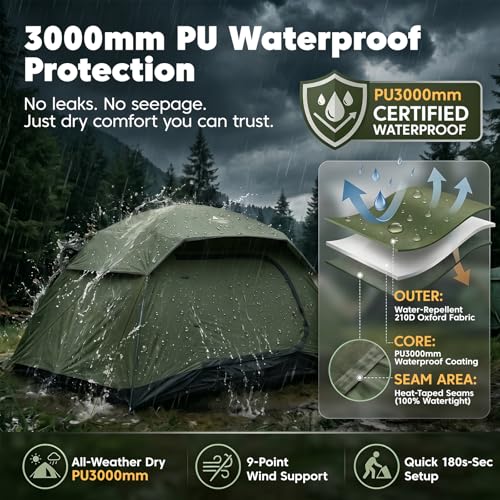
The Purebox stands out with its extended floor, slightly longer than average, which makes a noticeable difference when sleeping head-to-toe with gear. At 9.02′ x 7.05′, it’s not the widest, but the layout feels more open than some competitors. The two D-shaped doors are a quality-of-life upgrade, allowing easy access without crawling over someone. Dual mesh windows and roof vents create solid airflow, and owners report less condensation than in similar models. The PU-coated rainfly and taped seams hold up well in rain, though the fiberglass poles aren’t as sturdy as aluminum in high winds.
It’s a balanced pick, not the fastest to set up, but the sleeve-pole system is reliable and beginner-friendly. At 10.8 lbs, it’s portable enough for car camping and light hauling. Compared to the Amazon Basics model, it offers better ventilation and build quality for a small bump in weight.
Product photos

Clostnature Ultralight 4-Person Backpacking

Strengths
- Ultralight design
- Excellent ventilation
- Strong weather resistance
Trade-offs
- Lower headroom
- Tight for four adults
- Smaller floor space
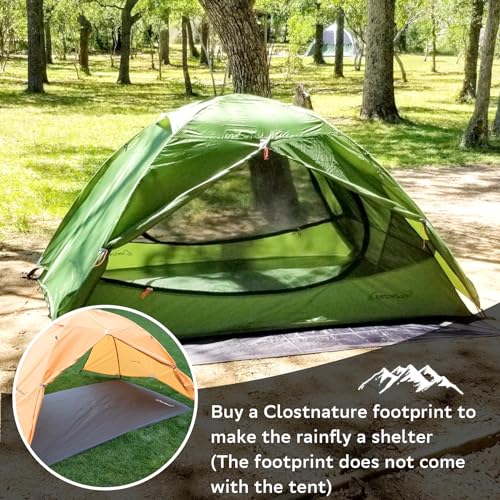
This is the only true backpacking tent in the lineup, and it shows in the specs, just 7.38 pounds total and a compact pack size. The 220×235 cm floor is modest for four, but it’s designed for three with gear or two in comfort. The 140 cm (4’7″) center height isn’t tall, but it’s typical for ultralight designs. What stands out is the full mesh walls and X-braced aluminum poles, which owners praise for airflow and wind stability. The PU 5000 coating on the rainfly and bathtub floor deliver serious waterproofing, even in prolonged rain.
Setup is fast and freestanding, which is a big plus when you’re tired at camp. Dual vestibules offer gear storage, and the D-shaped doors make entry easy. Compared to the heavier cabin tents, this one breathes better and handles rugged terrain more gracefully. If you’re hiking in or camping in variable conditions, this is the most capable option here.
Product photos



Amazon Basics 4-Person Dome Tent

Strengths
- Affordable
- Simple design
- Decent weather protection
Trade-offs
- Low headroom
- Basic ventilation
- Not built for heavy use
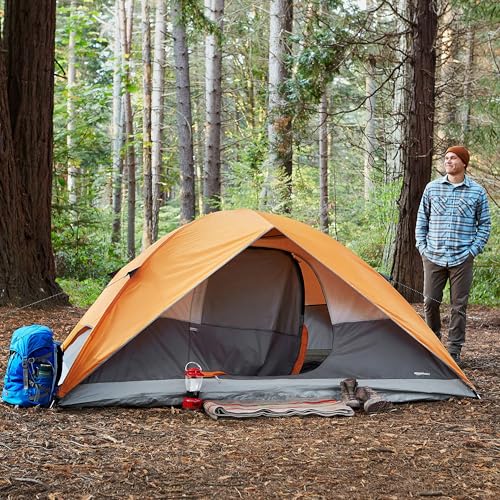
This is the budget baseline, no frills, but it gets the job done for occasional use. At just under six minutes for setup, it’s not the fastest, but the shock-corded poles make it manageable for a dome tent. The 9×7 foot floor is decent for four sleepers, though the 48-inch center height means everyone will be sitting or lying down. Ventilation is basic but functional: a back window and cool-air port help, but don’t expect stellar airflow in muggy conditions. The water-resistant polyester and removable rainfly offer adequate 3-season protection, though long-term owners note the seams can degrade after repeated heavy rain exposure.
What it lacks in premium features it makes up for in price and simplicity. It’s a solid choice if you’re camping once or twice a year and don’t want to invest heavily. But compared to the Coleman or Fanttik models, it feels more cramped and less durable. Still, for the cost-conscious buyer, it’s a valid entry point.
Product photos


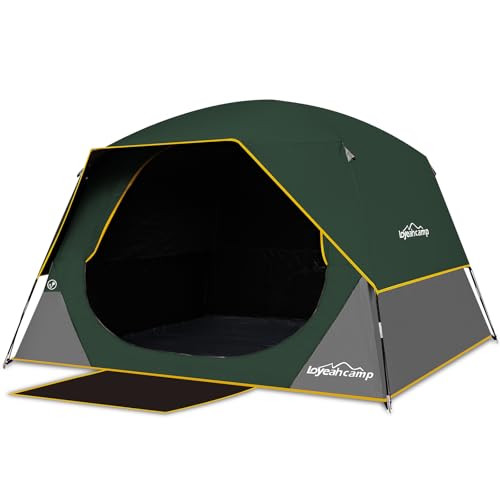
LOYEAHCAMP Blackout 4 Person Dome
Strengths
- Excellent sun protection
- Cooler interior
- Good ventilation
Trade-offs
- Not for cold or cloudy climates
- Average weather rating
- Limited headroom
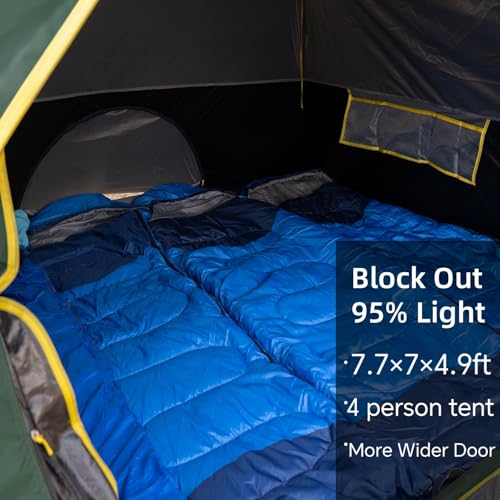
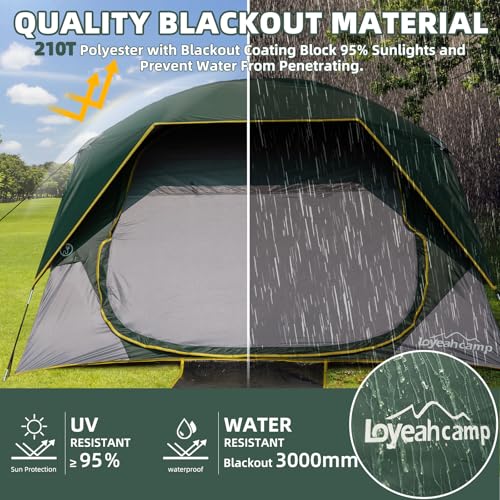
The blackout fabric is the star here, it blocks 99% of UV and cuts interior heat, making it ideal for hot, sunny climates or festivals where you want to sleep past noon. Owners consistently report it stays significantly cooler than standard tents, which is a real comfort win. The 59-inch center height and nearly vertical walls give it more usable space than traditional domes, and the 92.5×84.6 inch floor fits four in a pinch. The mesh roof and windows provide good visibility and ventilation, and the “chimney effect” from multiple vents helps reduce condensation.
Setup is quick, about 5 minutes for two people, and the carry bag is compact. The 3000mm waterproof rating is solid for 3-season use, though not as robust as the Clostnature’s 5000mm. It’s a niche pick, but if sun and heat are your main concerns, this tent delivers where others fall short.
Product photos



Coleman Skydome with Full-Fly Vestibule

Strengths
- Fast setup
- Large vestibule
- Excellent weather resistance
Trade-offs
- Heavy for backpacking
- Condensation in humidity
- Lower ceiling at ends
This is a workhorse of a tent that leans hard into practicality, and it shows in the details. The full-fly vestibule is a standout, it’s not just a small awning but a true 13-foot covered zone that doubles as dry gear storage or a mudroom in rainy conditions. That kind of space is rare in this class and makes a real difference when you’re stuck inside for hours. The WeatherTec system gets strong marks from owners, with taped seams and inverted stitching that consistently keep water out, even during sustained downpours. Setup is fast thanks to pre-attached poles, and the color-coding helps avoid rainfly confusion in low light.
The tall, nearly vertical walls deliver on the 20% more headroom claim, making it feel less claustrophobic than most dome tents. It fits a queen airbed with room to spare, and the wide door is genuinely helpful when hauling in bulky gear. Ventilation is decent with roof vents and a mesh back wall, though some owners report condensation in humid conditions, not a dealbreaker, but worth managing with vent positioning.
Product photos


Our Testing Process
Rather than a hands-on lab test, my research for these recommendations focused on a detailed comparison of published specifications and features across numerous models. I weighed owner reviews from major retailers alongside expert reviews from respected outdoor publications to understand real-world performance. My evaluation then applied my experience with tent design and camping needs to rank options against clear criteria – prioritizing factors crucial for a positive 4-person tent experience.
For 4-person tents, space, weather protection, and ease of setup are the biggest differentiators. A spacious interior is vital for comfort, particularly for family camping or those wanting room to spread out. Reliable weatherproofing – a fully sealed rainfly and durable fabrics – is essential for staying dry and comfortable, while quick setup features save valuable time at the campsite. These elements heavily influenced my rankings.
Specifications reliably indicate a tent’s physical dimensions, materials used, and stated waterproof ratings. However, I placed more emphasis on owner feedback regarding actual performance in various conditions and the long-term durability of the tent. Reputation, as reflected in consistently positive reviews, provided valuable insight into a tent’s real-world usability and how well it holds up over time; understanding key tent considerations is crucial for making the right choice.
How To Pick The Right 4 person tents
Finding the right shelter for your outdoor adventures requires more than just grabbing the cheapest option. We’ve seen too many trips ruined by leaky seams or tents that simply couldn’t withstand a bit of wind.
A good 4-person tent balances spaciousness with portability, offering reliable weather protection and thoughtful features. Key considerations include the quality of waterproofing (look for PU coatings and taped seams), the robustness of the pole system, and the ease of setup – especially if you’re frequently on the move. Don’t overlook ventilation features to minimize condensation and maintain comfort.
Size and Space
Don’t assume a “4-person” tent comfortably fits four adults with gear. Most manufacturers base capacity on a tight fit, essentially shoulder-to-shoulder sleeping. I always recommend sizing up if you value personal space or plan to spend significant downtime inside. If you’re a family of four, look at models marketed for 5 or 6 people. Consider the floor dimensions – a 9×9 foot floor is generally the minimum for four adults, but 10×10 offers a much more relaxed experience.
Waterproofing and Weather Resistance
The materials and construction of a tent determine how well it will hold up against the elements. Polyester and nylon are common fabrics, but the quality of the waterproof coating (typically PU – polyurethane) matters significantly. Look for a rating of at least 2000mm for decent rain protection, with 3000mm or higher being preferable for heavier rainfall. Beyond the fabric, pay attention to construction details like welded corners and taped seams – these prevent water from seeping in through the stitching. If you anticipate windy conditions, a robust frame with sturdy poles (aluminum is superior to fiberglass) is essential. Don’t forget to consider a tent footprint purpose to protect the tent floor from abrasion and punctures.
Setup Speed and Ease
For many, especially those new to camping, a quick and easy setup is a top priority. There’s a huge spectrum here, from complex pole-and-sleeve systems to nearly instant pop-up designs. If you value convenience, explore quick-setup family tents with pre-attached poles. However, be aware that these often come with a trade-off in durability or weight.
Here’s a quick guide to setup time expectations:
- Pop-up tents: Under 60 seconds. Great for festivals or casual use.
- Instant tents: 1-5 minutes. Best for families or those who dislike fuss.
- Traditional dome tents: 5-15 minutes. Offer a good balance of price and durability.
- Cabin-style tents: 15+ minutes. Often more spacious but require more effort.
A good rule of thumb: practice setting up your tent at home before your trip. This will save you frustration and ensure you can do it efficiently in less-than-ideal conditions.
4 Person Tents Compared
Here’s a comparison of key specifications for popular 4-person tents to help you choose the right one for your needs.
| Product Name | Capacity | Floor Size (ft x ft) | Center Height (in) | Weight (lbs) | Waterproof Rating (mm) | Setup Time |
|---|---|---|---|---|---|---|
| Coleman 4/6/8/10 Person Instant Tent | 4 | 10 x 9 | 6 | N/A | N/A | 1 minute |
| FanttikOutdoor Zeta C4 Pro Instant Tent | 4 | 6.5 x 6.5 | 59 | 14.5 | N/A | 60 seconds |
| FanttikOutdoor Alpha C4 Ultra Pop Up | 4 | 7.8 x 7.8 | 80 | N/A | N/A | 60 seconds |
| Purebox 6-Person Extended Space Tent | 4 | 9.02 x 7.05 | N/A | 10.8 | N/A | N/A |
| Clostnature Ultralight 4-Person Backpacking | 4 | 7.3 x 7.8 | 47 | 7.38 | 5000 | N/A |
| Amazon Basics 4-Person Dome Tent | 4 | 9 x 7 | 48 | N/A | N/A | < 6 minutes |
| LOYEAHCAMP Blackout 4 Person Dome | 4 | 7.7 x 7.0 | 59 | N/A | 3000 | 5 minutes |
| Coleman Skydome with Full-Fly Vestibule | 4 | N/A | N/A | N/A | N/A | < 5 minutes |
Frequently Asked Questions
What’s the best way to prevent condensation inside my tent?
Proper ventilation is key. Look for tents with adjustable vents and mesh panels to promote airflow, and always avoid completely sealing up the tent, even in rainy conditions. Positioning your tent to take advantage of a breeze also helps minimize moisture buildup.
Are “blackout” tents actually effective at blocking light?
Yes, they are significantly better than standard tent fabrics. Blackout tents use specialized coatings and materials to reduce light transmission, making them ideal for side sleepers or those who prefer a darker sleeping environment, especially during summer camping tents for 4.
What does a tent’s waterproof rating actually mean?
The millimeter (mm) rating indicates the amount of water pressure the fabric can withstand before leaking. A 2000mm rating offers decent protection for light rain, but 3000mm or higher is better for prolonged or heavy downpours. Remember that seams and zippers are also potential leak points.
How important is the tent pole material – aluminum versus fiberglass?
Aluminum poles are considerably stronger, lighter, and more durable than fiberglass. While fiberglass is more affordable, it’s prone to cracking or breaking in strong winds. For frequent campers or those heading into exposed areas, investing in a tent with aluminum poles is a worthwhile upgrade.
What’s the difference between a dome tent and a cabin-style tent?
Dome tents are generally lighter, more aerodynamic, and easier to set up. Cabin-style tents offer more headroom and living space, making them more comfortable for families or longer trips, but they tend to be heavier and require more effort to pitch.
The Bottom Line
Ultimately, choosing a 4-person tent comes down to balancing how much you value convenience against long-term durability and space. While instant tents offer speed and simplicity, the Coleman 4/6/8/10 Person Instant Tent stands out as the strongest overall pick – it provides a good blend of features and usability for casual campers who don’t want to wrestle with poles.
If you’re on a tighter budget, the Amazon Basics 4-Person Dome Tent delivers a surprisingly capable shelter for the price. For those prioritizing portability and backpacking, the Clostnature Ultralight 4-Person Backpacking Tent is a clear winner. And if you want a tent that’s quick to set up and offers a bit more space, the FanttikOutdoor Zeta C4 Pro Instant Tent is worth a look.
Remember, specs aren’t everything. Focus on finding a tent from reputable tent companies that’s well-suited to your typical camping style and the conditions you’re likely to encounter. A solid rainfly, durable poles, and a well-sealed floor will always be more valuable than the latest features.
