
7 Best Beds for Tents 2026
This post contains affiliate links. As an Amazon Associate, we earn from qualifying purchases.
The FNARMW 5″ Thick Camping Sleeping Pad is the best overall bed for a tent, offering serious cushioning and durability. For backpackers who need lightweight sleep solutions, the HiiPeak Ultralight Inflatable Sleeping Mat is a top contender. If you’re car camping and want elevated comfort, the ABORON XXL Heavy-Duty Camping Cot delivers serious support.
Most people underestimate how much their sleep setup affects a trip. A poor night on hard ground can wreck your mood, energy, and recovery, especially after a long hike. I’ve seen too many campers blame their sleeping bag when the real issue is what’s between them and the dirt.
This guide cuts through the marketing and focuses on what actually matters: real support, packability, and durability. I compared specs and owner feedback across top models to find the best beds for tents, so you can sleep well without second-guessing your gear.
Top 7 Beds For Tents in the Market
The Best Beds For Tents, Reviewed
FNARMW 5″ Thick Camping Sleeping Pad

Strengths
- 5-inch plush thickness
- Supports up to 800 lbs
- Durable, puncture-resistant fabric
Trade-offs
- Bulkier than 3-inch pads
- Heavier than ultralight options
With a full 5 inches of thickness, this pad feels closer to a hotel mattress than a typical camping inflatable, and that’s exactly why it earns the ‘Best Overall’ label. The extra cushioning makes a dramatic difference for side sleepers and anyone with joint or back pain, and owners consistently report waking up without stiffness. The built-in foot pump works smoothly, inflating the pad in about a minute, and the 800-lb weight capacity means it won’t bottom out, even for heavier users.
It’s made with 50D nylon and TPU, same as some top-tier models, and feedback suggests it holds up well on rough ground. At 4.2 lbs, it’s not the lightest, but it’s reasonable for the size. Compared to thinner pads, it sacrifices a bit of packability for comfort, it’s wider and taller when stuffed, but for car campers or van lifers, that’s a worthy trade. If you want one pad that does nearly everything well, this is the smarter buy.
Product photos


FUN PAC Ultralight Camping Sleeping Pad
Strengths
- Built-in foot pump
- Good thickness for price
- Fits in small backpack
Trade-offs
- Material wears faster
- Not for rough terrain
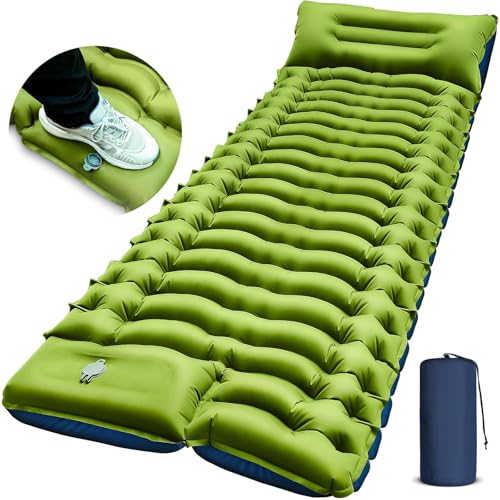
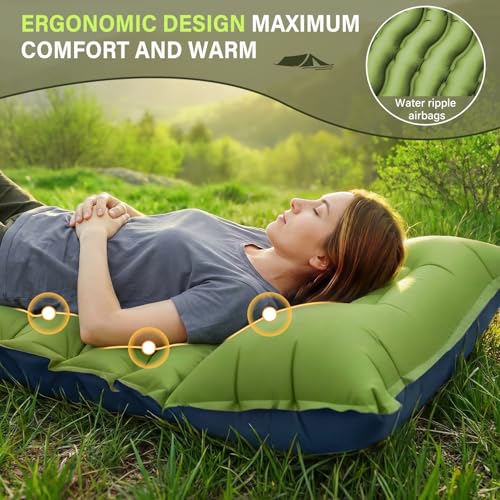
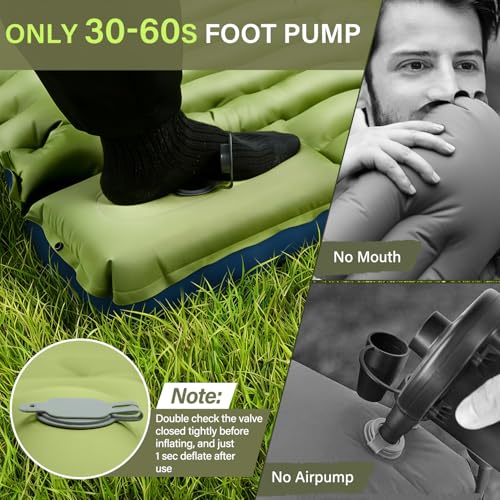
This pad promises comfort and convenience at a friendly price, and on paper, it delivers where it counts for budget seekers. The 3-inch thickness and egg-shaped air cells are a smart design for pressure relief, and owners consistently report it outperforms cheaper foam mats when sleeping on rocky or uneven ground. The built-in foot pump is a standout feature, no mouth inflation needed, and most reviewers note it fully inflates in under a minute, which is a real win after a long hike.
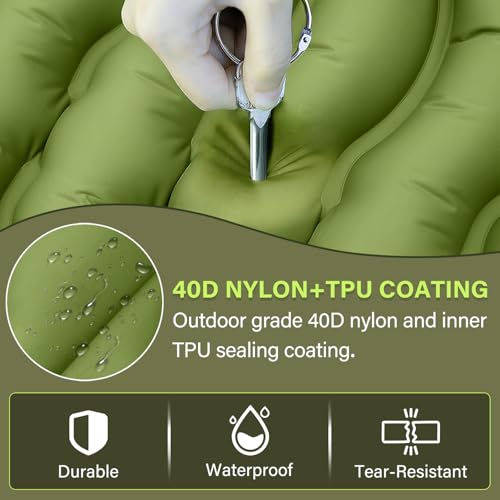
Still, durability is where questions arise. While the 40D nylon and TPU coating hold up for occasional use, long-term campers note the material shows wear faster than heavier-duty options, especially when used on abrasive terrain. It’s a solid entry-level inflatable, but not one I’d trust for a multi-week trek. Compared to pricier models, it’s thinner and less rugged, but for weekenders and fair-weather campers, it’s hard to beat the value.
Product photos

CYMULA CertiPUR-US Memory Foam Mattress Pad

Strengths
- Excellent pressure relief
- Certified non-toxic foam
- Non-slip waterproof base
Trade-offs
- Bulky when rolled
- Takes hours to fully expand
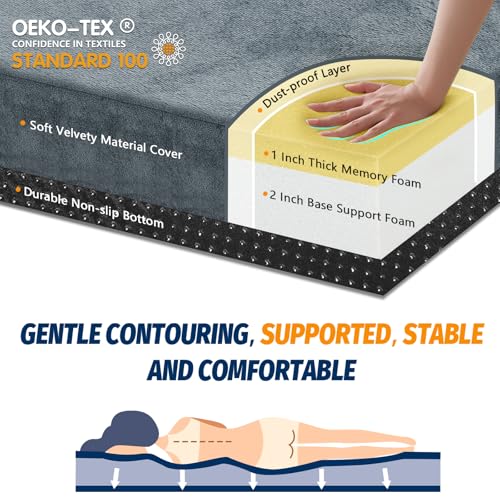
If you hate the feel of air mattresses and want something that actually cushions your body like a real bed, this memory foam pad is worth serious consideration. The high-density foam conforms to your shape, which reviewers consistently praise for eliminating pressure points, especially for side sleepers. It’s not self-inflating, but it doesn’t need to be; once unpacked, it slowly expands to full thickness, and the CertiPUR-US certification gives real peace of mind about off-gassing and safety.
The non-slip, waterproof bottom is a game-saver on damp tent floors, and the included straps make rolling and packing manageable. That said, it’s bulkier than inflatable options, even when rolled, it takes up more space in a pack. For car campers or van lifers, that’s no issue. But backpackers will find it too large and heavy. Compared to air pads, it doesn’t compress as small, but for comfort and safety, it’s a smarter pick if space isn’t tight.
Product photos


ABORON XXL Heavy-Duty Camping Cot
Strengths
- Extremely high weight capacity
- Comfortable mattress pad included
- Stable, wobble-free frame
Trade-offs
- Heavy and bulky
- Not for backpacking
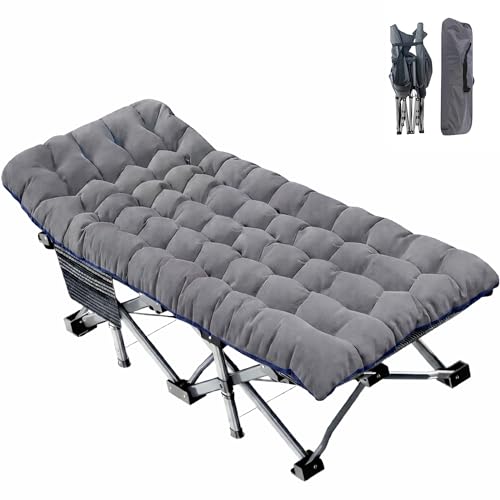
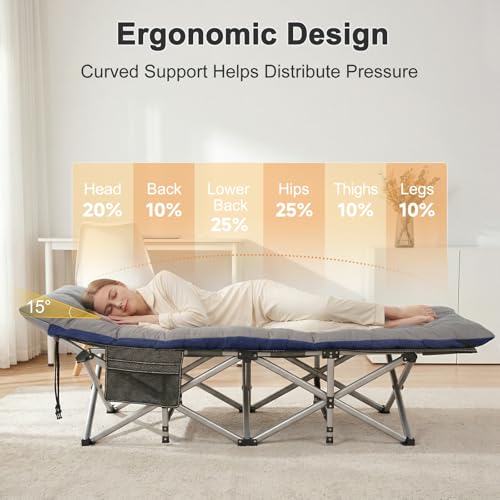
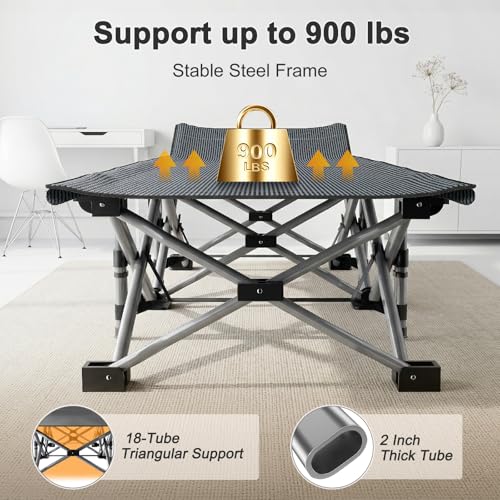
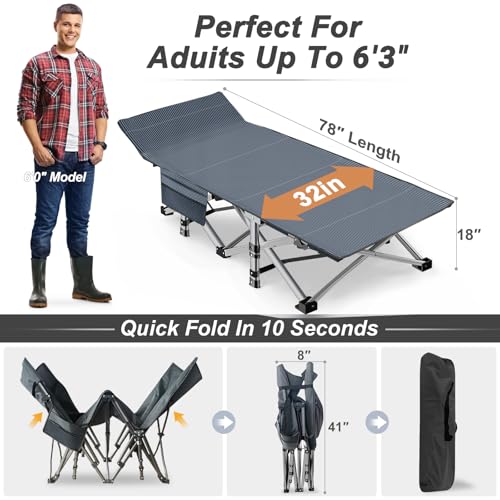
When you need a cot that can handle serious weight and still feel stable, this one stands out. With a 900-lb capacity and a wide 32-inch sleeping surface, it’s built for larger campers or anyone who hates feeling boxed in. The 18-inch height makes getting in and out easier on the knees, a small thing that matters after long days on the trail. Owners consistently praise the instant setup; it unfolds in seconds, and the recessed crossbars mean you won’t feel the frame poking your back.
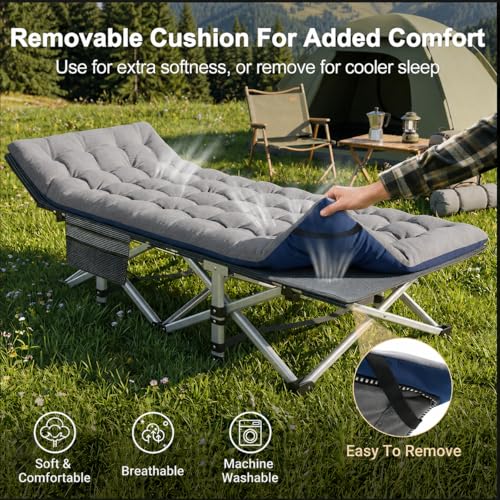
The included mattress pad adds real comfort, and it’s removable for warmer nights, which adds versatility. It’s not packable like backpacking gear, this is car camping only, but for base camps, RV use, or emergency bedding, it’s a workhorse. Compared to lighter cots, it’s bulky, but that’s the trade-off for strength. If you’re tired of wobbly cots that feel like they’ll collapse, this one inspires real confidence.
Product photos

MARCHWAY Ultralight Folding Camping Cot

Strengths
- Extremely lightweight
- Quick setup
- Stable on uneven ground
Trade-offs
- Low to ground
- No cushioning alone
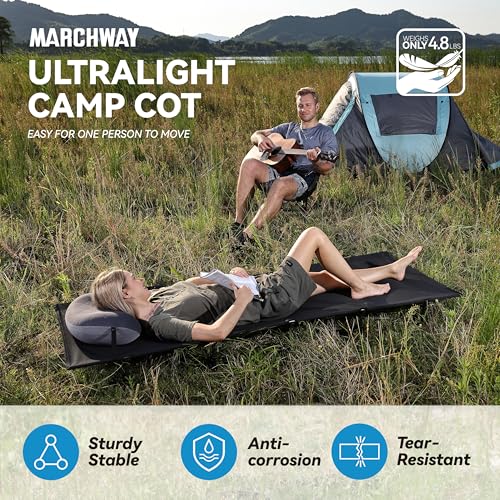
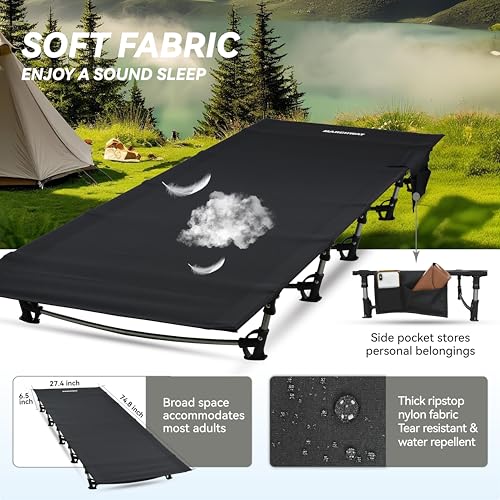
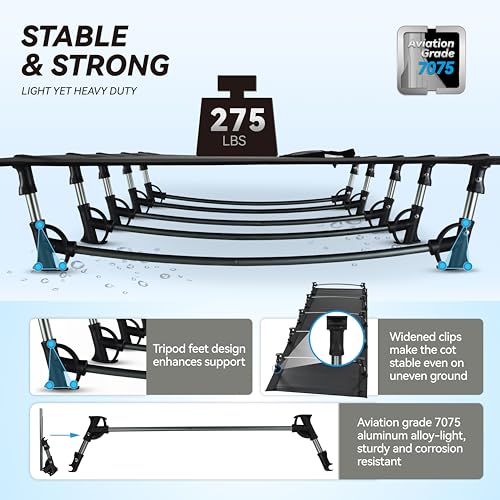
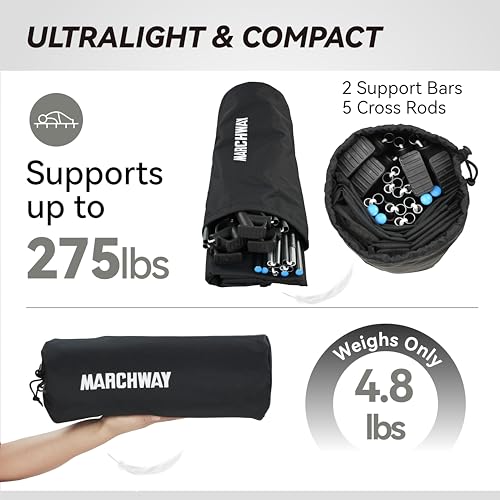
At just 4.8 pounds and packing down to the size of a water bottle, this cot redefines what’s possible for lightweight off-ground sleeping. The aircraft-grade aluminum frame feels surprisingly sturdy for its weight, and owners consistently report it holds up well under 275 lbs without creaking or sagging. The five cross rods make a big difference, unlike flimsier cots, this one doesn’t feel like you’re sleeping in a hammock.
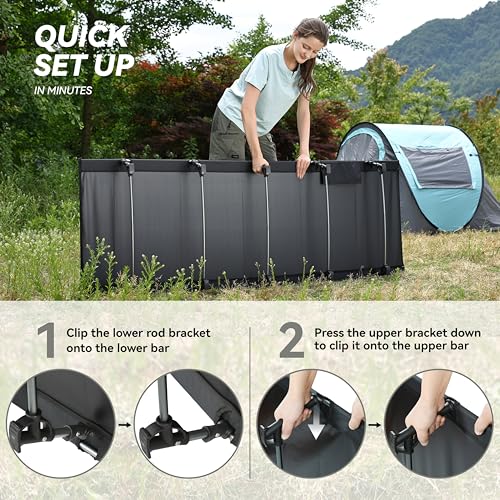
Setup is genuinely fast and tool-free, thanks to the shock-corded poles, and the anti-skid feet keep it stable on dirt, gravel, or even slick tent floors. It’s not plush like a mattress, but being elevated keeps you warm and away from cold, damp ground, a major win in spring or fall. Compared to heavier cots, it’s not as plush or tall, but for backpackers who want a cot, this is about as light as it gets. I’d choose it over sleeping directly on the ground any time in cooler conditions.
Product photos
Pretyw Double Sleeping Pad with Pillow

Strengths
- Spacious double size
- Lightweight for two
- Comfortable built-in pillows
Trade-offs
- Less durable on sharp rocks
- Not for solo backpackers
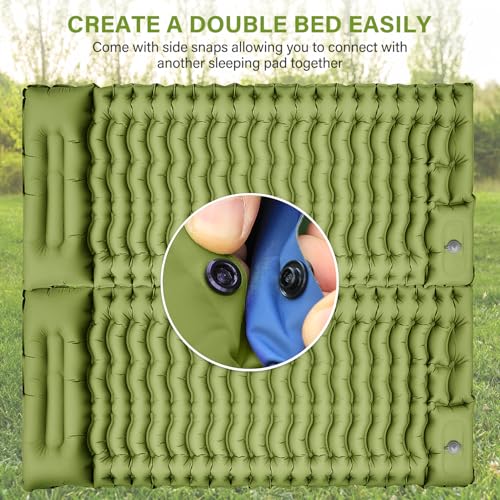
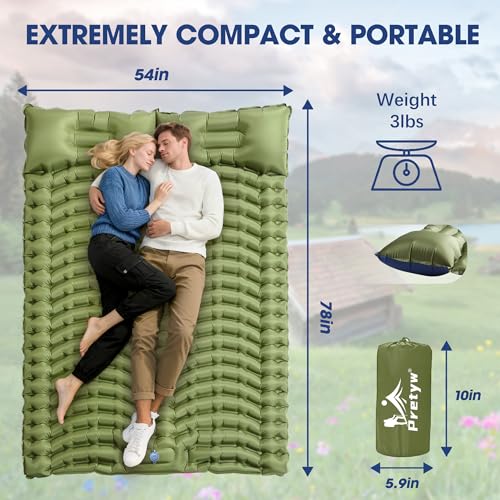
Camping with a partner? This 78×54-inch double pad is one of the most practical options for couples who want comfort without the hassle of syncing two separate mats. The 4-inch thickness strikes a great balance, plush enough for comfort, but not so bulky that it’s hard to pack. Owners consistently praise how well it stays inflated overnight, and the foot pump makes setup easy for both partners, even if one isn’t strong.
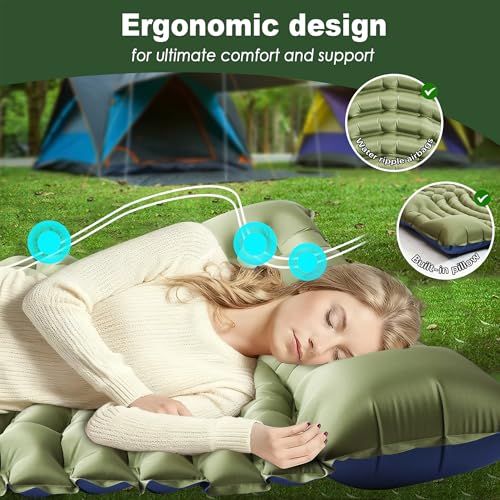
The wave-pattern air cells provide solid support whether you’re a back or side sleeper, and the built-in pillows keep heads aligned, a small detail that makes a big difference for neck comfort. It’s only 3 lbs, which is impressive for a double, but that also means it’s not as rugged as heavier-duty models. Still, for backpacking couples or car campers who want a single, spacious sleeping surface, it’s hard to beat. I’d pick this over two singles any time for simplicity and intimacy.
Product photos

HiiPeak Ultralight Inflatable Sleeping Mat

Strengths
- Foot-pump inflates fast
- Durable waterproof surface
- Compact carry size
Trade-offs
- Only 3 inches thick
- Minimal insulation
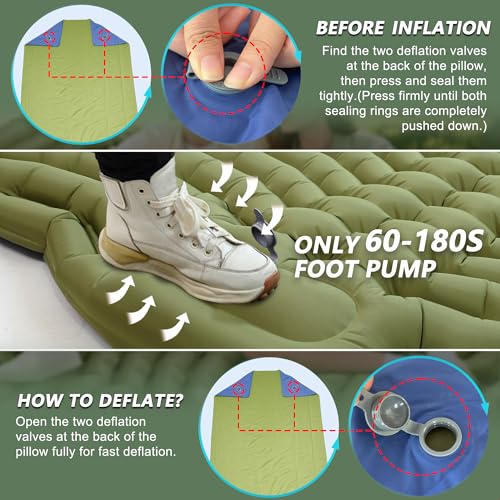
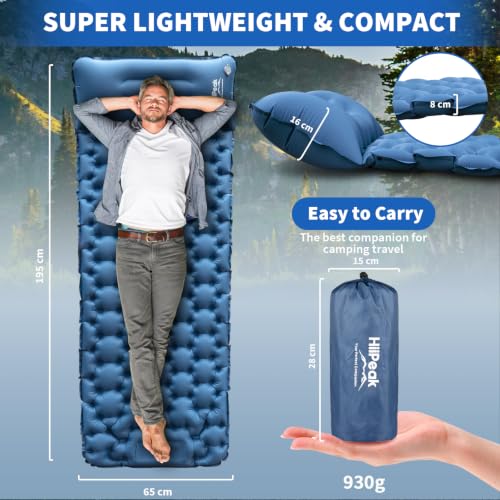
The hexagon-shaped air cells and foot-pump design make this one of the most user-friendly inflatables in its class. Owners love how easy it is to stomp-inflate, even kids and older adults can do it without strain, and the 30-second claim holds up in real-world feedback. The 50D polyester and multi-layer TPU make it noticeably tougher than budget models, and the waterproof top means you won’t wake up damp if condensation builds overnight.
It’s nearly identical in specs to the FUN PAC pad, but the material upgrade gives it an edge in durability. That said, it still only offers 3 inches of lift, so if you’re tall or stiff in the mornings, you might want something thicker. It’s not the lightest or the most cushioned, but for fast inflation and reliable performance, it’s a strong contender. I’d pick this over the FUN PAC model if you camp on rougher terrain and want a bit more toughness.
Product photos


How We Picked These beds for tents
I approach tent beds from the perspective of someone who values a good night’s sleep in the backcountry – and understands that comfort significantly impacts enjoyment. Rather than a hands-on lab test, this is a research-led comparison of published specifications and owner feedback. I carefully compared features like thickness, weight, inflation methods, and materials across numerous models. Then, I weighed owner reviews from major retailers against expert opinions found in outdoor gear publications to build a thorough picture of real-world performance.
For this category, the most important factors are support and portability. A bed for a tent needs to provide enough cushioning to make hard ground tolerable, but it also needs to pack down small and not weigh you down. Durability is also key; a puncture or tear renders the entire product useless. These three elements heavily influenced my rankings, as they directly address the practical needs of campers and hikers.
Specifications reliably indicate a bed’s potential weight and packed size, as well as the materials used in construction. However, owner feedback proved crucial for assessing real-world comfort, ease of inflation, and long-term durability. Reputable expert reviews helped confirm or challenge those owner experiences, providing a balanced perspective. Before heading out on your next trip, don’t forget to check out our guide on stay warm camping to ensure a cozy night’s sleep.
What To Look For In beds for tents
Finding the right sleep system is crucial for enjoying your time outdoors, and it goes way beyond just picking a sleeping bag.
A good bed for a tent prioritizes comfort, insulation from the ground, portability, and durability. Look for features like adequate thickness for cushioning, a material that resists punctures and tears, a manageable packed size and weight, and a construction that can withstand repeated use in varied conditions. Pay attention to R-value if you camp in cold weather, and consider how easily the bed inflates and deflates.
Thickness and Support
Thickness is really where people get the biggest immediate comfort boost, but it’s not the only thing. A super-thick pad that bottoms out isn’t doing you any favors. I’ve seen so many people prioritize inches over actual support, and end up with a mushy experience. Look for designs that incorporate internal structures, egg crate patterns, air cells, or foam layering, to distribute weight and prevent sinking. Some models, like the CYMULA CertiPUR-US Memory Foam Mattress Pad, focus on memory foam for contouring, while others, like the FNARMW 5″ Thick Camping Sleeping Pad, use egg-cell designs. Don’t be afraid to spend a little more for something that truly supports your sleeping style.
Inflation and Packability
There’s nothing worse than spending 20 minutes huffing and puffing to inflate a sleeping pad, or wrestling with it to get it back into its stuff sack. That’s why I always prioritize ease of inflation and packability. Foot pumps, like the one on the FNARMW, are a huge time-saver. Self-inflating pads are convenient, but make sure the valve system is reliable and doesn’t leak. When it comes to packing, consider both the packed size and the weight. A bulky pad might be fine for car camping, but it’s a burden if you’re backpacking. If you’re looking for a quick setup and compact storage, consider elevated camping cots like the ABORON XXL Heavy-Duty Camping Cot.
Here’s what I look for in a packable sleep system: * Stuff Sack Quality: A durable stuff sack with compression straps is essential. * Packed Size: Under 12 inches in length is ideal for backpacking. * Weight: Under 5 pounds is a good target for lightweight backpacking; heavier is okay for car camping. A lighter weight, like the 2.05lbs of the HiiPeak Ultralight Inflatable Sleeping Mat, is a huge benefit on the trail.
A good rule of thumb: don’t skimp on the stuff sack. A cheap, flimsy sack is the first thing to fail, and it makes repacking a nightmare.
Material and Durability
Let’s be real: the outdoors is rough on gear. A flimsy sleeping pad won’t last long, and a puncture in the middle of nowhere can ruin a trip. I always recommend looking for materials that are known for their durability. 50D nylon with a TPU coating is a good starting point. The higher the denier (the “D” number), the more durable the fabric. Many pads are now using multi-layer TPU for improved waterproofness and puncture resistance. If you’re hard on your gear, or camp on rocky ground, investing in a more robust material is worth it. For advice on choosing the right tent to go with your new bed, check out our guide. You’ll also want to consider whether you need a solution for couples; in that case, comfortable tent beds like the Pretyw Double Sleeping Pad with Pillow might be ideal.
Beds for Tents Compared
Here’s a comparison of key specifications for various beds designed for use in tents.
| Product Name | Thickness | Weight | Inflate Time | Capacity (lbs) | Dimensions (Inflated) | Material |
|---|---|---|---|---|---|---|
| FNARMW Camping Sleeping Pad | 5″ | 4.2 lbs | 60 sec | 800 | 79″ x 28″ | 50D Nylon |
| FUN PAC Camping Sleeping Pad | 3″ | N/A | 30-60 sec | N/A | 78″ x 27″ | 40D Nylon |
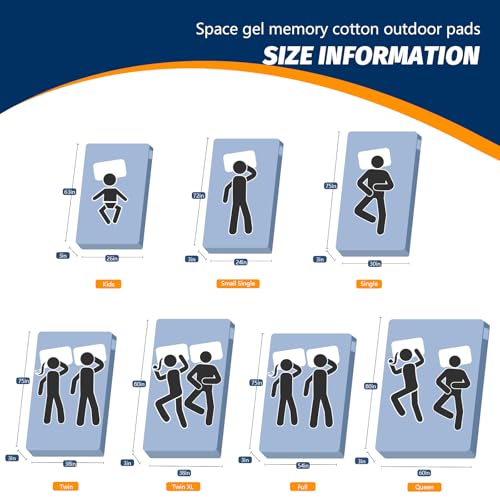
| CYMULA Memory Foam Mattress Pad | 3″ | N/A | N/A | N/A | Varies by Size | Memory Foam |
| ABORON XXL Camping Cot | N/A | N/A | Instant | 900 | 78″ x 32″ | 1200D Oxford |
| MARCHWAY Folding Camping Cot | N/A | 4.8 lbs | Minutes | 275 | N/A | Aircraft Alum. |
| Pretyw Double Sleeping Pad | 4″ | 3 lbs | 1-3 min | N/A | 78″ x 54″ | 40D Nylon |
| HiiPeak Inflatable Sleeping Mat | 3″ | 2.05 lbs | 30 sec | N/A | 76.7″ x 25.6″ | 50D Polyester |
Frequently Asked Questions
What R-value should I look for in a tent bed?
An R-value of 4 is generally sufficient for three-season camping, but if you anticipate temperatures below freezing, you’ll want an R-value of 5 or higher. Lower numbers mean more heat loss to the ground; the higher the R-value, the better the insulation.
Are self-inflating beds really easier to use?
Self-inflating beds offer convenience, but they don’t always inflate fully, especially in cold weather. You might still need to add a few breaths to top them off, and they can be heavier than other options.
What’s the difference between TPU and PVC in sleeping pad materials?
TPU (thermoplastic polyurethane) is more durable, flexible, and quieter than PVC (polyvinyl chloride). It’s also more environmentally friendly, making it the preferred material for higher-quality pads, even though it’s usually a bit more expensive.
How do I repair a punctured inflatable bed in the field?
Most inflatable beds come with a patch kit. Clean the area around the puncture, apply the adhesive, and press the patch firmly in place. For larger tears, a wormhole patch can provide a more secure fix, and I always suggest bringing a repair kit on longer trips.
What’s the best option for two people who want a comfortable tent bed?
For couples, a double sleeping pad like the Pretyw Double Sleeping Pad offers a convenient and comfortable solution. Alternatively, consider portable raised beds – two separate cots can provide even more space and comfort, though at the expense of packed size.
The Bottom Line
Choosing a bed for your tent often comes down to balancing convenience with comfort. You can chase the absolute lightest weight and smallest packed size, but that usually means sacrificing cushioning. For the best overall combination of support, durability, and reasonable portability, I recommend the FNARMW Camping Sleeping Pad. It provides a substantial 5 inches of thickness and a good weight capacity without being overly bulky or difficult to inflate.
If you have very specific needs, several other options stand out. For budget-conscious campers, the FUN PAC Camping Sleeping Pad delivers a comfortable experience at an attractive price point. Those prioritizing versatility and a quick setup will appreciate the ABORON XXL Camping Cot, and for couples seeking shared comfort, the Pretyw Double Sleeping Pad with Pillow is hard to beat. Don’t forget to consider all your essential tent camping gear when preparing for your adventure.
Ultimately, the most important thing isn’t the R-value or the denier count – it’s how well the bed supports you. A good night’s sleep in the outdoors is about more than just specs; it’s about waking up refreshed and ready to enjoy your time in nature. Prioritize a bed that fits your body type, sleeping style, and the type of camping you do, and you’ll be well on your way to many comfortable nights under the stars.
