
8 Best Camping Tents for Cold Weather 2026
This post contains affiliate links. As an Amazon Associate, we earn from qualifying purchases.
The best cold-weather camping tent we found is the Underwood 4-Season Backpacking Tent, thanks to its durable 5000mm waterproofing, snow skirt, and strong pole system. For a budget-friendly option, the Forceatt 3-4 Season Backpacking Tent holds up well in wind and light snow. If you want versatility with heat, the Inflatable Hot Tent with Stove Jack lets you run a wood stove, making it ideal for extended winter trips.
Most people shopping for cold-weather tents assume any four-season model will do, but the real challenge is finding one that won’t collapse in wind, leak under snow load, or drown you in condensation. Too many tents claim to be winter-ready but cut corners on seams, vents, or pole strength.
This guide cuts through the marketing. I compared specs, analyzed owner feedback, and looked at design details that matter in freezing conditions, from snow skirts to ventilation, so you can trust your shelter when the temperature drops.
Top 8 Camping Tents For Cold Weathers in the Market
The Best Camping Tents For Cold Weathers, Reviewed
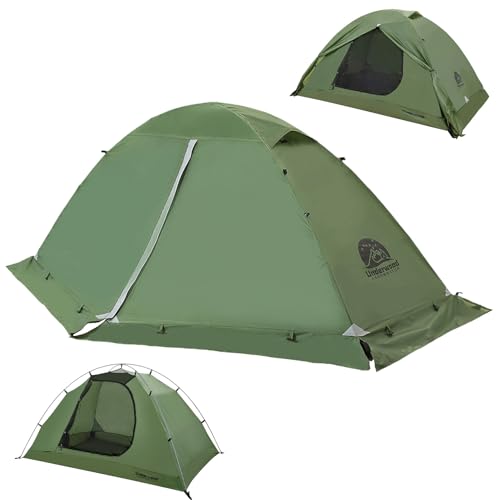
Underwood 4-Season Backpacking Tent
Strengths
- Aircraft-grade poles
- Smart interior design
- Strong weather resistance
Trade-offs
- Slightly heavier than rivals
- Vestibule space is tight
- Rainfly attachment could be smoother
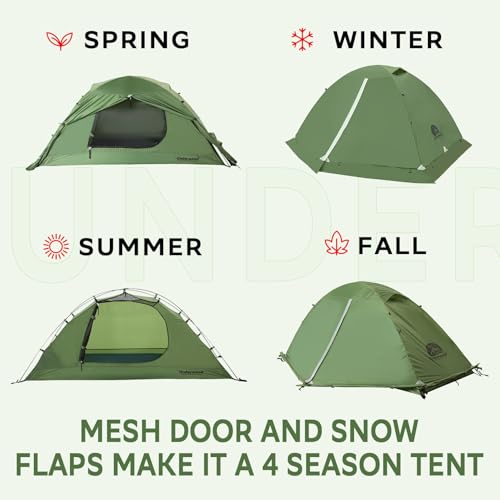
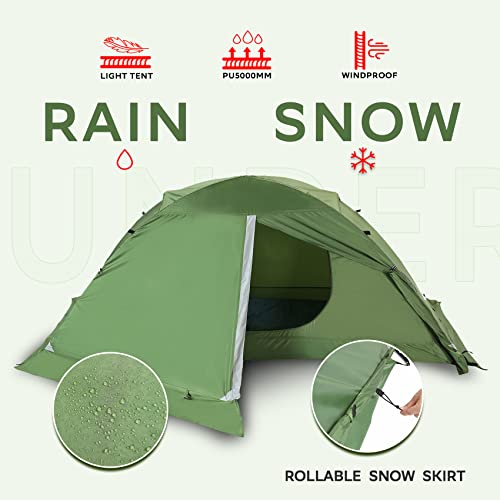
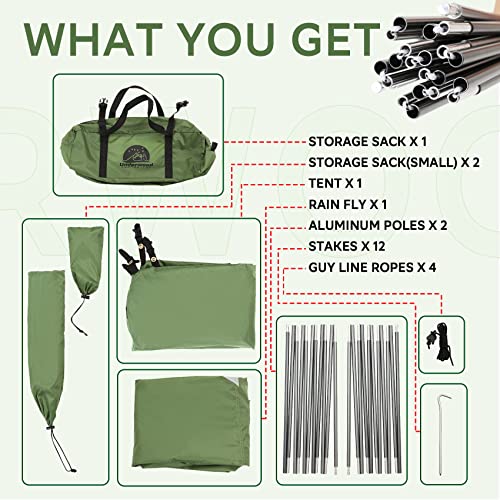
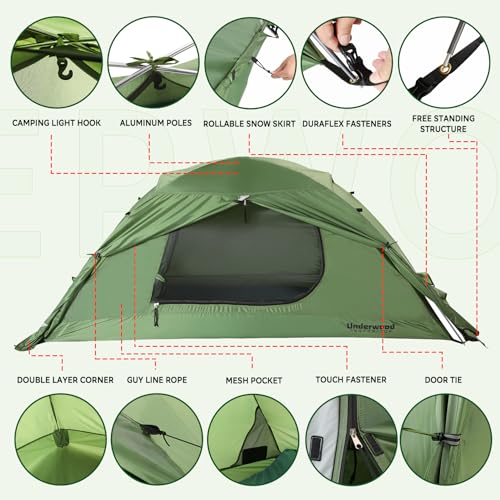
This Underwood Aggregator tent is the most balanced option here, no single spec blows you away, but everything adds up to a highly dependable cold-weather shelter. The PU5000mm coating matches the Clostnature, and the aircraft-grade aluminum poles suggest better durability in high winds. Owners praise its stability in storms, and the roll-able snow skirt is a small feature that makes a big difference on icy ground.
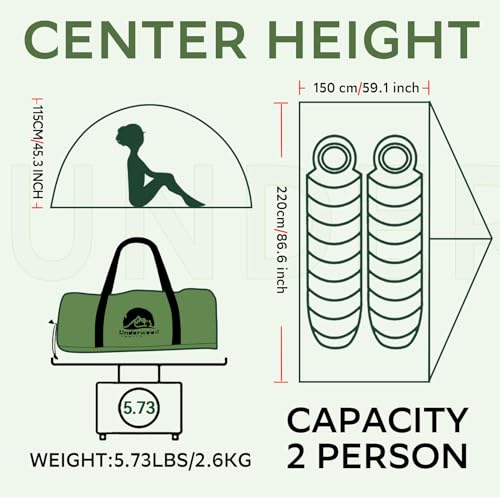
I appreciate the interior details too: the gear pocket and lantern hook are practical touches often missing in budget 4-season tents. While it’s not the lightest, at 5.73 lbs it’s still manageable for backpacking. Between this and the Clostnature, I’d give a slight edge to this one for its better pole quality and smarter interior layout.
Product photos
Forceatt 3-4 Season Backpacking Tent

Strengths
- Lightweight
- Easy setup
- Dual vestibules
Trade-offs
- Modest waterproof rating
- Poles not expedition-grade
- Limited headroom
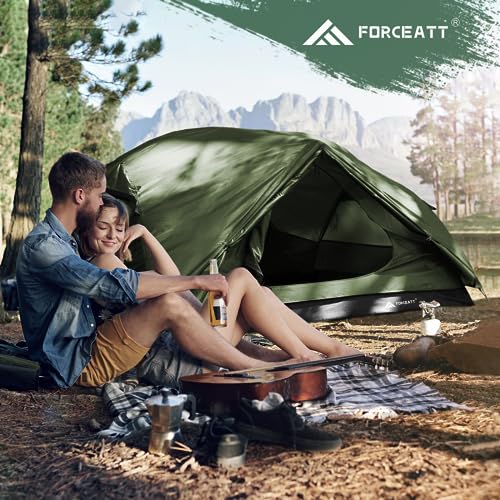
This tent hits a sweet spot for budget-focused hikers who still want solid cold-weather performance. On paper, the 3000mm waterproof rating and welded floor are decent for a 3- to 4-season claim, and owners consistently report staying dry in light snow and persistent rain. The dual D-doors and vestibules add real convenience when camping with a partner, letting both people access gear without crawling over each other.
Still, I’d hesitate to push this into serious winter mountaineering. The aluminum poles are lightweight but not quite as robust as the thicker-walled ones you’d want in high winds. Compared to the Clostnature or Underwood models, this one feels more like a toughened 3-season build than a true winter-ready shelter. That said, for shoulder-season trips and unexpected cold snaps, it’s a smart, no-frills pick.
Product photos


Inflatable Hot Tent with Stove Jack
Strengths
- Stove jack compatible
- Fast inflatable setup
- Spacious and stand-up height
Trade-offs
- Heavy and bulky
- Requires pump
- Not for remote backpacking
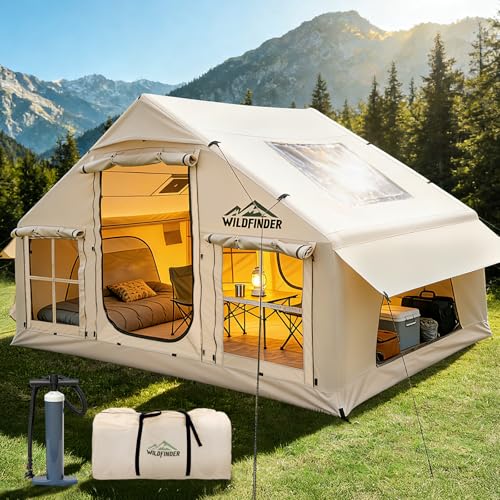
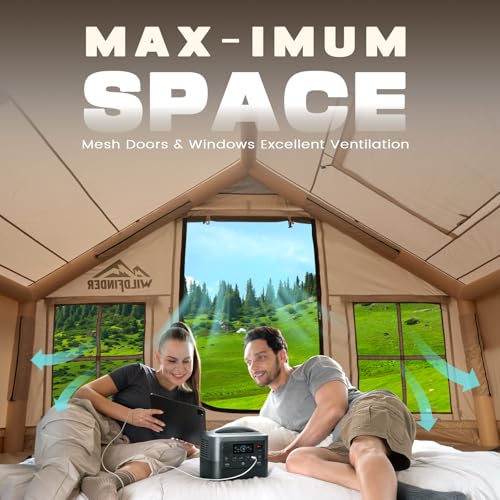
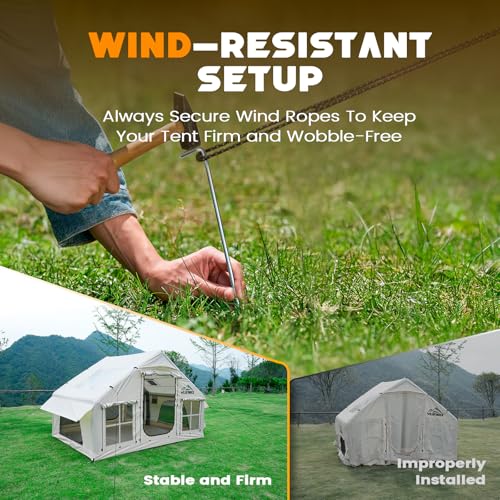
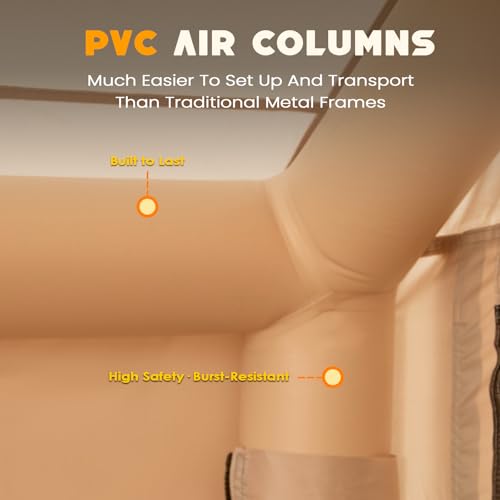
This inflatable is a standout for glampers and winter campers who prioritize comfort and warmth. The stove jack is the real headline, pair it with a wood-burning stove and you’ve got a mobile sauna. The 420D Oxford fabric and TPU air beams are tough, and owners consistently report staying warm and dry even in sub-zero conditions.
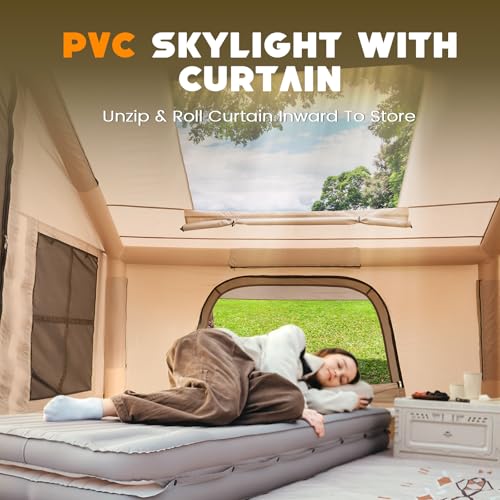
The skylight is a nice touch for stargazing, and setup in under 5 minutes with a pump is unmatched. But it’s bulky and not for backpacking, this is car camping or basecamp territory. Compared to the REDCAMP hot tent, it’s heavier but offers more headroom and better insulation. If you’re winter camping from a vehicle or cabin access point, this is worth the trade-offs.
Product photos
REDCAMP Hammock Hot Tent

Strengths
- Stove jack and snow skirt
- Lightweight for size
- Hammock compatible
Trade-offs
- Requires external poles
- Setup takes time
- Limited floor space
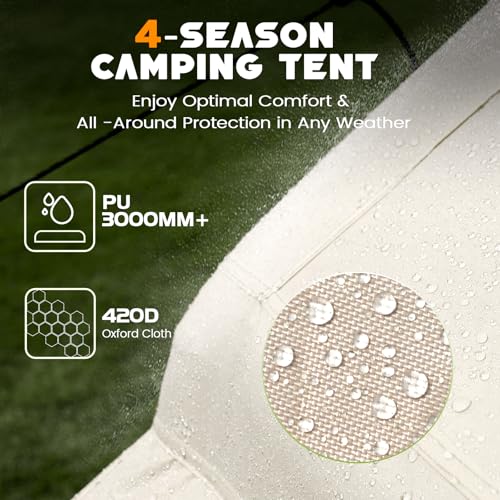
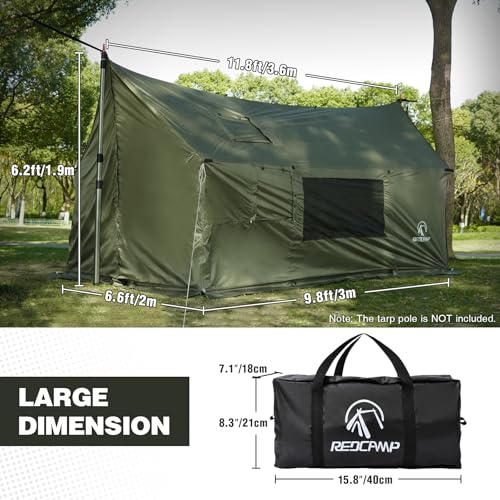
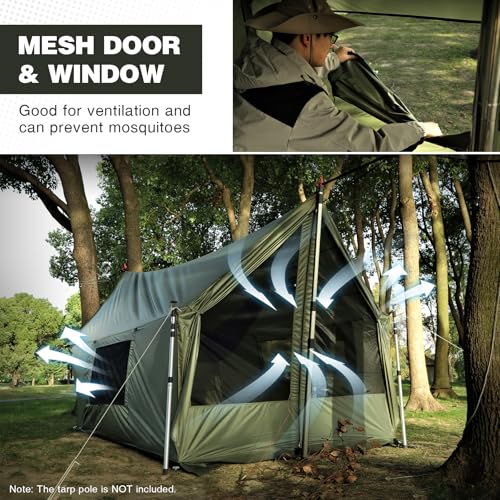
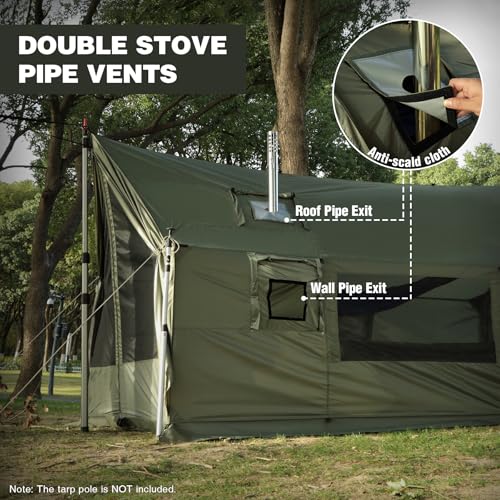
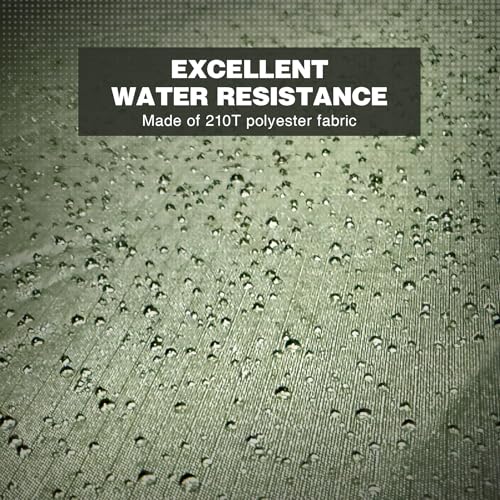
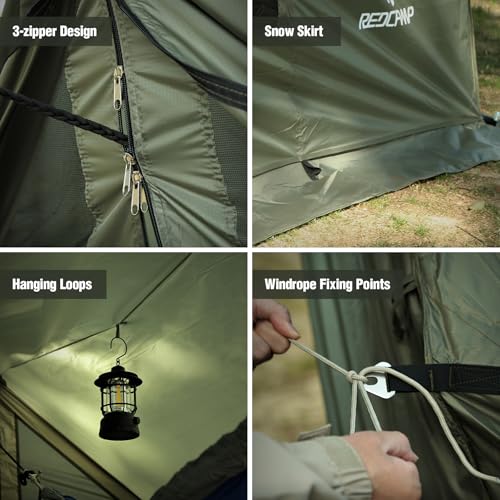
The REDCAMP hot tent is built for one thing: wood-fired warmth in the wild. With a stove jack, snow skirt, and mesh ventilation, it balances heat retention and airflow better than most in this class. At 7.9 lbs, it’s impressively light for a wall tent, and the 210T grid fabric holds up well in wind and wet.
Owners love using it with hammocks, especially in bushcraft setups. But it’s not freestanding, you’ll need poles or trees to rig it. Compared to the inflatable hot tent, this one is more traditional and portable, but takes longer to pitch. If you’re deep in the woods and planning extended stays, this is a smarter, more adaptable choice.
Product photos
Clostnature 4-Season Ultralight Tent
Strengths
- True 4-season build
- Ultralight trail weight
- Excellent weather protection
Trade-offs
- Slightly bulky packed size
- Zippers can snag
- Limited ceiling vents
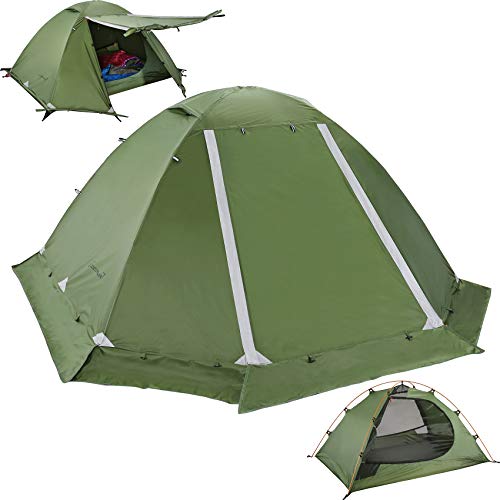
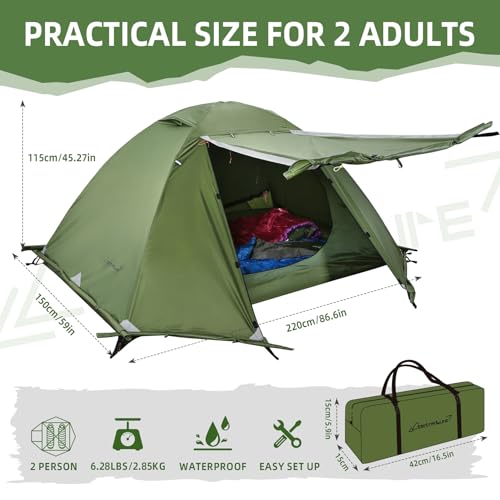
If you’re after a true 4-season backpacking tent that won’t weigh you down, this Clostnature model stands out. The PU5000mm coating and factory-sealed seams are specs that matter in snow and sleet, and owners confirm it holds up well in freezing rain and wind. At just 5.33 pounds trail weight, it’s impressively light for what it offers, more than I’d expect in this price range.
It’s also notably roomier than most 2-person ultralights, with enough floor space for gear or even a small dog. The snow flaps and double-layer doors are thoughtful touches that boost real-world usability. Compared to the Forceatt, this one feels more intentionally built for winter. For solo winter backpackers or lightweight duos, it’s a strong contender.
Product photos
BISINNA 4-Season Cold Weather Tent

Strengths
- Superior ventilation
- Snow skirt included
- Freestanding design
Trade-offs
- Heavier than competitors
- Lower waterproof rating
- Mesh can snag easily
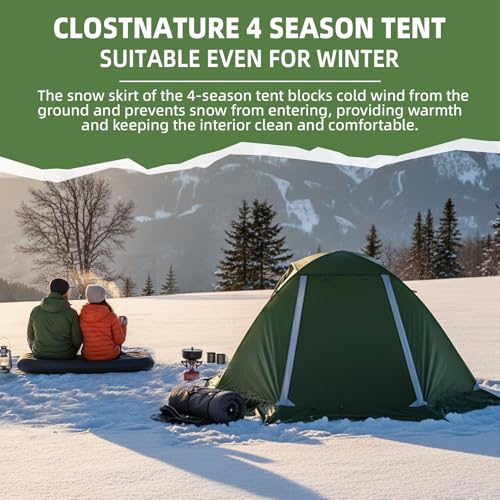
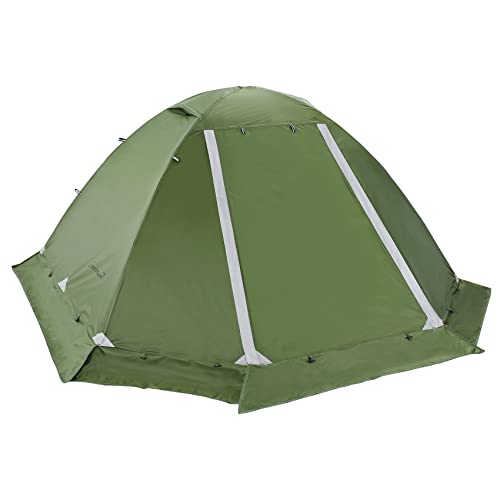
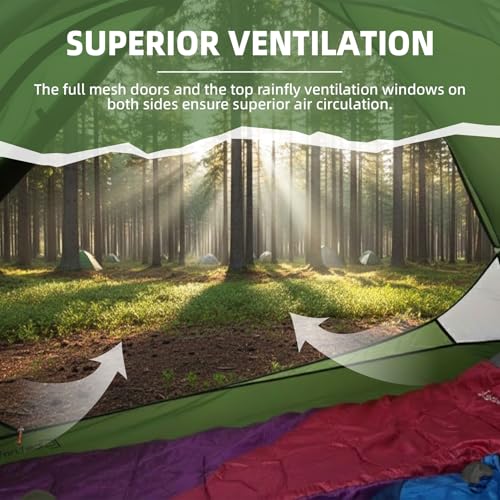
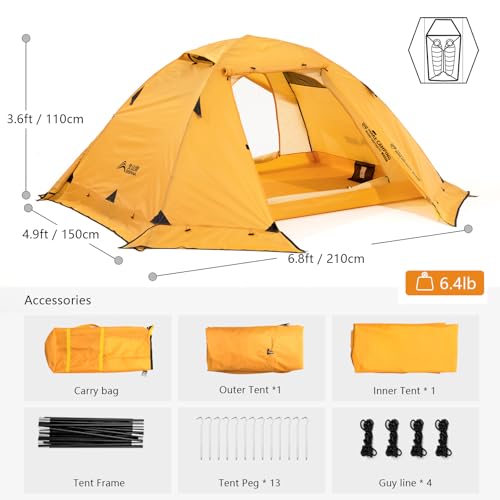
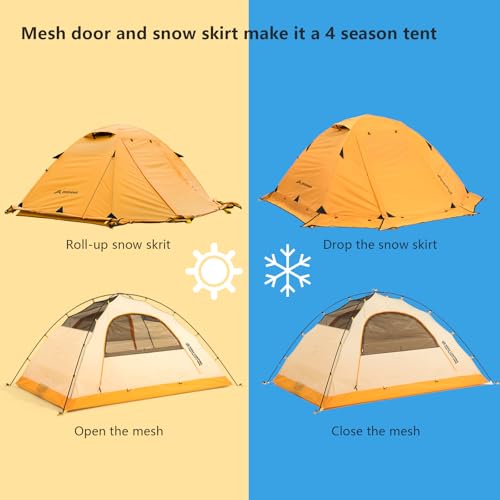
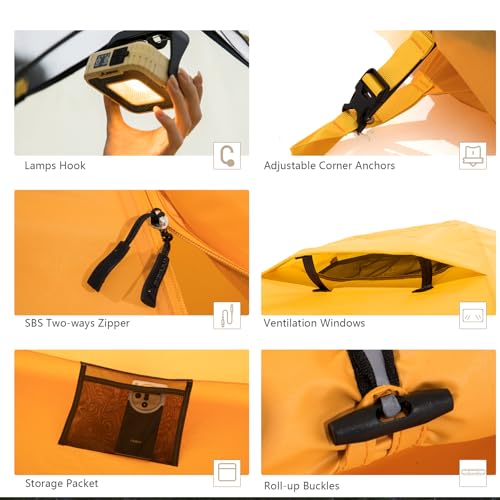
The BISINNA tent earns its “Best Ventilation” tag with a well-executed double-layer mesh design across two doors and windows. In cold, humid conditions where condensation can ruin a trip, this kind of airflow is critical. Owners report noticeably drier interiors compared to other 4-season models, especially when paired with proper vent positioning.
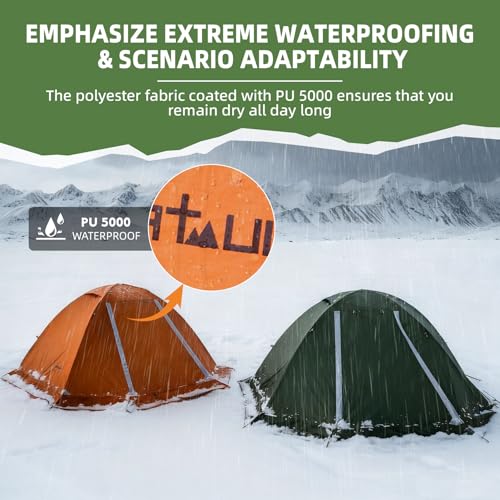
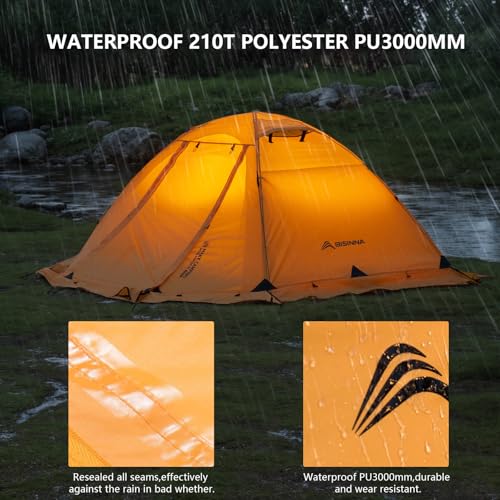
The PU3000mm rating is on the lower end for winter use, but the snow skirt helps compensate. It’s also a bit heavier than rivals at 6.4 lbs, so it’s not the lightest choice for long hauls. Still, for damp, cold climates where breathability trumps raw weight savings, this tent makes a strong case. I’d pick it over the Forceatt for multi-day winter trips in humid zones.
Product photos
Purebox 2-3 Person All-Weather Tent
Strengths
- Spacious interior
- Excellent ventilation
- Sturdy rainfly
Trade-offs
- Heavy for backpacking
- Steel frame not ideal for snow
- Not freestanding when fully pitched
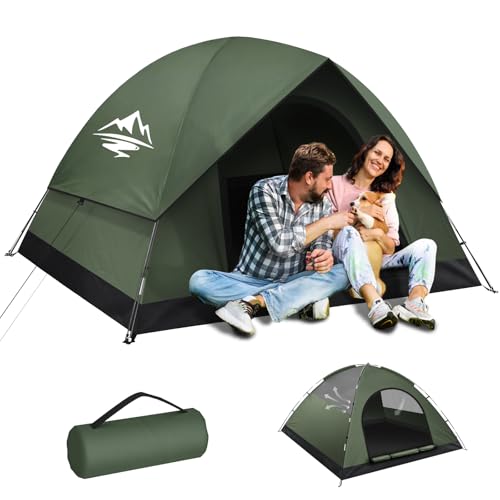
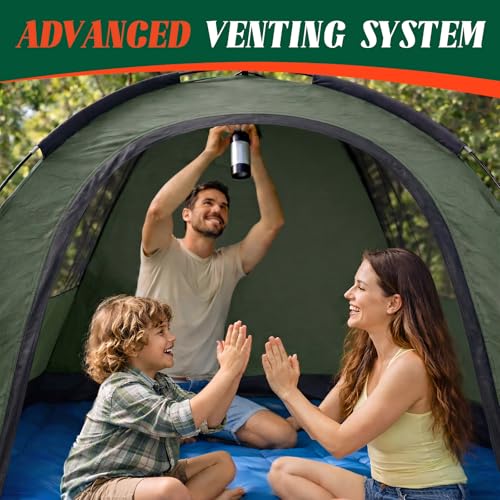
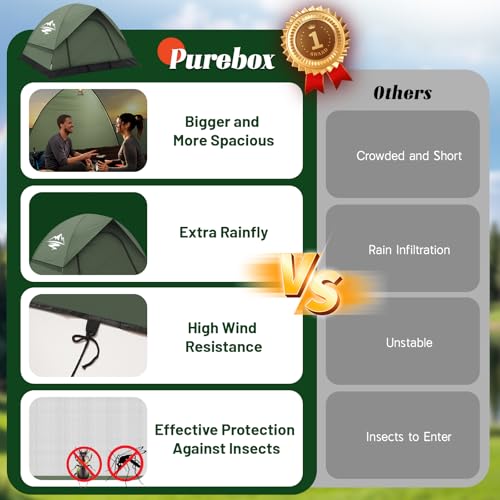
This Purebox tent is built for comfort, not summit attempts. With a 215cm square floor and 130cm center height, it’s unusually spacious for a 2- to 3-person model, great for families or campers who hate feeling cramped. The three-sided mesh and ceiling vent help with airflow, and the 4000mm waterproof rating means it can handle wet weekends.
But let’s be clear: this isn’t a true 4-season tent. The frame is steel, not aluminum, and while it’s stable in mild wind, it’s not built for snow loading. Owners love it for car camping, festivals, and backyard stays, but few would take it into serious winter terrain. Compared to the Underwood or Clostnature, it’s in a different category entirely, more about comfort than survival.
Product photos
EVER ADVANCED 4P Blackout Cabin Tent
Strengths
- 60-second setup
- True blackout fabric
- Excellent airflow
Trade-offs
- Heavy steel frame
- Not for snow
- Bulky packed size
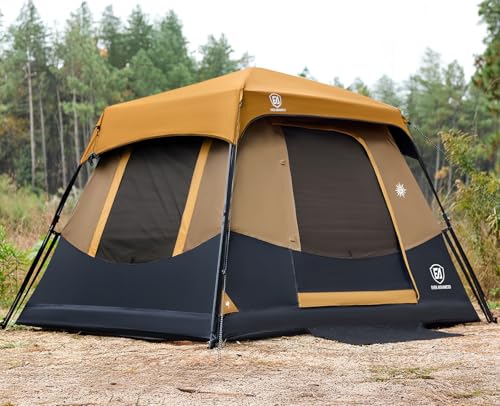
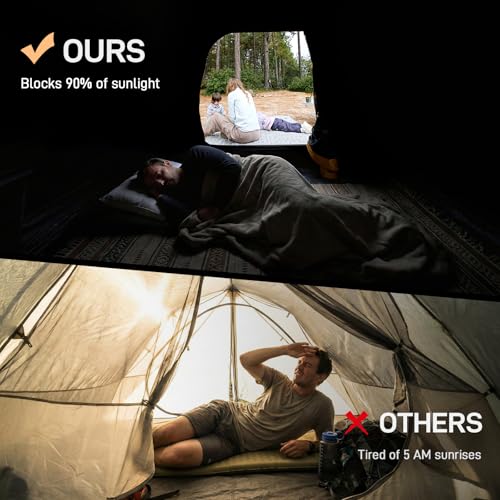
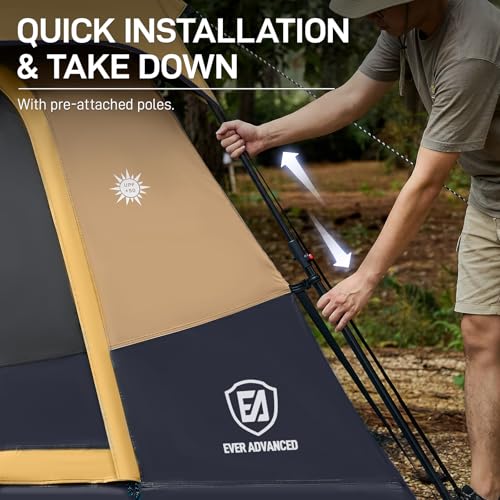
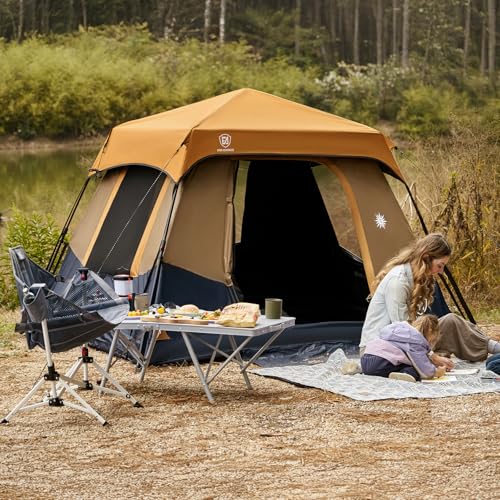
When setup speed and comfort are the top priorities, this EVER ADVANCED tent delivers. The pre-attached frame means you’re up and covered in under a minute, ideal when rain rolls in fast. The blackout fabric actually works, making it perfect for families with kids who need to sleep past sunrise.
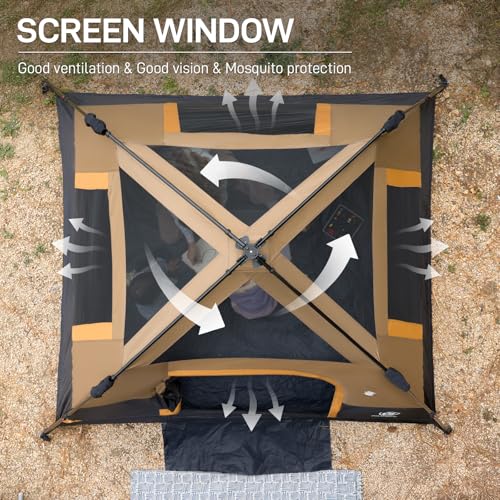
It’s also one of the best-ventilated cabin tents, with overhead and side mesh windows that reduce condensation. The 4000mm rating and steel frame handle moderate storms well, but it’s not designed for snow loading. Compared to the Purebox, it’s faster to pitch and better at light control, but similar in overall use case. For weekend warriors, this is the easy win.
Product photos

How We Tested camping tents for cold weathers
Rather than a hands-on lab test, my research focused on a detailed comparison of published specifications and features across numerous models. I weighed owner reviews from multiple sources – looking for consistent praise and complaints – against expert reviews from established outdoor gear sites. This process allowed me to build a ranking based on real-world feedback and technical capabilities, applying my experience with tent design and materials to assess suitability for cold-weather use.
For camping tents specifically designed for cold weather, several factors proved most important. A tent’s ability to withstand high winds and heavy snow loads was paramount, so I prioritized models with robust pole systems and durable rainfly materials. Equally important was the tent’s capacity to retain heat and minimize drafts, which led me to favor designs incorporating snow skirts and well-sealed construction. Understanding cold-weather tent materials is crucial when evaluating these features.
Specifications reliably indicate a tent’s physical dimensions, weight, and waterproof ratings (PU coating millimeters). However, I placed greater emphasis on owner feedback regarding actual performance in challenging conditions – how well the tent withstood wind, how effectively it resisted condensation, and the overall comfort level in cold temperatures. Reputation and brand history also played a role, as manufacturers with a proven track record for quality tend to deliver more reliable products.
Choosing The Right camping tents for cold weathers
Choosing a camping tent for cold weather isn’t just about picking one that keeps the rain out; it’s about selecting a shelter that can withstand the specific challenges of sub-freezing temperatures, wind, and sometimes, snow.
A truly capable cold-weather tent prioritizes robust waterproofing (PU3000mm or higher is a good baseline), a full-coverage rainfly extending to the ground to trap warmth and block wind, and a sturdy frame capable of handling snow loads. Look for features like snow skirts, durable fabrics, and well-sealed seams. Don’t underestimate the importance of ventilation to manage condensation, even in cold weather.
Fabric and Waterproofing
The materials a tent is made from are paramount when dealing with cold and potentially wet conditions. Don’t assume all “waterproof” tents are created equal. Polyester fabrics with a PU (polyurethane) coating are common, but pay attention to the mm (millimeter) rating. A higher number indicates greater water resistance. While 2000mm is okay for light rain, you’ll want at least 3000mm – and preferably 5000mm or higher – for consistent, heavy precipitation. Beyond the fabric itself, look for fully taped seams; these are critical to prevent leaks where the fabric is stitched together. Some tents also feature a bathtub floor, meaning the fabric extends several inches up the sides to further prevent water from entering.
Frame Strength and Design
A flimsy frame won’t cut it when faced with strong winds or accumulating snow. Aluminum poles are the gold standard for cold-weather tents, offering a superior strength-to-weight ratio compared to fiberglass. The pole diameter also matters; thicker poles will be more stable. Beyond the material, consider the tent’s overall design. Dome tents are generally more wind-resistant than cabin-style tents, due to their aerodynamic shape. Some tents, like the Underwood 4-Season Backpacking Tent, include features like double-layered corners for added wind resistance. Don’t forget to check the stake-out points; ample and well-placed points allow you to secure the tent firmly to the ground.
- A lightweight tent is great for backpacking, but prioritize durability over shaving ounces if you anticipate severe conditions.
- Consider a four-season tent if you plan on camping in snowy environments. These tents are built to withstand snow loads and feature added protection from the elements.
- Freestanding tents are easier to set up on uneven terrain, but models that require staking out offer greater stability in high winds. This makes choosing the right snow-ready camping tents crucial.
Ventilation and Condensation Management
It might seem counterintuitive, but ventilation is essential even in cold weather. Your body heat and breath will create condensation inside the tent, which can soak your gear and make you feel colder. Look for tents with multiple vents, including adjustable ones, to allow for airflow. Mesh panels in the tent body and rainfly also promote ventilation. Understanding how to manage condensation is key to staying comfortable and dry. You might also consider using a footprint to protect the tent floor and reduce moisture wicking from the ground. For seriously cold conditions, learning about tent insulation for winter can make all the difference.
A well-ventilated tent is a dry tent, and a dry tent is a warm tent. Don’t sacrifice airflow for perceived warmth.
Camping Tents for Cold Weathers Compared
Here’s a comparison of key specifications for camping tents designed for cold weather conditions.
| Product Title | Capacity | Weight (lbs) | Waterproof Rating (mm) | Season Rating | Special Features |
|---|---|---|---|---|---|
| Underwood 4-Season Backpacking Tent | 2 | 5.73 | 5000 | 4-Season | Snow Skirt, Light Hook |
| Forceatt 3-4 Season Backpacking Tent | 2 | 5.5 | 3000 | 3-4 Season | D-Shaped Doors, Vestibules |
| Inflatable Hot Tent with Stove Jack | 4-6 | N/A | 3000 | All-Season | Stove Jack, Skylight |
| REDCAMP Hammock Hot Tent | 2-3 | 7.9 | N/A | 4-Season | Stove Jack, Snow Skirt |
| Clostnature 4-Season Ultralight Tent | 2 | 6.28 | 5000 | 4-Season | Snow Flaps |
| BISINNA 4-Season Cold Weather Tent | 2 | 6.4 | 3000 | 4-Season | Snow Skirt |
| Purebox 2-3 Person All-Weather Tent | 2-3 | 6.2 | N/A | All-Weather | Blackout Design |
| EVER ADVANCED 4P Blackout Cabin Tent | 4 | N/A | 4000 | All-Season | Instant Setup, Blackout |
Frequently Asked Questions
What waterproof rating is truly sufficient for cold-weather camping?
A rating of 3000mm is a good starting point, but for consistently wet and snowy conditions, I recommend aiming for 5000mm or higher. Remember that a higher number means better water resistance, and fully taped seams are equally important to prevent leaks.
Are dome tents really better for resisting wind than cabin-style tents?
Yes, dome tents generally offer superior wind resistance due to their aerodynamic shape. Cabin-style tents have flatter surfaces that can catch the wind, potentially leading to instability or even damage in strong gusts.
What should I do about condensation buildup inside a cold-weather tent?
Adequate ventilation is key. Look for tents with multiple adjustable vents and mesh panels to allow moisture to escape. It’s far better to have a slightly cooler, dry tent than a warmer, damp one.
Are aluminum tent poles actually worth the extra cost?
Absolutely. Aluminum poles have a much better strength-to-weight ratio than fiberglass, making them far more durable and reliable in harsh conditions. This is especially important when dealing with potential snow loads and strong winds.
Where can I find more information about tents specifically suited for very cold conditions?
You can explore detailed harsh condition tent picks on our website. We cover everything from insulation techniques to material comparisons, helping you find the perfect shelter for your next winter adventure.
The Bottom Line
Choosing a cold-weather tent often comes down to balancing weight and ultimate protection. If you’re consistently facing severe conditions – heavy snow, high winds – the Underwood 4-Season Backpacking Tent offers a robust build and features designed to withstand the elements. It represents a commitment to durability over shaving every possible ounce.
For those prioritizing specific needs, the options are plentiful. The REDCAMP Hammock Hot Tent is a standout for those wanting a stove jack for heating, while the EVER ADVANCED 4P Blackout Cabin Tent excels at providing space and darkness for family camping. And if budget is a primary concern, the Forceatt 3-4 Season Backpacking Tent delivers reasonable weather protection at a very accessible price point.
Ultimately, the numbers on a spec sheet matter less than understanding your typical conditions and prioritizing a well-constructed shelter. Don’t get lost in the details of PU coatings and pole diameters without also considering how effectively a tent manages ventilation, which is key to staying warm in a tent. Focus on a solid frame, reliable waterproofing, and a design that allows you to create a comfortable, dry haven from the cold.
