
9 Best Camping Tents for 2026
This post contains affiliate links. As an Amazon Associate, we earn from qualifying purchases.
The Coleman Instant 10 Person Tent stands out as the overall best for families and car campers who want fast, reliable shelter, while the Clostnature 2 Person Backpacking Tent is our top pick for lightweight durability on the trail. For budget-conscious campers, the Amazon Basics 8-Person Tent delivers solid performance without the frills.
Most people don’t realize how much a bad tent can ruin a trip, from slow setups in the dark to waking up damp from condensation or a leaky floor. As someone who’s spent years deep in tent specs and camper feedback, I know the difference is in the details: waterproofing, pole strength, and real usable space.
This guide cuts through the marketing noise. I compared dozens of models using hard specs, verified owner experiences, and expert insights to spotlight tents that deliver where it matters most.
Top 9 Camping Tents in the Market
The Best Camping Tents, Reviewed
Coleman Instant 10 Person Tent

Strengths
- Blazing fast setup
- Excellent weather protection
- Durable fabric
Trade-offs
- Heavy for transport
- Not for backpacking
- Basic ventilation
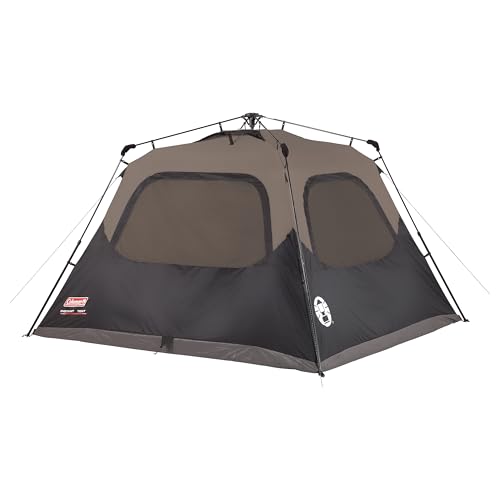
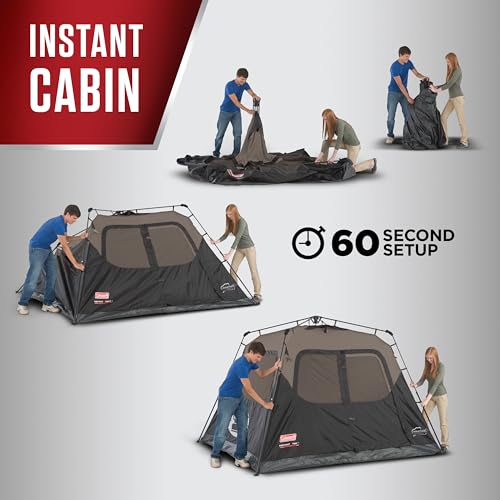
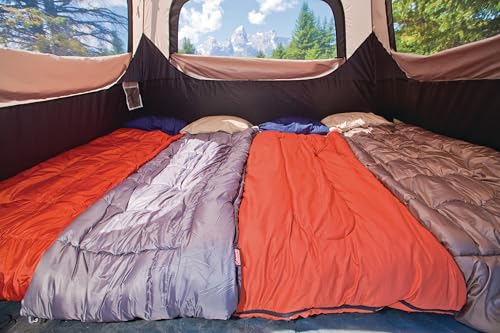
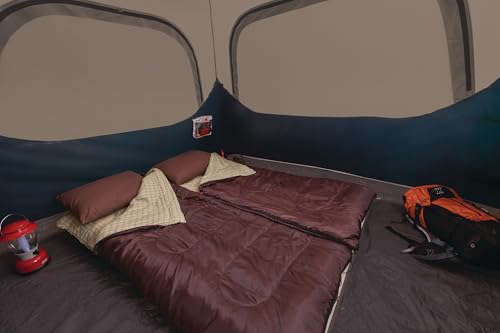
Coleman’s reputation in the tent world isn’t accidental, and this model shows why. The 1-minute setup is no gimmick, pre-attached poles and a proven frame design mean you’re in and dry fast, which matters when rain rolls in. At 10×9 feet and 6 feet tall, it fits two queen airbeds with room to move, making it a top pick for families.
The WeatherTec system is legit: welded corners and inverted seams are specs that actually prevent leaks, and owners confirm it holds up in downpours. The double-thick Polyguard 2X fabric adds durability, though it does make the tent heavier. It’s not light or packable, but for car campers, that’s the trade for reliability.
Product photos
UNP 10-Person Family Tent
Strengths
- Huge 10-person space
- Two-room design
- Excellent airflow
Trade-offs
- Bulky to pack
- Heavy at 27+ lbs
- Takes time to set up
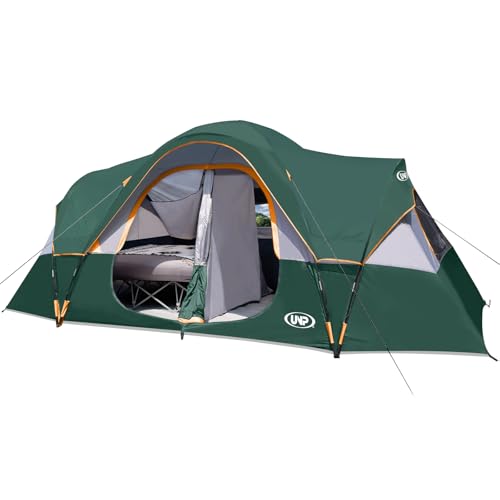
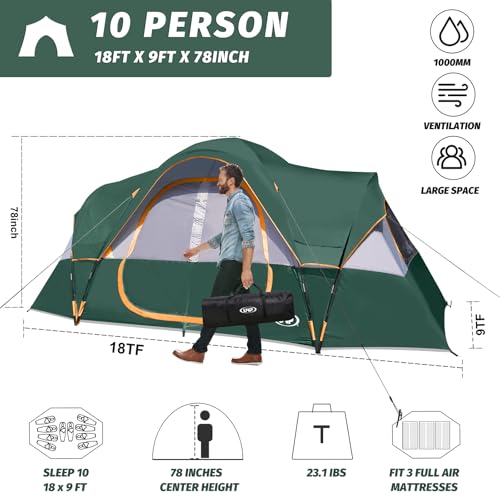
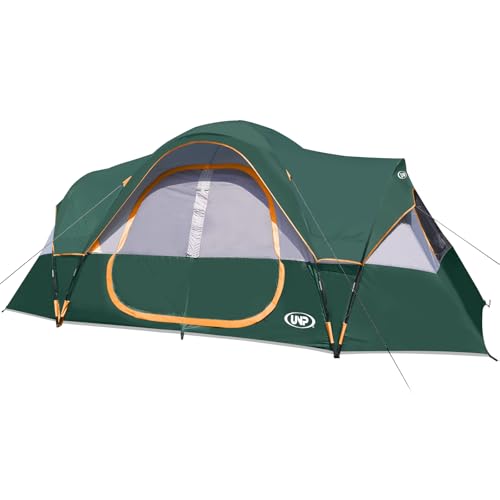
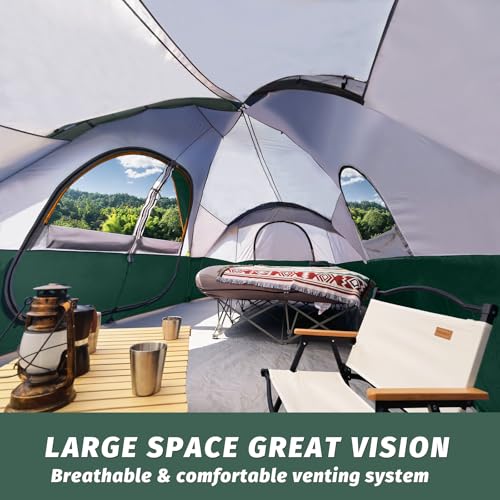
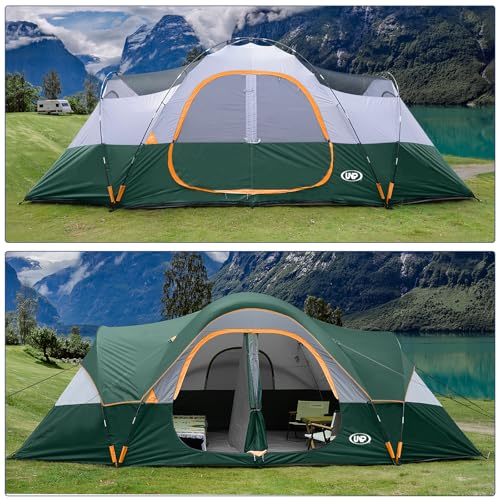
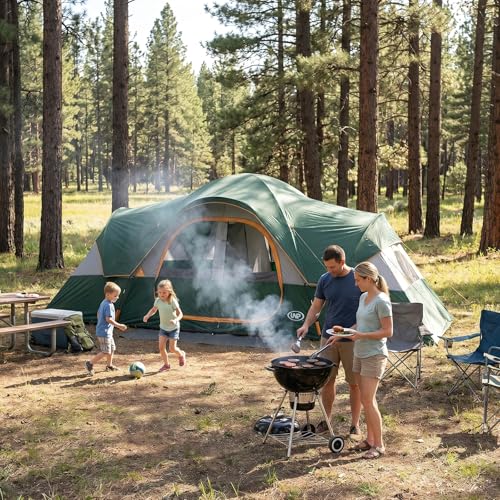
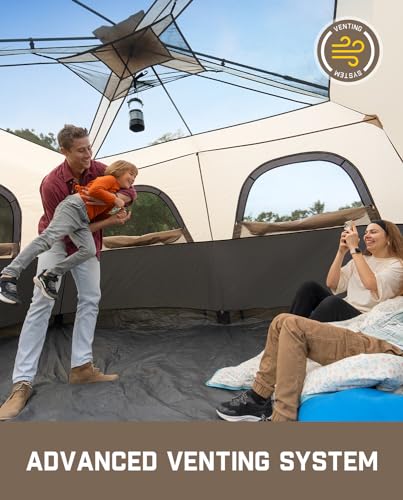
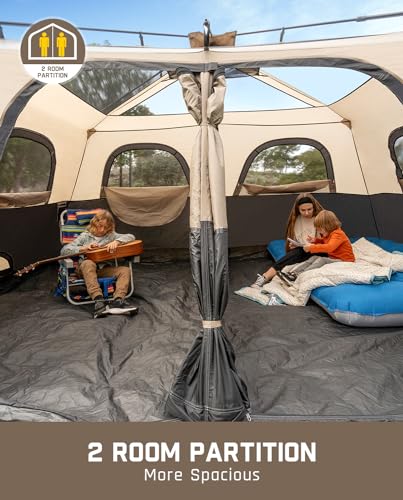
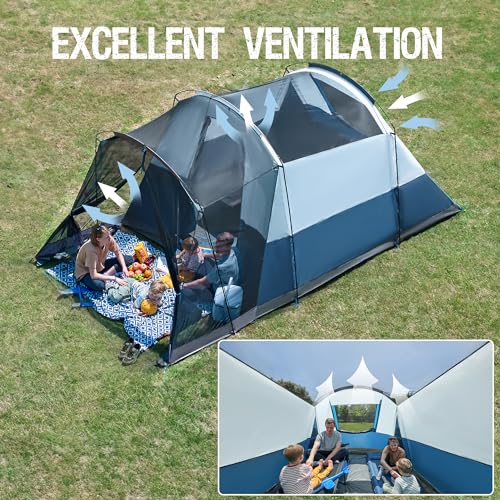
When you’re camping with a big crew, space is everything, and this tent delivers. At 18×9 feet, it’s massive, fitting three queen air mattresses or a full squad of sleeping bags. The two-room layout with a privacy divider is a standout for families or groups who want separate zones.
Ventilation is excellent, with a full mesh roof and three sides of windows, great for stargazing or staying cool. The PU1000mm coating is solid for rain, and the extended awning on the rainfly helps keep water out. Setup takes about 10 minutes with two people, which is reasonable for the size. The 25.6-inch carry bag is bulky, but you’re not exactly backpacking with this one.
Product photos
FanttikOutdoor Zeta C10 Pro Tent

Strengths
- Instant setup
- Great airflow
- Windproof design
Trade-offs
- Rainfly required in rain
- Mesh inner not waterproof
- Heavy for hiking
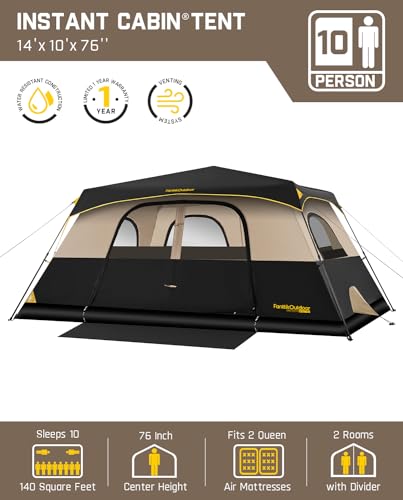
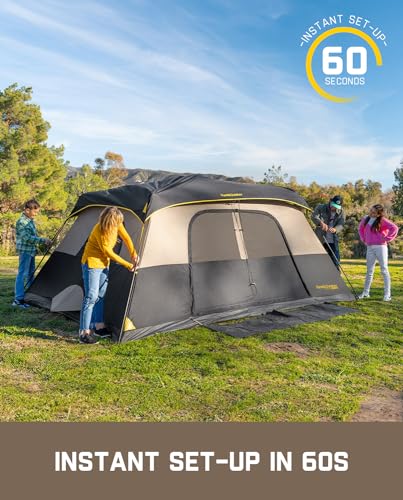
If “set it and forget it” is your camping style, this tent delivers. The 60-second setup with pre-attached poles is real, owners confirm it’s almost foolproof, even for beginners. At 168×120 inches and 76 inches tall, it’s spacious for 5–6 with gear, and the 27.5-pound weight is manageable for car camping.
The ventilation is excellent: mesh on all sides, floor vents, and a mesh ceiling make it airy and great for stargazing. The 35 mph wind rating holds up in owner reports, thanks to sturdy stakes and guy lines. One heads-up: the inner roof isn’t waterproof, so you must use the rainfly in wet weather.
Product photos

Coleman Skydome 8-Person Tent

Strengths
- Strong weather resistance
- Spacious walls
- Durable frame
Trade-offs
- Average airflow
- Heavy
- No mesh ceiling
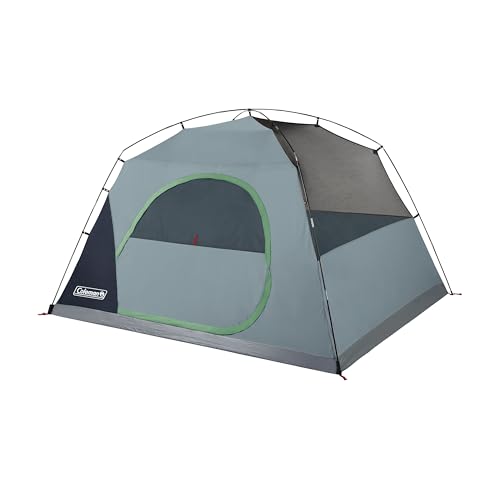
This tent stands out for one reason: it’s built like a tank. The WeatherTec system with welded corners and inverted seams is a proven leak blocker, and the frame’s 35 mph wind rating isn’t just marketing, owners say it stays upright in gusts that flatten cheaper tents.
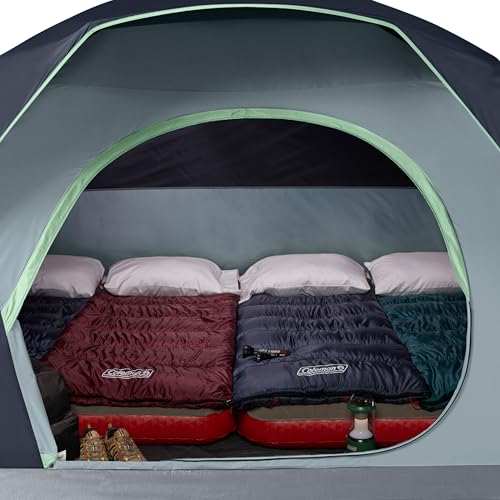
The nearly vertical walls give 20% more usable space than old-school domes, and the wider door is a small but meaningful win when moving airbeds in and out. Setup in under 5 minutes is realistic thanks to pre-attached poles. Ventilation is okay, but not great, there’s no mesh ceiling, so condensation can build up in humid weather.
Product photos

Happy Travel 6 Person Tent
Strengths
- Excellent ventilation
- Tall interior
- Easy setup
Trade-offs
- Not ultra-light
- Rainfly blocks stargazing
- Zippers could be sturdier
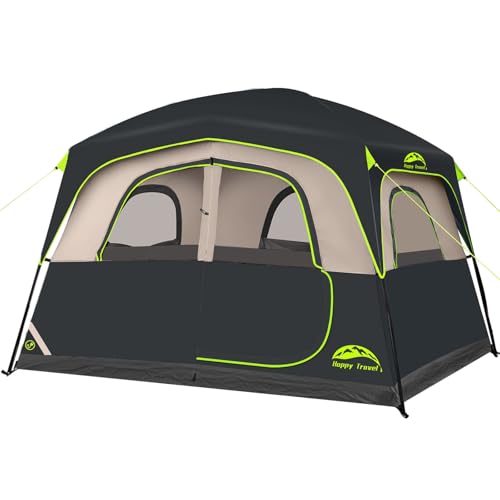
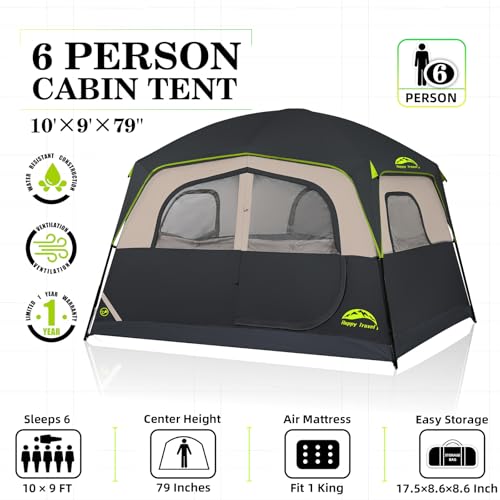
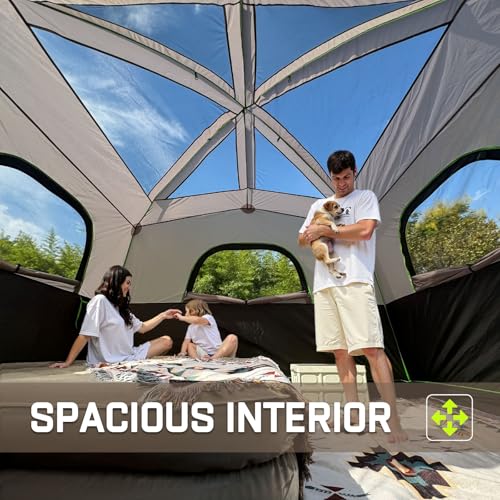
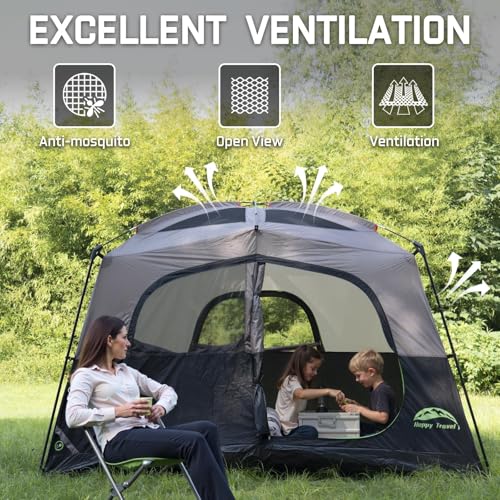
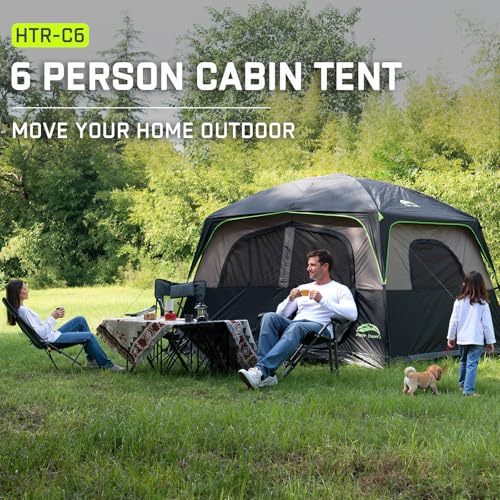
If you hate stuffy tents, this one deserves your attention. The 5 large mesh windows and mesh-top design make airflow a standout, owners love how it stays cool even on humid nights. The 79-inch center height is a real perk, letting most adults walk around comfortably, and the cabin-style shape adds to the livable feel.
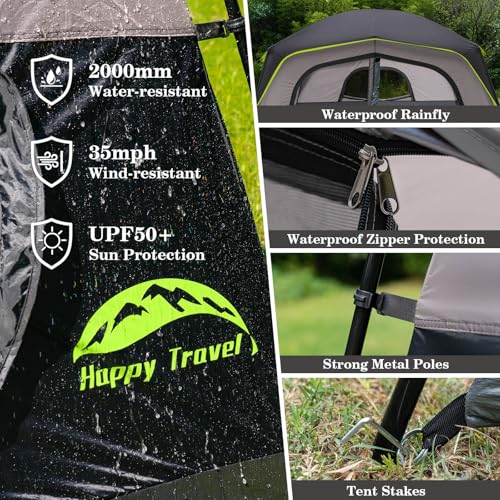
It’s built with solid materials: PU 2000mm waterproofing and thickened PE floor mean it handles rain well, and the 19mm poles with 4 guylines give it decent wind stability. Setup in 3 minutes with two people is believable based on the design, and the compact carry bag makes transport easy. It’s not ultralight, but for car campers, that’s a fair trade.
Product photos
Portal 6 Person Tent with Screen Porch

Strengths
- Screen porch included
- Great airflow
- Spacious interior
Trade-offs
- Fair-weather fabric
- Poles not for high wind
- Rainfly needed at night
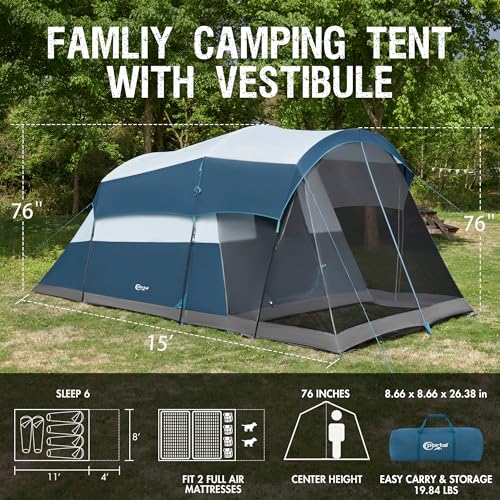
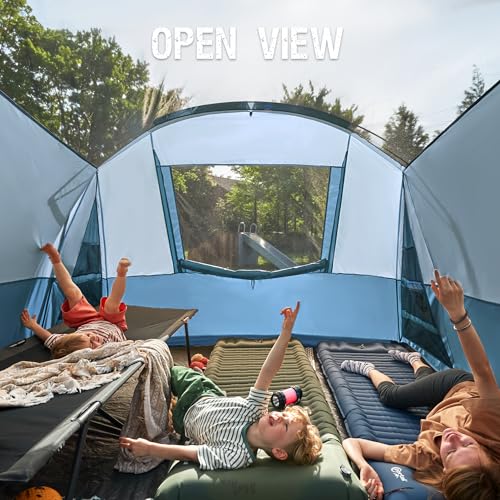
The screen porch is what makes this one special. It’s not just an add-on, it’s a real hangout space, bug-free and shaded, perfect for morning coffee or evening wind-downs. At 76 inches tall and 15 feet long (including the 4-foot porch), it gives you more usable square footage than most 6-person tents.
Ventilation is strong thanks to the mesh ceiling and multiple windows, and the tunnel design with color-coded poles makes setup fast and foolproof. Owners say the fiberglass poles hold up fine in mild gusts, but I wouldn’t push it in serious storms. The 66D fabric is water-resistant, not fully waterproof, so it’s best for fair-weather trips or three-season use.
Product photos


Clostnature 2 Person Backpacking Tent
Strengths
- Lightweight
- Waterproof
- Easy setup
Trade-offs
- Low headroom
- Small interior
- Not for tall users
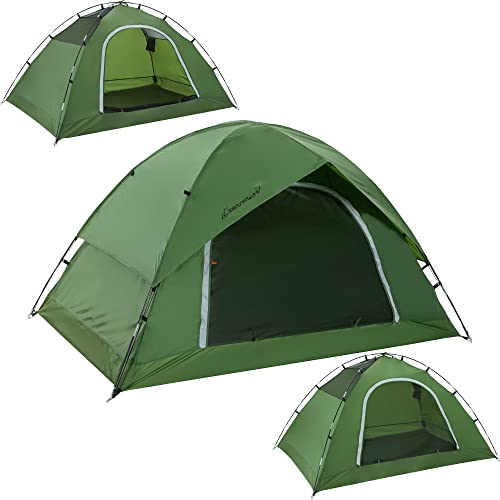
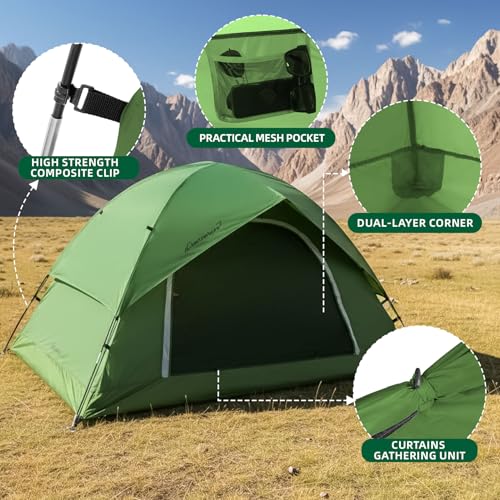
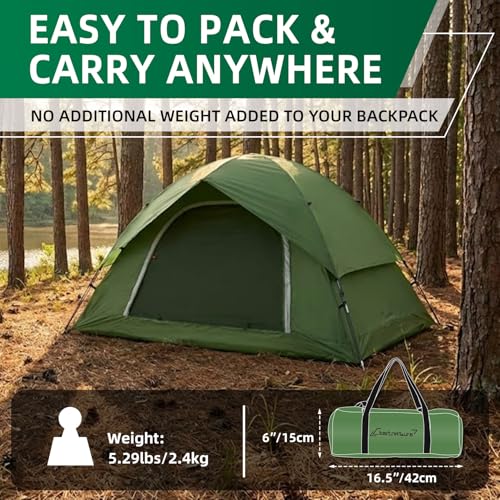
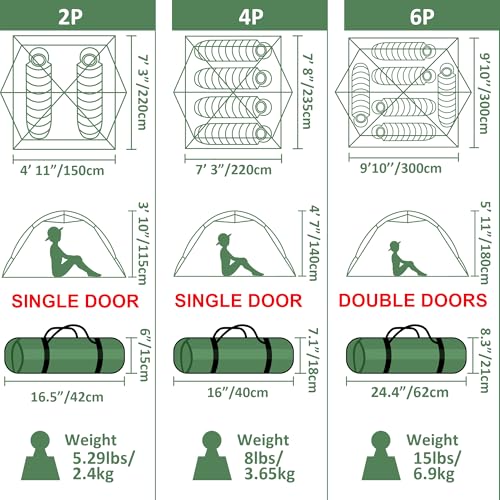
This is one of the few 2-person tents that feels roomy without sacrificing packability. At just over 5 pounds and a compact 16.5-inch carry sack, it’s light enough for backpacking but sturdy enough for all-season use. The freestanding X-pole design makes setup a breeze, under 5 minutes solo is doable, and owners say it’s stable in wind.
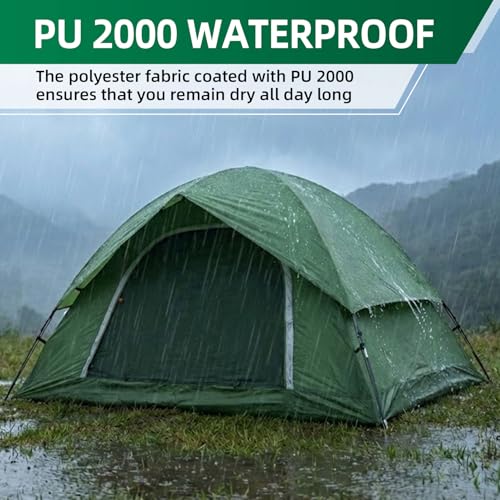
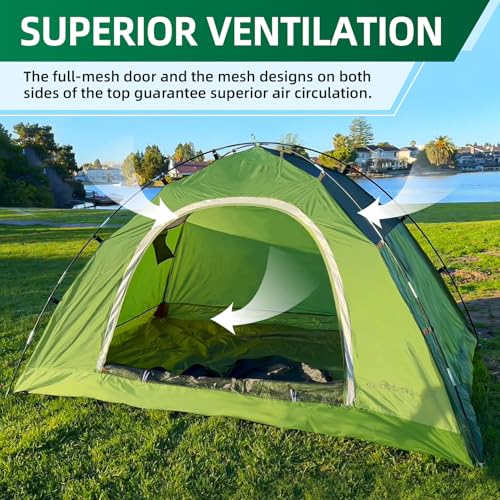
The PU 2000 coating and sealed seams mean it handles rain well, and the N-shaped mesh door boosts airflow without letting bugs in. The head height is low (3’10”), so you’re not standing, but it’s cozy for two. I’d pick this over heavier dome tents for weekend hikes where weight matters.
Product photos
CAMEL CROWN 2 Person Tent
Strengths
- Ultra lightweight
- Compact
- Affordable
Trade-offs
- Not stormproof
- Flimsy poles
- Minimal ventilation
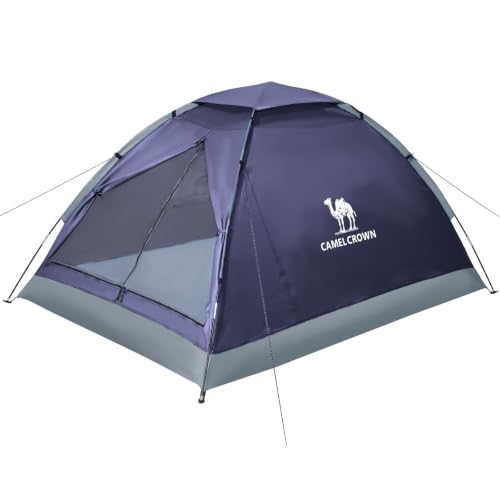
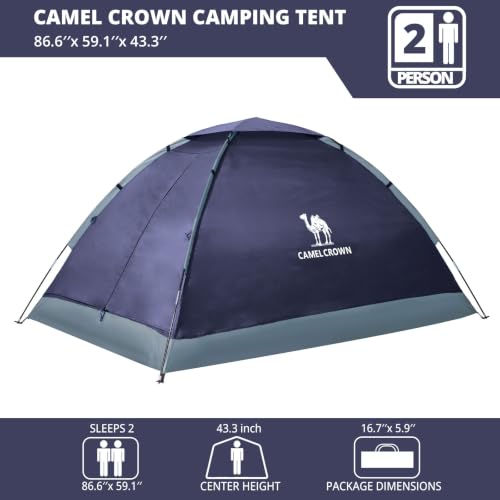
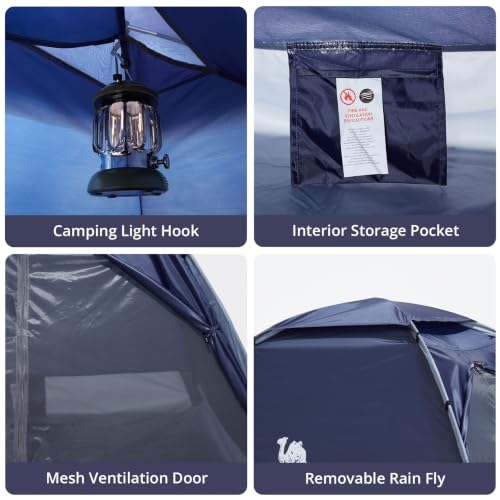
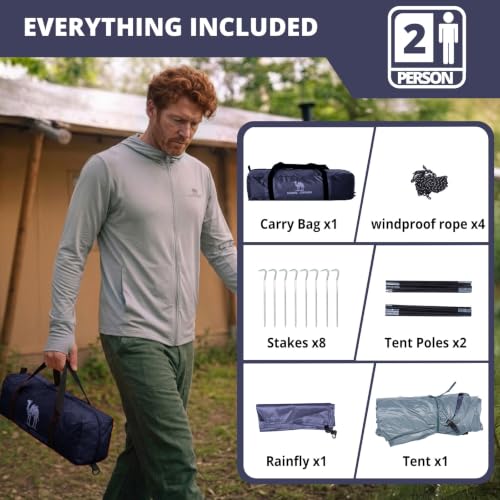
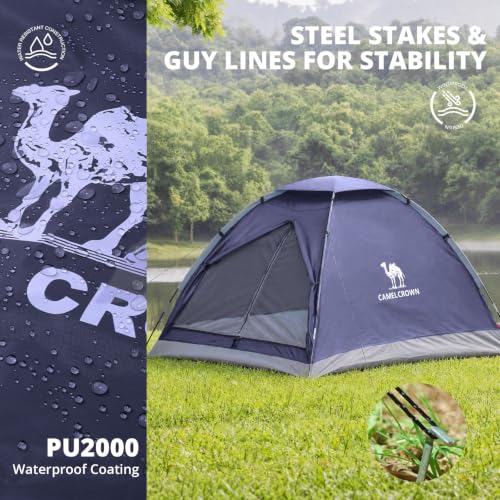
At only 2.5 pounds, this is one of the lightest options here, and that’s its main selling point. It’s built for hikers who count every ounce, and the dome shape gives surprisingly good headroom for such a small footprint. The materials are basic but functional: water-resistant fabric and simple pole system mean it’s best for fair-weather trips.
Owners say setup is fast, but the poles feel a bit flimsy in strong wind. The 4-season claim is overstated, it’ll handle light snow or cold, but don’t bet your safety on it in a storm. Still, for spring or summer backpacking, it’s a solid, affordable shelter that won’t weigh you down.
Product photos

Amazon Basics 8-Person Tent

Strengths
- Spacious for 8
- Quick setup
- Good value
Trade-offs
- Limited headroom
- Average ventilation
- Heavier carry
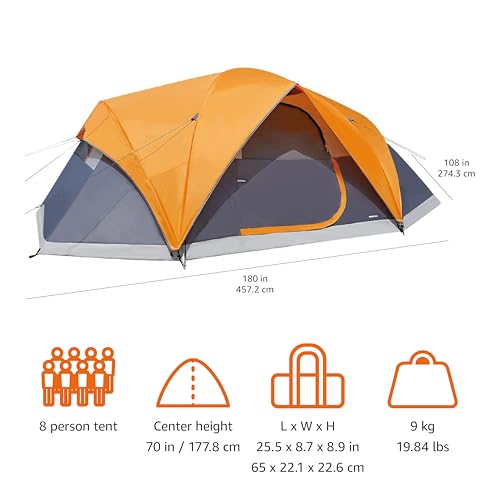
This tent hits the sweet spot for budget-conscious families who still want something roomy and functional. On paper, the 15′ x 9′ footprint is impressive for an 8-person, and owners consistently report it fits two air mattresses plus gear with space to spare. The 70-inch center height helps, though it’s not quite tall enough for full standing room for most adults.
The quick setup is a real win, shock-corded poles and snag-free sleeves mean you’re not wrestling in the dark after a long drive. Ventilation is decent with the back window and cool-air port, but I’ve seen better. Still, for the price, the waterproofing with welded seams and removable rainfly holds up well in light to moderate rain, based on user feedback.
Product photos



How We Evaluated camping tents
As a long-time tent enthusiast, I approached this guide by first compiling specs and features from a wide range of camping tents currently available. I then extensively researched owner reviews from multiple retailers, alongside expert opinions from established outdoor gear review sites. My goal was to build a picture of real-world performance – how these tents hold up to actual use – and not just rely on manufacturer claims. This research-led comparison allowed me to rank tents against criteria important to a variety of campers.
For camping tents, I heavily weighted waterproof ratings and ease of setup. Reliable weather protection is paramount, as a night spent soaked and uncomfortable can ruin any trip. Equally important is how quickly and easily a tent can be pitched; nobody wants to wrestle with complicated instructions after a long day of hiking. Durability, as indicated by fabric denier and pole material, also played a key role in my assessments.
Published specifications reliably indicate potential waterproof capabilities (PU coating mm) and tent dimensions, but owner feedback really clarifies how those specs translate to real-world conditions. I paid close attention to reports of leaks, condensation, and durability issues. Reputable expert reviews helped validate owner experiences and identify potential flaws or strengths not immediately apparent from the data. Some campers also appreciate instant setup tents for their convenience.
What To Look For In camping tents
Finding the right tent is crucial for a comfortable and enjoyable outdoor experience. It’s more than just a shelter; it’s your home away from home when you’re exploring the wilderness.
A quality camping tent balances weight, weather protection, ease of setup, and interior space. Look for durable fabrics (polyester or nylon with a high denier), waterproof coatings (PU or silicone), a robust pole system (aluminum is preferred over fiberglass for strength), and well-sealed seams. Consider the tent’s capacity relative to your group size, and don’t underestimate the value of ventilation features like mesh panels and adjustable vents.
Size and Capacity
Don’t fall into the trap of assuming a “6-person tent” comfortably fits six adults with gear. Manufacturers often base capacity on a snug fit. I always recommend sizing up. If you’re a family of four, seriously consider an 8-person tent, especially if you plan on longer trips or anticipate inclement weather where you might spend more time inside. Think about not just sleeping space, but also room to store backpacks, boots, and other essentials.
Weather Resistance
Weatherproofing is where tents truly differentiate themselves. The Coleman Skydome and Amazon Basics tents both highlight their WeatherTec systems, focusing on welded corners and inverted seams – these are key features. A waterproof rating (measured in millimeters) indicates how much water pressure the fabric can withstand before leaking. While anything over 1500mm is generally considered waterproof, higher ratings provide better protection during prolonged downpours, and a fully taped floor is a must. Don’t forget about wind resistance; look for tents with sturdy pole systems and guy lines to anchor it securely. Planning family camping tents requires extra consideration for all-weather performance.
Setup and Portability
Instant setup tents, like the Coleman Instant 10 Person Tent and FanttikOutdoor Zeta C10 Pro, are incredibly appealing for beginners or those who want to maximize their time enjoying the outdoors. However, these often come with a weight penalty. If you’re backpacking or hiking any significant distance, every ounce matters. In that case, a lighter weight tent, even if it requires a bit more effort to pitch, will be more practical.
Here’s a quick rule of thumb for balancing these factors:
- Car Camping: Prioritize space and ease of setup. Weight is less critical.
- Short Hikes (under 5 miles): A balance of weight and setup ease.
- Backpacking/Long Hikes: Weight is paramount, even if it means a more complex setup.
A tent’s packed size and weight should be proportional to the intended use. Don’t buy a behemoth if you’re primarily a backpacker.
Ultimately, choosing the right tent involves carefully considering your specific needs and priorities. Before you head out, be sure you have all the essential camping gear to make your trip safe and memorable.
Camping Tents Compared
Here’s a comparison of key specifications for the camping tents described.
| Product Title | Capacity | Dimensions (ft) | Weight (lbs) | Waterproofing (mm) | Setup Time |
|---|---|---|---|---|---|
| Coleman Instant 10 Person Tent | 10 | 10 x 9 | N/A | N/A | 1 minute |
| UNP 10-Person Family Tent | 10 | 18 x 9 | N/A | 1000 | 10 minutes |
| FanttikOutdoor Zeta C10 Pro Tent | 10 | 16.8 x 12 | 27.5 | N/A | 60 seconds |
| Coleman Skydome 8-Person Tent | 8 | 10 x 8.5 | N/A | N/A | < 5 minutes |
| Happy Travel 6 Person Tent | 6 | 10 x 9 | 16.5 | 2000 | 3 minutes |
| Portal 6 Person Tent with Screen Porch | 6 | 15 x 8 | N/A | N/A | 5 minutes |
| Clostnature 2 Person Backpacking Tent | 2 | 7.3 x 4.9 | 5.29 | 2000 | < 5 minutes |
| CAMEL CROWN 2 Person Tent | 2 | N/A | 2.5 | N/A | Quick |
| Amazon Basics 8-Person Tent | 8 | 15 x 9 | N/A | N/A | < 8 minutes |
Frequently Asked Questions
What’s the typical lifespan of a camping tent?
A tent’s lifespan really depends on how often you use it and how well you care for it, but with proper storage and maintenance, you can generally expect 5 to 10 years from a quality tent. More frequent use and exposure to harsh conditions will shorten that timeframe.
Are dome tents sturdier in wind than cabin tents?
Generally, dome tents are better at handling wind because their shape distributes force more evenly. Cabin tents, with their straighter walls, can act like a sail and are more prone to damage in high winds, though a well-guyed cabin tent can still perform admirably.
What does a tent’s denier (D) rating actually mean?
The denier rating refers to the thickness of the tent fabric’s fibers; a higher denier means a thicker, more durable fabric. For example, 75D polyester is more robust than 210D polyester, but higher denier fabrics also add weight to the tent.
Do I really need to seam seal a tent, even if it’s advertised as waterproof?
Yes, you absolutely should seam seal, particularly for older or budget-friendly tents. Manufacturing processes can leave tiny pinholes in seams where water can enter, and seam sealing closes those gaps for a truly waterproof shelter.
What are the benefits of choosing a tent with a footprint?
A footprint (ground cloth) adds a vital layer of protection to the tent floor, shielding it from abrasion, punctures, and moisture. This extends the life of your tent and helps maintain its waterproof integrity, and it’s especially useful when camping on rough or rocky terrain. For easy-setup family tents, a footprint is a smart investment.
The Bottom Line
Choosing a tent always comes down to balancing what you’re willing to fuss with versus how much control you want over quality and features. While instant tents offer incredible convenience, for consistent performance and peace of mind, I believe the UNP 10-Person Family Tent strikes the best overall balance. It’s spacious, offers reliable waterproofing with its 1000mm rating, and doesn’t break the bank.
For those specifically needing to keep costs down, the Amazon Basics 8-Person Tent is a solid choice. And if you prioritize quick setup above all else, the Coleman Instant 10 Person Tent delivers on that promise, even if it sacrifices some of the finer details found in more thoughtfully constructed models. Understanding tent construction materials will help you appreciate the differences.
Ultimately, the specs on a tent are just a starting point. Focus on finding a tent that suits how you camp. A high waterproof rating means little if the seams aren’t sealed properly, and a lightweight tent won’t matter if it’s too cramped for your needs. Prioritize a robust design, reliable weather protection, and a size that comfortably accommodates your group – those are the foundations of a great camping experience.
