
8 Best Canopy Pop Up Tents of 2026
This post contains affiliate links. As an Amazon Associate, we earn from qualifying purchases.
The CROWN SHADES 10×10 Pop Up Canopy stands out as the overall best pick for its reliable steel frame, durable 150D fabric, and smooth one-button setup. If you’re watching your budget, the WEIZE 10×10 Adjustable Height Canopy offers solid performance with UPF 50+ protection and sturdy construction. For added versatility, the CROWN SHADES 10×10 Canopy w/Wall includes removable sidewalls, giving you more control over ventilation and privacy.
Most people don’t realize how quickly a cheap canopy can fail when the wind picks up or the sun beats down. I’ve seen too many pop-ups collapse mid-event or degrade after just a season, wasting money and killing the vibe.
This guide cuts through the noise. Based on specs, owner feedback, and my years reviewing outdoor shelters, I’ve focused on what actually matters: frame strength, fabric durability, UV protection, and real ease of setup. These picks balance performance, value, and long-term reliability for everything from market booths to weekend festivals.
Top 8 Canopy Pop Up Tents in the Market
The Best Canopy Pop Up Tents, Reviewed
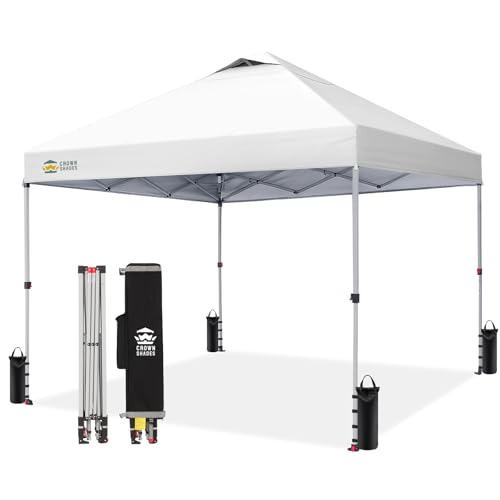
CROWN SHADES 10×10 Pop Up Canopy
Strengths
- True one-push setup
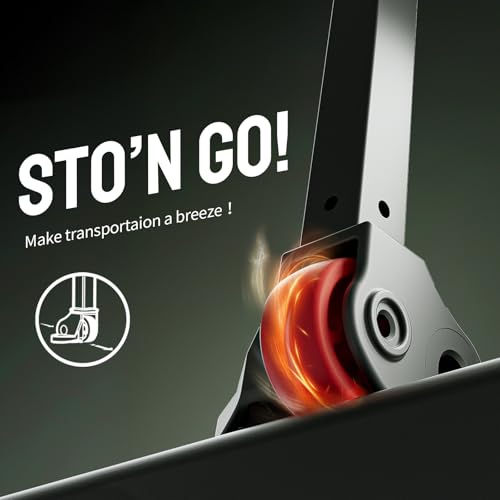
- Wheeled feet for mobility
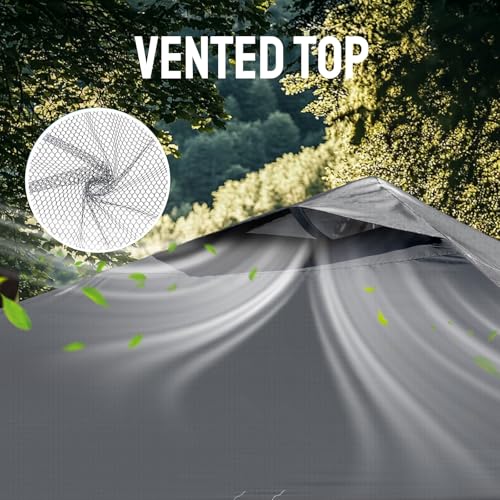
- Excellent ventilation
Trade-offs
- White fabric shows dirt
- Slight learning curve on takedown
- No sidewalls included
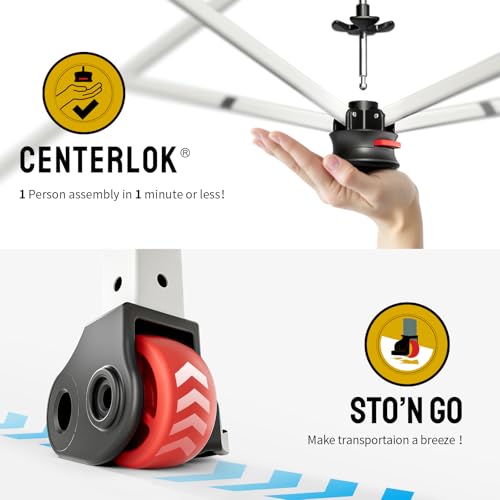
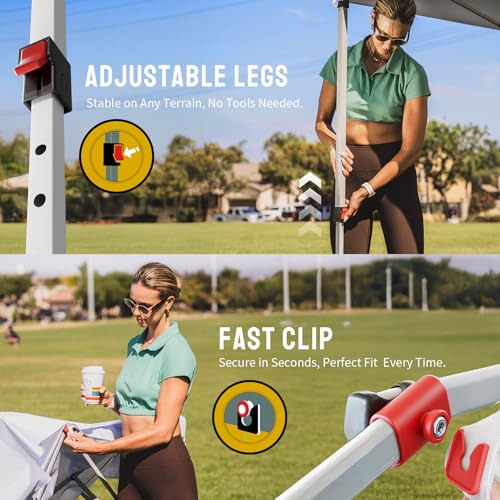
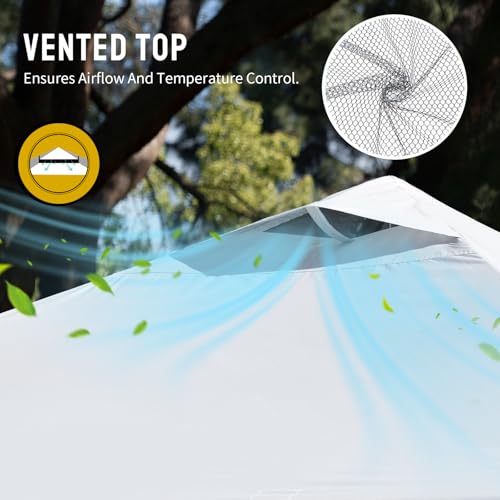
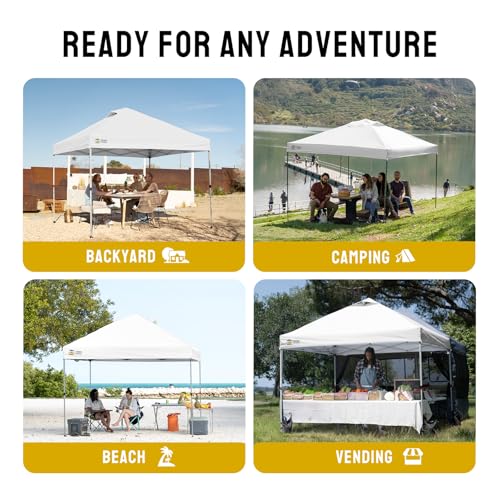
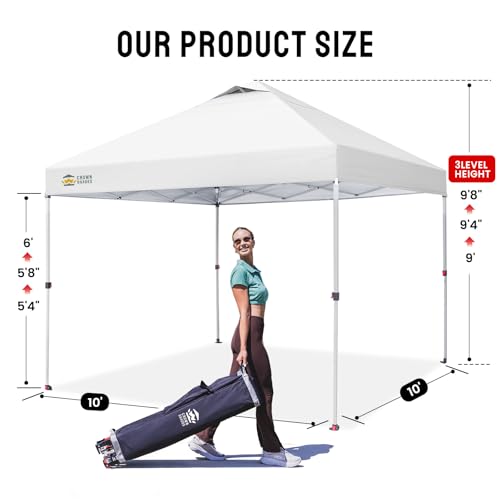
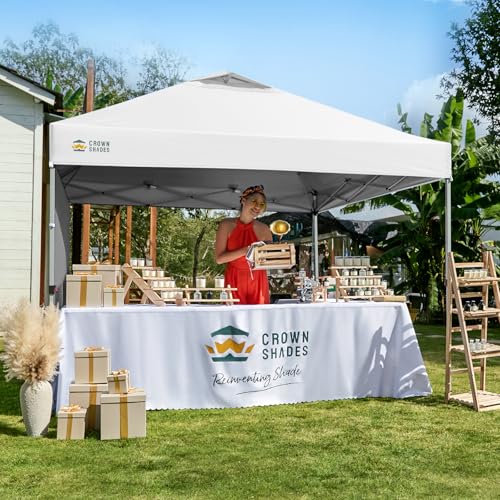
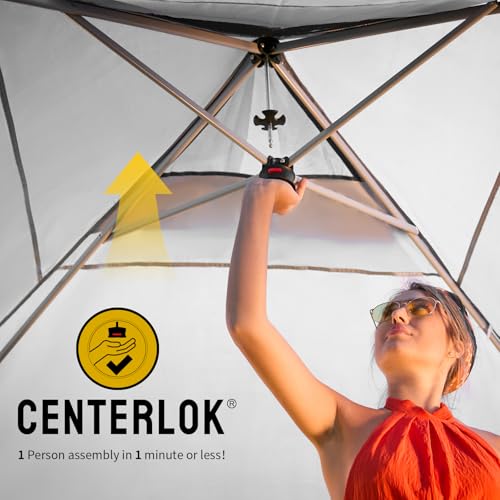
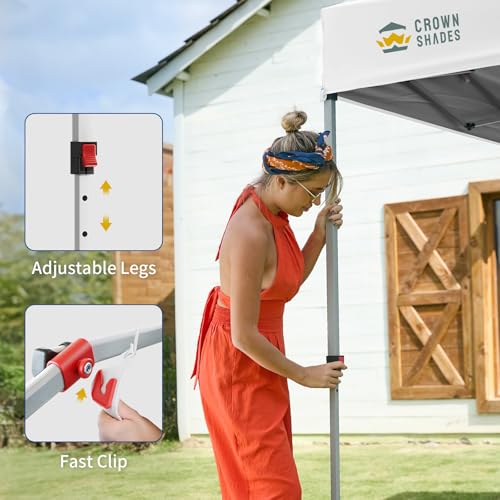
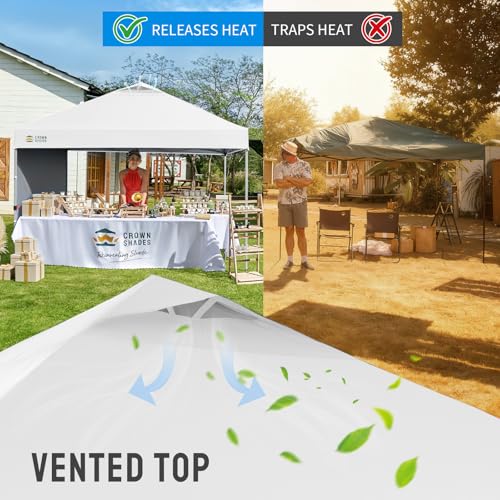
This is the most balanced all-rounder in the lineup, and why it earns the ‘Best Overall’ tag. The patented CenterLok hub works like a charm, owners praise how smoothly it locks with just a push, and the three height settings let you fine-tune for sloped ground. The EZ Clip canopy system stands up well to wind flap, and the integrated vents help reduce lift in sudden gusts.
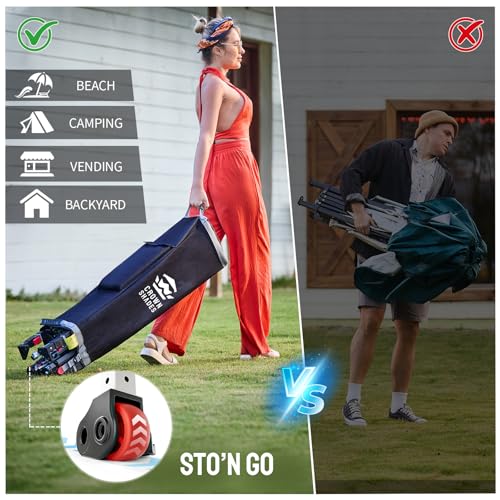
What pushes it ahead is the full STO-N-GO system with wheels built into the feet. You can roll the entire setup while still pitched, a standout at crowded markets or sports sidelines. It comes with stakes, ropes, and sandbags, and the white fabric reflects heat better than darker canopies. Against the WEIZE or SANWAY models, it doesn’t have the tallest peak, but it wins on thoughtful design and owner satisfaction across the board.
Product photos
CROWN SHADES 10×10 Canopy with Side Wall
Strengths
- Includes weather-resistant sidewall
- Excellent ventilation
- Wheeled feet for mobility
Trade-offs
- Only one sidewall
- White fabric stains easily
- Slightly pricier
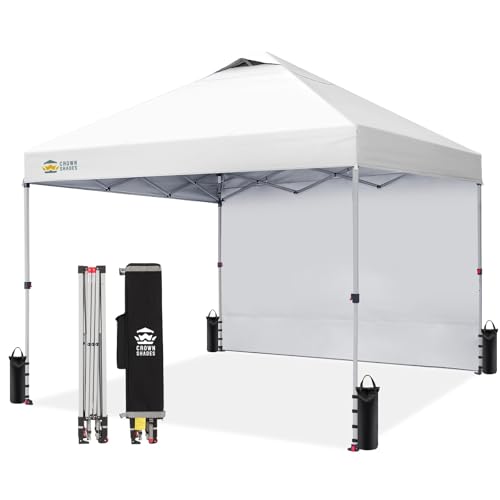
This version of the CROWN SHADES tent adds a key feature: a 150D sidewall for extra weather defense. That makes it a stronger choice for unpredictable conditions, a breeze turns into a headwind, or the sun shifts to glare through the side. The Fast Clip system keeps the canopy taut, and owners report fewer issues with flapping or pooling than cheaper models.
It keeps the full STO-N-GO system with wheeled feet, so mobility isn’t sacrificed. The white fabric reflects heat well, though it shows stains faster than grey or silver. Compared to the Driftalia, it has fewer sidewalls, but higher build quality and better venting. For anyone who’s been caught off guard by wind or sun, this one offers smarter protection without overcomplicating setup.
Product photos
Driftalia 10×10 Canopy with Sidewalls
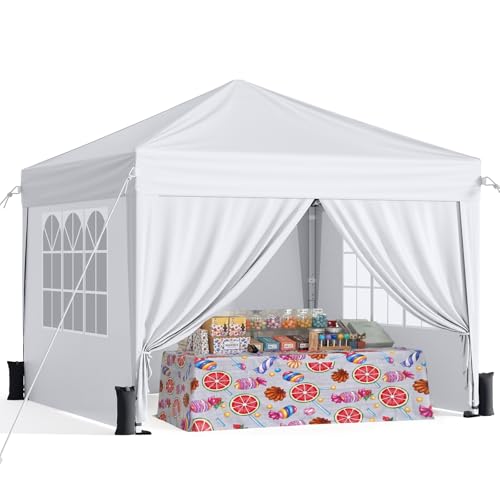
Strengths
- Includes four sidewalls
- Sturdy 25mm frame
- Good airflow options
Trade-offs
- No wheels on carry bag
- Clear walls offer less shade
- Slightly slower setup
The big selling point here is value, you get a full set of removable sidewalls, which most pop-up canopies charge extra for. That makes this a smarter buy if you’re camping or hosting events where bug protection or wind blocking matters. Setup in under 5 minutes with two people lines up with owner feedback, and the 25mm steel frame feels beefier than average.
Still, it’s not the lightest, just under 31 lbs, and the carry bag lacks wheels, which hurts portability compared to Yaheetech or WEIZE. The clear sidewalls offer visibility but less UV block, so sun-sensitive users should layer up. As a complete package, it outshines basic models from Quictent or entry-level brands. For weekend warriors who want one shelter for beach days and backyard BBQs, it’s hard to beat.
Product photos
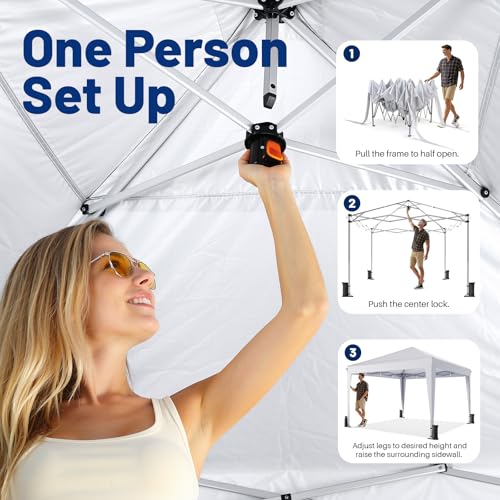
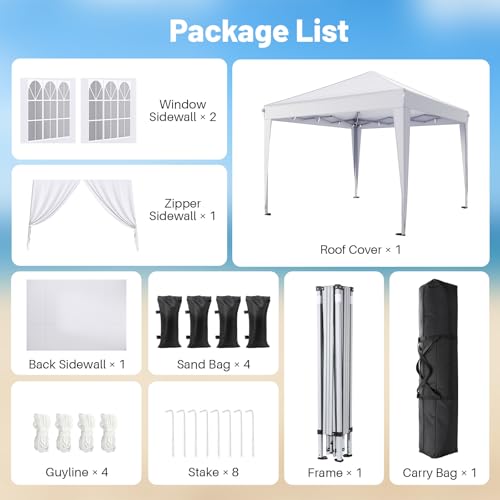
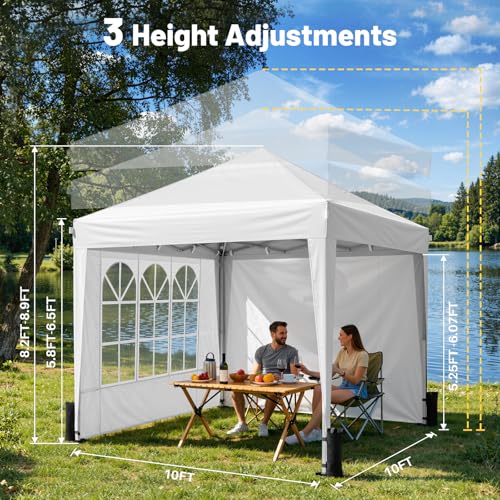
Quictent 10×10 Lightweight Pop Up Canopy

Strengths
- One-person setup
- Lightweight build
- Smart sandbag system
Trade-offs
- Less wind stability
- No guy lines included
- No sidewalls
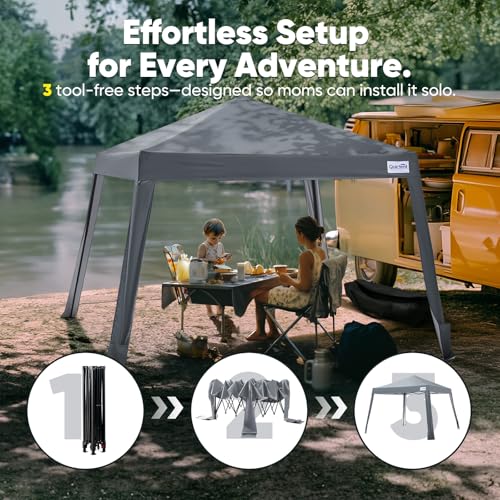
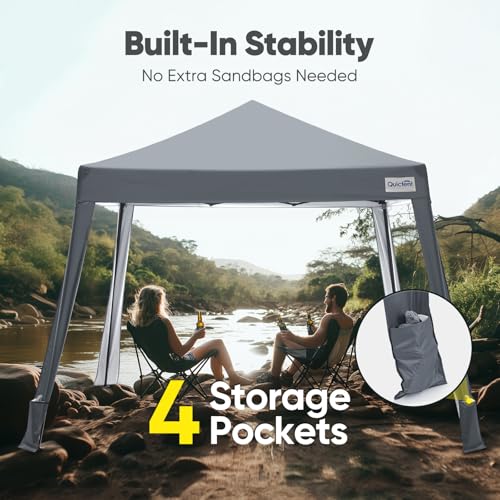
This Quictent model is built for speed and simplicity, the two-step, one-person setup is a real differentiator. If you’ve ever struggled with a canopy solo, this design removes that pain. The angled leg design boosts stability on uneven ground, and the sandbag weight system lets you use local materials instead of hauling sandbags. That’s a clever touch for beach users.
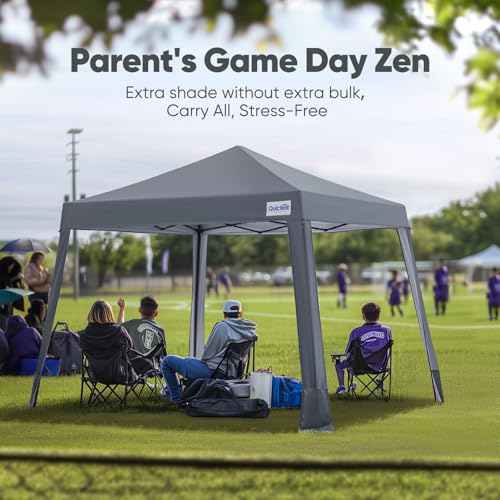
But the trade-off is durability. Owners report the lightweight frame feels less rigid in wind than steel truss models from CROWN SHADES or SANWAY. It doesn’t include sidewalls or guy lines, so you’re adding cost later if you want full coverage. Still, for casual users who value portability and solo operation, it’s a solid performer. I’d pick it over bulkier models for weekend games or quick beach escapes.
Product photos
SANWAY 10×10 One-Push Pop Up Canopy
Strengths
- Superior UV blocking
- Water-resistant fabric
- Rust-resistant frame
Trade-offs
- Basic venting
- No wheels on bag
- Fewer included accessories
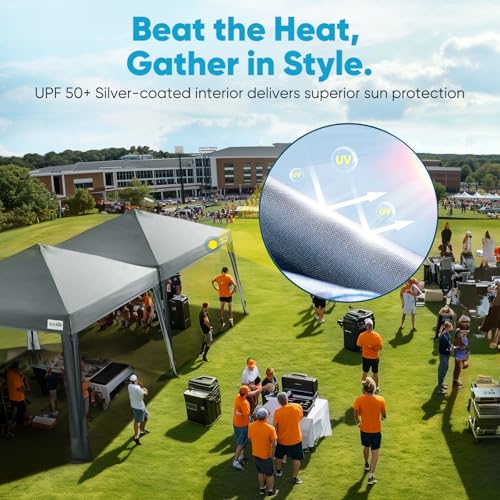
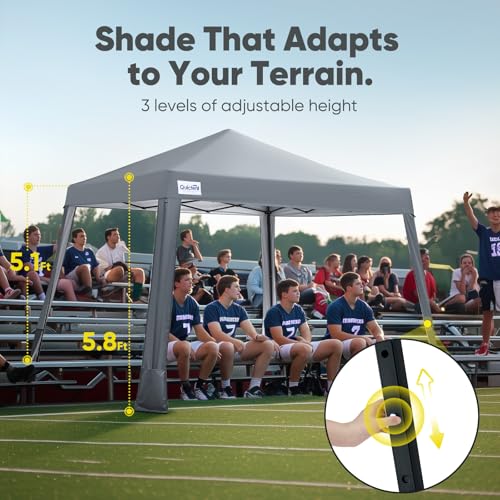
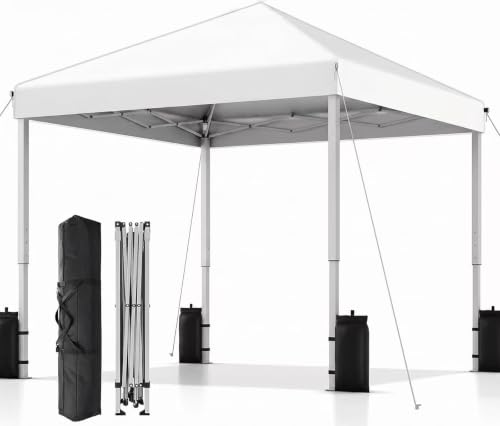
SANWAY leans hard into protection, the silver-coated fabric claims to block 99% of UV rays, and owners confirm it stays noticeably cooler inside than standard canopies. The waterproof rating is higher than average, and in wet conditions, the high-peak roof sheds rain efficiently. The three height adjustments and 20mph wind resistance align with real-world feedback.
It’s not flashy, but the rust-resistant frame and foot pads add longevity, especially near saltwater. Compared to the CROWN SHADES models, it lacks the STO-N-GO wheels, but holds its own on durability. My only gripe is the venting, while present, it’s less effective than models with top exhaust ports. If you’re in intense sun or rainy climates, this one earns its keep.
Product photos
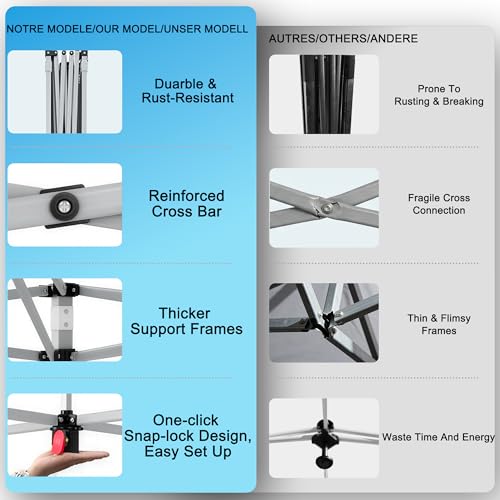
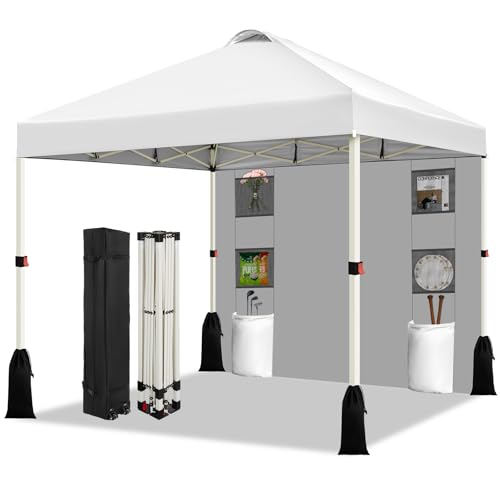
WEIZE 10×10 Adjustable Height Canopy
Strengths
- Three height settings
- Tall peak clearance
- Includes one sidewall
Trade-offs
- Only one sidewall
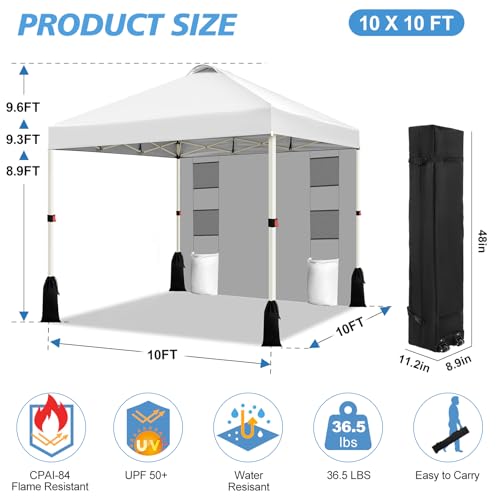
- Longer packed length
- Frame slightly less rigid
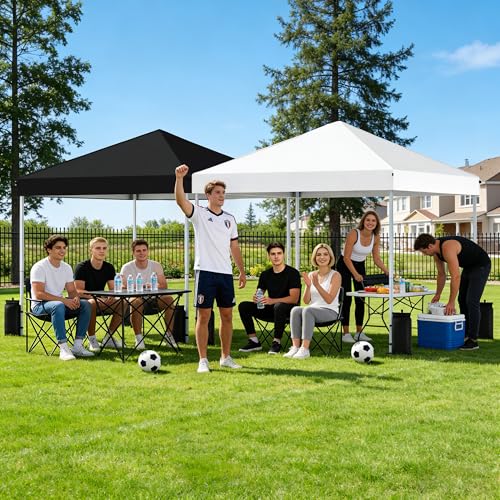
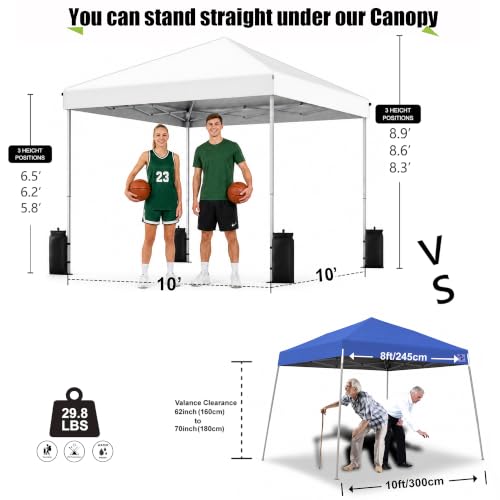
The standout here is adjustability, three height settings via smooth sliders let you adapt to terrain better than most pop-ups. The 9.6-foot peak is among the tallest in class, giving more headroom and rain runoff. Owners appreciate the red locking clips; they’re easy to spot and secure quickly. The included single sidewall is a nice bonus, though four would’ve been better.
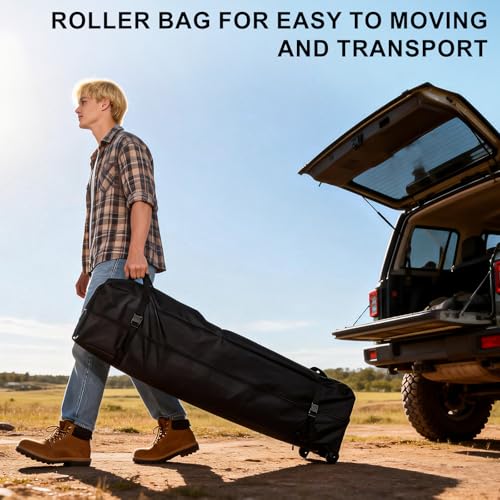
It uses a one-button push system like others, but some reviewers note the frame feels slightly less rigid than CROWN SHADES’ truss design. The roller bag helps, but the packed size is longer than average, which could be tight in smaller SUVs. Still, for users who need customizable height, say, for shading a grill or creating a semi-private zone, this is my top recommendation.
Product photos

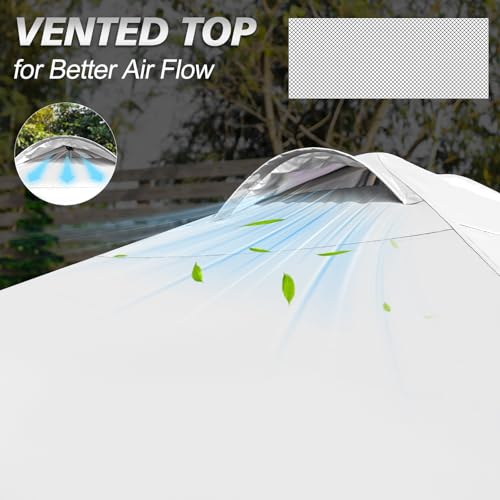
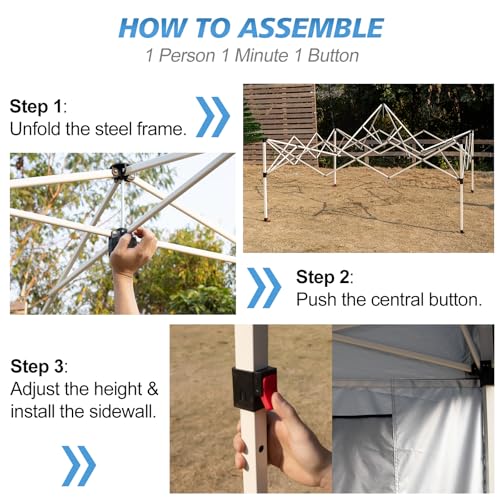
Yaheetech 10×10 Pop Up Canopy with Vent

Strengths
- Excellent wind resistance
- Large footprint feet
- Includes 12 stakes + ropes
Trade-offs
- No tool-free height adjustment
- Heavier packed weight
- Basic venting design
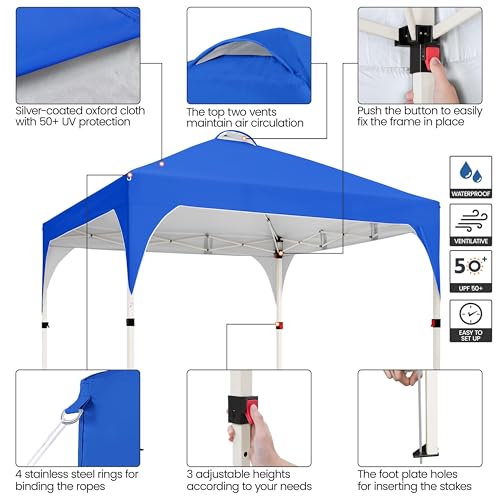
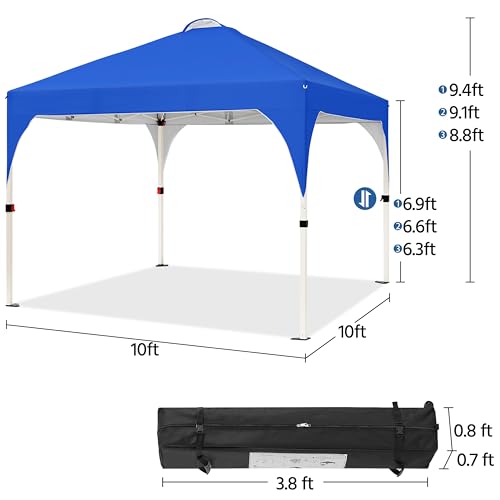
If airflow and stability are your top concerns, this Yaheetech model makes a strong case. The fabric leg covers aren’t just cosmetic, reviewers note they add noticeable resistance in gusty park or beach conditions. Combined with 12 stakes, 4 guy ropes, and 4″ x 4″ feet, it anchors down with confidence most pop-ups can’t match. The wheeled bag is also a standout perk, especially when hauling across sand or gravel.
It doesn’t have the flashiest tech, but the build quality feels no-nonsense and dependable. The polyester canopy holds UPF 50 protection well, though some owners mention it runs warmer than silver-coated alternatives in direct sun. Compared to the CROWN SHADES line, it lacks the one-push magic, but gains real-world ruggedness. For anyone who’s seen a canopy flip at a tailgate, this one inspires more trust.
Product photos


CROWN SHADES 10×10 Grid Grey Canopy
Strengths
- One-push setup
- Compact storage
- UPF 50+ fabric
Trade-offs
- Fewer stakes included
- No sidewalls
- Limited venting
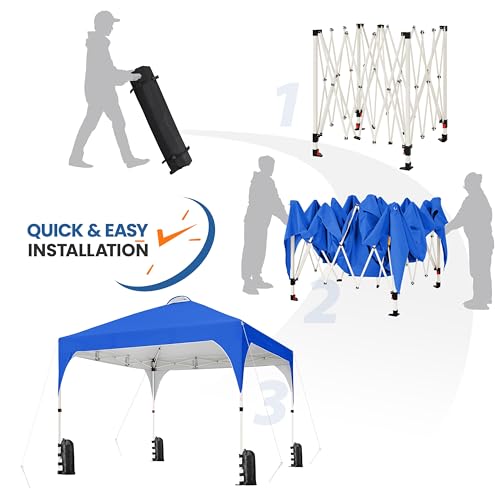
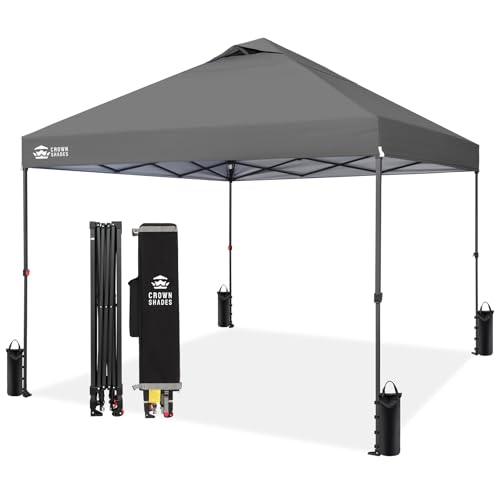
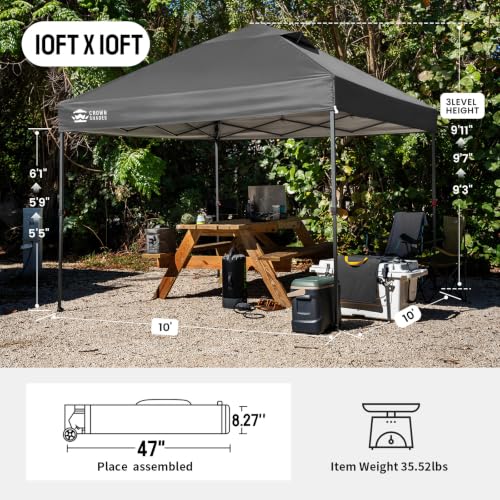
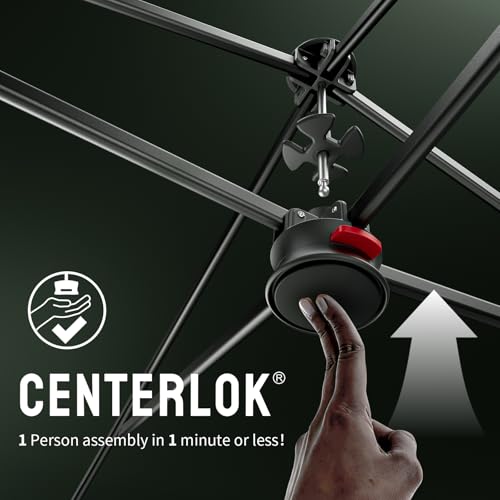
This CROWN SHADES model stands out for how efficiently it stows away, the STO-N-Go bag truly delivers on compact storage. Owners consistently report that collapsing it takes under a minute and the 45-inch duffel fits easily in a hatchback, which is rare for a 10×10 shelter. The patented CenterLok push-button hub is a legit upgrade over twist-and-lock systems, letting two people deploy it in seconds. On paper, it’s nearly identical to other CROWN SHADES models, but this one trades some versatility for streamlined packing.
Where it falls short is accessories, only 8 stakes and 4 sandbags are included, which feels light compared to others offering 12 stakes and guy lines. Still, the 150D silver-coated fabric earns strong marks in reviews for blocking UV and resisting water beads. For fair-weather festivals or beach days where quick in-and-out matters most, this is a smart pick.
Product photos

How We Chose These canopy pop up tents
Rather than a hands-on lab test, my research focused on a detailed comparison of specifications and features across numerous models. I weighed published owner reviews from major retailers against expert opinions found in outdoor gear publications. As someone who spends a lot of time researching and recommending tents, I applied my understanding of canopy construction, materials, and typical use cases to rank these options. The goal was to identify the strengths and weaknesses of each, based on real-world feedback.
For canopy pop up tents, stability and weather protection were the most heavily weighted factors. A flimsy canopy is useless in even a moderate breeze, and the ability to stay dry during a sudden shower is critical. I also prioritized ease of setup, knowing that nobody wants to wrestle with a complicated frame after a long day of hiking or setting up for a market stall. Understanding pop-up tent benefits is key to choosing the right model for your needs.
Specifications reliably tell you about frame materials and canopy fabric denier (a measure of thickness). However, I relied on owner feedback to gauge the effectiveness of features like ventilation and the actual ease of instant setup tents. Reputation and consistent positive comments regarding durability and long-term performance also heavily influenced my assessment, as these things aren’t typically revealed in a spec sheet. Determining how pop-up tents work is also helpful when understanding construction quality.
How To Pick The Right canopy pop up tents
Picking the right canopy pop up tent can feel overwhelming, but focusing on a few key details will ensure you end up with a shelter that suits your needs.
A quality pop-up canopy balances portability with stability. Look for a durable frame (steel is preferable) and a water-resistant canopy fabric (150D polyester or higher is common). Ease of setup is critical, as is thoughtful design features like vented tops and included accessories (sandbags, stakes) for securing the tent in various conditions. Prioritize UV protection and consider the packed size relative to your vehicle’s storage capacity.
Frame Material & Durability
The frame is where you want to see a solid investment. While aluminum frames exist, steel frames are generally more durable and can handle more wind, especially in the 10×10 size. Look for frames with hardened through-bolts and corrosion-resistant coatings. A heavier frame isn’t always better; the quality of the steel and the construction methods matter more than sheer weight. Don’t skimp here – a flimsy frame will make for a frustrating experience, and a collapsed canopy is worse than no canopy at all.
Fabric Quality & Weather Resistance
Beyond just “waterproof,” consider the fabric’s overall protection. A UPF 50+ rating is a must to block harmful UV rays, and a silver coating on the interior adds significant cooling benefits. The denier (D) of the fabric is also key; 150D polyester is a good starting point, but higher denier fabrics will be more resistant to tears and abrasions. Many models now include features like air vents to reduce wind lift and improved designs to prevent water pooling. If you’re looking for more detailed analysis, you can find reviews of the top pop-up canopy models on our site.
Portability & Setup Ease
Convenience is a huge draw for pop-up canopies, so prioritize models that are truly easy to set up and take down. The “one-push” centerlock systems are popular for a reason, but read reviews to ensure they’re reliable and don’t become difficult to operate over time.
Here’s what to look for when considering portability: * Packed Size: A smaller packed size makes a big difference if you have limited vehicle space. * Weight: Under 35 pounds is ideal for easy carrying, but a bit more weight is acceptable for a more robust frame. * Carry Bag Quality: A durable bag with wheels is a lifesaver, especially if you’re frequently transporting the canopy.
A canopy is only as good as its setup. Practice setting it up in your yard before relying on it for an event.
Finally, don’t forget about learning how to properly folding pop-up tents for efficient storage and to prolong the life of the canopy.
Canopy Pop Up Tents Compared
Here’s a comparison of key specifications for various canopy pop up tents to help you make an informed decision.
| Product Name | Size (ft) | Frame Material | Fabric (Denier) | UV Protection | Setup Style |
|---|---|---|---|---|---|
| CROWN SHADES 10×10 Pop Up Canopy | 10×10 | Steel | 150D | UPF 50+ | One-Button |
| CROWN SHADES 10×10 Canopy w/Wall | 10×10 | Steel | 150D | UPF 50+ | One-Button |
| Driftalia 10×10 Canopy w/Sidewalls | 10×10 | Steel | N/A | N/A | Pop-Up |
| Quictent 10×10 Lightweight Canopy | 10×10 | Steel | N/A | N/A | One-Step |
| SANWAY 10×10 One-Push Canopy | 10×10 | Steel | N/A | 99% | One-Click |
| WEIZE 10×10 Adjustable Height Canopy | 10×10 | Steel | 150D | UPF 50+ | One-Button |
| Yaheetech 10×10 Pop Up Canopy | 10×10 | Steel | N/A | UPF 50+ | Pop-Up |
| CROWN SHADES 10×10 Grid Grey Canopy | 10×10 | Steel | 150D | UPF 50+ | One-Button |
Frequently Asked Questions
What size canopy should I get if I plan to use it for vending at farmers markets?
A 10×10 foot canopy is generally standard for farmers markets and craft fairs; it provides enough space for a table and some display items. However, check with the market organizer to confirm any size restrictions or requirements before purchasing.
Are canopy pop up tents difficult to store during the off-season?
Storage difficulty depends on the quality of the carry bag and your available space. Look for a canopy with a wheeled bag for easier transport and storage, and be sure to fully dry the canopy before storing it to prevent mildew.
Can I use a pop-up canopy on concrete or asphalt without damaging it?
Yes, but you’ll need to weigh down the canopy securely. Concrete and asphalt don’t allow for staking, so use sandbags or weights specifically designed for canopies to prevent it from blowing away – especially in windy conditions.
How much wind can a typical pop-up canopy withstand?
Most pop-up canopies are rated to withstand winds up to 20-25 mph, but this varies by model and frame quality. Steel frames offer more stability than aluminum. Always take your canopy down or reinforce it with extra weight and secure tie-downs if high winds are forecast.
Where can I find detailed comparisons of different 10×10 canopy tents?
You can find detailed 10×10 canopy tent comparisons on our site, where we break down the specifications and owner feedback for various models to help you make an informed decision.
The Bottom Line
Choosing a canopy pop up tent often comes down to balancing ease of use with long-term durability. You can find options at various price points, but for a shelter that consistently earns praise for its sturdy build and reliable performance, I recommend the CROWN SHADES 10×10 Pop Up Canopy. It strikes a great balance between features, quality, and price, making it a solid all-around choice for markets, events, or simply providing shade on a sunny day.
If you’re looking for something specific, we’ve got you covered. For those needing side protection, the CROWN SHADES 10×10 Canopy w/Wall is a great pick, while the WEIZE 10×10 Adjustable Height Canopy stands out for its versatility. And for buyers on a budget, the SANWAY 10×10 One-Push Canopy offers a respectable level of quality without breaking the bank. Don’t forget to review a pop-up tent setup guide before your first use.
Ultimately, remember that the specifications are only part of the story. A robust frame and good fabric are crucial, but the real value lies in a canopy that’s well-designed, easy to use, and capable of withstanding the elements. Prioritize those fundamentals, and you’ll have a shelter that provides years of reliable service.
