
8 Best Pop Up Canopy Tents of 2026
This post contains affiliate links. As an Amazon Associate, we earn from qualifying purchases.
The CROWN SHADES 10×10 Pop Up Canopy stands out as the best overall for its sturdy steel frame and reliable UPF 50+ protection, while the WEIZE 10×10 Pop Up Canopy w/ Sidewall is a smart budget-friendly pick that doesn’t skimp on coverage. If you want more ventilation and bug protection, the Quictent 10×10 Screened Canopy Tent offers solid versatility.
If you’ve ever wrestled with a flimsy canopy in the wind or spent ages trying to pop one open solo, you know how frustrating bad design can be. These shelters are meant to make your life easier – whether you’re at a campsite, a beach day, or a weekend market – but too many cut corners on frame strength or fabric quality.
This guide cuts through the noise. I looked at specs, owner feedback, and real-world performance to find pop up canopies that actually hold up. We’re focused on what matters: stability, ease of setup, and materials that last beyond a single season.
Top 8 Pop Up Canopy Tents in the Market
The Best Pop Up Canopy Tents, Reviewed
CROWN SHADES 10×10 Pop Up Canopy
Strengths
- True one-push setup
- Excellent UV protection
- Full accessory kit included
Trade-offs
- Slightly bulky when packed
- Wheels only on bag, not feet
- No sidewalls included
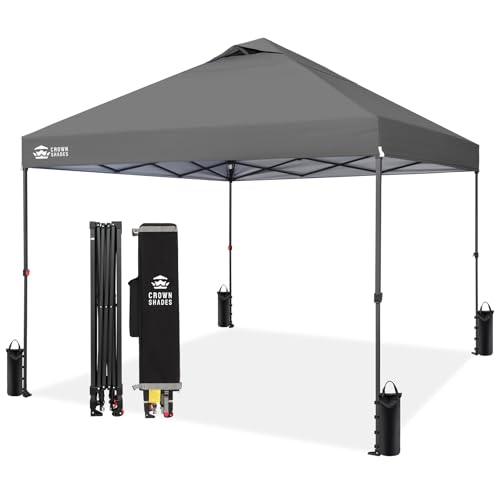
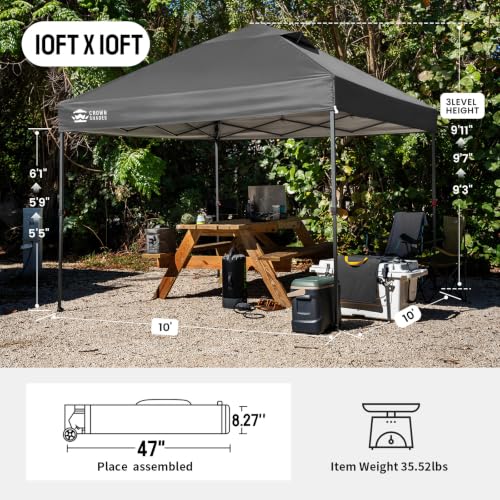
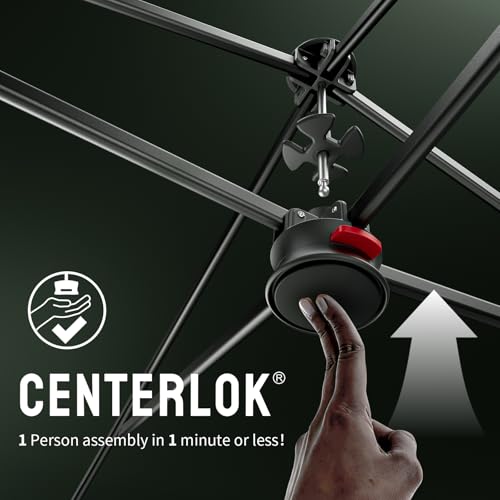
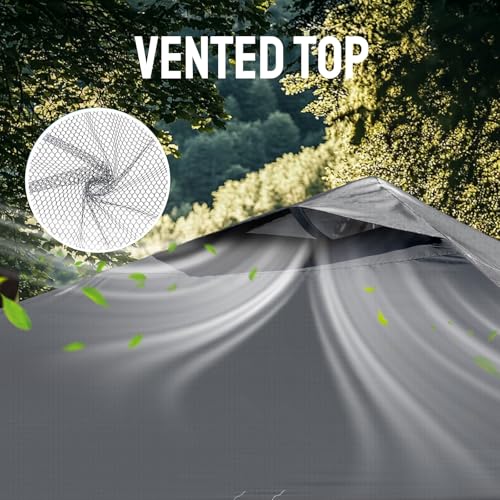
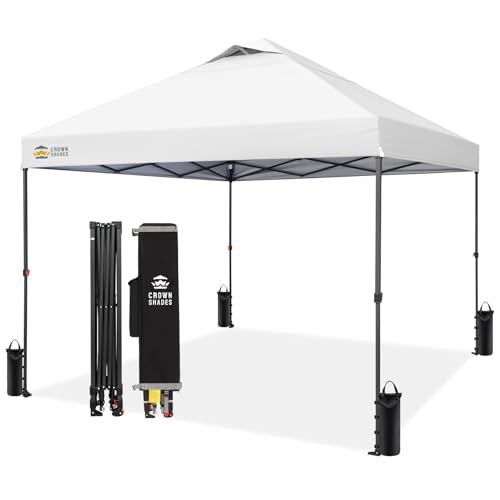
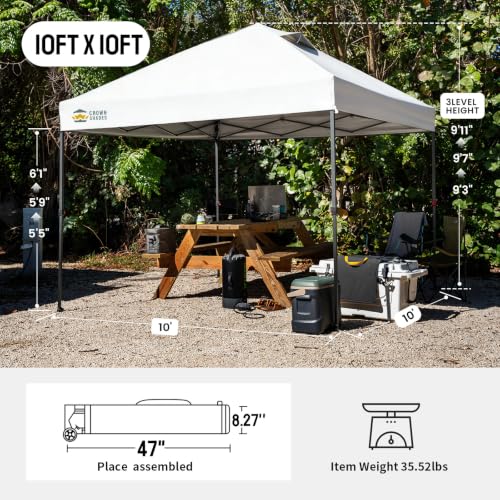
This CROWN SHADES model keeps coming up in forums as the most balanced all-rounder. The patented CENTERLOK system works slickly, owners say two people can deploy it in under 30 seconds, and the lack of crossbars overhead makes the interior feel more open than similarly sized tents. The 150D silver-coated fabric delivers real UPF 50+ protection, and the high peak design helps rain slide off instead of pooling.
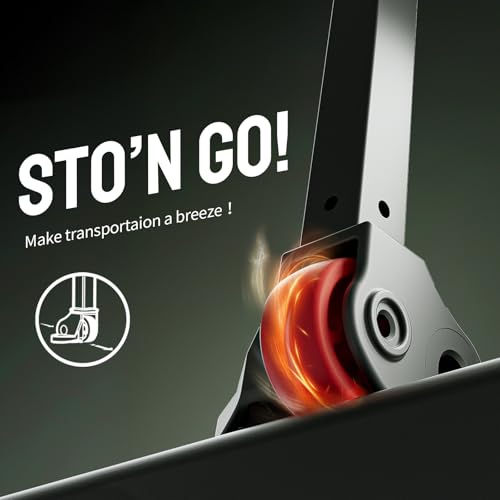
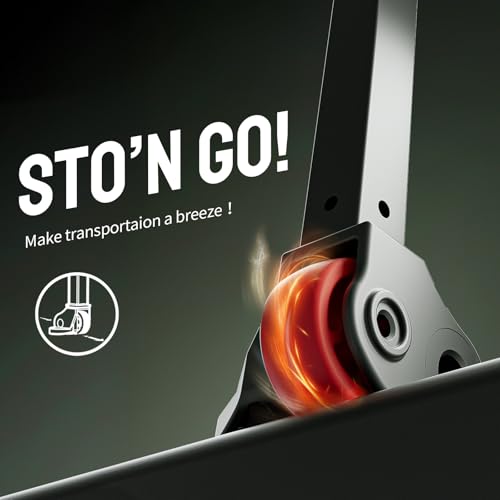
It’s backed by a 2-year parts warranty, which gives peace of mind, and the included stakes, sandbags, and STO-N-Go bag mean you’re rarely missing anything at setup. For most buyers, this is the easy pick if you want reliability without overpaying.
Product photos

CROWN SHADES 10×10 Pop Up Tent
Strengths
- Affordable price point
- Same core tech as premium model
- Includes sandbags and stakes
Trade-offs
- Fewer included stakes
- No sidewalls
- Simpler fabric finish
This is the budget twin of the Grid Grey model, and it’s clear CROWN SHADES didn’t cut corners on core performance. Same CENTERLOK push-button setup, same 150D UPF 50+ fabric, and same STO-N-Go bag with wheels on the feet. The difference? A slightly simpler finish and fewer included stakes, but not enough to hurt real-world use.
Owners consistently call it the best value under premium pricing, and for occasional users, say, weekend picnics or seasonal markets, it’s more than enough. I’d recommend this over pricier options if you don’t need daily use or sidewalls. It’s proof you don’t have to pay top dollar for reliable pop-up function.
Product photos

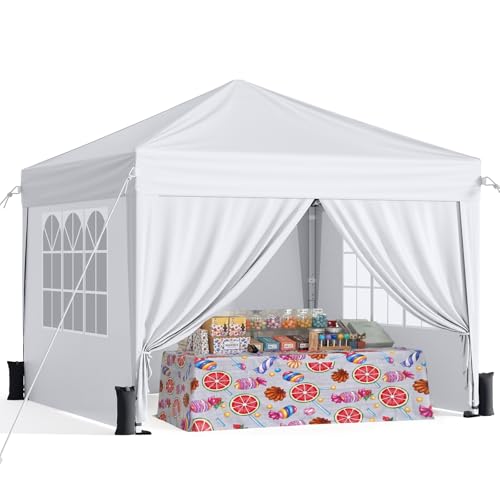
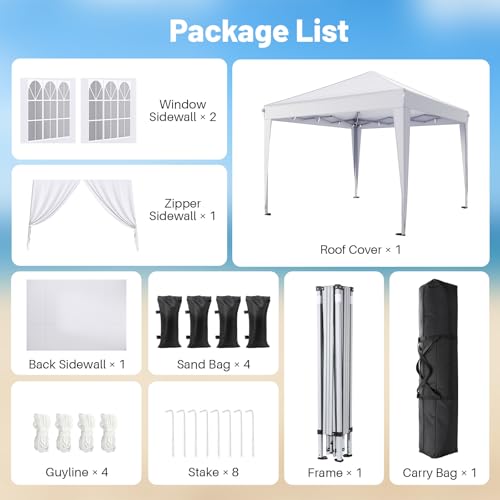
Driftalia 10×10 Pop Up Canopy with Sidewalls
Strengths
- Reinforced steel frame
- Removable clear sidewalls
- Spacious interior
Trade-offs
- Slightly heavier pack
- Slower takedown
- Sidewalls add bulk
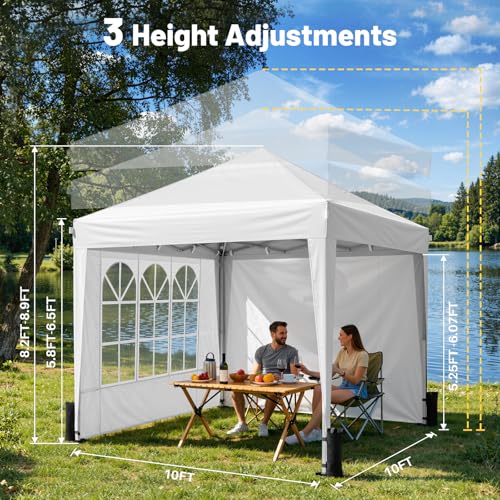
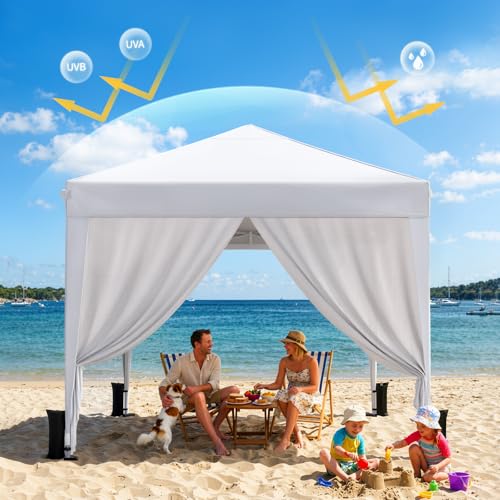
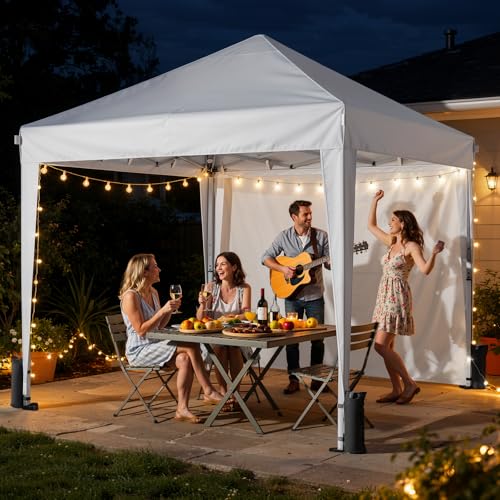
If you’re hosting an outdoor event and want privacy or light rain protection, the Driftalia with sidewalls is a smart pick. The 25mm frame is sturdier than most, and owners praise how solid it feels during breezy afternoons at markets or family BBQs. The sidewalls are easy to attach and made from clear, UV-resistant fabric that doesn’t turn claustrophobic in the sun.
It’s not the fastest to collapse, two people are ideal, but the trade-off is real structural confidence. The 31-lb packed weight is manageable, and the carry bag rolls smoothly. For anyone needing a semi-permanent-feeling pop up for events, this hits a sweet spot between strength and flexibility.
Product photos
Quictent 10×10 Screened Canopy Tent
Strengths
- Full mosquito netting
- Waterproof floor fabric
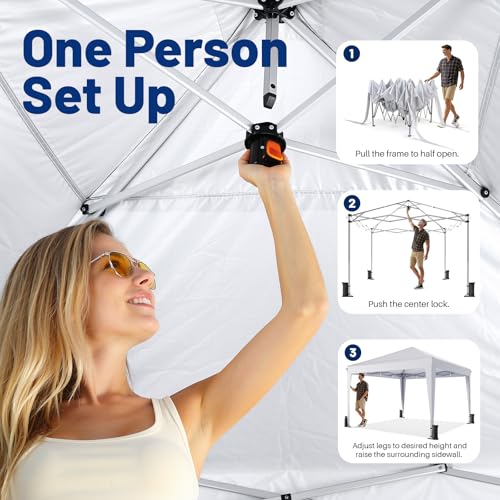
- Easy one-person setup
Trade-offs
- Less UV shade coverage
- Heavier than standard models
- Mesh can snag
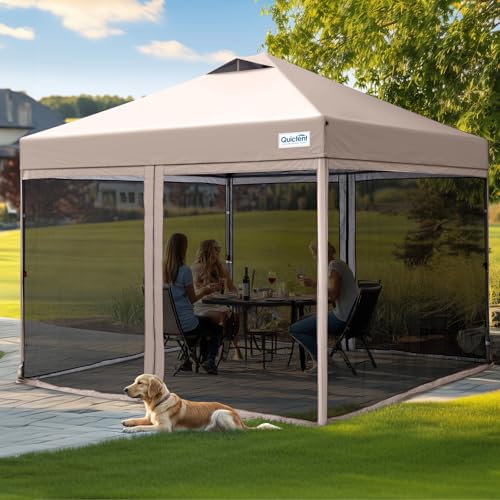
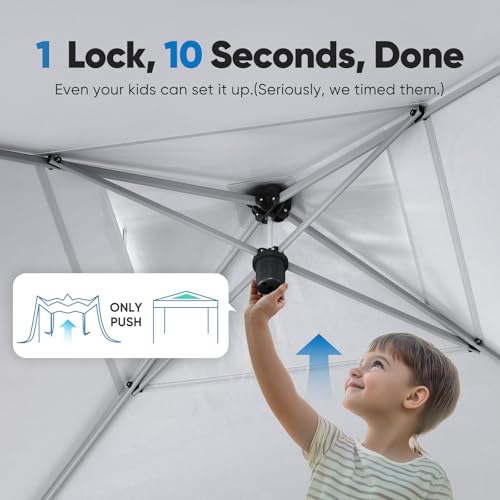
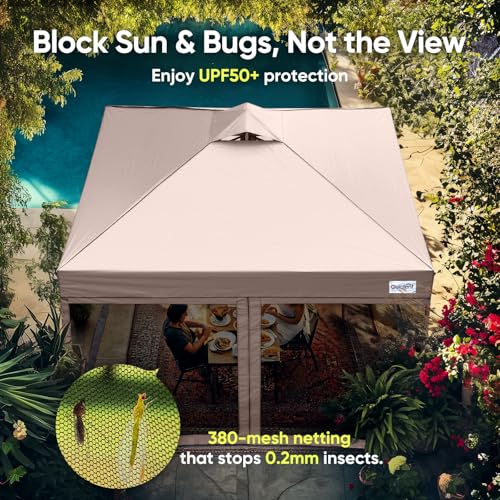
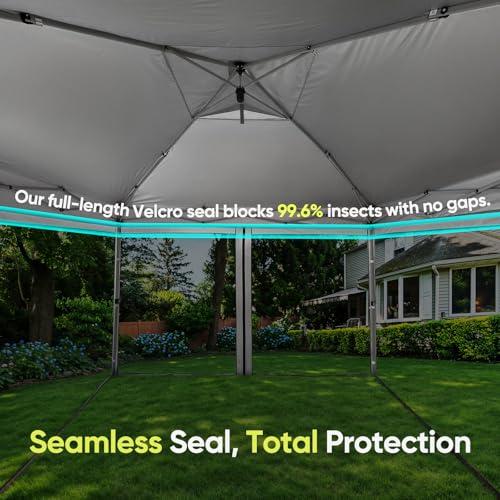
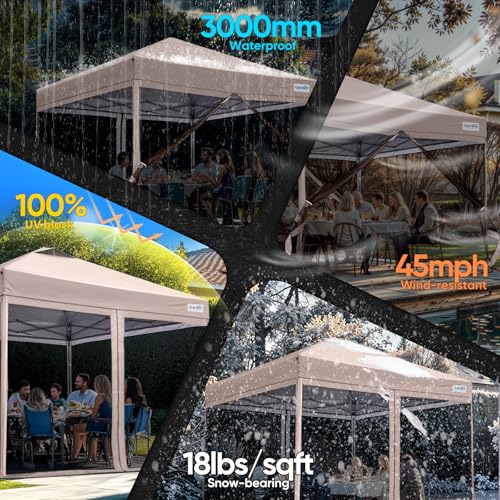
When bugs are the main threat, this Quictent screened version is hard to beat. The full 360-degree mesh with Velcro seals keeps mosquitoes out without sacrificing airflow, a big deal in humid climates. Owners love using it at dusk, when shade turns into bug season, and the 420D Oxford base adds real water resistance if dew or light rain hits the floor.
Setup is tool-free and mostly one-person friendly, though the screen panels need careful alignment. It’s heavier than open canopies, but the wheeled bag helps. Compared to others, this one trades airflow for protection, and for campers or lakeside picnics, that’s often the right call.
Product photos
Quictent 10×10 Lightweight Pop Up Canopy

Strengths
- Lightweight design
- Easy one-person setup
- Angled leg stability
Trade-offs
- Flimsier frame feel
- No included stakes or ropes
- Limited wind resistance
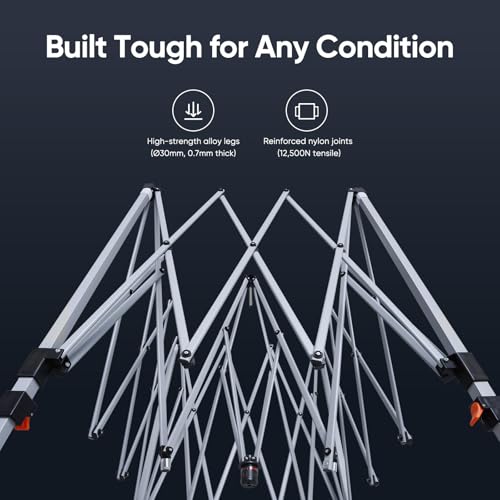
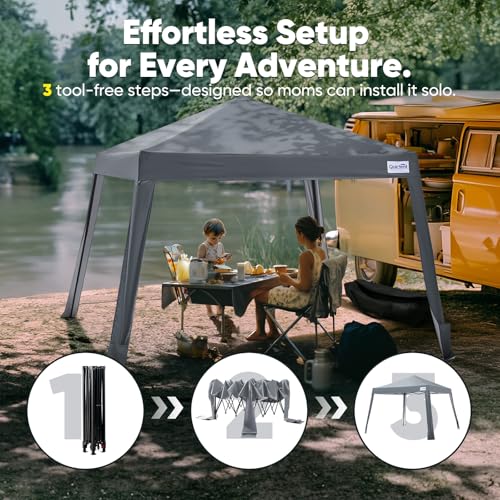
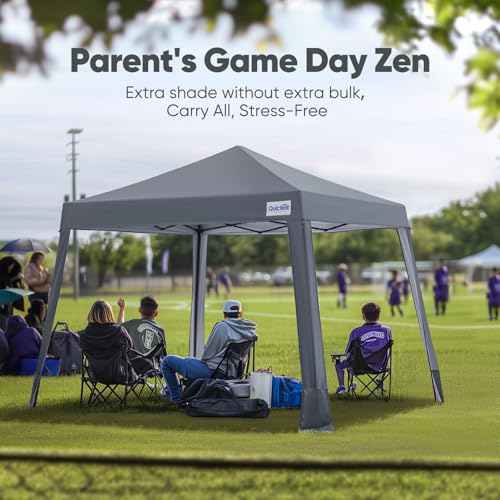
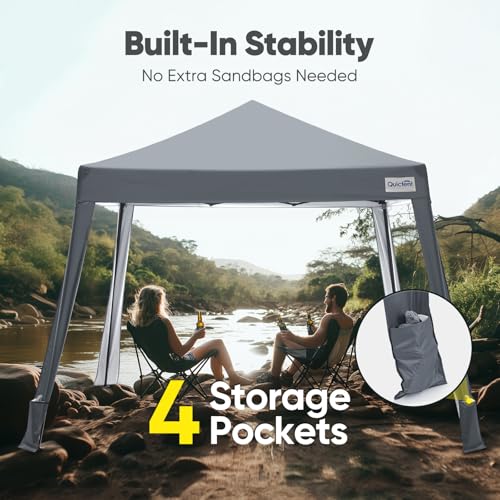
The Quictent 10×10 stands out for how effortlessly it folds down and slips into a car, owners consistently report it’s the lightest full-size pop up they’ve hauled to the beach or tailgate. The two-step setup really does work solo, which is rare in this class, and the angled leg design adds a noticeable boost in stability on uneven ground. On paper, it’s built for speed and mobility first.
Where it falls short is in accessories and long-term durability. Reviewers note the frame feels thinner than others in the 120-lb range, and while the sandbag weight system is clever, it doesn’t replace proper guy lines in windier spots. Still, for quick shade with minimal fuss, this is a strong contender.
Product photos
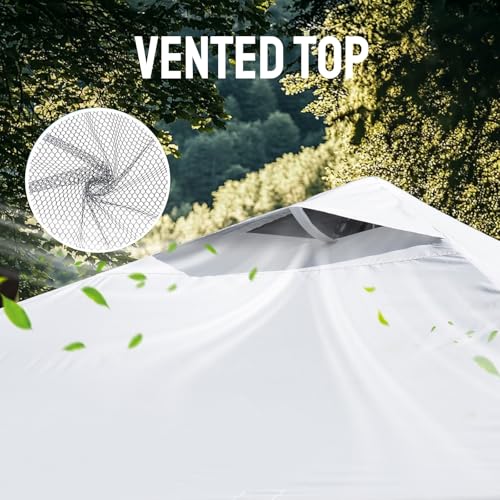
Yaheetech 10×10 Pop Up Canopy with Vent

Strengths
- Excellent wind resistance
- Large foot pads
- Full anchoring kit
Trade-offs
- Darker fabric absorbs heat
- Slightly slower setup
- Heavier packed weight
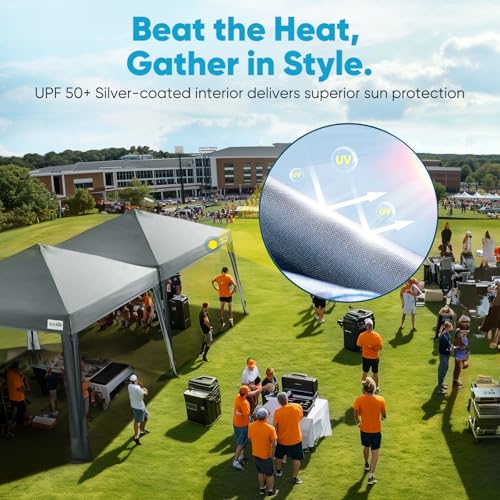
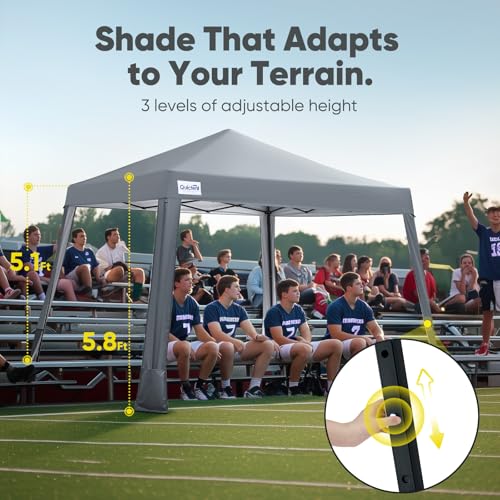
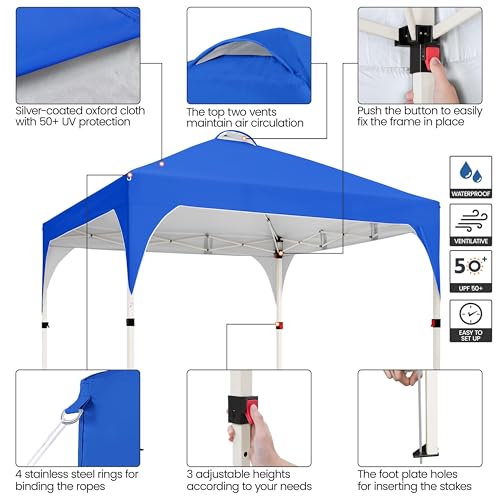
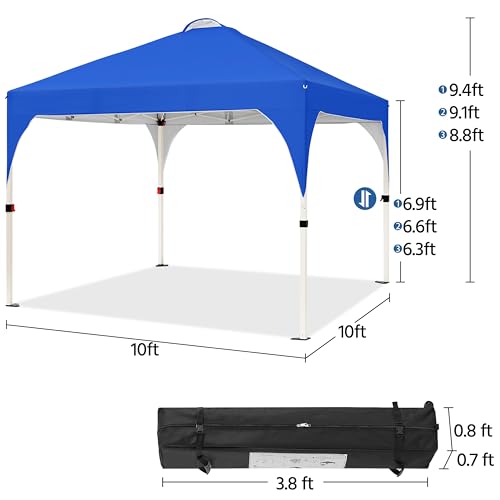
The Yaheetech model is built like a tank for wind-prone areas. The leg fabric covers and 12 included stakes create a much more anchored feel, reviewers note it holds up better than most in gusty beach conditions. The powder-coated steel frame resists rust, and the larger 4×4 inch feet distribute weight well on soft ground.
It’s not the fastest to set up, and the blue fabric runs hotter in direct sun than silver-coated versions, but the accessory bundle is unmatched. For anyone who’s had a canopy blow over once too often, this one’s worth the slight trade-off in ease.
Product photos


Driftalia 10×10 Instant Setup Canopy
Strengths
- Strong steel frame
- Compact folded size
- UV and water resistant
Trade-offs
- No height adjustment
- No sidewalls
- Basic ventilation
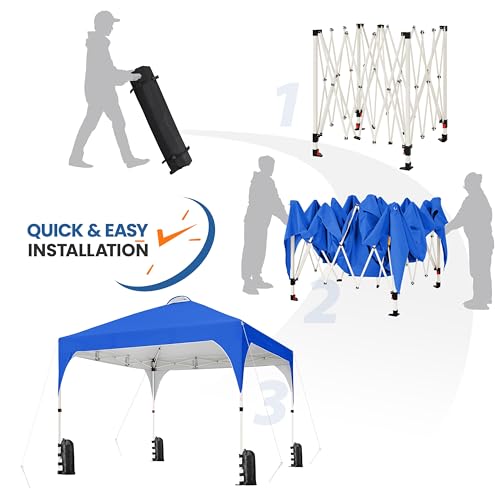
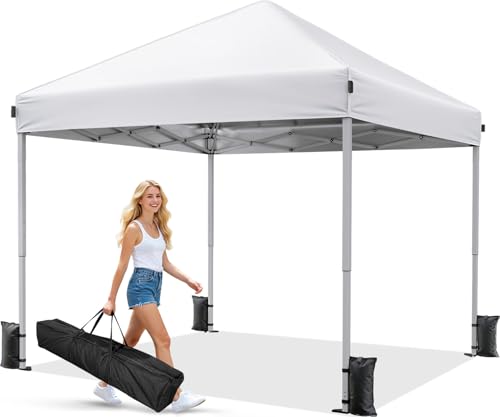
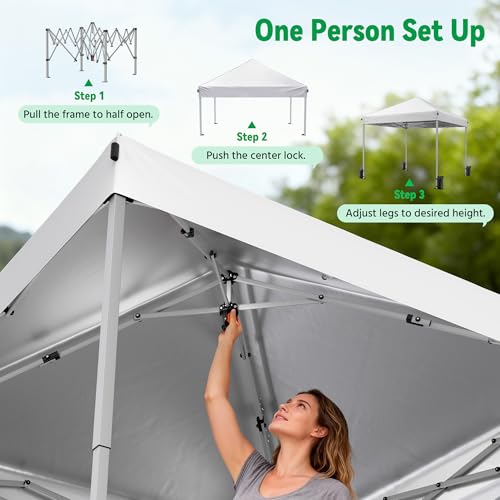
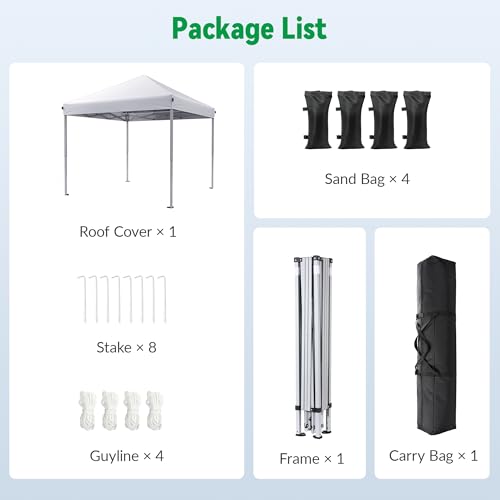
This Driftalia model is the definition of balanced value, solid 120-lb steel frame, UPF 50+ water-resistant fabric, and a clean one-push setup that works reliably. It includes sandbags and stakes, folds compactly, and has no crossbars overhead, which owners say makes it feel more spacious.
Compared to others, it doesn’t have sidewalls or height adjustability, but it nails the basics better than most. For first-time buyers or families wanting a “set it and forget it” canopy, this is the smarter buy. It’s not flashy, but it’s built to last seasons.
Product photos
WEIZE 10×10 Pop Up Canopy with Sidewall
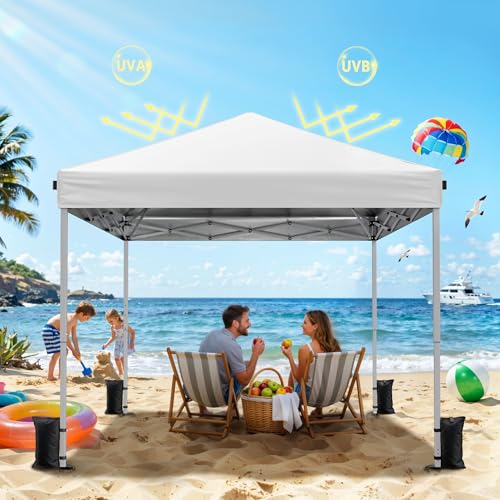
Strengths
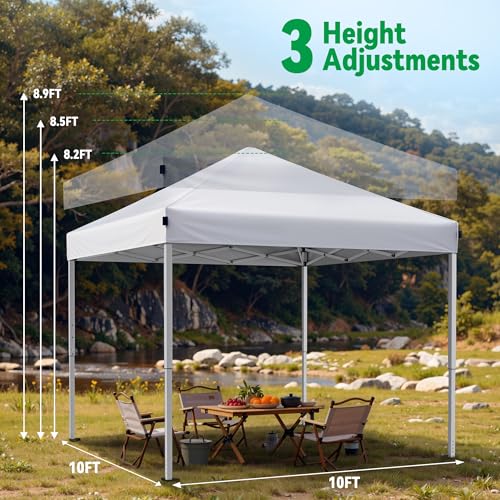
- Three height adjustments
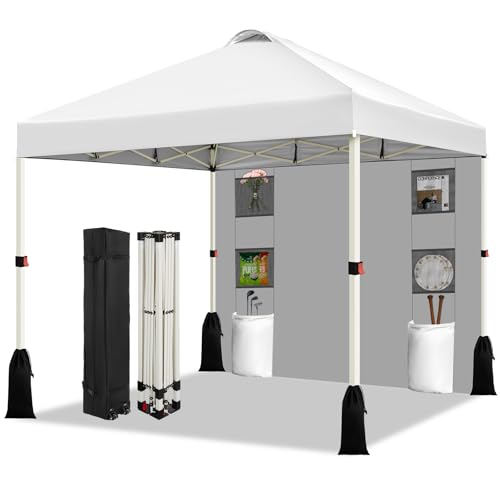
- Includes one sidewall
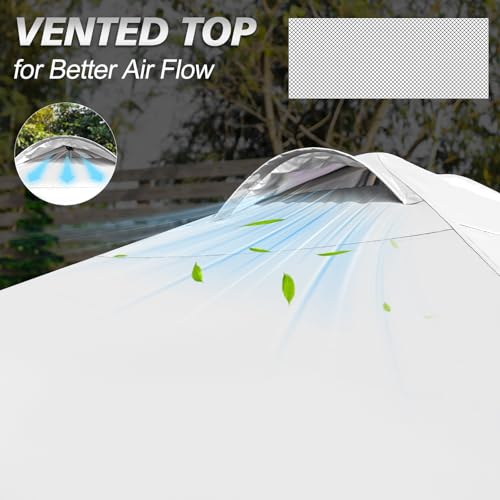
- Good ventilation
Trade-offs
- One sidewall only
- Frame slightly less rigid
- Lock mechanism can stick
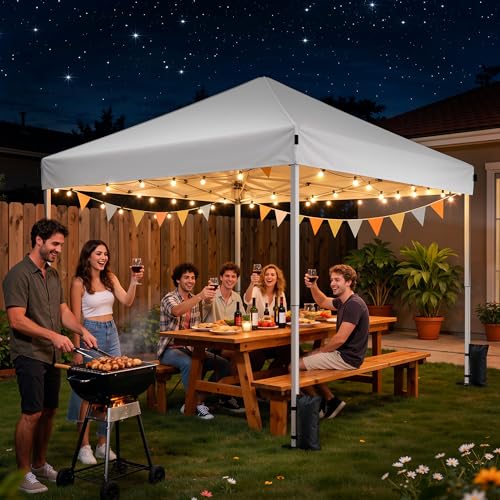
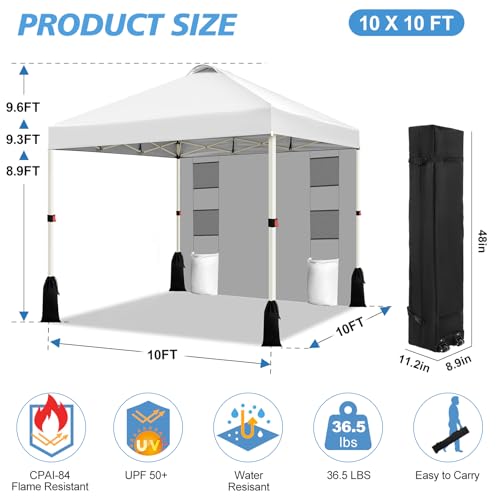
The WEIZE shines where others don’t, adjustable height. With three settings up to 9.6 feet, it offers more headroom and better rain runoff, which reviewers say makes a real difference during summer storms. The single sidewall is a nice touch for partial enclosure, whether you’re blocking wind or creating a semi-private corner at a festival.
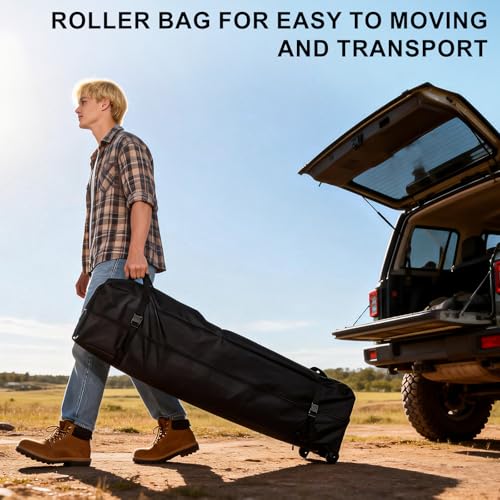
The roller bag is a win for mobility, but some owners note the central lock isn’t quite as smooth as CROWN SHADES’. Still, for the flexibility in height and included weight bags, it’s a practical upgrade from basic models. I’d pick this over fixed-height options if you’re often on uneven terrain or in mixed weather.
Product photos

How We Picked These pop up canopy tents
I approach researching pop up canopy tents as I do any gear for outdoor comfort – by looking closely at what features actually matter to people spending time outside. Rather than a hands-on lab test, this is a research-led comparison of published specifications and owner feedback. I compared models across key specs, then weighed those against reviews from owners and reputable outdoor gear sites, applying my experience with shelter design to assess overall value.
For pop up canopies, stability, ease of use, and fabric quality are paramount. A wobbly canopy isn’t useful, no matter how cheap. I prioritized models with robust frame construction and features like leg weight systems or included sandbags. Equally important is a quick setup process; the appeal of these tents lies in their convenience, and instant setup tents should live up to that promise.
Specifications reliably indicate frame material, canopy fabric denier (thickness), and UV protection ratings. However, real-world performance – how easily a canopy handles wind, or how durable the fabric truly is – is best gleaned from owner reviews. I paid close attention to comments regarding long-term use and any reported issues with the locking mechanisms or overall build quality, as well as how well different designs deliver on pop-up tent benefits. This helped me separate well-built options from those that might cut corners.
How To Choose The pop up canopy tents
Choosing the right pop up canopy tent depends heavily on how and where you plan to use it.
A good pop up canopy balances portability with stability, offering quick setup without sacrificing durability. Look for a robust frame (steel is preferable), a water-resistant and UV-protective canopy fabric (150D polyester is a solid baseline), and features that address your specific needs – like sidewalls for privacy or venting for hot weather. Pay attention to packed weight and dimensions if you’ll be transporting it frequently.
Frame Material and Stability
The frame is the backbone of any pop up canopy, and steel is generally the best choice. Aluminum is lighter, but it doesn’t offer the same level of strength, especially in windy conditions. I’ve seen too many flimsy aluminum frames buckle under even moderate gusts. Look for a frame with hardened through-bolts and a truss design, which distributes weight more evenly. A wider stance (leg width) also contributes to stability, as does a robust footpad design. Don’t overlook the importance of ground stakes and guy lines – even a well-built canopy can become a kite without proper anchoring.
Fabric Quality and Weather Protection
Don’t skimp on the canopy fabric. A higher denier (D) rating indicates a more durable material. 150D polyester is a common starting point, but you can find options with 300D or even 600D fabric for increased longevity. Crucially, the fabric should have a silver coating for UV protection (UPF 50+ is ideal) and a PU (polyurethane) coating for water resistance. Flame resistance (CPAI-84 compliant) is also a smart feature to look for.
Here’s what to consider when evaluating fabric: * Water resistance: A basic coating will handle light rain, but heavier downpours may require a more substantial waterproof treatment. * UV protection: Essential for long days in the sun, preventing fading and potential skin damage. * Durability: A thicker fabric will withstand more wear and tear, resisting rips and tears from wind or accidental damage.
Remember, even a water-resistant canopy isn’t fully waterproof. Prolonged exposure to heavy rain will eventually lead to leaks.
A canopy is only as strong as its weakest point. Don’t assume a low price means a good deal; often, it indicates corners were cut on materials or construction.
Portability and Ease of Use
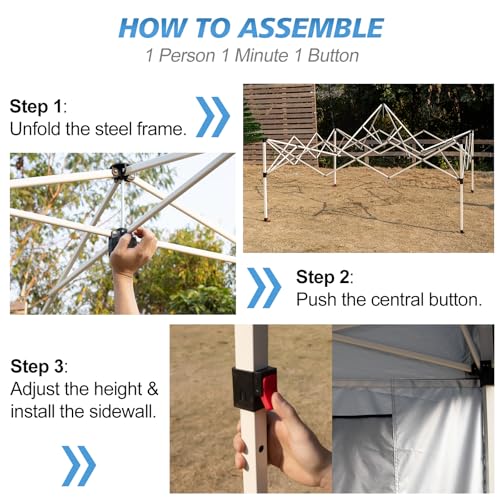
Pop up canopies are supposed to be easy to use, and that starts with portability. Weight matters, especially if you’re frequently setting up and taking down the canopy by yourself. Consider the packed dimensions, too – will it fit in your vehicle? A wheeled carry bag is a lifesaver. Beyond portability, ease of setup is paramount. The best models feature a one-button or one-touch setup mechanism. If you’re someone who values a quick and streamlined process, exploring easy-assembly canopy tents is a good idea. And when it’s time to pack up, knowing how to properly collapsing instant canopies is crucial for storage and longevity.
Pop Up Canopy Tents Compared
Here’s a comparison of key specifications for popular pop up canopy tents.
| Product Name | Size | Peak Height | Fabric (Denier) | UV Protection | Sidewalls |
|---|---|---|---|---|---|
| CROWN SHADES 10×10 Pop Up Canopy | 10×10 ft | 9+ ft | 150D | UPF 50+ | No |
| CROWN SHADES 10×10 Pop Up Tent | 10×10 ft | 9+ ft | 150D | UPF 50+ | No |
| Driftalia 10×10 Pop Up Canopy w/ Sidewalls | 10×10 ft | N/A | N/A | N/A | Included |
| Quictent 10×10 Screened Canopy Tent | 10×10 ft | N/A | 420D | N/A | Screened |
| Quictent 10×10 Lightweight Pop Up Canopy | 10×10 ft | N/A | N/A | N/A | No |
| Yaheetech 10×10 Pop Up Canopy w/ Vent | 10×10 ft | N/A | N/A | UPF 50+ | No |
| Driftalia 10×10 Instant Setup Canopy | 10×10 ft | 8.9+ ft | N/A | UPF 50+ | No |
| WEIZE 10×10 Pop Up Canopy w/ Sidewall | 10×10 ft | Adjustable | 150D | UPF 50+ | Included |
Frequently Asked Questions
What size pop up canopy should I get for a vendor booth?
A 10×10 foot canopy is standard for most vendor booths at festivals and markets. This size provides enough covered space for a table and displays, while still fitting within the allotted booth dimensions, and you can find many excellent event-ready pop-up tents in that size.
Are pop up canopies waterproof?
Most pop up canopies are water-resistant, not fully waterproof. The fabric is typically treated with a PU coating to handle light rain, but heavier or prolonged exposure will likely result in leaks.
How long will a pop up canopy last?
With proper care, a quality pop up canopy can last for several years. The lifespan depends on factors like fabric denier, frame material, frequency of use, and how well it’s stored when not in use.
What’s the difference between a 150D and 300D canopy fabric?
The ‘D’ stands for denier, a unit of thread thickness. A 300D fabric is significantly thicker and more durable than 150D, offering greater resistance to tears, abrasions, and UV degradation.
Can I use a pop up canopy on a hard surface like concrete?
Yes, but you’ll need to secure it properly. Standard stakes won’t work on concrete. Instead, use weight bags filled with sand or water, or consider canopies designed with heavier frames and footpads for added stability on hard surfaces.
The Bottom Line
Choosing a pop up canopy often comes down to balancing convenience with confidence in its build. While many options promise instant setup, the CROWN SHADES 10×10 Pop Up Canopy consistently rises to the top thanks to its robust frame and solid UV protection, offering a great blend of portability and reliability for most users. It’s a canopy you can count on for shade and shelter without wrestling with a complicated setup.
If you’re specifically looking for a budget-friendly option, the Yaheetech 10×10 Pop Up Canopy w/ Vent delivers a lot of value for the price. For those prioritizing enclosure and versatility, the Driftalia 10×10 Pop Up Canopy w/ Sidewalls offers a complete shelter solution, while the Quictent 10×10 Screened Canopy Tent is perfect for keeping bugs at bay. Knowing how to master pop-up tent assembly is key to enjoying any of these options.
Ultimately, the best pop up canopy isn’t the one with the most features or the lowest price, but the one that best suits your needs and how you intend to use it. Focus on a strong frame, durable fabric, and adequate weather protection – those fundamentals will provide years of reliable service, far beyond any flashy spec sheet.
