
7 Best Complete Grow Tent Kits of 2026
This post contains affiliate links. As an Amazon Associate, we earn from qualifying purchases.
The VIVOSUN Smart Pro 4×4 stands out as the best complete grow tent kit overall, delivering strong light and smart ventilation in one reliable package. For beginners or smaller spaces, the MARS HYDRO 3×3 offers solid performance at a lower price, while the AC Infinity AI 4×4 takes automation further for tech-focused growers.
If you’re new to indoor growing, the overwhelm is real, too many kits promise big yields but fall short on durability or real-world performance. I’ve researched dozens of setups, focusing on what actually matters: lights that feed your plants, airflow that prevents mold, and components that last season after season.
This guide cuts through the hype. I compared specs, read owner feedback, and weighed what experienced growers value most to bring you kits that deliver where it counts.
Top 7 Complete Grow Tent Kits in the Market
The Best Complete Grow Tent Kits, Reviewed
VIVOSUN Smart Pro Grow Tent Kit 4×4
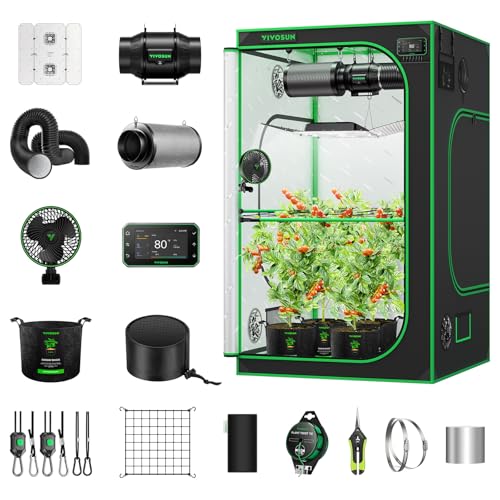
Strengths
- Built-in light fan
- 408 CFM ventilation
- 2000D pro-grade tent
Trade-offs
- App can be glitchy
- Bulky setup
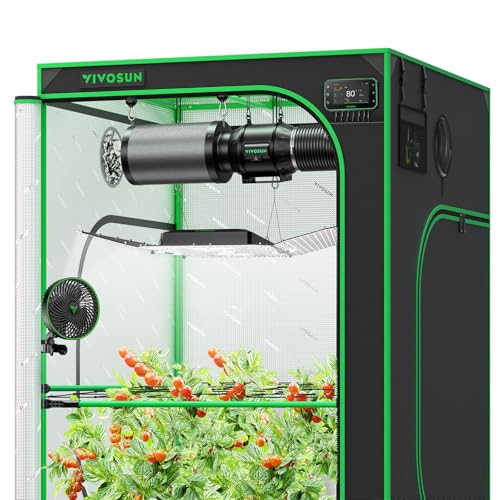
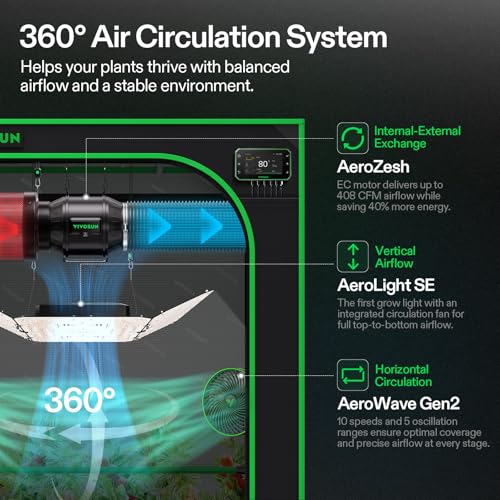
This is the most complete high-end kit available, and my pick for best overall. The 400W AeroLight AW400SE isn’t just tunable, it has a built-in circulation fan that pushes air vertically through the canopy, which owners say reduces hotspots and strengthens stems. The 6” AeroZesh inline fan delivers 408 CFM, one of the strongest in class, and runs quietly thanks to its EC motor.
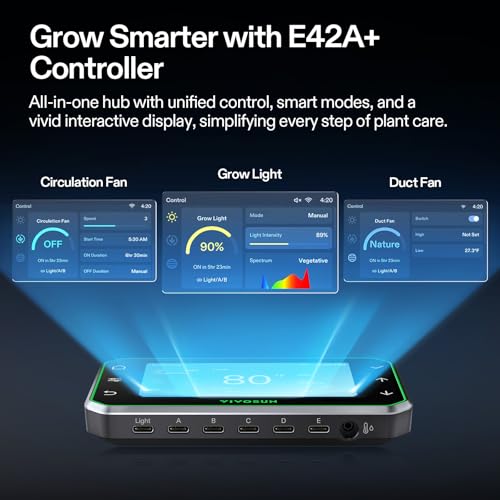
The GrowHub E42A+ ties everything together with seamless app control, and the 2000D tent with reinforced poles handles heavy loads and resists tears. Add in oscillating clip fans, prefilters, and a full accessory bundle, and there’s almost nothing you’d need to buy later. Compared to the AC Infinity, it’s less AI-driven but more powerful and practical out of the box.
Product photos

AC Infinity AI Grow System 4×4
Strengths
- True AI climate learning
- Superior 2000D reflectivity
- Dynamic airflow control
Trade-offs
- Higher price point
- AI setup has learning curve
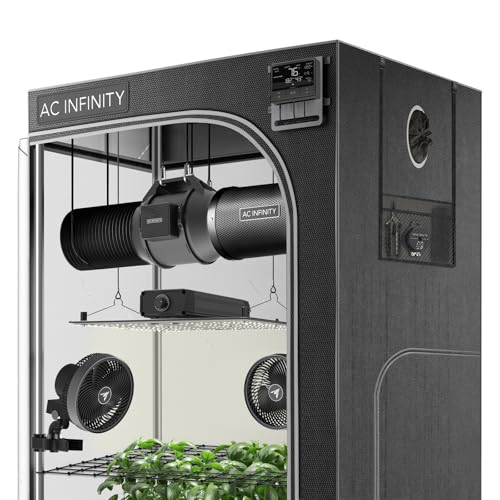
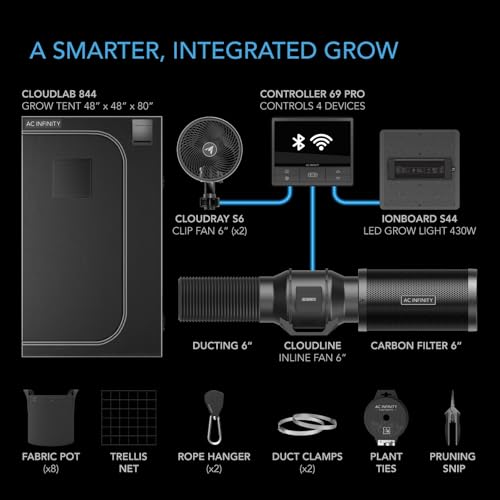
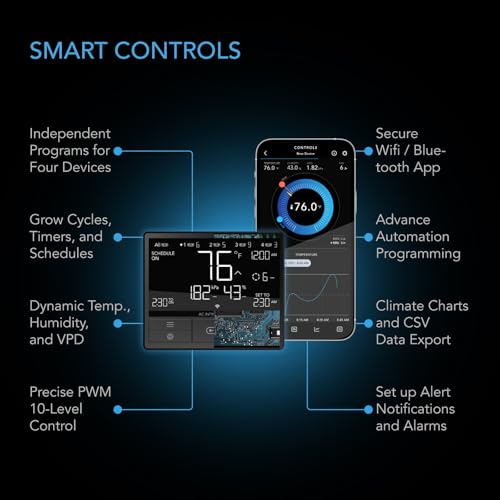
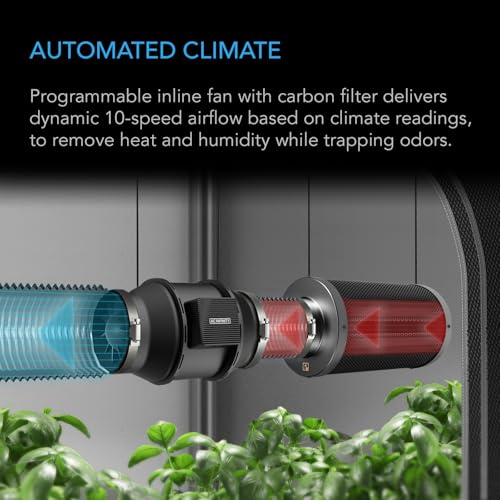
This is the most futuristic kit on the list, and it earns that title. The AI-driven controller doesn’t just react, it learns. Using real-time and historical data, it adjusts lighting, airflow, and climate proactively, which reviewers say reduces stress on plants and improves consistency. The app interface is clean and packed with insights, almost like having a grow advisor built in.
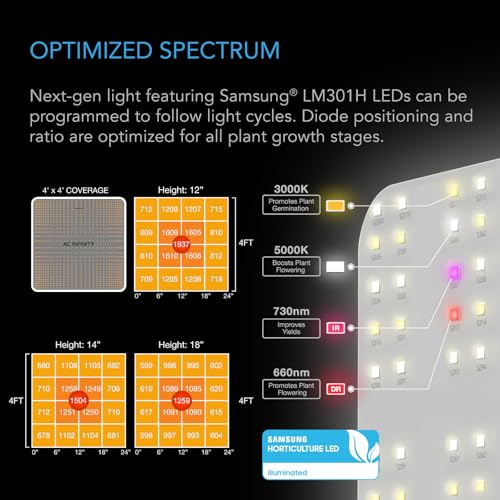
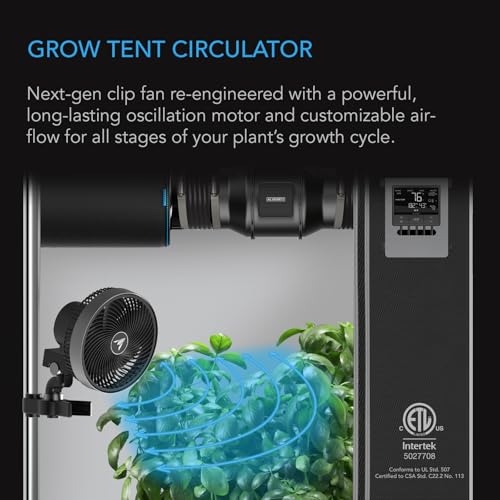
The hardware matches the brains: a 2000D Mylar tent with lab-verified reflectivity, a large zippered window for easy monitoring, and EC fans that dynamically respond to conditions. The LM301H light isn’t the most powerful, but it’s well-tuned and fully controllable. I’d pick this over others for anyone who values precision and long-term automation over raw power.
Product photos
Spider Farmer SF4000 4×4 Grow Kit
Strengths
- Elite PPE efficiency
- Heavy-duty 4×4 tent
- 5-year US service
Trade-offs
- Overkill for small grows
- No smart controller
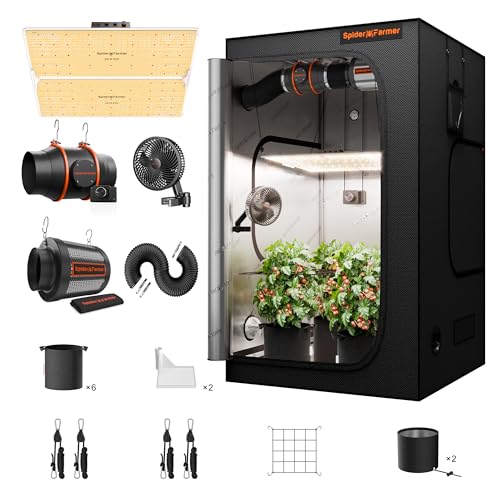
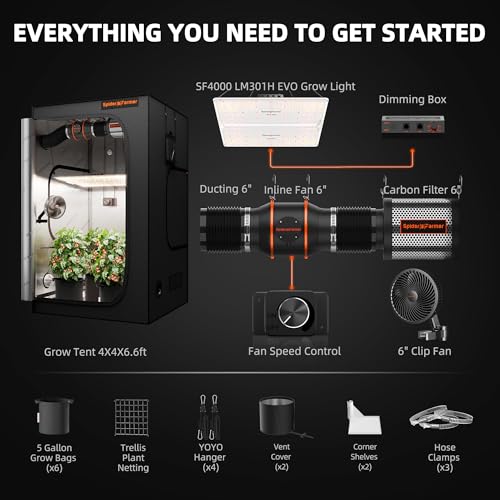
This is the kit serious growers reach for when yield is the priority. The SF4000 with Samsung LM301H EVO diodes pushes a class-leading 3.14 µmol/J, one of the highest PPE ratings in consumer grow lights. On paper, that means more usable light per watt, and owners confirm it translates to dense bud development and faster growth cycles.
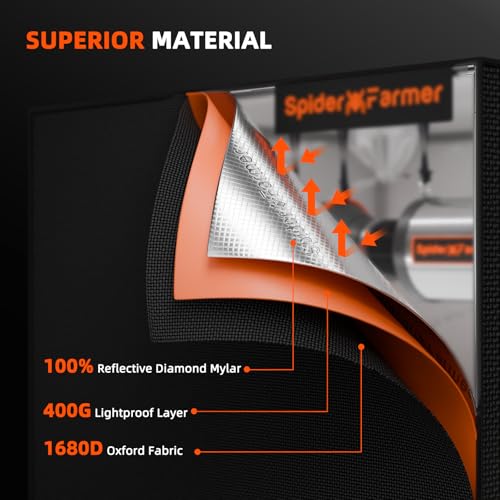
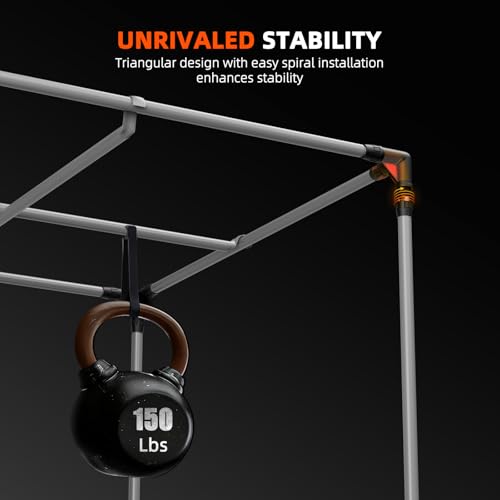
The 6” ventilation system is robust, with a high-CFM inline fan and RC412 carbon filter that handle odor like a commercial unit. Add in a clip fan with 7 speed settings, and airflow is fully customizable. The 4×4 tent is made with 1680D fabric and a rigid steel frame, built to last. My recommendation? This is the smarter buy over pricier boutique kits, it’s overengineered in the best way.
Product photos

MARS HYDRO 3×3 Grow Tent Kit
Strengths
- Excellent light spread
- Advanced VPD/CO2 control
- Quiet 205 CFM fan
Trade-offs
- No clip fan included
- Controller requires setup
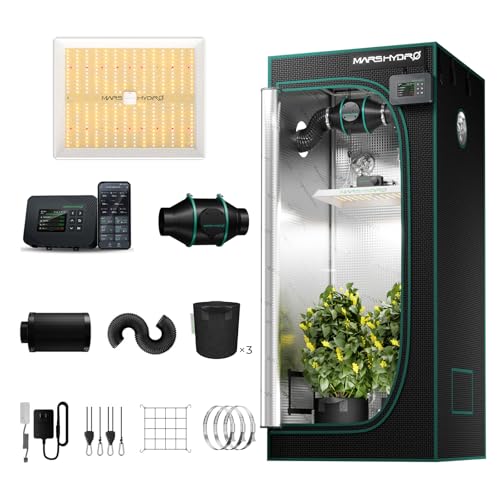
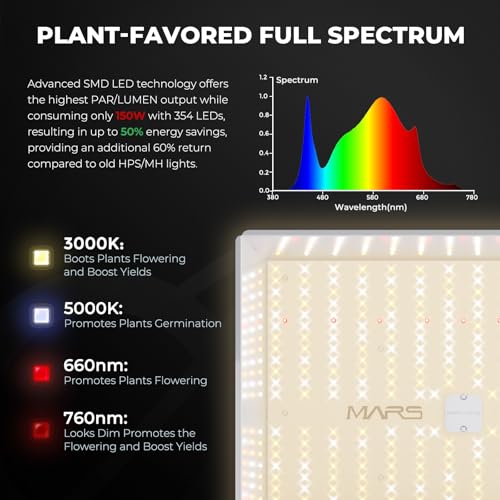
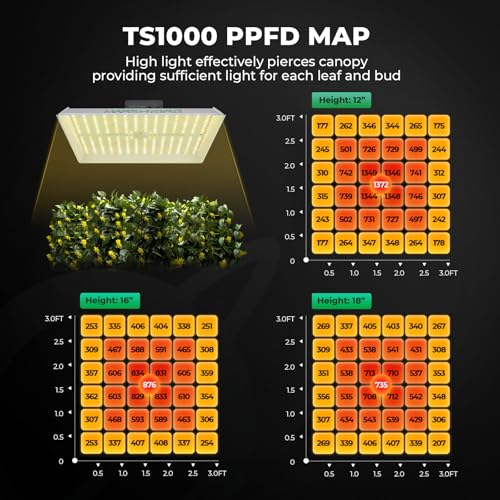
For mid-sized grows, this MARS HYDRO kit hits a sweet spot between automation and performance. The TS1000 light with 354 SMD LEDs and a 120° reflector spreads evenly across the 3×3 space, and the 150W draw with 0–100% dimming makes it energy efficient. Owners praise the light intensity and how well it stacks with canopy development, especially during flowering.
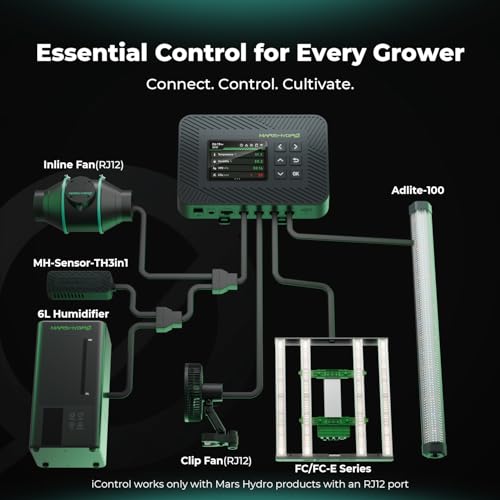
The Smart Controller 43 is a standout, it doesn’t just monitor temp and humidity, it can auto-adjust VPD and CO2 targets when paired with external devices. That’s rare at this level. The 205 CFM fan is quiet and effective, and the 1680D diamond mylar tent blocks light leaks better than most. I’d pick this over similarly sized kits for its smarter climate control and reliability.
Product photos

VIVOSUN Smart 2.7×2.7ft Grow Kit
Strengths
- Full smart ecosystem
- Well-stocked accessory bundle
- Balanced spectrum
Trade-offs
- Fan lacks power in heat
- Tent fabric is standard 600D
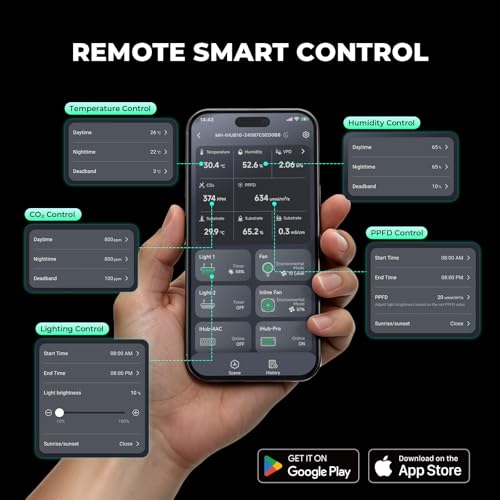
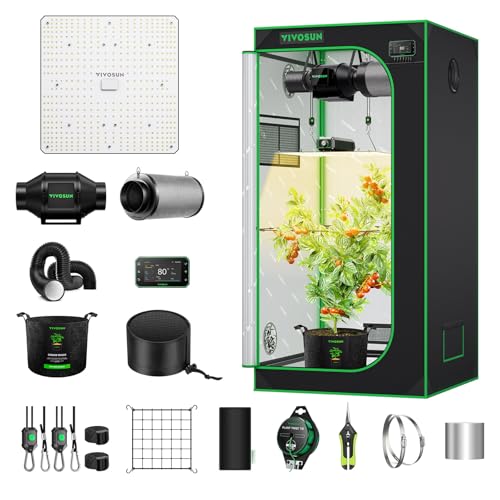
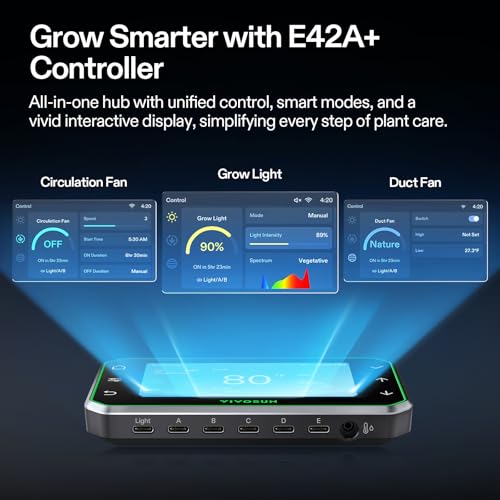
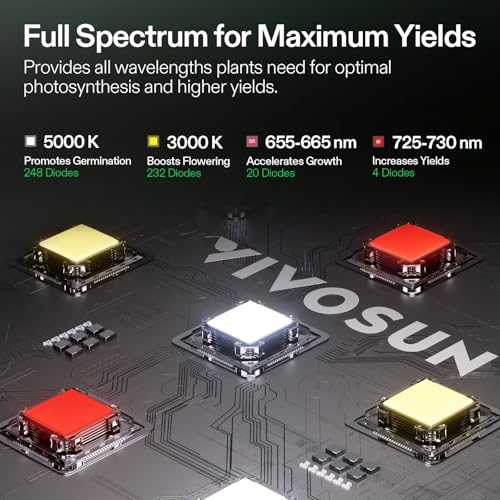
If you’re dipping into smart growing on a budget, this VIVOSUN kit offers impressive integration for the price. The GrowHub E42A+ is the real star, it syncs the 150W full-spectrum light, fan, and sensors into one app, and reviewers say the interface is intuitive and stable. The diode layout isn’t the most advanced, but the 3000K/5000K/660nm/730nm mix covers all growth stages well enough for moderate yields in its 2.7×2.7 space.
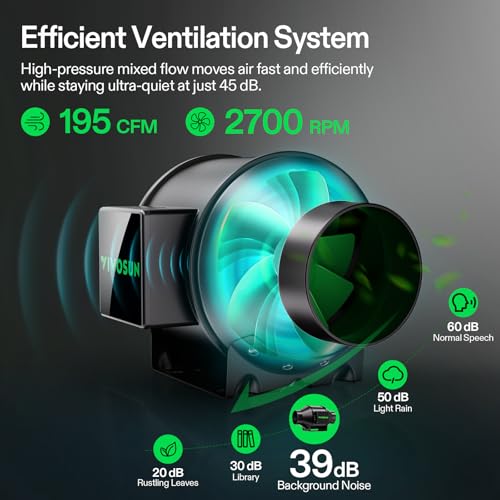
The included accessories like trellis nets, grow bags, and pruning shears make this feel like a true plug-and-play system. However, the fan only pushes 195 CFM, which some owners note can struggle in warmer rooms. Still, for a small-space grower who values automation and convenience, this kit delivers a lot of bang for the buck.
Product photos
Spider Farmer SF1000D 2×2 Grow Kit
Strengths
- Dimmable full-spectrum light
- Strong 1680D tent build
- Integrated app control
Trade-offs
- Limited coverage beyond 2×2 ft
- No oscillating clip fan
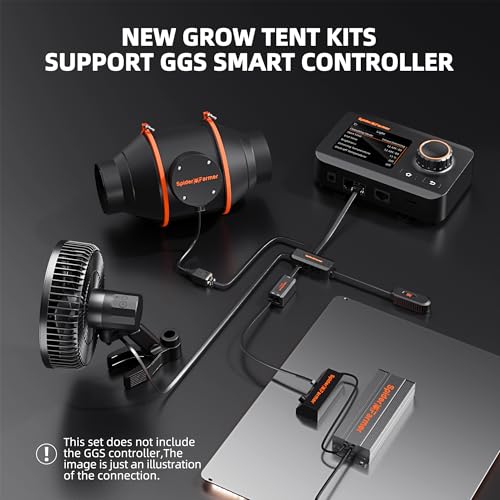
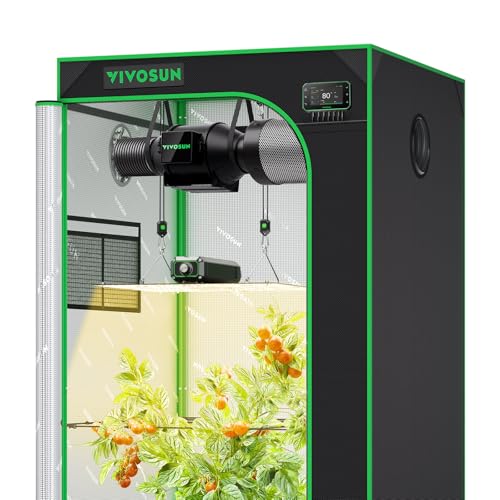
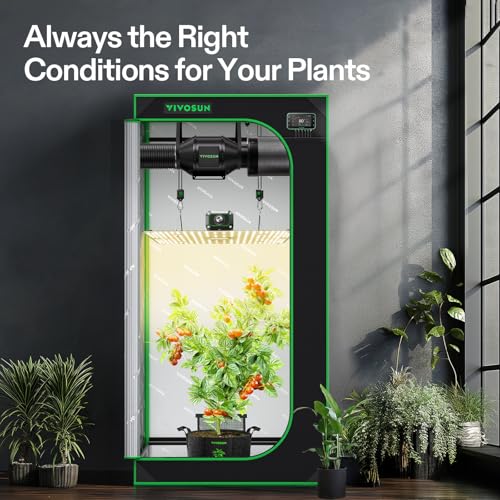
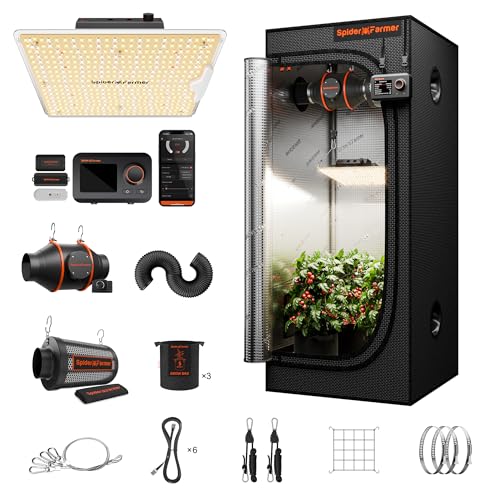
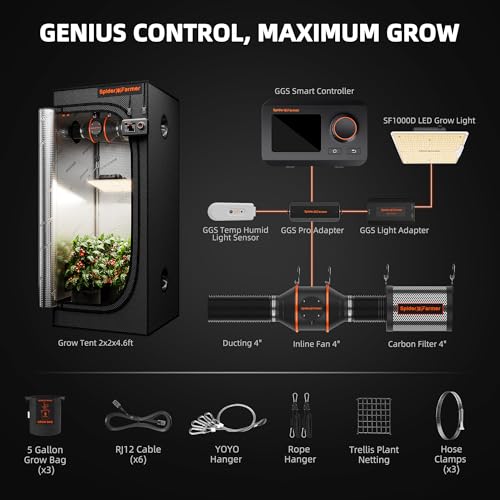
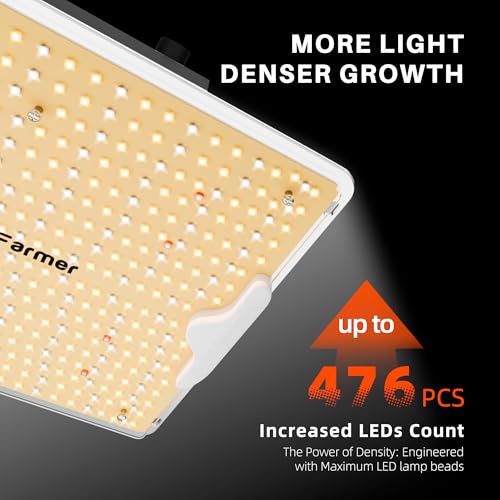
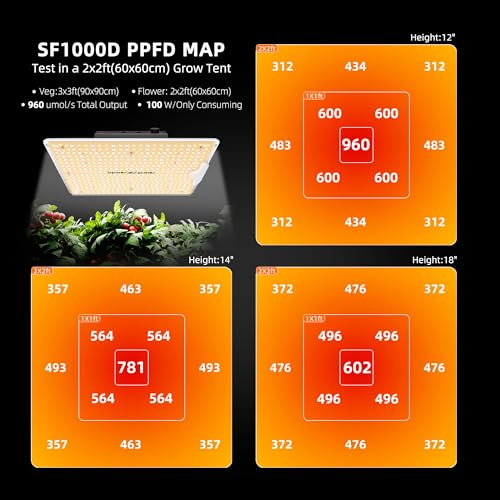
This compact 2×2 kit is built for beginners who want solid performance without complexity. The SF1000D light with Bridgelux diodes delivers a respectable 2.5 µmol/J, which on paper means efficient growth for a 100W draw. Owners consistently report strong veg and decent flower results for small yields, especially when paired with the included GGS controller that brings real automation to a budget-friendly footprint.
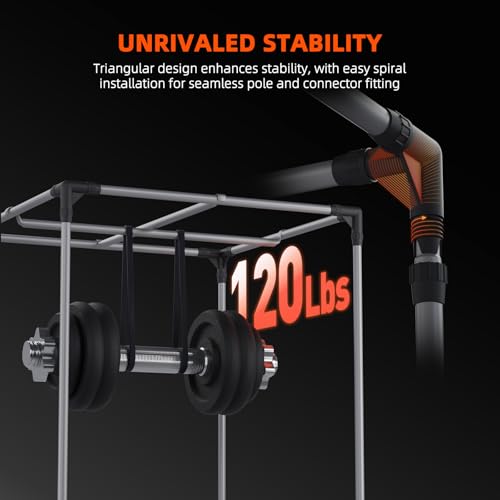
What stands out is how well-matched the components are, the 4” ventilation system with a quiet EC motor and RC412 filter handles odor well, and the 1680D tent itself is overbuilt for its size, with double stitching and a leak-proof tray. It’s not the most powerful system, but for a first-time grower or a stealth setup, it’s a smart, no-fuss entry point.
Product photos
TopoGrow 300W 32″x32″ Grow Kit

Strengths
- Affordable full setup
- Includes timer and tools
- Decent airflow kit
Trade-offs
- Outdated LED tech
- 600D tent fabric
- Shorter light lifespan
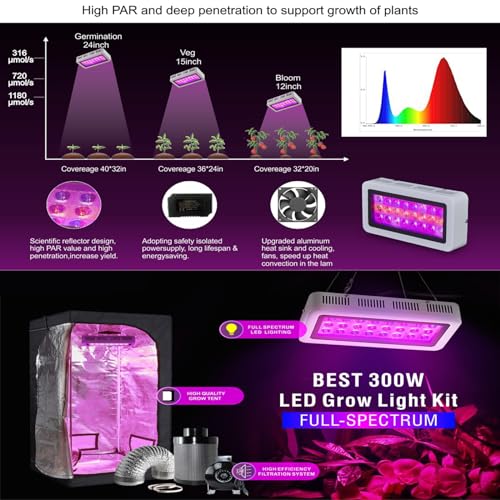
This kit is a value play, and it shows. The 300W light uses older 3W chip tech with red, blue, and purple diodes, which isn’t as efficient as modern full-spectrum SMDs. Owners note the heat output and shorter lifespan (5000 hours), but for the price, it gets the job done for small grows. The tent is 600D, which is thinner than others here, but the double-stitched seams and light-blocking zipper flaps help compensate.
Where it wins is completeness: it includes a timer, hygrometer, shear, and trellis netting, basics many brands skip. For someone who wants everything in one box without smart features, this is a solid pick. But compared to Spider Farmer or MARS HYDRO, it’s a step down in performance and durability.
Product photos
How We Evaluated complete grow tent kits
Rather than a hands-on lab test, my research for these recommendations was a detailed comparison of published specifications and features across numerous kits. I weighed owner reviews – focusing on long-term reliability reports – alongside expert reviews from horticultural publications. As someone deeply familiar with tent construction and plant needs, I applied my category knowledge to rank kits against criteria important for successful indoor growing.
For complete grow tent kits, the most heavily weighted factors were ventilation capacity and light quality. Sufficient airflow is critical to prevent mold and maintain consistent temperatures, while the light spectrum and intensity directly impact plant growth and yield. Smart automation features also played a large role, as they can simplify environmental control, but were secondary to core performance.
Specifications reliably indicate airflow (CFM) and light output (PPFD/PPE). However, I heavily relied on owner feedback to assess the durability of tent materials, the quietness of fans, and the actual usability of smart controllers. Reputation, looking at which brands are consistently praised by experienced growers and considered among the top grow tent manufacturers, was also a key indicator of overall quality and customer satisfaction.
How To Pick The Right complete grow tent kits
Choosing the right grow tent kit can feel overwhelming, but getting it right sets you up for a successful and bountiful harvest.
A truly effective grow tent kit balances light quality and intensity with robust environmental control. Focus on full-spectrum LEDs, adequate ventilation (CFM ratings matter!), and a tent constructed from durable, light-blocking materials. Smart features are a bonus, but reliable core components are paramount.
Light Spectrum & Intensity
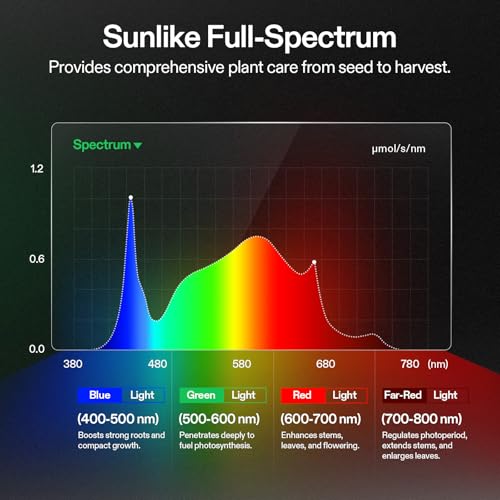
Don’t get hung up on wattage alone. While higher wattage can mean more light, the quality of that light is far more important. Look for kits utilizing Samsung LM301H or newer EVO diodes, as these offer superior efficiency and a spectrum tailored for plant growth. Many kits now offer adjustable spectrums, letting you fine-tune the light for vegetative or flowering stages. Cheaper lights often skimp on red and blue wavelengths, crucial for photosynthesis, so research the spectral output before committing.
Ventilation & Airflow
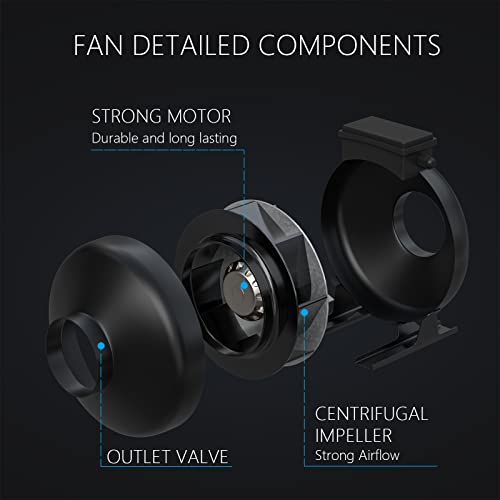
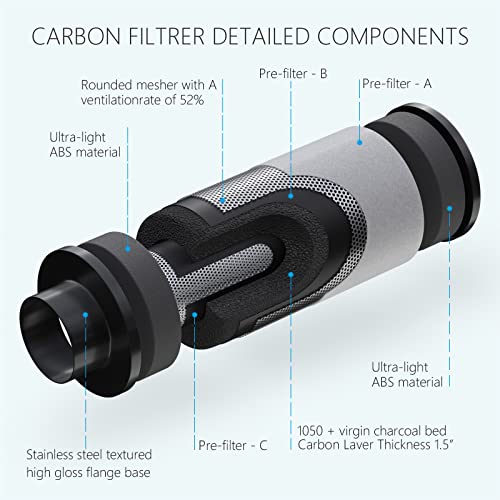
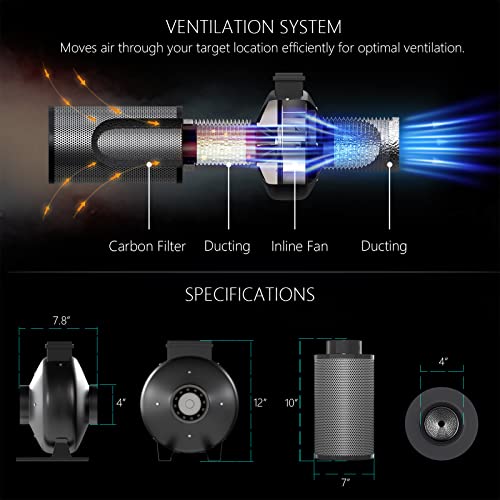
Proper ventilation isn’t just about odor control; it’s about providing fresh CO2, regulating temperature, and preventing mold and mildew. The CFM (cubic feet per minute) rating of the inline fan is key, but consider the size of your tent. A 4×4 tent generally needs at least a 400 CFM fan, while smaller tents can get away with less. Don’t forget the carbon filter – a good one will eliminate smells effectively. A clip fan to circulate air within the tent is also essential to prevent stagnant air pockets. If you’re looking for even more control, explore kits that integrate with smart controllers to automate fan speeds based on temperature and humidity.
Smart Features & Automation
Smart features are becoming increasingly common in grow tent kits, and they can genuinely simplify the growing process. Kits like the AC Infinity AI Grow System offer AI-driven controllers that predict climate shifts and automatically adjust settings. However, these systems often come with a higher price tag. If you’re a beginner, a simpler, non-smart kit can be a great starting point. Consider whether you really need remote monitoring and automated adjustments, or if you’re comfortable manually adjusting settings based on your plant’s needs. If you’re building a complete grow tent system from scratch, you’ll need to source all your essential grow tent accessories separately.
A rule of thumb: always overestimate your ventilation needs slightly. It’s easier to reduce airflow than to add it later.
For those looking for a wider range of options, check out our guide to the complete grow tent kits available. You might also want to explore pre-packaged grow tent bundles to save time and money.
Complete Grow Tent Kits Compared
Here’s a comparison of key specs for various complete grow tent kits to help you make an informed decision.
| Product Name | Tent Size | Light Wattage | Ventilation CFM | Smart Control | Carbon Filter Size |
|---|---|---|---|---|---|
| VIVOSUN Smart Pro 4×4 | 48″x48″x80″ | 400W | 408 | Yes | 6″ |
| AC Infinity AI 4×4 | 4×4 ft | N/A | 6″ | Yes | N/A |
| Spider Farmer SF4000 4×4 | 4×4 ft | N/A | 412 | No | 6″ |
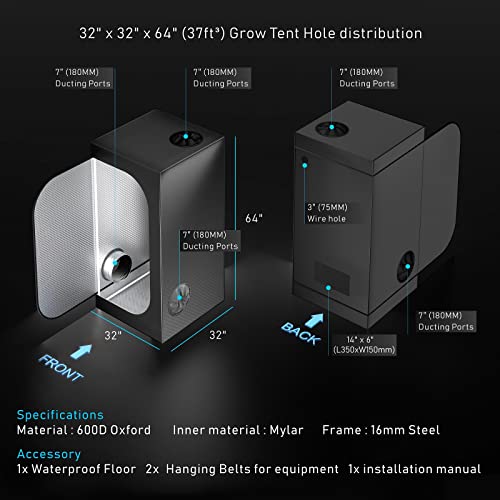
| MARS HYDRO 3×3 | 32″x32″x63″ | 150W | 205 | Yes | 4″ |
| VIVOSUN Smart 2.7×2.7ft | 32″x32″x62″ | 150W | 195 | Yes | 4″ |
| Spider Farmer SF1000D 2×2 | 2x2x5 ft | 100W | 205 | Yes | 4″ |
| TopoGrow 32″x32″ | 32″x32″ | 300W | 190 | No | 4″ |
Frequently Asked Questions
What size grow tent kit should a beginner start with?
I generally recommend a 2×2 or 3×3 foot tent for beginners. These smaller sizes are more manageable in terms of cost, space, and environmental control, allowing you to learn the basics without being overwhelmed.
Are more expensive grow tent kits always better?
Not necessarily. While a higher price often reflects better components, a kit’s value depends on your specific needs. Focus on the quality of the light and ventilation system rather than simply spending the most money.
What’s the difference between PPFD and wattage when it comes to grow lights?
PPFD (Photosynthetic Photon Flux Density) is a more accurate measure of light usable by plants than wattage. PPFD tells you the amount of light actually reaching your plants, while wattage only indicates energy consumption.
How often do I need to replace the carbon filter in my grow tent?
Carbon filters typically need replacing every 6 to 12 months, depending on usage and humidity levels. You’ll know it’s time to replace it when you start noticing odors escaping the tent, even with the fan running.
Where can I find more information on setting up a 4×4 grow tent?
If you’re considering a larger setup, our guide to the 4×4 grow tent kits provides detailed information on selecting the right components and maximizing your yield.
The Bottom Line
Ultimately, choosing a complete grow tent kit comes down to balancing your budget with the level of control you want over your growing environment. For most growers, I recommend the VIVOSUN Smart Pro 4×4 – it offers a solid combination of light power, ventilation, and smart features without breaking the bank, and consistently receives positive feedback regarding its build quality.
If you’re just starting out or have a limited space, the Spider Farmer SF1000D 2×2 is an excellent choice. For those prioritizing versatility and a smaller footprint, the MARS HYDRO 3×3 kit provides a good balance of features and size, and is a solid option for those needing a more compact setup. Remember, a kit is just a starting point; understanding key grow tent features is crucial for long-term success.
Beyond the specs, remember that consistent monitoring and adaptation are more valuable than any individual component. A powerful light won’t compensate for poor nutrient management, and a high-CFM fan won’t fix a pest infestation. Focus on understanding your plants’ needs and creating a stable, controlled environment, and you’ll be well on your way to a rewarding harvest.
