
7 Best Grow Lights for 3×5 Tent 2026
This post contains affiliate links. As an Amazon Associate, we earn from qualifying purchases.
The Spider Farmer G4500 is the best overall grow light for a 3×5 tent, delivering strong, efficient full-spectrum coverage with excellent owner feedback on longevity. For a tighter budget, the VIPARSPECTRA P4000 offers solid performance at a lower price, while the KingLED KP4000 stands out if you want room to expand.
Most growers struggle to balance power, efficiency, and cost when lighting a 3×5 space. Too little light and your plants stretch. Too much heat or energy draw, and your setup becomes a hassle. I’ve researched the top options by comparing specs and real-world feedback to find lights that actually perform in this mid-sized footprint.
This guide cuts through the marketing hype. I focused on true wattage, PPFD output, spectrum quality, and reliability, key factors that determine whether a light will support healthy growth from seed to harvest. You’ll get clear comparisons, no fluff, and honest takeaways from owners who’ve run these lights for months.
Top 7 Grow Lights For A 3X5 Grow Tent in the Market
The Best Grow Lights For A 3X5 Grow Tent, Reviewed
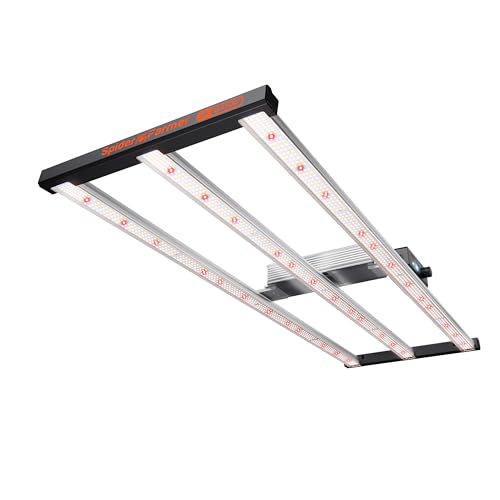
Spider Farmer G4500 320W LED Grow Light
Strengths
- Even canopy coverage
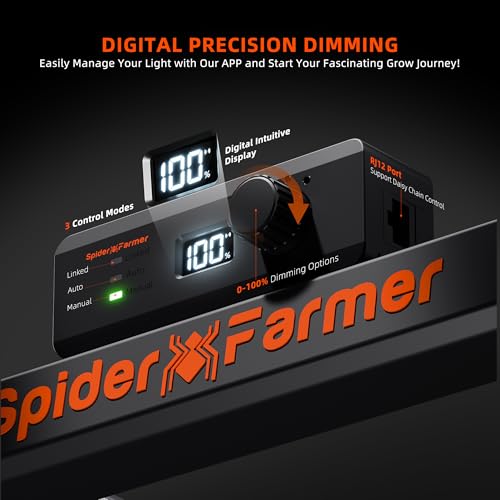
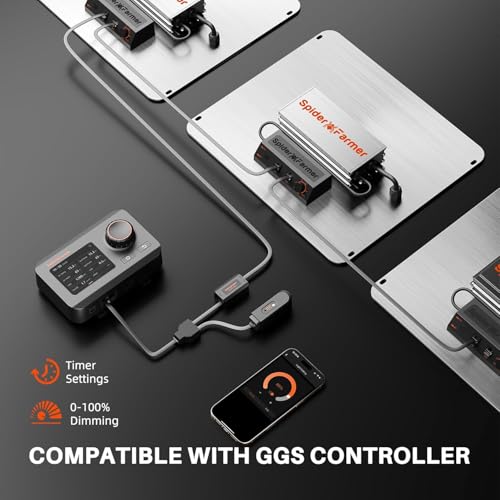
- Smart app control
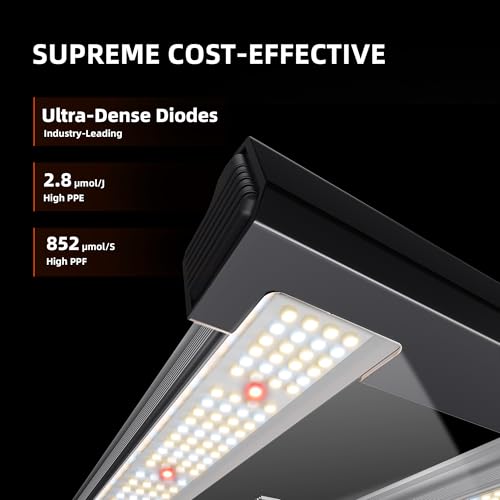
- High PPE efficiency
- 5-year warranty
Trade-offs
- Premium price
- Bar design may need mounting adjustments
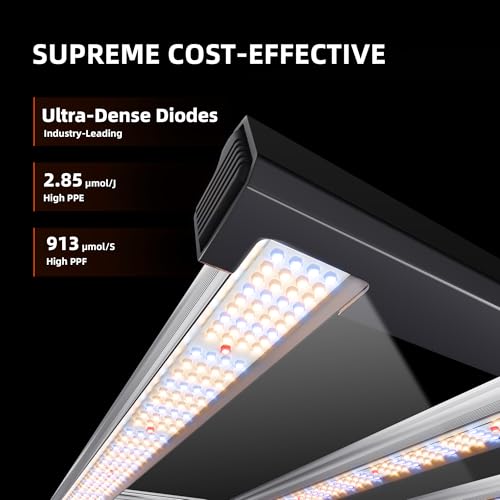
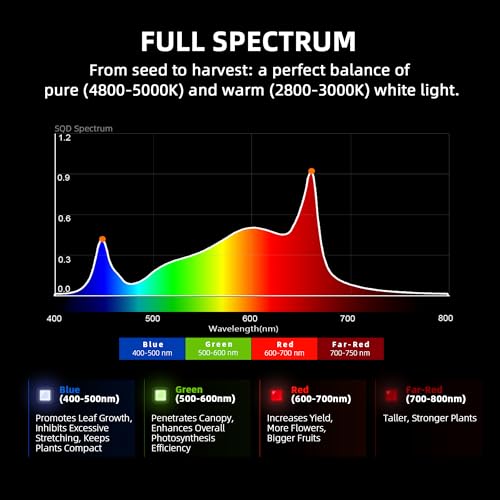
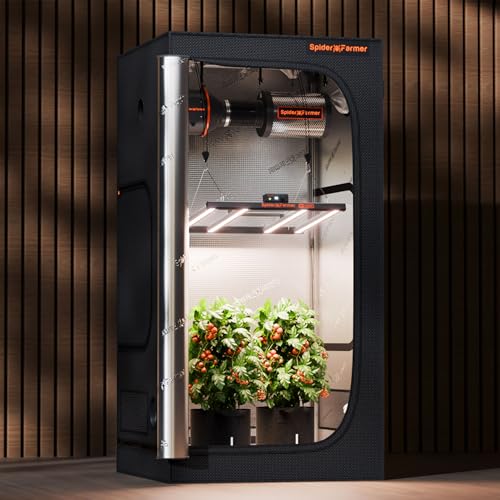
If you’re running a 3×5 tent, the Spider Farmer G4500 hits the sweet spot between coverage, efficiency, and smart features. Its bar-style design delivers uniform light distribution edge to edge, which owners confirm reduces shadowing and promotes even growth, critical in a rectangular 3×5 space. With a PPE of 2.85 μmol/J, it’s efficient, and the full spectrum (3200–5000K + 660nm red) supports strong veg and dense flowering.
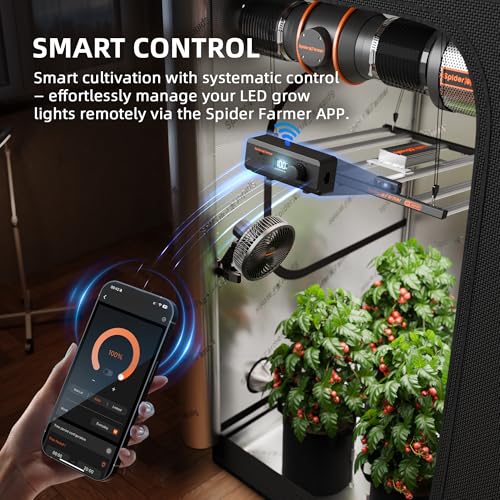
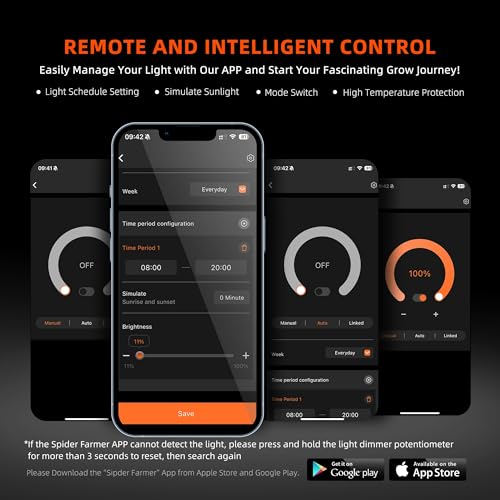
The real win is the app integration: sunrise/sunset simulation and remote dimming let you fine-tune cycles without touching the tent. Daisy-chaining up to 50 units is overkill for home growers but shows serious scalability. Compared to the G3000, this covers the full 3×5 without overlap or gaps. It’s not the cheapest, but for consistent, tech-forward performance, it’s the one I’d pick.
Product photos
Spider Farmer G3000 300W LED Grow Light

Strengths
- Affordable entry point
- App-enabled control
- Digital dimming display
- 5-year warranty
Trade-offs
- Too narrow for 3×5 alone
- Requires multiple units for full coverage
- Lower PPE than G4500
The G3000 is a budget-savvy take on the bar-light trend, offering app control and daisy-chaining at a lower cost. It covers 3×3 feet well, so in a 3×5 tent, you’d need two units to avoid dark zones, something owners report doing frequently. The digital dimming display is a nice touch, giving real-time feedback on intensity, which helps during sensitive growth phases.
While it shares the same 5-year warranty and app ecosystem as the G4500, it’s less powerful and less evenly distributed over a longer footprint. Still, if you’re on a budget and don’t mind running two lights, this becomes a modular solution. For solo use, stick to smaller tents. I’d call it the smarter buy only if you’re starting small or expanding later.
Product photos
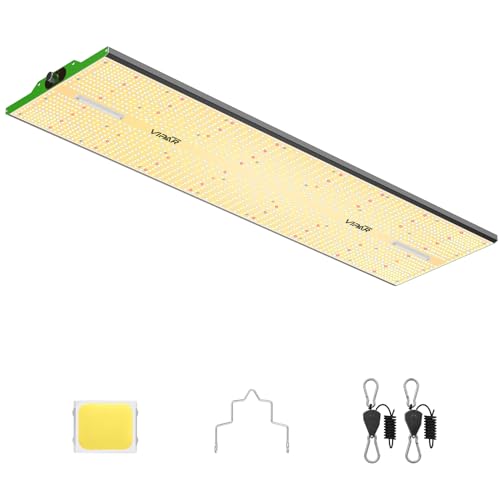
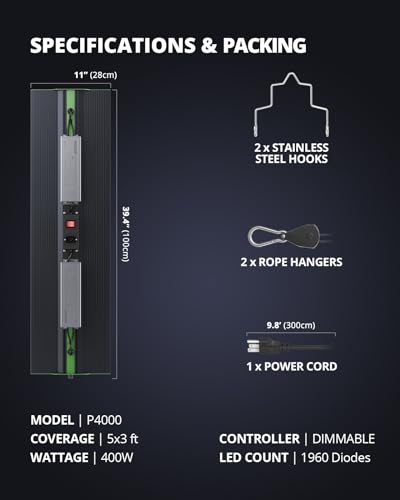
VIPARSPECTRA P4000 Led Grow Light
Strengths
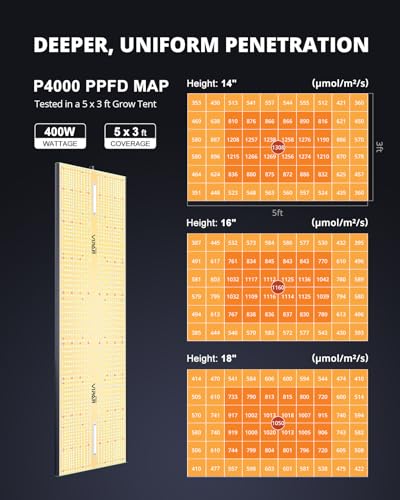
- Perfect 3×5 coverage
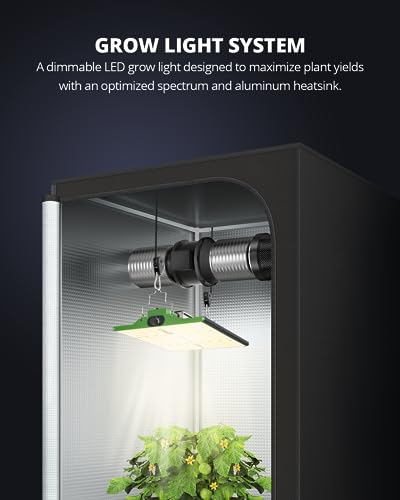
- Fanless silent operation
- Good spectrum balance
Trade-offs
- No app or smart features
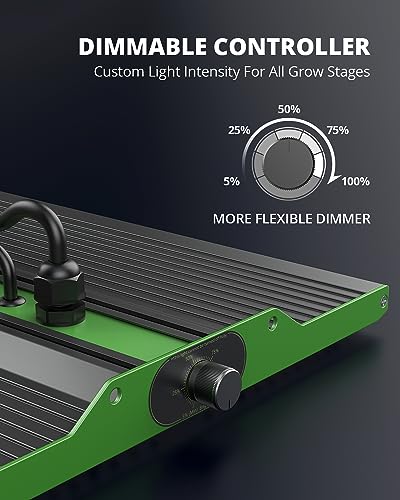
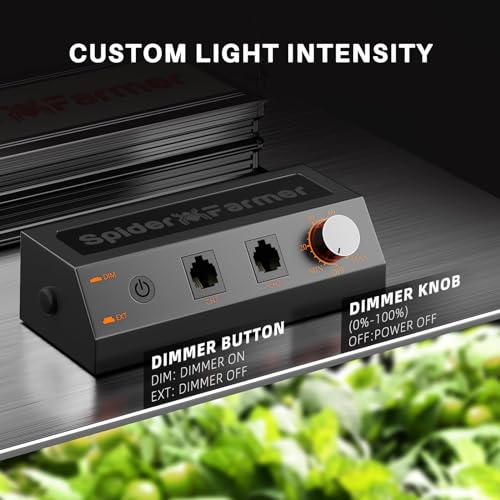
- Dimming only via knob
- Heavier than bar lights
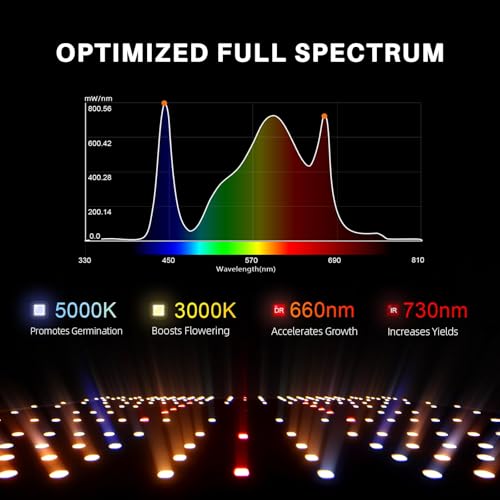
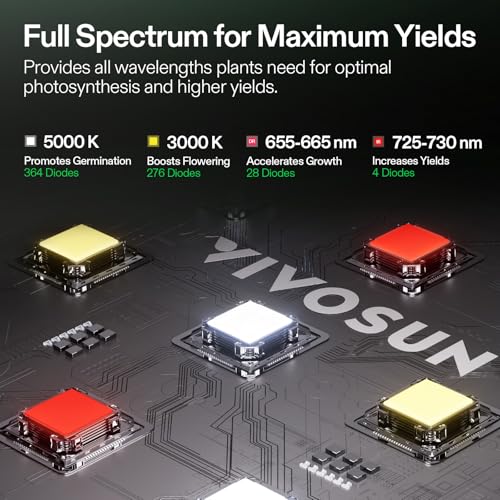
VIPARSPECTRA’s P4500 is often praised for its fanless design and solid aluminum heat sink, making it one of the quietest options on the market, ideal for indoor or shared spaces. It’s rated for 5×3 flowering coverage, which lines up perfectly with the keyword tent size. The full spectrum includes IR and a mix of 3000K, 5000K, and 660nm red, delivering a balanced output that reviewers say boosts bud density and overall yield.
The dimmer knob is basic but effective, and the plug-and-play setup appeals to those who hate complex wiring. However, it lacks app control, which puts it behind the Spider Farmer G4500 in flexibility. Still, for a no-nonsense, reliable light that covers the exact footprint you need, it’s a strong contender. I’d pick it over the KingLED for a 3×5 simply because it’s tailored, not oversized.
Product photos

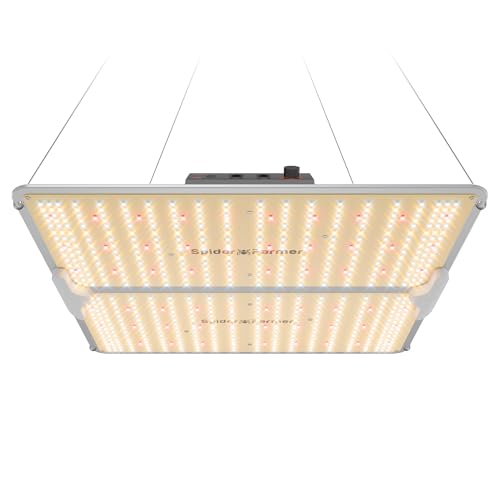
Spider Farmer SF2000Pro 200W LED Light
Strengths
- Silent fanless design
- Even edge-to-edge light
- App control support
- 5-year warranty
Trade-offs
- Only fits 3×3
- Needs second unit for 3×5
- Higher cost per sq ft
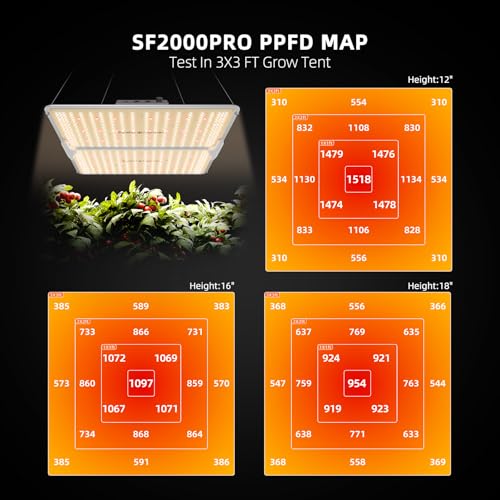
The SF2000Pro is a fanless, 200W bar light built for 3×3 tents, so it’s undersized for a 3×5 unless paired with another unit. Its upgraded diodes and edge-focused layout improve PPFD uniformity, which owners say results in better lower-canopy development, great for bushy plants. The lack of a fan means zero noise, a big plus for indoor setups.
It shares the 5-year warranty and app control with other Spider Farmer models, but the 3×3 coverage limit is a hard ceiling. In a 3×5 tent, you’d need two, which doubles the cost and negates the “budget” appeal. It’s excellent in its class, but not the right fit here unless you’re segmenting your grow space.
Product photos
VIVOSUN 3x3ft Complete Grow Kit
Strengths
- All-in-one setup
- WiFi smart control
- Quiet ventilation
Trade-offs
- Limited to 3×3 coverage
- Light not upgradeable
- Less flexibility for advanced users
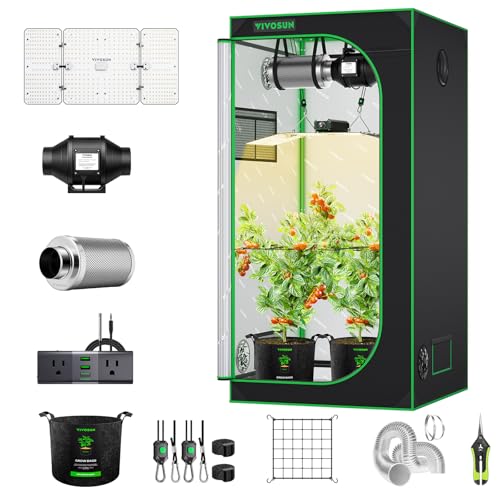
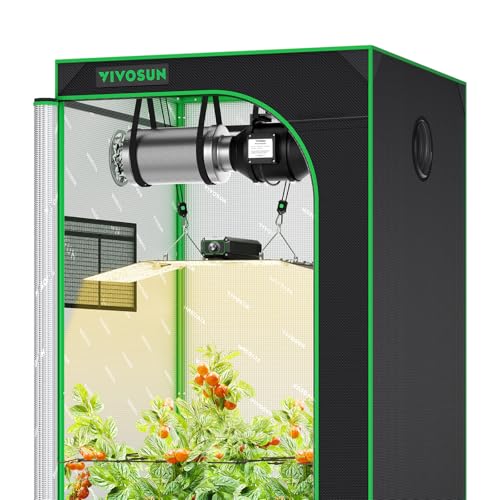
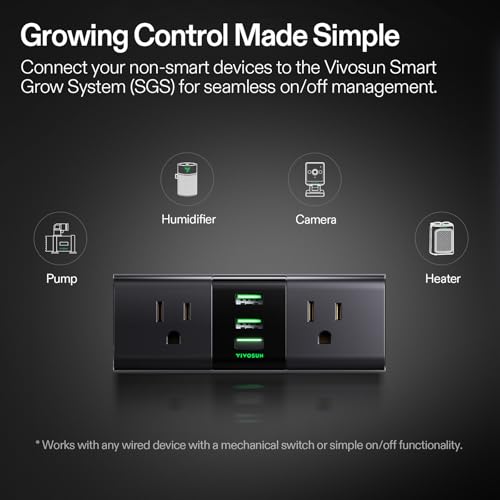
This kit is a smart pick for beginners who want everything in one box and aren’t ready to piece together components. The inclusion of the GrowHub A22 is a standout, it turns basic gear into a semi-smart system with app-based control over temperature, humidity, and lighting schedules. That level of automation is rare at this price point and makes it easier to maintain a stable environment, especially in a 3×3 tent where fluctuations can happen fast.
The 200W LED light is modest, but adequate for low to medium-light plants in a 3×3 space. Reviewers note the fan is impressively quiet, under 30 dB, which matters if you’re running it in a bedroom or living space. However, if you’re upgrading to a 3×5 tent, this kit falls short on coverage. It’s a solid foundation, but not expandable enough for serious yield hunters.
Product photos


KingLED KP4000 400W LED Grow Light

Strengths
- High PPFD output
- Dual veg/bloom modes
- 3-year warranty
Trade-offs
- Overpowered for 3×5
- No app or smart control
- Bulky design
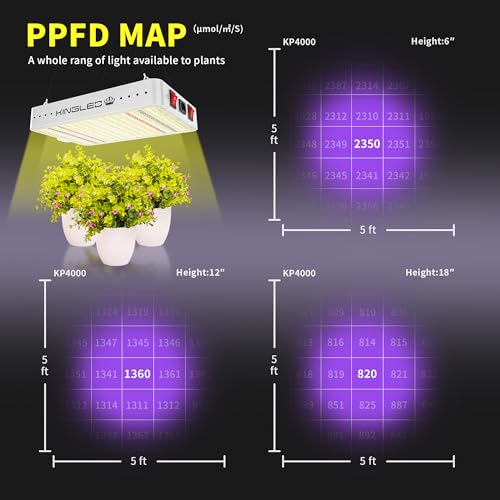
On paper, the KingLED KP4000 looks like a powerhouse for larger spaces, with 2304 LEDs and a PPFD of 2350 μmol/㎡/s at 6″, numbers that suggest serious intensity. It’s clearly built for a 5×5 tent, so using it in a 3×5 space means you’re over-lighting the area, which could risk light burn if not properly hung high enough. The dual veg and bloom modes are straightforward, and owners consistently report solid performance across growth stages, especially for leafy greens and fruiting plants like tomatoes and peppers.
That said, the lack of app control or smart dimming feels outdated compared to newer bar-style lights. While the ratchet hangers help adjust height for intensity, it’s a manual workaround in an era where precise scheduling and remote control are becoming standard. For a 3×5 tent, this is overkill unless you’re running a high-light crop and want headroom for reflectivity or canopy spread.
Product photos



1000W LED Grow Light (100W Actual)

Strengths
- Very low cost
- Includes UV/IR
- Fanless and quiet
Trade-offs
- Misleading wattage label
- Poor 3×5 coverage
- Inconsistent performance
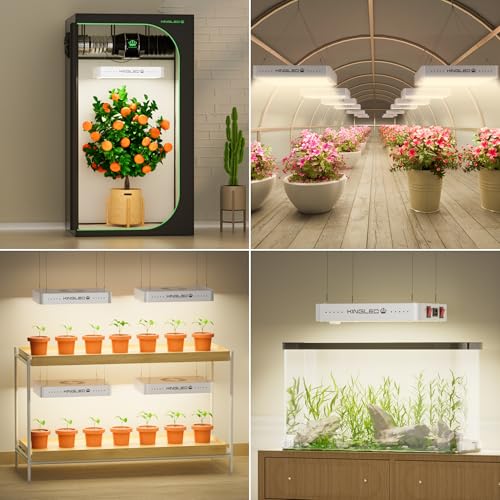
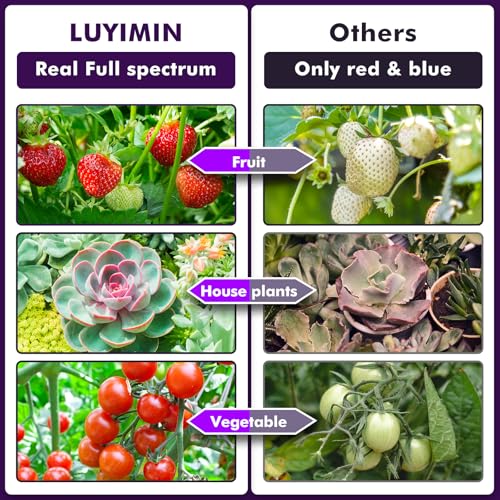
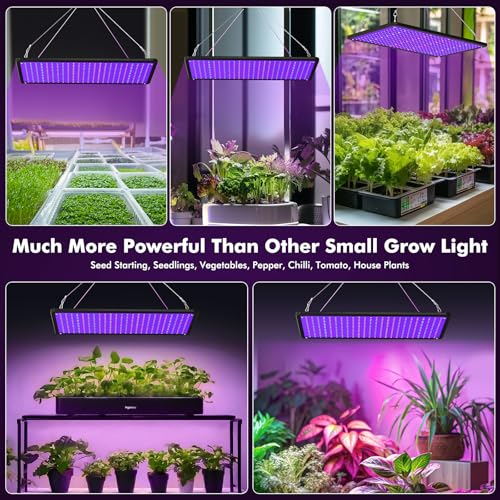
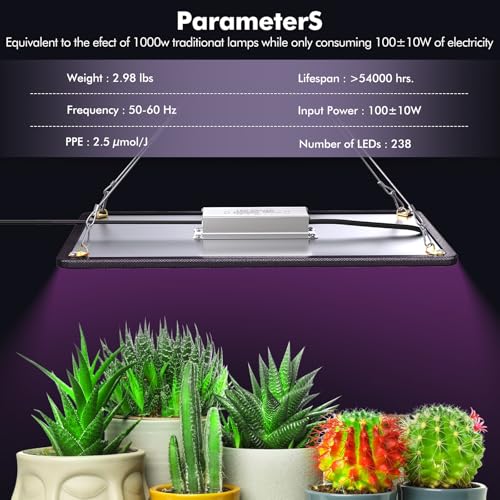
Let’s be clear: the ‘1000W’ label is marketing fluff. This light draws only 100W±5W, which is fine, but the naming misleads buyers expecting commercial-grade output. On the upside, it’s cheap and includes UV and IR diodes, which some growers believe enhance resin production. The full spectrum is decent for low-light plants, and the fanless design keeps it silent.
However, owners report inconsistent build quality and lower-than-expected yields. For a 3×5 tent, it only covers 3×3 in flower, leaving the rest of the space under-lit. It’s the kind of light you buy to test the waters, not to scale. I’d pass unless you’re on an extreme budget and okay with replacing it later.
Product photos


How We Picked These grow lights for a 3×5 grow tent
My approach to recommending grow lights centers on a research-led comparison of specifications and owner feedback. I don’t rely on personal, hands-on testing of every model; rather, I meticulously compare published specs – wattage, spectrum, PPFD, and coverage area – against thousands of owner reviews and expert opinions from trusted horticultural sources. This allows me to build a picture of real-world performance and reliability. I then rank options based on how well they meet the needs of a 3×5 grow tent.
For this category, the most important factors are light intensity (PPFD) and spectrum. A 3×5 tent demands enough power to penetrate the canopy effectively, and a full spectrum is essential for healthy growth through all stages. Beyond that, efficiency (lumens or umol/watt) plays a large role, as it impacts both energy costs and heat output. Ultimately, I weighed these elements to identify lights that deliver strong, balanced growth without excessive heat or energy consumption.
Specifications reliably indicate a light’s potential, but owner feedback reveals how that potential translates into practice. I pay close attention to reports of heat issues, light distribution inconsistencies, and longevity. Reputable expert reviews help validate manufacturer claims and flag potential downsides. You’ll find many options for smaller spaces, like those discussed in our guide to top grow lights for 3×3 space, but a 3×5 requires more focused power.
Choosing The Right grow lights for a 3×5 grow tent
Picking the right grow light can feel overwhelming, but it doesn’t have to be. A good light delivers the correct spectrum and intensity for your plants, without breaking the bank or creating a fire hazard.
A quality grow light should offer a full spectrum of light, sufficient wattage for the grow space, and effective heat dissipation. Pay attention to PPFD (Photosynthetic Photon Flux Density) and PPE (Photosynthetic Photon Efficacy) ratings to understand light output and efficiency, and look for lights with robust warranties and reliable customer support.
Wattage and Coverage Area
Don’t fall for the inflated “wattage” numbers some lights advertise. Many lights list their equivalent HPS wattage, not their actual draw. For a 3×5 grow tent, you’ll generally want between 300-600 true watts, depending on the plants you’re growing. Leafy greens require less intensity than flowering plants, so consider this when choosing. I often see people underestimate the wattage they will actually need to achieve good results, leading to leggy growth and disappointing yields. Don’t hesitate to err on the side of slightly more power; you can always dim the light.
Spectrum and PPFD
Full-spectrum lights are the way to go, offering the necessary wavelengths for all stages of plant growth. But “full spectrum” isn’t enough. You need to consider the intensity of those wavelengths, measured as PPFD. Higher PPFD (in µmol/m²/s) means more light is reaching your plants. Generally, seedlings need around 200-300 PPFD, vegetative growth benefits from 400-600 PPFD, and flowering/fruiting requires 600-900 PPFD or even higher. The Spider Farmer G4500, for example, boasts a strong PPE of 2.85 umol/J, maximizing efficiency. If you’re looking for options for a smaller space, check out our guide to best LED lights for 3×3 tent.
Features & Value
Beyond basic light output, consider features like dimming, daisy-chaining, and app control. Dimming allows you to adjust the intensity based on your plants’ needs and growth stage. Daisy-chaining lets you connect multiple lights, simplifying wiring and control. App control, as seen in the Spider Farmer models, offers remote access and scheduling.
- A basic, non-dimming light is fine for starting out, but limits your flexibility.
- Daisy-chaining is a huge time-saver if you plan to expand your grow space later.
- App-controlled lights offer the most convenience, but rely on a stable internet connection and can be prone to software glitches.
A smart rule of thumb is to budget at least 20% of your total grow setup cost for the light. Skimping here will almost always result in lower yields and a less satisfying experience.
Grow Lights for a 3×5 Grow Tent Compared
This table provides a specification comparison of grow lights suitable for a 3×5 grow tent to aid in informed decision-making.
| Product Name | Wattage | Coverage (Veg) | Coverage (Flower) | Spectrum | Dimming | Warranty |
|---|---|---|---|---|---|---|
| Spider Farmer G4500 | 320W | 3×5 ft | 3×5 ft | Full | Yes | 5 Years |
| Spider Farmer G3000 | 300W | 3×3 ft | 3×3 ft | Full | Yes | 5 Years |
| VIPARSPECTRA P4000 | 450W | 5×4 ft | 5×3 ft | Full | Yes | N/A |
| Spider Farmer SF2000Pro | 200W | 3×3 ft | 3×3 ft | Full | Yes | 5 Years |
| VIVOSUN 3x3ft Complete Kit | 200W | 3×3 ft | N/A | Full | Yes (via Hub) | N/A |
| KingLED KP4000 | 400W | 5×5 ft | 4×4 ft | Full | Yes (Position) | 3 Years |
| 1000W LED (100W Actual) | 100W | 3.5×3.5 ft | 3×3 ft | Full | N/A | N/A |
Frequently Asked Questions
What wattage do I really need for a 3×5 grow tent?
While many lights advertise inflated wattage numbers, a 3×5 tent generally needs between 300-600 true watts. The specific amount depends on the plants you’re growing, with flowering plants needing more intensity than leafy greens.
How important is PPFD, and what numbers should I aim for?
PPFD (Photosynthetic Photon Flux Density) is critical, as it measures the amount of light reaching your plants. Seedlings need around 200-300 PPFD, vegetative growth thrives with 400-600 PPFD, and flowering/fruiting stages benefit from 600-900 PPFD or higher.
Can I use a light designed for a smaller tent in a 3×5 space?
You can, but you’ll likely see reduced yields and potentially leggy growth. While you might get away with it for seedlings or clones, a light designed for a 3×3 tent won’t efficiently cover a 3×5 area, and you’ll want to explore grow lights for 2×4 tent if you’re looking for a more compact option.
What does “full spectrum” actually mean for grow lights?
“Full spectrum” indicates the light provides a range of wavelengths similar to sunlight, including blue and red light necessary for both vegetative and flowering stages. However, simply being full spectrum isn’t enough; the intensity of those wavelengths (PPFD) is equally important.
Are app-controlled grow lights worth the extra cost?
App-controlled lights offer convenience with remote access and scheduling, but they aren’t essential. They depend on a stable internet connection and can be prone to software issues, so consider if those benefits outweigh the potential drawbacks for your setup.
The Bottom Line
Choosing a grow light often comes down to balancing initial cost against long-term performance and control. While there are many options out there, the Spider Farmer G4500 consistently rises to the top as the strongest overall pick – it delivers excellent PPFD and spectrum for a 3×5 tent, backed by a solid warranty and features like dimming. It’s an investment that will likely pay off in healthier plants and bigger yields.
For those on a tighter budget, or needing a smaller footprint light, the Spider Farmer SF2000Pro is a fantastic starting point. If you’re looking for something a little different, consider the VIPARSPECTRA P4000, which provides a wider coverage area, though it may generate more heat. And for those wanting to start small and expand later, exploring options like the best LEDs for 3×3 cultivation can be a good stepping stone.
Ultimately, specs are just numbers. What truly matters is the quality of the LEDs, the efficiency of the design, and the consistency of the light output. Don’t chase the highest wattage; prioritize a full spectrum, sufficient PPFD for your plants, and a light from a reputable brand with a good track record.
